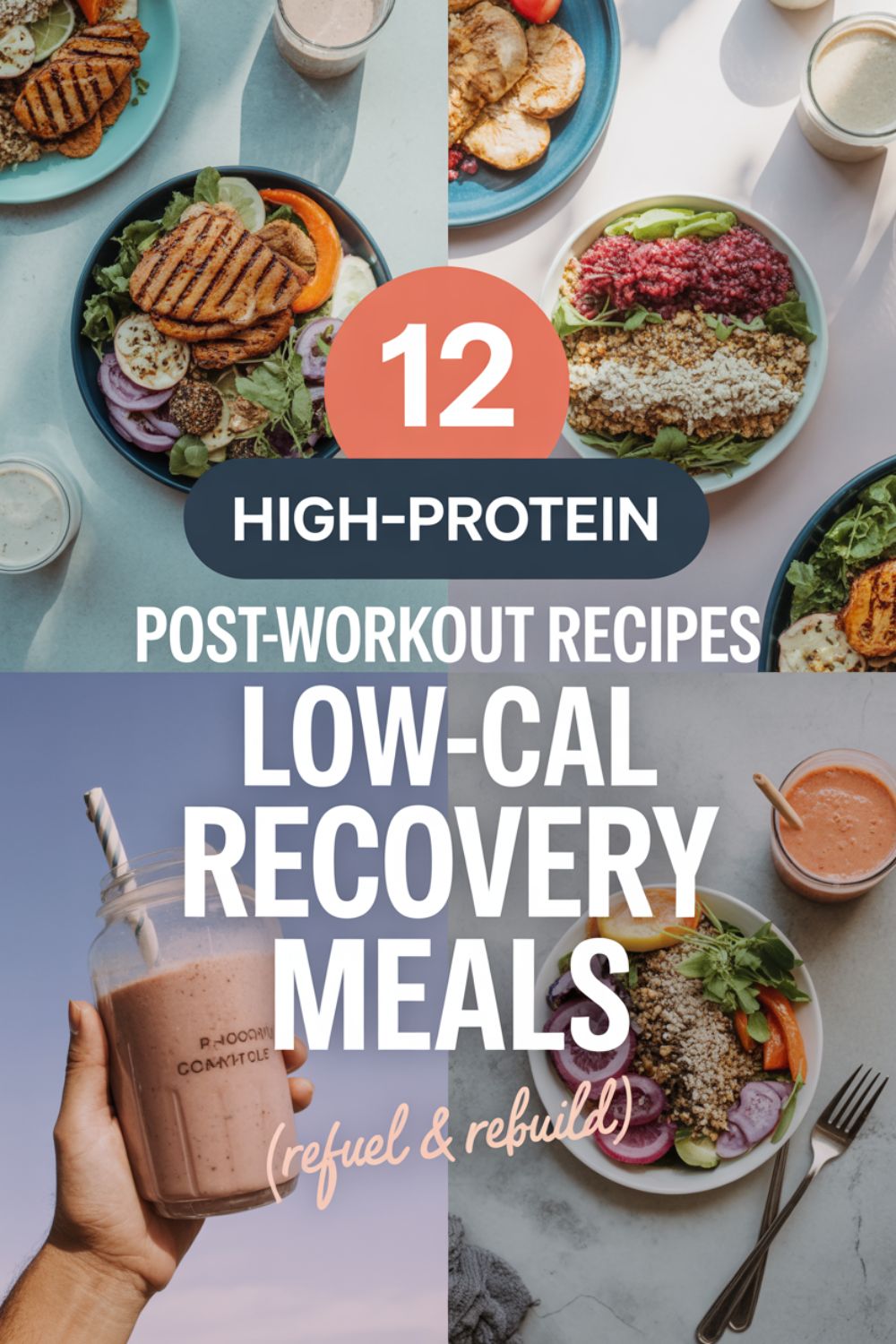
12 High-Protein Low-Calorie Recipes for Post-Workout Recovery
So you just crushed that workout, and now your muscles are basically screaming for nutrients. You know the drill—protein for recovery, but you don’t want to blow your calorie budget on a post-gym binge. The struggle is real, right?
Here’s the thing: post-workout nutrition doesn’t have to be boring chicken and broccoli on repeat. I’ve spent way too many evenings experimenting in my kitchen, trying to nail that sweet spot between delicious, protein-packed, and calorie-conscious. Some experiments were… let’s just say my dog was the only willing taste-tester.
But I’ve finally cracked the code. These 12 recipes deliver serious protein without the calorie overload, and they actually taste like food you’d want to eat. No chalky protein powder disasters or sad, flavorless meals that make you question your life choices. Just real food that helps your muscles recover while keeping your taste buds happy.

Why Protein Matters After Your Workout
Let’s talk science for a second without getting too nerdy. When you work out, you’re essentially creating tiny tears in your muscle fibers. Sounds dramatic, I know. But that’s actually how muscles grow stronger—they repair and rebuild.
Research shows that consuming protein after exercise helps maximize muscle protein synthesis, which is fancy talk for “helping your muscles recover and grow.” The ideal window? Most experts suggest getting protein within 30 minutes to 2 hours post-workout. But honestly, as long as you’re hitting your daily protein targets, you’re doing fine.
The magic number most fitness folks aim for is around 20-30 grams of protein per meal. Pair that with some carbs to replenish glycogen stores, and you’ve got yourself a winning combo. And here’s where keeping calories in check matters—you want to fuel recovery without accidentally eating back all the calories you just burned. Balance is everything.
Want More Healthy Recipe Ideas?
Join our WhatsApp community for daily recipes, meal prep tips, and exclusive nutrition advice delivered straight to your phone.
Join Our WhatsApp ChannelRecipe 1: Grilled Lemon Herb Chicken with Zucchini Noodles
This one’s my go-to when I want something that feels fancy but takes zero effort. Seriously, if you can press buttons on a grill or stovetop, you can make this.
Chicken breast is the MVP of post-workout meals—it’s lean, protein-packed, and versatile. Marinate it in lemon juice, garlic, and fresh herbs for about 30 minutes. I usually do this while I’m showering post-workout because multitasking is a lifestyle. Get Full Recipe
Why This Works
Protein per serving: 35 grams
Calories: 280
The zucchini noodles are a game-changer. I picked up this spiralizer last year, and honestly, it’s one of those gadgets I thought would collect dust but actually use constantly. The zoodles add volume and fiber without piling on calories, plus they cook in like 3 minutes. No joke.
Toss the zoodles with a tiny bit of olive oil and garlic, grill your chicken until it hits 165°F internally—use a good meat thermometer for this, trust me—and you’re done. The whole thing takes maybe 20 minutes if you’re moving at a normal human pace.
Recipe 2: Greek Yogurt Protein Pancakes
Who says pancakes can’t be part of your recovery plan? These aren’t your typical Sunday brunch pancakes drowning in syrup, but they’re legitimately good.
Mix Greek yogurt with oats, egg whites, and a bit of protein powder. The texture is fluffier than you’d expect, and the protein content? Off the charts. I make a batch on Sunday and reheat them throughout the week. Get Full Recipe
The Protein Breakdown
Protein per serving: 28 grams
Calories: 245
The Greek yogurt does double duty here—it adds moisture and a crazy amount of protein. I’m talking 15-20 grams depending on the brand you use. Pro tip: go for full-fat Greek yogurt. Yeah, I said it. The extra fat helps with nutrient absorption and keeps you satisfied longer. Those extra 30-40 calories are worth it, IMO.
Cook these on a nonstick griddle over medium heat. The key is patience—let them cook slowly so they don’t burn before the inside is done. Top with berries and a tiny drizzle of honey if you need that sweet hit.
Speaking of protein-packed breakfast ideas, you might want to check out these high-protein low-calorie bowls you can prep in under 20 minutes for more morning inspiration. They’re perfect for those days when you need something quick but substantial.
Recipe 3: Spicy Tuna and Avocado Lettuce Wraps
This recipe is what I make when I’m legitimately too tired to cook but still want real food. It’s basically adult Lunchables but make it fitness.
Grab a can of tuna—I prefer the ones packed in water because we’re watching calories here—and mix it with diced avocado, sriracha, and a squeeze of lime. Spoon it into butter lettuce leaves, and boom. Dinner in 5 minutes flat. Get Full Recipe
Why Tuna Deserves More Love
Protein per serving: 32 grams
Calories: 210
Tuna gets a bad rap for being boring, but that’s only because people don’t season it properly. The sriracha adds a kick without extra calories, and the avocado brings healthy fats that help with nutrient absorption. Plus, omega-3 fatty acids in fish can actually help reduce post-workout inflammation. Your joints will thank you.
If you’re meal prepping, store the tuna mixture separately from the lettuce. Nobody wants soggy wraps. I use these glass meal prep containers because they don’t absorb smells like plastic does. Game-changer for anything with fish or garlic.
Recipe 4: Turkey and Spinach Egg White Scramble
Breakfast for dinner? Absolutely. This scramble is what I turn to when I need something fast, filling, and protein-loaded without thinking too hard.
Dice up some lean ground turkey, toss it in a pan with spinach and egg whites, and season liberally with garlic powder and black pepper. The whole thing comes together in under 10 minutes. Get Full Recipe
The Egg White Advantage
Protein per serving: 34 grams
Calories: 255
Egg whites are pure protein—about 3.6 grams per white with basically zero fat or carbs. Some people get precious about “only eating whole eggs,” and look, whole eggs are great. But when you’re specifically trying to maximize protein while keeping calories down, egg whites are your friend.
The turkey adds extra protein and actually has more flavor than chicken breast (controversial opinion, I know). I cook everything in a nonstick ceramic pan with just a spritz of cooking spray. The spinach wilts down to nothing, so don’t be shy—throw in a huge handful. You’ll barely notice it in the final dish, but you’ll get all those vitamins and minerals.
Recipe 5: Baked Cod with Roasted Brussels Sprouts
Fish intimidates a lot of people, but cod is honestly one of the most forgiving fish you can cook. It’s mild, flaky, and you’d have to really try hard to mess it up.
Season the cod with lemon, dill, and a bit of paprika. Stick it in the oven at 400°F for about 12-15 minutes while your Brussels sprouts roast alongside. Everything happens on one pan, which means minimal cleanup. Get Full Recipe
Sheet Pan Magic
Protein per serving: 29 grams
Calories: 265
The beauty of sheet pan meals is that you can literally throw everything on there, set a timer, and go stretch or shower. I line my pan with parchment paper or use a silicone baking mat—makes cleanup even easier and nothing sticks.
Brussels sprouts get a bad rap from childhood trauma, but when you roast them properly with a little olive oil, salt, and garlic, they’re actually addictive. The edges get crispy and caramelized. FYI, cutting them in half helps them cook faster and creates more of that crispy surface area everyone fights over.
If you’re into the whole sheet pan cooking vibe, you should definitely explore these low-calorie high-protein sheet pan dinners for effortless cooking. They’re perfect for busy weeknights when you can’t even.
Recipe 6: Cottage Cheese and Berry Protein Bowl
I know cottage cheese has a texture thing for some people, but hear me out. When you mix it with the right stuff, it’s actually incredible.
Scoop cottage cheese into a bowl, top with mixed berries, a sprinkle of almonds, and a dash of cinnamon. That’s it. That’s the whole recipe. If you want to get fancy, drizzle a tiny bit of honey on top. Get Full Recipe
The Cottage Cheese Comeback
Protein per serving: 26 grams
Calories: 235
Cottage cheese is having a moment right now, and for good reason. It’s packed with casein protein, which digests slowly and keeps you full longer. Perfect for post-workout when you don’t want to be raiding the pantry an hour later.
The berries add natural sweetness and antioxidants, which help with recovery. I buy frozen berries in bulk because they’re cheaper and honestly just as nutritious as fresh. Just let them thaw for a few minutes or nuke them for 30 seconds. The almonds add some crunch and healthy fats—I usually crush them a bit with a mortar and pestle for better distribution.
Recipe 7: Lean Beef and Vegetable Stir-Fry
Stir-fries are the ultimate “clean out your fridge” meal, and this one’s no exception. The key is getting your pan screaming hot before anything goes in there.
Slice lean beef (sirloin or flank steak work great) super thin, toss it in a hot wok with whatever vegetables you have lying around—bell peppers, broccoli, snap peas, carrots—and season with soy sauce, ginger, and garlic. The whole thing takes maybe 15 minutes. Get Full Recipe
Why Beef Belongs in Your Rotation
Protein per serving: 31 grams
Calories: 290
Yeah, beef has more calories than chicken or fish, but it’s also loaded with iron, zinc, and B vitamins that support muscle recovery. Choose a lean cut and you’re golden. The trick with stir-fry is not overcrowding the pan—everything needs space to actually fry, not steam.
I use a carbon steel wok for this because it gets incredibly hot and distributes heat evenly. If you don’t have a wok, a regular large skillet works fine, just cook in batches. Serve over cauliflower rice if you’re going ultra low-cal, or regular rice if you need those carbs to refuel glycogen stores.
Recipe 8: Protein-Packed Quinoa and Black Bean Bowl
This one’s for my plant-based friends or anyone who just wants a break from meat. Quinoa is one of the few plant foods that’s a complete protein, meaning it has all nine essential amino acids. Pretty cool, right?
Cook quinoa according to package directions, mix with black beans, diced tomatoes, corn, and lime juice. Top with a dollop of Greek yogurt (or skip it for fully vegan). Season with cumin, chili powder, and cilantro. Get Full Recipe
The Plant Protein Powerhouse
Protein per serving: 22 grams
Calories: 310
The combination of quinoa and black beans creates a complete protein profile even without animal products. If you’re fully plant-based, this is huge. Add some avocado if you’ve got calories to spare—the healthy fats help with vitamin absorption.
I meal prep quinoa in big batches using my rice cooker—yes, it works for quinoa too—and portion it into containers for the week. Technically the proper ratio is one part quinoa to two parts water, but I like adding a bit of vegetable broth for extra flavor. Makes it way less boring.
For more plant-powered options that pack a protein punch, check out these high-protein low-calorie vegan meals for plant-based diets. They’re surprisingly filling and way more creative than just salads.
Recipe 9: Shrimp and Cauliflower Rice Bowl
Shrimp is criminally underrated in the post-workout meal department. It cooks in literally 3 minutes and has almost no calories relative to the protein it delivers.
Sauté shrimp with garlic and a bit of butter (or olive oil if you’re being super strict), toss it over cauliflower rice that you’ve quickly stir-fried, and season everything with lemon and parsley. Done. Get Full Recipe
The Shrimp Advantage
Protein per serving: 27 grams
Calories: 195
Shrimp is about 90% protein by calories, which is kind of insane. It’s also rich in selenium and vitamin B12. The only downside is the cholesterol content, but unless your doctor specifically told you to watch it, dietary cholesterol isn’t the villain it was made out to be in the ’90s.
Cauliflower rice is one of those vegetable swaps that actually works. You can buy it frozen or fresh, or make your own by pulsing cauliflower florets in a food processor. I usually just buy the frozen stuff because lazy is a valid cooking style. Just make sure to squeeze out excess moisture after cooking or your bowl becomes a sad, watery mess.
Recipe 10: Baked Chicken Meatballs with Marinara
Meatballs without the guilt? Sign me up. These are baked instead of fried, made with ground chicken instead of beef, and bulked up with hidden vegetables because we’re basically toddlers who need to be tricked into eating our veggies.
Mix ground chicken with finely grated zucchini, egg whites, garlic, and Italian seasoning. Roll into balls, bake at 400°F for 20 minutes, and serve with marinara sauce. Get Full Recipe
Sneaky Nutrition Wins
Protein per serving: 30 grams
Calories: 270
The grated zucchini adds moisture without adding many calories, plus you get extra fiber and nutrients. Nobody can even tell it’s there. It’s like vegetable espionage. I use a box grater for this—the fine side works best. Make sure to squeeze out the excess water from the zucchini first, or your meatballs will be mushy.
These freeze beautifully, so double the batch and thank yourself later. I portion them into containers with marinara sauce for grab-and-go meals. Just watch the sugar content in store-bought marinara—some brands are basically ketchup. Or make your own by simmering canned crushed tomatoes with garlic, basil, and oregano for 20 minutes.
Looking for more quick meal solutions? These low-calorie high-protein Instant Pot recipes for busy days are lifesavers when you need something hands-off but delicious.
Recipe 11: Protein-Loaded Overnight Oats
Not all post-workout meals need to be hot. Sometimes you want something you can prep ahead and just grab from the fridge. Enter overnight oats with a protein twist.
Mix oats with Greek yogurt, protein powder, almond milk, chia seeds, and whatever fruit you’re feeling. Let it sit overnight in the fridge. In the morning (or whenever), you’ve got a ready-to-eat meal. Get Full Recipe
The Make-Ahead Marvel
Protein per serving: 28 grams
Calories: 295
The combination of oats, Greek yogurt, and protein powder creates this triple-threat of protein sources. The chia seeds add omega-3s and more protein, plus they help thicken everything up overnight. I make five jars on Sunday using mason jars and have breakfast sorted for the week.
Choose your protein powder wisely—some brands taste chalky and ruin the whole thing. Vanilla or unflavored work best in oats. And don’t skip the almond milk (or regular milk if you prefer)—you need liquid for the oats to actually absorb. The ratio I use is roughly equal parts oats, yogurt, and milk, then add a scoop of protein powder. Adjust to your preferred thickness.
Recipe 12: Lemon Herb Baked Salmon with Asparagus
We’re ending with salmon because it deserves respect. Yeah, it’s got more fat than other fish, but it’s the good kind—omega-3s that fight inflammation and support recovery.
Place salmon fillets on a baking sheet, season with lemon, dill, garlic, and a tiny drizzle of olive oil. Toss asparagus spears on the same sheet, season those too, and bake everything at 425°F for about 15 minutes. Get Full Recipe
The Omega-3 Advantage
Protein per serving: 34 grams
Calories: 320
Salmon is one of those foods that’s worth spending a bit more on. Wild-caught has better omega-3 ratios than farmed, though both are nutritious. The fat content means you stay full longer, and those omega-3s actually help with muscle protein synthesis and reducing exercise-induced inflammation.
Asparagus roasts beautifully—the tips get crispy while the stalks stay tender. Just snap off the woody ends before cooking. I line my sheet with heavy-duty foil for this one because salmon can be a pain to clean up. Everything cooks at the same rate, which is why this is such a foolproof meal.
Making These Recipes Work for You
Here’s the reality check: not every recipe will be your favorite, and that’s totally fine. The goal is finding 3-4 go-to meals you actually enjoy making and eating. Because consistency beats perfection every single time.
Start with the recipes that sound most appealing to you. Maybe you hate fish, so skip those. Maybe you’re vegetarian—stick to the plant-based options. The protein targets and calorie counts are guidelines, not rules carved in stone. Your needs might be different based on your weight, activity level, and goals.
Meal Prep Tips That Actually Help
Batch cooking is your best friend if you’re serious about staying consistent. Pick one or two days a week to prep proteins and vegetables in bulk. Nutrition experts suggest prepping ingredients rather than full meals for better texture and freshness.
Cook 2-3 pounds of chicken breast, grill a bunch of vegetables, portion out quinoa or rice—whatever your staples are. Store them separately in containers. Then during the week, you’re just assembling meals rather than actually cooking from scratch every time. It’s the difference between spending 10 minutes and 45 minutes on dinner.
I keep protein staples in the freezer at all times: individually frozen chicken breasts, shrimp, ground turkey. Frozen vegetables are also criminally underrated—they’re flash-frozen at peak freshness and actually retain more nutrients than “fresh” produce that’s been sitting around for days. Plus, no chopping.
The Protein Powder Controversy
You’ll notice some of these recipes use protein powder while others don’t. That’s intentional. Whole food protein sources are ideal, but powder can help you hit targets when you’re short on time or appetite post-workout.
Not all protein powders are created equal. Whey protein is quickly absorbed, making it great post-workout. Casein digests slower, better for before bed. Plant-based options like pea or rice protein work fine too, especially if dairy bothers you. Just check the ingredient list—if you can’t pronounce half the stuff in there, maybe choose a different brand.
For an extra protein boost without cooking, try these low-calorie high-protein smoothies to boost metabolism. They’re perfect for those days when you can barely function, let alone use a stove.
Common Post-Workout Nutrition Mistakes
Let’s talk about what NOT to do, because sometimes that’s more helpful than all the success tips in the world.
Waiting Too Long to Eat
Yeah, the “anabolic window” isn’t as crucial as bro science made it seem, but completely skipping post-workout nutrition because you’re not hungry is shooting yourself in the foot. Your muscles need fuel to recover. If you struggle with appetite post-workout, go for something easy to digest like a smoothie or yogurt bowl.
Going Too Low on Calories
I see this all the time—people crush a tough workout, then eat like 150 calories because they’re trying to lose weight. Bad move. Your body needs adequate fuel to actually recover and build muscle. Undereating just leads to fatigue, poor recovery, and eventually injury. These recipes hover around 200-300 calories with high protein specifically to avoid that trap.
Forgetting the Carbs
The low-carb obsession needs to chill. Unless you’re doing keto for specific reasons, you need carbs to replenish glycogen after a workout. That’s your muscle’s fuel source. I’m not saying go crazy, but adding some quinoa, sweet potato, or fruit to your post-workout meal isn’t going to ruin anything.
Relying Only on Protein Shakes
Protein shakes are convenient, but they shouldn’t be your only recovery strategy. Whole foods provide vitamins, minerals, fiber, and other nutrients that powder just can’t match. Use shakes as a supplement to real food, not a replacement for it.
Hydration and Recovery
Everyone talks about protein, but we’re sleeping on hydration. You lose a lot of fluid through sweat during workouts, and dehydration can seriously mess with your recovery.
Water is obviously your best bet, but if you’ve done an intense or long workout, you might need to replace electrolytes too. I’m not talking about chugging sugary sports drinks—those are usually overkill unless you’re running marathons. A pinch of sea salt in your water or some coconut water does the trick for most people.
A good rule of thumb? Drink at least 16-24 ounces of water within an hour after your workout. If your pee is dark yellow, you’re not drinking enough. Gross but true.
Timing Your Meals for Optimal Recovery
So we talked about the protein window earlier, but let’s dig a bit deeper into timing. Research on nutrient timing shows that while the immediate post-workout period is important, your overall daily protein intake matters more than hitting a specific 30-minute window.
That said, getting protein within 2 hours of your workout is still a good practice. Your muscles are more sensitive to amino acids during this time, and you’ll likely feel hungry anyway. Just don’t stress if you can’t eat immediately after the gym—life happens.
If you work out in the morning, make one of these recipes your breakfast. Evening workout? It’s your dinner. The beauty of these 12 recipes is they work for any meal, any time of day.
Adjusting Portions Based on Your Goals
The portions listed in these recipes are guidelines for the average person looking to maintain or build lean muscle. But everyone’s different. A 200-pound guy trying to bulk up needs more than a 130-pound woman trying to lean out.
If you’re in a calorie deficit for weight loss, these recipes work perfectly as-is. The high protein keeps you full while the lower calories support fat loss. If you’re trying to gain muscle and need more calories, simply increase your portion sizes or add extra carbs on the side—think sweet potatoes, rice, or whole grain bread.
The protein amounts should stay relatively consistent regardless of your goal—around 0.7-1 gram per pound of body weight daily is a solid target for active people. It’s the carbs and fats you’ll adjust based on whether you’re cutting, maintaining, or bulking.
Kitchen Tools That Make Everything Easier
Look, you don’t need a fancy kitchen to make these recipes. But a few key tools really do make meal prep less painful. Here’s what I actually use regularly:
A quality chef’s knife makes chopping vegetables infinitely less annoying. I spent years using dull knives and wondering why cooking felt like such a chore. Invest in one good knife and keep it sharp—it’ll change your life.
Meal prep containers are non-negotiable if you’re batch cooking. I prefer glass over plastic because they don’t stain or hold smells. These containers with dividers are perfect for keeping proteins, carbs, and veggies separate.
A digital kitchen scale helps with portion control if you’re tracking macros. Eyeballing portions is fine once you’re experienced, but when you’re starting out, a simple scale takes the guesswork out.
For those days when cooking feels impossible, these high-protein low-calorie slow cooker meals you’ll love are absolute lifesavers. Just dump everything in and forget about it.
Budget-Friendly Protein Sources
Real talk: eating high-protein can get expensive if you’re only buying fresh salmon and grass-fed beef. But it doesn’t have to be.
Canned tuna and salmon are your budget MVPs. Yeah, fresh is great, but canned fish has the same protein and omega-3s at a fraction of the cost. Just watch the sodium content and go for versions packed in water.
Eggs are ridiculously cheap protein. A carton of 18 eggs costs like 4 bucks and gives you over 100 grams of protein total. Egg whites in cartons are pricier but still more economical than most protein sources.
Frozen chicken breast goes on sale constantly. Stock up when it’s cheap and toss it in the freezer. Same with ground turkey. Greek yogurt store brands are usually half the price of name brands with identical nutrition stats.
Plant proteins like lentils, black beans, and chickpeas are stupidly affordable. A bag of dried lentils costs like 2 dollars and makes multiple meals. Plus they’re shelf-stable, so you can always keep them on hand.
📚 Digital Guide: 50 High-Protein Meal Prep Recipes eBook
Never run out of meal ideas again. This comprehensive eBook includes 50 tested recipes with full nutritional breakdowns, grocery lists, and prep-ahead instructions. Covers breakfast, lunch, dinner, and snacks—all under 400 calories with 25g+ protein.
Download NowDealing with Food Boredom
Eating the same meals on repeat is efficient, but it gets old fast. Here’s how I keep things interesting without making my life complicated:
Switch up your seasonings. Same chicken breast tastes completely different with Italian herbs versus Mexican spices versus Asian ginger-soy flavors. Keep a variety of spice blends on hand and rotate through them.
Change your cooking method. Grilled chicken, baked chicken, and pan-seared chicken are technically the same food but feel totally different. Same goes for vegetables—roasted, steamed, or stir-fried all create different textures and flavors.
Mix and match components. Cook your proteins and carbs in bulk, then combine them differently throughout the week. Monday’s grilled chicken over quinoa becomes Tuesday’s chicken with cauliflower rice and Wednesday’s chicken in lettuce wraps.
Try new vegetables. If you’re stuck in a broccoli and spinach rut, branch out. Roasted Brussels sprouts, sautéed zucchini, grilled bell peppers, roasted cauliflower—there’s a whole world of veggies out there that aren’t boring salad greens.
Never Miss a Recipe!
Get instant notifications when we drop new high-protein recipes, meal plans, and fitness nutrition tips. Join thousands of food lovers in our community.
Join WhatsApp Community NowNeed more variety in your routine? Check out these low-calorie high-protein salad recipes for quick lunches. They’re way more interesting than your typical sad desk salad.
Final Thoughts
Post-workout nutrition doesn’t have to be complicated or boring. You’ve now got 12 solid recipes that deliver the protein your muscles need without blowing your calorie budget. Whether you’re into quick stir-fries, make-ahead meal prep, or simple grilled proteins, there’s something here that’ll work for your lifestyle.
The best recovery meal is the one you’ll actually eat consistently. Don’t stress about being perfect—just focus on getting quality protein within a few hours of your workout, pair it with some carbs and vegetables, and you’re golden. Your muscles will recover, you’ll feel better, and you won’t be eating sad desk lunches anymore.
Start with one or two recipes that sound good to you. Master those, then gradually add more variety to your rotation. Before you know it, you’ll have a whole arsenal of post-workout meals that you actually enjoy making and eating. And honestly, that’s the real win here—sustainable nutrition that supports your fitness goals without making you miserable.
Now go crush that workout, and come back to a meal that actually tastes good. You’ve earned it.