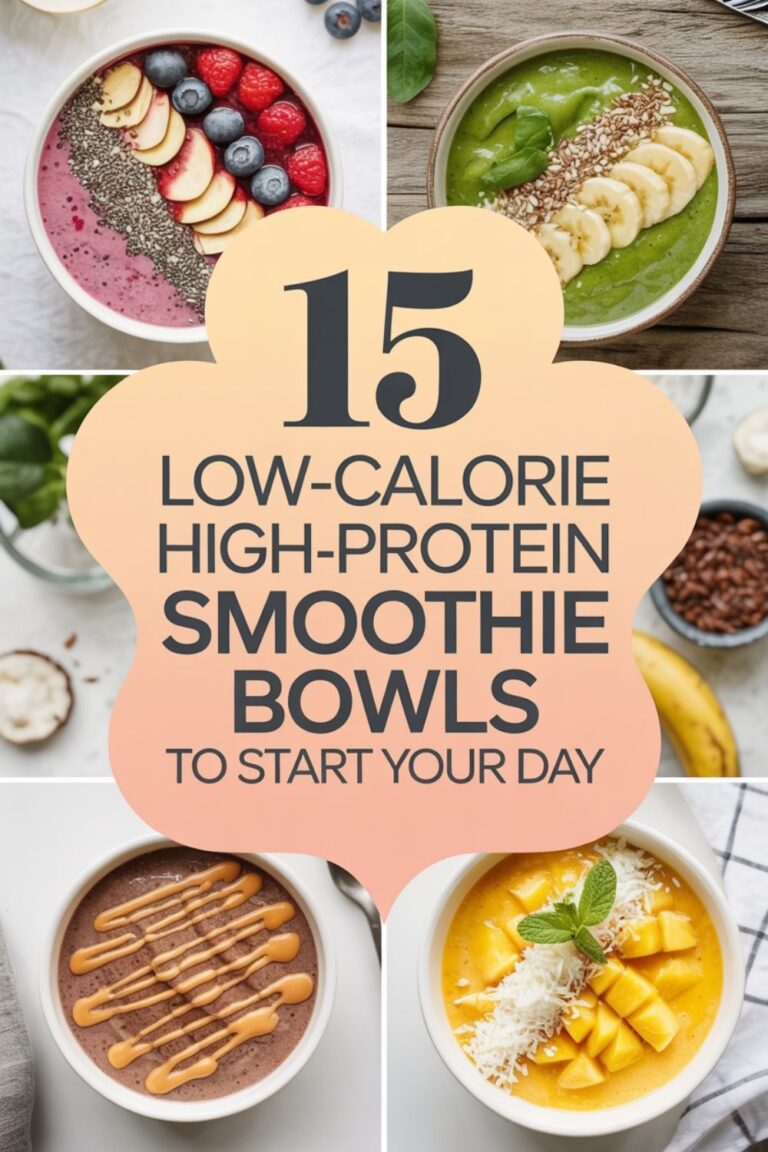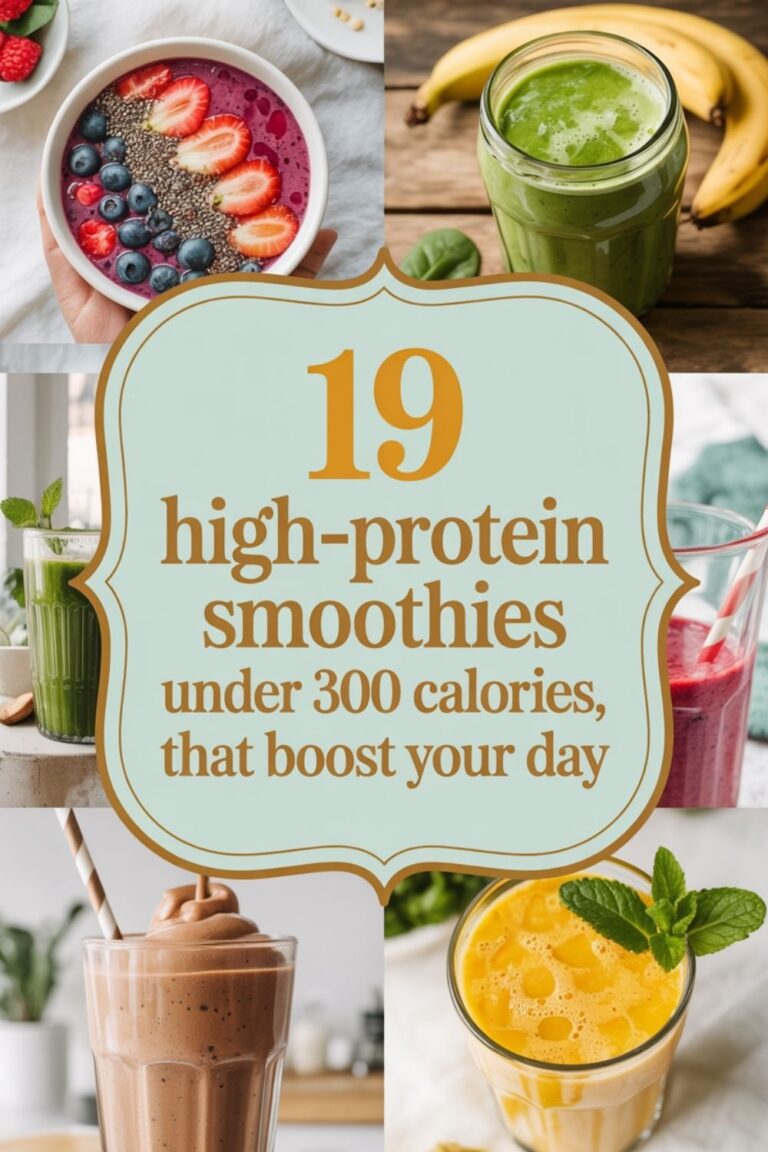
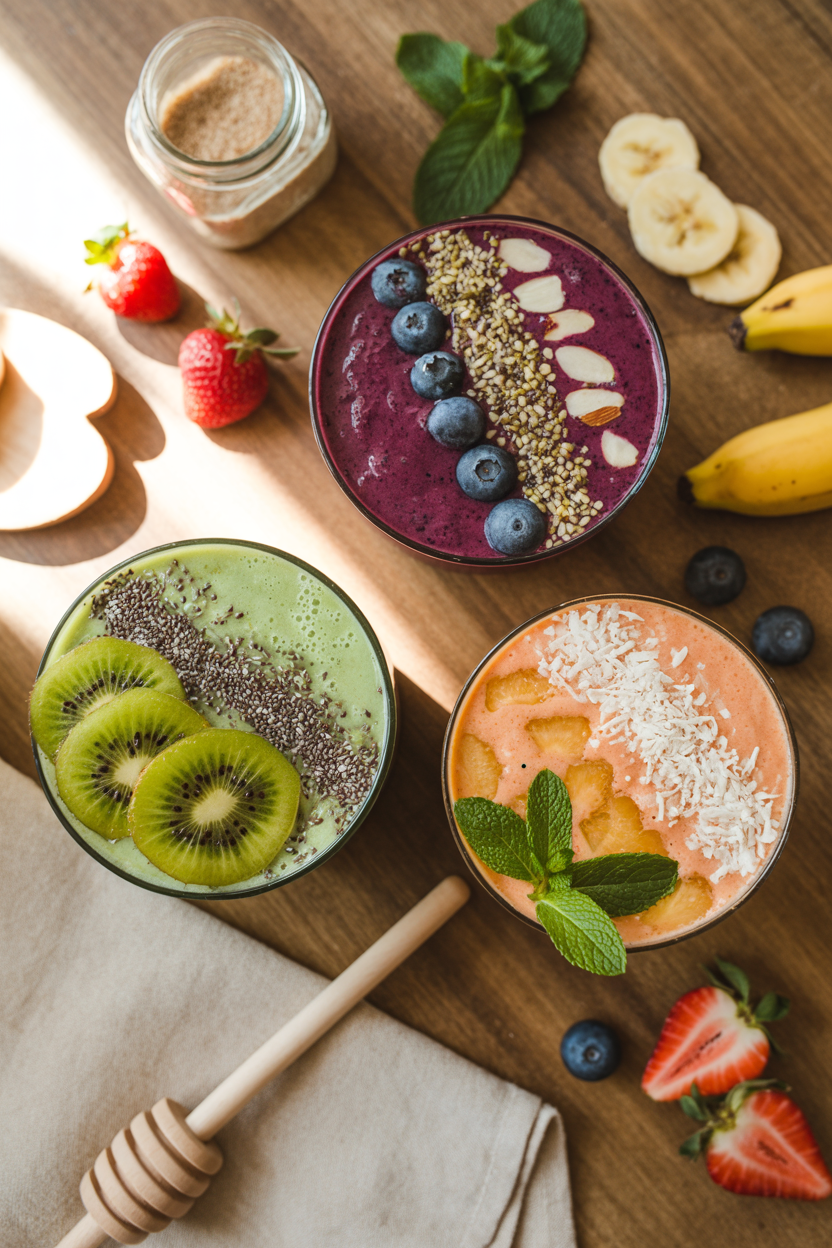
12 Low-Calorie High-Protein Smoothies to Boost Metabolism
Look, I get it. You’re staring at your blender at 6 AM wondering if there’s actually a way to make something that tastes good, keeps you full, and doesn’t derail your entire day before it starts. Spoiler alert: there absolutely is, and you don’t need to choke down chalky protein powder like it’s some sort of punishment.
I’ve been obsessed with high-protein smoothies for years now, and not in that annoying “wellness influencer” way. These drinks legitimately changed how I approach mornings, especially once I figured out the metabolism piece. Turns out, when you load up on protein early, your body actually has to work harder to break it down—which means you’re burning more calories just sitting there sipping your breakfast. Science is wild, right?
Why Protein Actually Matters for Your Metabolism
Here’s the thing about protein that nobody really talks about in plain English: your body is lazy. It wants to process food with the least amount of effort possible. But protein? Protein makes your body work.
When you eat protein, your body enters what researchers call the “thermic effect of food.” Basically, it takes way more energy to break down protein than it does carbs or fat. Studies show that protein requires roughly 20-30% of its caloric content just for digestion and processing, while carbs only need about 5-10%. That’s a massive difference.
And here’s where it gets really interesting. Research from the National Institutes of Health indicates that high-protein diets can increase your metabolic calorie burn by approximately 80-100 calories daily. That might not sound like much, but over a week, a month, a year? It adds up fast. Plus, protein helps you maintain lean muscle mass, which burns calories even when you’re binge-watching Netflix.
I’m not saying protein is magic. But after switching to high-protein breakfasts consistently, I noticed I wasn’t ravenous by 10 AM anymore. No mid-morning crashes, no desperate vending machine runs. Just steady energy that actually lasted.
If you’re trying to figure out the whole protein-and-metabolism connection, check out these high-protein breakfast ideas that pair perfectly with smoothies, or explore metabolism-boosting meal plans that take the guesswork out of your daily routine.
The Low-Calorie Sweet Spot
Now, about the “low-calorie” part. I’m not here to preach restriction or tell you to survive on 200 calories until lunch. That’s nonsense. But there’s definitely a balance between “filling enough to be useful” and “basically a milkshake disguised as health food.”
Most of these smoothies clock in around 250-350 calories, which is perfect if you’re pairing them with something else or using them as a solid meal replacement. The protein keeps you satisfied way longer than a carb-heavy breakfast would, and you’re not spending half your daily calories before noon.
The trick is focusing on ingredients that pack nutritional punch without unnecessary sugar or fats. Greek yogurt instead of regular. Unsweetened almond milk instead of juice. A handful of spinach that you won’t even taste but gives you actual vitamins. These small swaps make a huge difference.
12 Smoothie Recipes That Actually Deliver
1. Classic Berry Protein Blast
This one’s my go-to when I’m rushing out the door. Blend one cup of mixed frozen berries (I usually do strawberries and blueberries), a scoop of vanilla protein powder, half a cup of plain Greek yogurt, and unsweetened almond milk until smooth.
The Greek yogurt adds about 10 grams of protein on its own, plus the creaminess factor is unmatched. Greek yogurt is also a complete protein source, containing all nine essential amino acids your body needs but can’t produce. Frozen berries keep it cold without watering it down like ice would. Trust me on this—I learned that lesson the hard way after too many disappointing watery smoothies.
Get Full Recipe
2. Green Machine with Hidden Veggies
Don’t let the color scare you. This tastes like a tropical vacation, not a salad. Blend one cup of spinach, half a frozen banana, a scoop of vanilla protein powder, half a cup of Greek yogurt, a tablespoon of almond butter, and coconut water.
The almond butter is key here. It adds healthy fats that help you stay full longer, plus it makes the whole thing taste slightly sweet and nutty. I use a compact personal blender for this one because it handles the leafy greens without getting all chunky and weird.
Get Full Recipe
3. Chocolate Peanut Butter Power
Look, if you’re going to drink something for breakfast, it might as well taste like dessert. One scoop of chocolate protein powder, a tablespoon of natural peanut butter, half a frozen banana, a cup of unsweetened almond milk, and a handful of ice.
The peanut butter vs. almond butter debate is real, but IMO, peanut butter wins for chocolate smoothies. It’s got that classic combo that just works. Plus, peanut butter typically has slightly more protein per serving than almond butter—about 7-8 grams per two tablespoons versus 6-7 grams.
Get Full Recipe
4. Tropical Mango Paradise
This one reminds me I don’t actually live in a frozen tundra, even when it’s February and I hate everything. Blend one cup of frozen mango chunks, half a cup of frozen pineapple, a scoop of vanilla protein powder, half a cup of plain Greek yogurt, and coconut milk.
I’m a big fan of using reusable silicone straws for thick smoothies like this one. They’re sturdy enough that you’re not fighting for every sip, and you’re not adding plastic waste to your morning routine.
For more tropical inspiration, check out these island-inspired breakfast bowls or try a coconut-based protein smoothie that takes the tropical vibes even further.
5. Cinnamon Roll Protein Shake
Okay, this one’s borderline ridiculous but in the best way. It legitimately tastes like a cinnamon roll without the post-sugar crash. Blend a scoop of vanilla protein powder, half a frozen banana, a tablespoon of almond butter, a half teaspoon of cinnamon, a pinch of nutmeg, and unsweetened almond milk.
The cinnamon does something magical here. It adds sweetness without actual sugar, plus research suggests cinnamon might help with blood sugar regulation. Not making any wild claims, but it definitely makes this smoothie taste way more indulgent than it actually is.
Get Full Recipe
6. Coffee Protein Kickstart
For those days when you need your smoothie and your caffeine in one convenient cup. Blend a scoop of chocolate or vanilla protein powder, half a cup of cold brew coffee (or strongly brewed regular coffee), half a frozen banana, a cup of unsweetened almond milk, and ice.
I make my cold brew in one of those cold brew coffee makers with the built-in filter. You can batch it at the start of the week and just pour it straight into your smoothies. Saves time and money on coffee shop runs.
Get Full Recipe
7. Vanilla Chai Spice
This tastes exactly like a chai latte but with actual nutritional value. Blend a scoop of vanilla protein powder, half a cup of Greek yogurt, a half teaspoon of chai spice blend (or mix cinnamon, cardamom, ginger, and cloves), a teaspoon of honey, and unsweetened almond milk.
FYI, you can buy pre-made chai spice blends, but making your own lets you control the intensity. I like mine heavy on the cardamom because it’s got that slightly floral thing going on that makes the whole smoothie feel fancy.
Get Full Recipe
8. Blueberry Almond Dream
Blueberries are underrated in the smoothie world. Everyone goes for strawberries, but blueberries pack way more antioxidants and blend smoother. Combine one cup of frozen blueberries, a scoop of vanilla protein powder, a tablespoon of almond butter, half a cup of Greek yogurt, and unsweetened almond milk.
I keep frozen blueberries stocked at all times because they last forever and you don’t have to worry about them going mushy in your fridge. Throw them in a airtight freezer container and they’ll stay good for months.
Get Full Recipe
If you’re loving the berry vibes, you might also dig these antioxidant-rich smoothie bowls or experiment with a mixed berry protein parfait for days when you want something you can eat with a spoon.
9. Pumpkin Spice Protein (Not Just for Fall)
Hot take: pumpkin shouldn’t be seasonal. Blend a quarter cup of pure pumpkin puree (not pie filling—that’s loaded with sugar), a scoop of vanilla protein powder, half a frozen banana, a half teaspoon of pumpkin pie spice, a tablespoon of almond butter, and unsweetened almond milk.
The pumpkin adds fiber and makes this incredibly filling without adding many calories. Plus, it’s got beta-carotene and other good stuff your body actually uses. I buy those small glass storage jars to portion out pumpkin puree since you never use a whole can at once.
Get Full Recipe
10. Strawberry Banana Classic (But Better)
You’ve had strawberry banana smoothies before, but probably not like this. One cup of frozen strawberries, half a frozen banana, a scoop of vanilla protein powder, half a cup of Greek yogurt, a tablespoon of ground flaxseed, and unsweetened almond milk.
The flaxseed is my secret weapon here. It adds omega-3 fatty acids and extra fiber without changing the taste. I grind whole flaxseeds in a spice grinder because pre-ground stuff loses potency fast once the package is opened.
Get Full Recipe
11. Mint Chocolate Chip
This is what happens when you want ice cream for breakfast but you’re trying to be a responsible adult. Blend a scoop of chocolate protein powder, a handful of fresh spinach (trust me), a quarter teaspoon of peppermint extract, half a frozen banana, and unsweetened almond milk. Top with a few dark chocolate chips if you’re feeling wild.
The spinach is invisible once everything’s blended, but it adds nutrients and makes the color more “mint chip” and less “just chocolate.” The peppermint extract is key—a little goes a long way, so start small and adjust.
Get Full Recipe
12. Peachy Keen Protein
Frozen peaches are criminally underused in smoothies. Blend one cup of frozen peach slices, a scoop of vanilla protein powder, half a cup of Greek yogurt, a quarter teaspoon of vanilla extract, and unsweetened almond milk. Add a pinch of cinnamon if you’re feeling adventurous.
I love using wide-mouth mason jars for smoothies because they’re easy to clean and you can see exactly what color you’re working with. Plus, they double as storage containers if you want to prep ingredients the night before.
Get Full Recipe
Looking for more peachy recipes? Try these stone fruit breakfast ideas or check out summer protein smoothie variations that make the most of seasonal produce.
The Gear That Actually Matters
You don’t need fancy equipment, but having the right tools makes this whole smoothie thing way easier. I spent years making smoothies in a cheap blender that left chunks of frozen fruit floating around like little icebergs. Not fun.
A decent high-speed blender changed everything. It doesn’t have to be the most expensive one on the market, but it should handle frozen fruit without sounding like it’s dying. I’m partial to the ones with the single-serve cups that double as travel containers because fewer dishes equals happier mornings.
Other things I actually use: a set of measuring scoops that clip together so I’m not digging through drawers at 6 AM, and a protein powder container with a built-in scoop holder. Small conveniences matter when you’re barely awake.
Making Smoothies Work for Your Life
Here’s what nobody tells you about smoothie routines: they only work if they’re actually convenient. I tried the whole “prep everything Sunday night” thing and ended up with sad, freezer-burned banana slices and good intentions.
What works better? Keep your freezer stocked with basics. Frozen fruit, frozen banana slices, pre-portioned protein powder scoops. Greek yogurt lasts a decent amount of time in the fridge. Nut butters live in the pantry. When everything’s already there, you’re way more likely to actually make the smoothie instead of grabbing whatever’s easiest.
I also batch my protein powder into individual portions using small resealable bags. Saves time and means I’m not accidentally dumping three scoops into one smoothie because I’m half-asleep.
The Protein Powder Question
Let’s address the elephant in the room: yes, you need protein powder for most of these recipes. Can you get enough protein from whole foods alone? Sure, technically. But are you going to blend cottage cheese and raw eggs into your smoothie every morning? Probably not.
I’ve tried approximately seven thousand protein powders, and here’s what I’ve learned. Whey protein blends smoothest and tastes best, but it’s not an option if you’re dairy-free. Plant-based proteins have come a long way but can be grittier. Pea protein, rice protein, and hemp protein all have different textures and flavors—you might need to experiment.
The vanilla and chocolate flavors are most versatile. Unflavored protein powder sounds great in theory but often tastes weirdly salty or just… off. Unless you’re adding it to something with strong flavors, stick with vanilla.
For plant-based options that blend well, these vegan protein smoothie recipes or dairy-free breakfast alternatives can help you figure out what works best for your dietary needs.
Common Mistakes (That I’ve Definitely Made)
Using too much liquid is smoothie mistake number one. You want thick, not soup. Start with less liquid than you think you need and add more if it’s not blending. You can always thin it out, but you can’t un-water a watery smoothie.
Not using frozen fruit is mistake number two. Ice dilutes flavor. Frozen fruit keeps things cold and thick without making your smoothie taste like nothing. Plus, frozen fruit is often cheaper and doesn’t go bad in two days.
Mistake three: not balancing flavors. If your smoothie tastes bland, add a pinch of salt (weird but effective) or a tiny bit of vanilla extract. If it’s too sweet, add more protein powder or Greek yogurt to cut it. If it’s too thick, add liquid gradually.
The Metabolism Reality Check
I need to be straight with you about something. Smoothies aren’t magic. Protein helps boost metabolism, yeah, but we’re talking about an extra 80-100 calories burned per day, not some dramatic transformation where you suddenly have abs from drinking blueberries.
The real benefit is consistency. When you start your day with 25-30 grams of protein, you’re less likely to crash and burn by mid-morning. You’re less likely to grab garbage food because you’re actually satisfied. Over time, those decisions add up way more than any single metabolic boost ever could.
These smoothies work because they’re sustainable. They taste good enough that you’ll actually drink them. They’re filling enough that you’re not eating your entire pantry an hour later. They’re convenient enough that they fit into actual human life.
Related Recipes You’ll Love
Looking for more ways to keep your protein game strong? Here are some recipes that pair perfectly with these smoothies:
More Breakfast Ideas: Quick high-protein breakfast bowls for days when you want to eat with a spoon, or overnight oats with protein boost that you can grab straight from the fridge.
Snack Options: Try these protein-packed energy balls for mid-afternoon fuel, or whip up some Greek yogurt parfaits that work as either snacks or light meals.
Complete Meal Plans: Check out 7-day high-protein meal prep for breakfast, lunch, and dinner ideas, or explore metabolism-boosting recipes that keep your entire day on track.
Final Thoughts
Look, I’m not going to sit here and tell you that smoothies changed my life. They didn’t. But they did make my mornings significantly less terrible, and they legitimately helped me figure out how to eat breakfast consistently—which is something I struggled with for years.
The metabolism boost is real but modest. The convenience factor is huge. The fact that you can drink something that tastes like a milkshake and still hit your protein goals? That’s the actual win here.
Start with one or two recipes that sound good to you. Don’t overthink it. Don’t buy fifteen different ingredients. Just blend some frozen fruit, protein powder, and Greek yogurt, and see how you feel. Worst case scenario, you’re out five minutes and a few dollars. Best case scenario, you’ve found a breakfast routine that actually sticks.
And if you’re anything like me, you’ll end up drinking these smoothies at weird times throughout the day because they’re genuinely good and you don’t want to share them with anyone. Which is fine. More protein for you.