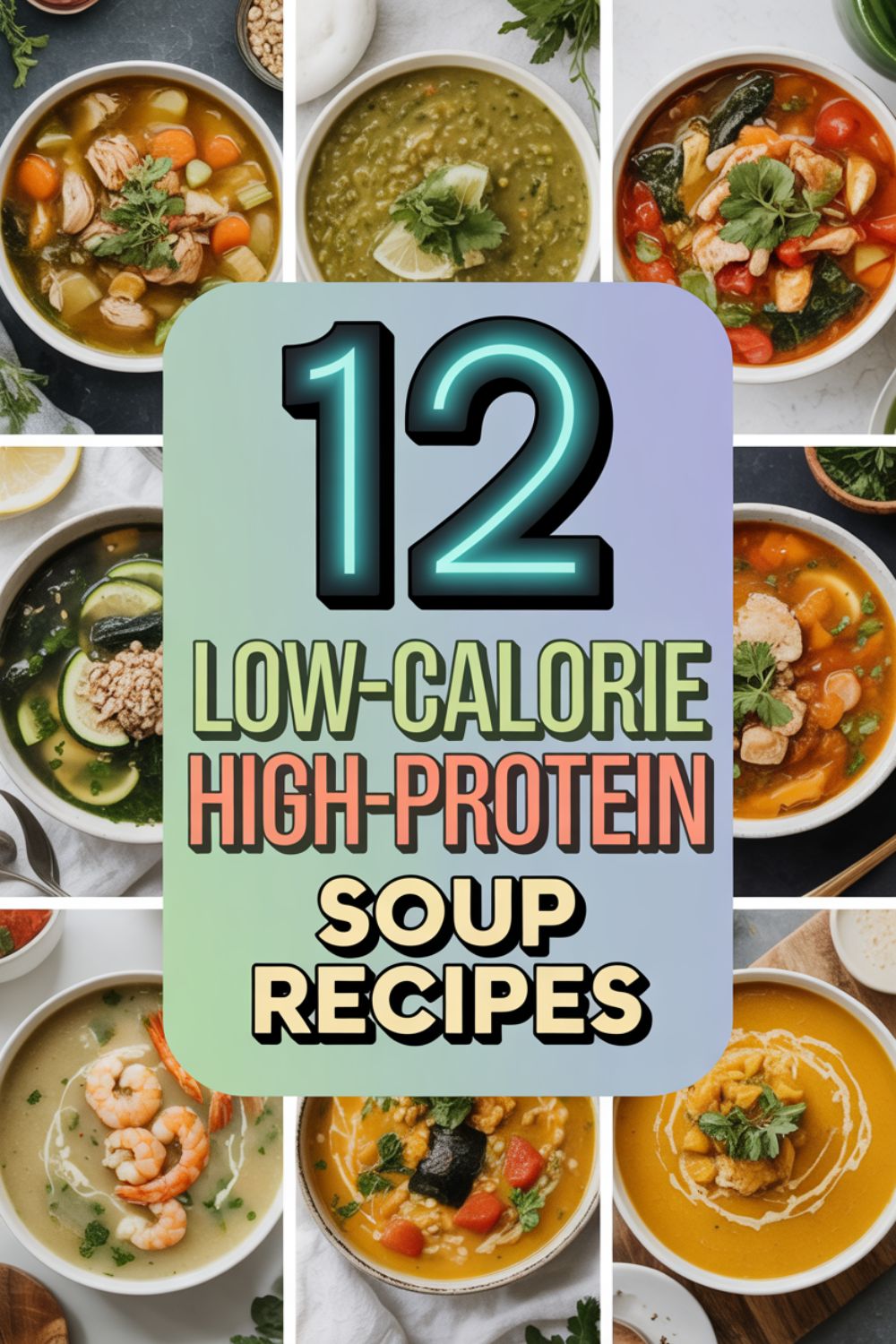
12 Low-Calorie High-Protein Soup Recipes
Look, I’m not going to sugarcoat it—soup gets a bad rap when it comes to protein. People think of it as this watery, sad meal that leaves you hungry an hour later. But that’s only if you’re doing it wrong.
I spent months perfecting these twelve soup recipes because I was tired of choosing between flavor and nutrition. Turns out, you can have both. These soups pack serious protein (we’re talking 20-30 grams per serving) while keeping calories low enough that you won’t sabotage your goals. Whether you’re trying to lose weight, build muscle, or just eat better without feeling like you’re on a diet, these recipes actually work.
What makes these different from the usual soup roundups? Every single one uses real ingredients you can pronounce, takes less than an hour to make, and actually tastes like something you’d order at a restaurant. No bland chicken breast floating in broth here.
Why High-Protein Soups Actually Work for Weight Loss
Here’s the thing about protein—it keeps you full longer than carbs or fats. When you combine that with the volume and hydration from soup, you’ve got a meal that satisfies both your stomach and your appetite hormones. I’m talking about real satiety, not that fake “I just ate but I’m still hungry” feeling.
The research on protein and satiety backs this up. Higher protein intake increases the release of hormones that signal fullness while reducing ghrelin, the hunger hormone. Translation? You eat less without feeling deprived.
But here’s what most articles won’t tell you: not all protein sources work equally well in soup. You need ingredients that hold up to simmering, add flavor instead of just nutrition, and don’t turn rubbery or mushy. That’s where most recipes fail.
Speaking of smart protein choices, if you’re looking for ways to mix up your routine, these low-calorie high-protein salads make perfect companions to soup for a complete lunch spread. I also keep a batch of metabolism-boosting smoothies in rotation for busy mornings.
The Best Protein Sources for Soup (And Which Ones to Skip)
Winners: These Work Every Time
Chicken breast gets boring fast, but it shreds beautifully and absorbs whatever flavors you throw at it. I buy this rotisserie chicken shredder tool because hand-shredding is for people with way more patience than me.
White beans are my secret weapon. Cannellini, great northern, navy—they all bring protein, fiber, and a creamy texture that makes soup feel indulgent. Plus, they’re cheap. A can costs less than a fancy coffee and delivers about 15 grams of protein.
Lentils are non-negotiable in at least three of these recipes. Red lentils dissolve into a creamy base, while green and brown lentils hold their shape. Pro tip: you don’t need to soak them. Anyone who says otherwise is wasting your time.
Greek yogurt as a finishing touch adds tang and bumps up protein without the calories of cream. Just don’t add it while the soup’s boiling or it’ll curdle. Ask me how I know.
Skip These (Trust Me)
Tofu in soup is controversial, and I’m going to say it—most people do it wrong. It gets slimy and flavorless unless you press it properly and crisp it up first. Too much work for soup. If you want plant-based protein, use chickpeas or tempeh instead.
Protein powder sounds clever until you try it. It clumps, tastes weird, and ruins the texture. There are better ways to add protein that don’t involve turning your soup into a chalky science experiment.
12 High-Protein Low-Calorie Soup Recipes That Actually Taste Good
1. White Bean & Chicken Chili (310 calories, 28g protein)
This isn’t your typical red chili—it’s brighter, lighter, and somehow more satisfying. I use canned white beans, shredded chicken, green chilies, and a base of chicken broth with cumin and oregano. The secret is finishing it with fresh lime juice and cilantro.
One reader from our community, Jessica, told me she made this three weeks in a row because her kids actually asked for seconds. That’s the kind of victory we’re going for here. Get Full Recipe
2. Italian Wedding Soup with Turkey Meatballs (285 calories, 26g protein)
I make the meatballs with ground turkey, parmesan, and just enough breadcrumb to hold them together. They simmer right in the broth with spinach and tiny pasta. The whole thing comes together in under 40 minutes, which is faster than waiting for delivery.
You’ll need a good small cookie scoop for portioning the meatballs. I wasted so much time rolling them by hand before I got smart about it.
3. Spicy Lentil & Tomato Soup (245 calories, 18g protein)
Red lentils break down into this thick, velvety base that feels way more indulgent than 245 calories should. I add fire-roasted tomatoes, a touch of harissa, and finish with a swirl of plain Greek yogurt. The contrast between spicy and cool is chef’s kiss.
This one’s perfect for meal prep because it actually tastes better the next day. Get Full Recipe
4. Thai-Inspired Coconut Chicken Soup (295 calories, 24g protein)
Light coconut milk keeps this under 300 calories while delivering that creamy richness you crave. I use chicken breast, mushrooms, lime leaves if I can find them (not a dealbreaker if you can’t), and a paste made from lemongrass, ginger, and garlic.
My immersion blender makes the paste in seconds. Game changer for any soup that needs aromatics blended smooth.
5. Black Bean & Sweet Potato Soup (268 calories, 15g protein)
This is what I make when I need comfort food that won’t wreck my macros. Roasted sweet potatoes, black beans, chipotle peppers in adobo, and vegetable broth. Top it with a dollop of Greek yogurt and some crushed tortilla chips if you’re feeling fancy.
The fiber-protein combo here keeps you full for hours. It’s also vegan-friendly if you skip the yogurt topping.
6. Greek Chicken & Rice Soup (Avgolemono) (275 calories, 25g protein)
This lemony soup feels like a warm hug. Traditional versions use eggs to thicken it, which I keep because it works. Shredded chicken, brown rice, chicken broth, and that signature egg-lemon mixture stirred in at the end.
IMO, this is the best soup for when you’re slightly under the weather but still want to hit your protein goals. According to nutritional research on chicken soup, the combination of protein, minerals, and hydration actually does help with recovery.
7. Tuscan White Bean & Kale Soup (255 calories, 16g protein)
Kale gets soggy in soup if you add it too early. The trick is tearing it into bite-sized pieces and stirring it in during the last five minutes. Pair it with cannellini beans, diced tomatoes, garlic, and rosemary, and you’ve got something that tastes like you flew to Italy for the weekend.
If you’re into batch cooking, check out these freezer-friendly high-protein recipes to keep your meal prep diverse.
8. Smoky Split Pea Soup with Ham (290 calories, 22g protein)
Split peas don’t need soaking, which makes them perfect for last-minute soup decisions. I use a ham hock for flavor (you can find them cheap at most grocery stores) and remove it before serving. What’s left is this thick, smoky soup that tastes way more decadent than its calorie count suggests.
Store leftovers in a good set of glass meal prep containers. Plastic absorbs the smoky smell, and nobody wants that surprise a week later.
9. Mexican Chicken Tortilla Soup (305 calories, 27g protein)
Tomato-based broth, shredded chicken, black beans, corn, and all the spices that make Mexican food crave-worthy. I bake tortilla strips instead of frying them—same crunch, way fewer calories. Top with avocado, cilantro, and a squeeze of lime.
This soup disappears fast in my house, so I usually double the batch. Get Full Recipe
10. Creamy Chicken & Mushroom Soup (280 calories, 24g protein)
No cream needed—I use pureed white beans and a splash of milk to create that silky texture. Mushrooms add umami depth, and chicken brings the protein. Season with thyme and a tiny bit of white wine if you’re feeling it.
The mushroom brush I picked up last year makes cleaning mushrooms so much faster than rinsing them under water (which just makes them soggy).
11. Moroccan Chickpea & Vegetable Soup (235 calories, 14g protein)
Warm spices like cumin, coriander, cinnamon, and turmeric transform basic vegetables into something special. I use chickpeas for protein, add whatever vegetables need using up (zucchini, carrots, bell peppers), and serve it over a tiny bit of couscous.
This is one of those soups where you can throw in basically anything and it’ll work. Very forgiving recipe for kitchen improvisers.
12. Seafood & Tomato Cioppino (260 calories, 29g protein)
San Francisco’s answer to bouillabaisse, and honestly, I like it better. White fish, shrimp, tomatoes, white wine, fennel, and a loaded herb situation. It feels fancy enough for guests but comes together in under 30 minutes.
FYI, frozen seafood works perfectly here. Don’t let anyone guilt you into buying fresh when frozen is cheaper, easier, and just as nutritious. Just thaw it properly—overnight in the fridge or in a bowl of cold water for 30 minutes.
Kitchen Tools That Make Soup-Making Actually Enjoyable
Physical Products Worth Having
Every soup on this list starts here. Heavy-bottomed, even heat distribution, goes from stovetop to oven. I’ve had mine for five years and it still looks new. This isn’t where you want to cheap out.
Way easier than transferring hot soup to a regular blender. Puree part of your soup right in the pot for creamier texture without cream. Also great for making that lemongrass paste I mentioned earlier.
Sounds basic, but a good ladle prevents the drippy mess situation. The pour spout means you can actually transfer soup to containers without wearing half of it. Revolutionary, honestly.
Digital Resources That’ll Change Your Soup Game
If you’re serious about hitting protein goals, you need to track. I use one that lets me save custom recipes so I’m not calculating macros every single time I eat leftover soup.
Takes the guesswork out of which soups to make each week. I print it out, stick it on the fridge, and actually follow through instead of panic-ordering pizza on Wednesday.
Beyond just soups—includes sides, snacks, and desserts that actually fit your macros. I reference mine constantly when I need ideas that don’t involve the same five ingredients on repeat.
How to Meal Prep These Soups Without Losing Your Mind
Meal prepping soup isn’t the same as prepping other foods. Soup changes texture as it sits, pasta gets mushy, and some ingredients don’t freeze well. Here’s what actually works after way too much trial and error.
Make the base, add fresh ingredients later. If your soup has pasta, rice, or anything delicate, cook those separately and add them when you reheat individual portions. Your future self will thank you when the noodles aren’t bloated mush.
Freeze flat, not deep. Pour soup into freezer bags, squeeze out the air, and lay them flat. They stack like files, thaw faster, and take up less space than containers. Label them with the date and protein count so you know exactly what you’re grabbing.
Cool it completely before storing. Putting hot soup in the fridge raises the temperature of everything else in there and creates condensation. Set the pot in a cold water bath for 15 minutes, stirring occasionally. Faster cooling, safer food.
Looking for more ways to streamline your prep? These meal prep-friendly high-protein meals follow the same smart shortcuts. I also swear by this weekly meal prep guide for keeping things organized.
Common Soup Mistakes That Sabotage Your Results
Using Store-Bought Broth Without Reading Labels
Not all broths are created equal. Some have 700mg of sodium per cup, which means your “healthy” soup is a salt bomb. Look for low-sodium versions or, better yet, make your own. It’s easier than you think—throw bones or vegetable scraps in a slow cooker, add water, and ignore it for eight hours.
Adding All Your Vegetables at Once
Dense vegetables like carrots and potatoes need more time than leafy greens or zucchini. Start with the hard stuff, let it get tender, then add the quick-cooking vegetables at the end. Otherwise, you’ll have mushy spinach and crunchy carrots in the same bowl.
Underseasoning Because “Healthy”
Low-calorie doesn’t mean low-flavor. Season as you go—add salt, taste, adjust. Use acid (lemon juice, vinegar) to brighten flavors. Fresh herbs at the end wake everything up. Bland soup is why people think healthy eating sucks.
Boiling Instead of Simmering
High heat makes meat tough and ruins delicate ingredients. Once your soup comes to a boil, reduce the heat to a gentle simmer. You should see small bubbles occasionally breaking the surface, not a rolling boil. Patience pays off here.
Customizing These Recipes for Different Dietary Needs
One size doesn’t fit all, and that’s fine. Here’s how to adapt these soups without starting from scratch.
For vegetarians: Swap chicken for extra beans, lentils, or chickpeas. Use vegetable broth instead of chicken broth. Add nutritional yeast for that savory depth that meat usually provides. The vegan high-protein meals in our collection work on similar principles.
For low-carb: Skip the rice, pasta, and potatoes. Use cauliflower rice instead, or just embrace a brothier soup with extra protein. Zucchini noodles work in some of these, but they release water, so add them right before serving.
For dairy-free: Replace Greek yogurt with coconut cream or cashew cream. Both add richness without dairy. Just blend soaked cashews with water until smooth—it’s shockingly good and adds healthy fats.
For meal-prep warriors: These slow cooker high-protein recipes pair beautifully with soup for a full week of lunches. And if you’re prepping for post-workout recovery specifically, check out these muscle recovery meals.
When to Eat Soup for Maximum Benefit
Timing matters more than most people realize. Soup before your main meal can reduce overall calorie intake because it takes up stomach space and triggers satiety signals. Studies show that people who eat soup as a first course consume fewer calories during the rest of the meal without feeling deprived.
For weight loss, having soup for lunch works particularly well. It’s filling enough to prevent the 3 PM snack attack but won’t make you too full to hit the gym later. Plus, eating something warm and substantial at midday helps regulate appetite for the rest of the day.
Post-workout, these high-protein soups deliver exactly what your muscles need—protein for recovery and fluids for rehydration. The carbs from beans or vegetables help replenish glycogen stores without going overboard. It’s basically a liquid meal that checks all the boxes.
Frequently Asked Questions
Can I really lose weight eating soup every day?
Yes, but only if you’re eating the right kind of soup. High-protein, low-calorie soups like these keep you full and satisfied while creating the calorie deficit needed for weight loss. The key is making sure you’re getting enough protein—at least 20-30 grams per serving—so your body maintains muscle mass while dropping fat. Just don’t fall into the trap of thinking all soup is weight-loss friendly. Cream-based soups with minimal protein won’t give you the same results.
How long do these soups last in the fridge and freezer?
In the fridge, most of these soups stay good for 4-5 days in airtight containers. In the freezer, you’re looking at 2-3 months for best quality. The exception is anything with dairy or coconut milk—those can separate when frozen, though you can usually whisk them back together when reheating. Soups with pasta or rice are better frozen without those ingredients and added fresh when you reheat.
What’s the best way to reheat soup without overcooking it?
Stovetop over medium-low heat is your friend here. Microwave works in a pinch, but stir every minute to ensure even heating and prevent hot spots. If your soup thickened in the fridge, add a splash of broth or water while reheating. For frozen soup, thaw overnight in the fridge first—trying to reheat from frozen often results in unevenly cooked soup with mushy vegetables and rubbery protein.
Can I substitute ingredients if I don’t like beans or lentils?
Absolutely, but you’ll need to replace the protein. If you’re skipping beans or lentils, add extra lean meat, seafood, or diced extra-firm tofu that’s been pressed and crisped. Keep in mind that beans and lentils also provide fiber, which helps with satiety, so you might feel less full without them. Edamame works as a protein-rich substitute with a similar texture to beans.
Do these soups work for meal prep if I’m cooking for one?
They’re actually perfect for solo meal preppers. Make a full batch, portion it into individual servings, and either freeze them or rotate two different soups in the fridge throughout the week. You get variety without cooking every night. I typically keep three different soups in the freezer so I can grab whatever sounds good without getting bored. It’s like having a personal convenience store, except everything fits your macros.
Related Recipes You’ll Love
Final Thoughts
Soup doesn’t have to be boring, and it definitely doesn’t have to leave you hungry. These twelve recipes prove you can hit your protein goals, keep calories reasonable, and actually enjoy what you’re eating. No deprivation, no bland meals, no feeling like you’re on a diet.
Start with two or three that sound good, make them on Sunday, and see how much easier the week gets when lunch is already handled. You’ll save money, hit your macros, and probably discover that meal prep isn’t nearly as awful as everyone makes it sound.
The secret to sticking with any healthy eating plan is finding food you genuinely want to eat. If these soups do that for you, you’re already ahead of most people who give up after two weeks of forcing down meals they hate.