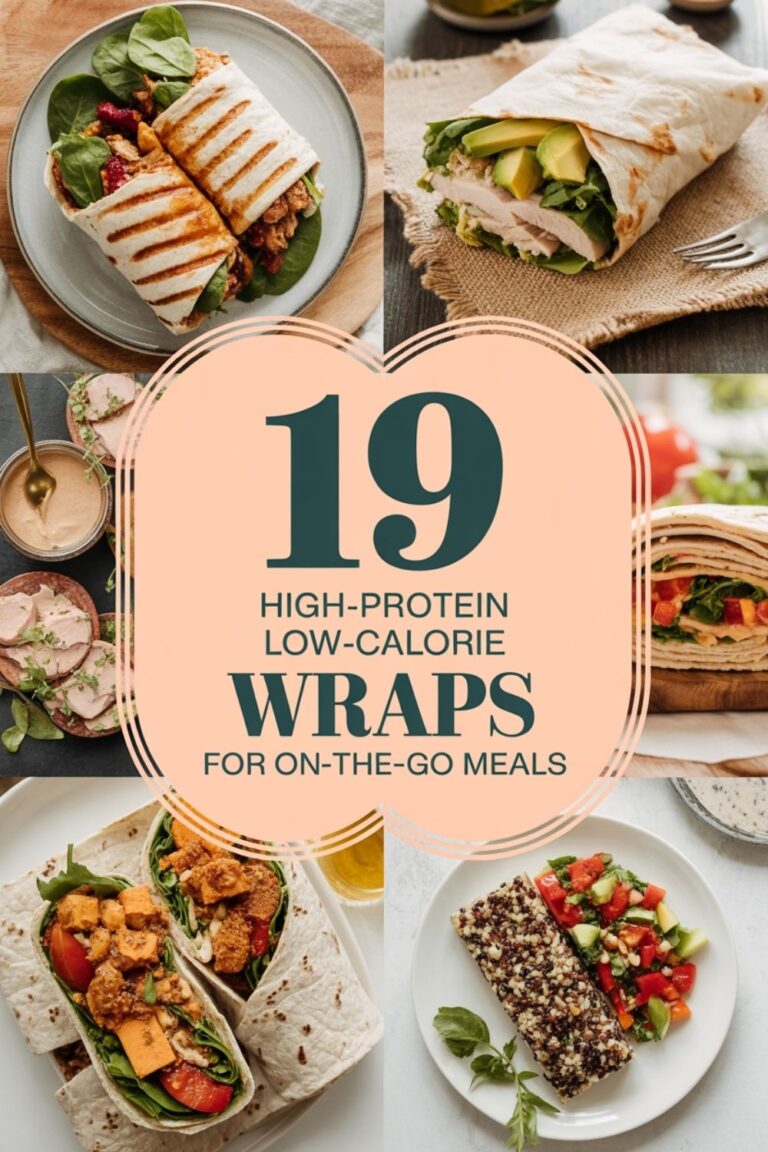
12 Low-Calorie High-Protein Wraps for Quick Lunches
Look, I’m not gonna sugarcoat it—lunch can be a total disaster when you’re trying to eat clean. You’re hungry, you’re busy, and suddenly that vending machine burrito starts looking like a Michelin-star meal. But here’s the thing: wraps are basically the superhero of the lunch world. They’re portable, they’re customizable, and when you load them up with protein, they actually keep you full until dinner.
I’ve been living the wrap life for years now, and I’m telling you, these aren’t your sad desk-lunch tortillas with mystery meat. We’re talking about wraps that pack serious protein without the calorie bomb. Whether you’re meal-prepping on Sunday or throwing something together between Zoom calls, these twelve recipes are going to change your lunch game completely.
And before you ask—no, you don’t need fancy ingredients or chef skills. Most of these come together in under 15 minutes, which is less time than it takes to debate what to order on DoorDash.
Why Protein Matters in Your Wraps
Before we jump into the recipes, let’s talk about why protein is your best friend when it comes to wraps. I used to think any wrap was fine as long as it had veggies, but then I’d be starving an hour later, raiding the office snack drawer like some kind of hangry raccoon.
Protein keeps you satisfied longer because it takes more time to digest than carbs. We’re talking about 20-30 grams of protein per wrap here, which is enough to keep your metabolism humming and your stomach from staging a revolt by 3 PM. According to research on protein intake and satiety, getting adequate protein at each meal can significantly reduce cravings and help maintain muscle mass during weight loss.
Plus, when you’re building muscle or just trying to maintain what you’ve got, protein is non-negotiable. Think of it as the building blocks your body needs to keep things running smoothly. And honestly? High-protein meals just taste better. There’s something about that combination of lean meat, cheese, or beans that makes a wrap feel like an actual meal instead of a sad snack.
The Wrap Base: Picking Your Tortilla Wisely
Not all wraps are created equal, and your tortilla choice can make or break your calorie count. I learned this the hard way when I discovered those “burrito-sized” tortillas were basically 300 calories of empty carbs before I even added fillings.
Here’s what actually works: high-fiber, low-carb tortillas. Brands like Mission Carb Balance or Xtreme Wellness pack in fiber (which helps with digestion and keeps you full) while keeping calories around 50-80 per wrap. You can also go the lettuce wrap route if you’re really cutting carbs, though I’ll be honest—they’re messy as hell and not great for eating at your desk.
Whole wheat tortillas are decent too, but check the label. Some sneak in extra sugar and end up with the same calorie count as regular flour tortillas. The goal is to save your calories for the good stuff—the protein and the flavorful fillings.
1. Classic Grilled Chicken Caesar Wrap
Let’s start with a crowd-pleaser. This wrap is what I make when I need something that feels indulgent but won’t wreck my macros. Grilled chicken breast is lean, cheap, and cooks in about 10 minutes if you pound it thin.
I use this compact indoor grill when I don’t feel like firing up the outdoor one—it’s been a lifesaver for quick weeknight proteins. Just season your chicken with garlic powder, salt, and pepper, then grill until it hits 165°F. Slice it up and toss it with chopped romaine, a light Caesar dressing (go easy here—most are calorie bombs), shaved Parmesan, and a few whole wheat croutons if you’re feeling fancy.
The protein breakdown: About 35 grams per wrap, mostly from the chicken and cheese. Total calories hover around 320-350 depending on how heavy-handed you are with the dressing.
2. Spicy Buffalo Chicken Wrap with Greek Yogurt Ranch
If you like a little heat, this one’s for you. I make a batch of buffalo chicken every week because it’s ridiculously versatile. You can use rotisserie chicken to save time—just shred it, toss it in buffalo sauce, and heat it up.
The game-changer here is the Greek yogurt ranch instead of regular ranch dressing. Greek yogurt adds extra protein (we’re talking an additional 10 grams) and cuts the calories way down. Mix plain Greek yogurt with dried dill, garlic powder, onion powder, and a squeeze of lemon. It’s tangy, creamy, and honestly tastes better than the bottled stuff.
Layer your wrap with the buffalo chicken, shredded lettuce, diced tomatoes, and a drizzle of that yogurt ranch. The cooling ranch balances the spicy chicken perfectly, and you’re getting about 32 grams of protein for roughly 340 calories.
Speaking of high-protein meals that won’t slow you down, you might want to check out these high-protein meal ideas for weight loss beginners if you’re just starting your fitness journey. They’ve got some seriously simple recipes that follow the same philosophy.
💬 Join Our Free WhatsApp Community!
Want daily meal prep tips, quick recipe hacks, and real-time answers to your nutrition questions? Join over 5,000+ members in our exclusive WhatsApp channel where we share wrap variations, protein shortcuts, and weekly meal planning strategies you won’t find anywhere else.
No spam, just practical meal prep wisdom delivered to your phone!
3. Mediterranean Hummus and Turkey Wrap
This is my go-to when I want something fresh and light but still filling. Turkey breast is one of the leanest proteins out there, and when you pair it with hummus, you’re getting a complete protein profile from the chickpeas too.
Spread a generous layer of hummus on your tortilla (I prefer roasted red pepper hummus for extra flavor), then pile on sliced turkey breast, cucumber, tomatoes, red onion, and a handful of baby spinach. Add some crumbled feta if you want to bump up the richness—just a little goes a long way.
The hummus does double duty here: it’s your spread and your binding agent, so everything stays together when you roll it up. Each wrap delivers about 28 grams of protein and around 310 calories. It’s Mediterranean diet vibes without the price tag of a beachside bistro.
4. BBQ Pulled Chicken with Coleslaw
Okay, so this one takes a tiny bit more effort, but it’s worth it. You can make pulled chicken in a slow cooker like this one and it’ll last you all week. Just throw chicken breasts in with some low-sugar BBQ sauce and let it cook on low for 4-6 hours.
The coleslaw is key because it adds crunch and cuts through the sweetness of the BBQ sauce. I make mine with a vinegar-based dressing instead of mayo to keep calories down—just shredded cabbage, a splash of apple cider vinegar, a tiny bit of olive oil, and some black pepper.
Pile the pulled chicken onto your wrap, top with the slaw, and maybe add a few pickles if you’re into that tangy contrast. You’re looking at 30 grams of protein and about 360 calories per wrap. It tastes like summer cookout food but actually fits your macros.
5. Tuna Salad Wrap with Avocado
Don’t sleep on canned tuna. Seriously. It’s cheap, shelf-stable, and loaded with protein. The trick to making tuna salad not taste like cat food is in the mix-ins.
I combine one can of tuna (packed in water, drained) with diced celery, red onion, a little Dijon mustard, and just a tablespoon of mayo—or Greek yogurt if you want to keep it even lighter. The avocado adds creaminess without needing extra mayo, plus you get those healthy fats that keep you satisfied.
Spread the tuna salad on your wrap, add some lettuce and tomato, and you’ve got lunch in under 5 minutes. Each wrap has about 26 grams of protein and roughly 330 calories, depending on how much avocado you use. Pro tip: I store the tuna salad separately and assemble wraps fresh so they don’t get soggy.
6. Black Bean and Quinoa Power Wrap
For my vegetarian friends, this one’s a protein powerhouse without any meat. Black beans and quinoa together create a complete protein, meaning you’re getting all the essential amino acids your body needs.
Cook your quinoa according to package directions (I use this foolproof rice cooker for quinoa too—it comes out perfect every time). Mix it with black beans, corn, diced bell peppers, and a squeeze of lime. Season with cumin, chili powder, and a pinch of salt.
Layer the mixture in your wrap with some shredded lettuce, salsa, and a small dollop of Greek yogurt (instead of sour cream). This wrap is filling as hell and delivers about 24 grams of protein for around 340 calories. The fiber content from the beans and quinoa means you’ll stay full for hours.
If you’re into plant-based eating, these high-protein vegan meals are absolutely worth exploring. They’ve got creative ways to hit your protein goals without any animal products.
📦 Best Meal Prep Containers & Kitchen Tools Guide
I’ve tested literally dozens of meal prep containers, kitchen gadgets, and time-saving tools over the past five years. Some were total duds, but a handful became absolute game-changers for my weekly meal prep routine. I put together a complete guide covering the containers that actually seal properly, the knives that stay sharp, and the gadgets that earn their counter space.
Inside you’ll find: My top-rated glass container sets, the $20 chef’s knife that rivals $200 ones, space-saving storage solutions, and the one tool that cut my prep time in half. Everything is tested, reviewed, and comes with honest pros and cons.
7. Teriyaki Chicken and Veggie Wrap
Asian-inspired wraps are underrated, IMO. I make a quick teriyaki chicken by marinating chicken strips in low-sodium soy sauce, minced garlic, ginger, and just a touch of honey. Let it sit for 20 minutes, then stir-fry in a hot pan.
Add shredded carrots, bell peppers, and snap peas to the pan for the last few minutes—you want them tender but still crispy. The combination of sweet and savory with that slight ginger kick is ridiculously good.
Wrap everything up in your tortilla and drizzle with a little extra teriyaki sauce. You can add a handful of edamame for extra protein if you want. This wrap gives you about 33 grams of protein and stays under 350 calories. It’s like takeout but better because you control the sodium and sugar.
8. Greek Chicken Wrap with Tzatziki
This wrap reminds me of those late-night gyros you get from street carts, except it won’t leave you in a food coma. Marinate chicken in lemon juice, olive oil, oregano, and garlic for at least 30 minutes (or overnight if you’re planning ahead).
Grill or pan-fry the chicken, then slice it thin. The tzatziki sauce is what makes this special—mix Greek yogurt with grated cucumber (squeeze out the excess water), dill, garlic, and lemon juice. It’s cooling, tangy, and adds another protein boost.
Pile the chicken on your wrap with tomatoes, red onion, cucumbers, and a generous spoonful of tzatziki. Top with crumbled feta and a few kalamata olives if you want. Each wrap has around 31 grams of protein and about 340 calories. The fresh Mediterranean flavors make it feel light even though it’s super filling.
9. Egg White and Turkey Sausage Breakfast-for-Lunch Wrap
Who says wraps are only for traditional lunch ingredients? Sometimes I crave breakfast food at noon, and this wrap scratches that itch without the carb crash.
Scramble egg whites with a little turkey sausage (the kind without casings—just crumble it as it cooks). I use this nonstick skillet and literally zero oil is needed, which keeps calories low. Add some sautéed peppers and onions to the mix.
Wrap it all up with a sprinkle of reduced-fat cheddar and a little hot sauce if you want some kick. This wrap is protein-dense—we’re talking about 30 grams—and clocks in around 310 calories. The egg whites are basically pure protein with minimal fat, and turkey sausage is way leaner than pork sausage.
For more breakfast-inspired ideas, these high-protein smoothies are perfect if you want something drinkable instead of a wrap. They’re quick and actually taste good.
10. Thai Peanut Chicken Wrap
This one’s for when you’re tired of the usual flavors and want something different. Fair warning: peanut butter adds calories, so we’re using it sparingly as a flavor component, not the main sauce.
Make a quick peanut sauce with just 1 tablespoon of natural peanut butter, a splash of low-sodium soy sauce, rice vinegar, lime juice, and a tiny bit of sriracha. Thin it out with water until it’s drizzle consistency. Toss grilled chicken strips with shredded cabbage, carrots, and that peanut sauce.
Wrap it up with some fresh cilantro and crushed peanuts on top if you want extra crunch. You’ll get about 29 grams of protein for around 360 calories. The peanut sauce gives it that rich, complex flavor without going overboard on fat. It’s got that restaurant quality without the restaurant price or calorie count.
11. Caprese Chicken Wrap with Balsamic Glaze
Sometimes simple is best, and this wrap proves it. Grilled chicken, fresh mozzarella, tomatoes, and basil—it’s basically a Caprese salad in portable form.
The key is using fresh mozzarella (not the shredded stuff) and slicing it thin. Fresh basil leaves are non-negotiable here—dried basil won’t cut it. Drizzle everything with a little balsamic glaze. You can buy it pre-made or reduce balsamic vinegar on the stove until it’s thick and syrupy.
I usually prep these ingredients separately using these meal prep containers and assemble right before eating so the tomatoes don’t make everything soggy. Each wrap delivers about 27 grams of protein and roughly 330 calories. It’s light, fresh, and feels way fancier than the effort required.
12. Chipotle Steak Wrap with Black Beans
Okay, steak isn’t usually considered “diet food,” but hear me out. If you choose a lean cut like sirloin or flank steak and keep portions reasonable, you can absolutely make it work in a high-protein, low-calorie wrap.
Season your steak with chipotle powder, cumin, garlic powder, and a little salt. Grill it to medium-rare, let it rest, then slice it thin against the grain (this is crucial for tenderness). You only need about 3 ounces of steak per wrap to get solid protein.
Combine the steak with black beans, grilled peppers and onions, a tiny bit of shredded cheese, and salsa. Skip the sour cream or use Greek yogurt instead. This wrap gives you about 32 grams of protein and stays around 370 calories—not bad for a steak wrap that tastes like you’re cheating on your diet.
If you’re focused on muscle recovery after workouts, these high-protein recipes for muscle recovery are designed specifically to help your body rebuild and repair. They’re packed with the nutrients you need post-gym.
Meal Prep Tips: Making Wraps Work for Your Week
Real talk: wraps are perfect for meal prep, but only if you do it right. Assemble them wrong and you’ll open your fridge to find a soggy disaster by Wednesday.
Here’s my system: prep ingredients separately. Cook all your proteins on Sunday—grill chicken, make tuna salad, cook quinoa, whatever you’re using. Store each component in its own container. Do the same with veggies—wash, chop, and store separately.
I use these divided containers to keep everything organized. Wraps get assembled the morning of or right before eating. If you must wrap them ahead of time, put the wettest ingredients (tomatoes, sauce) in the middle, surrounded by lettuce or other greens to create a barrier against the tortilla.
Wrap each one tightly in parchment paper or foil. They’ll last 2-3 days in the fridge if wrapped properly. Beyond that, the tortilla gets weird and nobody wants that.
The Best Sauces and Condiments to Keep Calories in Check
Sauces can make or break your calorie count. I’ve seen people ruin a perfectly good high-protein wrap by drowning it in 200 calories worth of ranch dressing. Let’s talk about what actually works.
Greek yogurt is your best friend. Mix it with herbs, spices, hot sauce, or whatever you’re craving. It adds creaminess and protein without the fat of mayo or sour cream. Mustard is another zero-calorie flavor bomb—Dijon, whole grain, or even honey mustard if you measure it out.
Salsa and pico de gallo are basically free in terms of calories but add tons of flavor. Hot sauce is my personal addiction—it has zero calories and makes everything taste better. Vinegar-based dressings are solid choices too, just watch portion sizes.
What to avoid: creamy dressings, mayo-based sauces, and anything labeled “special sauce.” Those are usually half oil and will blow through your calorie budget before you know it. According to nutritional information on condiments, seemingly innocent additions can add 100-150 calories per serving without adding much nutritional value.
Making It Work: Balancing Macros in Your Wraps
Let’s get a little technical for a minute. A good high-protein, low-calorie wrap should hit these numbers: 25-35 grams of protein, 300-400 calories, and under 40 grams of carbs if you’re watching those.
The protein should come from lean sources—chicken, turkey, fish, eggs, or plant proteins like beans and tofu. You want enough fat to keep you satisfied (around 10-15 grams) but not so much that calories spiral out of control. Fats should come from things like avocado, cheese in moderation, or nuts.
Carbs are mostly in your tortilla, so choose wisely there. The rest of your carbs should come from veggies and maybe some beans or quinoa if you’re using them. Load up on non-starchy vegetables—they add volume, nutrients, and fiber without many calories.
When you’re looking to keep meals simple without sacrificing nutrition, check out these high-protein recipes with five ingredients or less. They prove you don’t need a million ingredients to hit your goals.
Common Wrap Mistakes to Avoid
I’ve made every wrap mistake in the book, so learn from my failures. Mistake number one: overfilling. You’re not making a burrito the size of a football. If you can’t close it, you’ve gone too far. It’ll just fall apart and you’ll end up eating it with a fork, defeating the whole point.
Mistake two: not drying your ingredients. Wet lettuce, undrained tuna, juicy tomatoes—they’ll turn your wrap into a soggy mess. Pat everything dry with paper towels before assembling.
Mistake three: cold tortillas. Warm your tortilla for 10 seconds in the microwave or a dry pan. It becomes pliable and way easier to wrap without tearing. Cold tortillas crack and split.
Mistake four: putting sauce directly on the tortilla. Use lettuce or another vegetable as a barrier between wet ingredients and the tortilla. Your future self will thank you when you bite into a wrap that’s not falling apart.
When to Choose a Wrap Over Other Lunch Options
Wraps aren’t always the answer—let’s be real. But they shine in specific situations. Portability is the big one. If you’re eating in your car, at your desk, or on the go, wraps are way easier than a salad or a bowl that requires utensils.
They’re also great for using up leftovers. Got some grilled chicken from dinner? Throw it in a wrap with whatever vegetables you have. It’s more interesting than eating the same dinner two days in a row.
Wraps work well when you’re craving variety within structure. You can completely change the flavor profile—Mediterranean one day, Asian-inspired the next, Mexican after that—but still hit the same macro targets. It keeps things from getting boring.
That said, sometimes you want a big, crunchy salad or a hearty bowl instead. Rotate between options to keep your lunches interesting and sustainable long-term.
Budget-Friendly Tips for High-Protein Wraps
Eating high-protein doesn’t have to destroy your wallet. Here’s how I keep costs down: Buy chicken in bulk when it’s on sale. Freeze it in individual portions. Same goes for ground turkey.
Canned tuna, canned chicken, and beans are your cheapest protein sources. They’re shelf-stable, versatile, and cost pennies per serving. Eggs are also ridiculously cheap and pack tons of protein.
Rotisserie chickens from the grocery store are a secret weapon. They’re usually $5-7 and give you enough meat for 4-5 wraps. Way cheaper than buying pre-cooked chicken strips.
Buy vegetables that are in season—they’re fresher and cheaper. Or go frozen for things like peppers and onions. Frozen vegetables are flash-frozen at peak ripeness and often more nutritious than “fresh” vegetables that have been sitting around for days. Plus, there’s zero waste.
If you’re cooking for the whole week, these Instant Pot recipes and slow cooker meals are perfect for batch-cooking proteins. Set it and forget it, then portion everything out for wraps.
Adding Variety: Switching Up Your Wrap Game
Even the best wrap gets boring if you eat it every single day. Here’s how to keep things interesting: rotate your protein sources. Don’t just do chicken all week. Mix in turkey one day, tuna another, maybe some beans or eggs.
Change your sauce and suddenly you’ve got a completely different wrap. Same grilled chicken can be Caesar one day, buffalo the next, then teriyaki or BBQ. The protein stays the same but the flavor profile is totally different.
Experiment with different vegetables and textures. Add pickles for tang, sprouts for crunch, roasted red peppers for sweetness. Small changes prevent wrap fatigue from setting in.
Try different types of tortillas too. Spinach wraps, whole wheat, tomato basil—they’re all around the same calories but add visual interest and slight flavor variations. Some stores even sell high-protein tortillas with extra egg whites mixed into the dough.
💪 Ultimate High-Protein Foods Shopping List
Ever walk into the grocery store with good intentions but end up overwhelmed by labels and marketing BS? I created a comprehensive guide that breaks down the best high-protein foods across every category—from the cheapest protein sources (under $2 per pound) to the most convenient grab-and-go options that actually taste good.
What’s covered: Brand-by-brand protein comparisons, hidden protein sources most people miss, budget-friendly protein hacks, and exactly which products deliver the best protein-per-dollar ratio. Plus, I reveal the grocery store items that claim to be “high protein” but are total rip-offs.
Storing and Reheating Your Wraps Like a Pro
Here’s something nobody talks about but everybody needs to know: how to store these bad boys so they don’t turn into a science experiment by day three. I’ve learned some tricks the hard way, and I’m sharing them so you don’t have to suffer through a soggy wrap disaster.
Cold wraps are easiest. If your wrap doesn’t need heating (like tuna salad or turkey wraps), wrap them tightly in parchment paper first, then put them in an airtight container or zip-top bag. The parchment creates a barrier that keeps moisture from building up. They’ll stay fresh for 2-3 days max.
For wraps you want to heat up, here’s the move: wrap them in a damp paper towel and microwave for 30-45 seconds. The moisture from the paper towel keeps the tortilla from drying out and getting weird. You can also reheat them in a dry skillet over medium heat, flipping once. Takes a few minutes but tastes way better than the microwave.
Pro tip I picked up from meal prep forums: if you’re freezing wraps (which totally works for cooked protein wraps), wrap them individually in plastic wrap, then foil, then put them all in a freezer bag. Label with the date because future you will have no idea what’s in there. They’ll keep for up to a month. Thaw overnight in the fridge before reheating.
Wraps for Different Dietary Needs
Not everyone eats the same way, and that’s cool. These wraps are super adaptable to different dietary restrictions and preferences. Let me break it down for you.
For keto folks: Ditch the tortilla and use large lettuce leaves (butter lettuce or romaine work best) or low-carb tortillas that have like 3-5 net carbs. Focus on fattier proteins like salmon or chicken thighs instead of super lean options. Add avocado, cheese, and olive oil-based dressings to up the fat content.
For plant-based eaters: The black bean and quinoa wrap is your friend, but you can also do tofu, tempeh, or edamame as your protein base. Hummus adds protein and acts as a binder. Nutritional yeast gives you that cheesy flavor without dairy. Check out those vegan high-protein meals I mentioned earlier—they’ve got tons of ideas for plant proteins.
For gluten-free people: Plenty of gluten-free tortillas exist now that don’t taste like cardboard. Look for ones made with almond flour or coconut flour. You can also use collard green leaves as wraps—they’re sturdy and hold up well. According to Mayo Clinic’s guidelines on gluten-free eating, it’s important to check all packaged ingredients for hidden gluten sources.
For dairy-free diets: Skip the cheese and yogurt-based sauces. Use hummus, tahini, or avocado for creaminess instead. Nutritional yeast mixed with cashew cream makes a surprisingly good cheese substitute if you’re into that kind of thing.
Scaling Up: Making Wraps for Meal Prep or Families
When you’re cooking for multiple people or prepping for the whole week, efficiency matters. Here’s how I handle batch cooking without losing my mind.
Cook proteins in bulk. I’m talking 2-3 pounds of chicken at once. Use a large sheet pan and roast everything at 400°F for about 25-30 minutes. Season different sections with different spices so you’ve got variety built in. Let it cool completely before storing.
Chop vegetables assembly-line style. Do all of one vegetable at once instead of chopping a bit of everything for each wrap. It’s way faster. I dedicate about 30 minutes on Sunday to vegetable prep and it saves hours during the week.
Use these glass meal prep containers with dividers to keep components separated. Label each container with the date and contents. When someone in your household is ready to eat, they just grab a tortilla and build their own wrap. It’s like a DIY wrap bar in your fridge.
If you’re feeding kids, make a “wrap station” where they can customize their own. Put out all the ingredients and let them build what they want. They’re way more likely to eat something they assembled themselves, and it teaches them about balanced meals.
Troubleshooting Common Wrap Problems
Even with the best ingredients and intentions, sometimes wraps go wrong. Let’s fix the most common issues.
Problem: Wrap keeps falling apart. You’re either overfilling it or your tortilla is too small. Use a burrito-sized tortilla (10 inches) and don’t pile more than a cup of filling in there. Also, warm your tortilla first—cold tortillas crack.
Problem: Everything slides out the ends. You’re not tucking the ends in before rolling. Fold the left and right sides in about an inch before you start rolling from the bottom. This creates pockets that hold everything in place.
Problem: Wrap is soggy by lunchtime. Your ingredients are too wet. Pat everything dry, especially lettuce and tomatoes. Put a layer of lettuce or spinach directly on the tortilla to create a moisture barrier before adding wet ingredients like salsa or sauce.
Problem: Flavors are bland. You need more seasoning, friend. Salt your proteins well, add herbs and spices, use flavorful sauces. A squeeze of lime or lemon juice can wake up the whole wrap. Fresh herbs like cilantro or basil add tons of flavor without calories.
Problem: Still hungry after eating. You’re not getting enough protein or fiber. Bump up your protein to 30+ grams and add more vegetables. Drink a glass of water with your wrap too—sometimes we confuse thirst for hunger.
Taking Your Wraps to the Next Level
Once you’ve mastered the basics, here are some next-level moves to make your wraps even better. These are totally optional but damn good.
Toast your wrap. After assembling, heat a dry pan over medium heat and place your wrap seam-side down. Press gently with a spatula and cook for 2-3 minutes per side until golden and crispy. It’s like a quesadilla but with all your favorite wrap fillings. Game changer.
Add texture contrasts. Mix soft and crunchy in every bite. Creamy avocado with crunchy cucumbers. Tender chicken with crispy lettuce. This keeps each bite interesting instead of just mushy filling in a tortilla.
Layer strategically. Put your heaviest, heartiest ingredients in the center and lighter stuff on the edges. This balances the weight distribution and makes rolling easier. Start with a protein base, add veggies, then sauce on top.
Use pickled vegetables. Pickled red onions, jalapeños, or cucumbers add acidity that brightens the whole wrap. You can buy them or make your own by covering sliced vegetables with vinegar, a little sugar, and salt. Let them sit for 30 minutes and boom—instant flavor boost.
Try different cheese options. Feta, goat cheese, or cotija cheese pack way more flavor per ounce than regular cheddar, so you can use less and still get that cheesy satisfaction. Less cheese = fewer calories but same taste impact.
Pairing Your Wraps with Sides
Sometimes a wrap alone isn’t quite enough, especially if you’re super active or had an intense workout. Here’s what I pair mine with to round out the meal without going overboard on calories.
Raw vegetables with hummus or Greek yogurt dip. Carrots, bell peppers, cucumbers—basically free calories that add crunch and nutrition. The dip adds a little extra protein too.
A small side salad. Just greens with a simple vinaigrette. Adds volume to your meal without many calories. Plus the extra fiber helps with digestion and keeps you full longer.
Fruit. An apple, some berries, or orange slices give you natural sweetness and vitamins. The fiber in whole fruit (not juice) helps slow down digestion and prevents blood sugar spikes.
Baked chips or veggie chips. If you need that crunch factor, a small portion of baked chips (about 15-20 chips) is around 120 calories and scratches that snack itch without derailing your day.
Soup. A cup of broth-based soup (not cream-based) pairs perfectly with wraps. Tomato soup, vegetable soup, or chicken noodle are all under 100 calories per cup and make the meal feel more substantial.
Looking for more complete meal ideas? These sheet pan dinners are perfect for when you want a full plate of food without a ton of cleanup.
The Psychology of Sustainable Eating
Here’s something I wish someone had told me years ago: eating healthy isn’t about perfection. It’s about finding foods you actually like and can stick with long-term. That’s why these wraps work—they don’t feel like diet food.
If you hate your lunch, you’re going to bail on your eating plan by Thursday. That’s just human nature. But if you genuinely enjoy what you’re eating? You’ll keep doing it. These wraps taste good enough that I’d eat them even if I wasn’t watching my calories or macros.
Don’t demonize foods. There’s no “good” or “bad” food—just foods that align with your goals more or less. A wrap made with a regular flour tortilla instead of a low-carb one isn’t going to ruin anything. The difference is maybe 50-80 calories. In the big picture, that doesn’t matter if it means you enjoy your meal more.
Build in flexibility. Some days you’ll meal prep perfectly and have Instagram-worthy wraps. Other days you’ll throw some deli turkey and lettuce in a tortilla and call it good. Both are fine. The goal is consistency over time, not perfection every single day.
Listen to your body. If you’re genuinely hungry after a wrap, eat more. Add another wrap, have a bigger snack later, whatever. Undereating backfires because you’ll end up bingeing later. These wraps are designed to be filling, but everyone’s needs are different based on activity level, metabolism, and goals.
Wrap Culture Around the World
FYI, wraps aren’t just an American lunch thing. Pretty much every culture has some version of filling wrapped in a flatbread, and you can steal ideas from all of them to keep your lunch rotation interesting.
Mexican and Latin American: Burritos, tacos, quesadillas—they’ve got the wrap game figured out. The combination of beans, meat, salsa, and cheese is classic for a reason. Cilantro and lime are the secret weapons that make everything taste fresh.
Middle Eastern: Think shawarma, falafel wraps, and gyros. They use pita bread or lavash instead of tortillas. Tahini sauce, hummus, and pickled vegetables are staples. The spice blends (cumin, coriander, sumac) are insanely good.
Asian: Spring rolls, lettuce wraps, and Vietnamese banh mi (technically a sandwich but same concept). Fresh herbs like cilantro, mint, and Thai basil add brightness. Soy sauce, sesame oil, and rice vinegar create those complex flavors.
Indian: Kati rolls and dosa wraps use different types of flatbreads. The spice combinations (turmeric, garam masala, curry powder) are perfect for chicken or paneer. Yogurt-based raita sauce keeps things cool and adds protein.
Borrowing from these traditions keeps your wraps from getting boring. One week do Mediterranean flavors, next week go Mexican-inspired, then try Asian-style. Same basic structure (protein + veggies + sauce in a wrap) but completely different taste experiences.
Equipment That Actually Helps
You don’t need a lot of fancy kitchen stuff to make great wraps, but a few key items make life easier. Here’s what I actually use regularly.
A good chef’s knife. Vegetable chopping goes way faster with a sharp knife. I use this 8-inch chef’s knife for everything—costs less than a fancy restaurant wrap and lasts forever if you take care of it.
Meal prep containers. Already mentioned them, but seriously, they’re essential. Glass ones don’t stain or hold smells like plastic. Get a set with different sizes so you can store proteins, veggies, and sauces separately.
A meat thermometer. Takes the guesswork out of cooking chicken. Nobody wants dry, overcooked chicken or, worse, undercooked chicken. This instant-read thermometer is like $15 and ensures your protein is perfect every time.
A salad spinner. Sounds weird, but if you’re washing lettuce and herbs, this gets them actually dry. Wet greens make soggy wraps. A simple salad spinner solves that problem in like 30 seconds.
Sheet pans. For roasting large batches of chicken or vegetables. Get the heavy-duty ones that won’t warp in the oven. These commercial-grade sheet pans last forever and heat evenly.
That’s really it. Don’t fall for fancy wrap-making gadgets or tortilla warmers or whatever else the internet tries to sell you. A knife, some containers, and a pan will handle 99% of what you need.
🎯 Meal Prep Essential: Glass Container Set
If you’re serious about meal prepping wraps, investing in quality containers changes everything. I’ve been using this 24-piece glass meal prep container set for over two years and they’re still in perfect condition. The divided sections keep your proteins separate from veggies, preventing soggy wraps. They’re microwave-safe, dishwasher-safe, and the lids actually seal properly—no more mystery spills in your fridge.
Why I love it: The various sizes mean you can portion out exactly what you need. Small containers for sauces, medium for chopped veggies, large for proteins. Game changer for keeping wrap ingredients fresh all week.
Addressing the “But I Don’t Have Time” Excuse
Look, I get it. You’re busy. Everyone’s busy. But here’s the thing: these wraps take less time than going through a drive-thru once you factor in the waiting in line and the drive there and back.
Sunday meal prep takes 2 hours max. Cook your proteins, chop your vegetables, portion everything out. That’s it. Then during the week, assembly takes literally 2-3 minutes per wrap. That’s faster than waiting for your Uber Eats order.
Can’t do Sundays? Pick one evening during the week. Wednesday night, make a big batch of something. Thursday night, prep vegetables. You don’t have to do it all at once. Breaking it into smaller chunks still saves time overall.
Use shortcuts without shame. Rotisserie chicken, pre-washed lettuce, bagged coleslaw mix, canned beans—these aren’t “cheating.” They’re being smart with your time. The people judging you for using pre-cut vegetables probably have more free time or different priorities. Do what works for your life.
Make double. If you’re cooking dinner and it’s something that works in wraps (grilled chicken, steak, whatever), make extra. Your lunch is done with zero additional effort. This is my favorite time-saving hack because it doesn’t feel like meal prep—it’s just making extra dinner.
For those truly crunched days, having some reliable simple meal ideas in your back pocket means you’re never stuck without options.
⚡ Time-Saver Alert: Digital Kitchen Scale
Want to nail your protein portions every single time? Stop guessing and grab this compact digital food scale. It’s been sitting on my counter for three years and I use it literally every day. When a recipe says “3 ounces of chicken,” you’ll know exactly what that looks like. No more accidentally eating 6 ounces and wondering why your macros are off.
The real benefit: It measures in grams and ounces, has a tare function (so you can zero out the bowl weight), and runs on batteries that last forever. Takes up minimal counter space and makes portion control completely effortless.
When Wraps Don’t Work (And What to Do Instead)
Real talk for a second: sometimes you’re just not feeling wraps. Maybe you’ve eaten them every day for two weeks and you’re burnt out. Maybe you’re craving something warm and comforting. Maybe you just want to eat with a fork like a civilized human.
That’s totally fine. Take a break. Make a big salad with the same ingredients you’d put in a wrap. Or turn it into a bowl situation with rice or quinoa. Or make a hot scramble with all the fillings mixed together. The ingredients are what matter, not the format.
Some days you’ll want something completely different, and that’s part of eating sustainably. If you force yourself to eat wraps when you’re sick of them, you’ll end up resenting them and falling off the wagon entirely.
I rotate between wraps, salads, and bowls throughout the week to keep things interesting. Monday might be wraps, Wednesday could be a big protein bowl, Friday might be a chopped salad. Same general nutrition profile, different experience. Your taste buds don’t get bored, and you’re way more likely to stick with healthy eating long-term.
🎯 Get Exclusive Meal Prep Shortcuts!
Tired of meal prep taking forever? Our WhatsApp community shares member-only time-saving hacks, grocery shopping lists, and Sunday prep routines that actually work. Plus, get instant feedback on your wrap creations from people who get it. It’s like having a meal prep coach in your pocket—completely free.
✨ Members get first access to new recipes and weekly meal plans!
The Environmental Angle (Because It Matters)
Quick side note about sustainability since we’re all trying to not completely destroy the planet. Making wraps at home is actually way better for the environment than buying lunch every day.
Less packaging waste. No plastic containers, no takeout bags, no disposable utensils. You’re using reusable containers for storage and that’s it. The amount of trash you save over a year is actually pretty significant.
Reduced food waste. When you meal prep, you use exactly what you need. Vegetables don’t rot in your crisper drawer because you actually have a plan for them. Leftover proteins get incorporated into wraps instead of getting tossed.
Lower carbon footprint. Making one trip to the grocery store and cooking at home uses way less energy and produces fewer emissions than daily trips to restaurants or delivery services driving food to you.
I’m not trying to preach here, but it’s worth noting that the things that are good for your health and your budget often happen to be good for the environment too. Making your own wraps hits all three.
🔥 Protein Prep Hero: Instant-Read Thermometer
I can’t stress this enough—if you’re cooking chicken multiple times a week, you need a reliable instant-read thermometer. No more cutting into your chicken breast to check if it’s done (which makes it dry), no more anxiety about undercooked poultry. Just insert, wait 2 seconds, and know exactly when your protein hits that perfect 165°F.
Why it’s essential: Perfectly cooked chicken is juicy chicken. This thing has saved me from countless dry, overcooked meals. It’s waterproof, has a backlight for when I’m grilling at night, and folds up to fit in my utensil drawer. Under $20 and it’s paid for itself a hundred times over in not-ruined meals.
Wrapping It Up (Pun Intended)
Look, lunch doesn’t have to be complicated or boring. These twelve wraps prove you can hit your protein goals, keep calories in check, and actually enjoy what you’re eating—all without spending hours in the kitchen or blowing your grocery budget.
The beauty of wraps is their flexibility. You’re not locked into exact recipes here. Use these as templates and make them your own based on what you have available and what you’re craving. Swap proteins, change up vegetables, experiment with different sauces. The core principle stays the same: lean protein, lots of veggies, smart choices on fats and carbs.
Meal prep on Sundays makes your weekday lunches effortless. Cook your proteins, chop your vegetables, portion everything out, and you’re set for the week. When lunch rolls around, you’re just assembling ingredients instead of scrambling to figure out what to eat.
Whether you’re trying to lose weight, build muscle, or just eat healthier without feeling deprived, these wraps have got you covered. They’re portable, satisfying, and actually fit into real life. No weird ingredients, no complicated techniques, just solid food that tastes good and works with your goals.
Now go raid your fridge, grab a tortilla, and make lunch something you’re actually excited about. Your 3 PM self will thank you when you’re not face-down in a bag of chips because you’re still starving from your sad desk salad.