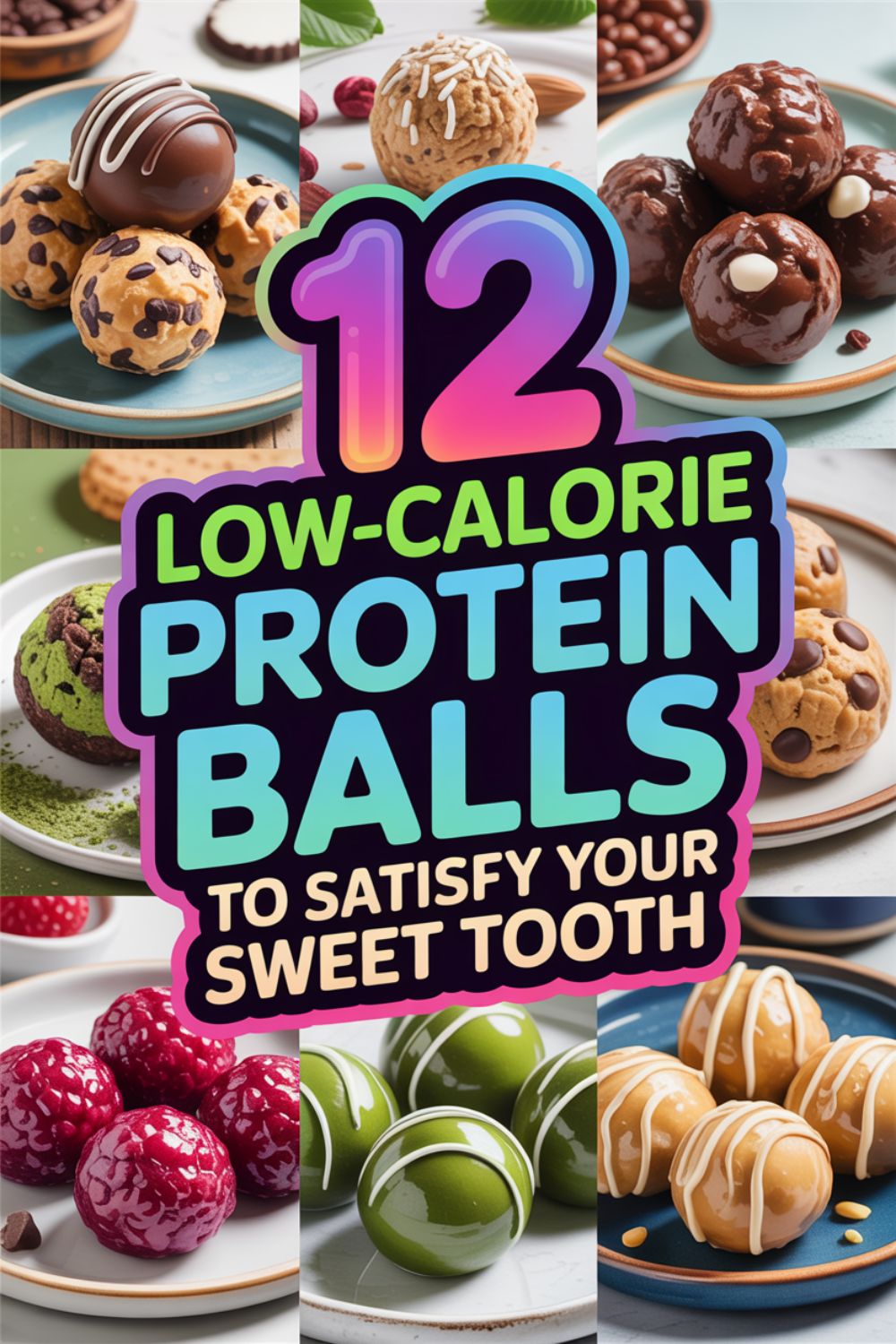
12 Low-Calorie Protein Balls to Satisfy Your Sweet Tooth
Let’s be real for a second. You’re staring at the pantry at 3 PM, your stomach’s growling, and you’re about two seconds away from inhaling an entire bag of chips. Been there, done that, got the crumb-covered keyboard. But what if I told you there’s a snack that actually keeps you full, tastes like dessert, and won’t derail your goals? Enter protein balls—the unsung heroes of guilt-free snacking.
I’ve been making these little guys for years, and they’ve saved me from countless vending machine disasters. Whether you’re meal prepping for the week or just need something to throw in your gym bag, these 12 low-calorie protein ball recipes are about to become your new obsession. No weird ingredients, no complicated steps, just real food that actually works.
Why Protein Balls Beat Every Other Snack
Here’s the thing about protein balls that most people don’t get right away. They’re not just convenient—they’re actually designed to work with your body, not against it. Research shows that protein helps you feel fuller longer, stabilizes blood sugar, and even boosts your metabolism slightly thanks to something called the thermic effect of food.
Unlike those store-bought protein bars that taste like sweetened cardboard and cost a fortune, homemade protein balls give you complete control over what goes in. You know exactly how much sugar, what type of protein powder, and whether you want them more cookie-dough-ish or more granola-bar-like. Plus, they’re ridiculously cheaper. I’m talking pennies per ball versus dollars per bar.
The magic happens when you combine protein powder with binding ingredients like nut butter or dates, add some oats for sustained energy, and throw in whatever mix-ins make your taste buds happy. The result? A portable snack that packs 4-6 grams of protein per ball while staying under 100-120 calories. That’s the sweet spot where hunger disappears but your calorie budget stays intact.
The 12 Best Low-Calorie Protein Ball Recipes
1. Classic Peanut Butter Chocolate Chip
This is where everyone starts, and honestly, there’s a reason for that. The combo of creamy peanut butter and those little bursts of chocolate hits different when you’re craving something sweet. I use natural peanut butter (the kind where the oil separates on top) because it mixes better and doesn’t have added sugar.
The trick here is not overdoing the honey. You need just enough to bind everything, but the natural sweetness from the chocolate chips does most of the heavy lifting. Each ball comes in around 95 calories with 5 grams of protein. Mix up rolled oats, vanilla protein powder, peanut butter, honey, mini chocolate chips, and a pinch of salt until it holds together. If you’re looking for more creative ways to use protein powder, these high-protein low-calorie snacks might spark some ideas.
2. Almond Joy Inspired
Okay, so this one’s basically a candy bar in healthy form. Coconut, almonds, and chocolate—if that doesn’t make you excited, check your pulse. I toast the shredded coconut first in a dry skillet for about three minutes. It brings out this nutty, caramel-y flavor that makes such a difference.
Use almond butter as your base (you can swap for peanut butter if almonds aren’t your thing), add unsweetened shredded coconut, chopped almonds, cacao powder, and a splash of vanilla extract. These sit right around 105 calories each but feel way more indulgent than they actually are. Get Full Recipe
3. Lemon Blueberry Bliss
This one’s for the people who want something that doesn’t taste like every other protein snack on the planet. Fresh lemon zest makes these pop in the best way, and dried blueberries add chewy little pockets of tartness. I learned the hard way that you need to use dried, not fresh berries—fresh ones turn everything into a mushy disaster.
Combine oats, vanilla protein powder, cashew butter, honey, lemon zest, and dried blueberries. Sometimes I throw in a handful of chia seeds for extra texture and omega-3s. These clock in at about 92 calories per ball and taste like summer in snack form.
4. Mocha Madness
Coffee lovers, this is your moment. These have actual espresso powder mixed in, so they give you a little caffeine boost along with the protein. Perfect for that mid-afternoon slump when you need food and energy but don’t want to slam another cup of coffee on an empty stomach.
Mix chocolate protein powder, oats, almond butter, honey, espresso powder, and mini chocolate chips. The coffee flavor isn’t overwhelming—it just enhances the chocolate and makes everything taste richer. Around 98 calories each, and they’re legitimately tasty enough that my non-health-food-eating husband steals them. For more protein-packed breakfast ideas that pair well with these, check out these low-calorie protein breakfasts.
5. Cinnamon Roll Dough Balls
These taste disturbingly similar to raw cinnamon roll dough, which is either going to excite you or terrify you. There’s something about the combination of cinnamon, vanilla, and that slightly sweet, doughy texture that just works. I add a tiny bit of cream cheese powder (found in the baking aisle) to nail that classic cinnamon roll flavor.
You’ll need oats, vanilla protein powder, cashew butter, honey, lots of cinnamon, vanilla extract, and a tablespoon of cream cheese powder. Roll them in a cinnamon-sugar mixture if you’re feeling fancy. They’re about 100 calories each and honestly rival any bakery’s attempt at healthy pastries.
6. Brownie Batter Bites
When chocolate cravings hit hard, these are the answer. They’re fudgy, rich, and satisfying in that deep, dark chocolate way that stops you from face-planting into an actual pan of brownies. The secret ingredient? A tablespoon of black bean puree (trust me on this—you can’t taste it, and it makes them super moist).
Blend together chocolate protein powder, oats, almond butter, cocoa powder, honey, and that black bean puree until everything’s smooth. These are slightly higher at 110 calories per ball, but they’re also more filling. Worth noting: they taste even better the next day after the flavors meld. If you enjoy these, you’ll probably love these high-protein comfort food recipes too.
7. Coconut Lime Paradise
This flavor combo doesn’t get enough love in the protein ball world, and I’m here to change that. The lime gives these a bright, tropical vibe that’s perfect when you’re sick of all things chocolate and peanut butter. Use coconut butter (not coconut oil—big difference) as your base for maximum coconut flavor.
Mix together oats, vanilla protein powder, coconut butter, honey, lime zest, lime juice, and unsweetened shredded coconut. Roll them in extra coconut for a snowball effect. These are about 95 calories each and transport you straight to a beach, even if you’re eating them at your desk in February. Get Full Recipe
8. Maple Pecan Pie
Fall flavors aren’t just for fall, IMO. These have that warm, cozy vibe year-round with maple, pecans, and a hint of cinnamon. I use pure maple syrup instead of honey here because fake maple flavor just doesn’t cut it—you need the real deal for that authentic taste.
Combine oats, vanilla protein powder, pecan butter (or regular pecans blended up), maple syrup, cinnamon, and chopped pecans for texture. If you can’t find pecan butter, just use almond butter and add extra chopped pecans. These run about 105 calories each and taste like dessert without the sugar crash.
9. Pumpkin Spice Everything
Yes, I’m that person who never got over pumpkin spice. These have actual pumpkin puree in them (not pumpkin pie filling—that’s got added sugar), which makes them super moist and adds vitamin A. The spice blend is key: cinnamon, ginger, nutmeg, and just a pinch of cloves.
Mix oats, vanilla protein powder, almond butter, pumpkin puree, honey, and your spice mix. These are best stored in the fridge since the pumpkin adds moisture. Around 90 calories per ball, and they’re honestly good enough that I make them all year, not just in autumn. Speaking of pumpkin-spiced goodness, these pair amazingly with metabolism-boosting smoothies for a complete snack.
10. Cherry Chocolate Chunk
Dried cherries are criminally underused in protein balls. They’re tangy, chewy, and when you pair them with dark chocolate chunks, it’s like a healthier version of chocolate-covered cherries. Use unsweetened dried cherries if you can find them—the kind with added sugar defeats the purpose.
You’ll need oats, chocolate or vanilla protein powder (both work), almond butter, honey, chopped dried cherries, and dark chocolate chunks. I use a kitchen knife to chop real dark chocolate bars instead of buying chips—better quality and less weird additives. These are about 100 calories each and have that fancy dessert energy.
11. Vanilla Almond Crunch
Sometimes you just want something simple that isn’t trying too hard. This is that recipe. It’s all about showcasing good vanilla (not imitation—seriously, spring for the real stuff) and the crunch of roasted almonds. I toast whole almonds in the oven until they’re fragrant, then roughly chop them so you get big crunchy pieces.
Combine oats, vanilla protein powder, almond butter, honey, vanilla extract, vanilla bean paste if you’re feeling bougie, and those chopped toasted almonds. Maybe add a pinch of sea salt on top of each ball. They’re about 98 calories each and prove that simple can be spectacular.
12. Matcha Green Tea
Okay, this one’s a bit different, and I get that matcha isn’t everyone’s cup of tea (pun intended). But hear me out—the earthy, slightly bitter notes of matcha balance perfectly with the sweetness of honey and the richness of cashew butter. Plus, you get a little caffeine boost and all those antioxidants matcha’s famous for.
Mix oats, vanilla protein powder, cashew butter, honey, ceremonial grade matcha powder (culinary grade works too but tastes more bitter), and white chocolate chips to cut the earthiness. These are about 102 calories each and have this beautiful green color that makes them stand out. Get Full Recipe
Craving more portable protein ideas? These recipes pair perfectly:
- 25 protein snacks you can make at home for even more variety
- 30 meal prep recipes to complement your snack game
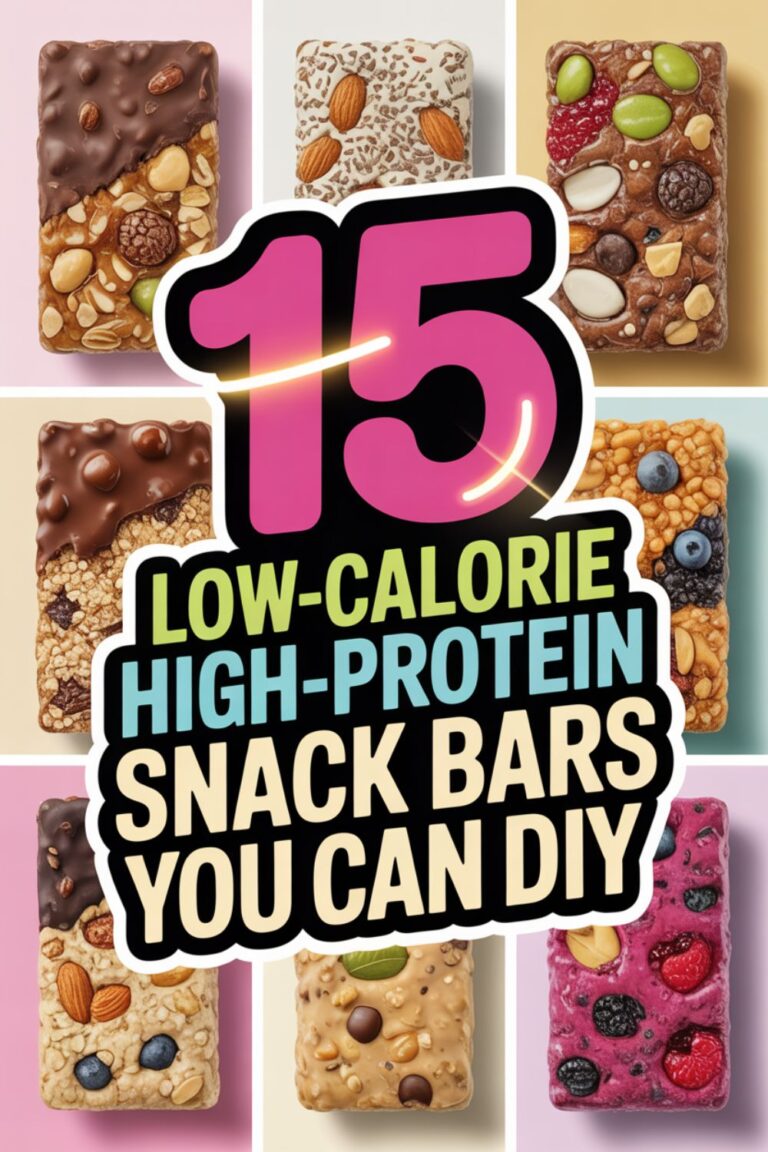
- DIY protein bar recipes when you want something a bit more substantial
The Science Behind Why These Actually Work
Let’s talk about what makes protein balls effective beyond just being convenient. When you eat protein, your body has to work harder to digest it compared to carbs or fat. This is called the thermic effect of food, and it means you burn slightly more calories just processing the protein you eat. It’s not a huge amount, but it adds up over time.
More importantly, protein triggers the release of hormones that signal fullness to your brain. This is why eating two protein balls can satisfy you for hours, while eating two regular cookies leaves you hunting for more food 30 minutes later. The combination of protein and healthy fats from nut butter creates this sustained energy that doesn’t spike your blood sugar and then crash it.
The fiber from oats adds another layer of satiety. Fiber slows down digestion, which means the energy from these balls releases slowly over time instead of all at once. That’s why they’re perfect for meal prep—you can eat one or two between meals and actually make it to dinner without wanting to gnaw your own arm off. Many people on structured meal plans use these as strategic snacks to bridge the gap between meals.
Common Mistakes and How to Avoid Them
After making literally hundreds of batches of protein balls, I’ve made every mistake in the book. Let me save you some trouble. The biggest issue people run into is the mixture being too dry or too wet. If it’s too dry, you can’t roll them into balls—they just crumble everywhere. Too wet, and they won’t hold their shape.
The fix is adjusting gradually. If your mixture is too dry, add liquid (milk, water, or more honey) one teaspoon at a time. I learned this the hard way after adding too much and turning a perfectly good batch into goop. If it’s too wet, add more oats or protein powder in small amounts until it reaches that cookie-dough-like consistency where it holds together but isn’t sticky.
Another mistake is using the wrong protein powder. Some brands are super absorbent and will suck all the moisture out of your mixture, while others barely bind at all. I’ve had the best luck with whey protein (if you eat dairy) or pea protein (if you don’t). Those rice protein powders tend to have a gritty texture that doesn’t work as well in no-bake recipes.
Temperature matters too. If your nut butter is straight from the fridge, it won’t mix well. Let it sit at room temperature for 15 minutes, or microwave it for 10 seconds. Same goes for honey in cold weather—it gets thick and hard to work with. A quick zap in the microwave makes everything blend smoother. For more protein-packed recipes that are forgiving and easy to customize, try these 5-ingredient recipes.
Ingredient Swaps and Customizations
The beauty of protein balls is how flexible they are. Allergic to peanuts? Use sunflower seed butter. Trying to keep it vegan? Swap honey for maple syrup or agave. Don’t have vanilla protein powder? Chocolate works in almost any recipe—it just changes the flavor profile.
Here’s a comparison that might help with nut butter choices: peanut butter is the most affordable and has a strong flavor that can overpower other ingredients. Almond butter is milder and slightly sweeter, making it great for more delicate flavors like lemon or coconut. Cashew butter is the creamiest and works when you want a smooth, almost buttery base without a strong nutty taste. Sunflower seed butter has an earthy, slightly savory taste—it’s different but works if you’re nut-free.
For the oats, you can use quick oats or old-fashioned rolled oats. I prefer old-fashioned because they give more texture, but quick oats work if that’s what you have. You can even use oat flour if you want a smoother consistency, though you’ll need less of it since flour is more concentrated than whole oats.
Mix-ins are where you can really go wild. Beyond chocolate chips and dried fruit, try: chopped nuts, seeds (hemp, chia, flax, pumpkin), unsweetened coconut, cacao nibs, protein cereal for crunch, or even a swirl of nut butter in the center for a fancy surprise. Just remember that mix-ins add calories, so factor that in if you’re tracking. These pair wonderfully with protein-packed meal prep bowls for a balanced nutrition approach.
Tools & Essentials That Make This Easier
Physical Products:
- Small cookie scoop (1 tablespoon size) – Seriously changes the game for portion control and consistency. No more eyeballing and ending up with wildly different calorie counts per ball.
- Glass meal prep containers with dividers – Perfect for storing different flavors separately. I use these to pack five different types for the week so I don’t get bored.
- Silicone baking mat – Line your work surface with this and cleanup becomes non-existent. Everything wipes off easily, and sticky dough doesn’t stand a chance.
Digital Resources:
- Weekly meal prep planning guide – Helps you plan which protein ball flavors to make based on your weekly schedule and macro goals.
- 30-day snack challenge – A structured approach to incorporating healthy snacks like protein balls into your routine consistently.
- 14-day complete meal prep plan – Includes protein ball recipes as part of a comprehensive eating strategy with shopping lists and prep schedules.
Storage and Meal Prep Strategy
Let’s talk logistics because making these is pointless if they go bad before you eat them. In the fridge, protein balls last about 5-7 days in an airtight container. I use glass containers with snap lids—they don’t absorb smells and keep everything fresh longer than plastic.
Freezing is where the magic happens. These freeze beautifully for up to three months. I make a triple batch, eat what I want for the week, and freeze the rest in portions. Here’s my system: roll all the balls, freeze them on a parchment-lined baking sheet for an hour so they don’t stick together, then transfer to freezer bags. Label with the flavor and date because frozen chocolate balls look identical to frozen peanut butter balls, and playing flavor roulette gets old fast.
FYI, you can eat them straight from the freezer if you’re into that. They’re like little frozen truffle bites. Or pull out what you need for the week and let them thaw in the fridge overnight. I pack two in a small container with my lunch every day. By the time I’m ready for an afternoon snack, they’re perfect.
For meal prep, Sunday works for most people, but honestly, any day you have 30 minutes works. That’s all it takes to make two different recipes (maybe 20-24 balls total) that’ll last you through most of the week. Pair these with quick lunch salads and you’ve got a solid meal prep foundation.
Nutritional Breakdown and Macro Considerations
Let’s get into the numbers because that’s what makes these actually useful for anyone tracking macros. A typical low-calorie protein ball has approximately 90-110 calories, 5-6 grams of protein, 12-15 grams of carbs, and 4-6 grams of fat. The exact breakdown depends on your specific ingredients, but that’s the general range.
Compare that to a typical store-bought protein bar: 200-250 calories, 15-20 grams of protein (sounds great until you realize…), 25-30 grams of carbs (often with 15+ grams of sugar), and 8-12 grams of fat. The bars pack more protein, sure, but they also pack way more of everything else. Two of these protein balls give you similar protein for fewer overall calories and less sugar.
The carbs in these balls come primarily from oats, which are complex carbs that digest slowly. The fiber content in oats also helps regulate blood sugar, preventing those energy spikes and crashes. If you’re following a lower-carb approach, you can sub some of the oats for more protein powder or use coconut flour, though the texture changes slightly.
For anyone wondering about the fat content: it’s mostly coming from nut butter, which means it’s primarily unsaturated fats—the heart-healthy kind. Don’t fear the fat here. It’s what makes these satisfying and helps your body absorb certain vitamins. If you’re looking for more ways to balance your macros throughout the day, these high-protein dinners complement these snacks perfectly.
When and How to Eat Them
Timing matters more than most people think. I eat these at specific times for specific reasons. Pre-workout (about 30-45 minutes before), I’ll have one or two with a banana. The quick carbs from the banana kick in first for immediate energy, while the protein and fats from the balls sustain me through the workout and into recovery.
Post-workout is another solid time, especially if you’re trying to build or maintain muscle. Your body is primed to use protein for muscle repair during that window. I prefer these over protein shakes because I actually have to chew them, which makes me feel more satisfied. Plus, they taste way better than any shake I’ve ever made.
The afternoon slump (usually 2-4 PM) is prime protein ball time. Most people reach for coffee or something sugary, which just sets up another crash later. These keep your energy steady and tide you over until dinner without that jittery, wired feeling. I keep a container at my desk specifically for this.
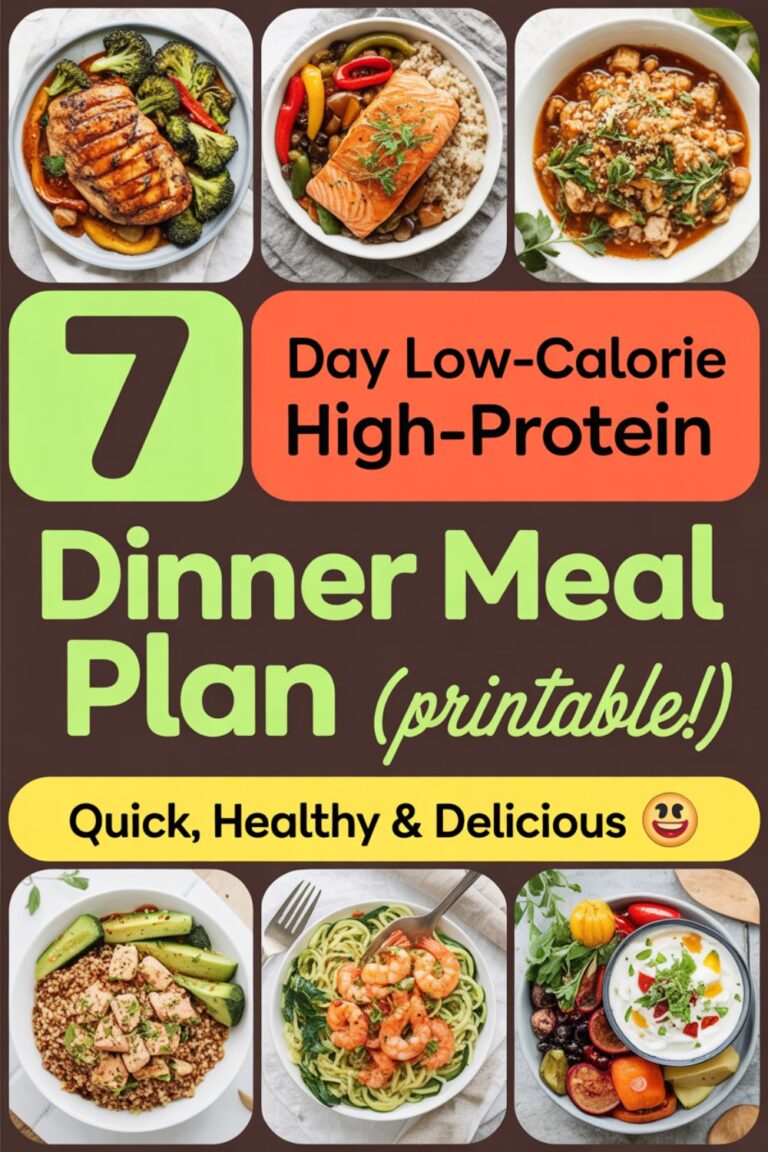
Before bed might sound weird, but if you’re hungry at night, a single protein ball is way better than hitting the pantry for chips or cookies. The protein helps keep you full, and since they’re portion-controlled, you’re not going to accidentally eat 500 calories before sleep. Just don’t go overboard—one is plenty. If you’re building a complete nutrition strategy, check out this 7-day dinner meal plan to round out your approach.
Frequently Asked Questions
Can I make protein balls without protein powder?
Absolutely. You’ll just have less protein per ball. Substitute with extra oats or oat flour, and increase the nut butter slightly to maintain the right consistency. Each ball will have around 2-3 grams of protein instead of 5-6, which still beats most regular snacks. You can also add hemp seeds or chia seeds to bump up the protein naturally.
Why are my protein balls falling apart?
This usually means your mixture is too dry or you didn’t mix it thoroughly enough. Add liquid (honey, milk, or water) one teaspoon at a time and mix well. The mixture should hold together when you squeeze it in your fist. Also, make sure you’re pressing firmly when you roll them—gentle rolling won’t cut it.
How long do homemade protein balls stay fresh?
In the fridge, they last 5-7 days in an airtight container. In the freezer, they’re good for 2-3 months. Always check for any off smells or changes in texture before eating. If they seem dry or hard, they’ve been stored too long or weren’t sealed properly.
Are protein balls good for weight loss?
They can be helpful as part of a calorie-controlled diet. At 90-110 calories each with 5-6 grams of protein, they’re a smart way to manage hunger between meals without derailing your goals. Just remember that weight loss still comes down to total calories—protein balls aren’t magic, but they’re a useful tool.
Can kids eat these protein balls?
Definitely, and most kids love them because they taste like treats. Just be mindful of any allergies (especially nuts and soy if using soy-based protein powder). You can make nut-free versions with sunflower seed butter and skip the protein powder entirely for younger kids who don’t need the extra protein.
Related Recipes You’ll Love
Looking for more protein-packed inspiration? Here are some recipes that pair perfectly with these protein balls:
More Snack Ideas:
Complete Meal Plans:
Quick Meal Prep Options:
Final Thoughts
Look, I’m not going to pretend protein balls are going to transform your life overnight. But having these ready to go in your fridge or freezer removes one more barrier between you and your goals. No more justifying that vending machine candy bar because “there’s nothing else to eat.” No more accidentally eating half a box of crackers because you waited too long between meals and became ravenous.
These 12 recipes give you enough variety that you won’t get bored, but they’re all simple enough that you don’t need to be a kitchen wizard to make them work. Pick two flavors that sound good, block out 30 minutes this weekend, and just make them. Store half in the freezer so you’re set for next week too.
The best part? Once you nail the basic technique, you can start experimenting with your own combinations. That’s when it gets fun. You’re not following recipes anymore—you’re creating snacks that actually fit your taste preferences and nutrition goals. And that’s the whole point of cooking at home instead of buying processed junk.
Now stop reading and go make some protein balls. Your future hungry self will thank you.