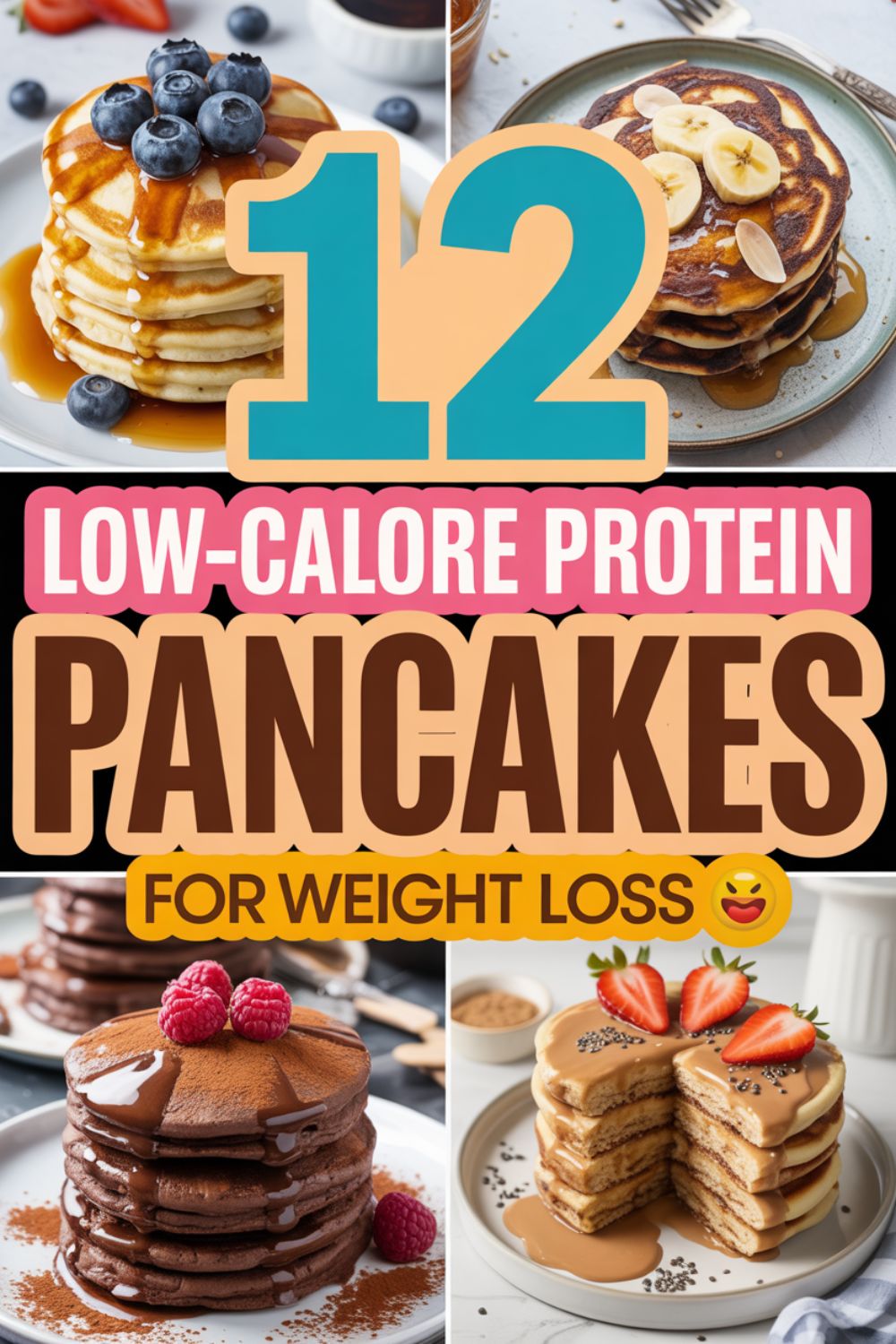
12 Low-Calorie Protein Pancakes for Weight Loss
So you’re trying to shed a few pounds and someone tells you pancakes are off the menu? Yeah, that’s nonsense. I’ve been making protein pancakes for years now, and honestly, they’ve become my secret weapon for staying on track without feeling like I’m living on cardboard and sadness.
Here’s the thing most people get wrong about weight loss breakfasts: they think it has to be boring. Egg whites, plain oatmeal, maybe a sad piece of dry toast if you’re lucky. But what if I told you that you could have fluffy, satisfying pancakes that actually help you lose weight? Not despite eating them, but because of them.
Traditional pancakes are basically a sugar bomb wrapped in refined flour—they spike your blood sugar faster than you can say “second stack, please.” But protein pancakes? They’re a completely different beast. We’re talking 20-30 grams of protein per serving, minimal refined carbs, and they keep you full until lunch without that 10 a.m. crash that sends you hunting for snacks.
I’m going to walk you through 12 variations that range from classic to creative, all clocking in under 350 calories per serving. Some take five minutes to whip up, others are worth the extra effort on a lazy Sunday. Either way, you’re getting real food that supports your goals instead of sabotaging them.
Why Protein Pancakes Actually Work for Weight Loss
Let’s talk science for a second, but I promise to keep it painless. Research shows that protein increases satiety way more than carbs or fat. Translation? You feel fuller, longer, which means you’re not raiding the snack drawer by 10:30.
But it goes deeper than that. When you eat enough protein at breakfast, your body releases hormones that basically tell your brain “hey, we’re good here, no need to panic-eat later.” Meanwhile, those refined-flour pancakes from your favorite diner? They do the exact opposite—blood sugar spike, insulin surge, crash, cravings. It’s a vicious cycle.
Plus, protein has a higher thermic effect than other macronutrients. Your body actually burns more calories digesting protein than it does processing carbs or fat. It’s not huge—we’re talking maybe an extra 50-100 calories a day—but over weeks and months? That adds up.
The Foundation: What Makes a Protein Pancake Actually Good
Not all protein pancakes are created equal. I’ve had my share of hockey pucks that tasted like cardboard soaked in artificial sweetener. The secret is balancing your protein source with the right supporting cast of ingredients.
Your protein base options: Protein powder is the obvious choice, but Greek yogurt, cottage cheese, and egg whites all work beautifully. I actually prefer combining two sources—like protein powder plus Greek yogurt—because you get better texture and a more complete amino acid profile.
For the “flour” component, think oats, almond flour, or coconut flour. Each brings something different to the party. Oats give you that classic pancake texture, almond flour adds richness, and coconut flour is insanely absorbent so a little goes a long way.
The binding agents matter too. Eggs are non-negotiable in most recipes—they provide structure and extra protein. Some recipes call for mashed banana or applesauce, which add natural sweetness and help with moisture. Just watch the portions because those natural sugars still count.
Speaking of texture, I swear by this non-stick griddle for getting that perfect golden-brown exterior without the pancakes sticking. Game changer if you’re making these regularly.
The Toppings Trap (And How to Avoid It)
Here’s where people sabotage themselves. You make a perfectly reasonable 250-calorie stack of protein pancakes, then drown them in syrup, add a mountain of whipped cream, and suddenly you’re at 600+ calories. At that point, you might as well have had the regular pancakes.
Smart toppings include fresh berries, a small drizzle of real maple syrup (emphasis on small), Greek yogurt, or a measured tablespoon of nut butter. Notice I said tablespoon, not “generous dollop.” Nut butters are healthy but calorie-dense—two tablespoons of peanut butter will set you back about 190 calories.
If you’re craving something more indulgent, try sugar-free syrup or this monk fruit maple-flavored syrup. It’s not quite the same as the real thing, but it scratches the itch without the calorie bomb.
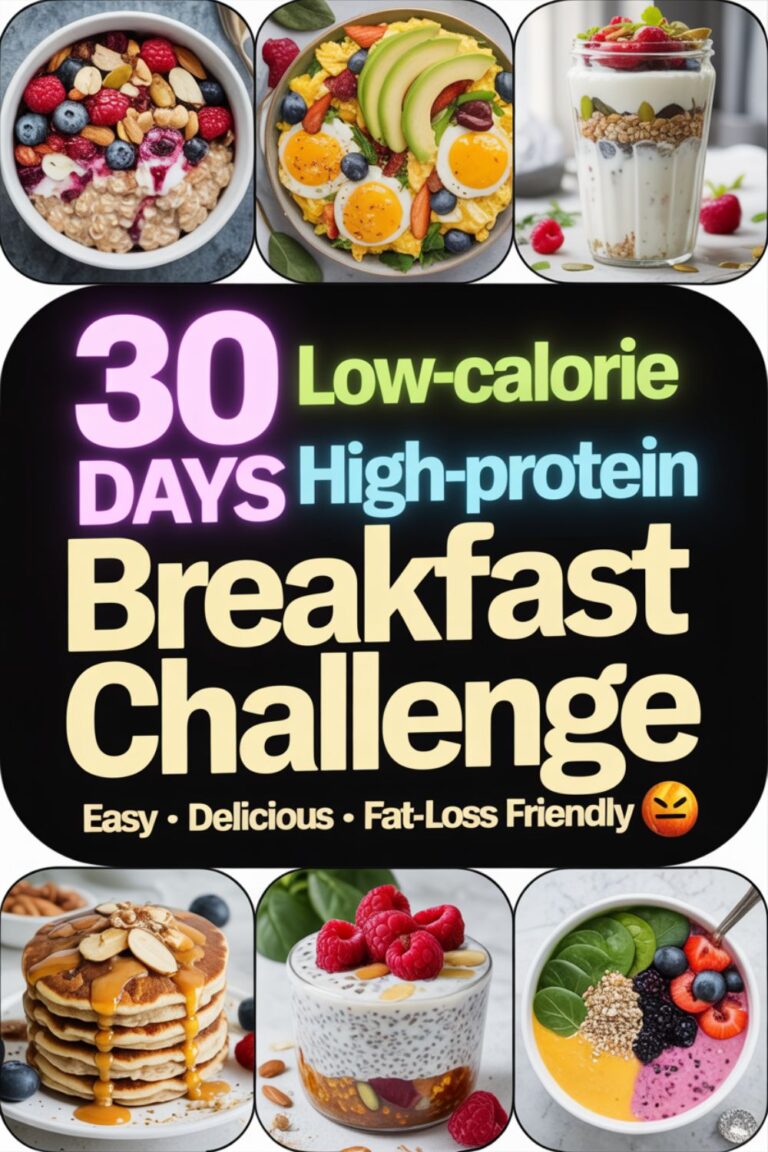
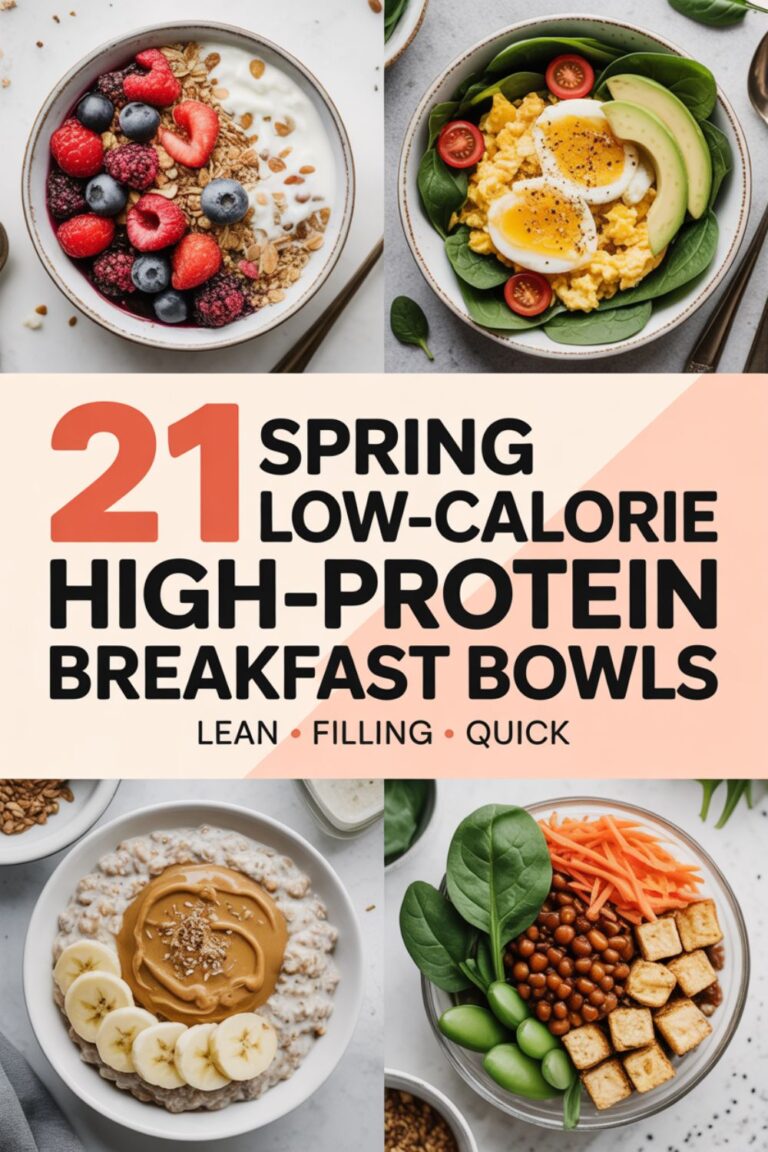
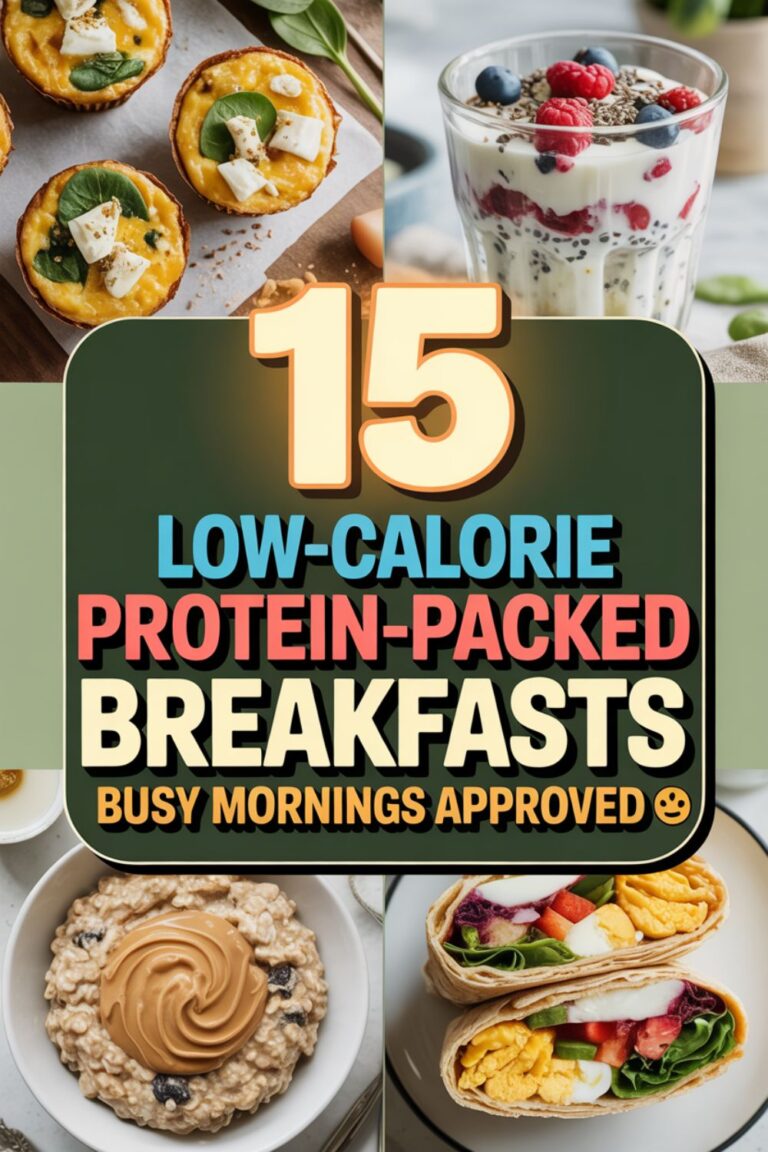
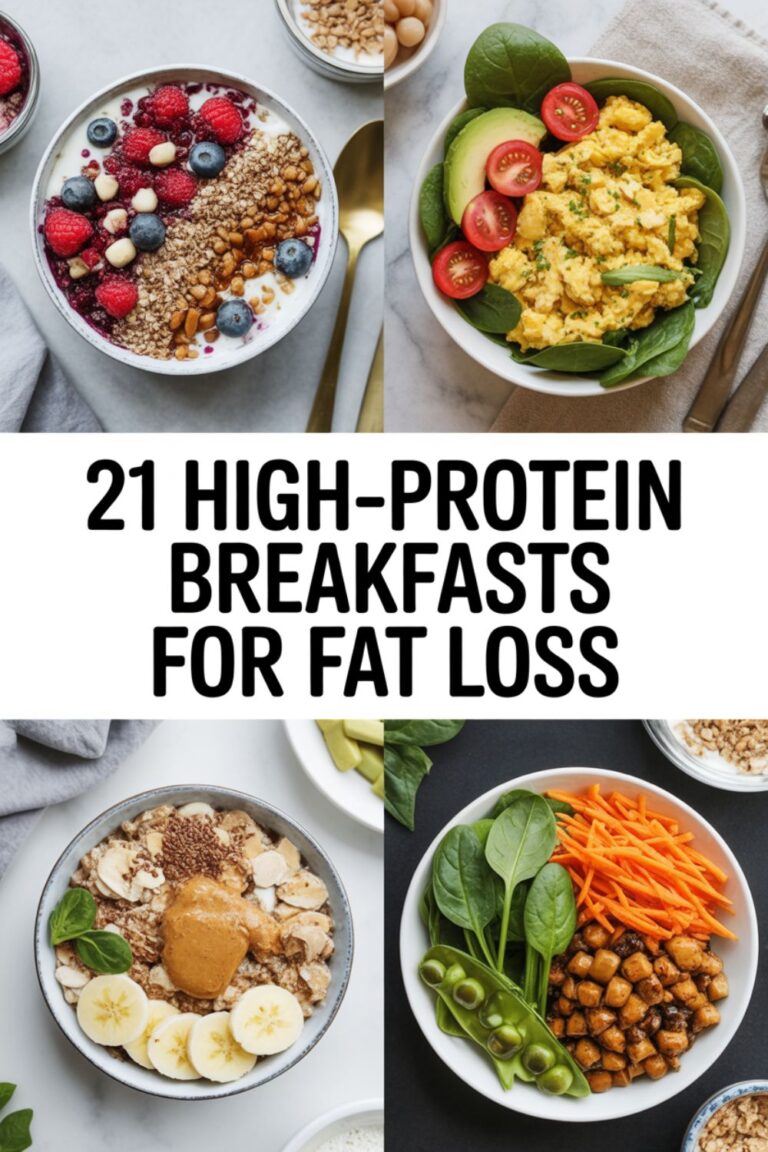
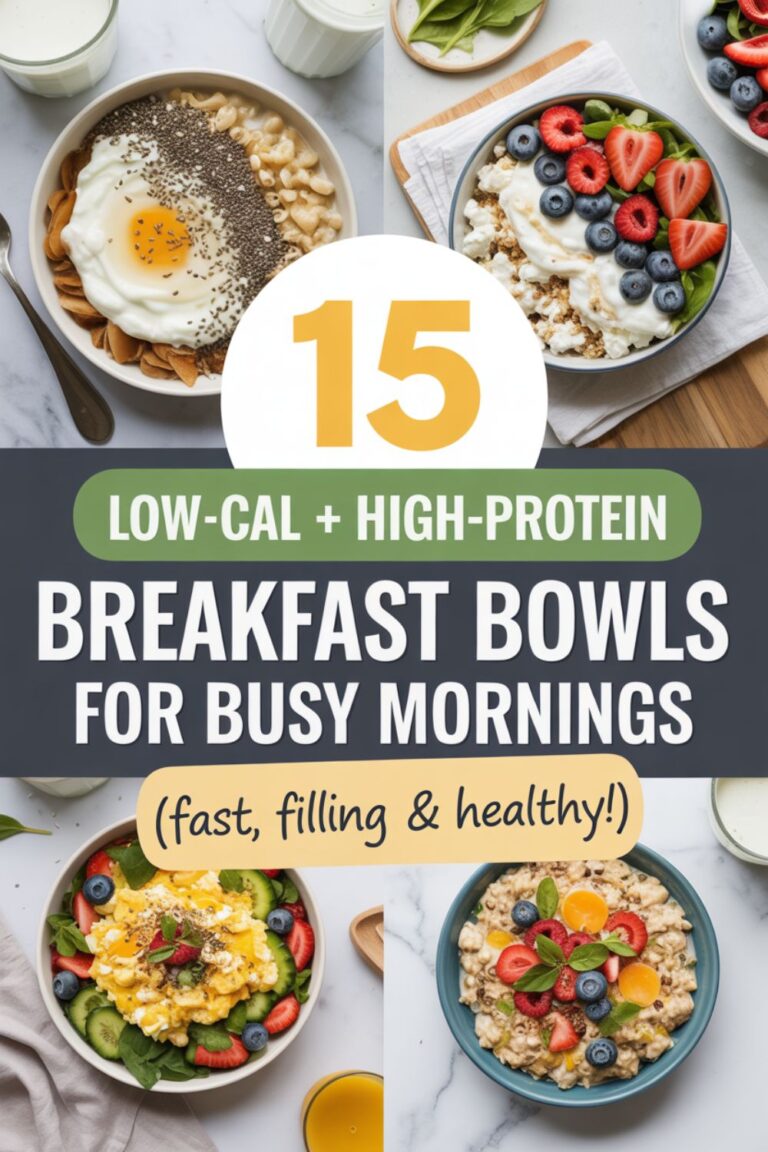
For more breakfast inspiration that keeps your macros in check, check out these low-calorie high-protein breakfast bowls that pair perfectly with your new pancake routine.
12 Protein Pancake Recipes That’ll Make You Forget Regular Pancakes Exist
1. Classic Vanilla Protein Pancakes
This is your baseline, your foundation, your go-to when you just want something simple and reliable. One scoop of vanilla protein powder, half a cup of oats, one egg, splash of almond milk. Blend it up, cook it, done. Comes out to about 280 calories with 25 grams of protein.
I make these at least three times a week. They’re stupid easy, and you can flavor them a dozen different ways by changing your protein powder. Chocolate chip one day, cinnamon roll the next—same base recipe, different vibe.
2. Cottage Cheese Power Pancakes
Don’t knock it till you try it. Cottage cheese in pancakes sounds weird until you taste them—they come out incredibly fluffy and pack about 30 grams of protein per serving. The curds blend in completely, so there’s no weird texture.
Mix a cup of cottage cheese, two eggs, half a cup of oats, and a teaspoon of baking powder. The baking powder is crucial here—it gives you that lift and prevents them from being dense. About 320 calories for a solid stack.
Pro move: use small-curd cottage cheese instead of large-curd. It blends smoother and you won’t get random chunks.
“I was skeptical about the cottage cheese thing, but these became my go-to Sunday morning breakfast. Down 12 pounds in two months and I don’t even feel like I’m dieting.” — Rachel K., community member
3. Banana Oat Protein Pancakes
This is the recipe that converts people. One banana, two eggs, quarter cup of oats, scoop of protein powder. That’s it. Four ingredients, and they taste like actual pancakes instead of protein powder held together with hope.
The banana provides natural sweetness and helps bind everything together. You don’t need any added sugar or sweetener. Mash it really well though—nobody wants banana chunks in their pancakes. Roughly 290 calories with 22 grams of protein.
I like using this banana masher because it gets the job done in about 10 seconds flat. Worth every penny when you’re making these regularly.
4. Chocolate Peanut Butter Protein Pancakes
When you need something that feels like dessert but won’t derail your progress. Chocolate protein powder, one tablespoon of PB2 (powdered peanut butter—same flavor, way fewer calories), egg whites, and a bit of cocoa powder for extra richness.
These come in around 310 calories and taste like a Reese’s cup had a baby with a pancake. The PB2 is key here—regular peanut butter would push the calories way up. Top with some sliced banana and you’ve got yourself a legitimate treat that still fits your macros.
If you’re looking for more ways to incorporate high-protein foods into your routine, these metabolism-boosting smoothies make excellent snacks between meals.
5. Blueberry Greek Yogurt Pancakes
Greek yogurt brings a tangy richness that regular pancakes can’t touch. Half a cup of Greek yogurt, one egg, third cup of oat flour, fresh or frozen blueberries. The yogurt keeps them incredibly moist without adding a ton of fat.
Fresh blueberries are obviously ideal, but frozen work just fine—and they’re way cheaper. Just don’t thaw them first or you’ll end up with purple pancake soup. Toss them in frozen and they’ll thaw as the pancakes cook. About 265 calories per serving with 24 grams of protein.
I store my blueberries in these airtight containers to keep them fresh longer. Less waste, more pancakes.
6. Cinnamon Roll Protein Pancakes
All the cinnamon roll flavor, none of the 800-calorie food coma. Vanilla protein powder, generous amounts of cinnamon, a pinch of nutmeg, and here’s the trick—a tiny drizzle of cream cheese mixed with stevia for the “frosting.”
The cream cheese drizzle is what sells this recipe. Mix two tablespoons of light cream cheese with a few drops of vanilla extract and your sweetener of choice. It gives you that bakery vibe without the bakery calories. Total damage: about 295 calories with 26 grams of protein.
You could also skip the cream cheese and use a dollop of Greek yogurt mixed with cinnamon and stevia. Different texture, same concept, even fewer calories.
7. Apple Cinnamon Protein Pancakes
Perfect for fall, but honestly I make these year-round. Grate half an apple into your batter—don’t chop it, grate it. This distributes the apple flavor evenly and adds moisture without making the pancakes soggy.
Use protein powder, grated apple, egg, oats, cinnamon, and a tiny pinch of allspice. Studies show that cinnamon may help with blood sugar regulation, which is a nice bonus when you’re managing your weight.
The box grater I use makes quick work of apples and also works for zucchini when I’m making savory versions. Multi-purpose kitchen tools are the best.
About 275 calories per serving with 23 grams of protein. Top with a sprinkle of granola if you want some crunch, just measure it out—granola is sneaky calorie-dense.
8. Almond Flour Protein Pancakes
For those avoiding oats or just wanting something with a different texture. Almond flour gives you a slightly nutty, richer pancake that’s naturally low in carbs. Mix almond flour with protein powder, eggs, a splash of almond milk, and baking powder.
These are a bit more fragile than oat-based pancakes, so flip carefully. Use a wide spatula and wait until you see bubbles forming on the surface before attempting the flip. About 305 calories with 27 grams of protein, and they keep you stupidly full.
Fair warning: almond flour pancakes brown faster than oat pancakes, so keep your heat on medium-low. Learn from my mistakes—I’ve sacrificed many pancakes to the burnt-offering gods.
Looking for complete meal solutions? These meal prep-friendly recipes complement your breakfast routine perfectly.
9. Pumpkin Spice Protein Pancakes
Basic? Maybe. Delicious? Absolutely. Pumpkin puree (not pie filling—big difference), pumpkin pie spice, protein powder, egg, and a bit of oat flour. The pumpkin adds moisture and fiber while keeping calories reasonable.
These taste like fall in pancake form, and the fiber from the pumpkin helps slow digestion even more. You stay full forever. I’m talking “forget about lunch until 2 p.m.” levels of satiety. Around 285 calories with 24 grams of protein.
Buy your pumpkin puree in bulk when it’s on sale and freeze it in these silicone ice cube trays. Each cube is about two tablespoons—perfect for single servings. Future you will appreciate past you’s planning.
10. Zucchini Protein Pancakes
Before you click away—hear me out. Grated zucchini adds moisture and sneaks in some vegetables without adding any weird flavor. You legitimately cannot taste it. I’ve served these to vegetable-hating friends and they had no clue.
Squeeze the moisture out of your grated zucchini first, otherwise you’ll end up with wet batter. Mix it with protein powder, egg, oat flour, and whatever spices you’re feeling. I usually go with cinnamon and vanilla, but you could absolutely make these savory with some herbs and cheese.
About 270 calories with 25 grams of protein, plus you get to feel smug about eating vegetables for breakfast. Win-win.
11. Coconut Flour Protein Pancakes
Coconut flour is weird. It absorbs liquid like nobody’s business, so you need way less of it. Two tablespoons of coconut flour, protein powder, three eggs (yes, three—coconut flour needs the extra binding), and some coconut milk.
These have a slightly sweet, tropical vibe that’s really pleasant. The texture is a bit denser than oat pancakes but in a good way—they’re substantial and filling. Around 295 calories with 28 grams of protein.
Don’t substitute coconut flour one-for-one with other flours. It doesn’t work that way. Ask me how I know. Actually, don’t—those failed experiments are best left forgotten.
Kitchen Tools That Make These Recipes Easier
After making literally hundreds of batches, here’s what I actually use and recommend:
Physical Products:
- Non-stick ceramic griddle – Even heat distribution, easy cleanup, and you can make multiple pancakes at once. Mine’s been going strong for three years.
- High-powered blender – Smooths out oats and creates perfect batter consistency in seconds. Also great for smoothies and protein shakes.
- Digital food scale – Accuracy matters when you’re tracking macros. Eyeballing portions is how you end up wondering why you’re not losing weight.
Digital Resources:
- MyFitnessPal Premium – Track your pancake macros along with everything else. The barcode scanner alone is worth it.
- Macro-friendly recipe app – Pre-calculated nutrition info for thousands of protein pancake variations saves hours of manual calculation.
- Meal prep planning template – Spreadsheet that helps you batch-prep pancakes for the week. Sounds nerdy, saves time.
12. Protein Pancake Cereal
This is my lazy Sunday morning move. Make tiny pancakes—like, quarter-sized—and serve them in a bowl with almond milk like cereal. It’s adorable, it’s fun, and it lets you eat pancakes with a spoon, which for some reason makes them taste better.
Use any of the base recipes above, just make them mini. I use a squeeze bottle to make perfect little circles without any mess. Kids go absolutely nuts for these, which means you can trick them into eating a high-protein breakfast. Parenting win.
The milk-to-pancake ratio is crucial—you want enough milk to coat them but not so much that they get soggy immediately. It’s a delicate balance that you’ll figure out after a couple attempts. About 300 calories depending on which base recipe you use.
For more creative protein-packed options, these quick prep bowls offer similar convenience and nutrition.
Common Mistakes That Sabotage Your Protein Pancakes
I’ve made every mistake in the book, so learn from my failures.
Overmixing the batter: You’re not making bread. A few lumps are fine. Overmixing develops the gluten and gives you tough, rubbery pancakes. Mix until just combined and then stop touching it.
Cooking on too high heat: Medium to medium-low is your friend. High heat burns the outside while leaving the inside raw. Nobody wants that experience.
Flipping too early: Wait for those bubbles to form and the edges to look set. If you flip too soon, you get pancake carnage all over your griddle. Patience pays off here.
Using old protein powder: Yes, protein powder expires. Old powder tastes weird and doesn’t mix right. Check those dates and store it properly—cool, dry place, tightly sealed.
Forgetting the baking powder: This is what makes them fluffy instead of flat and sad. Don’t skip it. Half a teaspoon to a teaspoon per batch makes all the difference.
Making Protein Pancakes Work for Your Lifestyle
The best diet is the one you can actually stick to, and that means fitting these pancakes into your real life, not some idealized version of yourself that meal preps every Sunday.
If mornings are chaos, make the batter the night before. If you’re not a morning person, batch-cook on weekends and freeze them. If you travel a lot, pack some protein powder and make them in hotel room microwaves—yes, that works, and yes, I’ve done it.
The point isn’t perfection. The point is having a go-to breakfast that supports your goals without making you miserable. Some weeks I make protein pancakes five times. Other weeks, not at all. Both scenarios are fine as long as you’re moving in the right direction overall.
I’ve found that alternating between these pancakes and other high-protein options keeps things interesting. Check out these beginner-friendly meal ideas for more variety in your rotation.
The Protein Powder Situation
Not all protein powders are created equal, and the one you choose can make or break your pancakes. Whey protein is the gold standard—mixes well, tastes good, affordable. Casein works too but makes for denser pancakes.
Plant-based proteins are trickier. Pea protein can be gritty, hemp protein has a strong flavor, and brown rice protein sometimes tastes like cardboard. That said, some brands have figured it out. The key is finding one you like—taste-test a few before buying in bulk.
IMO, isolate is worth the extra few bucks over concentrate. It mixes smoother and has less lactose, which matters if you’re sensitive. Plus it’s slightly higher in protein percentage, which adds up when you’re making these regularly.
The protein powder variety pack I tried when first starting out was actually super helpful. Let me test flavors without committing to a 5-pound tub of something I might hate.
Scaling These Recipes Up or Down
Most of these recipes are written for one serving, but life doesn’t always work that way. Doubling or tripling is straightforward—just multiply everything evenly. Where people get into trouble is trying to half recipes with eggs.
Half an egg doesn’t really work. If you need to scale down, consider using egg whites only or finding recipes specifically designed for larger batches that you can then divide. For scaling up, everything multiplies cleanly.
When batch cooking, I use parchment paper sheets between frozen pancakes so they don’t stick together. Makes grabbing just a couple way easier than fighting with a frozen pancake brick.
Speaking of meal prep, these freeze-and-reheat recipes follow the same principles and are perfect for busy schedules.
“Started making double batches every Sunday. Game changer for my hectic weekday mornings. Down 18 pounds and I actually look forward to breakfast now instead of dreading it.” — Marcus T., reader
Tracking Your Results
Here’s something nobody tells you: the scale is a lying liar that lies. Water retention, hormones, sodium intake, whether you’ve pooped recently—all of it affects that number. Don’t let day-to-day fluctuations mess with your head.
Track trends over weeks, not days. Take measurements, progress photos, notice how your clothes fit. Some weeks the scale won’t budge but your jeans will fit better. Trust the process.
That said, do track your food. Research consistently shows that people who track their intake lose more weight and keep it off longer. It doesn’t have to be forever, but do it long enough to learn what appropriate portions actually look like.
Your protein pancake breakfast should be between 300-400 calories depending on toppings. If you’re consistently going over that, something’s off. Measure your ingredients at least initially until you can eyeball portions accurately.
When Protein Pancakes Aren’t the Answer
Look, I love these pancakes. They’ve been instrumental in my own weight loss journey. But they’re not magic, and they’re not for everyone.
If you have digestive issues with eggs or dairy, many of these recipes won’t work for you. If you genuinely hate pancakes, don’t force it—find a different high-protein breakfast you actually enjoy. If your protein powder consistently gives you digestive distress, that’s your body telling you something.
Some people do better with savory breakfasts. Some people don’t eat breakfast at all and do great with intermittent fasting. The best meal plan is the one you’ll actually follow, so don’t try to force yourself into a breakfast paradigm that makes you miserable.
For those looking for completely different approaches, these high-protein dinner options prove there are multiple paths to the same goal.
Frequently Asked Questions
Can I make protein pancakes without protein powder?
Absolutely. Greek yogurt, cottage cheese, and eggs provide plenty of protein on their own. You’ll get around 15-20 grams of protein per serving instead of 25-30, but that’s still solid for a breakfast. The texture might be slightly different, but they’re still delicious and way better than regular pancakes.
How long do protein pancakes stay good in the fridge or freezer?
In the fridge, they’ll last 3-4 days in an airtight container. In the freezer, they’re good for up to 3 months. I separate mine with parchment paper before freezing so I can grab individual servings. Reheat in the toaster or microwave—both work fine, though the toaster gives you a slightly better texture.
Why do my protein pancakes always turn out rubbery?
Usually it’s one of three things: too much protein powder (more isn’t always better), overmixing the batter (which develops gluten), or cooking on too high heat. Try cutting back the protein powder by a quarter scoop, mix until just combined, and use medium-low heat. That should fix it.
Are protein pancakes actually better than regular pancakes for weight loss?
Yes, but not because of magic—because of satiety. Studies show that higher protein intake increases feelings of fullness and can lead to reduced calorie intake throughout the day. Regular pancakes spike your blood sugar and leave you hungry an hour later, while protein pancakes keep you satisfied for hours. It’s the staying power that makes the difference.
Can I use plant-based protein powder in these recipes?
Yes, but choose your powder carefully. Some plant proteins are grittier or have stronger flavors than whey. Pea-rice blends tend to work best in pancakes—they mix smoothly and have a neutral taste. You might need to adjust liquid amounts slightly since plant proteins sometimes absorb more moisture than whey. Start with the recipe as written and add milk gradually if the batter seems too thick.
Final Thoughts: Making Peace with Pancakes
Weight loss doesn’t have to mean giving up everything you love. It means getting smarter about how you approach the foods that matter to you. For me, that meant figuring out how to keep pancakes in my life without sabotaging my progress.
These 12 recipes have been in regular rotation for years now. Some weeks I stick to the classics, other weeks I get creative with mix-ins and toppings. The variety keeps things interesting, and the protein keeps me full and on track.
Start with one or two recipes that sound good to you. Make them a few times, get comfortable with the process, then branch out to others. You don’t need to master all 12 immediately. Find what works for your taste buds and your schedule, then make it a habit.
The people who succeed at weight loss aren’t the ones with the most willpower or the most restrictive diets. They’re the ones who find sustainable ways to eat that they can maintain long-term. If protein pancakes help you do that, then they’re doing their job.
Now go make some pancakes. Your taste buds and your waistline will thank you.