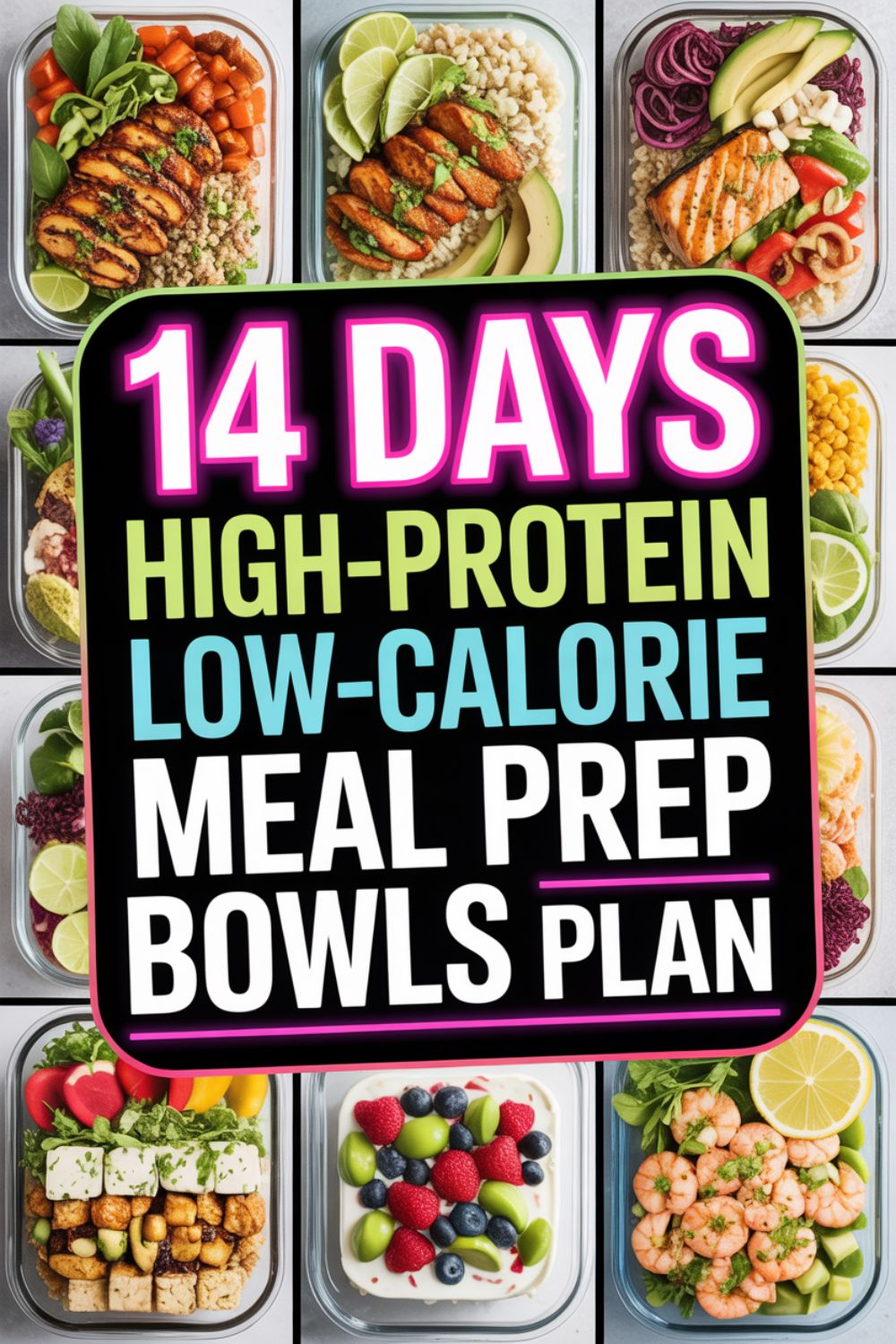
14-Day High-Protein Low-Calorie Meal Prep Bowls Plan
Look, I’m not going to pretend meal prep is some magical unicorn that solves all your life problems. But here’s the thing: when you’ve got fourteen days’ worth of high-protein, low-calorie bowls ready to roll, you’re not ordering takeout at 9 PM because you forgot to defrost chicken. Again.
I’ve been down the meal prep rabbit hole more times than I care to admit, and what I’ve learned is this—bowls are where it’s at. They’re forgiving, they’re versatile, and honestly, they make you feel like you’ve got your life together even when your laundry’s been sitting in the dryer for three days.
This plan isn’t about perfection. It’s about having solid, protein-packed meals that keep you full, support your goals, and don’t require a culinary degree to pull off.
Why High-Protein Low-Calorie Bowls Actually Work
Protein is the MVP of macronutrients, and I’m not just saying that because it’s trendy. When you’re eating enough protein, you stay fuller longer, which means you’re not raiding the pantry every two hours like some kind of snack-seeking missile.
The science backs this up too. Harvard Health notes that while the basic protein requirement is around 0.8 grams per kilogram of body weight, many people benefit from higher amounts—especially if you’re active or trying to maintain muscle while losing fat. The latest Dietary Guidelines actually bumped up protein recommendations to 1.2-1.6 grams per kilogram daily.
But here’s where bowls shine: they let you pack in 25-40 grams of protein per meal without feeling like you’re choking down dry chicken breast. You’re mixing textures, flavors, and colors—all while keeping calories in check.
The 14-Day Blueprint: What You’ll Actually Eat
This isn’t a restrictive plan that’ll have you dreaming about pizza by day three. It’s designed to give you variety, keep your taste buds interested, and hit those macro goals without making you miserable.
Week One: Building the Foundation
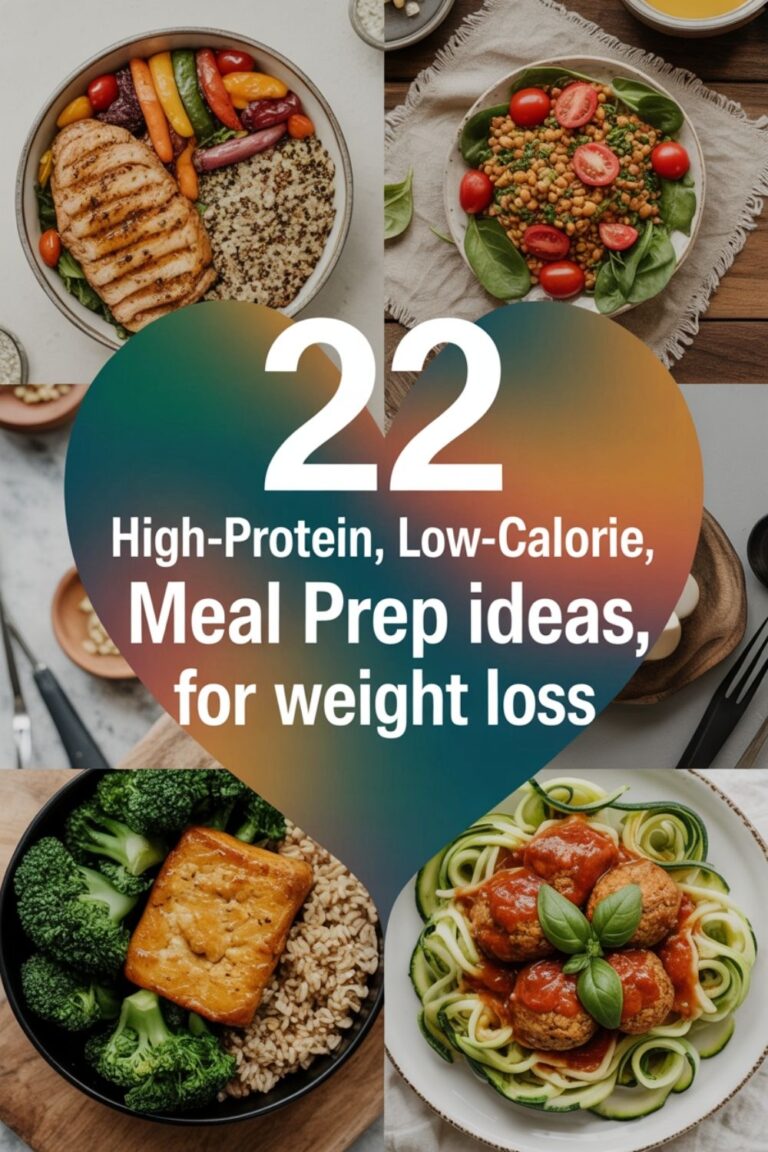
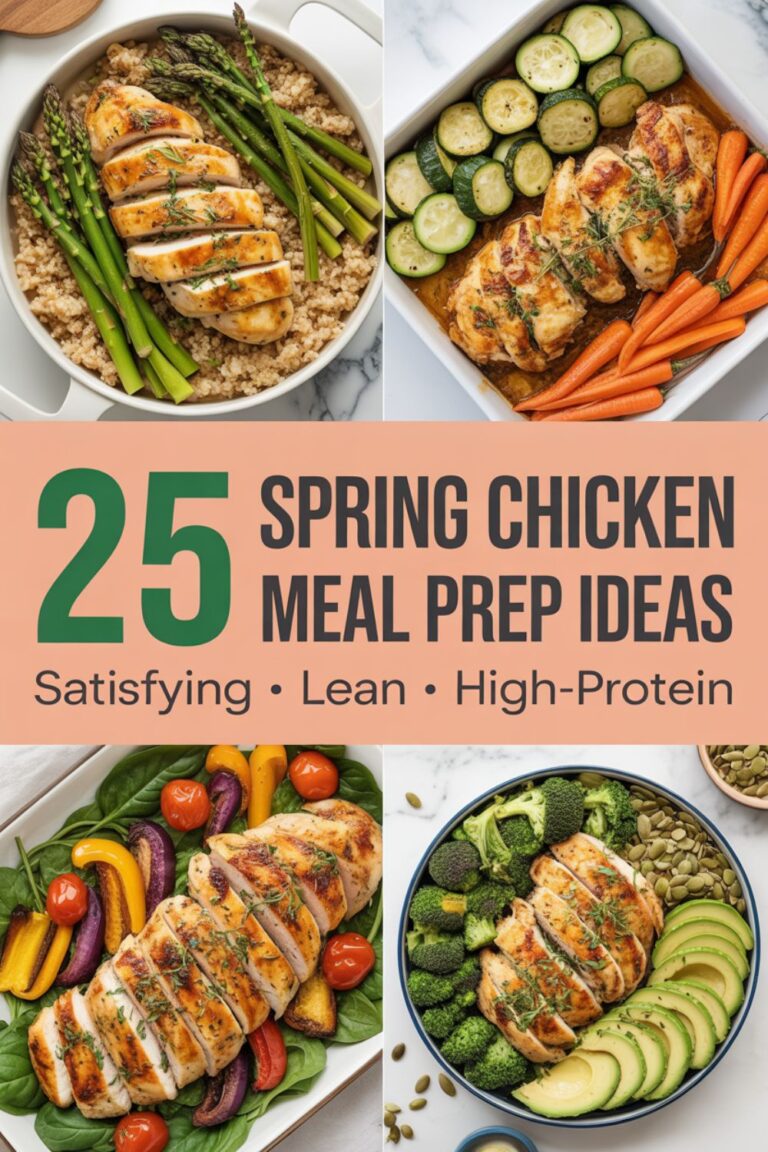
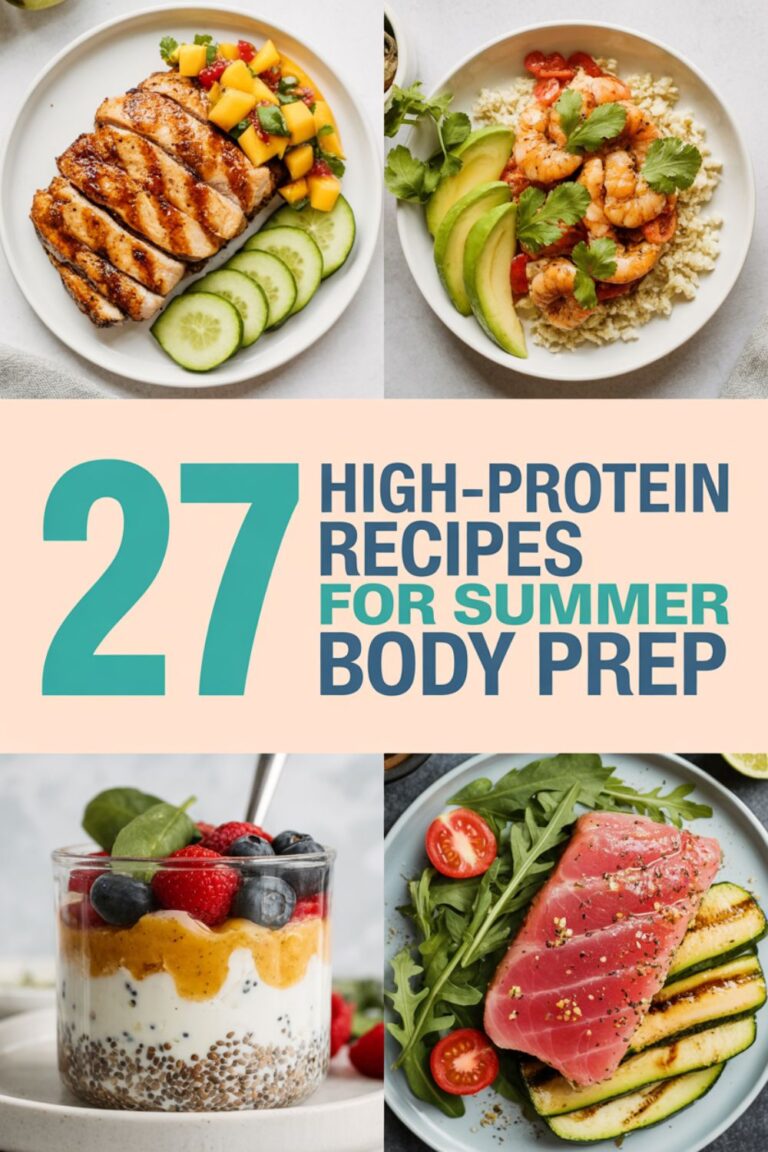
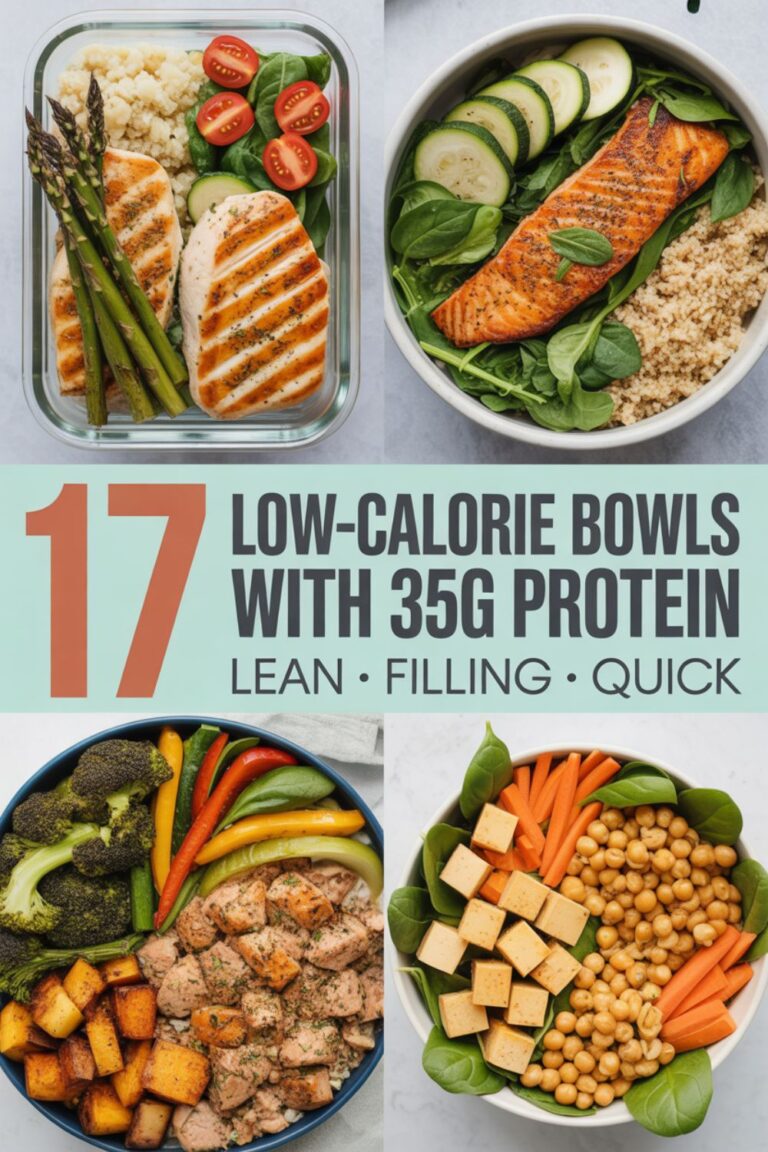
Days 1-3: Start with the classics. Grilled chicken over quinoa with roasted vegetables is your baseline. I season mine with smoked paprika, garlic powder, and a touch of cumin—nothing fancy, but it tastes way better than plain grilled chicken. Add some roasted sweet potato, broccoli, and bell peppers, and you’ve got a bowl that clocks in around 380-420 calories with 35-40 grams of protein.
The key here is getting your protein source right. I use this digital meat thermometer because overcooked chicken is a crime against meal prep. Cook it to exactly 165°F and you’ll actually want to eat it on day four.
Days 4-5: Switch to ground turkey taco bowls. Brown the turkey with taco seasoning, serve over cauliflower rice or regular brown rice if you prefer, top with black beans, diced tomatoes, and a dollop of Greek yogurt instead of sour cream. These bowls are around 350-400 calories and pack 30-35 grams of protein.
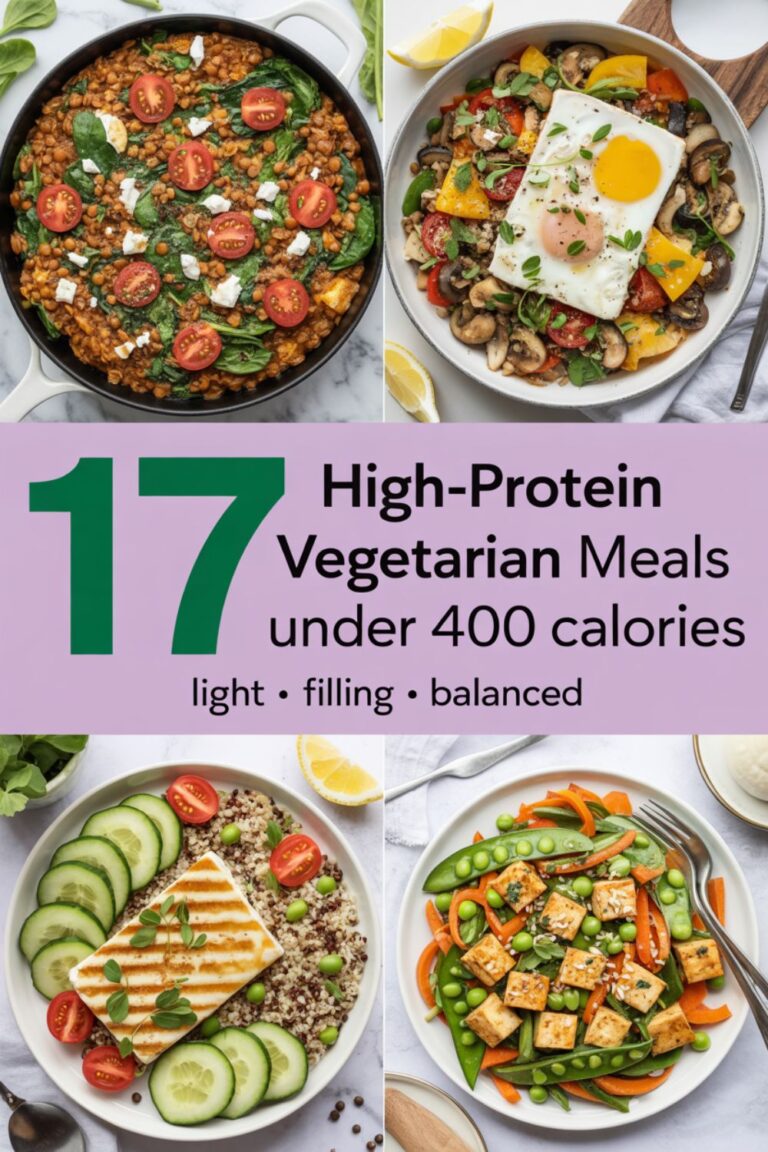
For folks following a plant-based approach, swap the turkey for seasoned lentils or crumbled tempeh. The macro profile stays surprisingly similar.
Days 6-7: Salmon bowls enter the chat. Baked salmon over mixed greens with quinoa, roasted asparagus, cherry tomatoes, and a lemon-tahini dressing. These are slightly higher in calories (around 450-480) but deliver 38-42 grams of protein plus those omega-3 fatty acids everyone’s always going on about.
I prep the salmon using these parchment paper sheets—makes cleanup stupid easy and the fish stays moist. Trust me on this one.
Week Two: Keeping Things Interesting
Days 8-10: Teriyaki chicken bowls with edamame, shredded carrots, cucumber, and brown rice. The teriyaki sauce is where people usually blow their calorie budget, so I make mine with low-sodium soy sauce, ginger, garlic, and a tiny bit of honey. Keeps each bowl under 400 calories with 32-36 grams of protein.
Speaking of Asian-inspired flavors, you might want to check out these one-pan meal ideas for nights when you just can’t deal with multiple dishes.
Days 11-12: Beef and broccoli bowls over cauliflower rice. Use lean sirloin, slice it thin, stir-fry with tons of broccoli, and serve over riced cauliflower to keep calories down. These come in around 360-390 calories with a whopping 40-45 grams of protein.
Real talk: I use a good non-stick wok for the stir-fry because it distributes heat evenly and you can use way less oil. Game changer for keeping those calories in check.
Days 13-14: Shrimp and veggie bowls to finish strong. Grilled or sautéed shrimp over mixed greens, roasted zucchini, cherry tomatoes, and a small portion of farro or quinoa. Light lemon vinaigrette keeps it fresh. Around 340-380 calories, 32-38 grams of protein.
If you’re loving the bowl concept but want to branch out, these 20-minute bowl recipes are clutch for those weeks when time isn’t on your side.
The Protein Question Everyone Asks
How much protein do you actually need? Glad you asked, because this gets confusing fast. The old-school RDA is 0.8 grams per kilogram of body weight, but that’s basically the bare minimum to not be protein deficient. If you’re active, trying to lose fat while maintaining muscle, or just want to feel satisfied after meals, you’re looking at more like 1.2-1.6 grams per kilogram.
For a 150-pound person (about 68 kg), that’s roughly 82-109 grams of protein daily. Split across three meals plus a snack, you’re aiming for 20-30 grams per meal—which is exactly what these bowls deliver.
The interesting thing about protein is how it affects your appetite. Unlike carbs and fats, protein has a higher thermic effect, meaning your body burns more calories just digesting it. Plus, it triggers satiety hormones better than other macros. This isn’t bro science—it’s backed by actual research on metabolism and appetite regulation.
For those looking to optimize their protein intake across different meals, check out these high-protein breakfast options that work perfectly with this bowl plan.
Storage and Food Safety (The Boring But Critical Stuff)
Let’s talk about not giving yourself food poisoning, because that would really derail your meal prep momentum.
The 4-Day Rule: Most prepped meals are good for four days in the fridge. After that, you’re playing Russian roulette with bacteria. I prep on Sunday for Monday-Thursday, then do a mini prep Wednesday night for Friday-Sunday.
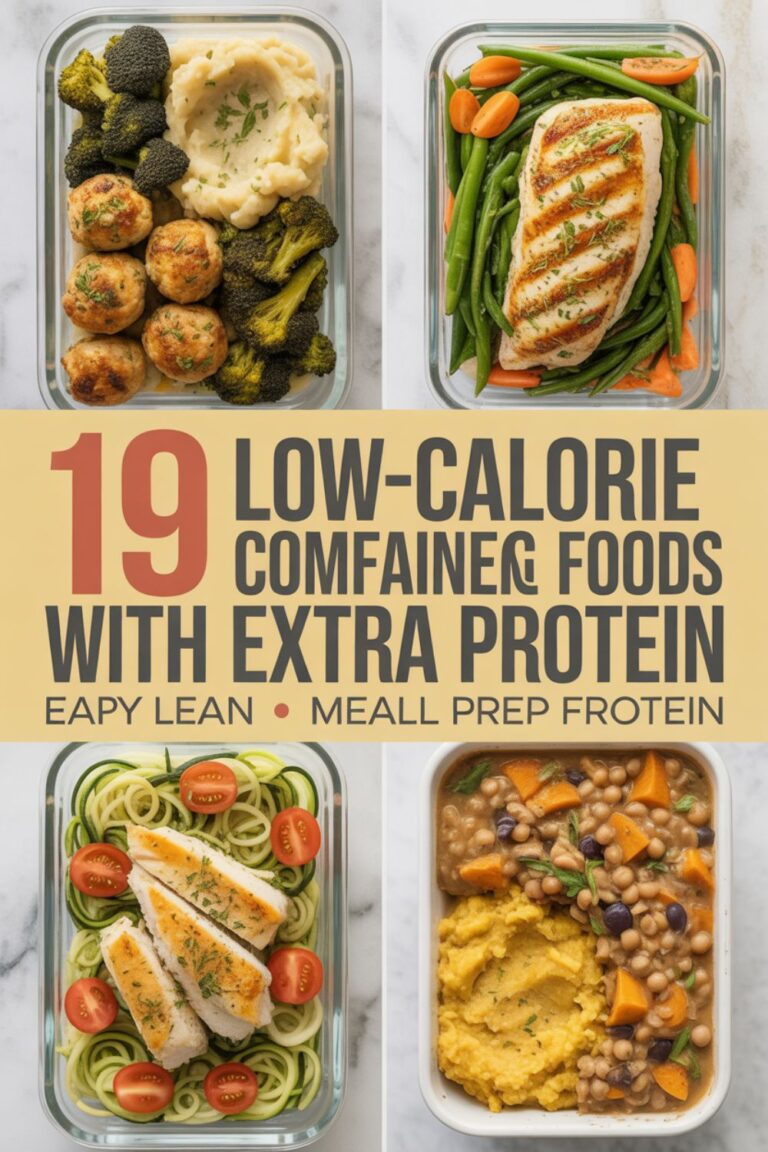
Container Game: Invest in decent containers. I’m serious about this. Cheap ones leak, warp in the dishwasher, and generally make your life harder. I use glass meal prep containers with snap lids—they’re microwave-safe, don’t hold smells, and you can see what’s inside without playing fridge Jenga.
Separation is Key: Keep wet ingredients separate from dry ones until you’re ready to eat. Dressings go in tiny containers (I love these 2-ounce sauce cups), and anything that gets soggy—like greens—stays separate from hot proteins.
Freezer Backup: Some of these bowls freeze beautifully. The chicken and turkey bowls are freezer champions. The salmon and shrimp? Not so much. Freeze on day one, thaw overnight in the fridge, reheat thoroughly.
Making It Work With Your Life
Here’s what nobody tells you about meal prep: it’s not about being perfect. It’s about being prepared enough that you don’t default to the drive-through.
Some weeks you’ll crush it. Other weeks you’ll prep three containers and call it good. Both scenarios are fine. The goal is progress, not perfection.
I’ve seen people burn out on meal prep because they try to do everything at once. Don’t be that person. Start with one protein, one grain, one veggie. Build from there. Once you’ve got a rhythm, you can add variety.
Looking for more meal prep strategies? These athlete-focused meal prep ideas have solid tips on timing and portion control that work for regular folks too.
Budget-Friendly Swaps
Not everyone can drop serious cash on fresh salmon weekly. I get it. Here are swaps that keep the protein high and the cost low:
- Chicken thighs instead of breasts: Cheaper, more forgiving if you overcook them, and honestly taste better. Yes, slightly higher in fat, but still totally workable for these bowls.
- Canned tuna or salmon: Mix with Greek yogurt, mustard, and diced celery. Serve over greens. Boom—protein bowl for under two bucks.
- Eggs: Hard-boiled eggs over quinoa with roasted veggies is a legitimate meal. Six grams of protein per egg, dirt cheap.
- Ground turkey or chicken: Usually on sale somewhere. Bulk cook, portion, freeze what you won’t use this week.
- Beans and lentils: For plant-based protein, these are unbeatable on price. A can of black beans gives you 15 grams of protein for less than a dollar.
If budget is tight but you still want variety, these 5-ingredient recipes prove you don’t need a loaded pantry to eat well.
Meal Prep Essentials Used in This Plan
After years of trial and error, here’s what actually makes meal prep easier—not the stuff that looks good on Instagram, but the tools that genuinely save you time and frustration.
- Glass Meal Prep Containers (Set of 10): Leakproof, microwave-safe, dishwasher-friendly. These don’t warp or stain like plastic ones do.
- Digital Kitchen Scale: If you’re serious about portions and macros, this is non-negotiable. Weighing protein portions keeps your numbers accurate.
- Sheet Pan Set (3 Sizes): For roasting everything at once. I use mine literally every prep session—veggies on one, protein on another.
- MyFitnessPal Premium: Worth it for the barcode scanner and macro tracking alone. Makes logging these bowls stupid simple.
- Meal Prep Template Bundle: Printable shopping lists, macro calculators, and prep schedules. Basically takes the thinking out of planning.
- High-Protein Recipe eBook Collection: Over 200 recipes with full nutritional breakdowns. Great for when you’re bored of the same rotation.
Common Mistakes (And How to Avoid Them)
I’ve made every meal prep mistake in the book. Let me save you some trouble.
Mistake #1: Prepping Too Much Variety
Don’t make eight different bowls your first week. You’ll spend all Sunday cooking and hate your life. Start with two or three options max.
Mistake #2: Underseasoning Everything
“Healthy” doesn’t mean “bland.” Use herbs, spices, citrus, hot sauce—whatever makes you actually want to eat the food. I go heavy on garlic powder, smoked paprika, and everything bagel seasoning.
Mistake #3: Skipping the Dressing
A good dressing makes or breaks a bowl. Keep it simple: olive oil, lemon juice, Dijon mustard, salt, pepper. Shake it in a jar. Done.
Mistake #4: Not Planning for Snacks
These bowls are solid meals, but sometimes you need something between lunch and dinner. I keep prepped veggies, hard-boiled eggs, and Greek yogurt on hand. Sarah from our recipe testing group swears by cottage cheese with everything bagel seasoning—sounds weird, tastes amazing.
For more snack ideas that won’t derail your progress, these fat-loss-friendly snacks are legitimately good.
The Real Talk About Staying Consistent
Here’s what I wish someone had told me when I started: some weeks you’ll nail meal prep. Other weeks you’ll eat cereal for dinner twice. Both are okay.
The point isn’t perfection—it’s having a system that works more often than it doesn’t. These fourteen days aren’t meant to be a rigid prison sentence. They’re a framework. Use what works, adjust what doesn’t, and don’t beat yourself up when life happens.
Mike, one of our community members, lost 22 pounds over three months using a rotating version of this plan. His secret? “I stopped trying to prep seven days at once. Three days, twice a week. Way more manageable.”
That’s honestly the best advice I can give you. Find your rhythm. Maybe it’s Sunday and Wednesday prep. Maybe it’s just lunches, and you cook dinner fresh. There’s no wrong way to make this work for your life.
If you’re looking for even more structure, this complete 14-day meal prep plan has everything mapped out with shopping lists included.
Beyond Week Two: Keeping the Momentum
So you’ve made it through fourteen days. Now what?
The beauty of bowl-based meal prep is the endless customization. Once you’ve got the basic formula down—protein + grain/pseudo-grain + veggies + sauce—you can rotate ingredients infinitely.
Protein rotation: Chicken, turkey, beef, pork, fish, shrimp, tofu, tempeh, eggs, cottage cheese (yes, really—try it)
Base rotation: Quinoa, brown rice, cauliflower rice, farro, wild rice, sweet potato, butternut squash
Veggie rotation: Broccoli, asparagus, bell peppers, zucchini, Brussels sprouts, green beans, kale, spinach
Sauce rotation: Teriyaki, tahini-lemon, cilantro-lime, Greek yogurt ranch, pesto, buffalo
Mix and match. That’s literally 1000+ possible combinations. You’ll never get bored if you’re actually paying attention to variety.
For inspiration, browse through these 25 bowl variations that all follow the same basic formula but taste completely different.
Adapting for Different Goals
This plan as written is pretty middle-of-the-road: decent protein, controlled calories, balanced macros. But you might need adjustments based on your specific goals.
For muscle gain: Bump up portions across the board. Add an extra ounce of protein, increase your grain portions, throw in some avocado for healthy fats. You’ll be looking at 500-600 calories per bowl instead of 350-450.
For aggressive fat loss: Keep protein portions the same but reduce or eliminate grains. Go heavier on non-starchy vegetables. Your bowls will be more like 300-350 calories but still satisfying thanks to that protein content.
For maintenance: This plan as written works great. Add or subtract calories through grain and fat portions as needed.
If you’re focused on muscle recovery and building, these post-workout meals are designed specifically for that purpose.
Frequently Asked Questions
Can I prep all 14 days at once?
Technically yes, but I wouldn’t recommend it. Most prepared food is safe for 4 days in the fridge, so you’d need to freeze anything beyond that. Better approach: prep 4-5 days at a time, twice per week. Keeps things fresher and less overwhelming.
What if I don’t like one of the proteins?
Swap it out. The magic is in the formula, not the specific ingredients. Hate salmon? Use more chicken or try cod. Can’t stand ground turkey? Ground chicken or lean beef works fine. This isn’t a prescription—it’s a template.
How do I prevent my greens from getting soggy?
Don’t mix them with hot proteins until you’re ready to eat. Store them separately or use a divided container. For extra insurance, put a paper towel in with your greens to absorb excess moisture.
Is this plan suitable for vegetarians?
Absolutely, with modifications. Swap animal proteins for tofu, tempeh, seitan, legumes, or eggs. You might need to increase portions slightly since plant proteins are often less protein-dense, but it’s totally doable. Check out these vegan high-protein options for specific ideas.
What about microwaving in plastic containers?
I use glass containers specifically to avoid this issue. If you must use plastic, make sure it’s labeled microwave-safe and BPA-free. Even then, I’d remove lids before heating and avoid super high temperatures. Glass eliminates the worry entirely.
Final Thoughts
Listen, I’m not going to wrap this up with some motivational speech about how meal prep will change your life. It won’t. What it will do is make your weeks slightly less chaotic and your nutrition goals slightly more achievable.
These fourteen days of bowls aren’t magic. They’re just a solid framework for eating well without losing your mind. Use them as written, modify them to fit your preferences, or cherry-pick the ones that sound good and ignore the rest.
The best meal prep plan is the one you’ll actually stick with. If that means starting with just Sunday prep for three days, cool. If it means prepping lunches but cooking dinner fresh, also cool. Do what works for you.
And remember: the goal isn’t perfection. It’s progress. Some weeks you’ll crush it. Other weeks you’ll wing it. Both scenarios are part of the process.
Now stop overthinking it and go prep some bowls.