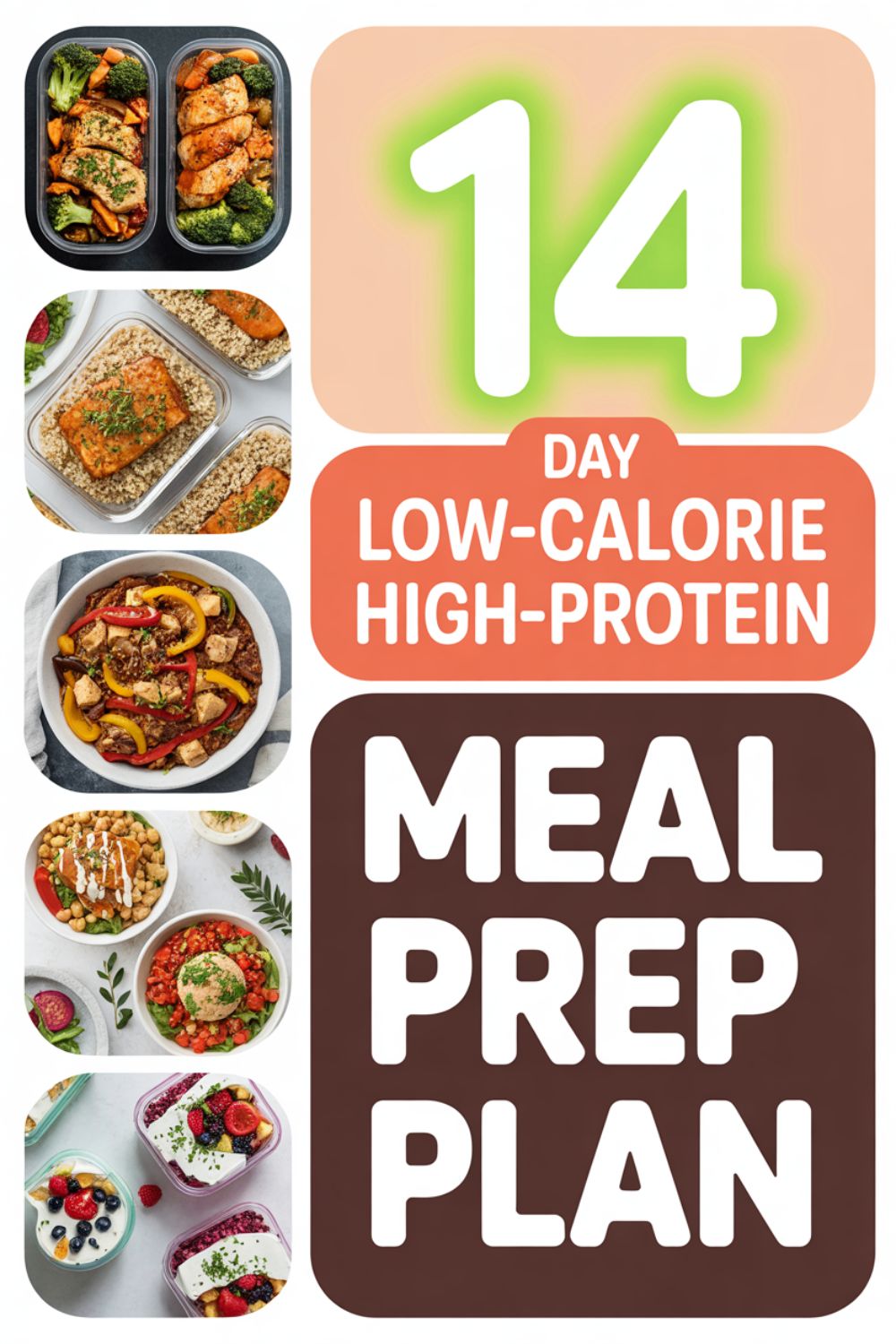
14-Day Low-Calorie High-Protein Meal Prep Plan
Look, I’m not going to sugarcoat it—sticking to any eating plan takes effort. But here’s the thing: what if I told you that with just two hours of prep on Sunday, you could have almost every meal sorted for the week? That’s exactly what this 14-day low-calorie high-protein meal prep plan delivers. No more staring into your fridge at 7 PM wondering what to eat, no more impulsive takeout orders, and definitely no more feeling like you’re sabotaging your goals.
I’ve been meal prepping for years now, and honestly, it’s changed everything about how I approach food. The secret isn’t some magical recipe or expensive supplement—it’s simply having your food ready when hunger hits. When you’re prepared, those high-protein, low-calorie meals become the path of least resistance instead of that bag of chips calling your name.
Why Low-Calorie High-Protein Actually Works
Before we dive into the actual plan, let’s talk about why this combination is so effective. Protein does something magical—it keeps you full longer than carbs or fats. Ever notice how a bowl of oatmeal leaves you hungry two hours later, but eggs keep you satisfied until lunch? That’s protein working its magic.
According to research from the Mayo Clinic, eating foods that are low in calorie density helps you feel satisfied on fewer calories. When you combine this principle with adequate protein intake, you’re essentially hacking your hunger hormones. Your body gets the nutrients it needs to build and repair muscle while creating that calorie deficit necessary for weight loss.
Here’s what makes this approach different from other diets: you’re not starving yourself. You’re strategically choosing foods that give you more bang for your caloric buck. A chicken breast with roasted veggies might clock in at 400 calories but keep you satisfied for hours. Compare that to a 400-calorie muffin that leaves you hungry thirty minutes later.
💡 Pro Tip
Prep your veggies on Sunday night and thank yourself all week. Seriously, having pre-chopped peppers, onions, and broccoli means you’re always 10 minutes away from a complete meal.
The Foundation: What You’ll Actually Eat
This isn’t some restrictive plan where you eat plain chicken and broccoli for two weeks straight. Trust me, I tried that approach once and lasted exactly three days before face-planting into a pizza. Instead, this plan focuses on variety while keeping the prep simple.
Week One Breakdown
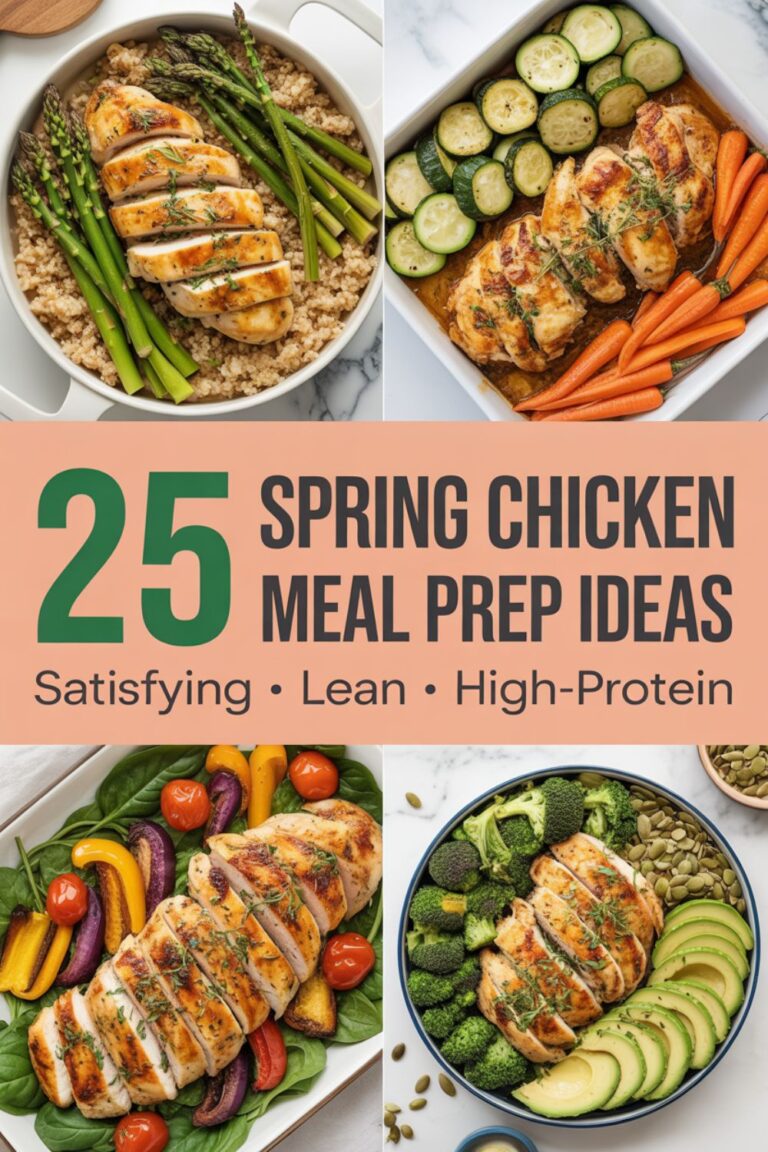
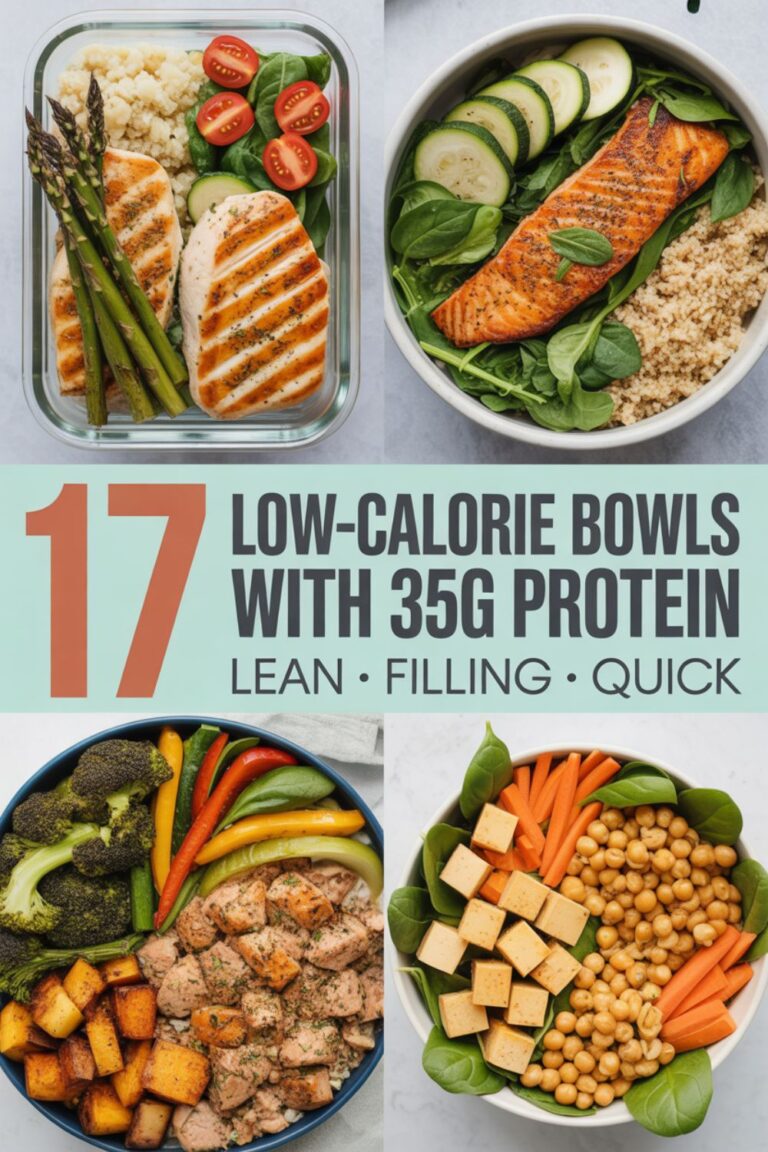
Your first week emphasizes getting comfortable with the prep routine. You’ll be working with proteins like chicken breast, ground turkey, salmon, and eggs. For carbs, think quinoa, sweet potatoes, and brown rice in moderate portions. And vegetables? Load up—they’re your secret weapon for feeling full without the calorie overload.
Monday through Wednesday, you might have turkey and veggie breakfast burritos (yes, you can freeze these), grilled chicken with roasted vegetables for lunch, and a simple salmon bowl for dinner. Get Full Recipe for the breakfast burritos—they’re legitimately better than any drive-through option.
Thursday switches things up with egg muffins for breakfast (I use this silicone muffin pan and it’s a game-changer for easy cleanup), and Friday brings in some variety with turkey meatballs over zucchini noodles. If you’re looking for more quick dinner ideas that follow the same principles, check out these high-protein low-calorie dinner recipes or these sheet pan dinners for effortless cooking.
Week Two: Leveling Up
By week two, you’ll be a prep machine. This week introduces slightly more complex flavors but uses the same efficient techniques. We’re talking lemon herb chicken, spicy black bean bowls, and my personal favorite—Greek turkey burgers that you can batch cook and freeze.
The beauty of week two is that you already know the drill. Your meal prep containers are ready, you’ve got your system down, and honestly, you’ll probably finish the whole prep in under 90 minutes. I always use these glass containers with compartments—they keep everything separate and fresh, plus you can see exactly what you’re grabbing.
“I started this plan skeptical that I could stick with meal prep for two weeks. Sarah from our community convinced me to try it, and honestly? I lost 8 pounds in the first two weeks without feeling deprived once. The breakfast burritos became my favorite thing.” – Mark T.
Your Meal Prep Game Plan
Here’s where the rubber meets the road. You need a strategy, not just a list of recipes. Every Sunday (or whatever day works for you), you’ll spend about two hours preparing your week. Sounds like a lot? Consider that you’re buying yourself back probably 10 hours of weeknight cooking and decision-making.
The Two-Hour Power Session
First 30 minutes: Protein prep. Get all your chicken breasts seasoned and in the oven using a reliable meat thermometer to ensure they hit 165°F. While they’re cooking, brown your ground turkey on the stovetop. This is where having a good cast iron skillet makes all the difference—even heat distribution means perfectly cooked protein every time.
Next 30 minutes: Carb central. Your chicken is still roasting, so this is perfect timing to get your quinoa going. I use this rice cooker that has a quinoa setting—set it and forget it. Simultaneously, cube your sweet potatoes and get them roasting. Pro tip: parchment paper on your baking sheet means zero scrubbing later.
Third 30 minutes: Vegetable marathon. This is when you’ll chop everything. Peppers, onions, broccoli, cauliflower—whatever you’re using for the week. Some of it goes into containers raw (for salads), some gets roasted while you’re doing other things. For inspiration on what vegetables work best in meal prep, these low-calorie high-protein salad recipes have excellent combinations.
Final 30 minutes: Assembly and storage. Everything’s cooked, now you’re just dividing it into portions. This is where those compartmentalized containers earn their keep. Label everything with the day you plan to eat it. FYI, anything you won’t eat in the first three days should go straight to the freezer.
Meal Prep Essentials Used in This Plan
Look, you don’t need a fancy kitchen to make this work, but having the right tools makes everything easier. Here’s what actually gets used in my kitchen every single week:
Physical Tools:
- Glass Meal Prep Containers Set – Invest in quality here, cheap plastic gets gross fast
- Digital Food Scale – Essential for portion control without guesswork
- Quality Chef’s Knife – Makes vegetable prep 10x faster
Digital Resources:
- MyFitnessPal Premium – Best for tracking macros and calories
- Meal Prep Pro App – Has grocery lists and timing guides
- High-Protein Recipe eBook Bundle – 200+ recipes with full nutrition info
Making It Work in Real Life
Theory is great, but let’s talk about what actually happens when you try this. Week one might feel a bit overwhelming. You’ll probably realize halfway through prep that you forgot to buy containers, or you’ll accidentally overcook your chicken (been there). That’s normal. The point isn’t perfection—it’s progress.
By week two, something shifts. You stop thinking about it so hard. Your hands know what to do. You’ve figured out that cooking chicken thighs instead of breasts gives you more margin for error. You’ve discovered that using an Instant Pot for certain recipes cuts your prep time in half.
When Life Gets Messy
Let’s be real—some weeks won’t go according to plan. You’ll have that work dinner, or your kid gets sick, or you just really don’t feel like eating meal prep on Thursday. That’s fine. The goal isn’t to be a robot. The goal is to have healthy food readily available so that when you do eat at home, it’s easy and aligned with your goals.
I keep a few backup meals in the freezer for exactly these situations. These recipes you can freeze and reheat have saved me more times than I can count. Nothing fancy—just solid meals that taste good after being frozen.
💡 Quick Win
Always prep one extra meal beyond what you think you need. That bonus container becomes your insurance policy against the unexpected.
Protein Sources That Actually Taste Good
Here’s where a lot of meal prep plans fall flat—they focus so hard on the numbers that they forget food should actually be enjoyable. Yes, chicken breast is lean and protein-dense. It’s also boring as hell if you prepare it the same way every time.
Instead, rotate your protein sources and preparation methods. Week one might be grilled chicken, but week two brings in turkey burgers seasoned with Greek spices. Week three? Maybe salmon with a honey-mustard glaze. The point is variety keeps you interested.
The Protein Hierarchy
Not all proteins are created equal for meal prep purposes. Some hold up better over several days, some taste better reheated, and some are just more forgiving if you slightly overcook them. Here’s my personal ranking:
- Chicken thighs – More forgiving than breasts, stay moist longer
- Ground turkey – Versatile, cooks fast, holds flavors well
- Eggs – Obviously perfect for meal prep, incredibly affordable
- Salmon – Rich in omega-3s, but eat within 2-3 days
- Lean beef – Great for variety, slightly higher in calories
For plant-based options, these high-protein vegan meals prove you absolutely don’t need meat to hit your protein targets. I’m not vegan, but I throw in a couple plant-based meals each week just for variety.
“The biggest surprise was how much I enjoyed the meals after a few days in the fridge. I thought everything would taste old or bland, but proper seasoning and storage made all the difference.” – Jennifer K.
Tackling Common Obstacles
Every single person who starts meal prepping runs into the same issues. Let me save you some frustration by addressing them upfront.
Problem: Everything Tastes the Same
Solution: Sauce is your friend. I keep at least four different sauces prepped—a cilantro lime dressing, spicy peanut sauce, Greek yogurt ranch, and a basic balsamic vinaigrette. Same base meal, four completely different flavor profiles depending on what you drizzle on top.
Problem: I Don’t Have Time on Sundays
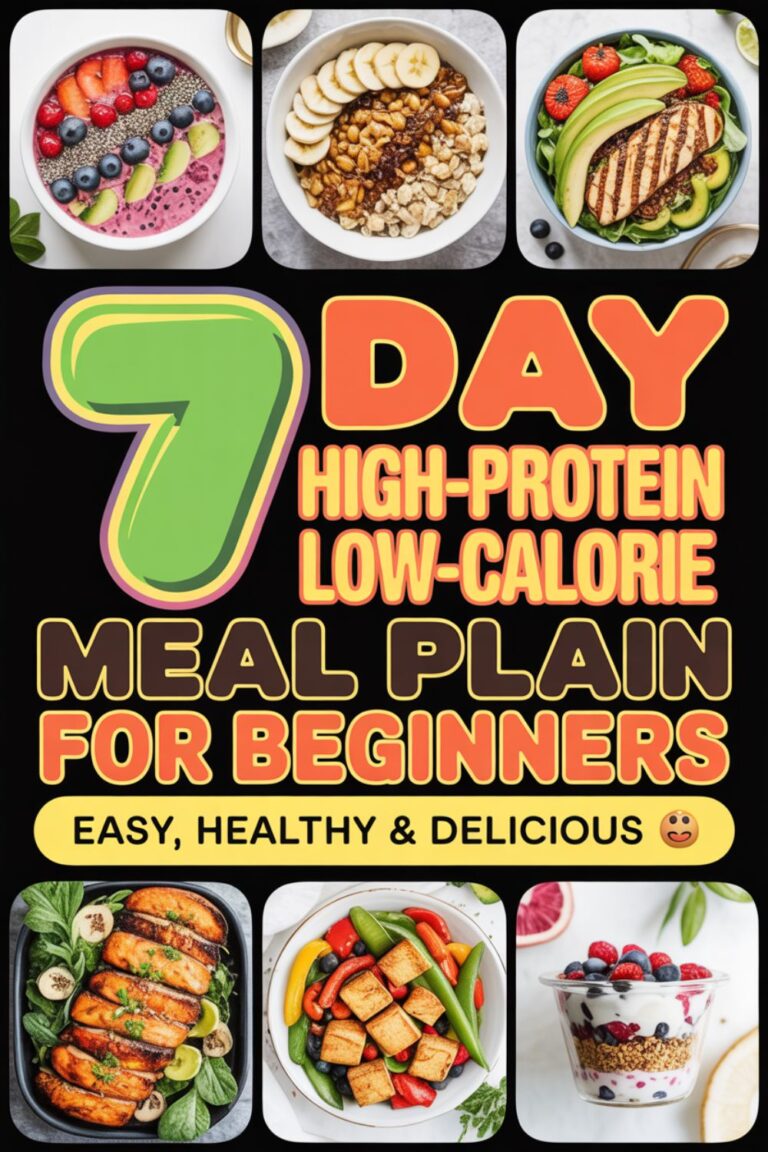
Solution: Split your prep. Do proteins on Sunday, vegetables on Wednesday. Or prep just breakfasts and lunches, and keep dinners simple with quick recipes. Check out these bowls you can prep in under 20 minutes for exactly this scenario.
Problem: My Family Won’t Eat This
Solution: Make the components, not complete meals. Cook the chicken, prep the veggies, have the quinoa ready—then let everyone assemble their own plates. Kids want pasta? Fine, but now there’s also protein and vegetables available. Speaking of family-friendly options, these high-protein snack recipes for kids have been tested on actual children and passed with flying colors.
The Nutrition Deep Dive
Let’s get into the actual numbers because that’s what this is all about. This plan targets roughly 1,500-1,800 calories per day depending on your specific needs, with protein making up about 30-35% of those calories. That translates to roughly 110-140 grams of protein daily.
Now, before anyone freaks out about those numbers being too low or too high—these are starting points. Your actual needs depend on your current weight, activity level, and goals. I’m 5’9″, moderately active, and find 1,700 calories with 130g protein to be my sweet spot. You might need more or less.
Why These Numbers Matter
The calorie deficit creates weight loss. Simple physics—consume less energy than you burn. But the high protein percentage does several crucial things. First, it preserves muscle mass while you’re losing weight. Second, it keeps you feeling full. Third, it has a higher thermic effect than carbs or fats, meaning your body burns more calories just digesting it.
According to a comprehensive review on Healthline discussing low-calorie diets and exercise, combining reduced calories with adequate protein intake, especially when paired with resistance training, produces significantly better results than calorie restriction alone. IMO, this is why so many people fail on traditional “eat less” diets—they’re not strategic about what they’re eating less of.
Sample Day Breakdown
Here’s what an actual day looks like on this plan. Not some idealized Instagram version, but what I actually eat:
Breakfast (380 calories, 32g protein)
Egg white scramble with spinach, turkey sausage, and a slice of whole grain toast. Takes 5 minutes to heat up. I prep the scramble mix on Sunday in a large mixing bowl, then portion it into containers. Just microwave and go.
Morning Snack (120 calories, 15g protein)
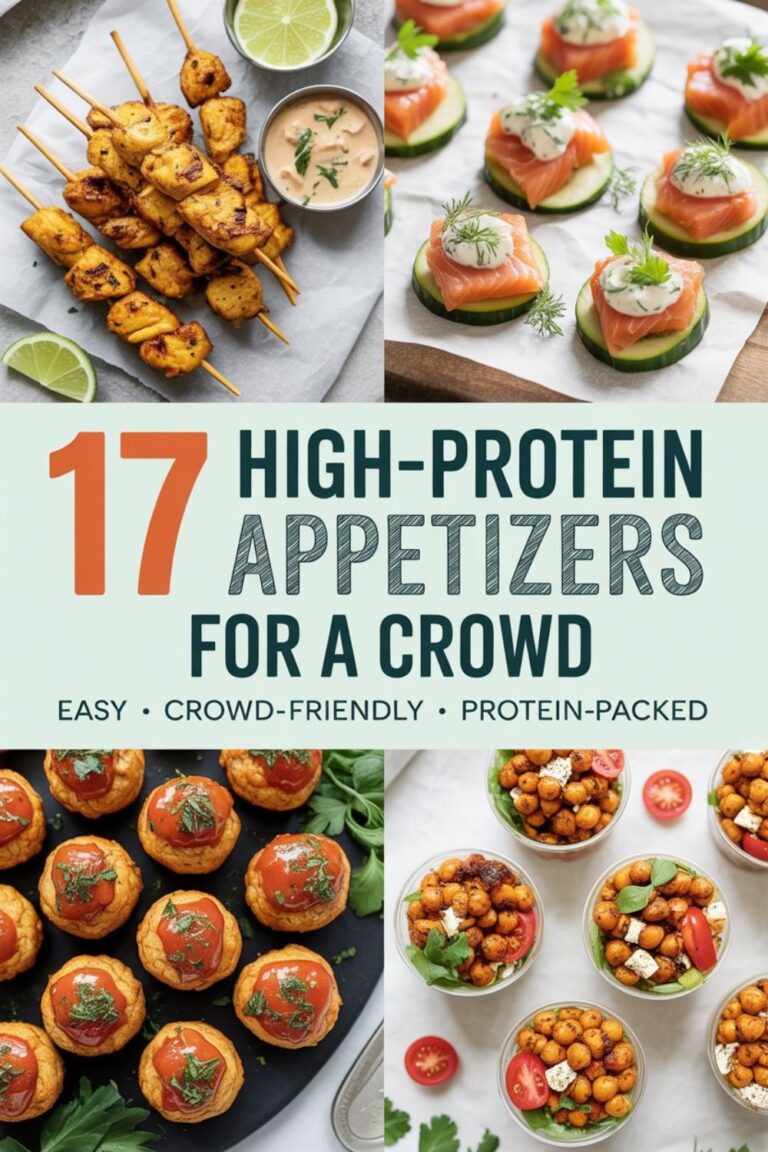
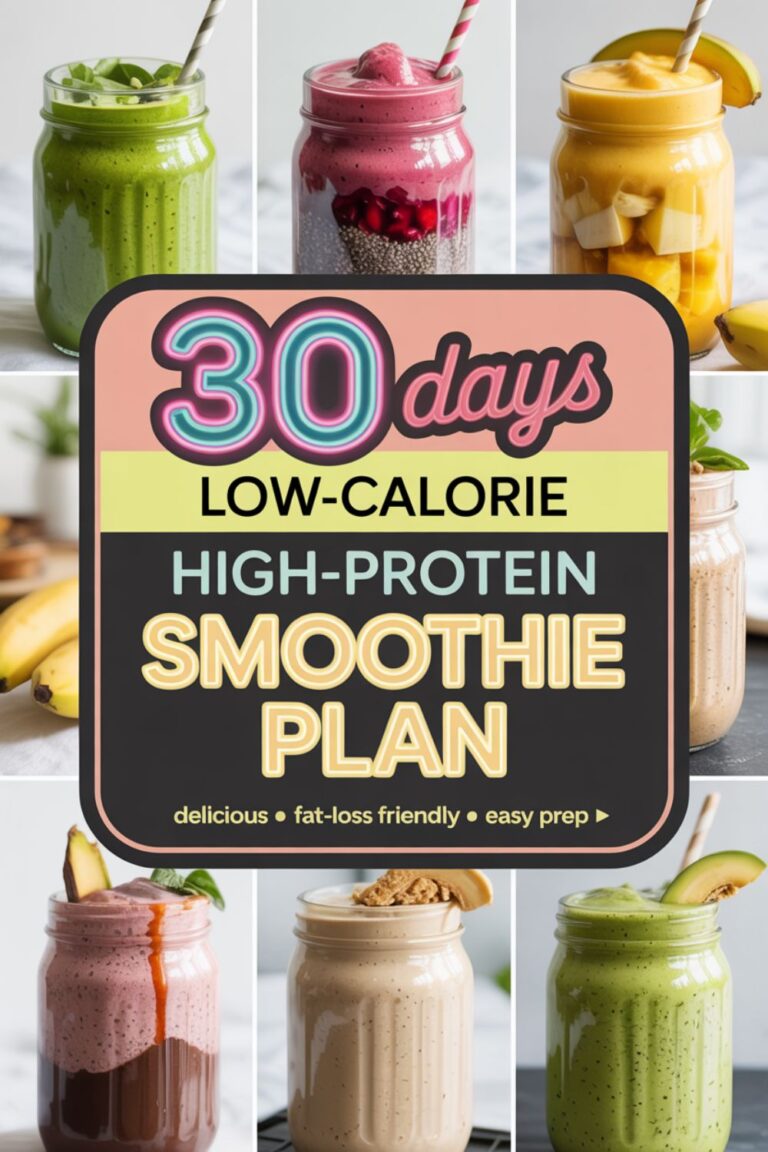
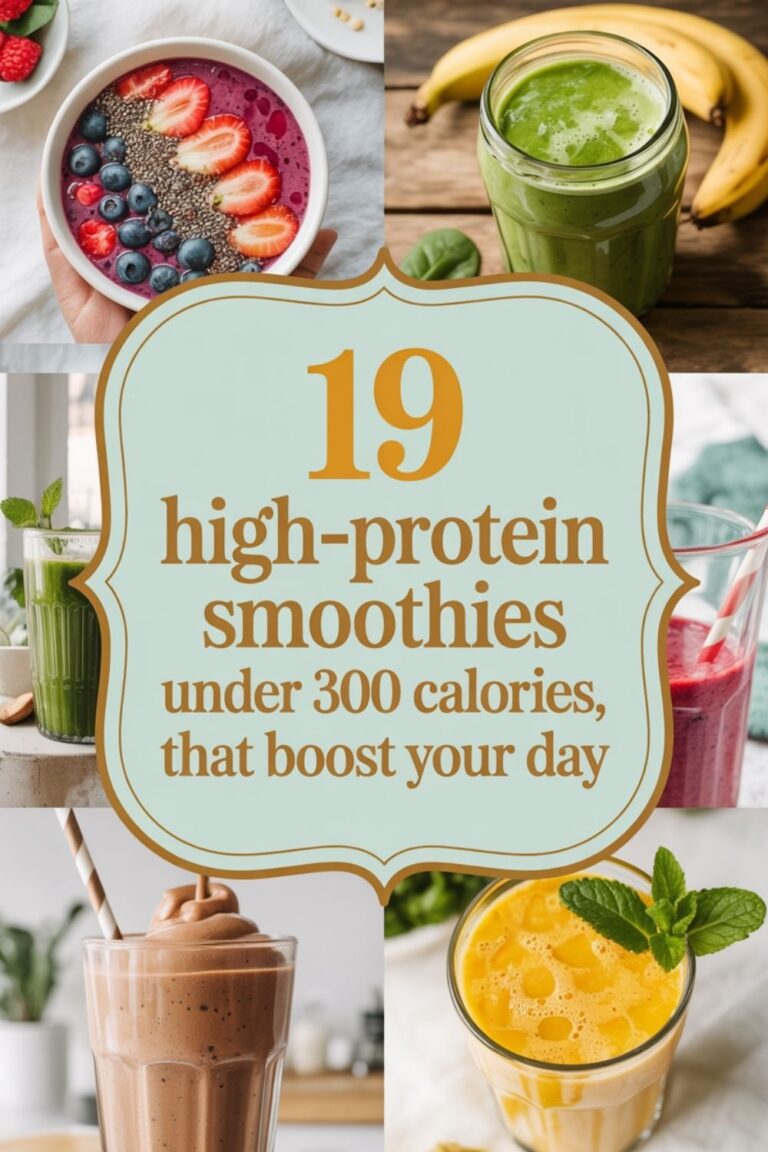
Greek yogurt with berries. Sometimes I blend it into a smoothie if I’m feeling fancy. These metabolism-boosting smoothies have some creative combinations that keep things interesting.
Lunch (450 calories, 42g protein)
Grilled chicken breast over mixed greens with roasted sweet potato chunks, cucumber, cherry tomatoes, and a light vinaigrette. This is the meal that carries me through the afternoon. Get Full Recipe for my go-to chicken marinade that makes this actually crave-worthy.
Afternoon Snack (150 calories, 12g protein)
Turkey roll-ups with hummus, or sometimes just a protein bar if I’m genuinely busy. Not every meal needs to be elaborate.
Dinner (520 calories, 45g protein)
Baked salmon with roasted broccoli and quinoa. I season the salmon with lemon, garlic, and dill—simple but effective. The whole thing reheats beautifully if you don’t overcook the salmon initially.
Total for the day: 1,620 calories, 146g protein. Right in the sweet spot. Notice there’s no suffering involved? No tiny portions that leave you hungry? That’s the whole point.
💡 Pro Tip
Batch cook your grains with bone broth instead of water. Adds flavor and sneaks in a few extra grams of protein. I use this organic bone broth and the taste difference is noticeable.
Adapting for Your Goals
This plan isn’t one-size-fits-all, and it shouldn’t be. If you’re an athlete training hard, you’ll need more calories and possibly more carbs around your workouts. Check out these meal prep ideas specifically for athletes for guidance on timing and portions.
If you’re a beginner just starting your weight loss journey, you might find these meal ideas for beginners helpful—they ease you into the prep process without overwhelming you.
And if your primary goal is muscle recovery after tough workouts, the protein timing and types matter more. These recipes for muscle recovery focus on including the right amino acids at the right times.
The Slow Cooker Secret
Want to make this even easier? Get a slow cooker or Instant Pot and let it do the work. I throw in chicken breasts, salsa, and taco seasoning before work, and come home to perfectly shredded chicken. These slow cooker meals and crockpot recipes have become staples in my rotation.
What About Cravings?
Let’s address the elephant in the room—yes, you’re going to want pizza. Or ice cream. Or whatever your particular weakness is. And you know what? Have it. Just plan for it.
I build in one meal per week that’s off-plan. Not a full cheat day (those tend to derail me), but one meal where I eat what I actually want without guilt. Sometimes that’s a burger with friends. Sometimes it’s homemade pizza on Friday night. The key is getting right back to the plan the next meal.
The beautiful thing about having your meals prepped is that one off-plan meal doesn’t become a spiral. You’re not scrambling to figure out what to eat next—you already know because it’s sitting in your fridge ready to go.
“I’ve tried every diet out there, and this is the first one that didn’t feel like punishment. The food is actually good, I’m never starving, and I lost 15 pounds in 8 weeks. The meal prep component was intimidating at first, but now it’s just part of my routine.” – David R.
Troubleshooting Flavor Fatigue
Around day 10 or 11, you might hit what I call flavor fatigue. Everything starts tasting the same even though technically you’re eating different meals. This is normal and fixable.
First, switch up your seasoning game. That chicken you’ve been making with Italian herbs? Try it with cajun seasoning instead. Add hot sauce to your eggs one day, salsa the next. Small changes in seasoning create big differences in taste.
Second, texture matters. If everything’s been soft and cooked, add some crunch. Raw veggies, toasted nuts (watch the calories), or even some baked chickpeas can completely change how a meal feels.
Third, steal ideas from other cuisines. Those low-calorie wraps can become Greek, Mexican, or Asian-inspired just by changing the filling and sauce. Same components, completely different experience.
The Minimalist Approach
Not everyone wants 14 different recipes. Some people thrive on simplicity. If that’s you, try this: pick three proteins, three carbs, and five vegetables. That’s it. Mix and match throughout the week.
For example: Proteins—chicken, ground turkey, eggs. Carbs—sweet potato, quinoa, brown rice. Vegetables—broccoli, peppers, spinach, green beans, cauliflower.
From just those ingredients, you can create dozens of different meals depending on how you season and combine them. Monday might be chicken with sweet potato and broccoli. Tuesday could be turkey and quinoa stuffed peppers. Wednesday brings a scramble with all the vegetables.
For those who want even simpler, these recipes with 5 ingredients or less prove you don’t need a pantry full of exotic ingredients to eat well.
Storage and Food Safety
This matters more than people think. Proper storage isn’t just about keeping food fresh—it’s about preventing foodborne illness.
General rule: anything you’ll eat in the first three days goes in the fridge. Anything beyond that needs to be frozen. Cooked chicken and turkey last about 3-4 days refrigerated. Fish? Two days max. Eggs can push a week if properly stored.
I use a label maker to date everything. Sounds extra, but when you’re staring at five identical containers on Wednesday, you’ll thank yourself for knowing which one to grab.
Also, invest in proper storage. Those cheap takeout containers leak and stain and generally suck. Get actual BPA-free meal prep containers with secure lids. They pay for themselves by actually keeping your food fresh.
Frequently Asked Questions
How long does meal prepped food actually stay fresh?
Most cooked proteins and vegetables stay fresh in the fridge for 3-4 days, which is why this plan suggests a mid-week mini-prep or freezing meals for later in the week. Fish is the exception—eat it within 2 days. If you’re prepping for the full week, freeze anything you won’t eat in the first three days and thaw as needed.
Can I still build muscle on a low-calorie diet?
Yes, but it’s more challenging than eating at maintenance or in a surplus. The key is getting enough protein (aim for 0.8-1g per pound of body weight) and continuing strength training. You might not build muscle as quickly as you would eating more, but you can absolutely maintain and even gain some muscle while losing fat, especially if you’re new to training.
What if I don’t like one of the proteins or vegetables?
Swap it out! The beauty of this plan is its flexibility. Hate fish? Use more chicken or turkey. Can’t stand broccoli? Swap in green beans or asparagus. The principle stays the same—lean protein, moderate healthy carbs, lots of vegetables.
Do I really need to meal prep everything, or can I just prep some meals?
Start with what feels manageable. Some people prep all their breakfasts and lunches but cook dinner fresh. Others just prep the components and assemble meals throughout the week. The goal is making your life easier, not adding stress, so do what works for you.
How do I prevent my meals from getting boring?
Sauce rotation is your best friend. Prep 3-4 different sauces or dressings and use them to completely change the flavor profile of the same base meal. Also, don’t be afraid to add fresh elements at mealtime—a handful of fresh herbs, a squeeze of lemon, or some hot sauce can make prepped food taste fresh.
Final Thoughts
Here’s what nobody tells you about meal prep: the first time is rough. You’ll probably take longer than expected, overcook something, forget an ingredient, or realize halfway through that you hate meal prepping. But here’s the secret—do it anyway. Because the second time is easier. And the third time? You’ll wonder why you ever thought it was hard.
This 14-day plan isn’t magic. It won’t transform your body overnight or solve all your problems. What it will do is give you a structured, sustainable approach to eating that supports your goals without making you miserable. You’ll have more time, less stress, and actual progress toward whatever you’re working toward.
The meals won’t always be perfect. Some days you’ll grab one out of the fridge and wish you had ordered takeout instead. But most days? You’ll be grateful past-you took the time to make future-you’s life easier. And that’s really what this is about—being kind to your future self by doing the work now.
Whether you follow this plan exactly as written or use it as a jumping-off point to create your own system, the principles remain the same. High protein keeps you full and preserves muscle. Low calorie creates the deficit needed for fat loss. Meal prep eliminates the decision fatigue that derails most people.
Now go grab those meal prep containers, pick up some chicken and vegetables, and get started. Your future self is already thanking you.