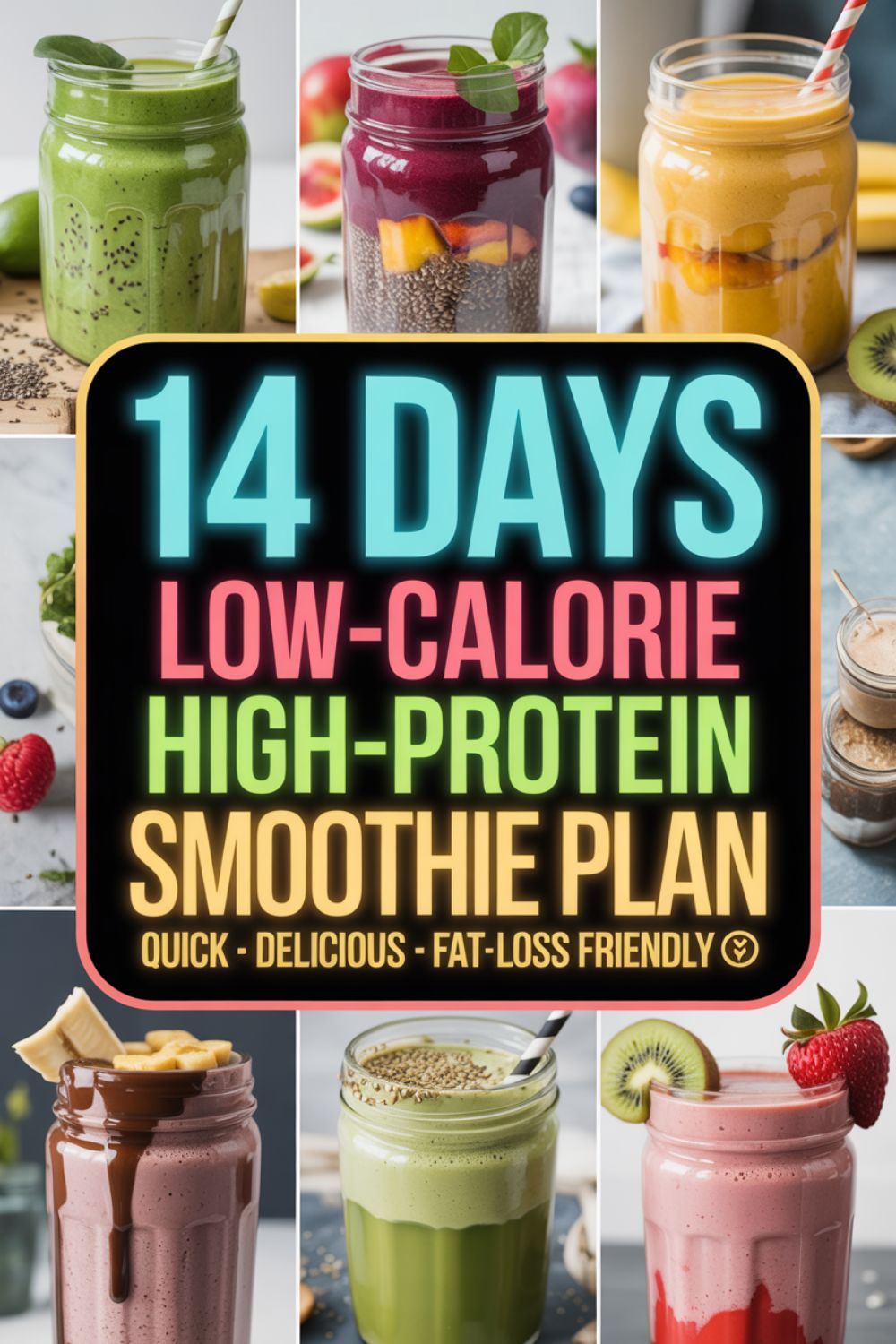
14-Day Low-Calorie High-Protein Smoothie Plan
Look, I’m not gonna sugarcoat it—sticking to a healthy eating plan when you’re constantly running from one thing to the next feels impossible sometimes. That’s exactly why I fell hard for smoothies. They’re quick, they’re portable, and honestly? When you nail the right combo of ingredients, they’re ridiculously satisfying.
This 14-day plan isn’t some restrictive nightmare where you’re downing the same boring blend day after day. It’s a strategic rotation of low-calorie, high-protein smoothies that actually keep you full, support muscle recovery, and taste good enough that you’ll look forward to them. No chalky protein powder aftertaste, no sad green sludge. Just real results with flavors you’ll actually enjoy.
I’ve spent the better part of two years tweaking these recipes—adding a handful of spinach here, swapping almond butter for peanut butter there—until I landed on combinations that work. Whether you’re trying to lose weight, fuel morning workouts, or just need something nutritious you can grab on your way out the door, this plan has you covered.
Why Protein-Packed Smoothies Actually Work
Here’s the thing about protein—it’s not just for bodybuilders chugging shakes at the gym. According to Mayo Clinic, spreading protein intake throughout the day helps with weight management by decreasing hunger and cravings. That’s huge when you’re trying to stick to lower calories without feeling like you’re starving.
When you blend protein with fiber-rich fruits and healthy fats, you create this perfect storm of satiety. Your blood sugar stays stable instead of spiking and crashing. You stay full longer. And your body gets the amino acids it needs to repair muscles, especially if you’re working out.
The beauty of smoothies is how they pack all this nutrition into one convenient package. Research from Johns Hopkins shows that protein builds and maintains muscle mass while helping you feel satisfied—exactly what you want when calories are lower.
The Protein Sweet Spot
Most of these smoothies clock in around 25-30 grams of protein per serving. That’s not arbitrary—it’s based on recommendations suggesting 15-30 grams per meal for optimal absorption and satiety. You’re not chugging 60 grams in one sitting (your body can’t effectively use that much at once anyway), but you’re getting enough to make a real difference.
The calorie range? Usually between 250-400 calories depending on your goals. That’s light enough for weight loss but substantial enough that you’re not raiding the fridge an hour later.
The 14-Day Smoothie Blueprint
This plan alternates between different flavor profiles and protein sources so you never get bored. Some days you’ll rock a tropical vibe with mango and coconut. Other days it’s all about rich chocolate-peanut butter comfort. The variety keeps your taste buds interested and ensures you’re getting a range of nutrients.
Days 1-7: Building the Foundation
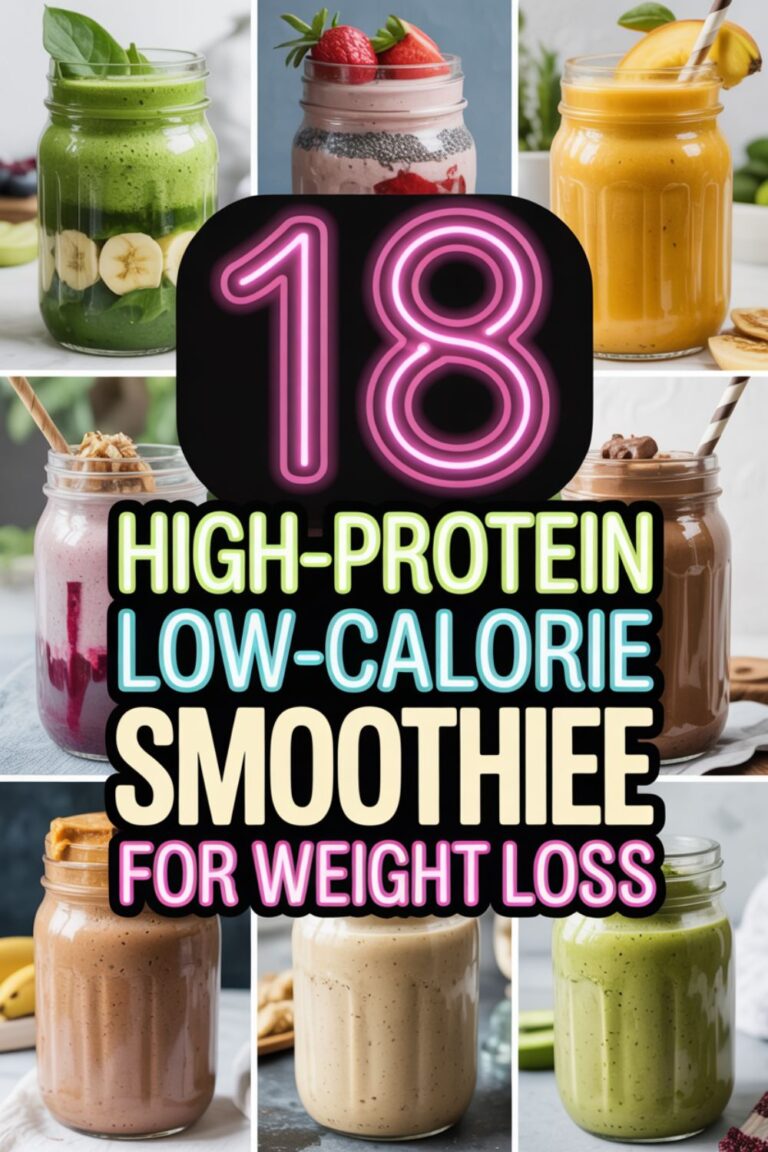
Day 1 – Berry Blast Recovery: Mixed berries, vanilla protein powder, Greek yogurt, spinach, and almond milk. This is your go-to post-workout blend. The berries provide antioxidants that help with muscle recovery, while the protein powder and yogurt deliver a solid 28 grams of protein in about 280 calories.
Day 2 – Tropical Green Machine: Mango chunks, pineapple, kale, vanilla protein, coconut water. The sweetness from the fruit completely masks the kale—I promise you won’t even taste it. Around 25 grams protein, 290 calories. If you’re into meal prep, check out these low-calorie protein-packed breakfasts that pair perfectly with this smoothie rotation.
Day 3 – Chocolate Peanut Butter Power: Chocolate protein powder, natural peanut butter, banana, unsweetened almond milk, ice. This tastes like a milkshake but delivers 30 grams of protein and only 320 calories. I use this natural peanut butter because it’s got zero added sugar and blends smooth as butter—pun intended.
Day 4 – Peachy Green Dream: Frozen peaches, spinach, vanilla protein, Greek yogurt, unsweetened almond milk. Light, refreshing, and sitting at 27 grams protein with just 270 calories. The peaches add natural sweetness without needing any honey or agave.
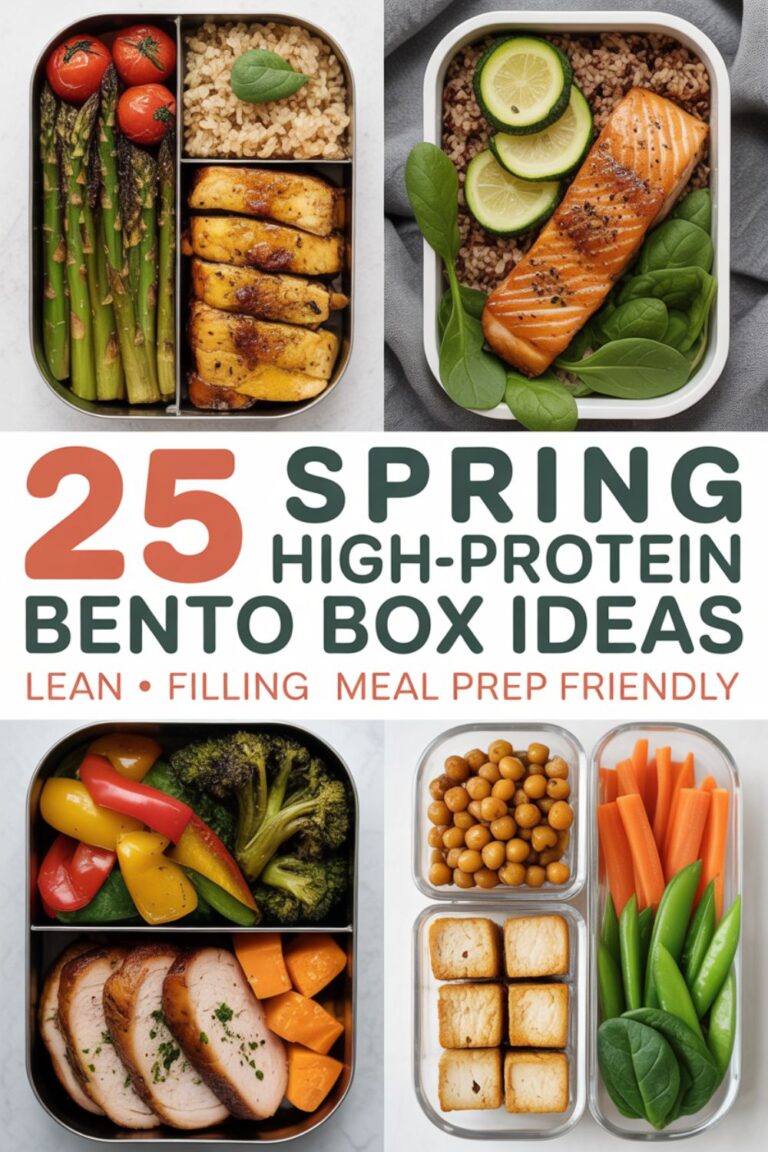
When you’re rotating through different breakfast options, you might also love these high-protein breakfast bowls for days when you want something you can eat with a spoon.
Day 5 – Coffee Mocha Kick: Cold brew coffee, chocolate protein powder, banana, almond butter, ice. Your morning caffeine and protein in one shot. About 29 grams protein, 310 calories. Fair warning—this one’s addictive.
Day 6 – Strawberry Cheesecake: Strawberries, cottage cheese, vanilla protein powder, almond milk, vanilla extract. The cottage cheese adds an insane creaminess plus extra protein. We’re talking 32 grams protein here at just 295 calories.
Day 7 – Green Apple Pie: Green apple, spinach, vanilla protein, cinnamon, Greek yogurt, unsweetened almond milk. Tastes like dessert, acts like a nutritional powerhouse. 26 grams protein, 285 calories.
Days 8-14: Leveling Up
Day 8 – Blueberry Muffin: Blueberries, vanilla protein, rolled oats, Greek yogurt, cinnamon, almond milk. The oats add fiber and make this ultra-filling. 28 grams protein, 340 calories.
Day 9 – Mint Chocolate Chip: Chocolate protein powder, fresh mint leaves, spinach, banana, almond milk. Refreshing and energizing. 27 grams protein, 275 calories. I blend mine in this high-powered blender that actually pulverizes the mint leaves instead of leaving chewy bits.
Day 10 – Pumpkin Spice: Pumpkin puree, vanilla protein, banana, pumpkin pie spice, Greek yogurt, almond milk. Fall vibes all year round. 29 grams protein, 305 calories.
Speaking of variety, these metabolism-boosting smoothies offer even more flavor combinations if you want to expand beyond the 14-day plan.
Day 11 – Cherry Vanilla: Frozen cherries, vanilla protein, Greek yogurt, almond extract, unsweetened almond milk. Cherries are underrated in smoothies—they’re tart, sweet, and loaded with antioxidants. 26 grams protein, 280 calories.
Day 12 – Coconut Lime: Coconut milk (the full-fat kind from a can, just a splash), lime juice, vanilla protein, spinach, pineapple. Tropical escape in a glass. 25 grams protein, 295 calories.
Day 13 – Cinnamon Roll: Vanilla protein powder, banana, cinnamon, Greek yogurt, a tiny pinch of nutmeg, almond milk. Seriously tastes like a cinnamon roll. 28 grams protein, 290 calories.
Day 14 – Mixed Berry Recovery: Blackberries, raspberries, blueberries, vanilla protein, Greek yogurt, almond milk. We’re going full circle back to berries but with a different mix. 30 grams protein, 285 calories.
Kitchen Tools That Make These Recipes Easy
After making literally hundreds of smoothies, these are the tools that actually earn their counter space:
Physical Products:
- High-Power Blender (900+ watts) – Non-negotiable. Cheap blenders leave chunks and die within six months. A good blender pulverizes frozen fruit and greens into silk.
- Mason Jar Set with Lids – Perfect for portioning ingredients and storing smoothies if you need to make them ahead. Glass doesn’t hold odors like plastic does.
- Silicone Ice Cube Trays – For freezing greens, leftover coffee, or coconut milk. Pop them out easily without the frustration of plastic trays that crack.
Digital Resources:
- Smoothie Recipe eBook Collection – Over 100 tested recipes organized by goal (weight loss, muscle building, energy boosting). Includes macro breakdowns for each.
- Meal Prep Printables Bundle – Weekly smoothie planners, grocery lists, and ingredient prep checklists. Keeps you organized without thinking.
- Protein Powder Comparison Guide – Cuts through the marketing BS and shows you which powders actually deliver on taste, mixability, and clean ingredients.
Protein Sources: What Works Best
Not all protein is created equal, especially in smoothies. Here’s what I’ve learned works and what doesn’t.
Protein Powders
Yeah, I use them. Are they as good as whole food protein? Probably not. But when you need 25+ grams in a single smoothie without adding 500 calories, powder is your friend. I rotate between whey (when I’m not worried about dairy) and pea protein (when I am). The key is finding one that doesn’t taste like chalk or make your smoothie gritty.
Check labels carefully. You want protein listed as the first ingredient, minimal added sugars, and a short ingredient list. If there are 47 things you can’t pronounce, skip it.
Greek Yogurt
Game changer. A half cup of plain Greek yogurt adds about 12 grams of protein and makes smoothies crazy creamy. I always go for plain and add my own flavors—the pre-flavored stuff is packed with sugar.
Cottage Cheese
Don’t knock it till you try it. Cottage cheese in smoothies sounds weird but it’s incredible. You can’t taste the “cottage cheese-ness” at all, just creaminess. Plus it’s got casein protein which digests slowly and keeps you full longer.
Nut Butters
Peanut butter, almond butter, cashew butter—they all work. A tablespoon adds 3-4 grams of protein plus healthy fats. Just watch portions because nut butters are calorie-dense. I measure mine with this adjustable measuring spoon to keep from accidentally adding half the jar.
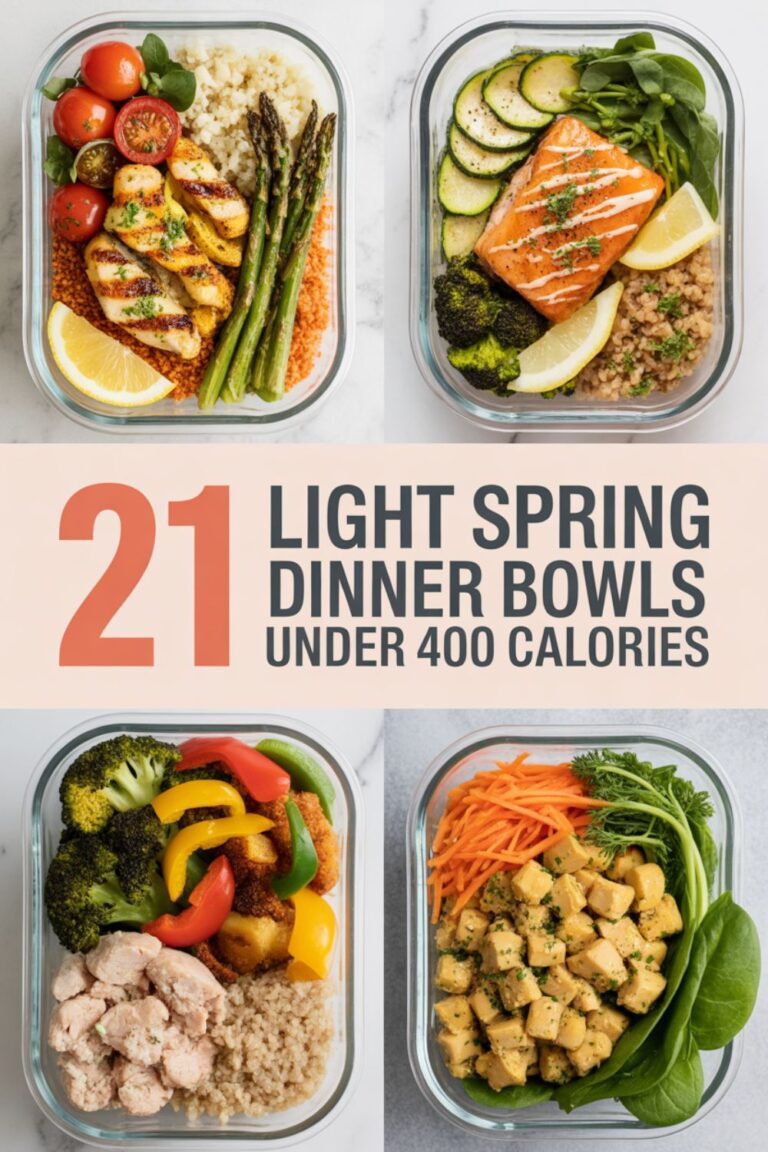
For more protein-rich meal ideas that complement this smoothie plan, check out these high-protein dinner recipes to round out your day.
The Low-Calorie Part: How to Keep Them Light
Here’s where people usually mess up smoothies—they turn them into 800-calorie sugar bombs without realizing it. Avoiding that is actually pretty simple.
Skip the Fruit Juice
Seriously, just don’t. Orange juice, apple juice, whatever—it’s basically sugar water. Use unsweetened almond milk, coconut water, or regular water as your liquid base. You’re getting plenty of natural sweetness from the fruit you’re adding.
Watch Your Portions
A whole banana plus two cups of mango plus a cup of pineapple? That’s a lot of fruit sugar even if it’s natural. Stick to 1-1.5 cups of fruit max per smoothie. The rest should be protein, greens, and healthy fats in smaller amounts.
Don’t Go Crazy with Add-Ins
Chia seeds, flax seeds, coconut oil, honey, dates—they’re all healthy, sure. But they’re also calorie-dense. One tablespoon of chia seeds is 60 calories. A tablespoon of coconut oil is 120 calories. They add up fast. Pick one or two add-ins max and measure them.
Making It Work in Real Life
Plans are great on paper. Actually sticking to them? That’s where things get real. Here’s how to make this sustainable beyond the initial two weeks.
Prep Like Your Future Self Depends On It
Because honestly? It does. Sunday afternoon, spend 30 minutes portioning ingredients into bags or containers. Label them with the day number. When Monday morning hits and you’re half-asleep, you’ll just grab Day 1, dump it in the blender with liquid, and be out the door in three minutes.
If meal prep is your jam, you’ll love these meal prep-friendly recipes that follow the same batch-cooking philosophy.
Invest in Decent Storage
Get containers that actually seal properly. Nothing worse than opening your freezer to find freezer-burned fruit because the bag didn’t close right. I use these reusable silicone bags for everything. They last forever and don’t leach plastic grossness.
Keep Basics Stocked
Always have frozen berries, bananas, spinach, protein powder, and your milk of choice on hand. If you run out, you’re more likely to skip the smoothie and grab something less healthy. I buy frozen fruit in bulk at Costco—way cheaper than buying fresh and letting it rot.
Adjust for Your Goals
Need more calories? Add an extra tablespoon of nut butter or use full-fat yogurt. Need fewer? Skip the banana and use extra berries. Training hard? Double the protein powder. Trying to lose weight? Keep everything as written. The plan is flexible.
Looking for different approaches to high-protein eating? These beginner-friendly meal plans offer structured options beyond just smoothies.
Common Mistakes to Avoid
I’ve made all of these at some point. Learn from my fails.
Using Too Much Liquid
Start with less than you think you need. You can always add more but you can’t take it out. Nothing sadder than a watery smoothie you have to choke down. I start with about a cup of liquid and add more if it’s too thick.
Not Balancing Flavors
All berries and no banana means it’s gonna be tart as hell. All banana and no berries means it’s one-note boring. The recipes in this plan are already balanced but if you start improvising, keep variety in mind.
Forgetting the Salt
Tiny pinch of salt in sweet smoothies might sound weird but it enhances all the other flavors. Not enough that it tastes salty—just enough to make everything pop.
Blending in the Wrong Order
Liquid first, then powder and soft stuff, then frozen stuff on top. This keeps the blades from getting stuck and gives you the smoothest result. Trust the process.
Beyond the Two Weeks
Once you finish the 14-day plan, you’ve got options. Repeat the whole thing as-is. Mix and match your favorites. Use it as a breakfast base and rotate in some of these prep-ahead protein bowls for variety. Or start experimenting with your own combinations using the principles you’ve learned.
The goal isn’t to drink smoothies forever. It’s to build a tool you can come back to whenever you need it—whether that’s for two weeks, two months, or just a few days when life gets hectic and you need something reliable.
For ongoing support and ideas, explore these 14-day meal prep plans that include smoothies alongside complete meals.
Related Recipes You’ll Love
Looking for more ideas to keep your high-protein, low-calorie routine interesting? Here are some recipes that pair perfectly with this smoothie plan:
More Breakfast Ideas:
- Low-Calorie Protein Pancakes for weekend mornings when you want something different
- 7-Day Breakfast Plan with options beyond smoothies
Quick Snack Options:
- High-Protein Snacks for between meals
- Kid-Friendly Protein Snacks the whole family will enjoy
Complete Meal Plans:
- 7-Day Beginner Meal Plan with structured daily menus
- 30-Day Fat Loss Challenge for long-term commitment
Frequently Asked Questions
Can I make these smoothies the night before?
You can, but they’re best fresh. If you must prep ahead, blend everything except the ice and store in an airtight container in the fridge for up to 24 hours. Add ice and re-blend briefly in the morning. The texture won’t be quite as good but it works in a pinch. FYI, the banana-based ones tend to oxidize and turn brown, so those are better made fresh.
What if I can’t tolerate dairy?
No problem. Swap Greek yogurt for coconut yogurt or additional protein powder. Use plant-based protein powder instead of whey. Most of these recipes already use almond milk as the base so you’re halfway there. The cottage cheese smoothie obviously won’t work, but the other 13 are easily adaptable.
How much weight can I expect to lose in 14 days?
Depends entirely on your overall calorie intake, activity level, and starting point. If you’re replacing a 600-calorie breakfast with a 300-calorie smoothie and keeping everything else the same, you’re creating a 300-calorie daily deficit which could translate to about half a pound per week. But honestly, focus more on how you feel—more energy, better recovery, less hunger—than the scale.
Can I use fresh fruit instead of frozen?
Sure, but you’ll need to add more ice to get that thick, cold texture. Frozen fruit is actually better for smoothies because it’s usually picked at peak ripeness and frozen immediately, plus it’s way more cost-effective. Fresh strawberries in January? Expensive and tasteless. Frozen strawberries? Year-round consistency.
Do I need an expensive blender for this?
You need a good blender, not necessarily an expensive one. Anything with at least 900 watts should handle frozen fruit and greens without dying. Mine cost about 80 bucks five years ago and still works great. The super expensive ones are nice but not required unless you’re blending kale stems and whole apples daily.
Final Thoughts
This 14-day smoothie plan works because it’s built on realistic expectations and actual enjoyment of what you’re drinking. You’re not suffering through gross green sludge in the name of health. You’re drinking things that taste good while hitting your protein and keeping calories reasonable.
Start with Day 1 tomorrow. See how you feel after a week. Adjust what needs adjusting. Maybe you hate coconut and want to skip Day 12. Fine. Maybe you love the chocolate-peanut butter combo so much you want it three times a week. Also fine. The structure gives you a foundation but you’re allowed to make it yours.
Your body will adapt faster than you think. Within a few days, you’ll notice you’re staying full longer. Your energy will be more stable. And if you’re working out, your recovery will improve. Those little wins compound into bigger changes over time.
Two weeks from now, you’ll have a solid routine down and a collection of recipes you actually like. That’s infinitely more valuable than some perfect plan you can’t stick to. So grab your blender and let’s do this.