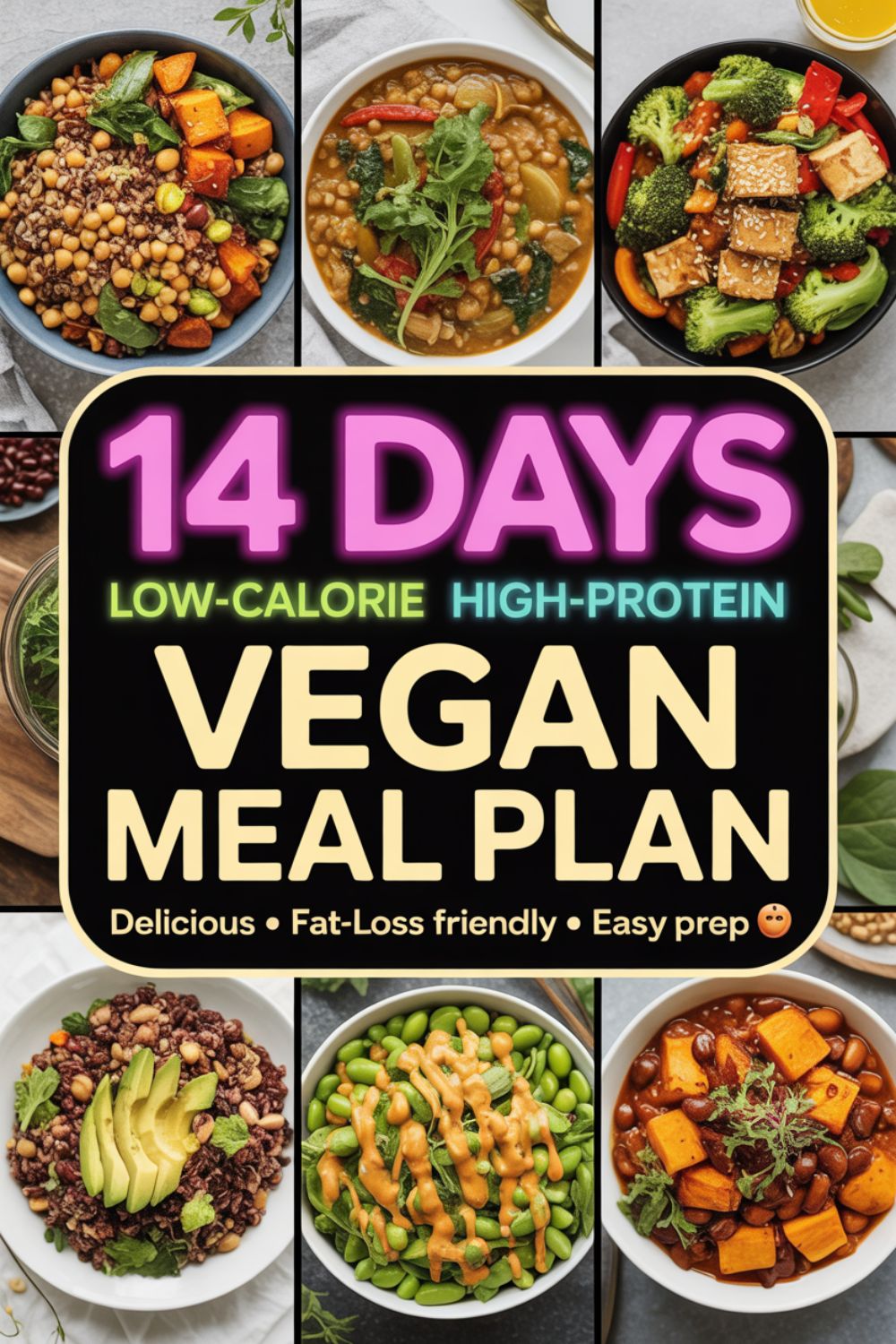
14-Day Low-Calorie High-Protein Vegan Meal Plan
Look, I get it. You’re staring at your phone at 11 PM, wondering how the heck you’re supposed to eat vegan, keep calories low, AND get enough protein to actually feel satisfied. The good news? It’s not only possible—it’s actually easier than you think once you nail down a solid plan.
This 14-day meal plan isn’t some restrictive nonsense that’ll leave you hangry by day three. We’re talking real food, real satisfaction, and results you can actually stick with. Whether you’re trying to shed a few pounds, build lean muscle, or just feel less bloated after meals, a low-calorie high-protein vegan approach might be exactly what you need.
I’ve spent the last year experimenting with plant-based eating (partially because my grocery bill was getting ridiculous, partially because I wanted to feel less sluggish), and honestly? The energy difference is wild. Let’s break down exactly how to make this work without meal-prepping your entire weekend away.
Why Low-Calorie High-Protein Vegan Eating Actually Works
Here’s the thing most people get wrong about vegan diets: they assume it’s all carbs and rabbit food. Wrong. When you strategically focus on protein-rich plant foods, you’re getting the building blocks your body needs while naturally keeping calories in check. No animal products means you’re cutting out a ton of saturated fat without even trying.
Research from Harvard Health shows that increasing plant protein intake by just 3% of total calories can lower premature death risk by 5%. That’s not nothing. Plus, plant proteins come packaged with fiber, which keeps you fuller longer—something you definitely need when you’re watching calories.
The magic happens when you combine legumes, tofu, tempeh, seitan, and high-protein grains like quinoa. These foods deliver 20-30 grams of protein per serving while staying under 400 calories for most meals. Compare that to a typical chicken breast meal that clocks in at 500+ calories once you add all the fixings.
💡 Pro Tip: Batch-cook your grains and legumes on Sunday. Seriously. Cook a huge pot of quinoa, lentils, and chickpeas. Your weeknight self will thank you when dinner takes 10 minutes instead of an hour.
The 14-Day Breakdown: What You’ll Actually Eat
Forget those meal plans that have you eating the same sad salad for two weeks straight. This plan rotates through different protein sources and flavor profiles so you don’t get bored. Each day clocks in around 1,400-1,600 calories with 80-100 grams of protein—perfect for steady, sustainable progress.
Week 1: Building Your Foundation
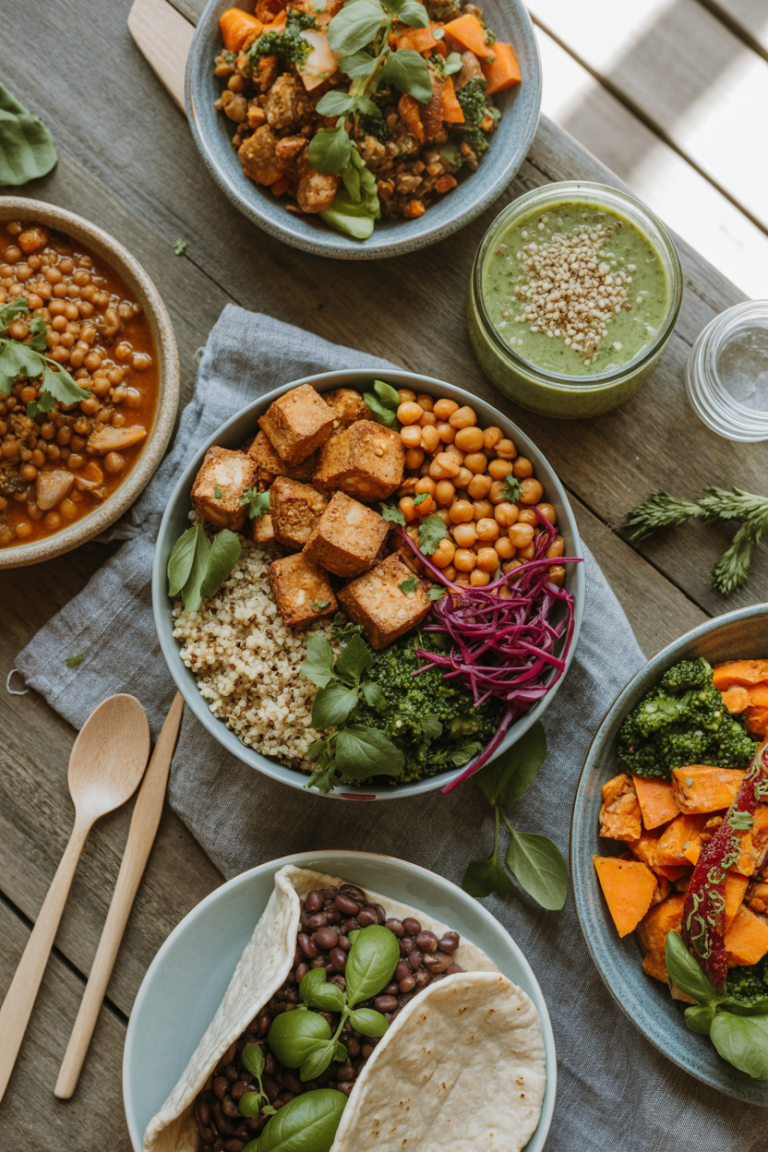
Days 1-3: Start with familiar flavors. Think Mediterranean-inspired bowls with chickpeas, cucumber, tomatoes, and a tahini drizzle. Breakfast is overnight oats with protein powder and almond butter (trust me, this plant-based vanilla protein powder mixes way better than the chalky stuff). Lunch is a massive lentil soup that you’ll make once and eat three times. Get Full Recipe.
For these opening days, I usually throw together a simple tofu scramble with nutritional yeast—gives you that cheesy, eggy vibe without any actual eggs. The texture takes some getting used to if you’re new to tofu, but press it properly (I use this tofu press because I’m lazy and it actually works), and you’ll get crispy edges that are legitimately addictive.
Days 4-7: This is where we level up. Tempeh enters the chat. If you haven’t tried tempeh, it’s like tofu’s nuttier, firmer cousin. Marinate it in soy sauce, maple syrup, and sriracha, then bake until crispy. Game changer. Pair it with roasted Brussels sprouts and sweet potato for a dinner that feels fancy but takes 25 minutes.
“I tried this meal plan after struggling to lose the last 10 pounds for months. Three weeks in, I’m down 8 pounds and my energy is through the roof. The tempeh bowls are my new obsession!” — Sarah M., Austin, TX
Midweek lunches rotate between high-protein wraps and grain bowls. Speaking of wraps, if you’re looking for more portable options, check out these quick high-protein wrap ideas that pack 25+ grams of protein without weighing you down.
Week 2: Variety Is Your Friend
Days 8-10: Asian-inspired flavors take over. Edamame, bok choy, shiitake mushrooms, and seitan stir-fries. Seitan is basically wheat gluten, and before you freak out about gluten (unless you’re actually celiac, in which case, skip it), it delivers 25 grams of protein per 100 calories. It’s absurd.
I meal-prep these stir-fries in these glass meal prep containers because they don’t stain and you can see what you’re grabbing without opening 47 lids. Organization? Who is she? I don’t know her, but these containers help.
Days 11-14: The home stretch. Mexican-inspired black bean bowls, Indian-spiced chickpea curries, and Mediterranean quinoa salads round out the plan. By day 14, you’ve cycled through enough variety that going back to day 1 doesn’t feel repetitive.
For anyone just starting their plant-based journey, I’d also recommend checking out this beginner-friendly 7-day meal plan that eases you in with simpler recipes before tackling the full 14 days.
💡 Quick Win: Frozen edamame is your secret weapon. Keep a bag in the freezer, microwave for 3 minutes, sprinkle with sea salt. Instant 17-gram protein snack for 150 calories. You’re welcome.
The Protein Power Players You Need to Know
Not all plant proteins are created equal. Some are complete proteins (containing all nine essential amino acids), while others need to be combined. Here’s your cheat sheet:
Complete Proteins (Your MVPs)
- Quinoa: 8g protein per cup, cooks in 15 minutes, works in literally everything
- Soy (tofu, tempeh, edamame): 10-20g per serving, versatile as hell
- Buckwheat: Don’t let the name fool you—it’s gluten-free and packs 6g per cup
- Hemp seeds: 10g protein in just 3 tablespoons, perfect for smoothies
Combine These for Complete Nutrition
- Rice + Beans: Classic combo for a reason—complementary amino acids
- Peanut butter + Whole grain bread: Easy breakfast, complete protein
- Hummus + Pita: Chickpeas and wheat = protein perfection
According to Harvard Medical School’s research on vegan diets, as long as you’re eating a variety of plant proteins throughout the day, you’ll hit all your amino acid needs. You don’t even need to combine them in the same meal—your body is smarter than we give it credit for.
For more inspiration on keeping your protein intake high throughout the week, these 25 plant-based high-protein meals offer even more variety beyond this 14-day plan.
Meal Prep Strategy That Won’t Ruin Your Sunday
Real talk: I used to spend 4 hours every Sunday cooking, and I’d still somehow run out of prepped food by Wednesday. Here’s what actually works without taking over your entire weekend.
The 90-Minute Method
First 30 minutes: Get your grains and legumes going. Rice cooker for quinoa and brown rice (seriously, if you don’t have a decent rice cooker, you’re doing this the hard way). Instant Pot for chickpeas and lentils. Set it and forget it.
Next 30 minutes: Chop all your vegetables at once. Broccoli, bell peppers, onions, sweet potatoes—everything goes on these silicone baking mats and into a 400°F oven. No oil needed if you use the mats; everything slides right off.
Final 30 minutes: Prep your proteins. Press tofu (or just buy pre-pressed if you’re fancy and have the budget), marinate tempeh, portion out edamame. While that’s happening, make two big batches of dressing—tahini-lemon and peanut-ginger cover most of your flavor bases.
Need more hands-off cooking methods? Check out these Instant Pot recipes or these slow cooker options that do the work while you binge-watch whatever you’re into this week.
Kitchen Tools That Make This Plan Actually Doable
Look, you don’t need a fully stocked Williams Sonoma kitchen, but these items genuinely make the difference between “this is manageable” and “I’m ordering takeout again.”
Physical Products:
- Instant Pot Duo 7-in-1 — Cooks dried beans in 25 minutes. Changed my life, not even kidding.
- Glass Meal Prep Containers (5-pack) — Microwave-safe, dishwasher-safe, don’t hold onto weird smells like plastic does.
- High-Speed Blender — For smoothies, sauces, and creamy soups. Worth every penny.
Digital Resources:
- Cronometer App Premium — Track macros without losing your mind. Super accurate for plant-based foods.
- The Vegan Meal Prep E-Book — 50+ recipes with shopping lists already done. Saves hours.
- Plant-Based Protein Calculator — Takes the guesswork out of hitting your daily protein targets.
Staying Full on Fewer Calories: The Actual Science
This is where plant-based eating flexes. Fiber is your secret weapon. Most Americans get about 15 grams of fiber daily. Vegan diets easily hit 40-50 grams without even trying. Why does this matter? Fiber slows digestion, stabilizes blood sugar, and keeps you satisfied for hours.
When you eat a meal with 15 grams of fiber (like a lentil and quinoa bowl), your body releases satiety hormones that literally signal your brain you’re full. Compare that to a low-fiber meal with the same calories—you’ll be hungry again in two hours, guaranteed.
There’s also something called the thermic effect of food—basically, how many calories your body burns just digesting what you ate. Protein has the highest thermic effect at 20-30%, meaning you burn more calories processing it. Combine high protein with high fiber, and you’ve got a metabolic advantage that makes calorie restriction way more sustainable.
If you’re specifically training and need to optimize recovery, these muscle recovery meals are designed to maximize protein synthesis while keeping calories reasonable.
💡 Pro Tip: Drink a full glass of water 10 minutes before each meal. It’s not some magic trick, but it does help with portion control and honestly, most of us are just dehydrated anyway.
What About Hunger? Let’s Be Real
The first 3-4 days might be rough if you’re coming from a higher-calorie diet. Your body needs to adjust. Here’s how to make it suck less:
- Front-load your protein at breakfast. Starting with 25-30g of protein sets you up for better appetite control all day. Those vegan protein pancakes actually work—just don’t skip the banana or they taste like cardboard.
- Strategic snacking. Keep roasted chickpeas, edamame, or mixed nuts within arm’s reach. Mindless snacking on celery isn’t satisfying anyone. You can also check out these high-protein snacks that actually taste good.
- Volume eating is your friend. Load up on leafy greens, zucchini, cauliflower—foods that take up space in your stomach for minimal calories. A massive salad with 2 cups of greens is only 20 calories but feels like a lot of food.
IMO, the biggest mistake people make is trying to white-knuckle through hunger. That’s not sustainable. If you’re genuinely hungry (not just bored), eat something with protein. A small portion of almond butter or a protein smoothie won’t derail your progress, but ignoring hunger until you binge on half a jar of peanut butter definitely will.
“I was skeptical about going vegan for weight loss, but this plan proved me wrong. Down 12 pounds in 6 weeks, and I’m never hungry. The key was really nailing the protein at every meal.” — Marcus T., Denver, CO
Common Pitfalls and How to Dodge Them
Pitfall #1: Not Eating Enough Protein
Seriously, this is the biggest one. Just because you’re eating chickpeas doesn’t mean you’re getting enough protein. Track your intake for the first week—you might be shocked. Aim for 0.8-1g of protein per pound of body weight if you’re active. For a 150-pound person, that’s 120-150g daily.
If you’re falling short, add unflavored pea protein powder to literally everything. Oatmeal? Add a scoop. Smoothie? Obvious choice. Even savory dishes like lentil soup can handle a scoop without tasting weird.
Pitfall #2: Forgetting About B12
This isn’t a protein thing, but it’s critical. There’s no reliable vegan source of B12 except fortified foods or supplements. Take a supplement. End of story. I use these methylcobalamin B12 gummies because remembering to take pills is hard, but gummies feel like a treat.
Pitfall #3: Eating Too Many “Vegan” Processed Foods
Oreos are vegan. So are Fritos. That doesn’t make them health foods. Those fancy plant-based burgers are fine occasionally, but they’re often 300+ calories with mediocre protein content. Stick to whole foods 80% of the time, and you’ll see way better results.
For a more structured approach without the processed stuff, this 14-day meal prep plan keeps everything clean and organized with minimal processed ingredients.
Mixing It Up: Beyond the Basics
Once you nail the 14-day rotation, don’t be afraid to experiment. Some of my favorite additions that keep things interesting:
- Nutritional yeast: Sounds weird, tastes like Parmesan cheese had a baby with popcorn. 8g protein per 2 tablespoons. Sprinkle on everything.
- Spirulina: Algae sounds gross, but 1 tablespoon has 4g protein and barely affects the taste of smoothies. Just don’t go overboard or everything turns swamp-green.
- TVP (textured vegetable protein): Dehydrated soy that rehydrates into ground “meat” texture. Perfect for tacos, bolognese, or anywhere you’d use ground beef.
Looking for more creative ways to use these ingredients? These one-pan meals and sheet pan dinners make cleanup stupid-easy while keeping nutrition on point.
When You Eat Out: Survival Guide
Because let’s face it, you’re not cooking every single meal for two weeks straight. Most restaurants now have at least one decent vegan option, but you need to be strategic about protein.
Mexican: Black bean burrito bowl, hold the rice (or get half rice), double beans, add fajita veggies and guacamole. Easy 20g protein.
Asian: Tofu or edamame-based dishes. Request extra tofu—most places will oblige for a couple extra bucks. Skip the white rice or go half-and-half with brown.
Mediterranean: Falafel bowls with hummus, tabbouleh, and plenty of vegetables. Add extra chickpeas if possible. These places usually nail plant-based options.
Italian: Trickier, but pasta e fagioli (pasta and beans soup) or marinara with chickpeas can work. Just watch the portions—pasta calories add up fast.
Tracking Progress Without Losing Your Mind
FYI, the scale isn’t the whole story. When you switch to high-fiber eating, you’ll retain more water initially. That’s normal. Don’t freak out if the scale doesn’t move for the first week.
Better metrics:
- How your clothes fit — Way more reliable than pounds
- Energy levels — If you’re not dragging by 2 PM, something’s working
- Workout performance — Recovering faster? Getting stronger? That’s progress
- Measurements — Waist, hips, thighs every two weeks
I personally take progress photos every Sunday morning. Same lighting, same outfit, same pose. The visual difference over 14 days is subtle but motivating.
If you’re an athlete or seriously active, you might need higher protein targets. This athlete-focused meal prep guide adjusts portions and timing for training schedules.
The Budget Reality Check
Everyone says eating healthy is expensive. Plant-based eating can be, but it doesn’t have to be. Here’s the truth:
Cheap protein sources:
- Dried beans and lentils (like $1.50 per pound, yields 6-8 servings)
- Peanut butter (around $3 for a jar that lasts weeks)
- Tofu (usually $2-3 per block, 4 servings)
- TVP (bulk bins at health food stores, crazy cheap)
Pricier options:
- Pre-marinated tempeh ($4-5 per package)
- Protein powder ($30-50 per tub, but lasts 30+ servings)
- Seitan (buy vital wheat gluten and make your own for 1/3 the cost)
My average grocery bill for this plan? Around $60-70 per week. That’s less than most people spend eating out three times. If you’re strategic about sales and buy store brands, you can probably cut that to $50.
Frequently Asked Questions
Can I really get enough protein on a vegan diet to build muscle?
Absolutely. Studies show plant-based athletes can build just as much muscle as omnivores when protein intake is adequate (around 1.6-2.2g per kg of body weight). The key is combining different protein sources throughout the day and timing your meals around workouts. Tofu, tempeh, seitan, and legumes can easily get you to 100+ grams daily.
Will I feel hungry all the time on 1,400-1,600 calories?
Not if you structure meals properly. High-protein, high-fiber foods are incredibly satiating. The combination of 25-30g protein per meal plus 10-15g fiber keeps most people satisfied for 4-5 hours. If you’re consistently hungry, you might need to increase calories slightly—1,400 is pretty low for active individuals.
What if I don’t like tofu or tempeh?
No problem. Focus on legumes (lentils, chickpeas, black beans), seitan, edamame, and protein powder instead. You can hit your protein targets without ever touching soy products. Beans and lentils combined with quinoa or rice provide complete proteins and are incredibly versatile.
Is it more expensive to eat vegan and high-protein?
It can be cheaper than you think. Dried beans and lentils cost about $1.50 per pound and provide 6-8 servings. Compare that to chicken breast at $4-6 per pound. Where costs add up is pre-made vegan products and specialty items. Stick to whole foods and buy in bulk, and you’ll likely spend less than a standard omnivore diet.
How quickly will I see results?
Most people notice increased energy within 3-5 days. Weight loss typically becomes visible after 10-14 days, assuming you’re in a calorie deficit. Remember that initial changes might include water weight fluctuations due to increased fiber intake. Give it a full 14 days before evaluating—that’s when the real changes become obvious.
Final Thoughts: Making It Stick
Here’s what nobody tells you about meal plans: they’re not magic. This 14-day plan works, but only if you actually follow it consistently. That doesn’t mean being perfect—it means showing up most of the time and not losing your mind when life happens.
The biggest advantage of low-calorie high-protein vegan eating isn’t just the physical results. It’s how you feel day-to-day. Better energy, clearer thinking, less afternoon crashes, better digestion—all the stuff that makes life easier but doesn’t show up on a scale.
If you take nothing else from this, remember: protein at every meal, fiber is non-negotiable, and meal prep doesn’t have to consume your entire weekend. Start simple, stay consistent, and adjust as needed. Your future self will appreciate the effort.
Now stop reading and actually cook something. Those chickpeas aren’t going to roast themselves.
Similar Posts
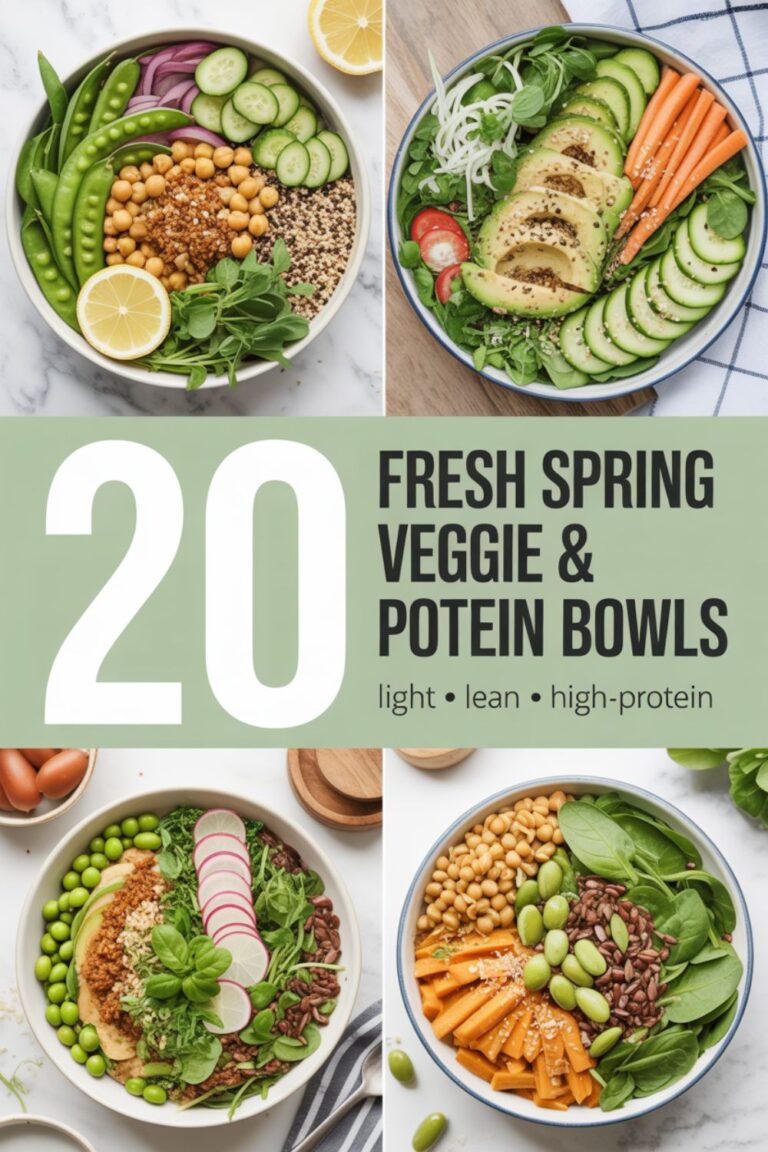
20 Fresh Spring Veggie Protein Bowls
20 Fresh Spring Veggie Protein Bowls | FullTaste Co. FullTaste Co. Spring Bowls High-Protein • Meal-Prep Friendly • Spring 2025 20 Fresh Spring Veggie Protein Bowls Colorful, filling, and done before you’ve even finished your second coffee. By FullTaste Kitchen Updated February 2026 15 min read Spring rolls around and suddenly your appetite shifts. You…
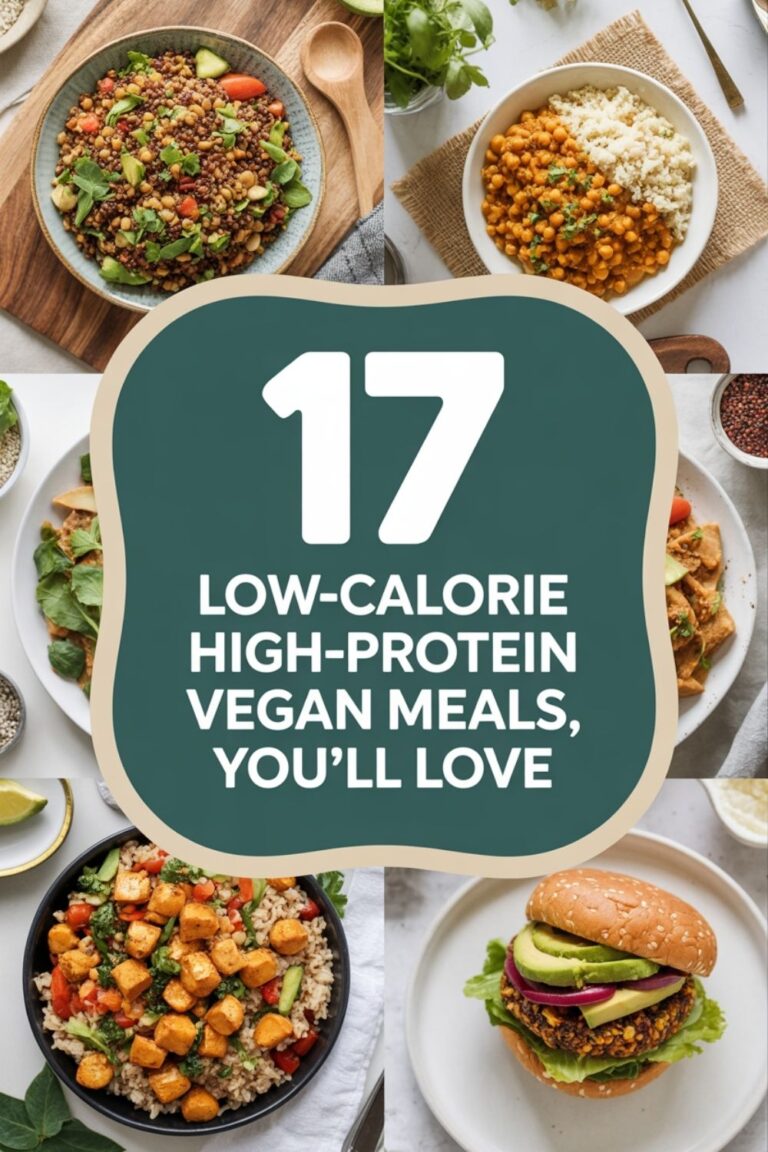
17 Low-Calorie High-Protein Vegan Meals You’ll Love
17 Low-Calorie High-Protein Vegan Meals You’ll Love 17 Low-Calorie High-Protein Vegan Meals You’ll Love Look, I get it. You’re tired of hearing that vegan meals can’t pack a protein punch without loading up on calories. I’ve been there, scrolling through recipe after recipe that promises “high protein” but delivers chickpea salad for the third time…
25 High-Protein Low-Calorie Vegan Meals for Plant-Based Diets
25 High-Protein Low-Calorie Vegan Meals for Plant-Based Diets Someone probably told you that getting enough protein on a vegan diet is impossible. Maybe they said you’d feel weak, lose muscle, or constantly crave meat. Spoiler alert: they were wrong. I’ve been eating plant-based for years and haven’t turned into a wilted piece of lettuce yet….