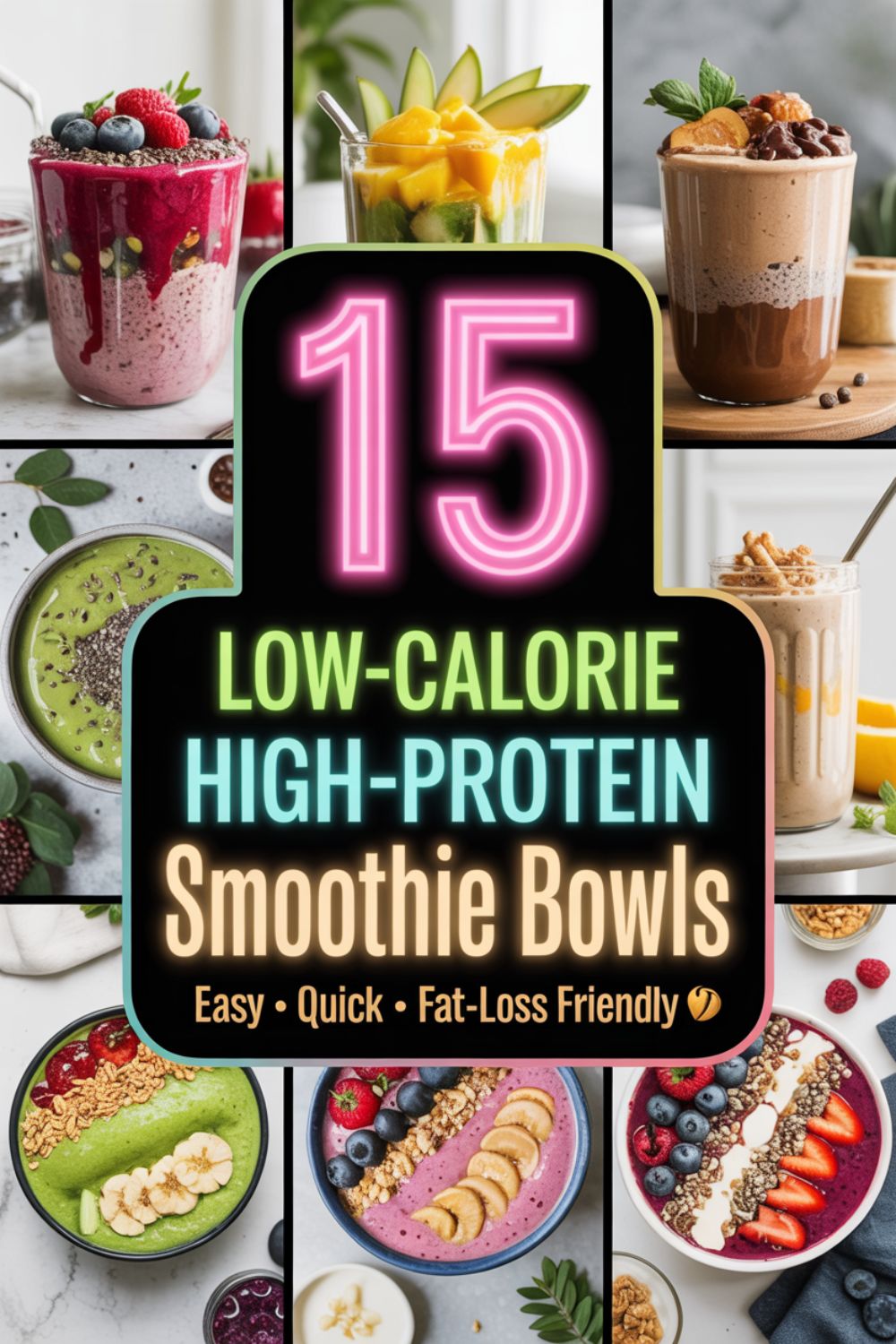
15 Easy Low-Calorie High-Protein Smoothie Bowls
Look, I’m going to be real with you—smoothie bowls used to intimidate the heck out of me. All those Instagram-perfect swirls and meticulously arranged toppings? Yeah, that felt like a full-time job I didn’t sign up for. But then I figured out the secret: you don’t need to be a food stylist to make a killer smoothie bowl that actually keeps you full and hits your protein goals.
Here’s the thing most people miss about smoothie bowls—they can be calorie bombs disguised as health food. Load them with granola, honey, nut butter, and dried fruit, and suddenly your “light” breakfast clocks in at 600 calories with barely any protein. Not exactly what you’re after when you’re trying to stay lean and energized.
That’s why I’ve spent months testing these 15 recipes until I landed on versions that deliver serious protein without wrecking your calorie budget. We’re talking 20-30 grams of protein for under 350 calories. No weird supplements, no chalky protein powder overload—just smart ingredient swaps and strategic layering. Ready to actually enjoy your breakfast again?
Why Protein Matters in Your Morning Bowl
Before we get into the recipes, let’s talk about why protein in your smoothie bowl isn’t just some trendy fitness thing. When you start your day with adequate protein—we’re talking 20-30 grams according to nutritional research—you’re actually setting yourself up for better appetite control throughout the entire day.
I used to grab a fruit-heavy smoothie bowl and wonder why I was starving by 10 AM. Turns out, all that fruit sugar without enough protein to slow digestion meant my blood sugar was on a roller coaster. Once I bumped up the protein and dialed back the fruit portions, everything changed. No more mid-morning snack attacks or that shaky, hangry feeling before lunch.
Protein also takes more energy to digest than carbs or fat—something called the thermic effect of food. Basically, your body burns more calories just processing protein-rich meals. Not a huge calorie burn, but hey, every bit helps when you’re being mindful about your intake.
The Base Formula That Actually Works
Every great low-calorie, high-protein smoothie bowl starts with the same foundational formula. Once you nail this, you can riff on flavors forever without second-guessing whether you’re getting enough protein or accidentally tripling your calories.
Here’s what you need: 1 cup frozen fruit (keeps it thick and ice cream-like), 1/2 cup Greek yogurt or cottage cheese (this is your protein MVP), 1/2 scoop protein powder (optional but helpful for hitting higher protein targets), 1/4 cup liquid (unsweetened almond milk works great), and handful of ice if your blender can handle it.
The magic happens when you blend it thick—way thicker than a drinkable smoothie. You want a consistency you can eat with a spoon, almost like soft-serve ice cream. That’s what makes it satisfying and forces you to slow down and actually taste your breakfast instead of chugging it.
The Liquid Ratio Trick
This is where most people mess up. They add too much liquid trying to get their blender to cooperate, and suddenly they’ve got soup instead of a bowl. Start with just 2 tablespoons of liquid. Seriously, that’s it. Blend, scrape down the sides, add another tablespoon if you absolutely must, but resist the urge to pour.
I learned this the hard way after wasting three bananas trying to figure out why my bowls looked nothing like the photos. Turns out, patience and a good tamper tool for your blender solve most problems. If you don’t have a tamper, a silicone spatula works in a pinch—just blend in short bursts and scrape.
Speaking of building better breakfast habits, you might want to check out these high-protein breakfast bowls or explore this 7-day breakfast plan for more morning inspiration beyond smoothie bowls.
15 Smoothie Bowls That Actually Keep You Full
1. Berry Blast Greek Yogurt Bowl
This one’s my go-to when I’m running late but refuse to skip breakfast. Mix 1 cup frozen mixed berries, 3/4 cup plain Greek yogurt, 1/2 scoop vanilla protein powder, and just enough almond milk to blend. Top with fresh blueberries and a sprinkle of hemp hearts—those little guys pack 10 grams of protein per 3 tablespoons.
Stats: 280 calories, 32g protein, 28g carbs, 4g fat. It doesn’t get much cleaner than this for a high-protein breakfast that tastes like dessert.
2. Chocolate Peanut Butter Power Bowl
Okay, this one tastes way too good to be healthy, but here we are. Blend 1 frozen banana, 1/2 cup cottage cheese (trust me on this), 1 tablespoon cocoa powder, 1 tablespoon PB2 powdered peanut butter, and 1/2 scoop chocolate protein powder. Top with cacao nibs and sliced banana.
The cottage cheese sounds weird, but it blends completely smooth and adds crazy protein without the calories of regular peanut butter. This bowl comes in at about 310 calories with 28g protein. Get Full Recipe
3. Tropical Green Protein Bowl
Don’t let the green color fool you—this tastes like a piña colada, not a salad. Combine 1 cup frozen pineapple, 1/2 frozen banana, 1 cup spinach, 1/2 cup Greek yogurt, 1/2 scoop vanilla protein powder, and coconut water. The spinach is completely masked by the tropical fruit.
I use a high-speed blender for this one because it breaks down the spinach better, but any decent blender works if you blend long enough. Top with coconut flakes and fresh pineapple chunks for about 295 calories and 26g protein.
“I was skeptical about adding cottage cheese to smoothies, but after trying the chocolate PB bowl, I’m sold. Lost 8 pounds in six weeks just by swapping my usual breakfast for these bowls. No more 11 AM vending machine runs.” — Jessica M., blog community member
4. Strawberry Cheesecake Bowl
This is what I make when I want to feel fancy but still hit my macros. Blend 1.5 cups frozen strawberries, 1/2 cup plain Greek yogurt, 2 tablespoons cottage cheese, 1/2 scoop vanilla protein powder, and a splash of vanilla extract. Top with grain-free granola and fresh strawberry slices.
The combination of Greek yogurt and cottage cheese creates this incredible creamy texture that seriously mimics cheesecake. You’re looking at 305 calories with 30g protein here. Worth every spoonful.
5. Blueberry Muffin Bowl
Remember those blueberry muffins from the coffee shop that were basically cake? This captures that flavor for a fraction of the calories. Mix 1 cup frozen blueberries, 1/2 cup Greek yogurt, 1/4 cup rolled oats, 1/2 scoop vanilla protein powder, cinnamon, and a tiny drop of almond extract.
The oats add body and that muffin-y texture while keeping you full longer. Top with fresh blueberries and a sprinkle of sliced almonds. This one clocks in at 315 calories with 27g protein. If you’re into breakfast prep, these meal prep bowls are perfect for batch cooking.
6. Matcha Green Tea Recovery Bowl
This became my post-workout staple after I realized regular protein shakes were boring me to tears. Blend 1 frozen banana, 1/2 cup Greek yogurt, 1 teaspoon matcha powder, 1/2 scoop vanilla protein powder, and a handful of spinach. The matcha adds natural caffeine and antioxidants without making it taste grassy.
Top with kiwi slices, chia seeds, and coconut flakes. About 290 calories and 25g protein. Perfect for muscle recovery after your morning gym session.
7. Pumpkin Spice Protein Bowl
Not just for fall, FYI. I make this year-round because canned pumpkin is available always and adds incredible creaminess with barely any calories. Blend 1/2 cup pumpkin puree, 1/2 frozen banana, 1/2 cup Greek yogurt, 1/2 scoop vanilla protein powder, pumpkin pie spice, and a splash of maple extract.
The pumpkin adds vitamin A and fiber while keeping the calorie count low. Top with pepitas and a drizzle of sugar-free maple syrup. This comes in around 280 calories with 26g protein. Get Full Recipe
8. Mango Turmeric Sunrise Bowl
This bright yellow bowl looks like literal sunshine in a dish. Combine 1 cup frozen mango, 1/2 cup Greek yogurt, 1/4 teaspoon turmeric, tiny pinch of black pepper (helps turmeric absorption), 1/2 scoop vanilla protein powder, and coconut milk.
Turmeric is one of those ingredients that sounds healthy but can taste medicinal if you overdo it. A little goes a long way. This bowl hits about 300 calories and 24g protein. Top with fresh mango and a sprinkle of toasted coconut.
9. Coffee Lover’s Breakfast Bowl
For those mornings when you can’t decide between coffee and breakfast—why not both? Blend 1 frozen banana, 1/2 cup Greek yogurt, 1/2 cup cold brew coffee or 1 shot espresso, 1 tablespoon cocoa powder, 1/2 scoop chocolate protein powder, and ice.
This is basically a protein-packed frappuccino you can eat with a spoon. The coffee flavor is strong but not bitter, and you get your caffeine fix along with 28g protein for about 295 calories. I use my portable blender for this one when I’m working from home and too lazy to clean my big blender.
If you’re constantly on the go, these metabolism-boosting smoothies are also worth bookmarking for those grab-and-go mornings.
10. Cherry Almond Joy Bowl
This tastes suspiciously like candy, which is exactly why it makes my regular rotation. Mix 1 cup frozen cherries, 1/2 cup Greek yogurt, 1/4 teaspoon almond extract, 1/2 scoop vanilla or chocolate protein powder, and just enough almond milk to blend.
Cherries are naturally sweet enough that you don’t need added sugar. According to Harvard Health research, tart cherries might even improve sleep quality—not that this bowl will help with that, but hey, bonus points. Top with sliced almonds and dark chocolate chips (just a few). Stats: 310 calories, 27g protein.
11. Vanilla Cake Batter Bowl
This is what I make when I’m craving something sweet but trying to be an adult about it. Blend 1 cup frozen cauliflower rice (stay with me), 1/2 frozen banana, 3/4 cup Greek yogurt, 1/2 scoop vanilla protein powder, vanilla extract, and almond milk.
The cauliflower is completely undetectable—it just adds volume and creaminess without calories or carbs. This technique is a game-changer for keeping bowls thick without loading up on fruit. You’re looking at 270 calories with 29g protein. Top with sugar-free sprinkles if you’re feeling extra.
12. Açaí Protein Power Bowl
The classic açaí bowl usually delivers like 500+ calories easy. This version keeps all the flavor but dials back the sugar bomb. Use 1 packet frozen açaí puree, 1/2 frozen banana, 1/2 cup Greek yogurt, 1/2 scoop vanilla protein powder, and splash of apple juice.
Açaí is loaded with antioxidants and has this unique berry flavor that’s hard to replicate. Top with fresh berries, a tablespoon of granola, and chia seeds. This hits about 325 calories with 26g protein. Get Full Recipe
13. Peach Cobbler Breakfast Bowl
Summer peaches are incredible, but frozen peaches work year-round for this recipe. Blend 1.5 cups frozen peaches, 1/2 cup cottage cheese, 1/4 cup rolled oats, 1/2 scoop vanilla protein powder, cinnamon, and nutmeg.
The oats give it that cobbler-y texture and keep you satisfied for hours. I learned this from experimenting with beginner meal plans that focus on keeping things simple but filling. Top with diced peaches and a crumble of almond flour cookies if you have them. About 305 calories and 28g protein.
14. Cinnamon Roll Protein Bowl
This bowl smells so good while blending that my roommate kept asking if I was baking. Combine 1 frozen banana, 1/2 cup Greek yogurt, 1/4 cup rolled oats, 1/2 scoop vanilla protein powder, 1 teaspoon cinnamon, and a drop of maple extract.
The key is not skimping on the cinnamon—you want that warm, bakery smell. Top with a drizzle of Greek yogurt mixed with a tiny bit of cream cheese (yes, really) and more cinnamon. This delivers 295 calories and 27g protein. Tastes like dessert, works like breakfast.
15. Dragon Fruit Superfood Bowl
This pink bowl is Instagram gold, but it’s also legitimately good. Blend 1 cup frozen dragon fruit (the pink kind), 1/2 frozen banana, 1/2 cup Greek yogurt, 1/2 scoop vanilla protein powder, and coconut water. Dragon fruit is lower in sugar than most fruits and adds this gorgeous color.
Top with fresh kiwi, blueberries, and goji berries. It’s pretty, it’s tasty, and it hits 285 calories with 25g protein. Perfect for those days when you want your breakfast to look as good as it makes you feel.
Looking for more creative ways to hit your protein goals? These plant-based high-protein meals offer tons of variety if you’re eating more vegan these days.
Kitchen Tools That Make This So Much Easier
Physical Products I Actually Use
High-Speed Blender with Tamper
Yeah, it’s an investment, but this thing turns frozen fruit into creamy perfection in seconds. The tamper is crucial for thick smoothie bowls—it lets you push ingredients down without stopping to scrape constantly. Mine’s lasted three years of daily abuse.
Wide Shallow Bowls Set
Regular bowls are too deep and make your toppings look sad. These wide, shallow ceramic bowls give you that cafe-style presentation and make eating more enjoyable. Sounds superficial, but presentation actually affects satisfaction.
Airtight Glass Meal Prep Containers
For prepping smoothie bowl ingredients in advance. I portion out frozen fruit, protein powder, and yogurt the night before, then just dump and blend in the morning. These glass containers don’t stain or hold smells like plastic.
Digital Resources Worth Your Time
30-Day Smoothie Bowl Meal Plan
If you want zero decision fatigue, grab a structured plan that maps out every bowl with shopping lists and macro breakdowns. Takes the guesswork out completely.
Protein Powder Comparison Guide
Not all protein powders are created equal. Some taste like chalk, some make your bowls gritty. This guide breaks down which ones blend smoothly and actually taste good in smoothie bowls without weird aftertastes.
Macro Tracking App Subscription
I resisted tracking for years, but honestly, seeing exactly where your protein and calories land makes such a difference. Most apps have smoothie bowl recipes already logged, which saves time.
Common Mistakes That Tank Your Smoothie Bowl
I’ve made every smoothie bowl mistake in the book, so let me save you some frustration. The biggest error? Going overboard with toppings. I know they look cute, but that handful of granola you’re casually sprinkling on top just added 150 calories. Those honey drizzles? Another 60 calories per tablespoon.
Toppings should enhance your bowl, not become the main event. Stick to measured portions: 1 tablespoon nuts or seeds, fresh fruit for volume, and maybe a small sprinkle of something crunchy. That’s it. The base should be your star player.
Another mistake is making your bowls too liquidy. If you can drink it, you messed up. The whole point of a smoothie bowl versus a regular smoothie is the eating experience—the slow, spoonful satisfaction that actually registers in your brain as a meal. Thick is the way.
The Protein Powder Debate
Do you absolutely need protein powder in these bowls? Nope. Greek yogurt and cottage cheese can get you to 20+ grams of protein on their own. But IMO, adding half a scoop of quality protein powder makes hitting 25-30 grams way easier without adding tons of dairy.
Some people can’t stand protein powder—I get it. If that’s you, double up on the Greek yogurt or add silken tofu (seriously, it’s flavorless and protein-packed). There’s always a workaround. The goal is protein, not specifically protein powder.
For those following structured eating plans, check out this 14-day smoothie plan that takes all the planning off your plate.
Making These Work for Your Schedule
The “I don’t have time” excuse doesn’t really fly with smoothie bowls. We’re talking 5 minutes max if you prep smart. Sunday meal prep is your best friend here—portion out your frozen fruit into individual bags or containers, pre-measure protein powder into small containers, and keep your yogurt situation stocked.
Morning of, you literally dump everything in the blender, blend for 60 seconds, and you’re done. Even if you’re the kind of person who hits snooze four times (guilty), you can still make this work. I’ve assembled and blended smoothie bowls with one eye open plenty of mornings.
If you’re truly strapped for time, make the base the night before and store it in the freezer. In the morning, let it sit for 5 minutes to soften slightly, add toppings, and go. Some people meal prep entire smoothie bowls for the week, though I personally think the texture suffers after day two.
“Started prepping smoothie bowl ingredients every Sunday after reading this. Dropped 12 pounds in two months without feeling deprived at all. The chocolate PB bowl is criminally good for how healthy it is.” — Marcus T., reader
Protein Sources Beyond the Obvious
Greek yogurt and protein powder are the obvious choices, but let’s talk about some underrated protein sources that work incredibly well in smoothie bowls. Cottage cheese is my secret weapon—it has a similar protein content to Greek yogurt but often half the calories. Blend it up and you literally can’t taste the texture.
Silken tofu is another sleeper hit. A 3-ounce serving has about 8 grams of protein and blends completely smooth with zero flavor. It’s perfect for people who are dairy-free or just want variety. Hemp hearts add healthy fats along with protein, though they do increase calories slightly.
Egg whites might sound weird in a smoothie bowl, but pasteurized liquid egg whites are totally safe to consume raw and add pure protein. Start with just 2 tablespoons if you’re skeptical—you won’t taste them at all, I promise.
Related Recipes You’ll Love
If these smoothie bowls are hitting the spot, you’ll definitely want to explore these related recipes for more high-protein, low-calorie inspiration:
More Breakfast Ideas:
– Protein-packed breakfasts for busy mornings
– Low-calorie protein pancakes
– 30-day breakfast challenge
Complete Meal Plans:
– 7-day meal plan for beginners
– Weekly meal prep guide
– Complete 30-day smoothie plan
Frequently Asked Questions
Can I make smoothie bowls without protein powder?
Absolutely. Greek yogurt, cottage cheese, and even silken tofu can get you to 20-25 grams of protein without any powder. Just increase your dairy or add an extra 1/4 cup of Greek yogurt to compensate. The texture stays thick and creamy without protein powder—sometimes even better, actually.
How do I make my smoothie bowl thick enough?
The trick is using way less liquid than you think and making sure your fruit is completely frozen. Start with just 2-3 tablespoons of liquid, and use a tamper or spatula to push ingredients toward the blades instead of adding more liquid. Frozen banana or frozen cauliflower rice also helps achieve that thick, spoonable consistency.
Are smoothie bowls actually filling or will I be hungry in an hour?
When you build them with adequate protein (20-30g) and keep them thick enough to eat slowly with a spoon, they’re legitimately filling for 3-4 hours. The key is that protein content—without it, you’re basically eating fruit soup that won’t sustain you. The bowls in this article are specifically designed to keep you satisfied until lunch.
Can I prep smoothie bowls in advance?
You can prep the ingredients in advance (highly recommend this), but I don’t suggest making the entire blended bowl more than a day ahead. The texture gets icy and the colors can separate. Best approach: portion out ingredients into bags or containers Sunday night, then blend fresh each morning. Takes literally 5 minutes.
What’s the difference between Greek yogurt and regular yogurt for smoothie bowls?
Greek yogurt has been strained to remove whey, which roughly doubles the protein content compared to regular yogurt. A 3/4 cup of plain Greek yogurt delivers around 15-18 grams of protein, while the same amount of regular yogurt only has about 8 grams. For low-calorie, high-protein goals, Greek yogurt or Skyr (Icelandic yogurt) are your best bets.
Final Thoughts
Here’s what I want you to take away from all this: smoothie bowls don’t have to be complicated, expensive, or time-consuming to be effective. You don’t need 47 superfoods or a $400 blender to make something that tastes good and hits your protein goals.
The 15 recipes in this article are ones I actually make on repeat. They’ve survived the test of rushed mornings, lazy weekends, and that phase where I got weirdly obsessed with meal prep. They work because they’re simple, they taste legitimately good, and they keep you full without wrecking your calorie budget.
Start with one or two recipes that sound appealing, get comfortable with the base formula, then experiment from there. Once you understand the ratios and techniques, you can create infinite variations based on whatever’s in your freezer. That’s when smoothie bowls stop being a recipe you follow and start being a habit that actually sticks.
And look, if you mess up a few times figuring out the thickness or accidentally make protein powder soup, that’s fine. I’ve dumped more failed smoothie bowls than I’d like to admit. The learning curve is short, and the payoff—an easy, high-protein breakfast you actually enjoy—is absolutely worth it.
Similar Posts
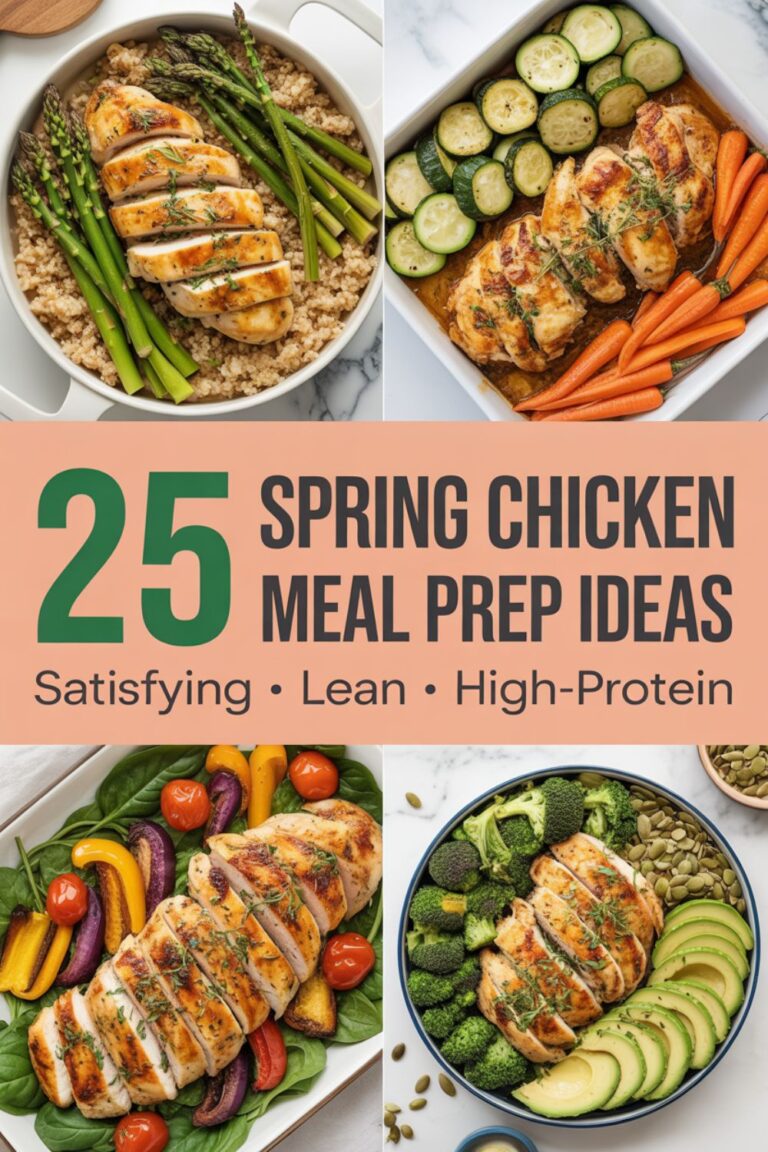
25 Spring Chicken Meal Prep Ideas That’ll Save Your Sanity
25 Spring Chicken Meal Prep Ideas That’ll Save Your Sanity 25 Spring Chicken Meal Prep Ideas That’ll Save Your Sanity Look, I get it. You’re staring at another week of meal planning like it’s some kind of cruel punishment. The fridge is half-empty, your motivation is non-existent, and the thought of eating the same boring…
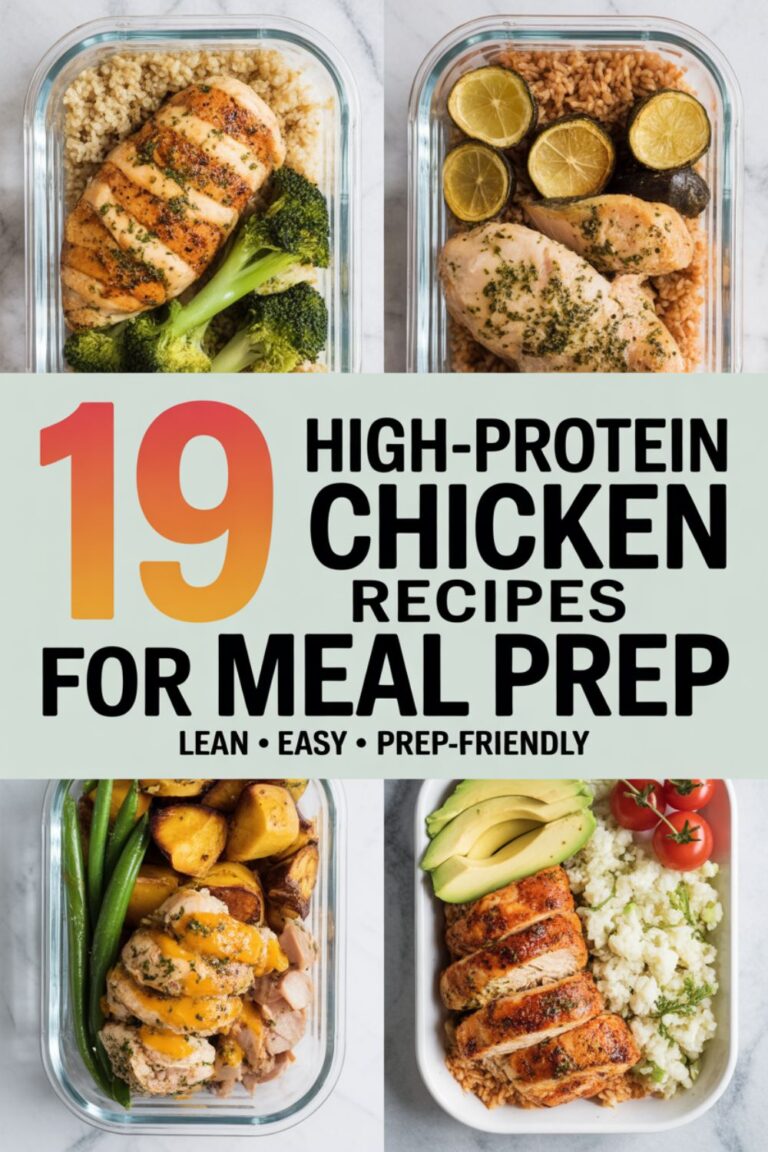
19 High-Protein Chicken Recipes for Meal Prep
19 High-Protein Chicken Recipes for Meal Prep FullTaste Co. Meal Prep & High Protein 19 High-Protein Chicken Recipesfor Meal Prep Real recipes, real macros, zero boring lunches. Your Sunday prep session just got a serious upgrade. 19 Recipes 30g+ Protein Per Serving Prep Once, Eat All Week Let’s be real: the biggest threat to your…
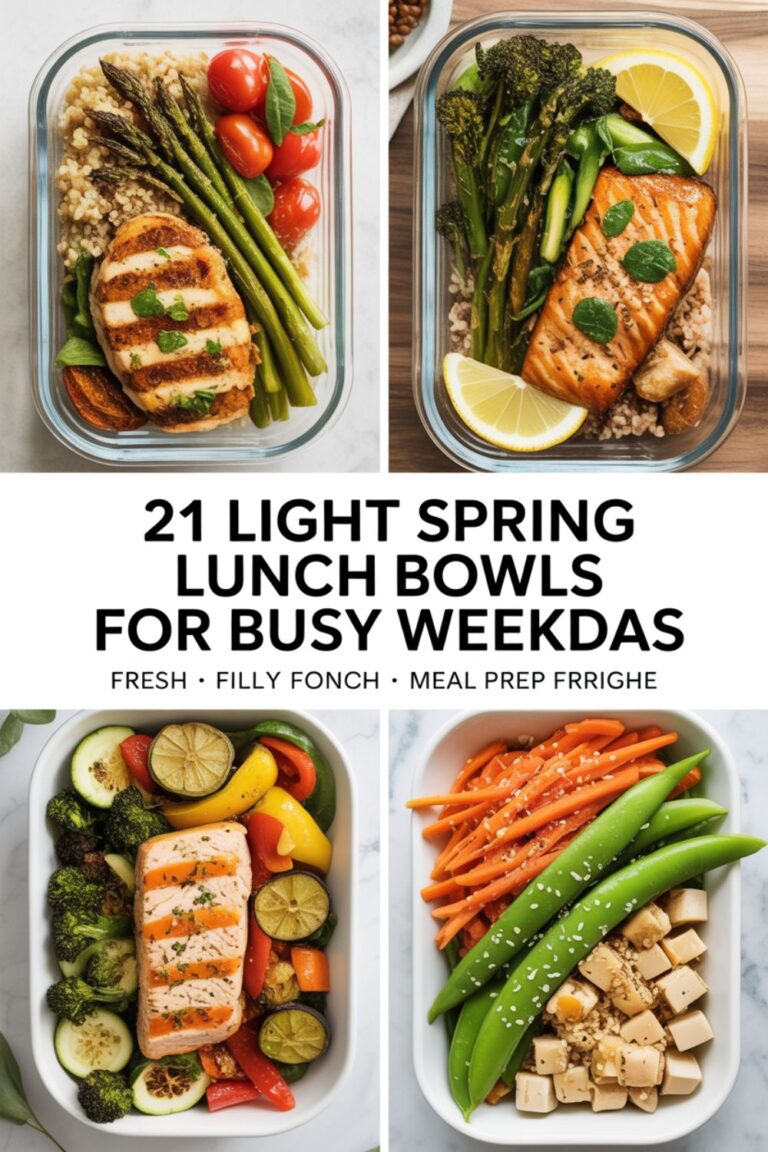
21 Light Spring Lunch Bowls for Busy Days
21 Light Spring Lunch Bowls for Busy Days | FullTasteCo FullTasteCo Spring Lunch Bowls 21 Light Spring Lunch Bowls for Busy Days Fresh, fast, and genuinely satisfying—because your midday meal should not feel like a punishment. 21 Recipes High Protein Meal Prep Friendly Under 30 Minutes Here is the thing nobody tells you about spring:…
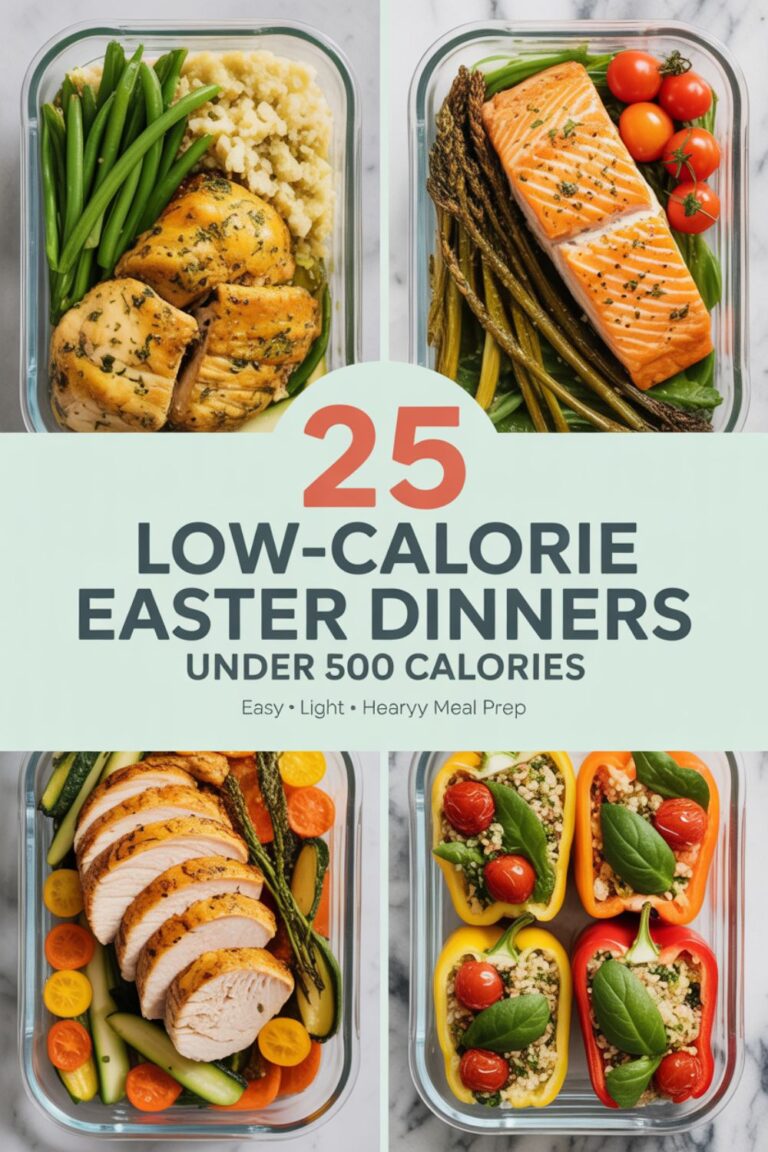
25 Low-Calorie Easter Dinners Under 500 Calories
25 Low-Calorie Easter Dinners Under 500 Calories | FullTasteCo FullTaste Co. Easter Recipe Roundup 25 Low-Calorie Easter Dinners Under 500 Calories A festive table that won’t derail your goals — every single recipe is filling, flavorful, and under 500 calories. 25 Recipes Under 500 Calories Each Spring 2025 Collection Let’s be honest about something: Easter…
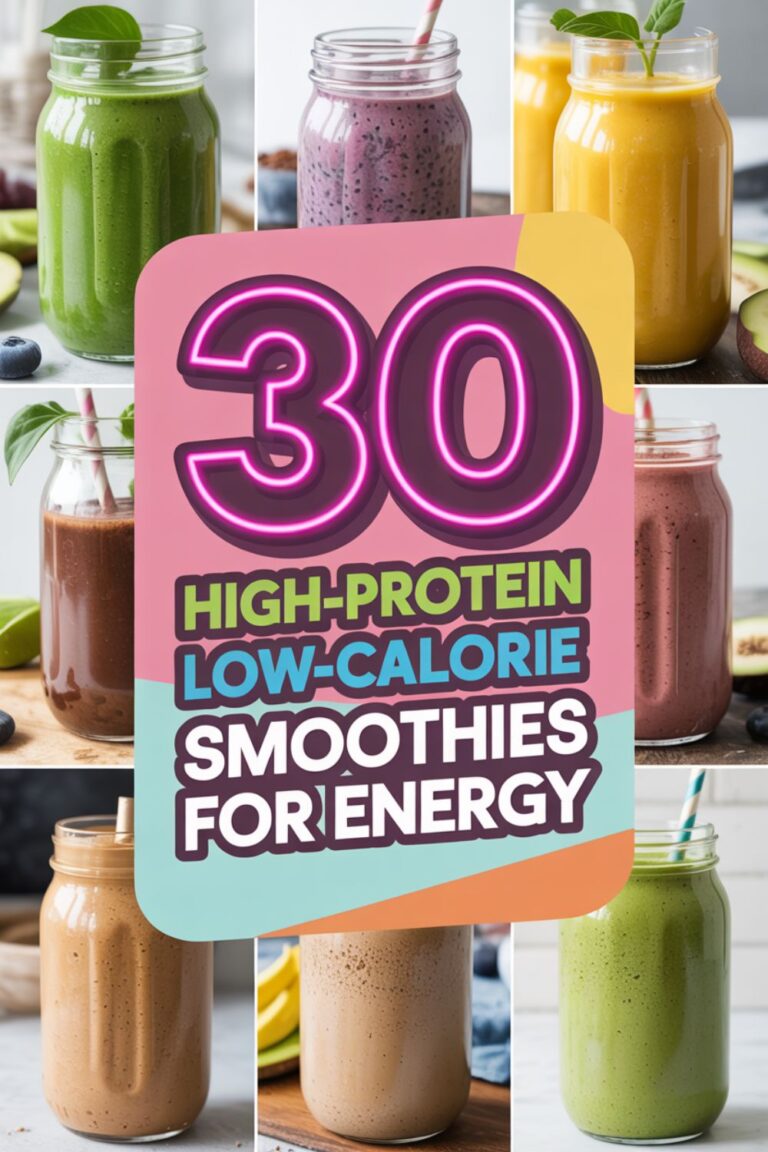
30 High-Protein Low-Calorie Smoothies for Energy
30 High-Protein Low-Calorie Smoothies for Energy 30 High-Protein Low-Calorie Smoothies for Energy Look, I get it. You’re tired of feeling sluggish by 2 PM, and the thought of choking down another bland protein shake makes you want to crawl back into bed. I’ve been there, staring at my blender like it’s some sort of medieval…
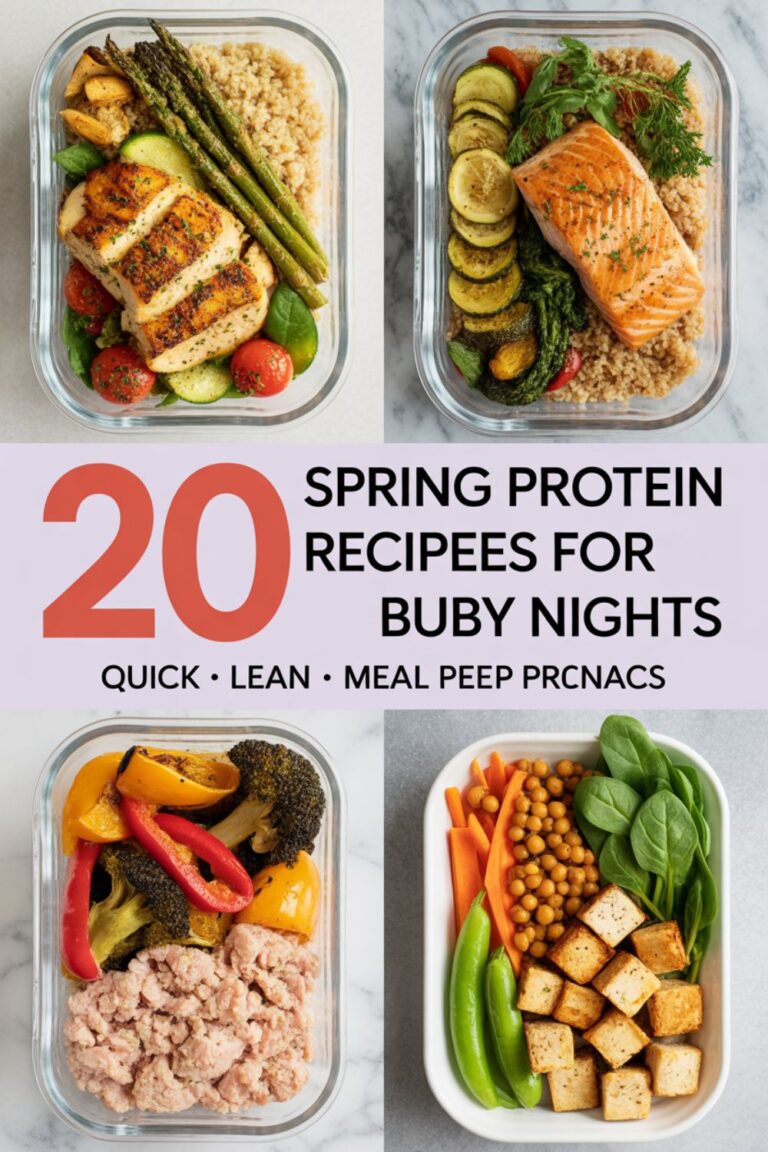
20 Spring Protein Recipes for Busy Nights
20 Spring Protein Recipes for Busy Nights – Quick & Healthy Dinners 20 Spring Protein Recipes for Busy Nights You know that moment when you get home after a long day and the thought of cooking makes you want to order takeout for the third time this week? Yeah, I’ve been there. But here’s the…