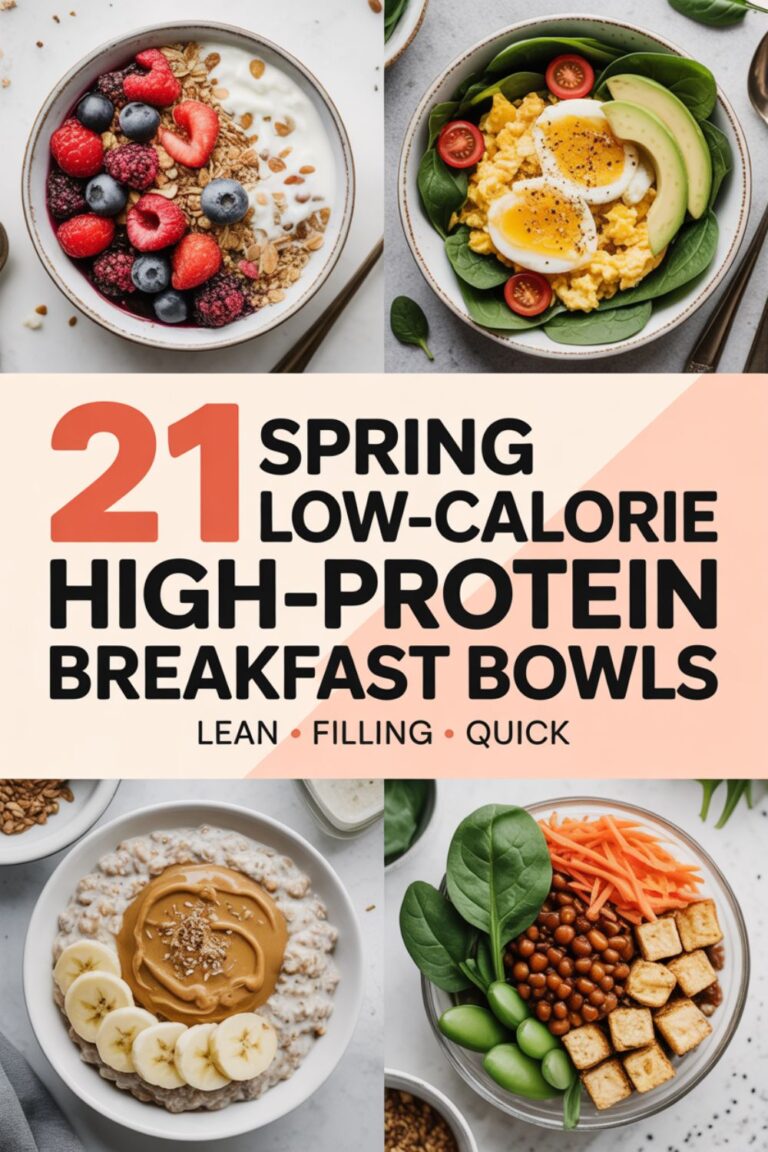
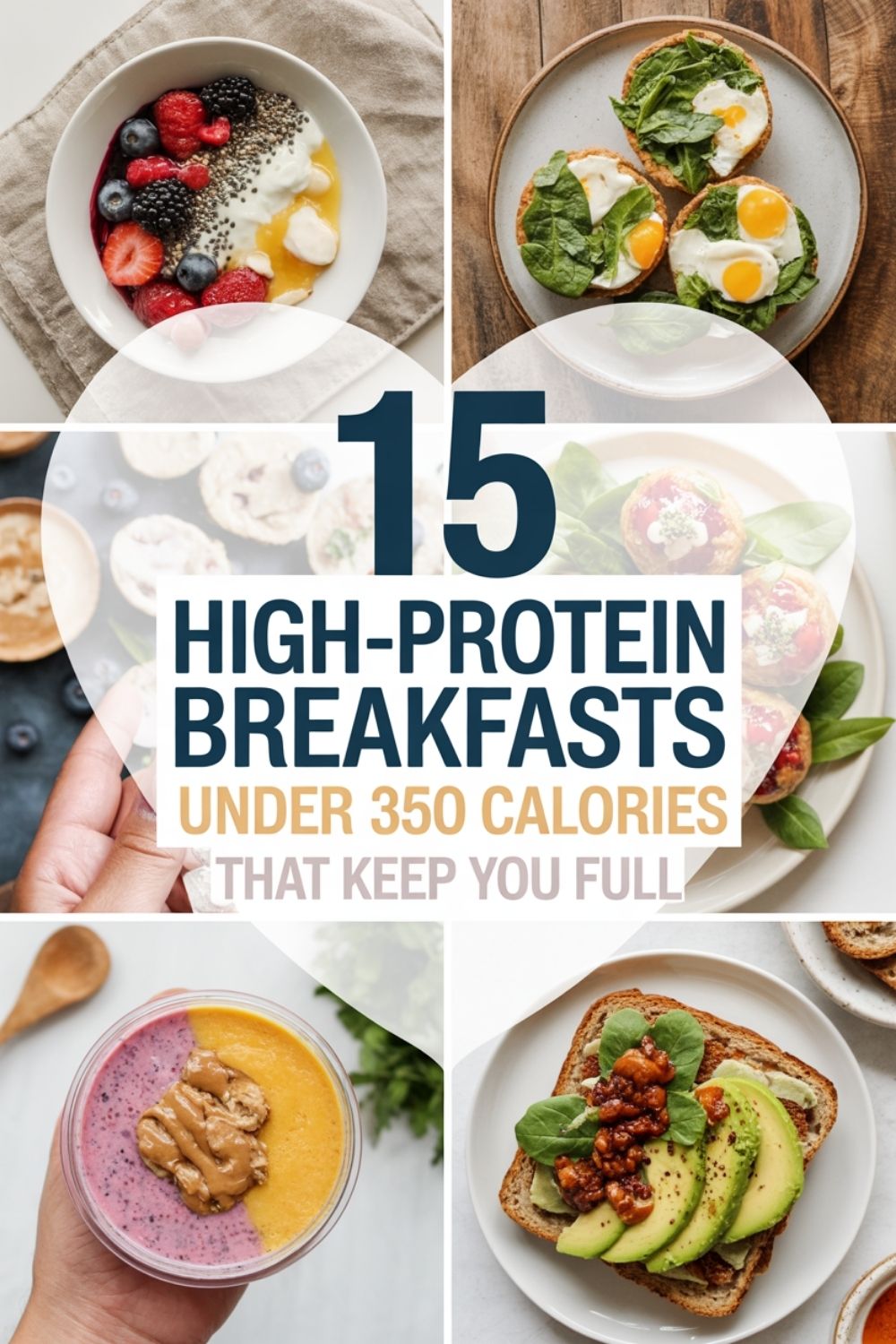
15 High-Protein Breakfasts Under 350 Calories
Look, I get it. You’re scrolling through breakfast ideas at 6 AM, stomach growling, trying to find something that’ll actually keep you full until lunch without blowing your calorie budget. Most “healthy” breakfast recipes are either rabbit food or secretly loaded with enough calories to qualify as brunch.
Here’s the thing about protein—it’s basically magic when it comes to keeping you satisfied. Research shows that high-protein breakfasts improve satiety and reduce those annoying mid-morning snack cravings that derail your entire day. We’re talking real, sustainable fullness, not the fake kind you get from a muffin that leaves you face-down in the break room donuts by 10 AM.
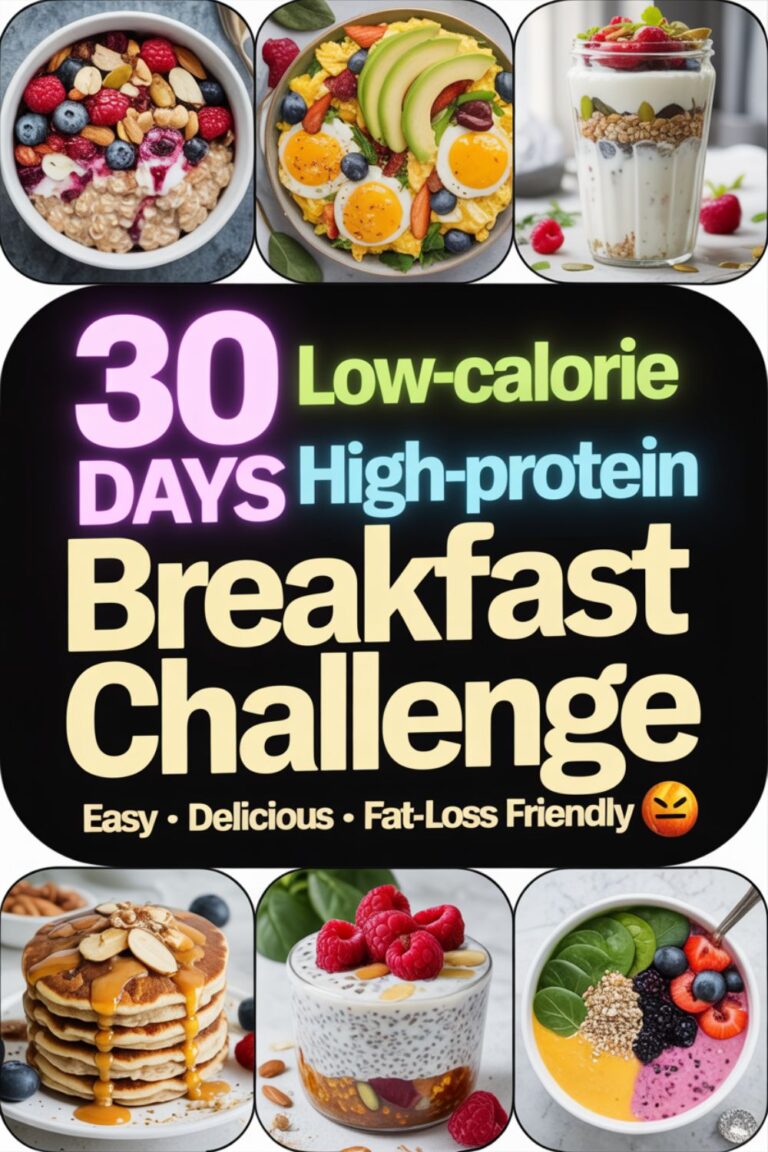
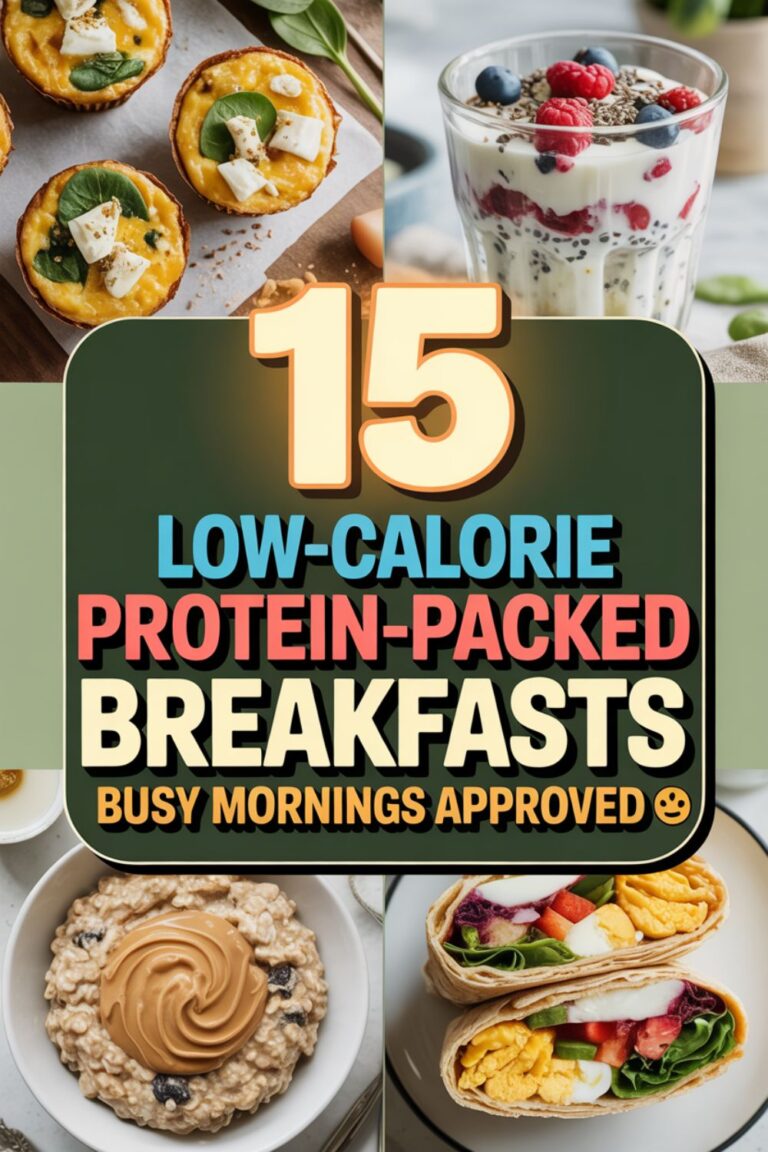
I’ve pulled together 15 breakfasts that pack serious protein (we’re talking 20+ grams) while staying under 350 calories. No bland egg-white torture here—these are meals you’ll actually want to eat.
Why Protein at Breakfast Actually Matters
Before we dive into the recipes, let’s talk about why loading up on protein in the morning isn’t just some fitness bro myth. Your body processes protein differently than carbs or fats—it takes more energy to digest, which means you’re burning calories just by eating it. Scientists call this the thermic effect, and protein has a significantly higher thermic effect than other macronutrients.
When you start your day with protein, you’re essentially telling your hunger hormones to chill out. Ghrelin (your hunger hormone) takes a nosedive, while peptide YY (your fullness hormone) spikes. It’s like having a biological bouncer that keeps the snack attacks away until your next real meal.
Plus, if you’re trying to lose weight or just maintain what you’ve got, protein helps preserve muscle mass. You want to lose fat, not the muscle you’ve worked for, right? Sustainable weight loss is all about keeping that lean muscle while shedding the extra padding.
Speaking of protein-packed meal prep ideas, you might also love these low-calorie high-protein meals or check out these breakfast bowls designed specifically for hectic mornings.
The Protein Sweet Spot for Breakfast
You’ve probably heard a million different numbers thrown around about how much protein you need. Here’s the deal: for most people, aiming for 20-30 grams of protein at breakfast is the sweet spot. That’s enough to trigger those satiety signals without going overboard.
The current RDA (Recommended Daily Allowance) is 0.8 grams per kilogram of body weight per day, but that’s basically the minimum to avoid deficiency. If you’re active, trying to lose weight, or just want to feel your best, you probably need more. Most nutrition experts suggest somewhere between 1.2 to 2.0 grams per kilogram, depending on your goals and activity level.
Breaking that down to breakfast specifically? Shooting for about 25-30% of your daily protein intake at your first meal sets you up perfectly. It stabilizes your blood sugar, kicks your metabolism into gear, and—here’s the kicker—makes you less likely to overeat later in the day.
1. Greek Yogurt Parfait Power Bowl
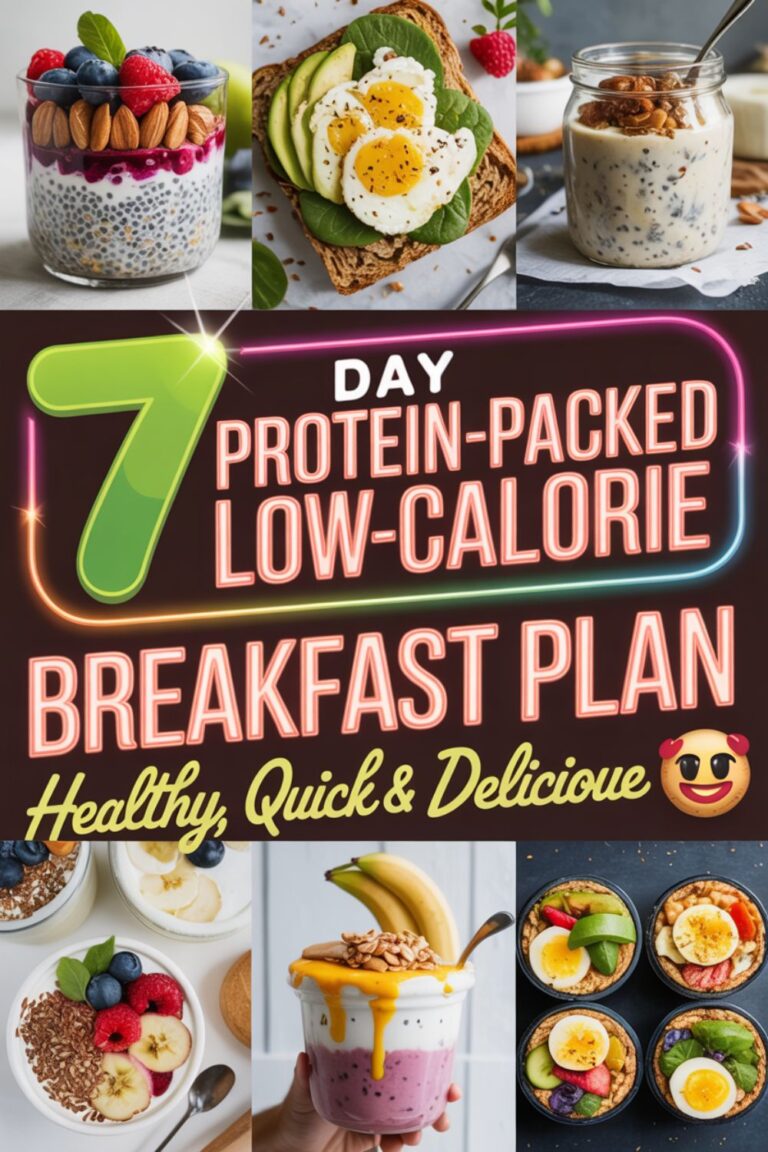
This isn’t your sad desk breakfast. We’re talking thick, creamy Greek yogurt layered with berries and a strategic sprinkle of nuts. Plain Greek yogurt packs about 17 grams of protein per 6-ounce serving, and when you add a tablespoon of hemp seeds (another 3 grams), you’re sitting pretty at 20+ grams of protein.
Top it with fresh blueberries (antioxidants for days) and a handful of crushed almonds for that satisfying crunch. The entire thing clocks in around 280 calories. No granola needed—trust me, you won’t miss it when you’re still full three hours later.
The beauty of Greek yogurt versus regular yogurt is simple: more protein, less sugar, thicker texture. It’s strained to remove the whey, which concentrates the protein. IMO, it’s worth the extra dollar or two.
2. Egg White Veggie Scramble
Okay, I know I said no bland egg-white torture, but hear me out. The trick is loading these up with so many vegetables and spices that you forget you’re eating something “healthy.” Four egg whites give you about 14 grams of protein for only 68 calories—that’s serious efficiency.
Throw in spinach, mushrooms, bell peppers, and tomatoes. Add some garlic powder, paprika, and a tiny bit of nutritional yeast for a cheesy flavor without actual cheese. You can cook this up in a non-stick pan that’ll make cleanup ridiculously easy.
Want to bump up the protein even more? Add 2 ounces of diced turkey breast (another 16 grams of protein). Now you’re at 30 grams of protein for under 300 calories. Get Full Recipe.
🎯 High-Protein Meal Prep Planner
Struggling to plan your high-protein meals for the week? This printable meal prep planner is specifically designed for protein-focused eating. It includes macro tracking sheets, grocery lists organized by protein source, and weekly templates that help you hit 100+ grams of protein daily without thinking.
Perfect for anyone tracking macros or trying to build muscle while staying lean. Instant download, print at home, and start planning tonight.
3. Cottage Cheese and Fruit Combo
Cottage cheese is criminally underrated. One cup of low-fat cottage cheese delivers a whopping 24 grams of protein for about 180 calories. It’s also packed with casein protein, which digests slowly and keeps you satisfied longer than whey protein.
Pair it with half a cup of pineapple chunks and a sprinkle of cinnamon. The sweetness of the pineapple balances out the tangy cottage cheese, and pineapple contains bromelain, an enzyme that aids digestion. Total calories? Around 230.
If you can’t stand the texture of cottage cheese (I get it—it’s polarizing), blend it smooth with a hand blender until it’s almost like Greek yogurt. Game changer.
4. Protein Pancakes That Don’t Suck
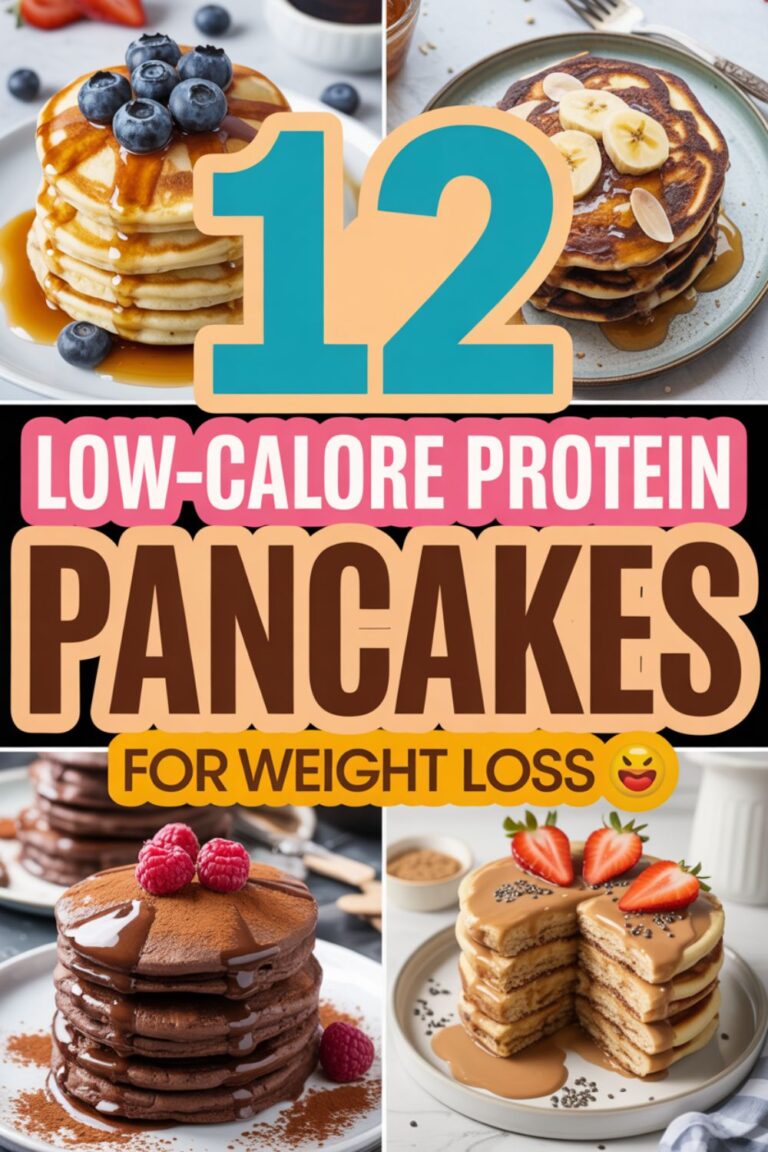
Real talk: most protein pancakes taste like sweetened cardboard. But when you nail the ratio—one mashed banana, two eggs, and a scoop of vanilla protein powder—you get fluffy, legitimately delicious pancakes.
Cook them on a griddle over medium heat, and you’ll end up with three medium pancakes that total about 320 calories and 30 grams of protein. Top with a drizzle of sugar-free syrup and a handful of fresh berries.
The banana adds natural sweetness and helps bind everything together. Plus, you’re getting potassium and fiber, which most people don’t get enough of anyway. Get Full Recipe.
Looking for more quick breakfast options? Try these protein-packed wraps or explore meal ideas designed for weight loss beginners.
📊 Calorie & Protein Tracker App
Tired of generic food tracking apps that don’t prioritize protein? This specialized macro tracking app is built specifically for high-protein, low-calorie eating. It automatically calculates your protein targets based on your weight loss goals and flags meals when you’re running low on protein for the day.
The barcode scanner has an extensive database of high-protein foods, and the recipe builder lets you save your favorite low-cal breakfasts with exact macros. First month free trial, then ridiculously affordable.
5. Smoked Salmon and Avocado Toast (Upgraded)
Avocado toast isn’t going anywhere, so we might as well make it work for us. Start with one slice of sprouted grain bread (about 80 calories), smash a quarter of an avocado on top, and layer with 3 ounces of smoked salmon.
That salmon brings 21 grams of protein to the party, plus omega-3 fatty acids that your brain will thank you for. Add some capers, red onion, and a squeeze of lemon juice. You’re looking at roughly 290 calories and a breakfast that feels indulgent but is actually packed with nutrients.
Sprouted grain bread has more bioavailable nutrients than regular bread because the sprouting process breaks down some of the starches and increases vitamin content. Plus, it tends to have more protein than standard wheat bread.
6. Turkey Sausage and Veggie Hash
This is my go-to when I want something hot and filling. Two turkey sausage links (about 14 grams of protein) paired with a cup of diced sweet potato, bell peppers, and onions, all cooked together in a cast iron skillet.
Season with smoked paprika, cumin, and a pinch of cayenne if you like heat. The whole thing comes in around 320 calories. Sweet potatoes give you complex carbs that release energy slowly, so you’re not crashing before lunch.
Turkey sausage is leaner than pork sausage but still has that savory, satisfying flavor. Just check the label—some brands sneak in a lot of sodium and fillers. You want ones with actual turkey as the first ingredient.
7. Protein Smoothie (But Make It Filling)
Smoothies can be tricky because they go down fast and don’t always keep you full. The secret? Add volume with frozen cauliflower—yes, I’m serious. You can’t taste it, but it makes your smoothie thick and creamy while adding fiber.
Blend one scoop of chocolate protein powder, one cup of unsweetened almond milk, half a frozen banana, a cup of frozen cauliflower, and a tablespoon of almond butter. Use a high-powered blender to make it silky smooth.
You’ll get around 28 grams of protein and about 320 calories. The fat from the almond butter slows digestion, keeping you satisfied longer. Get Full Recipe.
For more smoothie inspiration, check out these metabolism-boosting smoothies.
📖 The 300-Calorie High-Protein Breakfast eBook
If you loved these recipes, you need this digital cookbook with 75+ breakfast recipes all under 300 calories and packed with 20+ grams of protein. Each recipe includes full nutrition info, meal prep instructions, and swap options for dietary restrictions.
Includes a bonus section on protein-boosting kitchen hacks and a printable shopping list organized by store section. Instant PDF download means you can start cooking tomorrow morning. Worth every penny for the variety alone.
8. Breakfast Burrito Bowl
All the best parts of a breakfast burrito without the tortilla (which, let’s be honest, is usually just empty calories anyway). Start with a base of riced cauliflower or regular rice if you prefer, add scrambled eggs, black beans, salsa, and a sprinkle of cheese.
Two eggs plus half a cup of black beans gets you to about 20 grams of protein. Throw in some diced avocado and cilantro. Total damage? Roughly 330 calories.
Black beans are underrated protein sources—they also deliver fiber, which helps with digestion and keeps you regular. And unlike some protein sources, they’re incredibly budget-friendly.
9. Tofu Scramble for Plant-Based Folks
If you’re eating plant-based, tofu scramble is your best friend. Half a block of firm tofu (about 10 grams of protein) crumbled and cooked with turmeric, nutritional yeast, and your favorite veggies gives you a surprisingly egg-like texture.
Add black salt (kala namak) if you want that sulfuric, eggy flavor. Serve with a slice of whole grain toast and you’re at 25 grams of protein and about 310 calories.
Tofu gets a bad rap, but it’s a complete protein source, meaning it contains all nine essential amino acids your body needs. Plus, it’s packed with iron and calcium. For more plant-based options, explore these high-protein vegan meals.
10. Overnight Protein Oats
These are perfect for people who hate morning routines. Mix half a cup of rolled oats, a scoop of vanilla protein powder, a cup of unsweetened almond milk, and a tablespoon of chia seeds in a mason jar. Let it sit in the fridge overnight.
In the morning, top with berries and a drizzle of honey. You’ve got 27 grams of protein and about 340 calories waiting for you. Zero cooking required.
Chia seeds are little nutrition bombs—they absorb liquid and expand, which helps you feel full. They also provide omega-3s and fiber. When comparing chia seeds to flax seeds, chia wins on convenience because you don’t need to grind them for your body to absorb the nutrients. Get Full Recipe.
Premium Grass-Fed Whey Protein Isolate
After testing dozens of protein powders, I keep coming back to this grass-fed whey isolate. It mixes smooth without that chalky texture, has zero artificial sweeteners, and packs 25g of protein per scoop with only 110 calories.
- Dissolves completely in cold water (no clumps!)
- Third-party tested for purity and quality
- Unflavored version works in savory recipes too
- From grass-fed, hormone-free cows
Perfect for smoothies, protein pancakes, and overnight oats. The vanilla flavor is subtle enough that it doesn’t overpower other ingredients.
11. Egg Muffins Meal Prep Edition
Make a dozen of these on Sunday and grab two every morning. Whisk together 12 eggs, pour into a silicone muffin tin, and add your choice of veggies, turkey sausage, or cheese before baking.
Each muffin has about 6-7 grams of protein. Eat two for breakfast (around 12-14 grams of protein) and pair with a piece of fruit. Total calories hover around 250-280, depending on what you add.
These freeze beautifully. Just reheat in the microwave for 60 seconds when you’re ready to eat. It’s meal prep that actually works because it’s fast and doesn’t require any morning brain power.
12. Tuna and Crackers (Bougie Style)
Before you skip this one because it sounds weird for breakfast—trust me. One can of tuna in water (about 20 grams of protein) served on whole grain crackers with sliced cucumber and a little mustard is surprisingly satisfying.
Choose a good quality tuna—sustainably caught skipjack tends to be lower in mercury. The whole meal comes in around 280 calories.
Tuna is one of the most protein-dense, budget-friendly options out there. It’s also rich in selenium and vitamin D, which a lot of people are deficient in, especially if you’re not getting much sun.
13. Protein-Packed Chia Pudding
This is like dessert for breakfast, except it won’t wreck your day. Mix 3 tablespoons of chia seeds with a cup of unsweetened almond milk and a scoop of protein powder. Let it set in the fridge for at least 4 hours or overnight.
Top with fresh mango chunks and unsweetened coconut flakes. You’re looking at 26 grams of protein and about 300 calories. The texture is creamy and pudding-like, satisfying that sweet tooth without any added sugar.
Chia pudding is ridiculously versatile. Switch up the flavors with different protein powder varieties—chocolate, vanilla, or even matcha if you’re feeling adventurous. Get Full Recipe.
14. Chicken Breakfast Sausage Patties
Who says chicken is only for lunch and dinner? Three ounces of ground chicken breast (about 26 grams of protein) formed into patties and seasoned with sage, thyme, and a little maple syrup makes breakfast sausage that’s way leaner than pork.
Cook them up in advance and reheat throughout the week. Pair with roasted Brussels sprouts or sautéed spinach. Total calories around 290.
Ground chicken breast is incredibly lean—we’re talking about 99% fat-free in most cases. It takes on whatever flavors you add, so get creative with your spice blends.
15. Protein Waffle Sandwich
This is what I make when I want something that feels indulgent but still hits my macros. Use protein waffle mix or make your own with protein powder, egg whites, and a little baking powder.
Cook two waffles in a waffle maker, then sandwich a fried egg and a slice of Canadian bacon between them. You’ve got about 28 grams of protein and roughly 340 calories.
The combination of textures—crispy waffle, runny yolk, savory bacon—makes this feel like a cheat meal when it’s actually perfectly within your goals.
Want more breakfast innovation? These Instant Pot recipes and slow cooker meals can transform your mornings.
The Secret Ingredients That Level Up Any High-Protein Breakfast
After making hundreds of high-protein breakfasts, I’ve learned that certain ingredients make everything better without adding many calories. Let’s talk about those MVPs.
Nutritional Yeast
This stuff is like cheat codes for flavor. It’s got a cheesy, nutty taste and adds extra protein and B-vitamins to anything you sprinkle it on. Two tablespoons pack about 8 grams of protein for only 40 calories. Works great on eggs, tofu scrambles, and even popcorn if you’re into savory snacks.
Hot Sauce (Seriously)
Zero calories, but it wakes up your metabolism and makes boring eggs actually interesting. Capsaicin (the compound that makes peppers hot) has been shown to slightly increase metabolic rate. Plus, spicy food naturally slows down your eating pace, which gives your brain time to register fullness.
Everything Bagel Seasoning
This is how you make basic meals taste gourmet. Sprinkle it on avocado toast, eggs, cottage cheese—literally anything. Most blends are low-calorie but high-impact on flavor. Keep a shaker jar on your counter.
Sugar-Free Syrups
Before you judge me as a fake-sugar pusher, hear me out. A little sugar-free maple syrup can make protein pancakes or oatmeal way more enjoyable without adding 200 calories of real maple syrup. Use them strategically—they’re tools, not crutches.
Common High-Protein Breakfast Mistakes (And How to Fix Them)
Even with the best intentions, it’s easy to mess up your high-protein breakfast game. Here’s what I see people doing wrong constantly.
Mistake #1: Drinking Your Breakfast
Smoothies can be great, but liquid calories don’t trigger the same satiety response as solid food. Your body registers chewing as part of the eating experience, which helps you feel satisfied. If you’re going the smoothie route, make it thick enough to eat with a spoon or pair it with something to chew on the side.
Mistake #2: Skipping Fat Completely
Protein is important, but so is a little fat for absorption of certain vitamins and overall satisfaction. If your breakfast is all protein and carbs with zero fat, you’ll probably feel hungry faster. Add a teaspoon of olive oil when cooking eggs, include half an avocado, or throw in a small handful of nuts.
Mistake #3: Not Eating Enough Total Food
Calories matter, but if you’re eating 200 calories and calling it breakfast, you’re going to crash hard. Your body needs fuel, especially if you’re working out or have a mentally demanding job. Aim for at least 300 calories with a good protein base.
Mistake #4: The Same Breakfast Every Single Day
Variety matters for nutrition and sanity. Eating the exact same thing daily can lead to nutrient gaps and breakfast burnout. Rotate through at least 4-5 different options throughout the week. Your body (and taste buds) will thank you.
Need more variety in your routine? Check out these protein-packed salads, sheet pan dinners, or quick prep bowls.
What About Protein Powder—Is It Necessary?
Short answer: no. Long answer: it’s a convenient tool that makes hitting protein goals easier, but it’s not mandatory. If you’re getting enough protein from whole foods and feeling satisfied, you don’t need it.
That said, protein powder can be a lifesaver for busy mornings. It mixes into oatmeal, smoothies, and pancake batter seamlessly. When choosing one, look for options with minimal ingredients—you want protein, not a chemistry experiment.
Whey protein digests quickly, making it great post-workout. Casein protein digests slowly, keeping you full longer—better for breakfast. Plant-based options like pea protein or brown rice protein work well if you’re dairy-free, though they sometimes have a grittier texture.
FYI, some protein powders are loaded with sugar or artificial sweeteners. Read the label. You want something with less than 5 grams of sugar per serving and a protein content of at least 20 grams per scoop.
Complete Lean Protein Variety Pack
Can’t decide on a protein powder flavor? This variety sampler pack includes 12 single-serve packets in different flavors—all specifically formulated for weight loss with added thermogenic ingredients and appetite-suppressing fiber.
- Only 100 calories per serving with 24g protein
- Contains green tea extract and L-carnitine for metabolism
- 5g of prebiotic fiber keeps you full longer
- Try-before-you-buy approach (find your favorite flavor first)
Perfect if you’re new to protein powder or sick of committing to a 5-pound tub only to hate the flavor. The chocolate peanut butter and cinnamon roll flavors are ridiculously good.
Prep Strategies That Actually Work
Let me save you some time and frustration. The biggest barrier to eating high-protein breakfasts consistently isn’t willpower—it’s time. When you’re half-awake and rushing out the door, you need systems, not recipes.
Sunday meal prep is your best friend. Spend 90 minutes on Sunday afternoon making egg muffins, portioning out overnight oats, and cooking a batch of turkey sausage. Store everything in meal prep containers that you can just grab and go.
Keep shelf-stable protein sources on hand: canned tuna, protein powder, nut butters, and Greek yogurt (which lasts longer than you think). When fresh food runs out mid-week, you’ve got backups that prevent the “screw it, I’ll just get a bagel” moment.
Invest in tools that save time. A quality non-stick pan means faster cleanup. A mini food processor chops vegetables in seconds. An electric kettle boils water instantly for quick oats. Small investments that pay off every single morning.
Dealing With Dietary Restrictions
Not everyone can eat eggs, dairy, or meat. That doesn’t mean you’re stuck with sad, low-protein breakfasts. You just need to get creative with your sources.
Dairy-Free Options
Swap Greek yogurt for coconut yogurt or almond milk yogurt with added protein. Use plant-based protein powder in smoothies and oats. Nutritional yeast replaces the cheesy flavor in scrambles without any dairy. And surprisingly, firm tofu has similar protein content to eggs without triggering dairy sensitivities.
Egg-Free Approaches
Lean heavily on Greek yogurt, cottage cheese, protein powder, and lean meats. Chickpea flour makes excellent savory pancakes that hit similar macros to egg-based ones. Chia pudding and overnight oats become your breakfast staples.
Vegetarian and Vegan Solutions
Tempeh, seitan, and edamame are protein powerhouses. A cup of cooked edamame has 18 grams of protein. Hemp seeds, while expensive, pack 10 grams of protein per 3 tablespoons. Combining beans with whole grains gives you complete proteins. For comprehensive plant-based breakfast ideas, check out these vegan meal options.
When to Eat Your High-Protein Breakfast
Timing matters less than consistency, but there are some general guidelines worth knowing. If you work out in the morning, eating protein within an hour after your workout helps with recovery. Your muscles are primed to absorb nutrients during that window.
If you’re doing intermittent fasting, breaking your fast with protein helps preserve muscle mass during the fasted state. Don’t stress about eating the second you wake up—listen to your actual hunger cues. Some people genuinely aren’t hungry first thing, and that’s fine.
What matters more is eating something substantial before your hunger becomes desperate. When you wait until you’re ravenous, you’re more likely to grab whatever’s convenient instead of what’s actually good for you.
The Budget Reality Check
High-protein foods can get expensive fast. Salmon, fancy Greek yogurt, organic eggs—it adds up. But you don’t need to break the bank to eat well. Here’s how to do it on a budget.
Buy eggs by the dozen or two dozen—they’re one of the cheapest protein sources per gram. Store-brand Greek yogurt is often half the price of name brands with identical nutrition. Canned tuna and canned salmon are budget-friendly alternatives to fresh fish.
Beans and lentils are ridiculously cheap. Dried beans cost pennies per serving and deliver solid protein when paired with grains. Even canned versions are affordable and require zero prep time.
Buy protein powder when it’s on sale and stock up. The per-serving cost beats most other protein sources when you do the math. Skip the fancy brands—many store brands are manufactured in the same facilities as premium ones.
Frozen fruits and vegetables are just as nutritious as fresh and last way longer. No more throwing away moldy berries because you couldn’t use them fast enough. Plus, they’re often cheaper per pound.
Tracking Your Progress Without Losing Your Mind
You don’t need to weigh every gram of food on a scale like you’re in a chemistry lab. That’s exhausting and unsustainable for most people. But having a general awareness of what you’re eating helps.
Use a food tracking app for the first week or two just to calibrate your portions. After that, you’ll have a pretty good sense of what 25 grams of protein looks like on your plate. Then you can eyeball it and stop obsessing.
Pay attention to how you feel. Are you staying full until lunch? Do you have steady energy, or are you crashing mid-morning? Your body gives you feedback—listen to it. If a breakfast leaves you hungry an hour later, add more protein or fat next time.
Weight isn’t the only metric that matters. How do your clothes fit? How’s your energy level? Are you sleeping better? These are all signs that your nutrition is on point, even if the scale isn’t moving as fast as you’d like.
For tracking meals and staying consistent, these athlete-focused meal prep ideas and muscle recovery recipes can help structure your approach.
Frequently Asked Questions
How much protein do I really need at breakfast?
Most people benefit from 20-30 grams of protein at breakfast. This amount effectively triggers satiety hormones and helps maintain muscle mass throughout the day. If you’re very active or trying to lose weight, aim for the higher end of that range. The key is consistency—eating protein-rich breakfasts regularly matters more than hitting a perfect number every single day.
Can I eat the same high-protein breakfast every day?
Technically yes, but it’s not ideal. Eating varied foods ensures you get a wider range of vitamins, minerals, and other nutrients. Plus, breakfast boredom is real and can lead to burnout. Try rotating through at least 3-5 different options throughout the week to keep things interesting and nutritionally balanced.
Is protein powder necessary for high-protein breakfasts?
Absolutely not. Protein powder is convenient and can help you hit your goals faster, but whole food sources like eggs, Greek yogurt, cottage cheese, and lean meats provide protein along with other beneficial nutrients. If you prefer whole foods and can meet your protein needs without powder, that’s perfectly fine. Use protein powder as a tool, not a requirement.
Will eating high-protein breakfasts help me lose weight?
High-protein breakfasts can support weight loss by increasing satiety, reducing cravings, and helping preserve muscle mass during calorie restriction. However, they’re not magic—your overall calorie intake and food quality throughout the day matter more. Protein-rich breakfasts are one effective tool in a broader weight loss strategy, not a standalone solution.
What if I’m not hungry in the morning?
Don’t force yourself to eat immediately upon waking if you’re genuinely not hungry. Listen to your body’s hunger cues. However, make sure you eat something substantial before your hunger becomes urgent—that’s when you’re most likely to make poor food choices. If morning hunger doesn’t exist for you, consider whether you’re eating too late at night or if intermittent fasting might suit your natural rhythm better.
The Bottom Line
High-protein breakfasts under 350 calories aren’t about deprivation or suffering through bland meals. They’re about eating food that actually works for your body—food that keeps you full, supports your goals, and doesn’t require a culinary degree to prepare.
Start with two or three recipes from this list that sound appealing. Don’t try to overhaul your entire routine overnight. Make one of these breakfasts twice this week. See how you feel. Adjust the recipes to fit your preferences—add hot sauce if you like heat, swap berries for other fruits, use whatever vegetables you have on hand.
The best breakfast is the one you’ll actually eat consistently. It doesn’t matter if Greek yogurt parfaits work for someone else if you hate Greek yogurt. Find your favorites, prep what you can in advance, and make it as easy as possible for half-asleep morning you to succeed.
Your body deserves fuel that serves it well. These 15 options give you the building blocks—now go make breakfast happen.