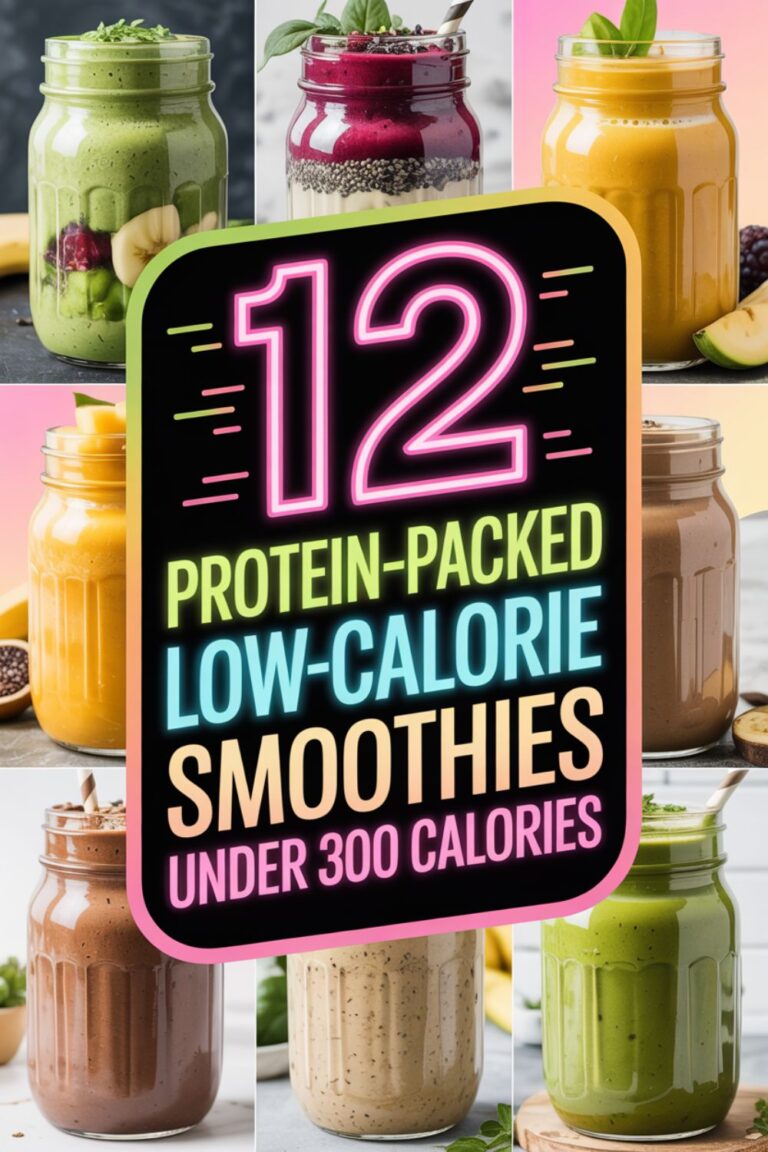
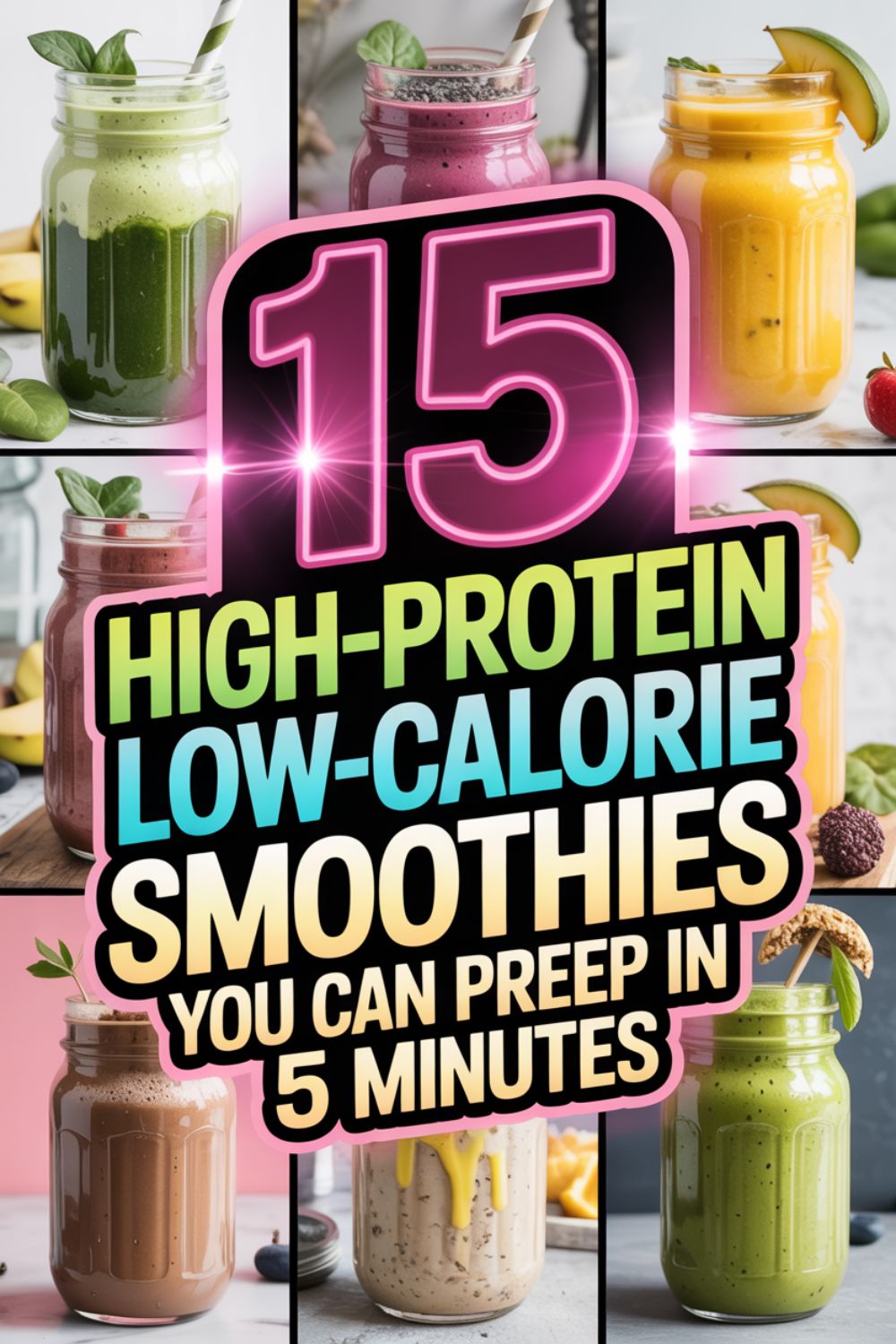
15 High-Protein Low-Calorie Smoothies You Can Prep in 5 Minutes
Look, I get it. You’re staring down another morning where you’ve hit snooze three times, and now you’ve got exactly seven minutes to get something remotely healthy into your body before you sprint out the door. Been there, lived that, probably doing it again tomorrow.
But here’s the thing about protein smoothies that took me way too long to figure out: they don’t have to be complicated, expensive, or taste like chalky sadness. Some of my best smoothies happened because I was literally throwing whatever I had in the fridge into a blender and hoping for the best.
The beauty of high-protein, low-calorie smoothies is that they’re basically your nutritional safety net. According to research from Harvard Health, most adults need about 0.8 grams of protein per kilogram of body weight daily, though that number can go higher if you’re active. And when you’re rushing around? A well-built smoothie delivers that protein without the guilt or the calories that come with, say, stopping for a breakfast sandwich.
Why Protein Matters More Than You Think
Before we dive into recipes, let’s talk about why protein is such a big deal. I used to think protein was just for gym bros chugging shakes in tank tops, but turns out, protein does way more than build muscle.
The Mayo Clinic points out that protein helps you feel fuller longer, which is clutch when you’re trying to avoid the mid-morning vending machine raid. It also helps maintain muscle mass, especially important if you’re cutting calories for weight loss.
Here’s what genuinely surprised me: consuming 15-30 grams of protein at each meal seems to be the sweet spot. More than 40 grams at once doesn’t really give you extra benefits—your body can only process so much at a time. So these smoothies? They’re perfectly portioned to give you what you actually need.
The 5-Minute Formula That Actually Works
Real talk: I’ve tried the whole “prep everything in advance” thing, and sometimes life just doesn’t cooperate. But I’ve cracked the code on making protein smoothies stupidly fast. Here’s what works for me.
First, get yourself a decent blender that can crush ice. You don’t need a $500 Vitamix (though they’re nice). A solid mid-range option like this NutriBullet Pro will do the job without making you remortgage your house.
Second, embrace the freezer. I keep pre-portioned smoothie bags stocked with frozen fruit, and honestly, it’s a game-changer. Just dump, blend, done. I also swear by these silicone freezer trays for portioning out yogurt or nut butter—grab a cube, toss it in, no measuring needed.
The Basic Blueprint
Every killer protein smoothie follows this basic structure:
- Liquid base (1 cup): unsweetened almond milk, coconut water, plain water, or green tea
- Protein source (20-30g): protein powder, Greek yogurt, cottage cheese, or silken tofu
- Fruits/veggies (1-2 cups): frozen berries, spinach, banana, mango, whatever’s on sale
- Healthy fat (1 tbsp): nut butter, avocado, chia seeds, or flax seeds
- Ice (optional): if you want it thicker and colder
The whole thing comes together in literally five minutes. And unlike those fancy smoothie shops charging $12 a pop, you’re looking at maybe $2-3 per serving when you make it at home.
If you’re looking for more protein-packed breakfast ideas beyond smoothies, check out these low-calorie protein-packed breakfasts for busy mornings that are equally quick to throw together.
15 Smoothies That Don’t Suck
Alright, here’s the good stuff. I’ve tested these recipes on myself, my perpetually hangry spouse, and even my picky teenage nephew. If these pass the family test, they’ll work for anyone.
1. Classic Berry Blast
This is my default when I can’t think straight at 6 AM. One cup of frozen mixed berries, one scoop vanilla protein powder, one cup unsweetened almond milk, a handful of spinach (you won’t taste it, I promise), and a tablespoon of almond butter. Blend and go. About 250 calories, 25g protein.
2. Chocolate Peanut Butter Power
If you’re one of those people who thinks healthy food can’t taste good, this will change your mind. One scoop chocolate protein powder, one tablespoon natural peanut butter, half a frozen banana, one cup unsweetened almond milk, and a handful of ice. Tastes like a Reese’s cup, clocks in around 280 calories with 26g protein.
3. Green Machine
Yeah, it’s green. Yeah, it looks weird. But it’s also packed with nutrients and doesn’t taste like lawn clippings. Two cups spinach, half an avocado, half a green apple, one scoop vanilla protein powder, squeeze of lemon juice, and one cup water. Around 240 calories, 22g protein. The avocado makes it ridiculously creamy.
4. Tropical Paradise
When you need a vacation but can only afford 5 minutes of escapism: one cup frozen mango, half cup frozen pineapple, half cup plain Greek yogurt, half cup coconut water, one scoop vanilla protein powder. About 260 calories, 24g protein. Feels like you’re on a beach somewhere instead of at your kitchen counter.
5. Coffee Kick
For when you need breakfast and caffeine in one convenient vessel. One cup cold brew coffee, one scoop chocolate protein powder, half frozen banana, one tablespoon almond butter, handful of ice. Roughly 265 calories, 25g protein. It’s basically an acceptable breakfast milkshake.
6. Cinnamon Roll Delight
This one’s dangerous because it tastes like dessert. Half cup oats (yes, in a smoothie), one scoop vanilla protein powder, one cup unsweetened almond milk, one teaspoon cinnamon, half teaspoon vanilla extract, one tablespoon cashew butter, handful of ice. About 290 calories, 26g protein. The oats give it this thick, milkshake-y texture that’s honestly addictive.
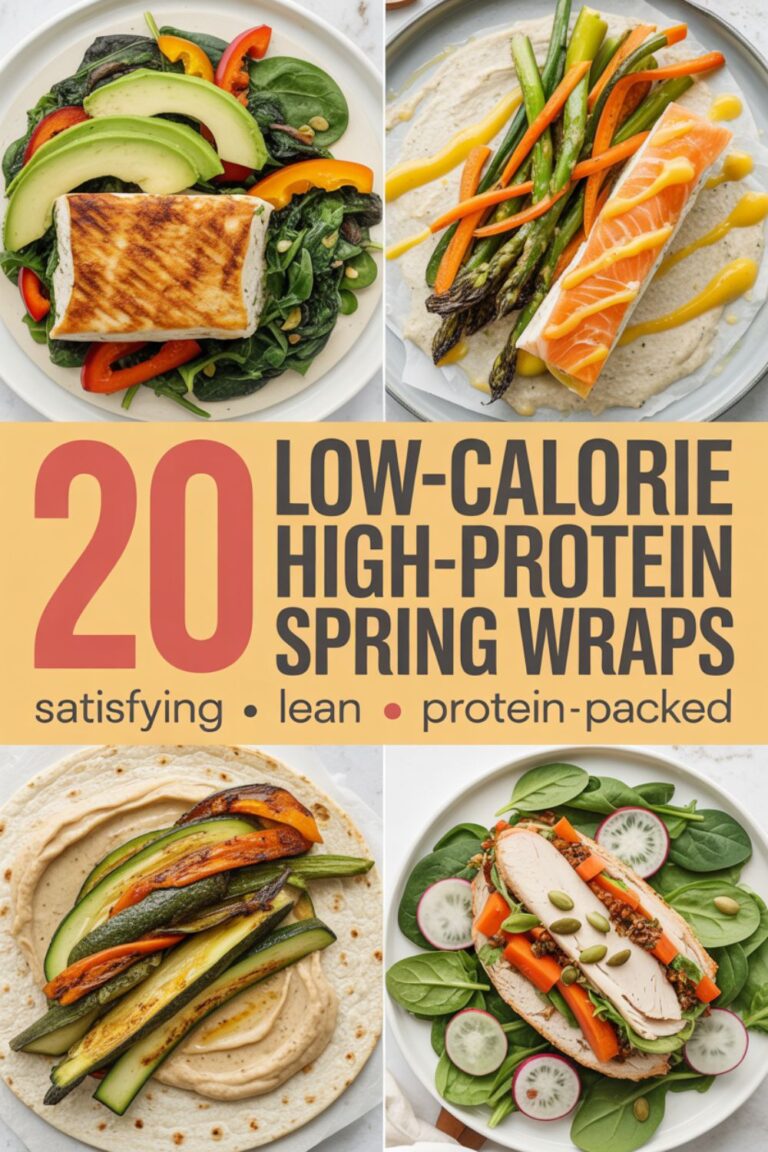
Speaking of quick meal solutions, these low-calorie high-protein wraps are perfect for when you need lunch sorted in the same timeframe.
7. Blueberry Muffin Magic
One cup frozen blueberries, quarter cup oats, one scoop vanilla protein powder, half cup plain Greek yogurt, half cup unsweetened almond milk, pinch of cinnamon. Around 275 calories, 27g protein. Tastes exactly like a blueberry muffin without the sugar crash.
8. Strawberry Cheesecake
One cup frozen strawberries, quarter cup cottage cheese (trust me), one scoop vanilla protein powder, one cup unsweetened almond milk, one teaspoon vanilla extract, handful of ice. About 240 calories, 28g protein. The cottage cheese sounds weird but makes it impossibly creamy.
9. Mint Chocolate Chip
One scoop chocolate protein powder, handful of fresh mint leaves (or half teaspoon mint extract), one cup spinach, one cup unsweetened almond milk, handful of cacao nibs, handful of ice. Around 255 calories, 24g protein. Tastes like those overpriced ice cream shop shakes.
10. Peach Cobbler
One cup frozen peaches, quarter cup oats, one scoop vanilla protein powder, half teaspoon cinnamon, quarter teaspoon nutmeg, one cup unsweetened almond milk. About 270 calories, 25g protein. Summer in a glass, even in January.
11. Pumpkin Spice Everything
Half cup pumpkin puree (not pie filling), one scoop vanilla protein powder, one cup unsweetened almond milk, one teaspoon pumpkin pie spice, half frozen banana, one tablespoon almond butter. Around 280 calories, 24g protein. Fall in a glass, any time of year.
12. Raspberry Vanilla Dream
One cup frozen raspberries, one scoop vanilla protein powder, half cup plain Greek yogurt, one cup unsweetened almond milk, one teaspoon vanilla extract, one tablespoon chia seeds. About 265 calories, 28g protein. The chia seeds add this interesting texture and keep you full forever.
13. Banana Bread Bonanza
One frozen banana, quarter cup oats, one scoop vanilla protein powder, one cup unsweetened almond milk, half teaspoon cinnamon, pinch of nutmeg, one tablespoon walnut butter. Around 295 calories, 26g protein. Tastes like grandma’s banana bread but won’t derail your goals.
14. Cherry Vanilla Bliss
One cup frozen dark cherries, one scoop vanilla protein powder, half cup plain Greek yogurt, one cup unsweetened almond milk, quarter teaspoon almond extract. About 255 calories, 27g protein. Cherries are underrated in smoothies—they’re tart, satisfying, and loaded with antioxidants according to nutrition research.
15. Coconut Cream Pie
Half cup coconut milk (the canned kind), half cup coconut water, one scoop vanilla protein powder, quarter cup shredded unsweetened coconut, half frozen banana, handful of ice. Around 285 calories, 23g protein. This one’s rich, so sip slowly.
The Protein Powder Dilemma
Look, we need to talk about protein powder because it’s confusing as hell. I’ve stood in the supplement aisle for way too long, reading labels and feeling overwhelmed.
Here’s the honest truth: the best protein powder is the one you’ll actually use. Some people love whey, others are lactose intolerant and need plant-based. I personally rotate between unflavored pea protein and vanilla whey isolate depending on what I’m making.
According to Johns Hopkins Medicine, reading the label carefully is crucial. Look for options without excessive added sugars or artificial ingredients. Most quality powders give you 20-25g of protein per scoop, which is perfect for these recipes.
Plant-based proteins have gotten way better over the years. The chalky taste? Mostly gone. Just know that plant proteins might need variety to get all your essential amino acids—mixing different sources throughout the week is smart.
Kitchen Tools That Make Smoothie Life Easier
After years of trial and error (and one exploded blender incident we don’t talk about), here’s what actually works:
Physical Products
- NutriBullet Pro 900 – Powerful enough for frozen fruit, compact enough to actually use daily
- Mason jar variety pack – Perfect for prepping and storage, dishwasher-safe, basically indestructible
- Silicone freezer trays – Portion control for nut butter, yogurt, or leftover smoothie
Digital Resources
- MyFitnessPal Premium – Track your protein intake and customize your macros
- Smoothie Recipe ebook bundle – 200+ tested recipes for every dietary preference
- Meal Prep Planner app – Plan your week, generate shopping lists, avoid food waste
Common Mistakes That’ll Wreck Your Smoothie
I’ve made every smoothie mistake in the book, so let me save you the trouble:
Adding too much fruit. Yes, fruit is healthy. But three bananas, a cup of mango, and some dates? That’s basically a sugar bomb. Stick to 1-1.5 cups of fruit max. If you need more sweetness, try a tiny bit of stevia or just get used to less sweet flavors. Your taste buds adapt faster than you’d think.
Skipping the healthy fat. Fat gets a bad rap, but it’s crucial for keeping you full and helping absorb vitamins. A tablespoon of nut butter or half an avocado makes a massive difference in satiety. Plus, it makes your smoothie taste way better.
Not balancing your liquids. Too much liquid = sad watery smoothie. Too little = your blender’s motor sounds like it’s dying. Start with one cup of liquid, blend, then add more if needed. I learned this the hard way after burning out a cheap blender.
Forgetting about fiber. Protein without fiber is a recipe for digestive issues. Add spinach, chia seeds, flax seeds, or oats. The American Heart Association emphasizes that combining protein with fiber helps with everything from digestion to heart health.
For more ways to hit your protein goals throughout the day, these high-protein low-calorie snacks are clutch for those between-meal moments.
Making Meal Prep Actually Work
Sunday meal prep sounds great in theory. In practice? Sometimes you just don’t have three hours to spend in the kitchen.
Here’s my lazy person’s approach to smoothie prep: I spend 15 minutes on Sunday making smoothie freezer bags. Literally just dump your dry ingredients (frozen fruit, spinach, oats, whatever) into individual bags. In the morning, grab a bag, add your liquid and protein powder, blend. Done in three minutes flat.
Pro move: label your bags with a washable marker so you know what you’re grabbing. Nothing worse than expecting Berry Blast and getting Green Machine when you’re not mentally prepared for it.
Another option: batch-prep your protein portions. Measure out scoops of protein powder into small reusable containers so you’re not fumbling with a giant tub at 6 AM. Sounds ridiculous, but it genuinely saves time when you’re half-asleep.
If you’re into the whole meal prep thing, you’ll probably love these low-calorie high-protein meals perfect for meal prep. Same time-saving philosophy, different meals.
The Cost Factor Nobody Talks About
Let’s be real about money for a second. Those fancy smoothie shops charge $10-15 per smoothie. Make it at home? You’re looking at $2-4 depending on your ingredients.
Here’s how I keep costs down without sacrificing quality:
- Buy frozen fruit on sale: It’s flash-frozen at peak ripeness, often cheaper than fresh, and lasts forever in your freezer
- Generic protein powder works fine: Unless you have specific dietary needs, the store brand is usually comparable to name brands
- Bulk buy your seeds and nuts: Costco, Sam’s Club, or even Amazon have way better prices than your regular grocery store
- Grow your own spinach: Sounds extra, but it’s actually stupidly easy and saves a ton over time
I calculated it once—making smoothies at home five days a week saved me over $1,500 a year compared to buying them. That’s a solid vacation or a really nice high-end blender upgrade.
What About Post-Workout?
The post-workout smoothie thing isn’t just bro science—there’s actually solid research behind it. Research suggests consuming protein within a couple hours after exercise helps with muscle recovery and growth.
My go-to post-workout formula: more protein (30g), some quick carbs for glycogen replenishment, and easily digestible ingredients. So basically, the Chocolate Peanut Butter Power smoothie with an extra half scoop of protein and maybe a few dates thrown in.
The Coffee Kick smoothie is also clutch post-workout because caffeine can actually help with recovery and reduce muscle soreness. Just don’t drink it too late in the day unless you enjoy staring at your ceiling at midnight.
For a complete post-workout nutrition strategy, these low-calorie high-protein recipes for muscle recovery cover all your bases beyond just smoothies.
Customizing for Dietary Restrictions
One of the best things about smoothies is how easy they are to customize. Vegan? Swap Greek yogurt for coconut yogurt, use plant-based protein, and you’re good. Dairy-free? Most of these recipes already are, but just watch your protein powder choice.
Keto folks can make these work too—skip the banana and oats, add more healthy fats, use a low-carb protein powder, and throw in some MCT oil or coconut oil for extra fat content.
Nut allergies? Use sunflower seed butter or tahini instead of nut butter. Both work great and add that creamy texture you need. The tahini gives smoothies this interesting savory note that’s actually really good in the Green Machine recipe.
For more plant-based options, check out these high-protein low-calorie vegan meals that prove you don’t need animal products to hit your protein goals.
Troubleshooting When Things Go Wrong
Your smoothie’s too bitter? Add a tiny pinch of salt or a few drops of vanilla extract. Sounds weird, works perfectly.
Too thick and your straw’s basically useless? Thin it out with water, not more liquid calories. Or just embrace it and eat it with a spoon like a smoothie bowl situation.
Not sweet enough? Try frozen banana (adds sweetness without added sugar), a couple dates, or just a tiny bit of honey or maple syrup. Start small—you can always add more, but you can’t take it back.
Blender keeps getting stuck? You’re probably not adding ingredients in the right order. Liquids first, then soft ingredients, then frozen stuff and ice on top. This helps create a vortex that pulls everything down toward the blades.
Smoothie separating after a few minutes? Add some chia seeds or a bit of xanthan gum. Chia’s natural, adds fiber and omega-3s, and keeps everything mixed together.
Questions Everyone Asks
Can I replace meals with these smoothies?
Honestly? Sometimes, yeah. If your smoothie has enough protein, healthy fats, and fiber, it can work as a meal replacement. But I wouldn’t recommend doing it for every meal—your body needs variety, and chewing actual food has benefits for satiety and digestion. I usually do smoothies for breakfast and maybe post-workout, but stick to solid food for other meals.
How long do these smoothies last in the fridge?
Ideally, drink them right away for best taste and nutrition. But real talk? They’ll last 24 hours in the fridge in a sealed container. The color might separate a bit and look weird, but just shake it up and it’s fine. I’ve definitely made smoothies the night before for grab-and-go mornings. Just don’t push it past 24 hours—things get funky.
Are smoothies actually better than just eating the ingredients?
There’s debate on this. Blending breaks down the fiber structure, which some say affects how your body processes it. But according to Northwestern Medicine, smoothies retain all the fiber unlike juicing, which is the key difference. The real benefit? You’ll actually consume more fruits and veggies in smoothie form than you would sitting down to eat them whole.
Will protein powder mess up my kidneys?
Not if your kidneys are healthy to begin with. This myth needs to die. Research shows that protein intake within reasonable amounts—even higher than standard recommendations—is safe for healthy individuals. If you have existing kidney issues, talk to your doctor. For everyone else? You’re fine. The amounts in these smoothies are nowhere near excessive.
Can kids drink these smoothies?
Absolutely, but you might want to adjust the protein content based on their age and size. Kids don’t need 25-30g of protein in one sitting. I usually make smaller portions for kids or split one smoothie between siblings. Also, you might need to make them a bit sweeter—kids’ taste buds are more sensitive to bitter flavors, so extra banana or a touch of honey helps.
The Bottom Line
Here’s what I’ve learned after making literally hundreds of smoothies: they don’t have to be complicated, expensive, or time-consuming to be effective. These 15 recipes work because they’re built on a solid nutritional foundation—adequate protein, controlled calories, real ingredients—not because they follow some trendy superfood fad.
The best smoothie is the one you’ll actually make and drink consistently. If that means the same Berry Blast every single morning because it’s easy and you like it? Do that. There’s no award for most creative smoothie combination. Just make something that works for your taste buds, your schedule, and your goals.
Start with one or two recipes from this list. Get comfortable with the process. Then branch out if you want. Or don’t—consistency beats variety when it comes to healthy habits. I’ve been rotating the same five smoothies for two years, and it works perfectly.
The five-minute thing isn’t an exaggeration, by the way. Once you get your routine down and have your ingredients prepped, it genuinely takes less time than waiting in a drive-thru line. And you’ll feel a hell of a lot better afterward.