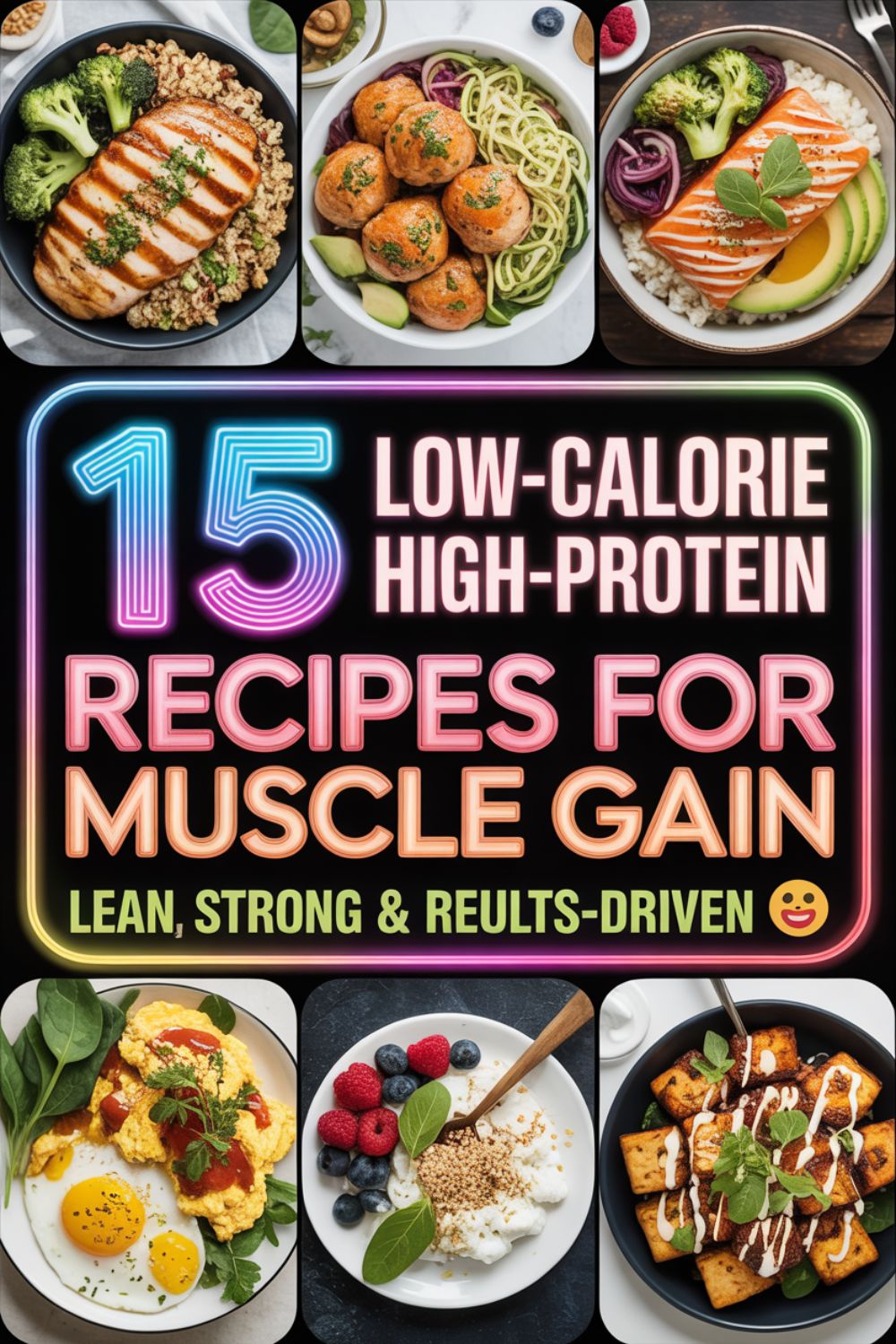
15 Low-Calorie High-Protein Recipes for Muscle Gain
Look, I’m gonna be straight with you—muscle gain doesn’t require choking down bland chicken breast and broccoli for every meal. Been there, done that, got the food boredom to prove it. What you actually need is protein that’s packed with flavor, keeps calories in check, and doesn’t leave you feeling like you’re eating cardboard.
Here’s the thing about building muscle: your body needs the right fuel. Research shows that protein intake plays a crucial role in muscle protein synthesis, especially when you’re hitting the weights consistently. But the trick isn’t just eating more protein—it’s eating smart protein that won’t derail your calorie goals.
I’ve spent the last few years testing recipes that actually work for muscle gain without packing on unwanted fat. These 15 recipes hit that sweet spot between delicious and functional. They’re high in protein, low in calories, and honestly? Some of them have become staples I make even when I’m not actively bulking.
Why Low-Calorie High-Protein Recipes Actually Matter
Here’s what most people get wrong about muscle gain: they think you need a massive calorie surplus to build muscle. Sure, you need enough calories, but going overboard just means you’re gaining fat alongside muscle. Not exactly the look most of us are going for, right?
The science backs this up pretty clearly. Studies indicate that protein intake of around 1.6 grams per kilogram of body weight per day supports muscle growth when combined with resistance training. What’s interesting is that more isn’t always better—there’s a point where additional protein doesn’t translate to more gains.
Low-calorie high-protein recipes let you hit your protein targets without accidentally consuming way more calories than you need. Think of it as precision nutrition. You’re giving your muscles exactly what they need to grow and repair, minus the excess that just turns into body fat.
The 15 Recipes That’ll Transform Your Muscle Gain Journey
1. Greek Yogurt Protein Pancakes
These aren’t your standard IHOP pancakes, but honestly? They’re better. I use whole grain oat flour mixed with Greek yogurt, egg whites, and a scoop of vanilla protein powder. The result is fluffy, satisfying pancakes that pack about 25 grams of protein per serving with only 220 calories.
What I love most is how versatile they are. Top them with fresh berries (keeps calories low) or if you’re feeling fancy, a drizzle of sugar-free maple syrup. They reheat beautifully too, so I make a batch on Sunday and grab them throughout the week. Get Full Recipe.
2. Spicy Tuna Stuffed Avocados
This one’s a game-changer for lunch. Mix canned tuna (the good stuff packed in water) with a little sriracha, lime juice, and diced cucumber. Spoon it into halved avocados, and you’ve got a meal with 28 grams of protein and healthy fats that keep you full for hours.
I keep premium canned tuna stocked in my pantry because it’s literally ready in five minutes. The avocado adds creaminess and those heart-healthy monounsaturated fats your body actually needs. Plus, it looks impressive enough to serve to guests. Get Full Recipe.
3. Lemon Herb Chicken Skewers
Chicken gets a bad rap for being boring, but that’s only true if you cook it like it’s 1995. These skewers marinate in lemon juice, fresh herbs (I’m partial to rosemary and thyme), and garlic. Thread them onto reusable metal skewers and either grill them or use your oven’s broiler.
Each serving delivers 30 grams of protein for under 200 calories. The lemon helps tenderize the chicken while adding brightness. I usually make extra because they’re fantastic cold in salads the next day.
Speaking of protein-packed options, you might also appreciate these high-protein dinner ideas that follow the same philosophy of maximum protein, minimum calories.
4. Cauliflower Fried Rice with Shrimp
Real talk: I was skeptical about cauliflower rice for way too long. But when you pulse it in a food processor and stir-fry it with shrimp, eggs, and vegetables, it’s legitimately satisfying. You get all the texture and flavor of fried rice with a fraction of the calories.
Shrimp is criminally underrated for muscle gain. It’s almost pure protein—about 24 grams per serving with barely any fat or carbs. Toss in some frozen peas and carrots, scramble in an egg or two, and finish with a splash of low-sodium soy sauce. The whole dish clocks in around 280 calories with 32 grams of protein.
5. Turkey Meatball Lettuce Wraps
Lean ground turkey mixed with Italian seasonings, minced garlic, and a little grated Parmesan. Form them into meatballs and bake on a silicone baking mat—seriously, these things are magic for cleanup. Wrap them in crisp lettuce leaves with some marinara sauce.
Each wrap gives you roughly 22 grams of protein for about 180 calories. The lettuce adds crunch without carb-loading you into a food coma. I prep these on Sundays and keep them refrigerated. They’re perfect for those nights when you’re too tired to actually cook but still need to hit your macros. Get Full Recipe.
6. Protein-Packed Egg White Frittata
Egg whites are basically nature’s muscle-building supplement. This frittata combines them with spinach, cherry tomatoes, and lean turkey sausage. Bake it in a cast iron skillet for that perfect golden crust.
One slice delivers 26 grams of protein and only 160 calories. Make the whole frittata on meal prep day and you’ve got breakfast sorted for the entire week. It reheats well and tastes just as good cold if you’re in a rush.
7. Baked Cod with Roasted Brussels Sprouts
Fish doesn’t get enough love in muscle-building circles, which is weird because cod is essentially protein in fish form. A 6-ounce serving has 32 grams of protein and about 180 calories. Season it with paprika and garlic powder, bake it on parchment paper, and serve alongside Brussels sprouts roasted with a tiny drizzle of olive oil.
The Brussels sprouts add fiber that keeps your digestive system happy—trust me, when you’re eating 150+ grams of protein daily, fiber becomes your best friend. Research on protein metabolism suggests that spreading your protein intake throughout the day optimizes muscle protein synthesis better than consuming it all in one or two large meals.
For more easy fish and lean protein ideas, check out these simple 5-ingredient high-protein recipes that keep meal prep ridiculously simple.
8. Cottage Cheese Chocolate Mousse
Yeah, you read that right. Blend cottage cheese (go for the low-fat version) with cocoa powder, a touch of stevia or monk fruit sweetener, and vanilla extract. The result is this creamy, chocolatey dessert that has 20 grams of protein per serving with under 150 calories.
I was honestly blown away the first time I made this. It completely kills sweet cravings while actually contributing to your protein goals. Sometimes I add a spoonful of natural peanut butter on top because I’m not a complete monk.
9. Zucchini Noodles with Lean Beef Bolognese
Spiralize zucchini using a vegetable spiralizer and top it with a meat sauce made from extra-lean ground beef, crushed tomatoes, and Italian herbs. The zucchini noodles give you that pasta satisfaction without the calorie bomb.
This dish provides about 28 grams of protein per serving with roughly 320 calories. The beef adds iron and B vitamins that support energy production—important when you’re training hard. I usually double the sauce recipe and freeze half for those weeks when life gets hectic.
10. Protein-Loaded Black Bean Burgers
These aren’t the sad veggie burgers you’re thinking of. Black beans mashed with oats, egg whites, and seasonings, formed into patties and pan-seared until crispy. Each burger packs 18 grams of protein (add a slice of low-fat cheese for 6 more grams) and about 240 calories.
Serve them on lettuce wraps instead of buns if you’re really watching calories, or go for a whole wheat bun if you need the extra carbs around training time. They freeze incredibly well, so batch cooking is your friend here. Get Full Recipe.
11. Lemon Garlic Salmon Packets
Salmon fillets with lemon slices, minced garlic, and asparagus, all wrapped in aluminum foil and baked. It’s like a little gift you give yourself. Each packet has about 34 grams of protein and 290 calories, plus those omega-3 fatty acids that support recovery and reduce inflammation.
The foil packet method means zero cleanup—literally just toss the foil when you’re done. I prep multiple packets at once and refrigerate them. When dinner time hits, just pop one in the oven. Done in 18 minutes.
If you’re into meal prep efficiency, definitely explore these meal prep-friendly high-protein recipes that make weekly planning a breeze.
Kitchen Tools That Make These Recipes Stupid Easy
Look, you don’t need a kitchen full of gadgets, but these few things genuinely save time and make cooking less of a chore:
- Cast Iron Skillet (10-inch) – Use it for frittatas, searing chicken, and pretty much everything. Mine’s lasted 6 years and counting.
- Food Scale – Essential for actually knowing your portion sizes. Eye-balling protein servings is how you end up way off on your macros.
- Glass Meal Prep Containers (Set of 10) – Microwave-safe, dishwasher-safe, and they don’t stain like plastic. Worth every penny.
- MyFitnessPal Premium – Tracks macros automatically and has a massive food database. Makes hitting protein targets way less stressful.
- Macro Calculator App – Calculates exactly how much protein you need based on your weight, activity level, and goals. No more guessing.
- Meal Prep Templates (Digital Download) – Pre-made weekly plans that balance protein, carbs, and fats. Saves hours of planning time.
12. Vanilla Protein Overnight Oats
Mix oats with protein powder, unsweetened almond milk, chia seeds, and a bit of cinnamon. Let it sit overnight in the fridge. Wake up to breakfast that requires literally zero effort.
Each serving has 25 grams of protein and about 280 calories. The chia seeds add fiber and omega-3s. Top with fresh berries in the morning for antioxidants and a touch of natural sweetness. I use small mason jars to make five servings at once—breakfast sorted for the workweek.
13. Chicken Spinach Stuffed Peppers
Bell peppers halved and stuffed with a mixture of ground chicken, spinach, quinoa, and a light tomato sauce. Bake until the peppers are tender and slightly charred. Each pepper boat gives you roughly 26 grams of protein for 245 calories.
The peppers themselves are packed with vitamin C, which actually helps with iron absorption from the chicken—your body is pretty smart about using what you feed it. These reheat beautifully and look way fancier than the effort required. Get Full Recipe.
14. Protein-Enhanced Smoothie Bowl
Blend frozen berries, protein powder, Greek yogurt, and a splash of almond milk until thick. Pour into a bowl and top with sliced almonds, coconut flakes, and fresh fruit. It’s basically ice cream for breakfast but with 30 grams of protein and 320 calories.
I use a high-powered blender for this because regular blenders struggle with frozen fruit. The thickness is key—you want it spoonable, not drinkable. It’s more satisfying to eat with a spoon anyway, weird as that sounds.
For more breakfast inspiration that keeps protein high, browse these protein-packed breakfast bowls designed for rushed mornings.
15. Grilled Turkey Breast with Quinoa Salad
Marinate turkey breast in balsamic vinegar, Dijon mustard, and herbs. Grill it and slice thin. Serve over a quinoa salad mixed with cucumbers, tomatoes, and a lemon vinaigrette. This meal delivers 35 grams of protein with about 380 calories.
Turkey breast is leaner than chicken breast, believe it or not. Quinoa adds complete protein (it contains all nine essential amino acids) plus fiber and complex carbs. It’s the kind of meal that leaves you satisfied without that heavy, sluggish feeling. Get Full Recipe.
How to Actually Use These Recipes for Real Muscle Gain
Having recipes is great, but let’s talk strategy because randomly eating high-protein meals won’t magically build muscle. You need a plan.
First, figure out your protein target. Scientific evidence suggests that consuming 1.6 grams of protein per kilogram of body weight is the sweet spot for muscle growth when you’re training consistently. For a 180-pound person, that’s about 130 grams of protein daily.
Spread that protein across 4-5 meals. Your body can only process so much protein at once for muscle building—around 20-40 grams per meal seems to be optimal. Eating 100 grams of protein in one sitting doesn’t give you mega-gains; it just gives you expensive urine.
Timing matters somewhat, but not as much as internet gurus claim. Getting protein within a few hours after training is beneficial, but it’s not a magic 30-minute window where your muscles instantly shrivel if you don’t chug a shake. Focus on total daily protein intake first, meal timing second.
The Mistakes I Made So You Don’t Have To
When I first started focusing on high-protein eating for muscle gain, I did basically everything wrong. Figured I’d save you some trouble by sharing what not to do.
Mistake #1: Obsessing over “clean” foods. There’s no magical muscle-building property in chicken breast that’s absent in other protein sources. Yeah, chicken is great, but salmon, turkey, lean beef, eggs, Greek yogurt, and even plant-based proteins all work. Variety actually helps because different protein sources provide different amino acid profiles and nutrients.
Mistake #2: Ignoring vegetables. I was so focused on hitting protein targets that I basically survived on meat and protein powder. Guess what happened? Felt like garbage, digestion was a nightmare, and my energy crashed. Vegetables provide fiber, vitamins, minerals, and phytonutrients your body needs to actually function well. Most of these recipes include vegetables for exactly this reason.
Mistake #3: Not tracking anything. You cannot eyeball portions and expect consistent results. Get a food scale, weigh your protein sources, and actually know what you’re eating. I thought I was eating 150 grams of protein daily but was closer to 90. No wonder I wasn’t seeing the gains I expected.
For those just starting their muscle-building journey, these beginner-friendly high-protein meals provide a gentler introduction to strategic eating.
Protein Quality: Does It Actually Matter?
Short answer: yes, but probably not as much as supplement companies want you to believe. All protein isn’t created equal—some sources are more efficiently used by your body than others.
Animal proteins (chicken, fish, beef, eggs, dairy) are considered “complete proteins” because they contain all nine essential amino acids your body can’t make on its own. Plant proteins like beans and lentils are often incomplete, missing one or more essential amino acids. But here’s the thing: if you eat a variety of plant proteins throughout the day, you still get all the amino acids you need. Your body’s pretty good at combining them.
Leucine content is worth considering. It’s an amino acid that particularly triggers muscle protein synthesis. Animal proteins are generally higher in leucine than plant proteins. This doesn’t mean plant proteins don’t work—they absolutely do—but you might need slightly more total protein to get the same muscle-building effect.
IMO, the “best” protein source is the one you’ll actually eat consistently. If you hate chicken, don’t force yourself to eat it just because some fitness influencer swears by it. Find protein sources you enjoy and build meals around those.
Making These Recipes Work With Your Lifestyle
Real talk: if these recipes don’t fit into your actual life, you won’t make them. Doesn’t matter how perfect the macros are. So let’s talk practical application.
If you work long hours, batch cooking is non-negotiable. Pick two recipes every weekend and make large batches. The turkey meatballs, chicken skewers, and overnight oats all keep well for 4-5 days refrigerated. Some, like the meatballs and stuffed peppers, freeze beautifully for up to three months.
If you travel frequently, recipes like the tuna-stuffed avocados and protein overnight oats work great. Keep protein powder packets and a portable blender bottle in your bag. Hotel room with a mini-fridge? You can still hit your protein targets with minimal cooking.
If you’re feeding a family who isn’t interested in “fitness food,” most of these recipes are normal enough that others will eat them happily. The turkey bolognese, stuffed peppers, and chicken skewers are basically regular meals that happen to be macro-friendly. Serve regular pasta to your family and zucchini noodles to yourself. Problem solved.
If you’re on a tight budget, focus on eggs, canned tuna, Greek yogurt, and chicken thighs (cheaper than breasts and honestly more flavorful). Frozen vegetables work just as well as fresh and cost less. Bulk protein powder is more economical than buying individual servings.
Athletes needing extra recovery support should check out these muscle recovery-focused recipes that emphasize nutrient timing and anti-inflammatory ingredients.
Frequently Asked Questions
How much protein do I actually need to build muscle?
Most research points to around 1.6 grams of protein per kilogram of body weight (about 0.73 grams per pound) as optimal for muscle growth when combined with resistance training. Going higher than this doesn’t seem to provide additional benefits for most people. For a 150-pound person, that’s roughly 110 grams of protein daily.
Can I build muscle while losing fat with these recipes?
Yes, especially if you’re relatively new to training or returning after time off. It’s called body recomposition. The key is eating enough protein to support muscle growth while maintaining a small calorie deficit for fat loss. These low-calorie high-protein recipes are designed exactly for this scenario—they give your muscles the protein they need without excess calories that would prevent fat loss.
Do I need protein powder or can I get everything from food?
You absolutely can get all your protein from whole foods. Protein powder is just convenient—it’s not magic. I use it mainly in smoothies and overnight oats because it’s easy and tastes good. But chicken, fish, eggs, Greek yogurt, and lean beef all work perfectly well. Choose based on your preference and schedule.
What if I’m vegetarian or vegan?
Many of these recipes can be adapted with plant-based proteins. Swap chicken for extra-firm tofu or tempeh, use beans or lentils instead of ground meat, and choose plant-based protein powders for the smoothies and overnight oats. You might need slightly more total protein since plant proteins are less efficiently absorbed, but you can absolutely build muscle on a plant-based diet. Check out these high-protein vegan meals for more options.
How long before I see results from eating high-protein meals?
FYI, visible muscle growth takes time—usually 8-12 weeks of consistent training and proper nutrition before you notice significant changes. Strength gains often come faster, sometimes within 2-4 weeks. The key is consistency. Making these recipes once won’t do anything. Making them a regular part of your routine while training consistently? That’s when results happen.
Final Thoughts
Building muscle doesn’t require suffering through boring meals or spending hours in the kitchen. These 15 recipes prove you can eat food that actually tastes good while hitting your protein targets and keeping calories in check.
The real secret isn’t finding the perfect recipe or the optimal macro split. It’s consistency. Make a few of these recipes each week. Track your protein intake. Train with intention. Give it time. Results come from doing the boring fundamentals repeatedly, not from finding some magic meal that transforms your physique overnight.
Start with two or three recipes that sound good to you. Make them this week. See how you feel. Adjust as needed. That’s honestly it. Muscle gain is simple (eat enough protein, train hard, be patient) but not easy. These recipes just make the eating part considerably less annoying.
Now stop reading and go cook something.