15 Low-Calorie High-Protein Recipes You Can Freeze and Reheat
Look, I’m just gonna say it—meal prep gets a bad rap because most people are doing it wrong. They’re chopping vegetables on Sunday evening with tears in their eyes, wondering why they signed up for this torture, only to end up with soggy salads by Wednesday.
Here’s what actually works: freezer-friendly, protein-packed meals that don’t taste like cardboard when you reheat them. No sad desk lunches. No emergency pizza orders because you “forgot” to prep. Just real food that actually freezes well and tastes good when you thaw it out.
I’ve spent years testing recipes that hold up in the freezer, and trust me, not everything makes the cut. Lettuce? Absolutely not. Cream-based sauces? Disaster. But proteins, grains, and the right vegetables? Those are your freezer MVPs.
Why Freezer Meals Are Your Secret Weapon
The freezer is basically a time machine for food. You cook once, eat multiple times, and your future self gets to skip the whole “what’s for dinner” meltdown. According to USDA food safety guidelines, properly frozen meals can maintain quality for two to three months, which means you can batch cook on a free Sunday and coast through those chaotic weeknights.
But here’s the thing nobody tells you: not all meals freeze equally. I learned this the hard way after wasting a perfectly good batch of cream-based pasta that separated into a weird, grainy mess. Now I stick to recipes that actually improve in the freezer—think chilis, soups, casseroles, and marinated proteins.
The Science Behind Freezing
Freezing food at 0°F basically hits pause on bacteria growth. The microbes don’t die—they just take a nap until you thaw everything out. That’s why proper storage matters so much. You need airtight containers or vacuum-sealed bags to prevent freezer burn, which is just a fancy term for ice crystals destroying your food’s texture.
I use a mix of glass containers with snap-lock lids for stuff I’m eating within two weeks and heavy-duty freezer bags for longer storage. The glass ones are great because you can see exactly what’s inside without playing freezer roulette.
Protein: The Muscle Recovery Hero
Let’s talk about why protein matters beyond just “getting gains.” Research published in the European Journal of Clinical Nutrition shows that protein consumption helps reduce muscle damage and enhances recovery after exercise. Your muscles are basically tiny construction sites that need building materials—amino acids from protein—to repair and rebuild after you’ve worked them hard.
The sweet spot for most active people is around 1.4 to 2 grams of protein per kilogram of body weight daily. That might sound like a lot, but when you’re eating high-protein meals throughout the day, it’s actually pretty manageable. If you’re curious about hitting those protein targets without overthinking every meal, check out these high-protein meal ideas for beginners.
Best Proteins for Freezing
Not all proteins freeze the same way. Chicken, turkey, beef, and pork are absolute champions—they freeze beautifully and maintain their texture when reheated. Fish works too, though I prefer fattier varieties like salmon over delicate white fish. Plant-based proteins like lentils, chickpeas, and tofu also freeze well, making them perfect for vegan meal prep.
One trick I swear by: portioning proteins into individual servings before freezing. Instead of one giant block of chicken that requires a chisel to separate, I freeze portions in parchment paper squares stacked in a container. Future me is always grateful for past me’s organizational skills.
The $12 Tool That Saves 20 Minutes Per Prep Session
Stop wrestling with frozen meat blocks. The OXO Meat Chopper & Masher breaks up ground proteins perfectly and works like magic for portioning without mess. Sounds weird, works brilliantly. See it here →
15 Freezer-Friendly Recipes That Actually Deliver
1. Turkey Chili with Black Beans
This is my go-to when I need something hearty that won’t wreck my calorie budget. Ground turkey keeps things lean while black beans add fiber and extra protein. The spices actually deepen in flavor as it sits in the freezer—one of those magical meals that tastes better after freezing.
I make a huge batch in my eight-quart stockpot, portion it into individual servings, and freeze flat in bags. When reheating, I add a squeeze of lime and some fresh cilantro to brighten everything up. Get Full Recipe.
2. Chicken Fajita Bowls
These bowls are ridiculously versatile. I season chicken breast with cumin, paprika, and garlic, then grill it alongside peppers and onions. Everything goes into containers with brown rice or cauliflower rice for a lower-carb option.
The trick is slightly undercooking the vegetables—they’ll finish cooking when you reheat. Add fresh toppings like salsa, Greek yogurt, and avocado after reheating because those don’t freeze well. Get Full Recipe.
3. Lemon Herb Baked Salmon Portions
Salmon is one of those proteins that freezes surprisingly well if you do it right. I bake individual portions with lemon slices and herbs, then freeze them in freezer-safe parchment packets. The fish stays moist and flaky when reheated in the oven at 350°F for about 15 minutes.
Pair it with roasted Brussels sprouts and sweet potato chunks—both freeze beautifully. If you’re looking for more ways to incorporate fish into your meal prep, these sheet pan dinners make it ridiculously easy.
4. Beef and Broccoli Stir-Fry
Takeout vibes without the sodium bomb. I use lean beef sirloin, fresh broccoli, and a sauce made from low-sodium soy sauce, ginger, and garlic. The key is blanching the broccoli first—it stays crisp instead of turning into mush.
Serve over cauliflower rice to keep it low-calorie or regular rice if you need more carbs. I freeze the beef and broccoli separately from the rice because they reheat at different rates. Get Full Recipe.
5. Mediterranean Chicken Meatballs
These meatballs are loaded with feta, spinach, and sun-dried tomatoes. I bake them on a rimmed baking sheet lined with parchment, then freeze them on a tray before transferring to bags. This prevents them from sticking together in one massive meatball clump.
They’re perfect for tossing into marinara sauce, adding to salads, or eating straight from the container when you’re standing in front of the freezer at midnight. Get Full Recipe.
6. Vegetarian Lentil Curry
This curry is proof that plant-based proteins can be incredibly satisfying. Red lentils, chickpeas, coconut milk, and a ton of spices create a thick, warming stew that freezes like a dream.
I portion it with brown rice or naan bread—yes, naan freezes well too. Just wrap individual pieces in foil before freezing. When you’re ready to eat, pop the naan in the toaster while the curry reheats. For more plant-based options, check out these vegan high-protein meals.
7. Turkey and Spinach Lasagna
Lasagna might be the ultimate freezer meal. Layer ground turkey, ricotta mixed with spinach, marinara, and whole wheat noodles in a disposable aluminum pan. Freeze before baking for best results—the texture holds up better than freezing after cooking.
When you’re ready to eat, bake straight from frozen at 375°F for about an hour. Cover with foil for the first 45 minutes to prevent burning. Get Full Recipe.
8. Sesame Ginger Chicken Thighs
Dark meat gets a bad rap, but chicken thighs are actually more forgiving in the freezer than breasts—they stay juicier. I marinate them in sesame oil, ginger, and low-sodium soy sauce before grilling.
Pair with snap peas and brown rice for a complete meal. The thighs are so flavorful that you don’t need heavy sauces, which keeps the calorie count reasonable. Get Full Recipe.
9. Shrimp and Vegetable Stir-Fry
Shrimp cooks so fast that it’s perfect for busy nights. I prep bags with raw shrimp, bell peppers, snap peas, and mushrooms, then freeze them with the sauce already added. When it’s dinner time, everything goes straight into a hot wok or large skillet.
The whole thing cooks in under 10 minutes from frozen. It’s basically fast food, but actually good for you. Get Full Recipe.
10. Pulled Pork Lettuce Wraps
Slow-cooked pork shoulder shredded and portioned into bags is one of my freezer staples. I season it with a dry rub—paprika, cumin, garlic powder, and a touch of brown sugar—then let it cook low and slow.
The pork freezes beautifully and reheats without drying out. Serve in lettuce cups with coleslaw for a low-carb meal or in whole wheat wraps if you need more substance. Speaking of slow cooker wins, these slow cooker meals are all freezer-friendly too.
11. Egg Muffin Cups
Breakfast meal prep that actually works. Whisk eggs with turkey sausage, bell peppers, and cheese, then pour into a silicone muffin pan. Bake until set, cool completely, and freeze in bags.
Pop them in the microwave for 60 seconds and you’ve got hot breakfast. Way better than drive-through breakfast sandwiches, and you know exactly what’s in them. Get Full Recipe.
12. Moroccan Chickpea Stew
This stew is loaded with chickpeas, sweet potatoes, tomatoes, and warming spices like cinnamon and cumin. It’s one of those meals where the flavors marry beautifully in the freezer.
I serve it over couscous or quinoa—both freeze well when stored separately. Add a dollop of Greek yogurt when serving for extra protein and creaminess. Get Full Recipe.
13. Teriyaki Beef Strips
Thin-sliced beef marinated in homemade teriyaki sauce (way less sugar than store-bought) is perfect for quick dinners. I freeze the beef in the marinade in flat bags, which speeds up both freezing and thawing.
When you’re ready to cook, just dump the whole thing into a hot pan. Add some broccoli and you’re done. For more Asian-inspired ideas, check out these quick prep bowls.
14. White Bean and Kale Soup
This soup is basically a hug in a bowl. White beans provide protein and fiber, while kale adds vitamins without wilting into oblivion when frozen. I add Italian sausage for extra protein and flavor.
The soup actually tastes better after a few days in the freezer—the flavors meld together. I freeze it in individual portions using wide-mouth mason jars, leaving about an inch at the top for expansion. Get Full Recipe.
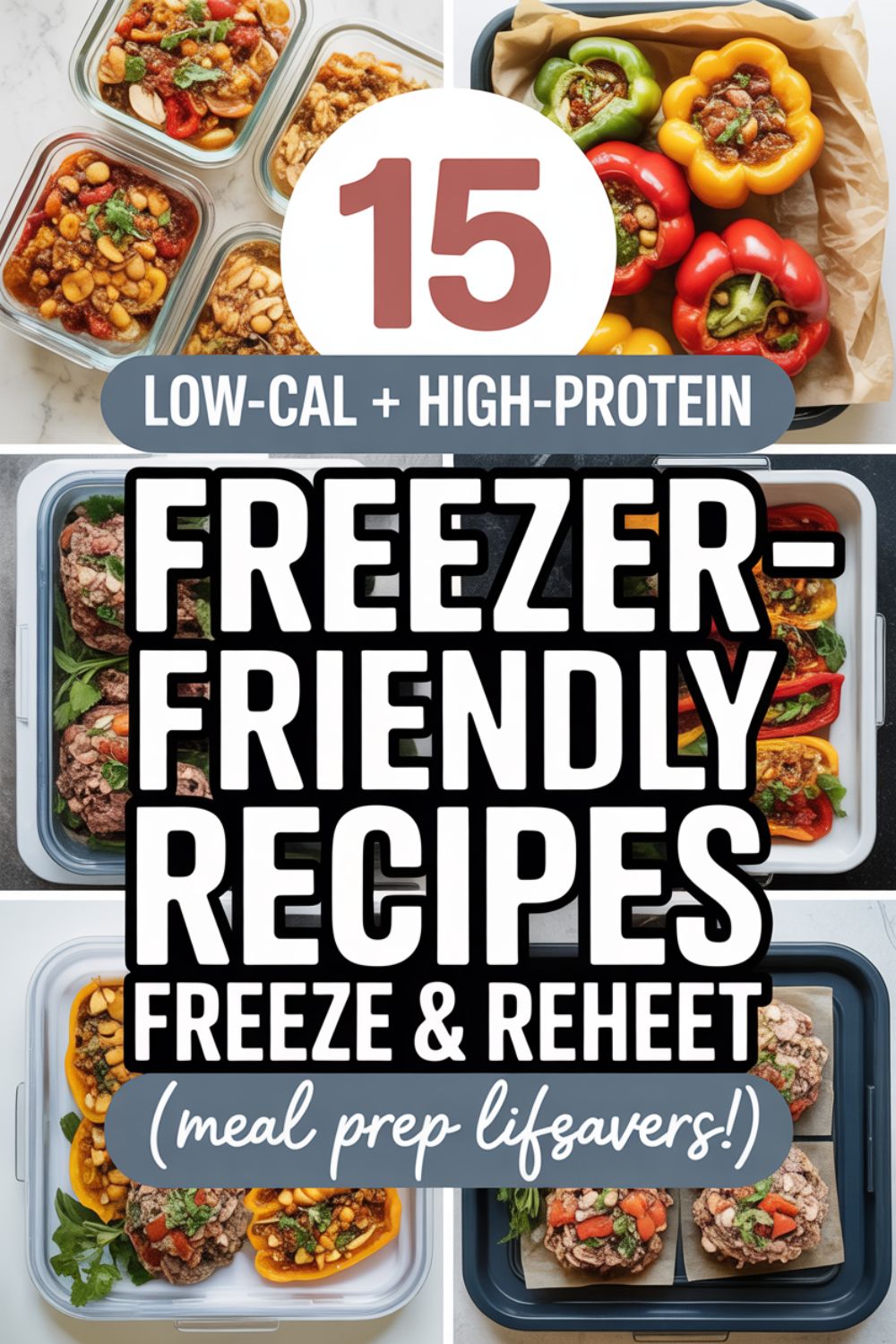
15. Stuffed Bell Peppers
Classic for a reason. I fill bell peppers with a mixture of ground turkey, quinoa, black beans, and diced tomatoes. They freeze individually, which makes portion control automatic.
Bake straight from frozen at 375°F for about 45 minutes. Top with a sprinkle of cheese in the last 10 minutes if you want, though they’re perfectly good without it. Get Full Recipe.
The Freezing Fundamentals Nobody Talks About
Cool It Down First
This is where people mess up. Never put hot food directly into the freezer—you’ll raise the temperature of everything around it, which can cause other items to partially thaw. Let everything cool to room temperature first, or speed it up by spreading food in shallow containers.
I’ve started using an ice bath method: put the pot of soup or chili in a sink filled with ice water. Stir occasionally and it cools way faster than sitting on the counter.
Portion Smart
Freezing one giant casserole seems efficient until you realize you’re chiseling away at it like an archaeologist every time you want dinner. Individual portions are your friend. I use a mix of containers and bags depending on what I’m freezing.
For soups and stews, silicone freezer molds are genius—freeze the liquid in cubes, pop them out, and store in bags. For solid foods, flat freezing in bags saves tons of space.
Label Everything
Future you will have zero memory of what’s in that mystery bag. I learned this after defrosting what I thought was chili but turned out to be marinara sauce. Now I label everything with the contents and date using a permanent marker.
The USDA recommends using frozen cooked meals within three months for best quality, though they’re safe indefinitely at 0°F. Still, fresher is always better.
Reheating Without Ruining Everything
How you reheat matters almost as much as how you freeze. Microwaves are convenient but can create hot spots and weird textures. I prefer reheating most things in the oven or on the stovetop when possible.
For meals with proteins and vegetables, I reheat at 350°F covered with foil to trap moisture. Remove the foil for the last few minutes if you want things crispy. Soups and stews go on the stovetop with a splash of water or broth to loosen them up.
The Microwave Strategy
When you’re in a hurry, the microwave works fine if you do it right. Use medium power instead of high—it heats more evenly. Stir or flip halfway through. Cover with a damp paper towel to prevent drying out.
And for the love of everything, let it sit for a minute after microwaving. That’s when the heat distributes evenly, so you don’t burn your mouth on the edges while the center is still frozen.
What Never to Freeze
Some things just don’t survive the freezer. Cream-based sauces separate and get grainy. Raw lettuce and cucumbers turn to mush. Hard-boiled eggs become rubbery. Mayo-based anything is a disaster waiting to happen.
Also, fried foods lose their crispness. You can freeze them, but they’ll never be as good as fresh. If you’re craving something crispy, it’s better to freeze the components and assemble fresh.
Dairy Dilemmas
Cheese is tricky. Hard cheeses freeze okay but can get crumbly. Soft cheeses like ricotta or cream cheese change texture. If you’re using them in cooked dishes like lasagna, it’s fine. But don’t expect them to be spreadable after freezing.
Greek yogurt actually freezes decently if you’re using it in smoothies—throw frozen dollops straight into the blender. But for topping meals, add it fresh after reheating.
The FoodSaver Vacuum Sealing System I Swear By
Look, I resisted buying a vacuum sealer for years. Seemed overpriced and unnecessary. Then I tried the FoodSaver FM2000 Vacuum Sealer and honestly? It changed everything about my freezer meal prep.
Why it’s worth it:
- Meals last 3-5x longer without freezer burn
- Space-saving flat storage (my freezer actually closes now)
- One-touch operation—literally that easy
- Pays for itself in reduced food waste within 2 months
I use it for everything: marinating proteins in minutes, portioning soups, even storing bulk cheese. The reusable bags are dishwasher-safe, and the roll dispenser lets you custom-size bags so you’re not wasting material.
Check Current Price →Maximizing Freezer Space
My freezer used to be chaos until I got organized. Now I use the filing system method: freeze everything flat in bags, then stand them upright like folders. You can see everything at a glance and pull out what you need without avalanches.
I also use stackable freezer bins to group similar items. One bin for proteins, one for complete meals, one for breakfast stuff. It sounds obsessive, but it’s actually saved me so much time and prevented food waste.
The FIFO Method
First In, First Out. Put new meals in the back and move older ones forward. This ensures you’re rotating through your freezer stash and not discovering science experiments from six months ago.
I keep a running inventory on my phone—just a simple note listing what’s in the freezer and when I made it. Takes two seconds to update and prevents duplicate meals or forgotten gems.
Never Lose Track of Freezer Meals Again
These removable freezer labels with date boxes are stupidly simple but game-changing. Write on, peel off, reuse. No more permanent marker disasters or mystery meals from 2023. Check price →
Making Freezer Meal Prep Actually Work
The difference between successful meal prep and abandoned containers in the back of your freezer comes down to being realistic. Don’t try to prep 30 meals in one afternoon. You’ll burn out and never want to do it again.
I usually pick one or two recipes to batch cook each weekend. Sometimes it’s just doubling what I’m already making for dinner. Taco night? Make extra meat and freeze half. Grilling chicken? Throw on a few extra breasts.
The Power of Components
You don’t have to freeze complete meals. Sometimes freezing components is smarter. I always have cooked proteins, grains, and roasted vegetables in the freezer. Then I can mix and match based on what sounds good.
Cooked chicken gets boring, but when you have plain grilled chicken, teriyaki chicken, and buffalo chicken in the freezer, suddenly you have options. Same protein, different flavors, zero boredom.
🎯 Struggling to Hit Your Protein Goals Without Breaking the Bank?
Listen, quality protein doesn’t have to destroy your budget. I’ve spent months testing the best protein powders under $30, affordable meal prep containers, and budget-friendly kitchen gadgets that actually work. The difference between expensive gear and smart gear? About $200 a month in savings. Check out my complete breakdown of budget-friendly meal prep essentials that won’t let you down—real reviews, zero fluff.
Embrace Imperfection
Not every meal will be Instagram-worthy. Sometimes you’ll overcook the chicken or the sauce will be a bit watery. That’s fine. It’s still better than takeout, cheaper, and you know exactly what’s in it.
The goal isn’t perfection—it’s having food available when you need it. Research from nutritionists emphasizes that consistent protein intake throughout the week matters more than timing individual meals perfectly. Having these meals ready means you actually eat them instead of defaulting to less nutritious options.
Common Freezer Meal Mistakes
Freezing Too Soon
I used to freeze leftovers immediately after dinner. Big mistake. Food needs to cool completely or you risk raising your freezer’s temperature and creating ice crystals that ruin texture.
Now I spread things in shallow containers to cool faster. A big pot of chili can take hours to cool, but divided into smaller portions, it’s safe to freeze in 30-40 minutes.
Wrong Containers
Not all containers are freezer-safe. Regular plastic containers can crack. Glass containers not labeled for freezing can shatter. I learned this the hard way with a gorgeous glass container that exploded in my freezer overnight.
Look for containers specifically marked freezer-safe. Leave headspace in containers with liquid—frozen liquids expand and will pop lids off if you don’t give them room.
Ignoring Air Exposure
Air is the enemy of frozen food. It causes freezer burn—those dried-out, discolored spots that ruin texture and flavor. Squeeze as much air as possible out of bags. Fill containers to the top. Use plastic wrap as a barrier between food and container lids.
For really long-term storage, double wrap everything. It sounds excessive, but it’s worth it when you pull out a three-month-old meal that tastes freshly made.
Budget-Friendly Freezer Strategies
Freezer cooking is one of the best ways to save money on food. I buy proteins when they’re on sale and freeze them immediately. Ground turkey for $2 a pound? I’m buying five packages and meal prepping for weeks.
Same goes for vegetables. Frozen vegetables are picked and frozen at peak ripeness, which means they’re often more nutritious than “fresh” produce that’s been sitting in your fridge for a week. Plus, they’re already prepped—no washing, chopping, or crying over onions.
Strategic Shopping
I plan my meal prep around what’s on sale. If chicken thighs are discounted, that week’s freezer meals feature chicken. If ground beef is cheap, I’m making chili and stuffed peppers. This flexibility keeps costs down and prevents meal prep from feeling like a chore.
Warehouse stores are goldmines for freezer cooking. Buying bulk proteins and portioning them yourself saves money and gives you control over portion sizes. IMO, this is the single best money-saving hack for anyone doing meal prep regularly.
Thawing Tips That Matter
The safest way to thaw food is in the refrigerator overnight. It’s slow but prevents bacteria growth. For faster thawing, use cold water—keep the food in sealed bags and submerge in cold water, changing the water every 30 minutes.
The microwave defrost function works in a pinch, but it can start cooking the edges while the center stays frozen. If you use this method, cook the food immediately after thawing.
Never thaw at room temperature—bacteria multiply rapidly between 40°F and 140°F. That’s the danger zone where food safety goes wrong.
Plan-Ahead Thawing
I move meals from the freezer to the fridge the night before I plan to eat them. In the morning, I decide what’s for dinner and move it to the fridge before work. By evening, it’s thawed and ready to reheat.
This requires minimal planning—just a five-second decision in the morning. Way easier than the scramble at 6 PM when everyone’s hungry and nothing’s thawed.
Join 12,000+ Meal Preppers in Our Free WhatsApp Community
Get daily freezer-friendly recipes, meal prep hacks, and exclusive grocery haul tips sent straight to your phone. No spam, no BS—just real people sharing what actually works.
What you’ll get: Weekly meal plans • Printable prep checklists • Flash sales alerts • Member-only recipe videos
Join Free WhatsApp Channel →Scaling Up Without Stress
Once you’ve mastered a few recipes, scaling up is surprisingly easy. Most recipes double or triple without issues—just use a bigger pot or multiple baking sheets. The cooking time barely changes when you’re roasting or baking larger quantities.
I recommend starting with one favorite recipe and making a double batch. See how it goes. If it works well, gradually add more recipes to your rotation. Before you know it, you’ll have a fully stocked freezer of healthy options.
The Monthly Prep Method
Some people swear by spending one day a month doing all their meal prep. I’ve tried it, and honestly, it’s exhausting. FYI, I prefer weekly mini-prep sessions—they’re less overwhelming and the food stays fresher.
But if you’re someone who likes knocking everything out at once, more power to you. Just make sure you have enough freezer space, containers, and mental energy for a full day of cooking.
The Digital Food Scale That Actually Makes Macro Tracking Easy
If you’re serious about hitting protein targets while keeping calories in check, eyeballing portions is setting yourself up to fail. I use the Escali Primo Digital Scale for every single meal prep session.
What makes it different:
- Measures in 0.05 oz / 1 gram increments—perfect for portioning proteins
- 11 lb capacity handles full meal prep batches
- Tare function lets you weigh multiple ingredients in same bowl
- Sleek design that doesn’t look like medical equipment
The difference between “about 4 oz of chicken” and exactly 4 oz? Around 50 calories and 10g protein. When you’re meal prepping 10-15 portions at once, those errors compound fast. This scale keeps everything consistent.
Bonus: The flat surface is easy to clean (no weird crevices), and it runs on standard batteries that last forever. I’ve had mine for 3 years with zero issues.
See Best Deal →Nutrition Facts Worth Knowing
High-protein, low-calorie meals are ideal for weight management and muscle building. Most of these recipes clock in around 300-450 calories per serving with 25-40 grams of protein. That’s a solid macro balance that keeps you full without overdoing calories.
The beauty of making these yourself is complete control over ingredients. No hidden sugars, excess sodium, or mystery ingredients. You decide what goes in, which means you can adjust recipes to fit your specific dietary needs.
Plus, studies show that preparing meals at home leads to better food choices overall. When you’ve already made healthy food, you’re less likely to grab whatever’s convenient—which is usually the least nutritious option.
Kitchen Tools That Make Life Easier
You don’t need a fully equipped kitchen to start freezer meal prepping. But a few key tools make everything smoother. A good set of sharp knives speeds up prep work dramatically. A large cutting board gives you space to work without feeling cramped.
For cooking, a heavy-bottom stockpot is essential for soups and stews. Sheet pans in multiple sizes handle everything from roasting vegetables to baking meatballs. And don’t sleep on a good instant-read thermometer—it ensures proteins are cooked safely without overdoing them.
💪 Want to Maximize Muscle Recovery While Cutting Calories?
Here’s what nobody tells you: the timing and type of protein you eat post-workout matters way more than most people think. I’ve tested every post-workout supplement, protein bar, and recovery shake on the market. Some are total garbage. Others? Game-changers. My in-depth guide covers the best high-protein recovery foods and supplements that actually work—complete with timing strategies, macro breakdowns, and honest reviews of what’s worth your money.
Storage Solutions
Invest in quality storage. Cheap containers leak, crack, and generally make your life harder. I use a mix of glass containers with locking lids for refrigerator storage and heavy-duty bags for the freezer.
A vacuum sealer is a game-changer if you’re serious about meal prep. It removes air completely, which extends freezer life and prevents freezer burn. They’re pricey upfront but pay for themselves in reduced food waste.
Want My Personal Meal Prep Schedule & Shopping Templates?
I’m dropping my exact weekly prep routine, grocery lists, and freezer inventory tracker in our WhatsApp channel this week. Stuff I’ve never shared publicly before.
Plus get instant access to: Freezer meal starter pack • Bulk shopping guide • Container organization system • Private member deals
Get Free Access Now →Final Thoughts
Freezer meal prep isn’t about being perfect or having a Pinterest-worthy freezer. It’s about making your life easier. It’s about having healthy food ready when you need it, without the stress of figuring out dinner every night.
Start small. Pick one or two recipes from this list that sound good. Make them this weekend. See how you feel about having homemade freezer meals at your fingertips. I’m betting you’ll wonder why you didn’t start sooner.
The hardest part is getting started. Once you’ve got a system down, it becomes second nature. And the payoff—less stress, better nutrition, more money in your pocket—is absolutely worth the initial effort.
These 15 recipes are your foundation. Mix them, match them, adapt them to your tastes. The goal is sustainable meal prep that works for your life, not some idealized version of it. Real food, real convenience, real results.