15 Low-Calorie, High-Protein Salads That Keep You Full
I used to think salads were just glorified side dishes until I figured out the secret: protein. We’re not talking about a few sad chickpeas scattered on top—I mean serious protein that transforms your bowl into an actual meal. Once I started loading up my salads with chicken, fish, beans, and eggs, everything changed. Suddenly, I wasn’t rummaging through the pantry two hours after lunch.
The beauty of high-protein salads is that they give you the best of both worlds. You get all those vitamins, minerals, and fiber from the veggies, but you also get the staying power that only protein can deliver. Research shows that protein increases satiety more effectively than carbs or fat, which means you actually feel full and stay full.
Optimum Nutrition Gold Standard 100% Whey Protein
Real talk—getting 25-30 grams of protein per meal isn’t always easy, especially on busy days. That’s where a quality protein powder becomes clutch. I keep Optimum Nutrition Gold Standard Whey on hand for those days when I need to boost my salad’s protein content or make a quick post-workout shake.
I’ll sometimes add half a scoop to my Greek yogurt dressing or blend it into a smoothie alongside one of these salads for an extra protein punch. The 5-pound tub lasts forever and works out way cheaper per serving than buying pre-made protein drinks.
Check Current Price on Amazon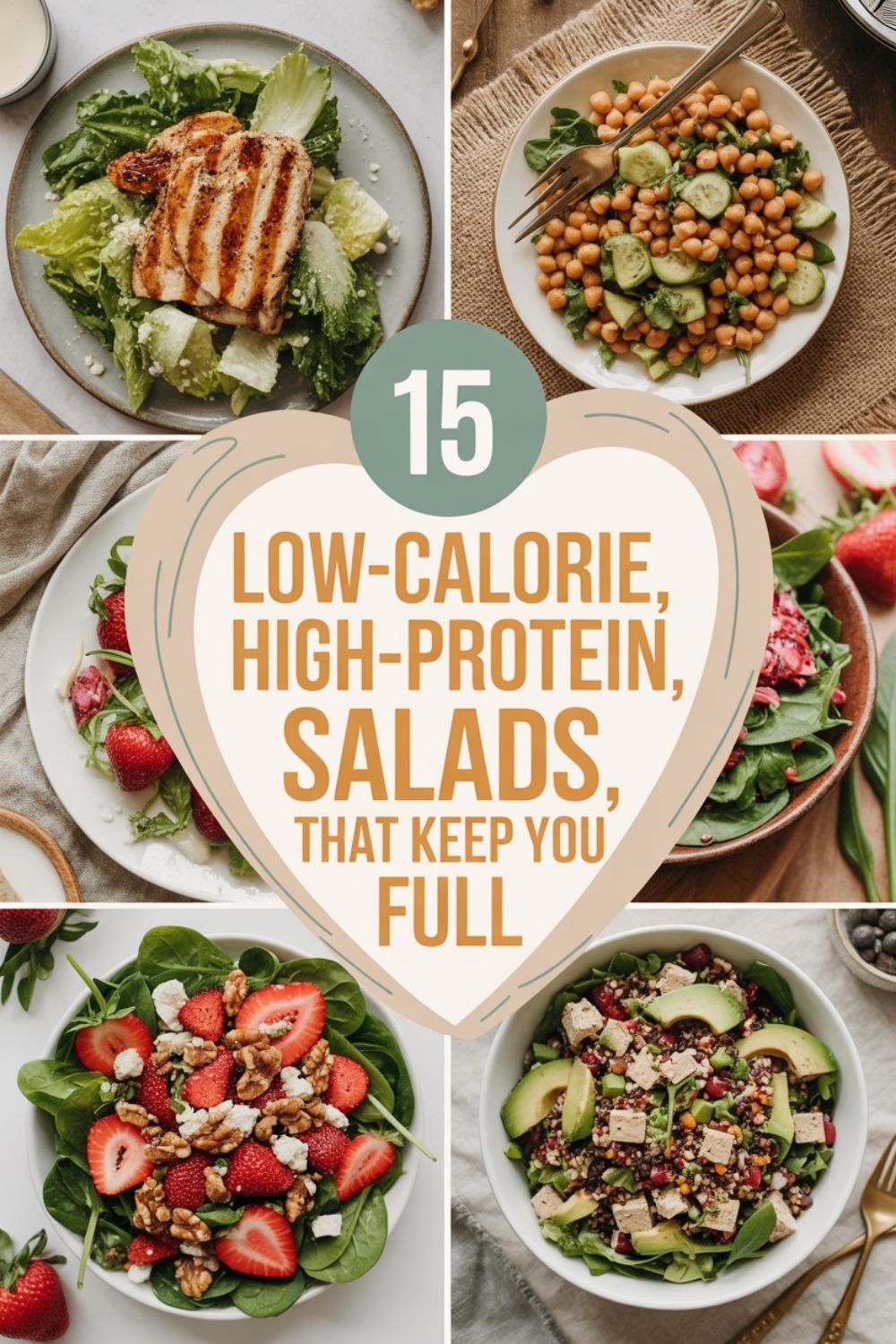
Why Protein Makes All the Difference
Here’s the thing about protein that most people don’t realize: it’s not just about building muscle. When you eat protein, your body releases hormones that literally tell your brain “hey, we’re good, stop eating.” According to nutrition experts, protein helps stabilize blood sugar, boosts metabolism, and supports muscle repair—which is a fancy way of saying it keeps you from face-planting into a bag of chips an hour after your meal.
I learned this the hard way during my first attempt at “eating healthier.” I’d pack these massive salads for lunch—tons of lettuce, some tomatoes, maybe a cucumber—and pat myself on the back for being so virtuous. Then 2 PM would roll around and I’d be absolutely starving, demolishing whatever snacks I could find. Turns out, my salads were missing the one ingredient that actually matters: substantial protein.
The science backs this up, too. Studies published in nutritional journals consistently show that higher protein intake promotes better appetite control and can even help with weight management. It’s not magic—it’s just how your body works.
The 15 Salads That Actually Work
1. Classic Grilled Chicken Caesar
Yeah, I know Caesar salad seems basic, but hear me out. When you load it up with grilled chicken breast (about 6 ounces gives you around 40 grams of protein), it becomes a legitimate meal. Skip the heavy cream-based dressing and make your own with Greek yogurt, lemon juice, garlic, and a tiny bit of anchovy paste. The romaine gives you that satisfying crunch, and if you add some Get Full Recipe, you’re looking at a meal that’ll keep you going for hours.
I make a big batch of chicken on Sunday using this cast iron grill pan that gives you those perfect char marks without heating up the whole kitchen. Game changer for meal prep.
2. Mediterranean Chickpea Power Bowl
Chickpeas are seriously underrated. One cup packs about 15 grams of protein, plus tons of fiber. Toss them with cucumber, cherry tomatoes, red onion, Kalamata olives, and crumbled feta. The dressing is simple—olive oil, lemon juice, oregano, and a pinch of sumac if you’re feeling fancy.
For even more protein options, check out these plant-based high-protein meals that work amazingly well for anyone looking to mix up their routine.
3. Spicy Tuna and Edamame Crunch
If you like sushi, you’ll love this. Use canned tuna (the good stuff, not the sad water-packed kind) mixed with a little sriracha mayo, then pile it on mixed greens with edamame, shredded carrots, and cucumber ribbons. Add some crispy wonton strips if you want that textural contrast. The tuna alone gives you about 20 grams of protein, and the edamame adds another 8-10 grams.
I prep the edamame in batches using this microwave steamer—way easier than boiling water every time.
4. Southwest Chicken with Black Beans
This one’s basically a burrito bowl in salad form. Grilled chicken, black beans, corn, diced bell peppers, avocado, and a handful of crushed tortilla chips for that satisfying crunch. The dressing is cilantro-lime—just blend cilantro, lime juice, Greek yogurt, garlic, and a jalapeño if you like heat.
Between the chicken and black beans, you’re looking at close to 40 grams of protein. When I make this, I always double the chicken and save half for quick lunches throughout the week.
5. Salmon Superfood Salad
Salmon is one of those foods that sounds fancy but is actually stupid easy to make. A 4-ounce piece gives you about 23 grams of protein, plus all those omega-3 fatty acids everyone’s always talking about. Serve it over baby spinach and kale with quinoa, cherry tomatoes, and a lemon-dill dressing.
The trick with salmon is not to overcook it. I use this instant-read thermometer to pull it at exactly 125°F—comes out perfect every time.
6. Cobb Salad, But Make It Lighter
Traditional Cobb salad is delicious but can pack some serious calories. My version keeps all the good stuff—hard-boiled eggs, turkey breast, avocado, tomatoes, and a little bacon—but goes easy on the blue cheese and uses a vinaigrette instead of ranch. You still get around 35 grams of protein, just without feeling like you need a nap afterward.
7. Asian Sesame Beef Salad
Thinly sliced beef (I use flank steak or sirloin) marinated in soy sauce, ginger, and a touch of honey, then quickly seared and served over mixed greens with mandarin oranges, snap peas, and toasted sesame seeds. The dressing is a simple sesame-ginger vinaigrette.
This is one of those salads that feels way fancier than the effort it takes. The beef provides about 25 grams of protein, and the whole thing comes together in under 20 minutes. If you’re into efficient cooking, you’ll love these quick high-protein bowls that follow the same philosophy.
8. Greek-Style Lentil Salad
Lentils are criminally underused. They’re cheap, packed with protein (18 grams per cup), and have this earthy flavor that works perfectly in Mediterranean-style salads. Cook them al dente, then toss with diced cucumber, cherry tomatoes, red onion, feta, and Kalamata olives. Red wine vinaigrette ties it all together.
I cook lentils in big batches and freeze them in these portion containers. Pull one out, thaw it in the microwave, and you’ve got the base for a protein-packed salad in minutes.
9. Buffalo Chicken Ranch
If you think healthy eating has to be boring, this salad will change your mind. Grilled chicken tossed in buffalo sauce (use Frank’s RedHot, trust me), romaine lettuce, celery, shredded carrots, and a yogurt-based ranch dressing. All the flavor of wings, none of the guilt.
The protein content here is massive—around 40 grams—and it genuinely tastes like comfort food. It pairs really well with other high-protein comfort foods when you’re trying to stick to healthier habits without feeling deprived.
10. Shrimp and Avocado with Citrus Dressing
Shrimp cooks in literally three minutes, which makes this perfect for those nights when you get home late and need something fast. Six ounces of shrimp gives you about 35 grams of protein. Pile them on butter lettuce with avocado slices, grapefruit segments, and toasted almonds. The dressing is orange juice, lime juice, olive oil, and a tiny bit of honey.
I buy frozen shrimp and keep them on hand for exactly these situations. Thaw them under cold running water for 10 minutes and you’re good to go.
11. Steak and Blue Cheese Wedge
Sometimes you just want something hearty. A wedge salad with grilled steak, crispy bacon bits, cherry tomatoes, red onion, and crumbled blue cheese hits that spot. Use a Greek yogurt-based blue cheese dressing to keep it lighter.
The steak alone provides about 30 grams of protein, and there’s something deeply satisfying about eating a salad with a fork and knife. For more substantial meal ideas, these dinner recipes follow the same principle of keeping you full without overdoing the calories.
12. Curried Chicken Salad
This isn’t your grandma’s chicken salad (no offense to grandmas). Shredded chicken mixed with Greek yogurt, curry powder, diced apple, golden raisins, and toasted cashews, served over mixed greens. It’s sweet, savory, and has this amazing depth of flavor from the curry.
The Greek yogurt swap for mayo cuts way down on calories while keeping the protein high—around 30 grams per serving. I always make extra and eat it throughout the week for quick wraps or just straight from the container when I’m being honest with myself.
13. Nicoise-Inspired Tuna Bowl
A French classic that’s basically designed for high protein. Seared or canned tuna, green beans, hard-boiled eggs, cherry tomatoes, Kalamata olives, and boiled baby potatoes over butter lettuce. Dijon vinaigrette brings it all together.
Between the tuna and eggs, you’re pushing 40 grams of protein. It looks impressive enough for company but is actually just a fancy assembly job. No real cooking required if you use canned tuna and pre-cooked eggs.
14. Pesto Chicken with Mozzarella
Grilled chicken, fresh mozzarella, cherry tomatoes, and arugula with homemade pesto. Making pesto from scratch is actually super easy—just blend basil, pine nuts, garlic, Parmesan, and olive oil. Way better than the jarred stuff.
I blend up big batches of pesto using this small food processor and freeze it in ice cube trays. Pop out a cube whenever you need it—instant flavor upgrade.
15. Korean BBQ Tofu Bowl
For the plant-based folks (or anyone who wants to mix it up), extra-firm tofu marinated in Korean BBQ sauce, then pan-fried until crispy on the outside. Serve it over massaged kale with edamame, shredded carrots, cucumber, and sesame seeds. Gochujang dressing adds some heat.
A block of tofu gives you about 20 grams of protein, and when you add the edamame, you’re sitting pretty at around 30 grams total. The key is pressing the tofu first—I use this tofu press because I got tired of stacking books and hoping for the best.
Looking for more plant-based protein options? These vegan high-protein meals offer tons of variety and keep things interesting.
📊 High-Protein Meal Tracker & Planner
Honestly, tracking my protein intake was the missing piece for me. I thought I was eating enough protein until I actually started logging it—turns out I was way off. This digital meal planner and macro tracker is specifically designed for high-protein, low-calorie eating and makes the whole process so much easier.
- Pre-calculated protein targets based on your goals (weight loss, maintenance, muscle building)
- Weekly meal planning templates with automatic macro calculations
- Shopping list generator that organizes by store section
- Recipe database with 200+ high-protein, low-calorie meals
- Progress tracking charts to see your consistency over time
The best part? It’s a one-time purchase, not another subscription eating into your budget every month. You can use it in Excel, Google Sheets, or print it out if you’re old school like that.
Check Out the Meal PlannerMaking These Salads Actually Happen
Let’s get real for a second. You can have the best salad recipes in the world, but if the ingredients go bad in your fridge before you use them, what’s the point? The trick is strategic meal prep without making yourself miserable.
I cook proteins on Sunday—usually chicken breasts, a batch of hard-boiled eggs, and sometimes a big salmon fillet. Everything gets portioned into containers. Then I wash and chop vegetables the same day. Yeah, it takes about an hour, but that hour saves me from ordering pizza three times during the week.
For times when you need even more efficient solutions, check out these Instant Pot recipes or these slow cooker meals that practically make themselves while you’re doing other things.
📖 The High-Protein, Low-Calorie Recipe eBook Collection
If you’re like me and get bored eating the same things on repeat, this high-protein recipe eBook bundle has been a lifesaver. It’s specifically focused on keeping calories under 400 per serving while packing in at least 25g of protein—exactly what we’re going for with these salads.
- 150+ recipes across breakfast, lunch, dinner, and snacks
- Every recipe includes full macro breakdown and prep time
- 30-day meal plan with shopping lists already done for you
- Vegetarian and vegan modifications for every recipe
- Quick reference guide for protein swaps and substitutions
The recipes are actually realistic—no weird ingredients you can’t find or techniques that require culinary school. Everything is designed for real people with real schedules. Plus, it’s a digital download, so you get instant access. No waiting for shipping or dealing with a bulky cookbook taking up counter space.
Get Instant Access to RecipesThe Protein Sources That Actually Taste Good
Not all proteins are created equal, at least not when it comes to flavor and texture. Here’s what I’ve learned works best in salads:
Chicken is the obvious choice because it’s versatile and takes on whatever flavors you throw at it. But don’t just boil it—that’s a crime against food. Grill it, roast it, or pan-sear it with some seasoning.
Canned tuna and salmon are your emergency proteins. Keep a few cans in the pantry for those days when you forgot to meal prep. The wild-caught stuff tastes way better and has more of those omega-3s everyone raves about.
Eggs are underrated salad additions. Hard-boiled, soft-boiled, poached, or even fried on top—they add creaminess and about 6 grams of protein each.
Beans and lentils bring different textures and flavors. Chickpeas have this nutty taste, black beans are hearty, and lentils have an earthy quality that works great in Mediterranean-style salads. Plus, they’re dirt cheap and last forever in your pantry.
Tofu and tempeh need to be seasoned well, but when you do them right, they’re excellent. The trick is getting them crispy—moisture is the enemy here.
Fitbit Aria Air Smart Scale
This might seem random in a salad article, but hear me out. When you’re focusing on high-protein eating for weight loss or body composition, tracking your progress matters. The Fitbit Aria Air Smart Scale syncs with your phone and tracks your weight trends over time, which keeps you motivated when you’re making better food choices.
The app integration is seamless—it works with Fitbit, Apple Health, and Google Fit. Seeing the graph trend downward over time when you’re consistently eating these high-protein salads is genuinely motivating. Plus, at under $50, it’s way more affordable than other smart scales that do basically the same thing.
See It on AmazonDressing Without Derailing
Here’s where people usually mess up their perfectly healthy salads—they drown them in dressing. I get it, nobody wants to eat dry leaves. But a quarter cup of ranch has like 280 calories and zero protein. That’s basically a waste of your daily budget.
My go-to move is making Greek yogurt-based dressings. You get creaminess, tang, and bonus protein. Mix Greek yogurt with lemon juice, garlic, herbs, and a tiny bit of olive oil. It’s legitimately good and adds another 5-10 grams of protein to your salad.
For vinaigrettes, the ratio is simple: three parts oil to one part acid (lemon juice or vinegar), plus whatever seasonings you want. Whisk it up in a jar, keep it in the fridge, done. I make mine in these glass jars with pour spouts that make portioning way easier.
When You’re Just Not Feeling Salad
Look, I love these salads, but some days you just want something warm and comforting. That’s totally fine—high-protein eating doesn’t mean you’re chained to your salad bowl. On those days, I turn to things like sheet pan dinners or comfort food versions that still keep me on track.
The whole point of high-protein meals—salads or otherwise—is finding food that keeps you satisfied so you’re not constantly thinking about your next meal or snack. When you’re full and energized, sticking to healthier eating becomes way less of a battle. It just becomes what you do.
The Meal Prep Reality Check
FYI, I’m not one of those people who has a color-coded meal prep situation going on. My refrigerator doesn’t look like Pinterest. But I do keep things simple and consistent, which is way more sustainable than trying to be perfect.
I rotate through maybe 5-6 salad combinations regularly instead of trying to be creative every single day. Once you find what works for you, repeat it. Nobody says you need to eat something different for every meal. In fact, some meal prep approaches specifically recommend finding a few go-to meals and sticking with them.
Yeti Rambler 26 oz Bottle with Straw Cap
Stay with me here—hydration is crucial when you’re eating high-protein. Your kidneys need extra water to process all that protein, and being well-hydrated also helps with feeling full. I keep this Yeti Rambler bottle at my desk and refill it throughout the day.
Yeah, it’s pricier than a regular water bottle, but I’ve had mine for three years and it still works like new. The powder coat doesn’t chip or fade, and it fits in most car cup holders. When you’re trying to drink 80-100 ounces of water daily (especially important on a high-protein diet), having a bottle you actually want to use matters.
Grab One on AmazonThe vegetables I always keep on hand: mixed greens (the pre-washed kind—worth every penny), cherry tomatoes, cucumbers, bell peppers, and red onion. For proteins: chicken breasts, canned fish, eggs, and a couple cans of beans. That covers probably 80% of the salads I make.
📱 MyFitnessPal Premium: The Protein Tracker That Actually Works
I resisted paying for a food tracking app for the longest time. Then I caved and got MyFitnessPal Premium, and honestly, it changed how I approach meal planning. The free version is fine, but the premium features for protein tracking are legitimately worth it if you’re serious about hitting your macros.
- Macro tracking by meal—see exactly where your protein comes from throughout the day
- Custom macro goals that adjust based on your activity level
- Meal scan feature that analyzes entire plates (surprisingly accurate)
- Recipe importer that calculates nutrition for your homemade meals
- No ads interrupting your logging flow
The app has over 14 million foods in its database, so you’re not constantly manually entering nutrition info. And the barcode scanner works on pretty much everything. Makes tracking feel less like homework and more like a quick check-in.
Try Premium Free for 30 DaysFrequently Asked Questions
How much protein should a meal-sized salad have?
Aim for at least 25-30 grams of protein to make your salad substantial enough to be a real meal. That’s roughly the size of your palm for meat-based proteins or about 1-1.5 cups for plant-based options like beans or lentils. This amount helps trigger satiety hormones and keeps you full for 3-4 hours, which is what you want from an actual meal.
Can I prep these salads ahead of time?
Absolutely, but with some smart strategies. Cook and portion your proteins on Sunday, chop vegetables, and store everything separately. Keep dressings in small containers and only combine everything right before eating—this prevents soggy, sad salads. Heartier vegetables like bell peppers and carrots hold up better than delicate greens, so plan accordingly.
What’s the best way to add protein without adding tons of calories?
Focus on lean proteins like chicken breast, shrimp, canned tuna, egg whites, and Greek yogurt. These give you maximum protein for minimum calories. Grilled chicken breast has about 165 calories for 31 grams of protein, while shrimp delivers 24 grams of protein for just 100 calories. Plant-based options like lentils and chickpeas also pack serious protein with added fiber benefits.
Will eating salads for lunch really keep me full until dinner?
It depends entirely on what’s in your salad. A plain veggie salad won’t cut it, but when you load up with 25-30 grams of protein plus healthy fats from avocado or nuts, you’re looking at legitimate staying power. The combination of protein, fiber from vegetables, and some healthy fats triggers all the right satiety signals. Most people find they stay satisfied for 4-5 hours with a properly built high-protein salad.
Are high-protein salads good for weight loss?
They can be incredibly effective because protein helps preserve muscle mass while you’re losing fat, and it keeps you feeling full longer so you’re less likely to snack. The high volume of vegetables means you’re getting tons of nutrients and fiber for relatively few calories. Just watch your dressing portions and don’t go overboard with cheese or nuts—those calories add up fast even though they’re healthy fats.
Final Thoughts
Look, I’m not going to tell you that switching to high-protein salads will change your life overnight. But I will say that figuring out how to make salads that actually keep me full was a legitimate game-changer for my eating habits. I stopped feeling like I was constantly restricting myself or white-knuckling through hunger.
The key is treating salads like actual meals, not side dishes or punishment for eating too much pizza over the weekend. Load them up with real protein, don’t be scared of healthy fats, and use dressings that taste good. Life’s too short for bland food that leaves you hungry.
Start with two or three of these recipes that sound good to you. Master those, then branch out if you want. The goal isn’t to be perfect—it’s to find sustainable options that fit into your actual life. And if some days you just want a burger instead? That’s fine too. This isn’t about being a salad purist; it’s about having solid options that work when you need them.
These salads have genuinely made healthy eating feel less like a chore and more like something I actually choose because I know I’ll feel better afterward. And honestly, that’s the whole point, right?