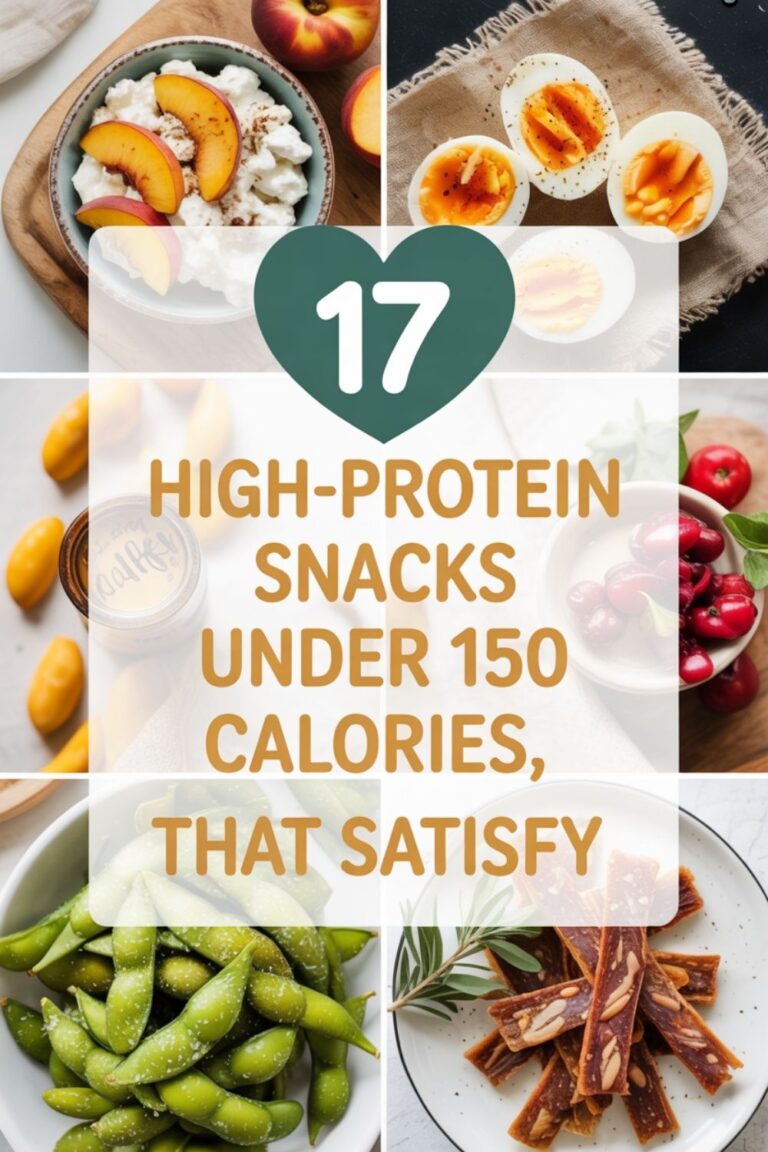
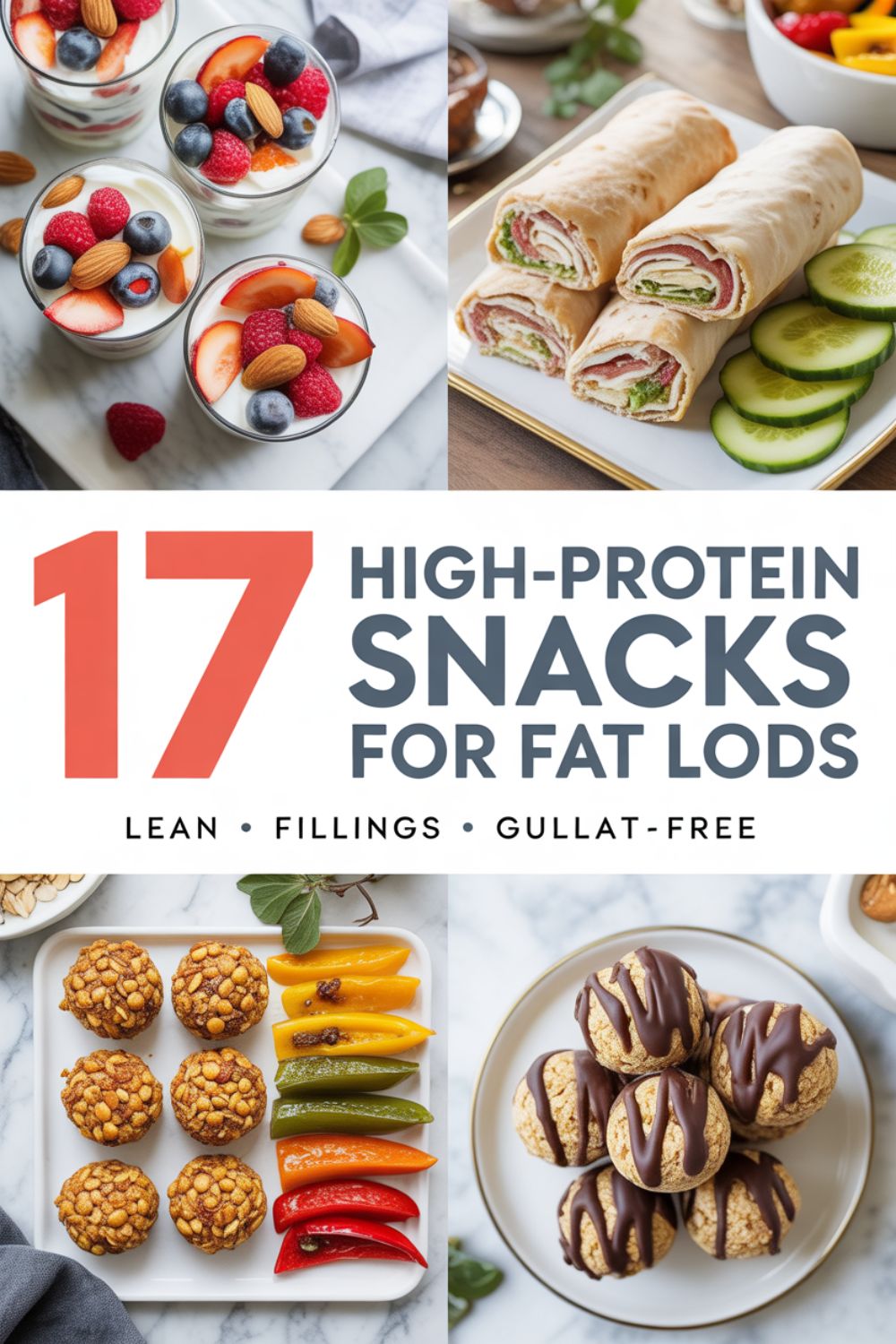
17 High-Protein Snacks for Fat Loss
Snacking gets a bad reputation. Most diet culture tells you to just… not do it. White-knuckle your way through the afternoon and survive on willpower until dinner. Yeah, that’s a hard pass from me.
The truth is, the right snack — specifically a high-protein snack — can actually work in your favor when you’re trying to lose fat. It keeps hunger honest, prevents you from raiding the pantry at 9pm, and helps your body hold on to muscle while you’re eating in a deficit. That last part matters more than most people realize.
I’ve put together this list of 17 genuinely good high-protein snacks that support fat loss without making you feel like you’re punishing yourself. Some are grab-and-go, some take five minutes of prep, and a few might surprise you. All of them are worth keeping in rotation.
Why Protein Snacks Actually Move the Needle
Before we get into the list, it’s worth taking 30 seconds to understand why protein is the macro you want riding shotgun on your fat loss journey. Protein has the highest thermic effect of any macronutrient, which means your body burns more calories just processing it compared to carbs or fat. It also triggers satiety hormones like GLP-1 and peptide YY while suppressing ghrelin, the hunger hormone that basically texts you at 3pm asking what’s in the fridge.
According to clinical research on high-protein diets and weight loss, higher protein intake not only helps reduce body weight but also preserves lean muscle mass — which is the engine behind your resting metabolism. Lose muscle, slow down your metabolism. Keep muscle, keep burning. It really is that simple.
And from a practical standpoint, research from Harvard Health suggests your body can process roughly 20 to 40 grams of protein at one time, which is exactly why spacing it out through snacks makes so much sense rather than cramming it all into two meals.
The Everyday Staples (Numbers 1–5)
These are the snacks that show up on every dietitian’s list for good reason. They’re reliable, accessible, and genuinely effective. Don’t overlook them just because they’re familiar.
Greek Yogurt with Berries
Plain, non-fat Greek yogurt is the quiet overachiever of the snack world. A single cup delivers around 17 grams of protein, and unlike regular yogurt, it’s been strained down to a thick, creamy consistency that actually feels satisfying. Top it with a handful of fresh berries and you’ve got natural sweetness, antioxidants, and fiber all in one bowl without a single gram of added sugar doing unnecessary damage.
Go plain over flavored — flavored Greek yogurt is often loaded with added sugar that cancels out a chunk of the benefit. If you need sweetness, a tiny drizzle of raw honey does the job. I’ve been buying my yogurt in large tubs and portioning it into these glass prep containers on Sunday — makes grabbing a snack mid-week take about four seconds.
Hard-Boiled Eggs
Hard-boiled eggs are the original meal prep snack, and they’ve earned every bit of their reputation. Two eggs give you roughly 12 to 14 grams of complete protein, plus a lineup of B vitamins, choline, and healthy fat that makes them genuinely filling. They travel well, they require zero prep at snack time, and they pair with basically anything — sliced avocado, a pinch of everything bagel seasoning, a few cherry tomatoes.
The trick is cooking a big batch at the start of the week. I use this electric egg cooker that takes less than 10 minutes and makes exactly the right hard-boiled texture every time. No guesswork, no greenish yolks, no babysitting a pot.
Cottage Cheese
Cottage cheese had a bit of a renaissance recently, and honestly it deserved it. Half a cup of low-fat cottage cheese packs 14 to 17 grams of protein and sits very comfortably under 100 calories. It’s mild enough to go in either direction — sweet (with sliced peach or pineapple) or savory (with cracked pepper and sliced cucumber). The casein protein in cottage cheese also digests slowly, which makes it an especially smart choice if you’re trying to avoid late-night hunger.
The texture is polarizing, I’ll give you that. If you hate the curds, blend it for 30 seconds and you’ll get something closer to a thick, mild cream cheese. Problem solved.
Tuna Packets
A single tuna packet — the foil kind, not a can — delivers around 16 grams of protein for roughly 80 calories. That protein-to-calorie ratio is almost absurdly good. No can opener needed, no draining required, shelf-stable enough to live in your desk drawer or gym bag. It’s the kind of snack that’s easy to write off as boring, but add a few crackers, some lemon juice, and a bit of black pepper and it becomes something you’d actually eat on purpose.
Tuna also brings omega-3 fatty acids to the table, which support everything from inflammation management to heart health. FYI, wild-caught packets tend to have better flavor and a cleaner ingredient list than the generic store-brand versions.
Beef or Turkey Jerky
Jerky is portable, protein-dense, and has that satisfying chew that somehow makes it feel more substantial than its calorie count suggests. One ounce of quality beef jerky carries around 9 to 10 grams of protein, and salmon jerky actually edges it out at 12 grams per ounce. The catch with store-bought jerky is the sodium content and occasional parade of artificial preservatives. Look for brands with short ingredient lists, or make your own if you’re feeling ambitious.
Turkey jerky tends to be leaner than beef and still delivers solid protein. Pair a stick with a small apple and you’ve got a snack that covers protein, fiber, and something resembling satisfaction all at once.
Batch-prep your protein snacks on Sunday evening. Hard-boil a dozen eggs, portion Greek yogurt into jars, and set out your tuna packets. When hunger hits at 3pm on Wednesday, future-you will feel genuinely grateful.
The Slightly Underrated Ones (Numbers 6–10)
These snacks don’t get the credit they deserve. Maybe they’re not as photogenic as an acai bowl, but they consistently show up when you need real satiety without a calorie hangover.
Peanut Butter on Rice Cakes
Before you scroll past because of the rice cake part — hear me out. A plain rice cake on its own is essentially crunchy air, but two tablespoons of natural peanut butter turns it into a legitimately satisfying snack with 7 grams of protein, healthy monounsaturated fat, and enough staying power to actually carry you through to the next meal. Almond butter works equally well if peanut isn’t your thing, and it brings slightly more vitamin E to the equation.
The peanut butter vs almond butter debate is mostly about personal taste. Peanut butter is more protein-dense per calorie; almond butter has a gentler flavor and more calcium. I keep both on hand and use this small portion-control scoop to make sure I’m not accidentally eating four servings in one sitting — because that is genuinely a hazard with nut butter.
Edamame
Half a cup of shelled edamame gives you about 8 grams of complete plant-based protein — complete meaning it contains all nine essential amino acids, which puts it in a pretty exclusive club among plant foods. It’s also high in fiber and iron, and the act of eating it is genuinely fun in a way that makes the snack feel more interactive than it technically is. Toss the pods in a pinch of flaky sea salt and you’ve got something that feels indulgent without being indulgent at all.
Edamame is worth adding to your rotation if you’re eating more plant-forward or looking for variety beyond the usual animal protein sources. If you want to go deeper on plant-based high-protein eating, the 25 high-protein low-calorie vegan meals list covers a lot of ground.
Roasted Chickpeas
Roasted chickpeas fill the same snacking role as chips or crackers — something crunchy to munch when your hands need something to do — but with a substantially better nutritional story. Half a cup packs 7 grams of protein and a solid hit of fiber that slows digestion and keeps you full. Season them with smoked paprika and cumin, or go a completely different direction with cinnamon and a touch of maple — both are excellent.
They’re easy to make at home (pat dry, toss with olive oil and spices, roast at 400°F for about 30 minutes), or you can buy them ready-made. I use this half sheet baking pan with a rack for roasting — the rack lets air circulate underneath and gets them properly crispy instead of just lightly toasty. Get the Full Recipe. Get Full Recipe
String Cheese or Cheese Sticks
String cheese is the snack that your inner eight-year-old approves of and your nutritionist doesn’t argue with. One stick delivers around 5 to 7 grams of protein and a meaningful amount of calcium, and it requires absolutely zero preparation. Pair it with a few almonds and you’ve bumped the protein and fat content up enough to make a genuinely substantial afternoon snack without any cooking involved.
Look for part-skim mozzarella sticks, which keep the calories slightly lower while maintaining the protein content. They also happen to stay at room temperature for several hours, which makes them easy to pack without an ice pack.
Almonds (with Intention)
A one-ounce serving of almonds — about 23 nuts — gives you 6 grams of protein along with fiber, vitamin E, magnesium, and heart-healthy monounsaturated fat. They’re also one of the easier snacks to overeat, which is the one thing worth mentioning here. Pre-portioning them into small containers or snack bags at the start of the week keeps the serving size honest without requiring any willpower in the moment.
Almonds pair particularly well with a piece of fruit to add fiber and volume, which extends the satiety effect of the snack. They’re also the base for a solid DIY trail mix if you want to add a few pumpkin seeds and some dark chocolate chips to the equation.
I started keeping roasted chickpeas and portioned Greek yogurt in the fridge every Sunday. By week three I stopped reaching for chips entirely — just didn’t need them anymore. Down eleven pounds in two months and I genuinely don’t feel like I’m dieting.
The Creative Ones Worth Trying (Numbers 11–17)
This is where things get more interesting. These snacks take a small amount of extra thought but pay off with better flavor, better variety, and the kind of eating experience that keeps you from feeling deprived.
Chia Pudding
Two tablespoons of chia seeds contain roughly 5 grams of protein, and they’re one of the rare plant foods that also contain all nine essential amino acids. When soaked in milk — dairy or unsweetened almond — they expand into a thick, tapioca-like pudding that’s genuinely satisfying. The omega-3 content is a bonus. Make a batch in a mason jar the night before, top it with berries and a sprinkle of hemp seeds for an extra protein bump, and breakfast or a snack is completely handled.
If you use cow’s milk instead of plant-based, the protein content jumps significantly. Either way, this is one of those prep-once, eat-all-week situations. I use these wide-mouth glass mason jars for chia pudding — easy to layer, easy to eat from, and they stack perfectly in the fridge. Get Full Recipe
Canned or Pouched Salmon
Three ounces of canned salmon delivers over 19 grams of protein, a pile of omega-3 fatty acids, vitamin B12, and selenium — all for around 120 calories. The pouched variety requires zero draining and tastes noticeably cleaner than the canned version, which makes it easier to eat on its own or with a few whole-grain crackers. Wild-caught Pacific salmon tends to be your best option for both nutrition and flavor.
The omega-3s in salmon do real work beyond just being heart-healthy. They support muscle recovery and help manage inflammation, which matters if you’re also exercising while you lose fat. Speaking of which, if you’re eating to support both fat loss and recovery, the 12 high-protein post-workout recipes list has some great ideas built around similar ingredients.
Pumpkin Seeds (Pepitas)
A quarter cup of pumpkin seeds packs roughly 8 grams of protein alongside fiber, magnesium, zinc, and a lineup of antioxidants including vitamin E and carotenoids. They’re one of the most nutrient-dense things you can eat in a small handful, and they travel as easily as any other nut or seed. Roast them yourself with a little olive oil and smoked salt, or buy them pre-roasted and keep a small jar on your desk.
Pumpkin seeds blend seamlessly into trail mix, yogurt toppings, salad additions, or just eaten straight from the bag. The magnesium content is worth mentioning too — many people don’t get enough of it, and it plays a role in muscle function and sleep quality. Both of which matter when you’re in a calorie deficit.
Turkey Roll-Ups
Two slices of deli turkey wrapped around a slice of provolone and a handful of baby spinach gives you 16 grams of protein and practically zero carbs — which makes it one of the cleanest fat-loss snacks on this list. It takes about 90 seconds to assemble, requires no cooking, and holds together well enough to eat while standing over the kitchen counter at 4pm (no judgment, we’ve all been there).
The key is using quality turkey, not the heavily processed kind swimming in sodium and additives. Rotisserie chicken sliced thin works just as well if you have leftovers. Add a smear of this clean-ingredient Dijon mustard for a flavor bump that adds practically no calories.
Protein Shake (Made Well)
A protein shake doesn’t have to be a chalky afterthought you choke down post-workout. A scoop of quality whey or plant-based protein blended with unsweetened almond milk and a handful of frozen spinach (trust me, you can’t taste it) is fast, filling, and gets the job done. You’re looking at 20 to 25 grams of protein for around 120 to 160 calories depending on your protein powder choice.
The problem with most commercial protein powders is the long ingredient list and the artificial sweeteners. I’ve been using this clean whey isolate that has five ingredients and no weird aftertaste. If you want more smoothie ideas built specifically around fat loss, the 18 high-protein low-calorie smoothies round-up has great combinations to try.
Hummus with Veggies and Pita Chips
A quarter cup of hummus with sliced bell peppers, cucumber rounds, and a few pita chips gives you about 8 to 9 grams of plant protein plus a meaningful amount of fiber and healthy fat from the tahini. It’s one of the more enjoyable snacks on this list because of the variety of textures and the fact that it actually feels like food, not just fuel. Bell peppers are also one of the highest vitamin C foods you can eat, which is a nice bonus.
If you want to make hummus at home, the basic formula is just chickpeas, tahini, lemon, garlic, and olive oil blended together. It comes together in about five minutes using this compact blender that lives on my counter and gets used basically every day for something.
DIY Protein Bars or Energy Bites
Homemade protein bars and energy bites have one massive advantage over store-bought: you know exactly what’s in them. Most commercial protein bars are fine, but a surprising number of them contain more sugar than a candy bar while hiding behind a “high-protein” label on the front. Making your own with oats, natural nut butter, protein powder, and a handful of dark chocolate chips takes about 15 minutes, yields 10 to 12 bars, and keeps in the freezer for weeks.
IMO, the sweet spot for a fat-loss-friendly energy bite is around 150 calories with at least 8 grams of protein. That ratio keeps blood sugar stable without adding unnecessary calories between meals. For a full list of ideas to get started, the 15 low-calorie high-protein DIY snack bars list has you completely covered. Get Full Recipe
Struggling with afternoon hunger? Add one more gram of protein to each snack in your day. Small change, but over the course of a week it compounds into noticeably less evening overeating.
Kitchen Tools That Make High-Protein Snacking Easier
Here are the physical tools and digital resources I actually use to keep high-protein snacking consistent throughout the week. No hard sell here — just a friend telling you what works.
Stackable, microwave-safe, and the right size for portioning yogurt, cottage cheese, or hard-boiled eggs without any guesswork.
Perfect hard-boiled eggs in under 12 minutes with no boiling water. Set it, forget it, peel a dozen eggs for the week in one go.
Small enough to live on the counter, powerful enough for protein shakes, smoothies, and quick hummus. Blend directly in the cup.
A full week of high-protein, low-calorie meals and snacks with a printable shopping list. Start here if you’re new to structured meal prep.
A month-long daily snack plan with variety built in. Prevents snack fatigue and keeps your protein intake consistent.
If you’re just starting to eat higher protein, this is the clearest, least overwhelming place to begin. No complicated macro math needed.
How to Actually Build a Snack Strategy That Works
Having a list of 17 snacks is useful, but knowing how to deploy them is where the real fat loss happens. The biggest mistake people make is treating snacking as something that just… happens reactively. You get hungry, you open the fridge or pantry, and you eat whatever requires the least effort in the moment. Which, in most kitchens, is not roasted chickpeas.
The fix is straightforward: keep two or three high-protein options prepped and visible at all times. When willpower is low (which it always is by 4pm), you want the path of least resistance to lead to something that supports your goals. That means hard-boiled eggs already peeled in a container, Greek yogurt portioned in jars, and tuna packets in a drawer you actually open.
A practical snacking framework:
- → Aim for at least 8–12 grams of protein per snack to meaningfully impact satiety.
- → Pair protein with fiber or fat to slow digestion and extend fullness.
- → Pre-portion anything that’s easy to overeat (nuts, nut butter, hummus).
- → Keep shelf-stable options (tuna packets, jerky, almonds) at work or in your car.
- → Rotate through the list to prevent flavor fatigue — it’s real and it derails people.
I used to skip snacks entirely and then eat twice my normal dinner because I was starving. Once I started keeping portioned protein snacks in the fridge every Sunday, the overeating at night basically disappeared. Lost 18 pounds in four months, and I’m eating more food than before.
If you want a comprehensive structure beyond individual snacks, the 7-day low-calorie high-protein weight loss plan lays out exactly how to fit snacks into a full daily eating framework — meals, macros, and all.
If you’re exercising, eat your highest-protein snack within 30–60 minutes of finishing your session. Your muscles are primed to use that protein for repair and growth right after a workout — don’t let the window close on a bag of chips.
Frequently Asked Questions
How much protein should a snack have for fat loss?
Aim for at least 8 to 12 grams of protein per snack to meaningfully support satiety and muscle preservation. Snacks with fewer than 5 grams of protein don’t move the needle much on hunger, so they’re better treated as extras rather than planned nutrition. Pairing your protein with fiber or healthy fat extends the satiety effect further.
Can high-protein snacks really help with fat loss?
Yes — and the mechanism is well-documented. Protein has the highest thermic effect of any macronutrient, so your body burns more calories processing it. It also suppresses ghrelin (the hunger hormone) and boosts fullness hormones like GLP-1 and peptide YY. Clinical studies consistently show that higher protein intake supports fat loss while preserving lean muscle mass, which keeps your metabolism running efficiently.
What is the best high-protein snack before bed for fat loss?
Cottage cheese is hard to beat here because of its high casein protein content, which digests slowly throughout the night and feeds your muscles during fasting hours. Greek yogurt is a close second. Both are low in calories, require no prep, and are genuinely satisfying without overloading your digestive system before sleep.
Are protein bars a good snack for fat loss?
It depends entirely on the bar. Many commercial protein bars are heavily processed, high in added sugar, and use low-quality protein sources. Read the label before buying: look for at least 15 grams of protein, under 8 grams of added sugar, and an ingredient list that doesn’t read like a chemistry exam. Better yet, making your own homemade protein bars or energy bites gives you full control over what goes in them.
How many high-protein snacks should I eat per day for fat loss?
Most people benefit from one to two intentional protein snacks per day, placed strategically between meals when hunger is highest — typically mid-morning and mid-afternoon. The goal is to arrive at each meal moderately hungry rather than ravenous, which naturally reduces portion size and prevents overeating. Total daily protein intake matters more than exact snack frequency, so structure snacks around your overall protein goal for the day.
The Takeaway
High-protein snacking isn’t about eating perfectly or tracking every gram with a spreadsheet. It’s about making it easier to stay full, keep your muscles intact, and arrive at each meal in control rather than ravenous. The 17 snacks on this list give you enough variety to rotate through the week without getting bored, and most of them require either zero prep or five minutes tops.
Pick three or four from this list that actually appeal to you, stock your fridge and pantry accordingly, and make one of them your default go-to for the next two weeks. Once a habit forms around even one reliable protein snack, the rest tends to follow naturally. Your future self — the one who isn’t raiding the kitchen at 10pm — will appreciate the setup.