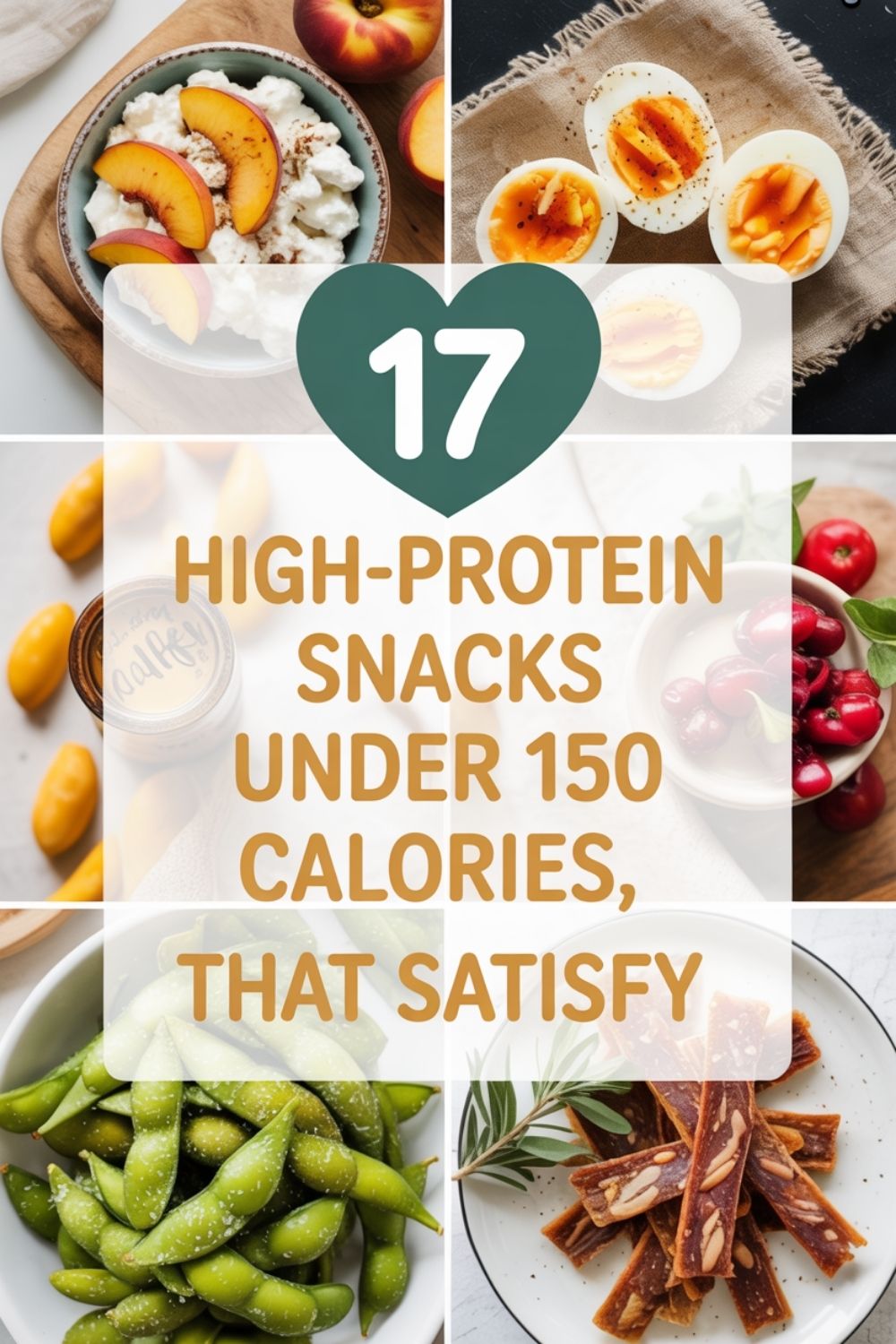
17 High-Protein Snacks Under 150 Calories
You know that feeling when it’s 3 PM and your stomach starts doing that angry rumble thing? Yeah, me too. And if you’re anything like me, you’ve probably grabbed whatever was closest—usually something that left you hungrier an hour later.
Here’s the thing: protein-rich snacks enhance satiety better than your average granola bar ever could. I’m talking about snacks that actually stick with you, keep your energy steady, and don’t make you feel like you need another snack five minutes later.
I’ve rounded up 17 high-protein snacks that clock in under 150 calories. These aren’t just random foods I threw together—they’re tried-and-true options that deliver on taste and nutrition without making you feel like you’re eating cardboard.

Why Protein Matters More Than You Think
Let me cut through the noise for a second. Protein isn’t just for bodybuilders chugging shakes at the gym. Research shows that adequate protein consumption is critical for maintaining optimal health and muscle mass as we age.
When you eat protein, your body has to work harder to digest it compared to carbs or fats. This means you burn more calories just breaking it down. Plus, protein triggers hormones that tell your brain you’re full—which is exactly what you want when you’re trying to avoid eating an entire bag of chips.
The sweet spot? Aim for at least 15-20 grams of protein per snack. That’s enough to keep hunger at bay without overdoing the calories.
Pro Tip: Prep your protein snacks on Sunday evening—portion them into grab-and-go containers. Your weekday self will thank you when hunger strikes and you’ve got something ready that doesn’t require thinking.
High-Protein Meal Prep Planner
Tired of guessing your protein intake? This downloadable meal prep planner is specifically designed for high-protein eating. It includes weekly templates, macro calculators, and 50+ snack combinations under 150 calories. Plan your entire week in 15 minutes—no more decision fatigue when hunger hits.
The 17 Best High-Protein Snacks Under 150 Calories
1. Hard-Boiled Eggs (2 eggs, ~140 calories, 12g protein)
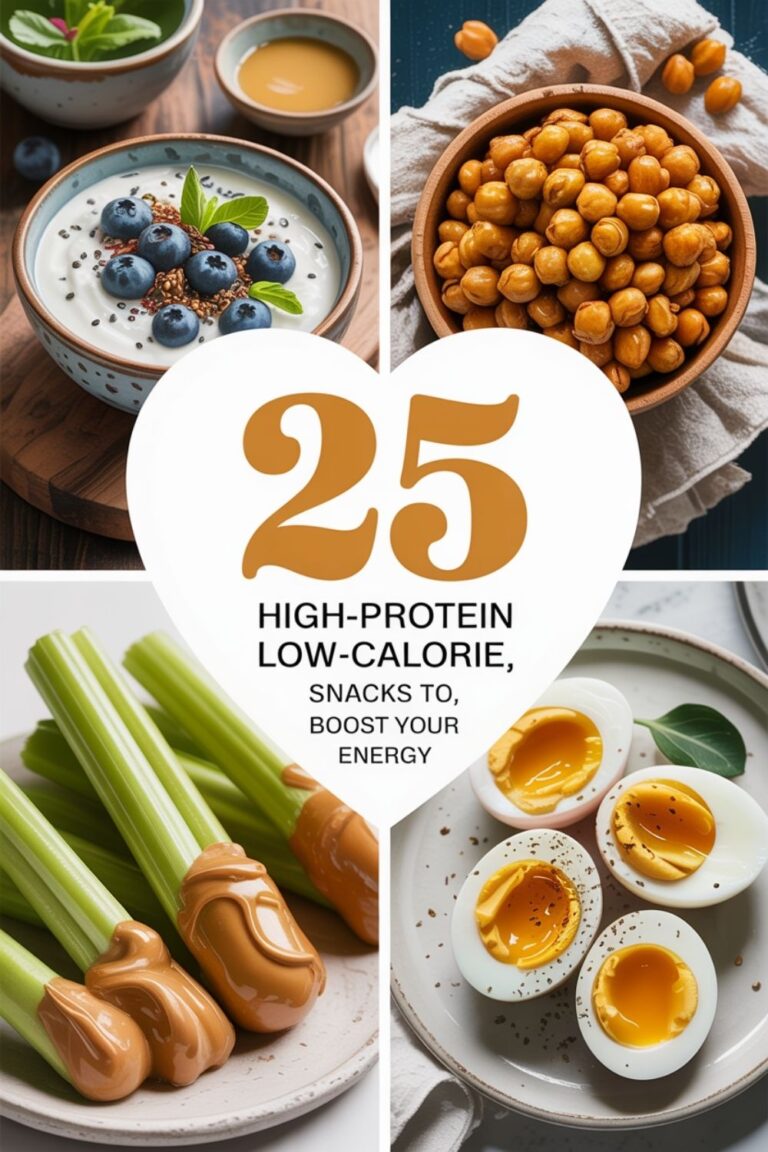
Eggs are basically nature’s protein bombs. Two hard-boiled eggs give you solid protein, healthy fats, and they’re ridiculously portable. I keep a batch in my fridge at all times.
Sprinkle them with everything bagel seasoning or a dash of hot sauce. If you’re not into plain boiled eggs, I get it—but trust me, the right seasoning changes everything. I swear by this egg cooker that makes perfectly cooked eggs every single time without babysitting a pot of boiling water.
2. Greek Yogurt (¾ cup, ~100-130 calories, 15-20g protein)
Greek yogurt is thick, creamy, and packs way more protein than regular yogurt. Go for the plain, unsweetened version—the flavored ones are basically dessert in disguise with all that added sugar.
Mix in a handful of berries or a drizzle of honey if you need sweetness. For more protein-packed breakfast ideas that incorporate Greek yogurt, check out these low-calorie high-protein breakfast bowls.
3. Turkey Roll-Ups (3 slices, ~120 calories, 18g protein)
Take a slice of deli turkey, smear on a tiny bit of mustard or hummus, maybe add a pickle spear, roll it up. Done. These are stupid-simple and surprisingly satisfying.
The key is getting good quality deli meat—look for options that are minimally processed and low in sodium. I grab mine from the deli counter instead of the pre-packaged stuff whenever possible.
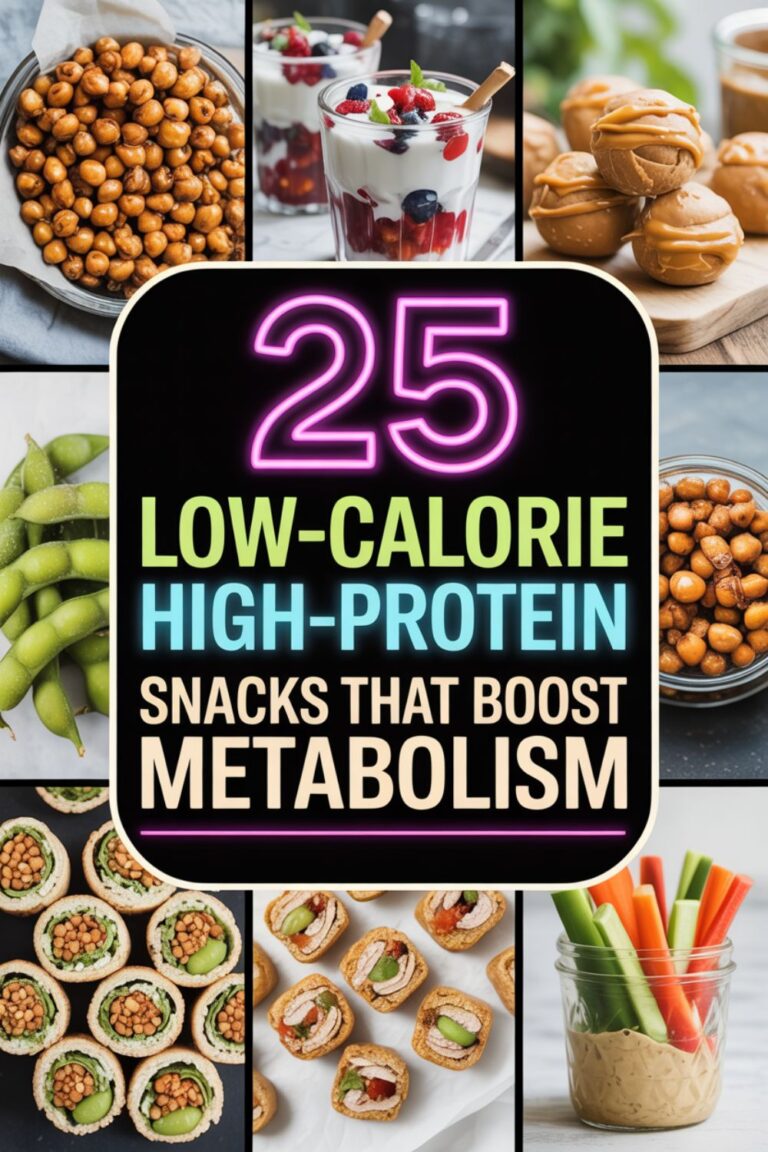
4. Edamame (1 cup, ~150 calories, 17g protein)
These little green soybeans are criminally underrated. Pop them out of the pod, sprinkle with sea salt, and you’ve got a snack that’s both fun to eat and nutritious.
You can buy them frozen and just steam them in the microwave for a few minutes. Keep a bag in your freezer—it’s one of those snacks that feels more substantial than it actually is, calorie-wise.
“I started keeping edamame at work and it completely changed my afternoon snacking. I used to raid the vending machine every day around 2 PM. Now I actually stay full until dinner and I’ve lost 12 pounds in two months without even trying.” —Rachel M., from our community
5. Cottage Cheese with Cherry Tomatoes (½ cup cottage cheese + 5 tomatoes, ~110 calories, 14g protein)
I know cottage cheese has a texture that some people can’t get past, but hear me out. Mix it with halved cherry tomatoes, add black pepper and fresh basil, and it’s genuinely delicious.
The combination of creamy cottage cheese and juicy tomatoes is weirdly addictive. Plus, cottage cheese is one of the most protein-dense foods you can find. If you’re looking for more meal prep ideas with similar protein power, these high-protein low-calorie bowls are total game-changers.
6. String Cheese (2 sticks, ~140 calories, 12g protein)
Don’t sleep on string cheese just because it feels like kid food. Two sticks give you a solid protein hit, and they’re one of the most convenient snacks ever.
Pair them with a small apple or some bell pepper slices if you want to add volume. The combination of protein and fiber keeps you satisfied way longer than either would alone.
7. Roasted Chickpeas (⅓ cup, ~120 calories, 6g protein)
Okay, so chickpeas aren’t a complete protein on their own, but they’re still pretty solid. Roast them with spices until they’re crunchy and you’ve got a snack that hits that satisfying crunch factor.
You can make a big batch and keep them in an airtight container for a week. I toss mine with smoked paprika, garlic powder, and a tiny bit of olive oil before roasting. Use a silicone baking mat and you’ll never deal with stuck-on chickpeas again.
8. Almonds (23 almonds, ~140 calories, 6g protein)
Almonds are the classic high-protein snack for a reason. They’re portable, they don’t need refrigeration, and they’ve got healthy fats that help you feel full.
The trick with nuts is portion control—it’s crazy easy to eat way more than you planned. Count out your serving, put the bag away, and enjoy them slowly. For more snack ideas that won’t derail your goals, these low-calorie high-protein snack recipes work for adults too.
9. Tuna Packet (1 packet, ~70-90 calories, 16-18g protein)
Those single-serve tuna packets are a lifesaver. No can opener, no draining—just rip and eat. Mix with a little hot sauce or lemon juice if you want more flavor.
Eat it straight from the packet or stuff it into a couple romaine lettuce leaves for a makeshift wrap. The protein-to-calorie ratio on tuna is almost unbeatable.
Pro Tip: Keep a stash of tuna packets in your desk drawer at work. They don’t need refrigeration and they’re perfect for those days when you forget to pack snacks. Just remember to brush your teeth after—nobody wants to be the tuna breath person in afternoon meetings.
10. Protein Smoothie (with protein powder, ~120-150 calories, 20-25g protein)
Blend protein powder with water or unsweetened almond milk, throw in some ice and maybe a handful of spinach (you won’t taste it, I promise), and you’ve got a drinkable snack.
Premium Whey Protein Isolate
After testing 15+ protein powders, this grass-fed whey isolate is hands-down the best for low-calorie snacking. It mixes smooth without clumps, tastes like actual food instead of chemicals, and packs 25g protein per scoop with only 110 calories.
- 25g protein per serving
- Only 110 calories – perfect for calorie budgets
- Zero artificial sweeteners
- Mixes instantly – no blender needed
- 5 flavors including unflavored
The key is finding a protein powder that doesn’t taste like chalk. I’ve tried about a dozen different brands and IMO, the whey-based ones tend to taste better than plant-based, but that’s just personal preference. My favorite blender for this is small enough to not take up my whole counter but powerful enough to actually blend everything smooth.
11. Jerky (1 oz, ~80-100 calories, 12-15g protein)
Beef jerky, turkey jerky, salmon jerky—take your pick. Just watch the sodium content because some brands go overboard with the salt.
Jerky is perfect for when you’re on the go and need something that won’t spoil. It’s got that chewy satisfaction that makes it feel more substantial than it actually is. Looking for more portable protein options? These low-calorie high-protein wraps are equally travel-friendly.
12. Low-Fat Mozzarella (1 oz, ~70 calories, 7g protein)
Fresh mozzarella or the snacking pearls—both work. Pair with a few cherry tomatoes and fresh basil for a mini caprese situation.
This one’s more about the experience than pure protein numbers, but it’s still a solid choice when you want something that feels a little fancy.
13. Egg White Muffins (2 muffins, ~100-120 calories, 14g protein)
Make a batch on Sunday by whisking egg whites with veggies, pouring into muffin tins, and baking. They reheat beautifully and they’re basically portable omelets.
I add spinach, bell peppers, and a little feta to mine. Pop them in a silicone muffin pan and they slide right out without sticking. Store them in the fridge and grab two when you need a quick protein hit.
14. Shrimp Cocktail (5 large shrimp, ~100 calories, 20g protein)
Sounds fancy, but it’s really not. Buy pre-cooked shrimp, dip them in cocktail sauce, done. The protein-to-calorie ratio on shrimp is insane.
Just watch how much cocktail sauce you use because it can sneak in extra sugar and calories. A little goes a long way.
15. Protein Bar (varies, ~150 calories, 10-20g protein)
Not all protein bars are created equal. Some are basically candy bars in disguise. Look for ones with at least 10g of protein, less than 10g of sugar, and ingredients you can actually pronounce.
Clean Protein Bars – 12 Pack Variety
These low-calorie protein bars are the real deal. Each bar delivers 20g of protein and only 150 calories, with ingredients you can actually pronounce. No artificial junk, no weird aftertaste—just clean protein that actually keeps you full.
- 20g high-quality protein per bar
- 150 calories or less per serving
- Low sugar – only 3-5g per bar
- Gluten-free and non-GMO
- Perfect for travel – individually wrapped
My go-to brand has about 15g of protein and tastes like actual food instead of chemicals. They’re perfect for throwing in your bag when you know you’ll be out for a while. For more on-the-go meal ideas, these low-calorie high-protein Instant Pot recipes are clutch for busy schedules.
16. Sliced Chicken Breast (3 oz, ~120 calories, 26g protein)
Leftover chicken breast from dinner makes an excellent next-day snack. Slice it thin, roll it up with a smear of mustard, and you’re good to go.
If you meal prep, throw an extra chicken breast on the grill or in the oven specifically for snacks throughout the week. It’s cheaper than buying deli meat and you control exactly what goes into it.
17. Protein Pudding (½ cup, ~100-120 calories, 12-15g protein)
Mix protein powder with Greek yogurt and a splash of almond milk until you get a pudding consistency. Add cocoa powder if you want chocolate or vanilla extract for vanilla.
Let it chill in the fridge for 30 minutes and it thickens up nicely. Top with a few crushed almonds for texture. This one feels like dessert but it’s actually doing good things for your protein goals.
Pro Tip: Batch-prep five days’ worth of these snacks every Sunday. Use these glass meal prep containers to keep everything fresh and organized. Label them Monday through Friday so you’re not thinking about what to grab—you just grab and go.
How to Actually Make These Snacks Part of Your Routine
Look, having a list of snacks is one thing. Actually eating them consistently? That’s where most people fall off the wagon.
The secret isn’t willpower—it’s systems. Keep your fridge stocked with the basics: eggs, Greek yogurt, deli meat, cheese. When you run out, put it on the grocery list immediately. Don’t let yourself get into that situation where you’re hungry and there’s nothing protein-rich in sight.
I designate one shelf in my fridge as the “snack shelf.” Everything on that shelf is fair game for grabbing without thinking. It removes the decision fatigue when you’re hungry and not in the mood to meal prep on the spot.
Speaking of convenience, if you’re always rushing in the mornings, these breakfast bowls and metabolism-boosting smoothies can double as grab-and-go snacks when you’re running late.
The Protein-Calorie Sweet Spot
You’re probably wondering why 150 calories specifically. Here’s the deal: most people need about 200-300 calories per snack to feel satisfied, but if you’re loading up on protein, you can get away with less because protein is so filling.
Research indicates that increased protein intake contributes to gains in lean body mass when paired with the right training. Even if you’re not hitting the gym hard, eating adequate protein throughout the day helps preserve muscle mass and keeps your metabolism humming along.
The 150-calorie ceiling forces you to prioritize protein over other macros. You can’t waste those calories on empty carbs or excess fat—every bite has to count. That’s why these snacks work so well for weight management.
“I was skeptical about the whole high-protein snacking thing, but after three weeks of keeping these snacks stocked in my fridge, I stopped having those massive dinner binges. I’m down 8 pounds and I’m not even hungry between meals anymore.” —Mike T., from our community
Common Mistakes to Avoid
Going Too Low on Protein
Don’t grab a snack with only 5g of protein and expect it to hold you over. That’s not enough to trigger the satiety signals in your brain. Aim for at least 10-15g minimum, ideally 15-20g.
Ignoring Portion Sizes
Nuts are healthy, sure, but eating a cup of almonds is like 800 calories. Measure your portions, at least until you get a feel for what the right amount looks like. Use a small digital kitchen scale if you’re serious about tracking—eyeballing doesn’t work as well as we think it does.
Making It Too Complicated
If your snack requires 15 ingredients and a sous vide machine, you’re not going to make it when you’re actually hungry. Keep it simple. The best snack is the one you’ll actually eat.
Relying Only on Packaged Foods
Protein bars and shakes have their place, but don’t let them be your only protein sources. Whole foods like eggs, chicken, and Greek yogurt come with micronutrients that processed foods can’t replicate.
Need more variety in your protein game? These high-protein vegan meals offer plant-based alternatives, and these high-protein dinner recipes can often be repurposed into next-day snacks.
Timing Your Protein Snacks
When you eat matters almost as much as what you eat. I’ve found that having a protein snack about 2-3 hours after lunch keeps me from demolishing the kitchen when I get home from work.
The afternoon slump is real, and that’s when most people reach for sugar or caffeine. Instead, try one of these protein snacks around 3 PM. You’ll be surprised how much more energy you have without the crash that comes from a cookie or energy drink.
Post-workout is another prime time for protein. Your muscles are primed to absorb nutrients, and getting protein within an hour or two after exercise helps with recovery. For targeted post-workout nutrition, check out these muscle recovery recipes and post-workout recovery meals.
Protein Quality Matters
Not all protein is built the same. Animal proteins are “complete proteins,” meaning they have all nine essential amino acids your body needs. Plant proteins, with a few exceptions like soy and quinoa, are incomplete.
This doesn’t mean you need to eat meat at every snack—it just means if you’re going plant-based, you need to mix and match your protein sources throughout the day to get all the amino acids.
Research on dietary protein quality emphasizes that both quantity and quality play critical roles in supporting muscle protein synthesis. The better the protein quality, the more effectively your body can use it.
Budget-Friendly High-Protein Snacks
Let’s talk money for a second. Some of these snacks—like pre-cooked shrimp and fancy protein bars—can get pricey. But eggs, cottage cheese, and canned tuna? Those are dirt cheap.
Buy eggs by the dozen (or two), get the biggest container of Greek yogurt instead of individual cups, and look for store-brand cheese. You can easily keep your snack budget under $20 a week if you’re strategic.
Frozen edamame is way cheaper than fresh and it lasts forever in the freezer. Same with buying a whole rotisserie chicken and portioning it out for the week instead of buying pre-sliced deli meat.
For more budget-conscious meal ideas that focus on protein, these 5-ingredient-or-less recipes keep things simple and affordable.
Plant-Based Protein Snacks
If you’re vegetarian or vegan, you’ve got options beyond just nuts and seeds. Edamame, roasted chickpeas, and protein powder made from pea or rice protein all work.
The challenge with plant-based proteins is getting enough in one snack to actually feel satisfied. You might need to combine sources—like having hummus with veggies plus a handful of almonds—to hit that 15-20g protein target.
Tofu can work as a snack if you prepare it right. Press it, cut it into cubes, toss with soy sauce and spices, and bake until crispy. It’s basically like popcorn but with way more protein. For complete plant-based meal ideas, these vegan high-protein meals are excellent inspiration.
Snacking for Different Goals
The High-Protein Low-Calorie Recipe eBook
If you’re serious about making high-protein eating sustainable, this complete recipe eBook is a game-changer. It’s packed with 100+ recipes under 400 calories, each with 25g+ protein. Every recipe includes macro breakdowns, meal prep instructions, and swap suggestions for dietary restrictions. Think of it as your blueprint for never running out of protein-rich meal ideas.
Weight Loss
If you’re trying to lose weight, these snacks help because they keep your total calorie intake in check while preventing the hunger that leads to overeating at meals. Studies show that protein-rich snacks enhance satiety and help with appetite control.
The trick is making sure your snacks are actually snacks—not mini meals. Keep them under 200 calories and you’ll be fine. For structured weight loss plans, these meal ideas for weight loss beginners provide a solid framework.
Muscle Building
If you’re focused on building muscle, you can push these snacks a little higher in calories by adding healthy fats. Have your Greek yogurt with a tablespoon of almond butter, or eat your hard-boiled eggs with half an avocado.
Spreading your protein intake throughout the day, instead of loading it all at dinner, helps maximize muscle protein synthesis. Your body can only use so much protein at once—the rest gets oxidized or stored as fat.
Maintenance
If you’re happy where you are and just want to maintain, these snacks work as hunger preventers. They keep your energy stable and reduce the likelihood of making questionable food choices when you’re starving.
You’ve got more flexibility here—you can go a little higher on calories if needed or add some fruit to your snacks without worrying too much about the extra carbs.
Meal Prep Makes or Breaks Your Success
FYI, this is where most people drop the ball. They have good intentions, buy all the right ingredients, and then let them go bad in the fridge because prep feels overwhelming.
Protein & Calorie Tracker App
Stop manually calculating every snack. This intuitive tracking app is built for people focused on high-protein, low-calorie eating. Scan barcodes, log meals in seconds, and get real-time feedback on whether you’re hitting your protein targets throughout the day. It’s like having a nutritionist in your pocket without the hourly rate.
Set aside 30 minutes on Sunday. Hard-boil a dozen eggs. Portion out Greek yogurt into small containers. Prep your egg white muffins. Cut up veggies and portion out hummus. Do it all at once while listening to a podcast or watching TV.
Those 30 minutes will save you from a week’s worth of poor snacking decisions. I use these stackable containers that fit perfectly in my fridge and make it easy to see what’s available at a glance.
For comprehensive meal prep strategies that extend beyond snacks, these meals perfect for meal prep and meal prep ideas for athletes take the guesswork out of the equation.
Pro Tip: Label everything with dates using these erasable labels. Nothing worse than playing refrigerator roulette trying to remember if those hard-boiled eggs are three days old or six days old.
Digital Food Scale for Macro Tracking
If you’re serious about hitting your protein targets, this precision food scale is non-negotiable. Eyeballing portions is how you end up eating 400 calories worth of “just a handful” of nuts. This scale measures down to the gram and has a tare function for easy portioning.
- Accurate to 1g – no more guessing
- Tare function – weigh directly in bowls
- Multiple units – grams, oz, lb, ml
- Compact design – fits in any kitchen
- Easy-clean surface – waterproof
What About Kids and Picky Eaters?
Most of these snacks work great for kids too. String cheese, hard-boiled eggs, and turkey roll-ups are all kid-friendly options that don’t require much convincing.
The key with picky eaters is presentation. Cut cheese into fun shapes with cookie cutters, let them dip their turkey in mustard or ranch, or make the egg muffins with their favorite veggies (or hide veggies they don’t love in with ones they do).
Don’t stress if they won’t eat every option on this list. Even getting them to accept two or three high-protein snacks is a win. For snack ideas specifically designed with kids in mind, check out these high-protein snack recipes for kids.
Traveling with High-Protein Snacks
Airport food is a nightmare for anyone trying to eat well. Pack protein bars, jerky, and individual nut packets in your carry-on. They’ll get you through security and save you from overpriced, underwhelming airport snacks.
If you’re road-tripping, bring a small cooler with hard-boiled eggs, string cheese, and Greek yogurt. It takes up barely any space and saves you from gas station food roulette.
Hotels with mini-fridges are your friend. Hit up a grocery store when you arrive and stock your fridge with cottage cheese, deli meat, and cheese sticks. Breakfast doesn’t have to be a $20 hotel buffet when you’ve got protein-rich options in your room.
Frequently Asked Questions
How much protein do I actually need per snack?
Aim for at least 15-20 grams of protein per snack to feel genuinely satisfied. Anything less than 10 grams won’t trigger the satiety hormones that help control hunger. The sweet spot for most people is around 15-20 grams—enough to curb appetite without overdoing calories.
Can I eat these snacks if I’m trying to lose weight?
Absolutely. High-protein snacks under 150 calories are perfect for weight loss because they keep you full between meals without adding excessive calories. The key is making sure they replace higher-calorie, lower-protein options you might otherwise reach for—not adding extra eating occasions to your day.
What’s the best time to eat a high-protein snack?
The afternoon slump (around 2-3 PM) is ideal for most people, as it bridges the gap between lunch and dinner. Post-workout is another excellent time since your muscles need protein for recovery. Listen to your hunger cues rather than snacking on a rigid schedule—if you’re genuinely hungry between meals, that’s when to reach for one of these options.
Are plant-based protein snacks as effective as animal-based ones?
Plant-based proteins can be just as effective, but you may need to combine sources to get all essential amino acids. Edamame, roasted chickpeas, and protein powder from pea or rice are solid options. You might need slightly larger portions or combinations (like hummus with nuts) to hit the same protein targets as animal sources.
How long can I store prepped protein snacks in the fridge?
Most protein snacks stay fresh for 3-5 days when stored properly in airtight containers. Hard-boiled eggs last about a week, while Greek yogurt and cottage cheese should be consumed within 5-7 days of opening. Cooked chicken and turkey should be eaten within 3-4 days. Always label containers with dates and trust your nose—if it smells off, toss it.
Final Thoughts
High-protein snacks under 150 calories aren’t some magic bullet, but they’re one of the easiest changes you can make to support your health goals. Whether you’re trying to lose weight, build muscle, or just stop feeling hangry every afternoon, these options give you real solutions.
Start with three or four snacks from this list that appeal to you. Don’t try to overhaul everything at once. Master a few favorites, keep them stocked in your fridge, and build from there.
The best snack is the one you’ll actually eat. Pick options that fit your taste preferences, your budget, and your lifestyle. No one’s handing out awards for eating the most virtuous snack—the goal is finding sustainable options that work for you long-term.
Keep it simple, prep ahead when you can, and give yourself permission to adjust as you go. Your future self—the one who’s not raiding the vending machine at 3 PM—will thank you.