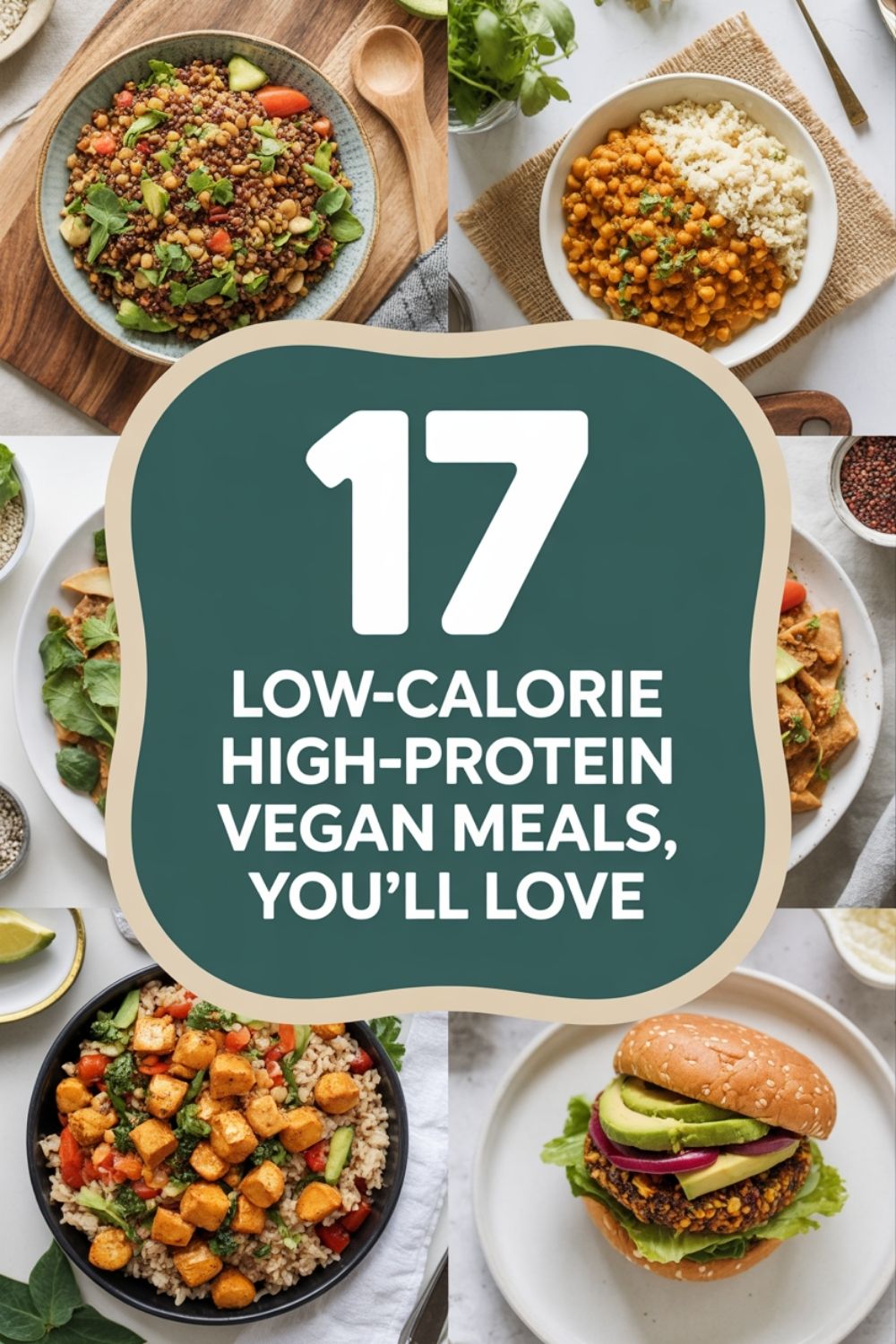
17 Low-Calorie High-Protein Vegan Meals You’ll Love
Look, I get it. You’re tired of hearing that vegan meals can’t pack a protein punch without loading up on calories. I’ve been there, scrolling through recipe after recipe that promises “high protein” but delivers chickpea salad for the third time this week. But here’s the thing—plant-based eating has come a long way, and I’m not talking about sad tofu cubes and plain steamed broccoli.
The meals I’m sharing today? They’re legit delicious, surprisingly filling, and won’t leave you hangry two hours later. Whether you’re fully vegan, plant-curious, or just trying to eat lighter without sacrificing muscle gains, these recipes deliver serious nutrition without the calorie overload. No weird ingredients you can’t pronounce, no three-hour prep sessions—just real food that actually tastes good.
Why Low-Calorie, High-Protein Vegan Meals Actually Work
Before we jump into the recipes, let’s talk about why this combination makes sense. Research shows that plant-based proteins can support muscle strength and promote feelings of fullness, which is exactly what you want when you’re watching calories. The secret isn’t just about eating more protein—it’s about choosing the right sources that give you maximum nutrition per calorie.
Think about it: a cup of cooked lentils gives you 18 grams of protein for around 230 calories, while tofu packs 22 grams per half-cup serving with minimal fat. Recent studies from NPR have even confirmed that vegan protein matches meat for muscle growth when consumed in adequate amounts. The game-changer? You’re getting fiber, antioxidants, and phytonutrients along with that protein—something you definitely don’t get from a chicken breast.
Here’s what most people miss: vegan protein sources often come with built-in appetite control. That fiber content keeps you satisfied longer, which means fewer snack attacks and better calorie management overall. Plus, UCLA Health reports that plant-based diets are associated with increased longevity and decreased disease risk.
The Building Blocks: Best High-Protein Vegan Ingredients
Not all plant proteins are created equal, and knowing which ones deliver the most bang for your buck makes meal planning way easier. I’m talking about ingredients that are protein-dense, relatively low in calories, and actually taste good enough to eat regularly.
Legumes: Your New Best Friends
Lentils, chickpeas, black beans—these guys are workhorses. They’re cheap, shelf-stable, and ridiculously versatile. A cup of cooked chickpeas has about 15 grams of protein and makes an excellent base for everything from curry to roasted snacks. I keep at least three types of canned legumes in my pantry because they turn any meal into a protein powerhouse in minutes.
Black beans are particularly great for Mexican-inspired dishes, while red lentils cook down into creamy dals in under 20 minutes. And here’s a tip: if you find canned beans too mushy, try this pressure cooker—it gives you perfectly textured beans from dried in about an hour, and you can control the salt content.
Tofu and Tempeh: The Dynamic Duo
Yeah, tofu gets a bad rap, but that’s usually because people don’t know how to prep it. Press it properly, season it well, and it soaks up flavors like a sponge. Extra-firm tofu has about 10 grams of protein per 100 grams and works beautifully in stir-fries and scrambles. For those who want more texture and a nuttier flavor, tempeh is your answer—it’s fermented, so it’s great for gut health too.
The pressing step is crucial though. I used to waste so much paper towel until I invested in this tofu press—literally just clip it on, walk away for 15 minutes, and you’ve got perfectly pressed tofu ready to crisp up. Game changer.
If you’re curious about prepping these proteins in advance, check out some meal prep ideas specifically designed for athletes—they include smart strategies for batch-cooking tofu and tempeh.
Seitan: The Protein Champion
If you’re not gluten-free, seitan is basically vegan cheat mode. It’s made from wheat gluten and packs a whopping 25 grams of protein per 100-gram serving. The texture is remarkably meat-like, which is why it’s a favorite in plant-based versions of everything from “chicken” nuggets to stir-fries.
Edamame and Green Peas
These green gems are sneaky protein sources that many people overlook. A cup of edamame has 17 grams of protein, and they make perfect snacks or salad toppers. Green peas might seem modest, but they contribute solid protein while adding sweetness and color to dishes. Toss them in this steamer basket for five minutes and you’ve got an instant side dish.
“I started incorporating these protein-rich vegan meals into my routine three months ago, and I’ve dropped 12 pounds without feeling deprived once. The lentil curry has become my weekly staple!”—Rachel M., from our community
🌱 Plant-Based Protein Meal Planner
Honestly, planning vegan high-protein meals used to stress me out until I found this digital meal planner. It’s specifically designed for plant-based eaters who want to hit their protein goals without the mental gymnastics of calculating macros every day.
What makes it worth it:
- Pre-calculated protein counts for every meal (no guessing games)
- Weekly shopping lists that actually save you time
- Customizable templates based on your calorie targets
- Works great for meal prep Sunday warriors
If you’re tired of winging it and want a system that actually works, check out this meal planner here. It’s been a game-changer for staying consistent without burning out.
17 Low-Calorie High-Protein Vegan Meals You Actually Want to Eat
Alright, let’s get to the good stuff. These meals range from quick 15-minute throws to slightly more involved dishes that are still totally doable on a weeknight. Each one delivers at least 20 grams of protein and stays under 400 calories per serving.
1. Spicy Black Bean and Quinoa Bowl
This bowl is my go-to when I need something fast but filling. Black beans and quinoa together create a complete protein profile, and the combination keeps you full for hours. Top it with pico de gallo, a squeeze of lime, and some cilantro—suddenly you’ve got a meal that feels way more exciting than “healthy food.”
The protein count sits around 24 grams per serving, mostly from the beans and quinoa, with calories hovering around 350. If you want to prep a week’s worth, Get Full Recipe.
2. Thai-Inspired Peanut Tempeh Stir-Fry
Tempeh’s nutty flavor pairs perfectly with a tangy peanut sauce. This stir-fry comes together in under 20 minutes and delivers about 28 grams of protein. The trick is getting your tempeh nicely browned—don’t crowd the pan, and let it sit undisturbed for a few minutes per side.
I make the peanut sauce in bulk because it keeps for a week and works on practically everything. Just peanut butter, soy sauce, lime juice, a bit of maple syrup, and some garlic. Mix it in this small glass jar and shake—way easier than whisking.
3. Lentil and Sweet Potato Curry
This one’s comfort food that happens to be ridiculously nutritious. Red lentils break down into a creamy texture, and sweet potatoes add natural sweetness that balances the curry spices. You’re looking at 22 grams of protein and about 320 calories per generous serving.
The beauty of this curry is how it improves overnight—the flavors meld together beautifully. Make a big batch and portion it out for lunches. Seriously, Get Full Recipe because you’ll want this on repeat.
Speaking of curry variations, you might also dig these crockpot recipes or these Instant Pot versions if you prefer set-it-and-forget-it cooking.
4. Crispy Tofu Scramble with Spinach
Forget sad, mushy tofu scrambles—this version gets legitimately crispy edges by cooking it in a hot pan with minimal stirring. Nutritional yeast adds a cheesy flavor and bumps up the protein even more. With around 26 grams of protein and 280 calories, this makes an excellent breakfast or quick dinner.
The secret weapon here is black salt (kala namak)—it has a sulfurous taste that mimics eggs surprisingly well. Just a pinch makes a huge difference in fooling your brain into thinking you’re eating actual scrambled eggs.
5. Mediterranean Chickpea Salad
This isn’t your average boring salad. We’re talking crispy roasted chickpeas, cherry tomatoes, cucumber, red onion, and a tangy lemon-tahini dressing. The chickpeas alone contribute about 15 grams of protein, and when you add the tahini dressing, you’re pushing 20 grams total.
Roasting the chickpeas is key—spread them on a silicone baking mat, toss with spices, and bake at 400°F until crunchy. They’re like healthy little croutons that happen to be protein bombs.
The Blender That Changed My Vegan Cooking Game
I’ll be straight with you—I resisted getting a good blender for years. “How different can it really be?” Oh man, was I wrong. This thing pulverizes anything into silky smoothness, which is crucial when you’re making protein smoothies, tahini sauce, or cashew cream.
Why I actually use this daily:
- Protein smoothies in 60 seconds – No chunks, no gritty texture from protein powder
- Makes tahini sauce foolproof – That emulsified, restaurant-quality drizzle every time
- Blends frozen edamame – Yes, for those smoothie bowls. Trust the process.
- Self-cleaning feature – Add water and soap, blend, rinse. Done.
Check current price and reviews here – it’s an investment, but the time and frustration it saves makes it worth every penny.
6. Edamame and Soba Noodle Bowl
Soba noodles made from buckwheat have more protein than regular pasta, and when you pile on edamame, you’re getting a seriously satisfying meal. This bowl delivers around 25 grams of protein for about 380 calories. The sesame-ginger dressing ties everything together without adding excessive calories.
7. White Bean and Kale Soup
Sometimes you just need soup, especially when the weather gets chilly. This one’s loaded with white beans and kale, both contributing to the protein count of about 18 grams per bowl. It’s under 250 calories, which means you can have a big, satisfying serving without guilt.
The trick to great bean soup is sautéing your aromatics properly—onions, garlic, and celery should be soft and fragrant before you add anything else. I use this enameled Dutch oven for soups because it distributes heat evenly and looks pretty enough to serve from.
8. Spiced Chickpea and Cauliflower Sheet Pan
Sheet pan meals are inherently lazy in the best way possible. Toss everything with spices, roast, and you’re done. This combo of chickpeas and cauliflower with Middle Eastern spices gives you about 16 grams of protein and 290 calories. Serve over a small portion of quinoa or with a side of tahini sauce.
For more sheet pan inspiration with higher protein counts, these sheet pan dinners are total lifesavers on busy nights.
9. Black Bean and Corn Stuffed Bell Peppers
Bell peppers make perfect edible bowls, and this filling is ridiculously flavorful. Black beans, corn, tomatoes, and spices all get stuffed into the peppers and baked until tender. You’re getting about 21 grams of protein per pepper for roughly 310 calories.
Pro move: prep the filling ahead and store it in the fridge. When you want dinner, just stuff the peppers and bake. Dinner’s ready in 30 minutes flat, most of which is hands-off oven time.
The Only Meal Prep Containers You’ll Ever Need
Listen, I’ve been through the container gauntlet—plastic that stains from turmeric, lids that never quite seal, sizes that don’t stack properly. These glass containers ended my search. They’re not cheap, but I’ve been using the same set for three years now.
Why these beat everything else:
- Actually leak-proof – I’ve thrown these in my bag sideways. No disasters.
- Microwave to table – Glass heats evenly, looks presentable if you’re eating at your desk
- No staining or smell retention – That curry from last week? Zero evidence.
- Dishwasher-safe everything – Glass, lids, snap mechanisms. All of it.
- Three size variety – Perfect for different meal types and portions
Grab the complete set here – they’re the foundation of sustainable meal prep that actually sticks.
10. Sesame Ginger Tempeh with Broccoli
Tempeh marinated in sesame-ginger sauce becomes incredibly flavorful and caramelizes beautifully when baked. Pair it with roasted broccoli and you’ve got a complete meal with 26 grams of protein and 340 calories. The broccoli even adds a few extra grams of protein—every bit counts.
11. Red Lentil Bolognese Over Zucchini Noodles
This is how you satisfy pasta cravings while keeping calories in check. Red lentils cook down into a thick, meaty sauce that’s shockingly similar to traditional bolognese. Over zucchini noodles, you’re getting about 20 grams of protein for under 300 calories.
I spiralize zucchini with this handheld spiralizer because it’s easier to store than those bulky countertop versions. Plus, cleanup takes like 30 seconds.
If the zucchini noodle thing isn’t your jam, try these wrap variations instead—same great filling, different vessel.
📖 The Complete Vegan Protein Recipe Collection
Look, I’ll be honest—when I first went plant-based, I was drowning in mediocre recipes that promised “high protein” and delivered chickpea salad #47. That’s why I’m obsessed with this recipe ebook that actually gets it right.
Why this ebook stands out:
- 100+ vegan recipes, every single one with 20g+ protein per serving
- Clear calorie counts and macro breakdowns (no calculator needed)
- Organized by meal type and prep time—find what you need fast
- Includes batch-cooking strategies and storage tips
- Budget-friendly ingredients, nothing weird or impossible to find
If you want to expand beyond these 17 meals and never run out of ideas, grab this recipe collection here. It’s basically like having a vegan nutritionist in your pocket.
12. Protein-Packed Green Smoothie Bowl
Not every high-protein meal needs to be savory. This smoothie bowl uses frozen edamame (yes, really), spinach, banana, and plant-based protein powder to create a thick, creamy base. Top with berries, nuts, and seeds for texture. You’re getting around 28 grams of protein for 320 calories.
The edamame trick sounds weird but you can’t taste it—it just makes the texture incredible and adds protein without powder grittiness. Trust me on this one.
For more smoothie magic that’ll boost your metabolism, check out these metabolism-boosting smoothie recipes.
13. BBQ Pulled Jackfruit with Coleslaw
Jackfruit gets all shredded and saucy, mimicking pulled pork texture surprisingly well. While jackfruit itself isn’t super high in protein, pairing it with a side of white beans or adding some hemp seeds to the coleslaw brings the protein up to about 18 grams. Calories stay around 340.
14. Tofu and Vegetable Green Curry
Green curry paste, coconut milk (use the light version), tofu, and whatever vegetables you have on hand. This Thai-inspired dish is aromatic, creamy, and delivers about 24 grams of protein per serving for 360 calories. Serve over cauliflower rice if you want to keep it super low-cal.
The key is pressing your tofu really well so it doesn’t water down the curry. Also, add the tofu toward the end so it stays firm and absorbs flavor without falling apart.
15. Moroccan Spiced Lentil Stew
Warm spices like cumin, coriander, and cinnamon make this lentil stew feel special without any extra effort. It’s basically dump everything in a pot and simmer. Lentils deliver about 19 grams of protein per bowl, and it clocks in at 270 calories.
This is another one that freezes beautifully. Make a double batch and freeze portions in these silicone freezer trays—perfect single servings every time. For more freezer-friendly options, these freeze-and-reheat recipes are super practical.
16. Asian-Style Lettuce Wraps with Tofu Crumbles
Crumbled tofu cooked with ginger, garlic, soy sauce, and a touch of hoisin gets spooned into crisp lettuce leaves. These are fun, interactive, and surprisingly filling. Each serving (about 3-4 wraps) gives you roughly 22 grams of protein for 290 calories.
The texture comes from really breaking up the tofu and cooking it until it’s golden and slightly crispy. Don’t rush this step—that’s where the magic happens.
How I Cook Beans From Scratch Without the Wait
Real talk: canned beans are fine, but they’re mushy and loaded with sodium. Cooking dried beans traditionally takes forever. This pressure cooker splits the difference—dried beans to perfect texture in 30 minutes, zero babysitting required.
Why this matters for high-protein vegan cooking:
- Dried beans are pennies per serving – Saves serious money when you’re eating beans daily
- Perfect texture every time – No mush, no undercooked centers, just right
- Batch cook on Sunday – Make 3-4 varieties, freeze portions, you’re set for weeks
- Makes killer lentil curries – Sauté function means one-pot meals start to finish
- Steams tempeh beautifully – Removes bitterness without getting it soggy
See the model I use here – it’s the workhorse appliance in my plant-based kitchen. Paid for itself in saved takeout within two months.
“These lettuce wraps have saved my weeknight dinners. My kids actually request them now, and I love that they’re getting plant protein without even realizing it. Win-win!”—Jennifer T., from our community
17. High-Protein Buddha Bowl with Tahini Drizzle
Let’s end with the ultimate customizable meal. Buddha bowls are basically whatever you want them to be—the formula is grain + protein + veggies + sauce. Use quinoa or brown rice, add roasted chickpeas and edamame, pile on roasted vegetables, and drizzle with tahini sauce.
This setup easily hits 25-30 grams of protein depending on your portions, and stays around 380 calories. The best part? You can prep all the components ahead and just assemble when you’re ready to eat. Get Full Recipe for the exact ratios and my favorite tahini sauce recipe.
Buddha bowls are endlessly flexible—for more bowl inspiration, check out these quick-prep bowls.
📊 Vegan Macro Tracker & Food Database
Real talk: I used to spend way too much time googling “how much protein in tempeh” or “lentil nutrition facts” every single day. This digital tracker changed everything because it’s built specifically for plant-based foods—no more scrolling through 47 types of chicken breast to find tofu.
What makes this tracker different:
- Massive database of vegan foods with accurate macros already loaded
- Quick-log feature for common plant proteins (saves serious time)
- Visual protein goal tracker so you know if you’re on track
- Meal history that learns your eating patterns
- Works offline—track anywhere without WiFi stress
If you’re serious about hitting your protein goals consistently (not just guessing), this tracker is available here. It takes the mental load off so you can just eat and enjoy.
Making These Meals Work for Your Lifestyle
Having recipes is one thing—actually making them fit into your life is another. Here’s what I’ve learned from making high-protein vegan meals a regular part of my routine.
Meal Prep Is Your Secret Weapon
I know, I know—meal prep sounds tedious. But here’s the thing: you don’t have to prep entire meals. Just prep components. Cook a big batch of quinoa, lentils, and chickpeas on Sunday. Roast a few sheet pans of vegetables. Suddenly, weeknight meals become assembly jobs rather than cooking marathons.
Store everything in glass containers with snap lids—they’re microwave-safe, don’t stain, and let you see what you’ve got at a glance. I’m weirdly particular about containers, and these are the only ones I’ll use now.
For complete meal prep strategies that work, these meal prep ideas have you covered with proven systems.
Smart Substitutions Keep Things Interesting
Don’t feel locked into exact recipes. If you don’t like tempeh, use extra-firm tofu. Can’t find edamame? Use green peas or lima beans. The protein counts might shift slightly, but you’re still hitting your targets while eating food you actually enjoy.
Swap chickpeas for black beans, try different curry spice blends, change up your grain base. The building blocks stay the same—you’re just rearranging them to keep your taste buds interested.
Don’t Fear Carbs
Some people hear “low-calorie” and immediately think “low-carb,” but that’s not what we’re doing here. Healthy carbs from quinoa, sweet potatoes, and whole grains give you energy and work synergistically with protein for muscle recovery and satiety. Research published in the Journal of Nutrition shows that plant-based diets with adequate carbohydrates support weight loss and improved insulin sensitivity.
The key is choosing complex carbs that come with fiber and nutrients, not empty calories. That sweet potato in your curry? It’s doing good things for you.
Nutrition Timing for Best Results
When you eat matters almost as much as what you eat, especially if you’re active or trying to build muscle. I’m not saying you need to be neurotic about timing, but understanding the basics helps.
Post-Workout Protein
After exercise, your muscles are primed to absorb nutrients. That’s when something like the tofu scramble or a protein-packed smoothie bowl really shines. You’re giving your body what it needs exactly when it needs it. Studies in Frontiers in Nutrition confirm that adequate protein intake supports muscle recovery and growth on plant-based diets.
For targeted post-workout meals, these recovery recipes are specifically designed for that purpose.
Breakfast Sets the Tone
Starting your day with protein helps stabilize blood sugar and keeps you from reaching for junk mid-morning. The tofu scramble or smoothie bowl work perfectly here. Personally, I find that a high-protein breakfast completely changes how I eat the rest of the day—I make better choices because I’m not starving.
If mornings are chaotic at your house, these breakfast bowls can be mostly prepped ahead.
Common Mistakes to Avoid
I’ve made every vegan protein mistake in the book, so learn from my failures.
Under-Seasoning Your Food
Plant-based proteins can be bland if you don’t season them properly. Salt, garlic, spices—don’t be shy. That’s the difference between “eating healthy” food and actually enjoying your meals. Tofu should never taste like nothing. Tempeh should never be bitter. Season aggressively.
Not Varying Your Protein Sources
Eating chickpeas every single day gets old fast, no matter how much you love them. Rotate through different legumes, tofu, tempeh, and seitan. Your taste buds and your microbiome will thank you. Plus, different proteins bring different amino acid profiles to the table.
Ignoring Texture
Mushy food is sad food. Press your tofu. Crisp your chickpeas. Don’t overcook your lentils. Texture makes food interesting, and when food is interesting, you actually want to eat it.
Frequently Asked Questions
Can you really build muscle on a vegan diet?
Absolutely. The key is consuming enough total protein throughout the day—aim for 1.6-2.2 grams per kilogram of body weight if you’re actively training. Combine different plant proteins to get all essential amino acids, and time your protein intake around workouts. Studies show that when total protein intake is adequate, vegan diets support muscle growth just as effectively as omnivorous diets.
How do I make tofu actually taste good?
Three steps: press it well to remove excess water, cut it into whatever size you want, and marinate or season generously. Then cook it properly—either bake at high heat until crispy, pan-fry until golden, or crumble and sauté until browned. Bland tofu is just poorly prepared tofu. Salt is your friend here.
Are these meals suitable for weight loss?
Yes, when combined with overall calorie awareness and regular activity. These meals are designed to be satisfying and nutrient-dense while staying relatively low in calories. The high protein and fiber content helps with satiety, which naturally supports weight management by reducing cravings and overeating.
Do I need to take supplements on a vegan diet?
B12 is essential—it’s not naturally found in plant foods, so supplementation is necessary. Vitamin D is often recommended as well, especially if you live in northern climates. Some people also benefit from omega-3 supplements derived from algae. As for protein powder, it’s not necessary if you’re eating a variety of whole food protein sources, but it can be convenient.
Can kids eat these meals?
Definitely. These are whole food meals that provide excellent nutrition for growing bodies. You might want to adjust spice levels for younger palates and ensure they’re getting enough calories overall, since plant-based meals can be quite filling. Many parents find that involving kids in the cooking process makes them more excited about eating these foods.
Final Thoughts: Making Plant-Based Protein Part of Your Life
Here’s what I’ve learned after years of experimenting with vegan high-protein meals: it’s not about perfection. You don’t need to eat vegan every meal or hit exact macros every single day. What matters is having a toolkit of recipes you actually enjoy that happen to be nutritious.
These 17 meals give you that toolkit. They’re flexible enough to adapt to your preferences, straightforward enough to make regularly, and delicious enough that you won’t feel like you’re sacrificing anything. Whether you’re fully plant-based or just trying to incorporate more vegan meals into your rotation, these recipes prove that high-protein, low-calorie eating doesn’t have to be boring or complicated.
Start with one or two recipes that sound appealing. Make them your own. Adjust seasonings, swap ingredients, figure out what works for your schedule and taste preferences. Before you know it, you’ll have your own rotation of go-to meals that support your health goals without feeling like a chore.
The plant-based protein game has evolved way beyond bland tofu and boring salads. It’s time your meals reflected that. Now get in the kitchen and make something delicious.