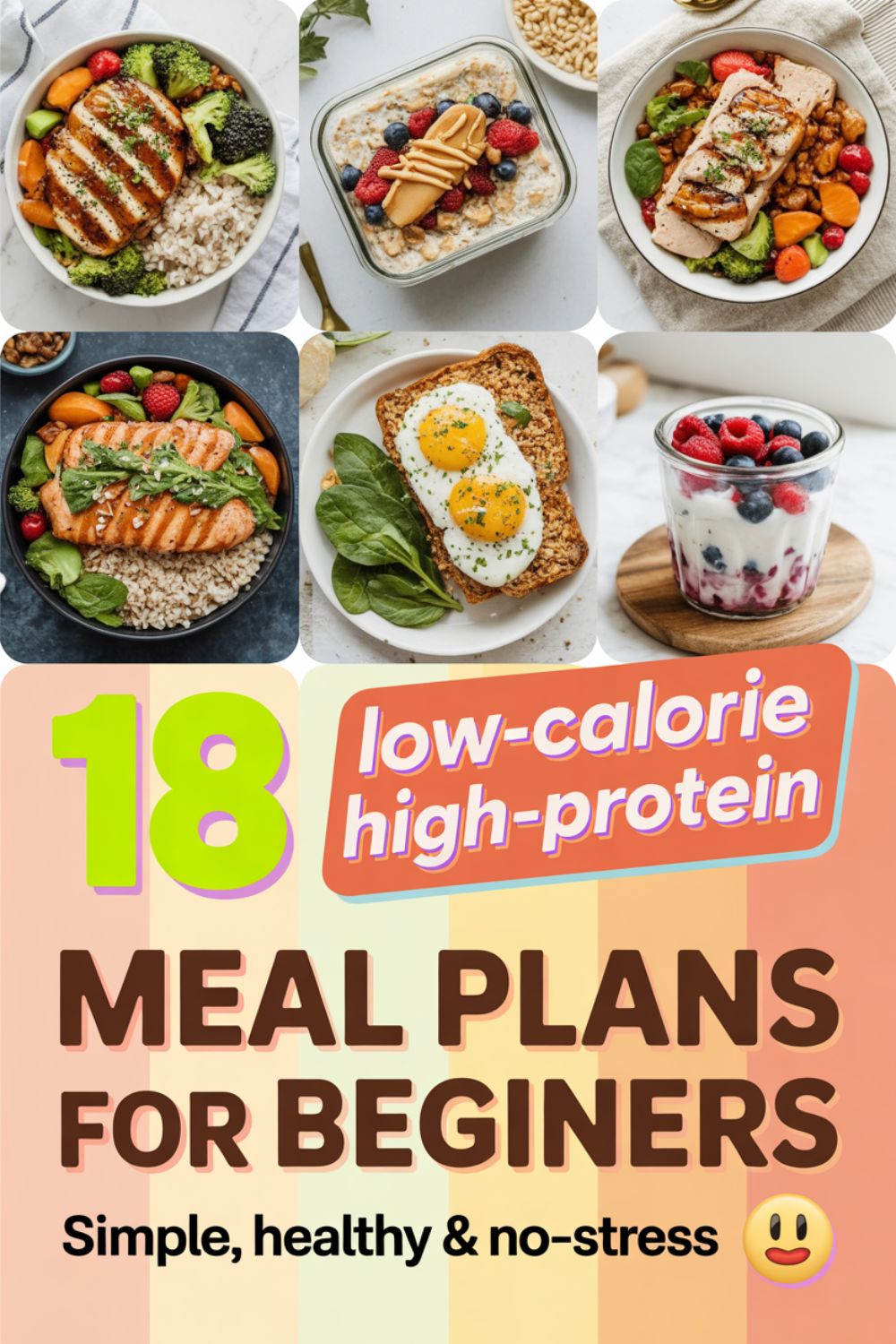
18 Low-Calorie High-Protein Meal Plans for Beginners
Look, I’m not going to sugarcoat this—trying to figure out how to eat enough protein while keeping calories in check can feel like trying to solve a Rubik’s cube blindfolded. You’re hungry, you’re tired of the same boring chicken breast, and Pinterest keeps serving you meal plans that require ingredients you’ve never heard of.
Here’s the thing: you don’t need to be a nutrition scientist or spend three hours meal prepping on Sunday to make this work. I’ve been down this road myself, and after plenty of trial and error (and some truly questionable food combinations), I’ve figured out what actually works for real people with real lives.
This isn’t another one of those restrictive diet plans that leaves you fantasizing about bread. We’re talking about 18 practical, beginner-friendly meal plans that pack serious protein without turning your calorie budget into a disaster. Whether you’re trying to lose weight, build muscle, or just feel less terrible after lunch, these plans have your back.
Why High-Protein, Low-Calorie Actually Makes Sense
Before we jump into the meal plans, let’s talk about why this combo works so well. Protein is basically the overachiever of macronutrients—it keeps you full longer, helps preserve muscle mass when you’re cutting calories, and has a higher thermic effect than carbs or fat. Translation: your body burns more calories just digesting it.
According to Harvard Health, while the standard recommendation is 0.8 grams of protein per kilogram of body weight, many people benefit from higher amounts, especially when trying to lose weight or build muscle. The sweet spot for most active folks? Somewhere between 1.2 to 2.0 grams per kilogram.
The low-calorie part isn’t about starving yourself—it’s about being smart with your food choices. We’re aiming for nutrient-dense options that give you the most bang for your caloric buck. Think lean proteins, vegetables that actually taste good, and enough healthy fats to keep your brain happy.
Pro Tip: Don’t obsess over hitting exact macros every single day. Consistency over perfection, always. If you’re within 10-15% of your targets most days, you’re doing great.
The 18 Meal Plans That’ll Change Your Game
1. The Classic Grilled Chicken Bowl
Let’s start with the OG. A grilled chicken bowl is like the little black dress of meal prep—it works for basically any situation. I’m talking 4-5 oz of grilled chicken breast (about 30-35g protein) over a bed of mixed greens, roasted sweet potato cubes, and steamed broccoli. Dress it with a squeeze of lemon and a tiny drizzle of olive oil.
Calories: roughly 350-400. Protein: 35g. And before you roll your eyes at “another chicken recipe,” trust me—the key is in how you season it. I use this spice grinder to make my own blends, and it’s a game-changer for keeping things interesting.
2. Overnight Protein Oats
Breakfast shouldn’t require you to function like a normal human at 6 AM. Mix ½ cup rolled oats with ¾ cup unsweetened almond milk, a scoop of vanilla protein powder, and a handful of frozen berries in a mason jar. Leave it in the fridge overnight, and boom—you’ve got a 25-30g protein breakfast waiting for you.
The texture freaked me out at first (why is cold oatmeal a thing?), but now I’m a convert. Add a tablespoon of chia seeds if you want extra fiber and omega-3s. Pro move: these overnight oats containers have measurement marks built in, so you can’t mess it up even if you’re half asleep.
Speaking of breakfast ideas that don’t require actual cooking skills, you might also love these high-protein breakfast bowls or this collection of metabolism-boosting smoothies.
3. Sheet Pan Salmon and Veggies
This one’s for when you want to look like you have your life together without actually having your life together. A 5 oz salmon fillet (35g protein) on a sheet pan with asparagus, cherry tomatoes, and bell peppers. Season everything with garlic, lemon, and herbs. Bake at 400°F for 15-18 minutes.
Total time investment: about 5 minutes of actual work. The rest is just waiting for your oven to do its thing. Salmon is packed with omega-3 fatty acids, which are incredible for inflammation and brain health—basically the opposite of those 3 PM brain fog moments we all pretend don’t happen.
For more inspiration on easy weeknight dinners, these Get Full Recipe are absolute lifesavers.
Quick Win: Prep your veggies on Sunday night. Seriously. Your weeknight self will thank you when dinner takes 5 minutes instead of 25.
4. Turkey and Veggie Lettuce Wraps
Carb-light but flavor-heavy. Brown 4-5 oz of lean ground turkey with diced onions, bell peppers, and your favorite seasonings (I’m partial to cumin and paprika). Wrap it up in butter lettuce leaves with some diced tomatoes and a dollop of Greek yogurt instead of sour cream.
Each wrap clocks in around 250-300 calories with about 28-32g protein. The crunch from the lettuce is surprisingly satisfying, and you don’t get that post-lunch carb coma that makes you want to nap under your desk. You can meal prep the turkey mixture and just assemble fresh when you’re ready to eat.
5. Greek Yogurt Power Bowl
This is my go-to when I need protein but don’t feel like cooking. 1 cup of plain Greek yogurt (20-23g protein) topped with a handful of mixed berries, a tablespoon of sliced almonds, and a drizzle of honey. Sometimes I throw in a scoop of protein powder to bump it up even more.
Calories: 250-300. Protein: 25-35g depending on whether you add powder. The probiotics in yogurt are great for gut health, and honestly, a happy gut makes everything else easier. Just make sure you’re buying plain yogurt—the flavored stuff is basically candy with a health halo.
6. Egg White Veggie Scramble
Egg whites get a bad rap for being boring, but hear me out. 6 egg whites (about 21g protein) scrambled with spinach, mushrooms, tomatoes, and a sprinkle of feta cheese. The vegetables add volume and flavor without many calories, and the feta brings just enough saltiness to make it interesting.
Total calories: around 200-250. I cook mine in this nonstick pan so I don’t need much oil. Pair it with a slice of whole grain toast if you need more carbs, or skip it if you’re trying to keep things lighter.
7. Slow Cooker Chicken Chili
Set it and forget it—my kind of cooking. Throw 1-2 lbs of chicken breast, canned tomatoes, black beans, corn, and chili seasonings into your slow cooker. Let it cook on low for 6-8 hours. Shred the chicken when it’s done.
One serving (about 1.5 cups) gives you roughly 35-40g protein and 300-350 calories. The beans add fiber and make it super filling. I make a huge batch on Sunday and eat it throughout the week. Top it with a little Greek yogurt instead of sour cream, and you’ve added even more protein.
If you’re into the slow cooker life, check out these Get Full Recipe—they’re all certified lazy-chef approved.
8. Tuna Salad Stuffed Tomatoes
Who needs bread when you’ve got tomatoes? Mix one can of tuna (packed in water, drained) with diced celery, a tiny bit of light mayo or Greek yogurt, and some mustard. Scoop out large tomatoes and fill them with the tuna mixture.
Each stuffed tomato is around 150-180 calories with 25-28g protein. It’s refreshing, it’s portable, and it makes you look fancy even though it takes about 5 minutes to make. The American Heart Association recommends including fish 2-3 times per week, and this is an easy way to hit that target.
Kitchen Tools That Make These Recipes Stupid-Easy
Physical Products:
- Glass Meal Prep Containers (5-pack) – These don’t stain like plastic, and you can see what’s inside without opening them. Game-changer for fridge organization.
- Instant-Read Meat Thermometer – Stop guessing if your chicken is done. No more dry, overcooked protein disasters.
- Silicone Baking Mats (2-pack) – Zero sticking, zero scrubbing. I use these for everything short of cereal bowls.
Digital Resources:
- Macro Tracking App Subscription – Takes the guesswork out of hitting your protein targets. Worth every penny.
- Digital Meal Planner Template – Pre-built templates so you’re not starting from scratch every week.
- High-Protein Recipe eBook Bundle – 200+ recipes organized by prep time. Perfect for when you’re sick of your rotation.
9. Shrimp Stir-Fry
Shrimp is ridiculously high in protein and low in calories. 6 oz of shrimp gives you about 35g protein for only 150 calories. Stir-fry them with snap peas, bell peppers, broccoli, and a light sauce made from soy sauce, ginger, and a touch of honey.
Serve over cauliflower rice if you want to keep it super low-cal, or regular brown rice if you need the carbs. The whole thing comes together in under 15 minutes. I keep frozen pre-peeled shrimp in the freezer for emergencies—they thaw in cold water in about 10 minutes.
10. Cottage Cheese Protein Pancakes
Okay, these aren’t technically meal prep unless you make them ahead and reheat, but they’re too good not to include. Blend ½ cup cottage cheese, 2 eggs, and ⅓ cup oats until smooth. Cook like regular pancakes.
Three pancakes clock in around 300 calories with 25-28g protein. Top with fresh berries instead of syrup to keep the sugar down. They’re weirdly fluffy and actually taste good—I was skeptical too, but they’ve become a weekend staple.
For more creative ways to use cottage cheese and other protein-packed ingredients, these Get Full Recipe prove you don’t need a million ingredients to eat well.
11. Lean Beef and Veggie Skillet
Sometimes you need red meat. It happens. 4-5 oz of 93% lean ground beef (about 30g protein) cooked with zucchini, bell peppers, and diced tomatoes. Season with Italian herbs or taco seasoning depending on your mood.
Calories: 350-400. The vegetables bulk it up so you get a huge serving without a ton of calories. Beef is also an excellent source of iron and B vitamins, which you need for energy and a functioning brain. Pair it with a small portion of quinoa or skip the grains entirely.
12. Tofu and Veggie Buddha Bowl
For my plant-based folks (or anyone sick of chicken), 5-6 oz of firm tofu gives you about 20-25g protein. Press it, cube it, and either bake it crispy or pan-fry with a little sesame oil. Serve over mixed greens with roasted sweet potato, edamame, shredded carrots, and a tahini-based dressing.
Total calories: 400-450. Protein: 28-32g when you factor in the edamame. The key with tofu is proper seasoning and getting it crispy—nobody wants sad, soggy tofu. I use this tofu press to get the water out without destroying it.
Looking for more plant-based inspiration? Check out these vegan high-protein meals that’ll convert even the most dedicated carnivores.
Pro Tip: Invest in a good set of spices and seasonings. Protein doesn’t have to taste boring—it just needs proper seasoning. Garlic powder, paprika, cumin, and Italian herbs will get you 90% of the way there.
13. Baked Cod with Roasted Brussels Sprouts
Fish gets overlooked, but it shouldn’t. A 6 oz cod fillet has about 30g protein and only 140 calories. Bake it with lemon, garlic, and herbs. Toss Brussels sprouts in a tiny bit of olive oil, salt, and pepper, and roast them alongside the fish.
Total meal: around 320-370 calories with 32-35g protein. Brussels sprouts are packed with fiber and vitamins, and when they’re roasted properly (crispy edges, slightly caramelized), they’re actually delicious. Fight me on this.
14. Protein-Packed Chicken Soup
Soup is comfort food that doesn’t wreck your macros. Simmer chicken breast in low-sodium chicken broth with celery, carrots, onions, and zucchini. Shred the chicken once it’s cooked. Season with herbs, black pepper, and a squeeze of lemon.
A big bowl (2 cups) gives you 25-30g protein for about 250-300 calories. Make a giant pot and portion it out. It reheats like a dream and tastes even better the next day. I use these freezer-safe containers to store individual portions in the freezer for those days when cooking feels impossible.
15. Turkey Meatballs with Zoodles
Meatballs without the pasta guilt. Mix 1 lb lean ground turkey with an egg, some breadcrumbs (or almond flour for lower carb), minced garlic, and Italian seasoning. Form into meatballs and bake at 375°F for 20-25 minutes.
Serve over spiralized zucchini (zoodles) with marinara sauce. Four meatballs with a cup of zoodles and sauce: about 350 calories, 35-38g protein. You can batch-cook the meatballs and freeze them for easy weeknight meals.
If you’re always short on time during the week, these meal prep-friendly recipes are designed specifically for batch cooking and easy reheating.
16. High-Protein Breakfast Burrito Bowl
Skip the tortilla, keep all the good stuff. Scramble 3 whole eggs (18g protein), serve over a bed of black beans, add some salsa, diced avocado (just a quarter to keep calories reasonable), and a sprinkle of cheese.
Calories: 400-450. Protein: 30-35g. The fiber from the beans keeps you full for hours. This is my favorite pre-workout breakfast because it’s got protein, complex carbs, and healthy fats all in one bowl.
17. Lemon Herb Chicken Thighs (The Right Way)
Yes, chicken thighs have more fat than breasts, but they’re also way more flavorful and harder to overcook. One chicken thigh (about 4 oz) gives you 25g protein and around 200 calories. Marinate in lemon juice, garlic, rosemary, and thyme. Bake or grill.
Serve with roasted green beans and a small portion of roasted potatoes. Total meal: 450-500 calories, 30g protein. Sometimes you need the extra flavor to stay sane, and chicken thighs deliver without completely destroying your macros.
18. Protein Smoothie Bowl
This is technically a smoothie you eat with a spoon, which somehow makes it more satisfying. Blend 1 scoop vanilla protein powder, ½ frozen banana, a handful of frozen berries, ½ cup Greek yogurt, and a splash of almond milk until thick.
Pour into a bowl and top with sliced almonds, chia seeds, and fresh berries. Calories: 350-400. Protein: 35-40g. It feels like dessert but it’s actually a legitimate meal. I use this personal blender because it doubles as a cup and makes cleanup stupid-easy.
Quick Win: Freeze your bananas when they start getting spotty. They blend into smoothies perfectly and you won’t waste them. Plus, frozen bananas make smoothies extra thick and creamy.
Making These Meal Plans Work in Real Life
Here’s the truth nobody likes to talk about: having a list of meal ideas is pointless if you can’t actually execute them. So let’s talk strategy.
Start with 3-4 recipes per week, not 18. I know the title says 18, and you now have 18 options, but trying to make all of them in one week is a recipe for burnout. Pick your favorites, rotate them, and gradually add more as you get comfortable.
Batch cooking is your friend. Make a big portion of grilled chicken, roasted vegetables, and cooked quinoa or rice on Sunday. Mix and match throughout the week. Same ingredients, different combinations—your taste buds won’t get bored, and you won’t lose your mind trying to cook from scratch every night.
Keep it simple with seasonings. You don’t need 47 different spice blends. Garlic powder, onion powder, paprika, cumin, Italian herbs, and lemon pepper will cover about 90% of your needs. IMO, fancy seasonings are overrated unless you’re really into cooking.
According to research published in the journal Food & Function, protein requirements vary based on activity level and body composition goals, so don’t stress if you’re not hitting the exact same numbers every single day. Consistency over time matters way more than perfection.
For folks just starting their weight loss journey, these beginner-friendly meal ideas break things down even further with specific portion sizes and macro breakdowns.
Common Mistakes (That I Definitely Haven’t Made… Multiple Times)
Mistake #1: Not seasoning your food properly. Grilled chicken breast doesn’t have to taste like sadness. Use herbs, spices, marinades, hot sauce—whatever makes it actually enjoyable. If you hate what you’re eating, you won’t stick with it.
Mistake #2: Ignoring vegetables. Yeah, I know, vegetables aren’t the sexy part of meal planning. But they add volume, nutrients, and fiber without many calories. Plus, they make your meals look more Instagram-worthy if you’re into that sort of thing.
Mistake #3: Making everything complicated. You don’t need 17 ingredients and a culinary degree to eat well. Some of my best meals are literally just protein + vegetables + a simple seasoning. Done.
Mistake #4: Not tracking portions, at least initially. “Eyeballing it” is great once you know what portions actually look like, but when you’re starting out, you’d be shocked how much you can underestimate or overestimate. Weigh your food for a couple weeks just to calibrate.
Mistake #5: Thinking you need to eat chicken and rice forever. There are so many protein sources—fish, turkey, lean beef, tofu, tempeh, Greek yogurt, cottage cheese, eggs, protein powder. Mix it up or you’ll get bored and order pizza.
Athletes and active folks have different needs—these meal prep ideas for athletes focus on recovery and performance while keeping calories reasonable.
The Meal Prep Reality Check
Let’s be honest: meal prep can feel overwhelming at first. You see those Instagram accounts with perfectly portioned meals in matching containers, and it looks amazing. Then you try it yourself and your kitchen looks like a tornado hit it, you’ve been cooking for three hours, and you’re questioning all your life choices.
Start small. Prep just your protein for the week. Or just your breakfasts. Or just your lunches. You don’t have to prep every single meal to see benefits. FYI, even prepping half your meals will save you time and money compared to winging it every day.
Invest in decent containers. Cheap ones crack, leak, and make you want to give up. Glass containers are more expensive upfront but they last forever and don’t get weird and stained like plastic. Trust me on this—it’s worth the investment.
Label everything with the date. Your future self won’t remember if that container is from this week or two weeks ago. When in doubt, throw it out. Food poisoning is not worth the risk or the stomach troubles.
If you need meals you can make ahead and freeze, check out these freezer-friendly recipes that actually taste good reheated.
What About Snacks?
Yeah, you’re going to get hungry between meals. That’s normal. The goal is to have high-protein snacks ready so you don’t end up eating an entire bag of chips at 3 PM.
Some of my go-tos: beef jerky (watch the sodium), hard-boiled eggs, Greek yogurt, cottage cheese with cucumber slices, protein bars (the good ones, not the candy bars disguised as health food), a handful of almonds, or string cheese.
Keep portions reasonable. A “handful” of almonds is about 1 oz or 23 almonds, roughly 160 calories and 6g protein. It’s easy to accidentally eat 400 calories of nuts without realizing it.
If you’ve got kids or just want family-friendly options, these kid-approved snack recipes work for adults too.
Frequently Asked Questions
How much protein do I actually need per day?
It depends on your weight, activity level, and goals. A general starting point is 0.8-1.2 grams per kilogram of body weight for sedentary folks, and up to 1.6-2.2 grams per kilogram if you’re very active or trying to build muscle. For a 150-pound person, that’s roughly 55-150 grams per day depending on your situation. The Mayo Clinic suggests spreading this intake throughout the day for best results.
Can I build muscle on a low-calorie diet?
It’s tough but not impossible, especially if you’re new to training or have higher body fat. You’ll want to keep your protein intake high, lift heavy, and only maintain a moderate calorie deficit. Trying to cut calories too aggressively while building muscle is like trying to fill a leaky bucket—it can work, but it’s inefficient and frustrating.
Do I need protein powder or can I get enough from food?
You can absolutely get enough protein from whole foods—chicken, fish, eggs, Greek yogurt, lean beef, tofu, and legumes are all excellent sources. Protein powder is convenient and can help if you’re struggling to hit your targets, but it’s not mandatory. Think of it as a supplement, not a requirement.
How long can I store meal-prepped food in the fridge?
Generally, cooked food is safe in the fridge for 3-4 days. If you’re prepping for the whole week, consider freezing meals for the second half of the week and thawing them as needed. Label everything with dates so you don’t play food safety roulette.
What if I get bored eating the same meals?
Change up your seasonings and sauces—seriously, it makes a huge difference. The same grilled chicken can taste completely different with Italian herbs versus taco seasoning versus teriyaki sauce. Also, rotate your vegetable choices and swap proteins every few weeks. You don’t have to eat chicken seven days a week unless you genuinely love it.
The Bottom Line
High-protein, low-calorie eating doesn’t have to be complicated, boring, or soul-crushing. You don’t need to meal prep like a bodybuilder or eat plain chicken breast for every meal. Pick a few recipes that sound good, prep what you can, and give yourself grace when life gets messy.
These 18 meal plans are starting points, not rigid rules. Mix and match, adjust portions based on your needs, and remember that consistency beats perfection every single time. You’re not trying to be perfect for one week—you’re building habits that’ll stick around.
Start with one or two meals. Get comfortable. Add more when you’re ready. And for the love of all things holy, season your food properly. You got this.
Similar Posts
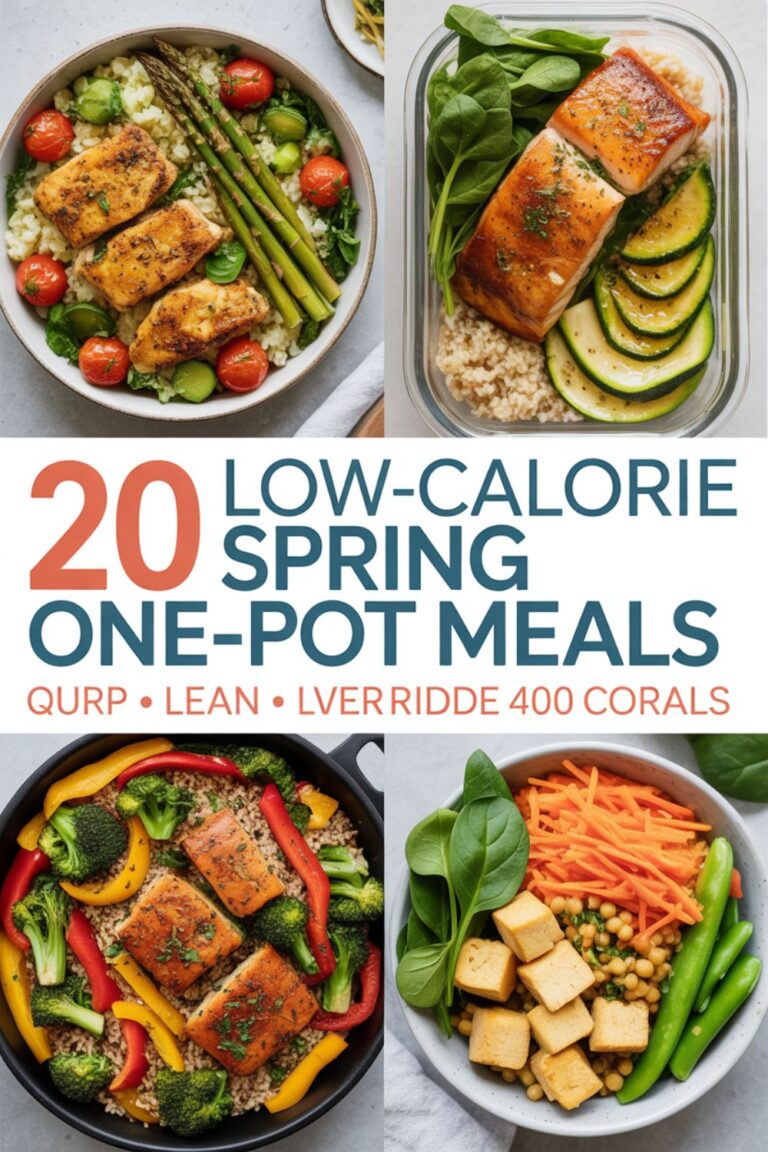
20 Low-Calorie Spring One-Pot Meals
20 Low-Calorie Spring One-Pot Meals 20 Low-Calorie Spring One-Pot Meals Spring hits different when you’re trying to eat clean but also desperately need fewer dishes to wash. One-pot meals are the ultimate lazy genius move—throw everything in, let it do its thing, and boom, dinner’s ready without a sink full of regret. Look, I get…
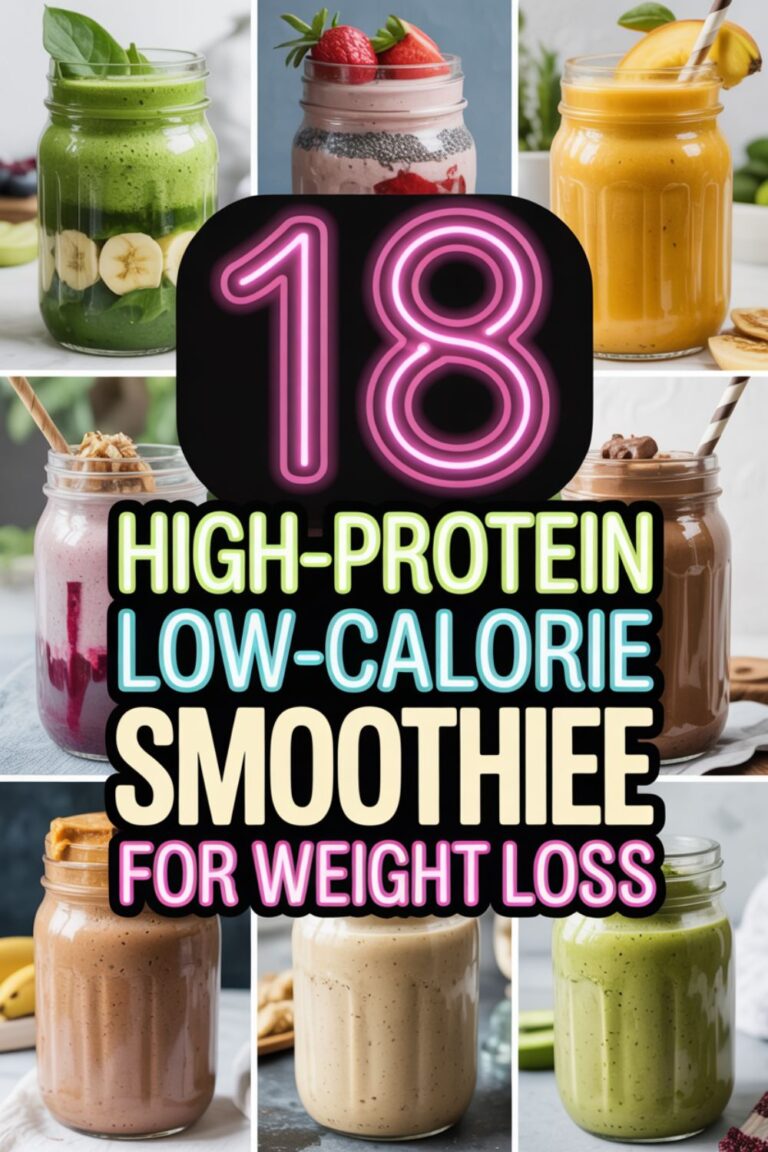
18 High-Protein Low-Calorie Smoothies for Weight Loss
18 High-Protein Low-Calorie Smoothies for Weight Loss 18 High-Protein Low-Calorie Smoothies for Weight Loss Let’s get real—most smoothies labeled as “healthy” are basically milkshakes in disguise. You know the ones I’m talking about. They’ve got three bananas, a cup of juice, and enough peanut butter to fuel a marathon runner. Delicious? Absolutely. Helpful for weight…
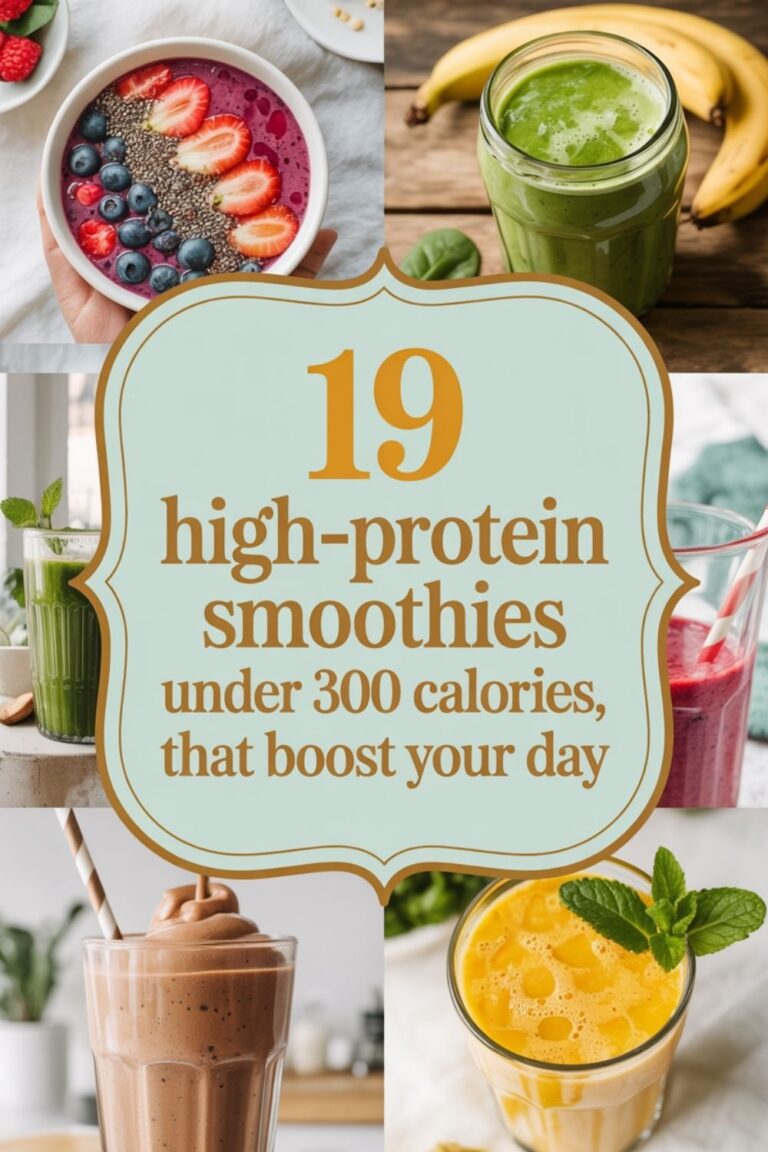
19 High-Protein Smoothies Under 300 Calories
19 High-Protein Smoothies Under 300 Calories | FullTaste Co FullTaste Co — Real Food, Real Results Smoothies & Drinks 19 High-Protein Smoothies Under 300 Calories Fast, filling, and genuinely delicious. These blends give you real protein without punishing your calorie budget. 19 Recipes Under 300 Cal Each 20g+ Protein Average 5 min Prep Time Let’s…
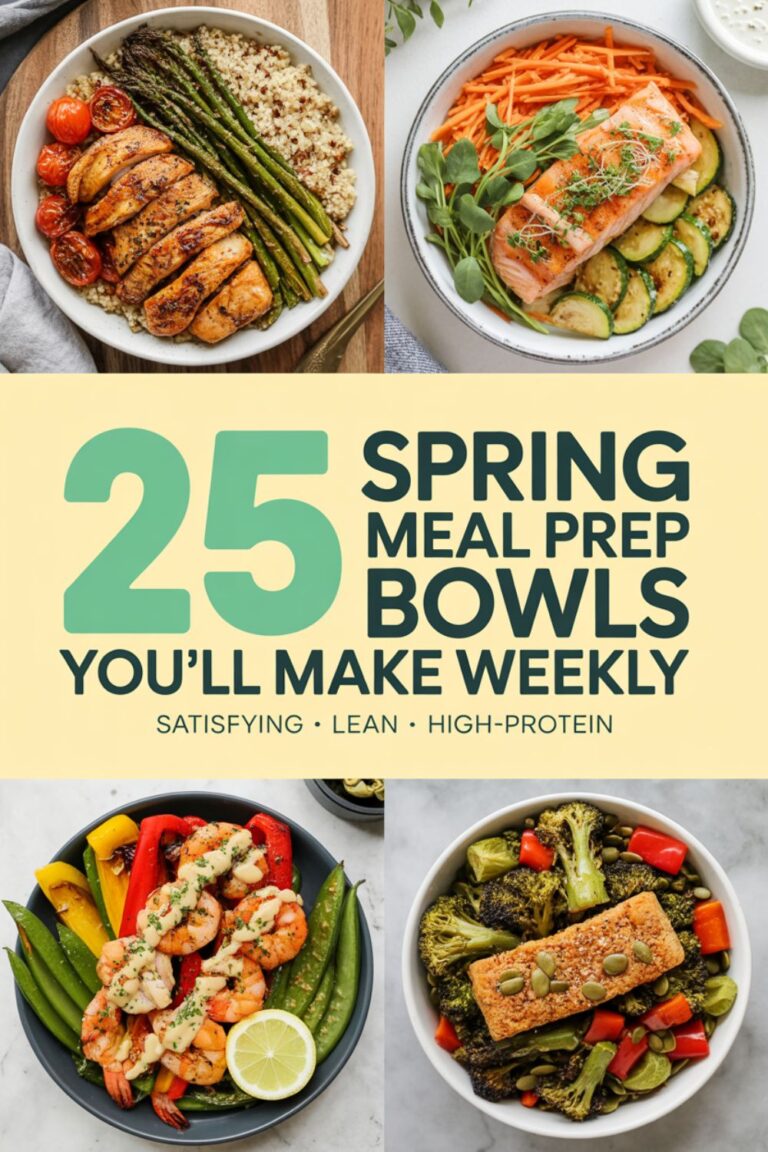
25 Spring Meal Prep Bowls You’ll Make Weekly
25 Spring Meal Prep Bowls You’ll Make Weekly 25 Spring Meal Prep Bowls You’ll Make Weekly Look, I’m going to level with you right from the start. Spring meal prep doesn’t have to be some Instagram-perfect rainbow bowl situation that requires three hours and a culinary degree. I’ve been meal prepping through enough springs to…
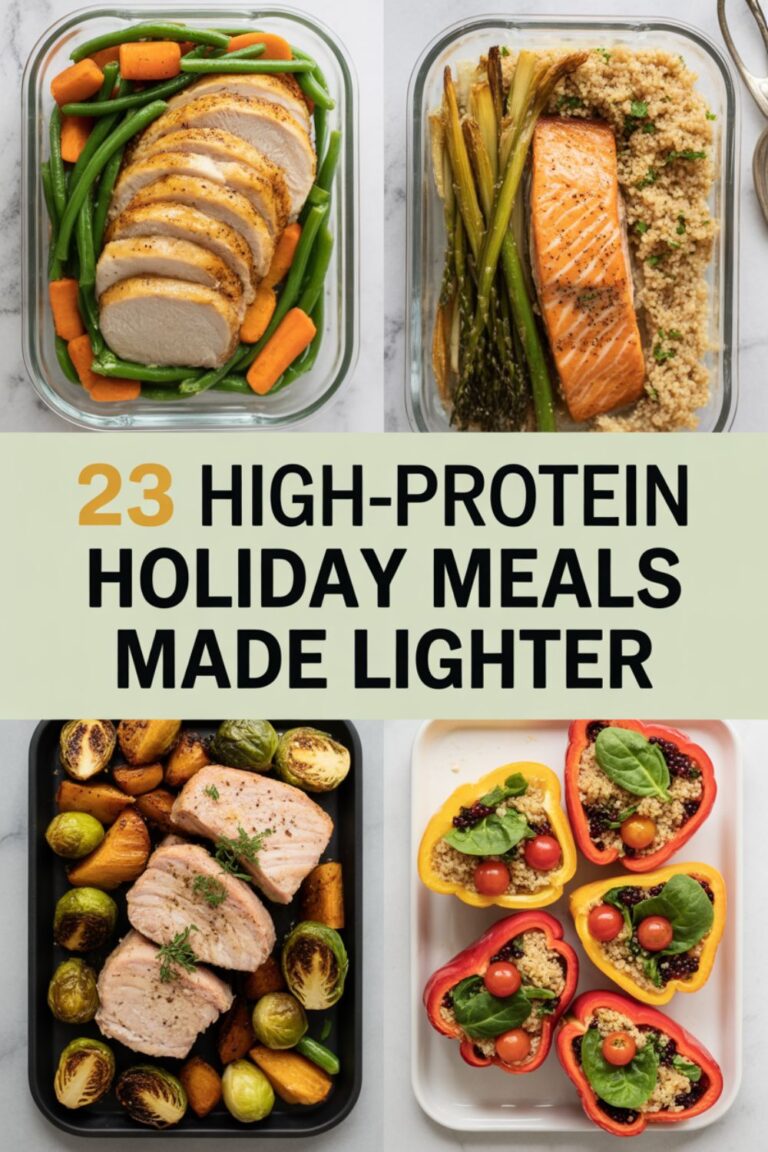
23 High-Protein Holiday Meals Made Lighter
23 High-Protein Holiday Meals Made Lighter | FullTaste Co Holiday Eating / High Protein 23 High-Protein Holiday Meals Made Lighter Festive. Satisfying. Actually Good for You. The holidays come with approximately one thousand opportunities to eat something that will haunt you in January. But what if your favorite festive meals could actually work with your…
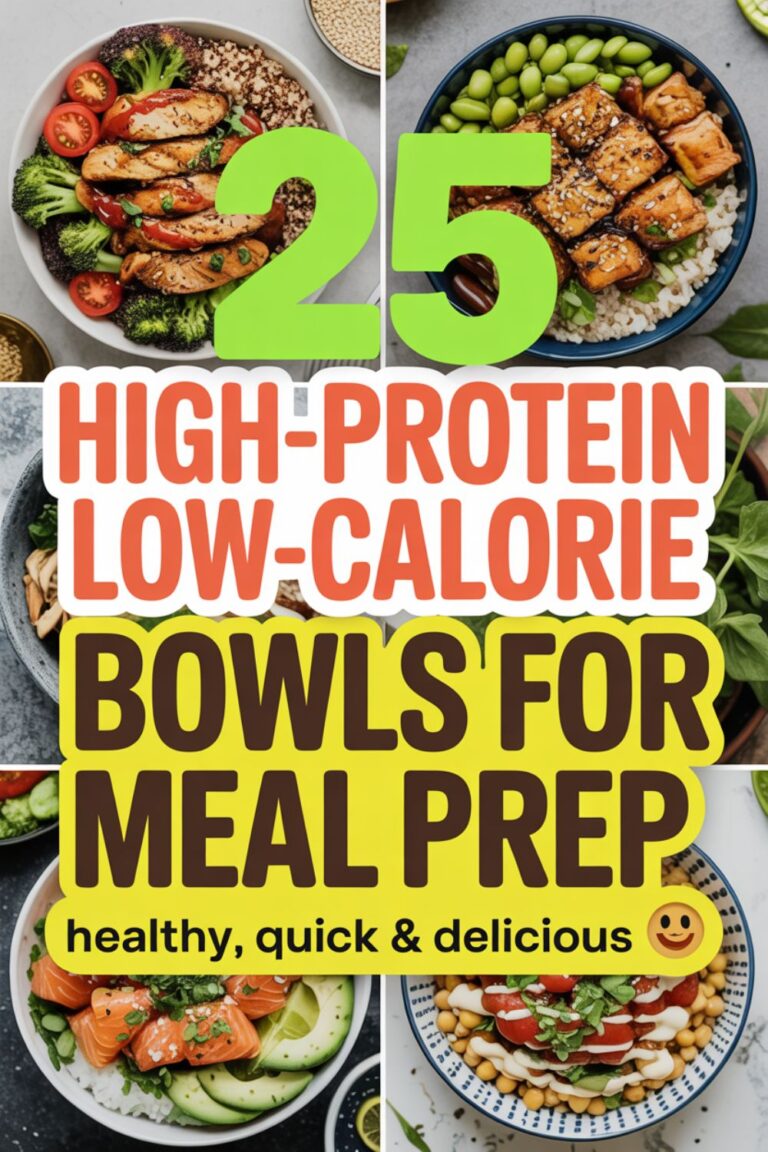
25 High-Protein Low-Calorie Bowls for Meal Prep
25 High-Protein Low-Calorie Bowls for Meal Prep | Full Taste Co 25 High-Protein Low-Calorie Bowls for Meal Prep Look, I get it. You’re tired of staring into the fridge at 7 PM wondering what to eat that won’t derail your fitness goals. You’ve probably tried meal prep before, got overwhelmed by all the complicated recipes,…