19 Low-Calorie Comfort Foods with Extra Protein
You want the big bowl of something warm and filling. You also don’t want to blow your whole week on one meal. Good news: you don’t have to choose.
Let’s be real. Comfort food has a reputation. And that reputation is usually something like: delicious, cozy, deeply satisfying, and absolutely guaranteed to undo three weeks of good decisions in one sitting. Which is frustrating, because sometimes you genuinely just need a big bowl of something warm that doesn’t taste like discipline.
Here’s what most people don’t realize: the reason comfort food feels heavy usually comes down to two things — fat content and serving size, not the concept itself. Swap out a few ingredients, dial up the protein, and you can eat the same soul-satisfying food with a completely different macronutrient profile. Comfort food was always good. We’re just making it smarter.
These 19 recipes keep things under 400 calories per serving while packing in enough protein to actually keep you full. No flavorless diet food in sight. Just real meals that happen to work for you instead of against you.
Why Adding Protein to Comfort Food Actually Changes Everything
Most traditional comfort food is heavy on refined carbs and fat, with protein playing a supporting role at best. The problem with that formula is satiety — or lack of it. You eat a big bowl of creamy pasta, feel full for maybe 45 minutes, and then the hunger comes back swinging. Sound familiar?
Protein is the macronutrient most directly tied to satiety. Research consistently shows that high-protein meals reduce appetite hormones and boost the hormones that signal fullness, meaning you actually feel satisfied rather than just temporarily stuffed. The goal here isn’t to turn comfort food into diet food. It’s to give these classics enough nutritional backbone that one serving does the job.
On top of that, protein has a higher thermic effect than carbs or fat — meaning your body burns more calories just processing it. So you’re getting more mileage out of every meal. That’s a win you didn’t even have to work for.
A quick note on ingredients: not all protein sources are equal. Lean chicken breast and Greek yogurt behave very differently in recipes than, say, ground beef or whole eggs. The good news is that most of the comfort food classics we’re covering here happen to work beautifully with the leaner, higher-protein alternatives. Chicken already belongs in soup. Greek yogurt already makes a better sauce base than heavy cream. The upgrades feel natural.
Soups and Stews That Actually Fill You Up
Soup gets underestimated constantly. People treat it like a starter or a light option, when in reality a well-built soup with good protein content is one of the most filling things you can eat. The high water content extends volume without adding calories, and if you load it up with legumes, lean meat, or both, you’re looking at a genuinely complete meal in a bowl.
1. White Bean Chicken Chili
Chicken breast plus white beans is one of the smartest protein combinations in comfort cooking. A single serving of this chili lands around 38 grams of protein at roughly 320 calories. The beans pull double duty — protein and fiber — so the fullness factor is real and lasting. Top with a spoonful of non-fat Greek yogurt instead of sour cream and you’ve added another 5 grams of protein before you’ve even thought about it. Get Full Recipe
2. Lentil and Turkey Soup
Lentils are one of those ingredients that deserve far more credit than they get. A cup of cooked green lentils delivers about 18 grams of protein and nearly 16 grams of fiber. Pair them with lean ground turkey and a good homemade broth base, and you have a soup that’s closer to 35 grams of protein per bowl at around 290 calories. The texture is hearty enough that nobody’s calling this diet food. Get Full Recipe
3. Slow-Cooker Chicken Tortilla Soup
This one wins on convenience alone. You throw everything in a slow cooker in the morning and come home to something that tastes like you spent the afternoon in the kitchen. Shredded chicken breast, black beans, canned tomatoes, and a handful of warming spices. Roughly 340 calories and over 30 grams of protein. Swap full-fat toppings for a small amount of reduced-fat cheese and some fresh lime juice, and you’re set.
4. Beef and Barley Soup (Lightened Up)
This is the one to make when you want something that feels genuinely old-fashioned and comforting. Using lean beef round instead of chuck drops the fat considerably. Barley adds a chewy, satisfying texture and contributes its own modest protein bump alongside meaningful fiber. The result is a thick, deeply savory soup that runs around 310 calories and 28 grams of protein per serving.
Pasta and Noodles Done Right
Here’s where people assume the trade-offs start. Pasta is carbs, carbs are comfort food enemy number one, so obviously lighter pasta is going to taste like cardboard, right? Wrong. The secret isn’t avoiding pasta — it’s building the rest of the dish around protein-rich components so the overall macro balance actually works.
5. Greek Yogurt Beef Stroganoff
Classic stroganoff gets its richness from heavy cream and full-fat sour cream. Replace both with non-fat Greek yogurt — added at the end off the heat to prevent curdling — and you retain all that creaminess while slashing calories dramatically. Use lean beef sirloin, load in mushrooms for extra volume, and serve over a moderate portion of egg noodles. Around 380 calories, 34 grams of protein. This one regularly gets the response: “wait, this is healthy?”
6. High-Protein Mac and Cheese
The trick here is two-fold. First, use a cottage cheese sauce blended smooth — it sounds unusual but creates a genuinely creamy, tangy base that’s packed with protein. Second, stir in a good amount of sharp cheddar, because flavour matters and life is too short for bland cheese sauce. Use protein-enriched pasta or chickpea pasta if you want to push the protein even higher. You’re looking at roughly 350 calories and 28-32 grams of protein depending on your pasta choice. Get Full Recipe
7. Turkey Bolognese with Zucchini Noodles
Hear me out before you eye-roll the zucchini noodles. Mix them 50/50 with regular pasta — you get the comfort of real noodles with half the carb load and a lot more vegetable volume. The bolognese itself uses extra-lean ground turkey with a full Italian spice profile and a long simmer in crushed tomatoes. Protein per serving: north of 30 grams. Calories: around 300. A spiralizer like this one makes the zucchini prep genuinely quick and oddly satisfying.
Casseroles and Baked Dishes That Hit Different
Casseroles are the original meal prep format. Make one dish on Sunday, reheat portions all week, feel like a genius the entire time. The problem with most traditional casseroles is they lean heavily on condensed soups, full-fat cheese, and creamy bases that add calories without adding much nutrition. Fix the base, and the whole dish transforms.
8. Cottage Cheese Lasagna
Swapping ricotta for blended cottage cheese in lasagna does something remarkable — it increases the protein content significantly while actually lightening the texture. Use lean ground beef or turkey for the meat layer, load in extra spinach, and use part-skim mozzarella. You’re building a casserole that delivers around 35 grams of protein per serving at under 380 calories. Honestly one of the better uses of cottage cheese I’ve encountered, and IMO it makes the texture even better than traditional ricotta.
9. Chicken and Sweet Potato Casserole
This is the kind of recipe that doesn’t feel like a compromise at all. Diced chicken breast, cubed sweet potato, spinach, and a light sauce made with reduced-fat coconut milk and warming spices. It bakes into something that smells incredible and eats even better. Sweet potatoes bring complex carbs and beta-carotene alongside enough sweetness to make the dish feel indulgent without any added sugar. Around 330 calories and 30 grams of protein per serving.
10. Turkey and Black Bean Enchilada Bake
Layer corn tortillas, seasoned extra-lean turkey, black beans, salsa, and a modest amount of reduced-fat cheese in a baking dish and you have an enchilada casserole that serves a crowd. The beans alone contribute 7-8 grams of protein per half cup, making this one of the higher-protein options on this entire list — regularly hitting 38-40 grams per serving under 400 calories. Use a good quality non-stick baking dish here; the difference in cleanup between a scratched one and a quality ceramic one is life-altering.
Bowls and One-Pot Meals for Maximum Comfort
There’s a particular kind of comfort in eating something out of a single bowl where everything is mixed together and warm. It’s chaotic in a satisfying way. Bowls also happen to be one of the best formats for high-protein, lower-calorie eating because you control every component and can build in protein at every layer.
11. Greek Chicken Rice Bowl
Marinated chicken breast over a base of cauliflower rice blended with some regular white rice, topped with tzatziki made from non-fat Greek yogurt, cucumber, and dill. The protein here is stacking up from three directions: the chicken, the Greek yogurt in the tzatziki, and if you add a side of chickpeas, a fourth. Around 360 calories and 38 grams of protein. This one is very much a repeat-dinner situation. Get Full Recipe
12. Smoky Black Bean and Egg Shakshuka Bowl
Shakshuka is traditionally Middle Eastern but it has become an absolute staple in lighter cooking for good reason. Eggs poached directly in a spiced tomato and pepper sauce, served with a side of whole grain toast. Add a can of black beans to the base and you’ve turned a modest egg dish into a protein powerhouse. Three eggs plus half a cup of black beans: roughly 30 grams of protein at under 350 calories. FYI, this works for dinner just as well as breakfast.
13. Slow-Cooker Chicken and Lentil Stew
Everything about this recipe is designed for people who want comfort food without any active effort. The lentils practically melt into the sauce and create a thick, almost creamy texture that makes the dish feel far more indulgent than it is. Chicken thighs here — yes, a slightly higher fat cut — work better than breast in a long braise without adding dramatically more calories. Per serving: roughly 340 calories and 33 grams of protein.
Burgers, Wraps, and the Comfort Food Classics
Let’s talk about the foods that genuinely feel like treats. Burgers. Tacos. Wraps. Things you reach for when you want something satisfying and a little indulgent but you also happen to be trying to eat well. The good news: these are among the easiest comfort foods to rework because the ingredients are already modular — you just swap and stack.
14. Bison or Turkey Burger with Greek Yogurt Sauce
A lean bison or extra-lean turkey burger patty seasoned aggressively — garlic powder, smoked paprika, Worcestershire — grilled and served with a Greek yogurt-based sauce instead of mayonnaise. Use a whole-grain bun or even a large lettuce wrap if you’re going lower-carb. Around 300-340 calories and 35 grams of protein depending on your choice of protein. The yogurt sauce genuinely tastes better than mayo here — tangier, creamier, and more interesting.
15. Egg White and Veggie Breakfast Quesadilla
This one crosses into brunch territory and that’s fine because comfort food doesn’t care what time it is. Egg whites scrambled with bell pepper, onion, and spinach, folded into a whole wheat tortilla with a sprinkle of reduced-fat cheddar and some black beans. Press in a pan until crispy. It’s fast, filling, and hits around 28 grams of protein at under 320 calories. A good cast-iron skillet gives you that perfect toasted exterior without any added oil to speak of.
16. Tuna and White Bean Stuffed Peppers
Stuffed peppers often get forgotten in the comfort food conversation, which is a shame because there’s something genuinely satisfying about eating a whole pepper that’s been loaded up with good stuff. Use canned tuna mixed with white beans, diced tomato, herbs, and a small amount of feta, then bake until the pepper softens and the filling is fragrant. Under 280 calories, around 32 grams of protein. The tuna-and-bean combination is worth knowing about for its protein efficiency — it’s one of the highest-protein, lowest-calorie pairings you’ll find.
High-Protein Comfort Desserts That Feel Like Cheating
Yes, dessert counts as comfort food. Probably the most important category of comfort food. And yes, you can absolutely make it work within a high-protein, lower-calorie framework without it tasting like a protein bar someone shaped into a brownie.
17. Protein Banana Bread
Replace half the flour with protein powder — unflavored or vanilla works best — and use Greek yogurt instead of oil or butter. The Greek yogurt keeps the texture moist and adds protein without changing the flavor profile noticeably. A slice lands around 180 calories and 14 grams of protein, compared to a typical banana bread slice at 300+ calories and maybe 3-4 grams of protein. Use a quality silicone loaf pan for easy release and zero sticking. Get Full Recipe
18. Cottage Cheese Chocolate Mousse
Blend a cup of full-fat cottage cheese with two tablespoons of cocoa powder, a tablespoon of honey, and a splash of vanilla until completely smooth. Chill for 30 minutes. What comes out is genuinely mousse-like — thick, rich, chocolatey, and deeply satisfying. Around 180 calories per serving and 20 grams of protein. People are always surprised. A good high-speed blender is the key here; a regular blender leaves small curds and ruins the texture completely.
19. Protein Pumpkin Muffins
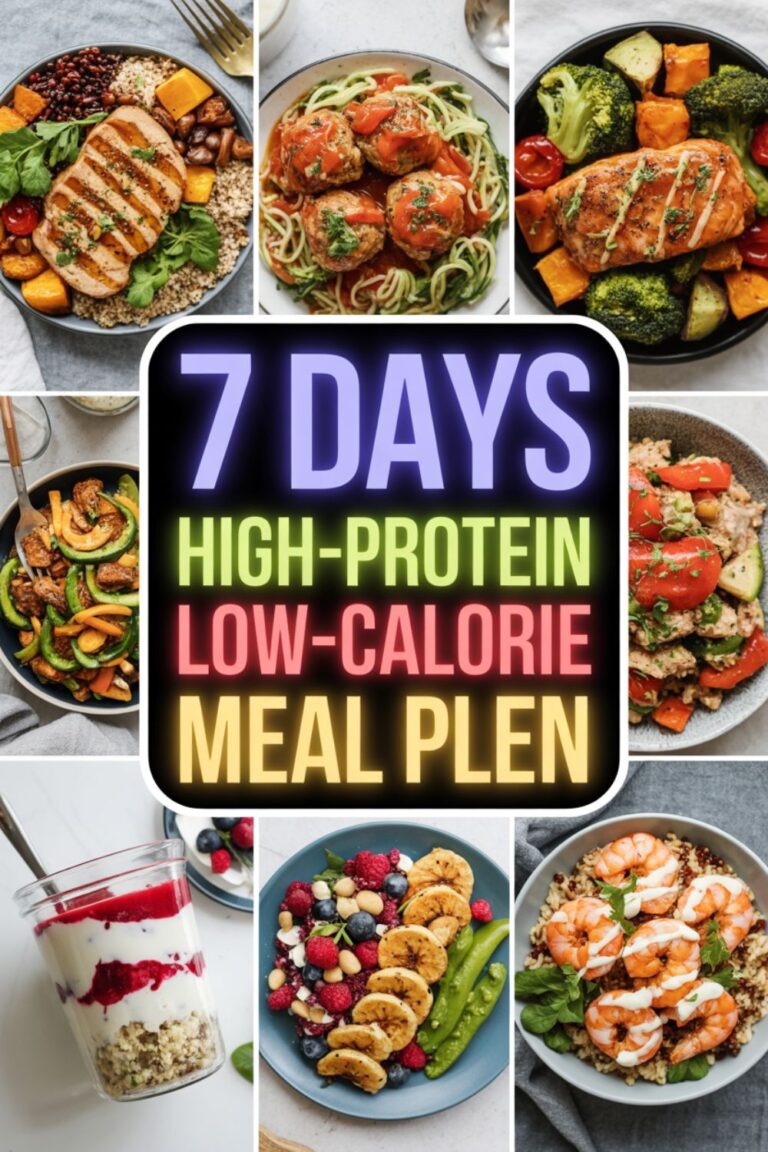
Pumpkin is one of those ingredients that makes everything it touches taste autumnal and cozy, which is peak comfort food energy. Use canned pumpkin puree as the base with protein powder, oat flour, egg whites, and warming spice blend. Under 160 calories per muffin and about 12 grams of protein. Make a batch on Sunday — they refrigerate well all week and genuinely taste like a treat. This pairs perfectly with the 30-day low-calorie high-protein breakfast challenge if you’re working toward a bigger goal.
Kitchen Tools That Make These Recipes Easier
These are the tools that genuinely come up repeatedly when making this kind of food. Not a comprehensive list, just the ones that actually matter.
Physical Tools
Non-negotiable for smooth cottage cheese sauces, protein muffin batter, and silky mousse. A cheap blender will leave lumps. A good one saves you from ever dealing with lumps.
Does everything: soups, stews, braised chicken, casseroles. One pot to clean, infinite ways to use it, and it keeps heat so evenly that you get better results with less effort.
If you’re going to batch-cook these recipes — and you should — airtight glass containers make storing and reheating dramatically cleaner and easier than plastic.
Digital Resources
Knowing the protein content of what you’re eating is the single biggest factor in actually hitting your protein goals. Takes three minutes a day once you’re used to it.
A done-for-you weekly meal plan that removes the decision fatigue entirely. Worth every penny on the weeks when you just can’t think about what to cook.
Organized by store section, built around the exact ingredients that appear in high-protein comfort cooking. Makes the shopping part genuinely fast.
Frequently Asked Questions
Can comfort food actually be low-calorie and high-protein without tasting bland?
Absolutely. Most comfort food flavors come from spices, aromatics, long cooking times, and umami-rich ingredients — none of which are calorie-dense. The calories in traditional comfort food come mainly from fat and refined carbs, and those are exactly the components you’re swapping out. Flavor stays; unnecessary calories go.
How much protein should I aim for per meal on a weight-loss plan?
Most nutrition research points toward 25-35 grams of protein per meal as a practical target for satiety and muscle preservation during weight loss. Harvard Health guidance suggests distributing protein across all meals rather than loading it into one sitting, as muscles absorb and use it more effectively that way. The recipes in this list are designed to hit or exceed that per-meal range.
Is Greek yogurt really a good substitute for cream or sour cream in savory recipes?
It is, with one important caveat: add it off the heat and stir gently. Greek yogurt curdles at high direct heat, which ruins both the texture and your mood. Once you get the hang of the technique, it becomes the default swap — it’s creamier, tangier, and far higher in protein than either cream or sour cream.
What are the best plant-based protein sources for comfort food recipes?
Lentils, black beans, white beans, and chickpeas are the workhorses of plant-based comfort cooking — they add protein and fiber simultaneously and work in virtually every format from soups to casseroles to burger patties. Firm tofu and tempeh also perform well in heartier dishes, particularly stews and stir-fries, and absorb flavor aggressively when marinated well. If you want a full list, check out these 25 high-protein low-calorie vegan meals for plant-based diet ideas.
Can I meal prep these comfort food recipes in advance?
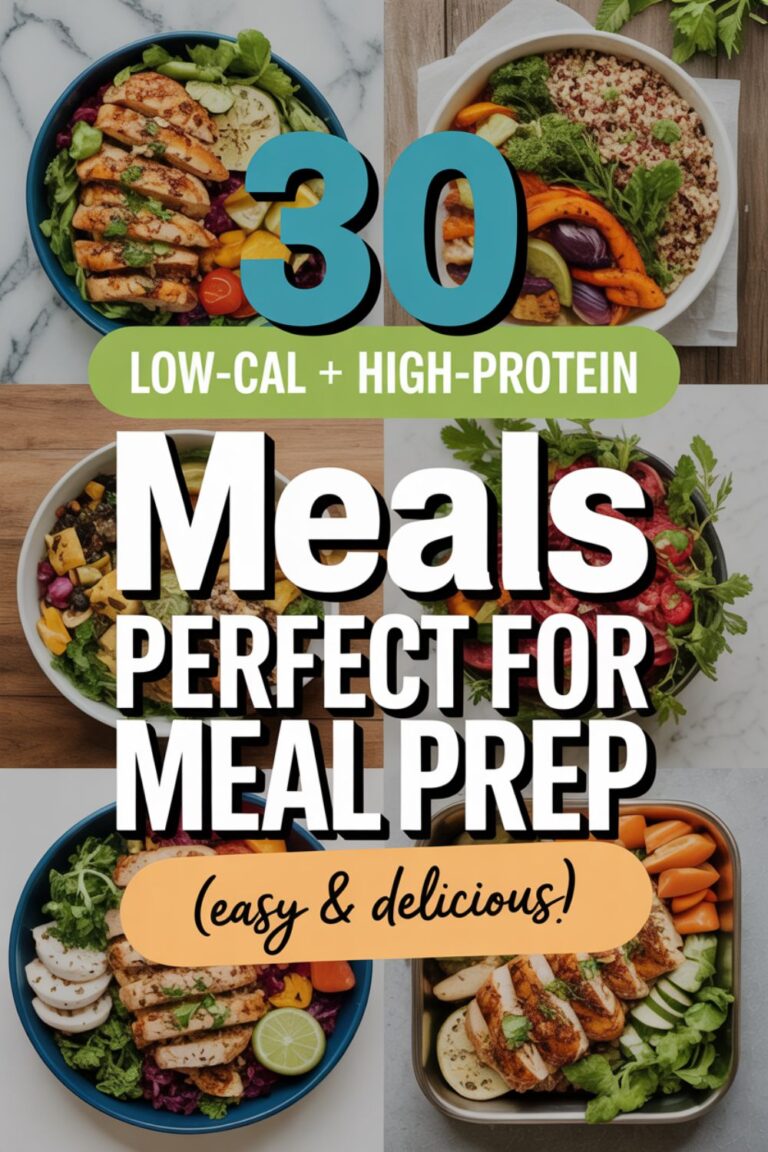
Most of them are actually better suited to meal prep than their traditional counterparts — soups, stews, casseroles, and bakes all refrigerate and reheat well, and the protein-rich ingredients hold their texture better than refined carb-heavy versions tend to. For a structured approach to batch cooking these types of meals, the weekly high-protein low-calorie meal prep guide is worth bookmarking.
The Bottom Line
Comfort food doesn’t have a calorie problem. It has a construction problem. The flavors, textures, and warmth that make these dishes satisfying are completely intact when you build them thoughtfully — you’re just replacing the parts that work against you with parts that work for you.
These 19 recipes cover the full comfort food landscape: soups, casseroles, pasta, bowls, burgers, and yes, dessert. Every single one lands under 400 calories and clears 25 grams of protein. That’s not a compromise — that’s a better version of something you already wanted to eat.
Start with one or two that sound genuinely appealing, not the ones that sound healthiest. Comfort food has to actually appeal to you or none of this matters. Once you’ve proven to yourself that high-protein comfort cooking is genuinely good, the rest of the list starts to look a lot more inviting.