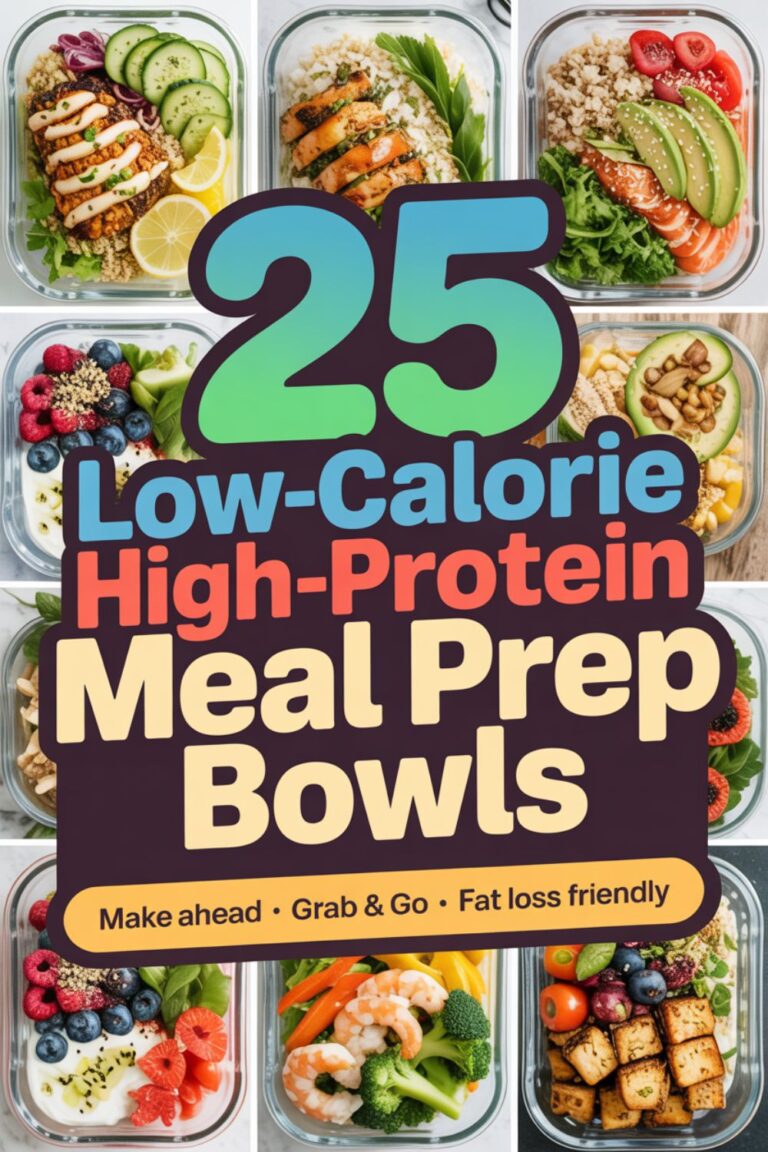
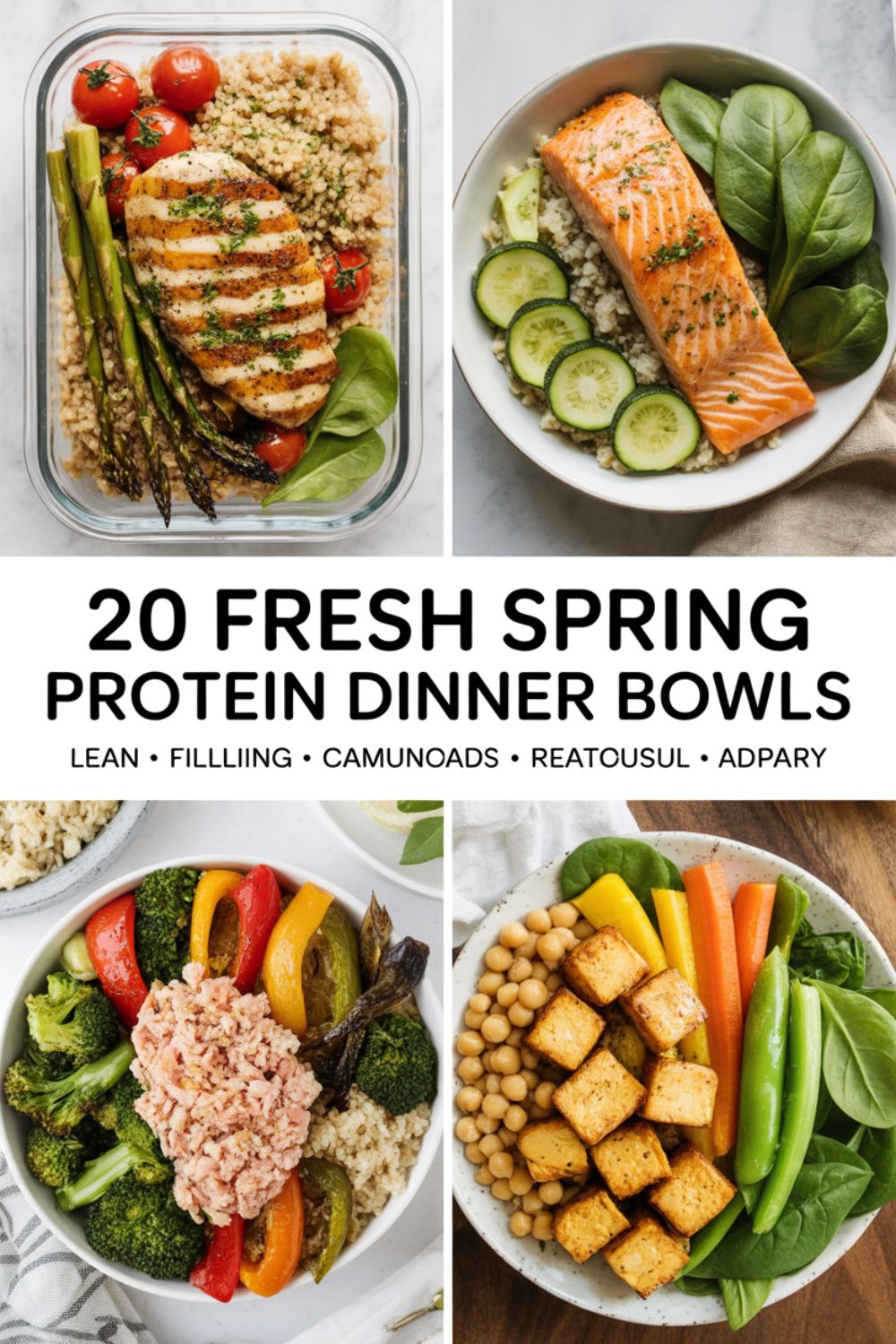
20 Fresh Spring Protein Dinner Bowls
Look, I’ll be honest—winter left me sluggish, bloated, and craving anything that didn’t come out of a slow cooker. But the second those first spring greens hit the farmer’s market, something clicked. I wanted fresh, I wanted vibrant, and yeah, I still wanted protein because abs don’t sculpt themselves on wilted lettuce alone.
So I built these 20 spring protein bowls, and they’ve become my weeknight lifeline. They’re colorful, satisfying, and honestly taste like a farmers’ market had a baby with a meal prep genius. No sad desk lunches here, just real food that actually keeps you full.
Why Spring Bowls Hit Different
There’s something about spring produce that just makes you want to eat better. Maybe it’s the snap peas that actually snap, or asparagus that doesn’t taste like rubber bands. Whatever it is, seasonal eating isn’t just trendy—it’s genuinely smarter for your wallet and your waistline.
Spring veggies are nutrient-dense powerhouses that pack flavor without the calorie bomb. Asparagus gives you folate and vitamin K, peas bring plant-based protein to the party, and fresh herbs? They’re basically free flavor that makes everything taste like you tried harder than you actually did.
According to Harvard Health, eating seasonally means you’re getting produce at peak nutrient content. Plus, it’s cheaper because you’re not paying premium prices for out-of-season imports shipped from halfway across the planet.
But here’s the thing—spring eating can veer into rabbit food territory real quick if you’re not careful. That’s why these bowls pack 25-35 grams of protein per serving. You get all the fresh, light vibes without feeling like you need a second dinner two hours later.
Pro Tip: Prep your grains and proteins on Sunday. Store them separately from fresh veggies, then assemble bowls throughout the week. Game changer for busy weeknights.
The Anatomy of a Perfect Spring Protein Bowl
Not all bowls are created equal. I’ve eaten enough mediocre grain bowls to know what separates Instagram bait from actual sustenance. Here’s my formula that actually works.
The Base Layer
Grains or greens—pick your fighter. I usually go with quinoa, farro, or brown rice for that hearty foundation. Sometimes I’ll do a half-base of arugula when I’m feeling particularly virtuous. The base should be substantial enough to soak up dressings without turning into mush.
FYI, I use this rice cooker for perfect grains every time. Set it, forget it, and you’ve got fluffy quinoa waiting when you get home from work. Zero babysitting required.
The Protein Star
This is where spring bowls shine. Think grilled lemon chicken, seared salmon, marinated tofu, or even chickpeas if you’re going plant-based. The protein should be seasoned well—bland chicken on greens is a crime against taste buds.
I marinate everything in these glass containers because they don’t absorb flavors or stain. Plus you can see what’s marinating without opening seventeen mystery Tupperware lids.
For more protein-packed inspiration, check out these high-protein low-calorie snacks that keep you full between meals.
The Veggie Symphony
Spring gives you asparagus, snap peas, radishes, baby carrots, fresh peas, artichokes, and all those tender greens. Raw, roasted, or lightly blanched—it depends on the vibe. Asparagus gets better when roasted with a little char. Snap peas? I eat them straight from the bag like chips.
Pro move: Use a vegetable steamer basket to quickly blanch veggies without losing nutrients. Thirty seconds in boiling water, straight to an ice bath, and you’ve got crisp-tender perfection.
The Flavor Finishers
Herbs, seeds, nuts, and dressing—this is where boring becomes crave-worthy. Fresh dill, basil, cilantro, or mint take things from cafeteria to chef-y. Toasted seeds add crunch. And the dressing? Don’t you dare use bottled ranch.
I make big batches of dressing in mason jars with pour spouts. Shake it up, drizzle, done. Lasts a week in the fridge and tastes infinitely better than anything from a squeeze bottle.
Quick Win: Toast a week’s worth of nuts and seeds at once. Store in an airtight container. Instant texture upgrade for every bowl.
20 Spring Protein Bowl Ideas That Actually Deliver
Alright, here’s the good stuff. These aren’t just random ingredient dumps—each bowl has a flavor profile that makes sense and protein numbers that matter.
Lemon Herb Chicken Bowls
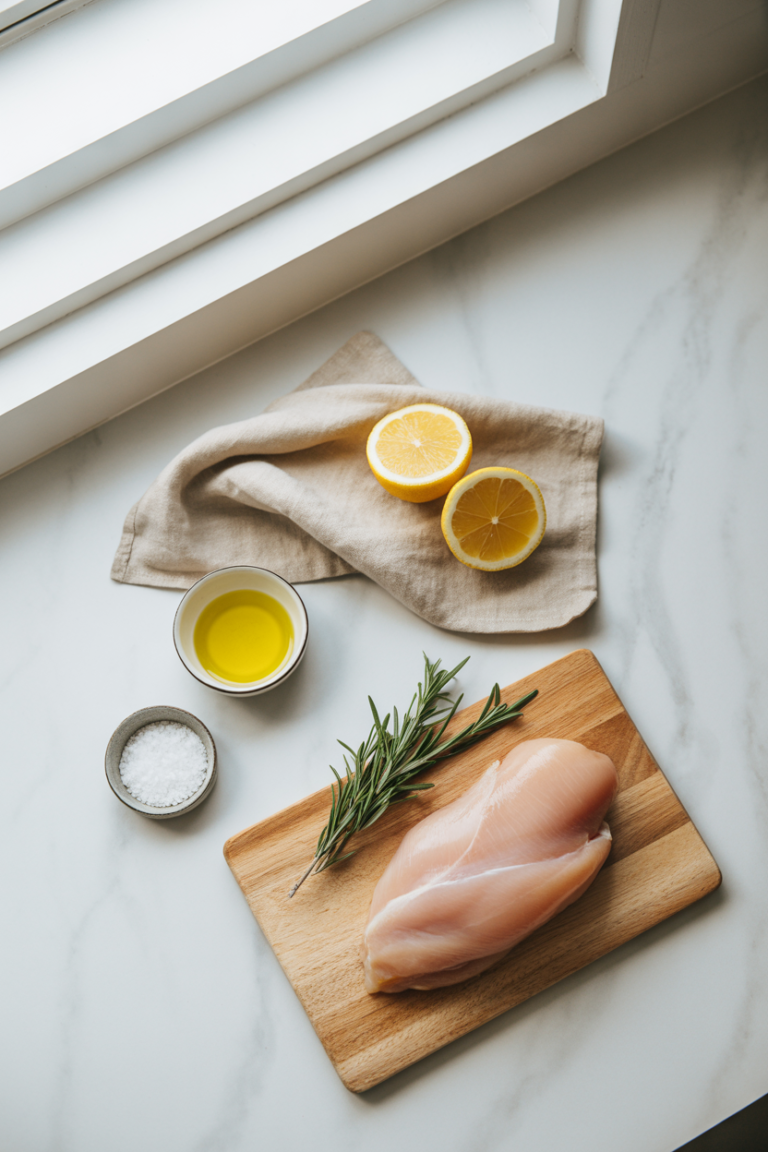
This is my weeknight workhorse. Grilled chicken marinated in lemon, garlic, and fresh thyme, served over quinoa with roasted asparagus, cherry tomatoes, and a creamy yogurt-dill sauce. Simple, satisfying, and you can meal prep the components in under an hour.
The yogurt sauce is Greek yogurt, fresh dill, lemon juice, and a pinch of salt. That’s it. Tastes fancy, takes two minutes. Get Full Recipe.
If you’re into efficient cooking methods, these sheet pan dinners use the same hands-off approach.
Mediterranean Salmon Power Bowls
Seared salmon over farro with cucumber, Kalamata olives, red onion, chickpeas, and feta. Drizzle with lemon-tahini dressing. This bowl packs omega-3s, complete protein, and that Mediterranean freshness everyone raves about.
I cook salmon on this cast iron skillet—get it screaming hot, sear skin-side down, flip once. Perfect crispy skin every time, no guesswork.
Research from the National Institutes of Health shows that omega-3 fatty acids in salmon support muscle recovery and reduce inflammation, making it ideal for active lifestyles.
Spring Pesto Chicken Bowls
Basil pesto mixed with shredded rotisserie chicken (because we’re efficient here), tossed with whole wheat pasta, fresh peas, sun-dried tomatoes, and pine nuts. This tastes like spring in Italy, minus the plane ticket.
Make pesto in batches using a small food processor. Fresh basil, garlic, parmesan, pine nuts, olive oil—blend and freeze in ice cube trays. Pop out what you need when you need it. Get Full Recipe.
Asian-Inspired Tofu Spring Bowls
Crispy baked tofu (yes, it can actually be crispy) over brown rice with edamame, shredded carrots, snap peas, and sesame-ginger dressing. This is my go-to when I want plant-based protein that doesn’t taste like sadness.
The secret to crispy tofu? Press it properly with a tofu press, toss in cornstarch, and bake at high heat. Total game changer from the mushy mess most people make.
Looking for more plant-based options? These high-protein vegan meals prove you don’t need meat to hit your macros.
Greek Goddess Bowls
Spinach and romaine base topped with grilled chicken, roasted red peppers, artichoke hearts, cucumbers, red onion, feta, and tzatziki. Everything good about Greek salads but actually filling enough to call dinner.
Homemade tzatziki beats store-bought every time. Grate cucumber, squeeze out water, mix with Greek yogurt, garlic, dill, lemon. Done. Keeps for days and tastes like you know what you’re doing. Get Full Recipe.
Shrimp and Avocado Spring Bowls
Garlic butter shrimp over cauliflower rice (or regular rice, no judgment) with avocado, mango, radishes, and cilantro-lime dressing. Sweet, savory, fresh, and ready in like 15 minutes.
I cook shrimp in this nonstick skillet—two minutes per side, that’s it. Overcooked shrimp is rubbery and sad, and life’s too short for sad shrimp.
Tuna Niçoise Protein Bowls
Spring greens with seared ahi tuna (or canned if we’re being real), hard-boiled eggs, green beans, baby potatoes, cherry tomatoes, and Niçoise olives. Classic French bistro vibes without leaving your kitchen.
The Dijon vinaigrette makes this bowl. Dijon, red wine vinegar, olive oil, shallots, black pepper. Shake it up in a jar and prepare for flavor town. Get Full Recipe.
Kitchen Tools That Make Spring Bowl Prep Actually Easy
Real talk—having the right tools makes the difference between “I’ll meal prep this weekend” and actually doing it. Here’s what’s living in my kitchen right now:
Physical Products:
- Glass Meal Prep Containers Set – The ones with the locking lids that don’t leak dressing all over your bag. I’ve tried cheaper versions. Don’t make my mistakes.
- Mandoline Slicer – For perfectly thin radishes and cucumbers without the knife skills of a chef. Use the guard unless you enjoy bandaids as accessories.
- Salad Spinner – Seems bougie until you realize wet greens make everything soggy and sad. This thing actually earns its counter space.
Digital Resources:
- Weekly High-Protein Meal Prep Guide – Takes the guesswork out of what to prep when
- 14-Day Meal Prep Plan – Two weeks of done-for-you planning
- 7-Day Beginner Meal Plan – Start here if meal prep feels overwhelming
Chimichurri Steak Bowls
Sliced flank steak over mixed greens with roasted sweet potatoes, charred corn, black beans, and chimichurri sauce. This is what happens when Argentina meets spring farmers’ market energy.
Chimichurri is criminally easy—parsley, cilantro, garlic, red wine vinegar, olive oil, red pepper flakes. Blend it, pour it, change your life. Works on literally everything. Get Full Recipe.
Lemon Garlic Shrimp and Quinoa Bowls
Quinoa base with lemon garlic shrimp, roasted Brussels sprouts, cherry tomatoes, and avocado. Light but substantial, and the lemon ties everything together without being obnoxious about it.
Brussels sprouts haters, hear me out—roasted at high heat with olive oil and salt, they’re actually amazing. Crispy edges, caramelized flavor, nothing like the boiled tragedy from childhood.
Teriyaki Chicken Spring Bowls
Teriyaki-glazed chicken thighs (thighs stay juicier, fight me) over jasmine rice with steamed broccoli, edamame, shredded carrots, and sesame seeds. Make your own teriyaki sauce in five minutes instead of buying the corn syrup version.
Real teriyaki: soy sauce, mirin, sake (or dry sherry), sugar, ginger. Simmer until it coats a spoon. That’s it. Infinitely better than bottled. Get Full Recipe.
For more Asian-inspired protein ideas, these one-pan meals keep cleanup minimal.
Spring Veggie and Chickpea Bowls
Farro with roasted chickpeas, asparagus, snap peas, radishes, and lemon-tahini dressing. Completely plant-based, totally satisfying, and those crispy chickpeas add the crunch you didn’t know you needed.
Roasted chickpeas: drain, dry thoroughly, toss with oil and spices, roast at 400°F for 30 minutes. They’re like healthy popcorn that packs protein. Get Full Recipe.
Balsamic Chicken and Strawberry Bowls
This sounds weird. It’s not. Balsamic chicken over spinach with fresh strawberries, goat cheese, candied pecans, and balsamic reduction. Sweet, tangy, savory all at once—spring on a plate.
Make the balsamic reduction by simmering balsamic vinegar until it’s thick and syrupy. Drizzle on everything. Tastes gourmet, costs pennies, takes ten minutes.
Pro Tip: Strawberries and spinach might seem fancy, but this combo delivers vitamin C and iron in one bowl. Your body absorbs the iron better with the vitamin C present. Science is cool like that.
Cajun Shrimp and Cauliflower Rice Bowls
Cajun-seasoned shrimp over cauliflower rice with bell peppers, celery, tomatoes, and a spicy remoulade. All the Louisiana vibes without the calorie load of actual jambalaya.
Season shrimp generously—Cajun seasoning, paprika, garlic powder, cayenne if you like heat. Don’t be timid with spices, bland protein is a tragedy. Get Full Recipe.
If you’re looking for more quick-cook options, check out these slow cooker meals for set-and-forget convenience.
Pesto Salmon and Zoodle Bowls
Zucchini noodles with pesto-crusted salmon, roasted cherry tomatoes, pine nuts, and fresh mozzarella. Low-carb if that’s your thing, or add actual pasta if carbs are your friend. Both versions work.
I spiralize zucchini with this handheld spiralizer—no massive gadget taking up cabinet space. Quick, easy, and cleanup is a breeze.
Korean BBQ Beef Bowls
Marinated beef (use flank steak or ribeye if you’re feeling yourself) over white rice with kimchi, cucumber, carrots, and gochujang mayo. Spicy, tangy, umami-packed perfection.
Korean BBQ marinade: soy sauce, sesame oil, brown sugar, garlic, ginger, gochugaru. Marinate for at least two hours, grill or pan-sear, slice thin. Flavor explosion guaranteed. Get Full Recipe.
Cilantro Lime Chicken Bowls
This is basically Chipotle but better because you control the sodium. Cilantro lime chicken over cilantro lime rice with black beans, corn, pico de gallo, and avocado. Fresh, bright, and endlessly customizable.
The rice makes the bowl—cook rice in chicken broth instead of water, finish with lime juice and cilantro. Small move, big impact.
Speaking of customizable bowls, these prep-ahead bowls follow the same build-your-own formula.
Honey Mustard Chicken Spring Bowls
Honey mustard chicken (tangy-sweet is underrated) over arugula with roasted carrots, chickpeas, sunflower seeds, and more honey mustard dressing. The dressing does double duty as marinade and drizzle.
Make the dressing with Dijon, honey, apple cider vinegar, olive oil, and a pinch of salt. Whisk it up, use half for marinating chicken, save half for dressing. Efficiency at its finest. Get Full Recipe.
Spring Harvest Bowls with Turkey
Ground turkey seasoned with Italian herbs over mixed greens with roasted beets, goat cheese, walnuts, and apple slices. Earthy, sweet, savory, crunchy—every bite hits different.
Don’t skip the beets. Yeah, they stain everything, but they’re packed with nitrates that improve blood flow and athletic performance according to sports nutrition research. Worth the purple fingers.
Lemon Dill Salmon and Potato Bowls
Baked salmon with fresh dill and lemon over roasted baby potatoes with green beans and a creamy dill sauce. Comfort food that happens to be protein-rich and actually good for you.
Roast potatoes until crispy—high heat, don’t crowd the pan, resist stirring too much. Patience yields the crispiest potatoes. Get Full Recipe.
Thai Peanut Chicken Bowls
Chicken with Thai peanut sauce over rice noodles with shredded cabbage, carrots, bell peppers, and crushed peanuts. Sweet, spicy, nutty, and ridiculously addictive.
Thai peanut sauce: peanut butter, soy sauce, lime juice, honey, ginger, garlic, sriracha. Thin with water to desired consistency. Blend it smooth or leave it chunky—both work. Get Full Recipe.
Craving more international flavors? These Mediterranean bowls bring that same global inspiration.
Making Spring Bowls Actually Fit Your Life
Here’s the thing nobody tells you about healthy eating—it only works if it fits into your actual life, not the imaginary life where you have unlimited time and energy. So let’s talk logistics.
Meal Prep That Doesn’t Suck
Sunday meal prep doesn’t have to mean four hours of chopping vegetables while podcasts play in the background. Pick two proteins, three veggies, two grains. Cook them all at once, store separately, mix and match throughout the week.
My typical Sunday: chicken in the oven, quinoa in the rice cooker, vegetables on a sheet pan. One hour, multiple meals, minimal cleanup. This is the way.
Store components in separate containers so nothing gets soggy. Assemble bowls fresh when you’re ready to eat. The five extra minutes of assembly beats eating sad, wilted pre-assembled bowls by Thursday. Trust me, I’ve learned this lesson repeatedly.
The Dressing Dilemma
Store-bought dressing is convenient but often loaded with sugar and weird preservatives. Homemade dressing takes two minutes and lasts a week. Make a big jar Sunday night, use it all week.
Basic formula: three parts oil to one part acid (vinegar or citrus), add mustard for emulsification, season with salt and pepper, customize with herbs and spices. Shake it up, taste it, adjust. You’re basically a chef now.
I keep four dressings in rotation: lemon-tahini, balsamic vinaigrette, sesame-ginger, and cilantro-lime. They cover most flavor profiles and keep bowls from getting boring.
Quick Win: Buy rotisserie chicken. Shred it. Use it in three different bowls with different dressings and veggies. Nobody will know you took the shortcut, and you saved yourself 45 minutes.
Protein Swaps for Different Dietary Needs
Not everyone eats chicken. Some people are vegetarian. Some are allergic to shellfish. Some just don’t like certain proteins, and that’s fine. Every bowl here can be adapted.
Swap chicken for tofu, tempeh, or chickpeas. Replace shrimp with white fish or more vegetables. Beef can become mushrooms or lentils. The framework stays the same, you just customize the protein.
IMO, the best plant-based protein swap is tempeh. It’s firmer than tofu, has a nutty flavor, and actually gets crispy when you pan-fry it. Marinate it like you would meat, cook it the same way, enjoy the results.
For complete plant-based meal ideas, check out these vegetarian protein bowls that prove meatless doesn’t mean flavorless.
Common Spring Bowl Mistakes (And How to Avoid Them)
I’ve made every spring bowl mistake possible. Soggy greens, underseasoned protein, dressings that separate, components that clash instead of complement. Learn from my failures.
Mistake #1: Wet Vegetables Ruin Everything
Dry your greens and vegetables thoroughly. Water dilutes dressing, makes everything soggy, and generally ruins the bowl experience. Use a salad spinner or pat everything dry with paper towels.
This seems obvious, but I’ve watched people rinse lettuce and immediately throw it in a bowl with dressing. Then they wonder why their salad tastes like watery sadness. Physics doesn’t care about your time crunch.
Mistake #2: Underseasoning Is a Crime
Bland chicken on greens is not healthy eating—it’s punishment. Season your protein aggressively. Salt, pepper, herbs, spices, marinades. Make it taste like food you actually want to eat.
The vegetables need seasoning too. Roasted asparagus with just olive oil is fine. Roasted asparagus with olive oil, salt, pepper, and garlic is fantastic. Small additions make huge differences.
Mistake #3: Texture Gets Ignored
A bowl of all soft ingredients is boring. Add crunch with nuts, seeds, crispy chickpeas, or raw vegetables. Texture variety keeps every bite interesting instead of monotonous.
Think about it—quinoa, grilled chicken, and steamed broccoli all have similar soft textures. Add some toasted almonds and suddenly you have a bowl worth eating instead of tolerating.
Mistake #4: Portion Sizes Are All Wrong
Too much grain, not enough protein, and you’re hungry again in an hour. Aim for a palm-sized portion of protein, a fist-sized portion of vegetables, and a cupped-hand portion of grains. This isn’t rocket science, just basic portions.
If you’re trying to lose fat, go heavier on vegetables and protein, lighter on grains. If you’re trying to build muscle, increase the protein and keep moderate carbs. Adjust the formula to your goals.
Seasonal Ingredient Substitutions
Spring produce is amazing when it’s available. But asparagus season is short, and snap peas disappear fast. Here’s what to swap when your favorite spring vegetables aren’t around.
Asparagus substitute: green beans or broccolini work. Different flavor, similar texture and nutritional profile. Roast them the same way.
Snap peas substitute: snow peas or fresh green beans. Still crispy, still fresh, still springy even if they’re technically different vegetables.
Fresh herbs substitute: Don’t even try to use dried herbs in the same quantities. If you must substitute, use about one-third the amount of dried herbs compared to fresh. Better yet, grow your own herbs in pots on your windowsill. They grow like weeds and cost basically nothing after the initial plant purchase.
For more seasonal cooking strategies, these spring meal prep ideas adapt to what’s actually available at your market.
Frequently Asked Questions
How long do these protein bowls last in the fridge?
Store components separately and they’ll last 4-5 days. Once assembled with dressing, eat within 24 hours or things get soggy. The key is keeping proteins, grains, and veggies in different containers until you’re ready to eat. Fresh herbs and crispy elements should be added right before serving for maximum flavor and texture.
Can I freeze these spring bowls for later?
Grains and proteins freeze well, but fresh vegetables and greens don’t. Freeze cooked chicken, salmon, or grains in portion sizes, then thaw and add fresh vegetables when you’re ready to assemble. Dressings with dairy won’t freeze well either, so make those fresh or store them separately in the fridge.
What if I don’t have time for meal prep?
Buy pre-cooked proteins like rotisserie chicken or pre-cooked quinoa from the store. Use frozen vegetables and bagged salad greens. The world won’t end if you take shortcuts, and eating a protein bowl with convenience items is still better than drive-through. Make the best choice available, not the perfect choice that never happens.
How do I keep these bowls interesting week after week?
Rotate your dressings and proteins. Same vegetables with different seasonings taste completely different. Asian-inspired one week, Mediterranean the next, Mexican-style after that. The formula stays the same but flavors change enough to prevent boredom. Also, eat with your eyes—plate it nicely even if you’re home alone, presentation matters for satisfaction.
Are these bowls actually filling enough for dinner?
With 25-35 grams of protein per bowl, absolutely. The combination of protein, complex carbs, fiber, and healthy fats provides sustained energy without the blood sugar crash. If you’re consistently hungry after eating these, you’re probably not using enough protein or you need to adjust portions based on your activity level and goals.
Final Thoughts
Spring protein bowls aren’t just Instagram fodder or diet culture propaganda. They’re genuinely satisfying meals that happen to be packed with nutrients and actual flavor. The fresh vegetables taste better, the lighter proteins work with the season instead of against it, and everything comes together without requiring culinary school credentials.
Start with one or two bowl recipes that sound good to you. Master those. Then branch out. You don’t need to make all 20 bowls tomorrow. Build your rotation gradually based on what you like and what fits your schedule.
The goal isn’t perfection—it’s eating well most of the time with ingredients you enjoy. These bowls make that goal realistic instead of theoretical. Fresh produce, quality protein, simple seasonings, and enough variety to prevent boredom. That’s the formula.
Now go forth and build some bowls. Spring waits for no one, and neither does asparagus season.