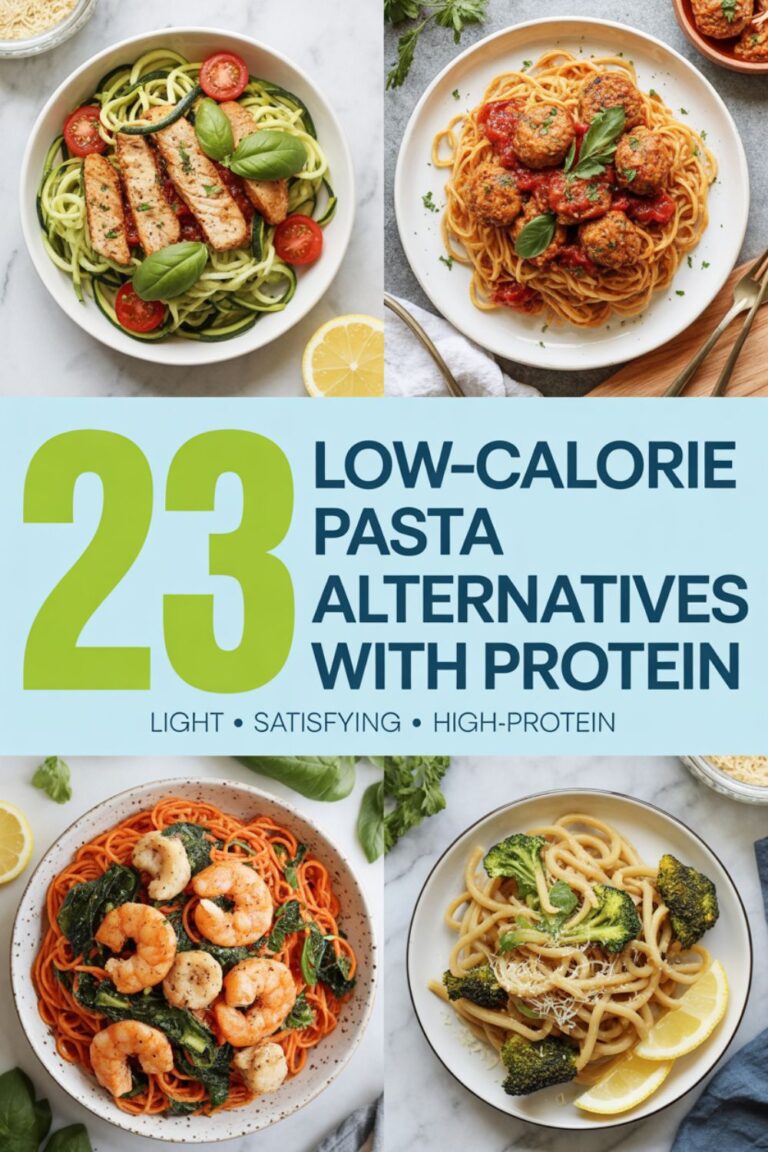
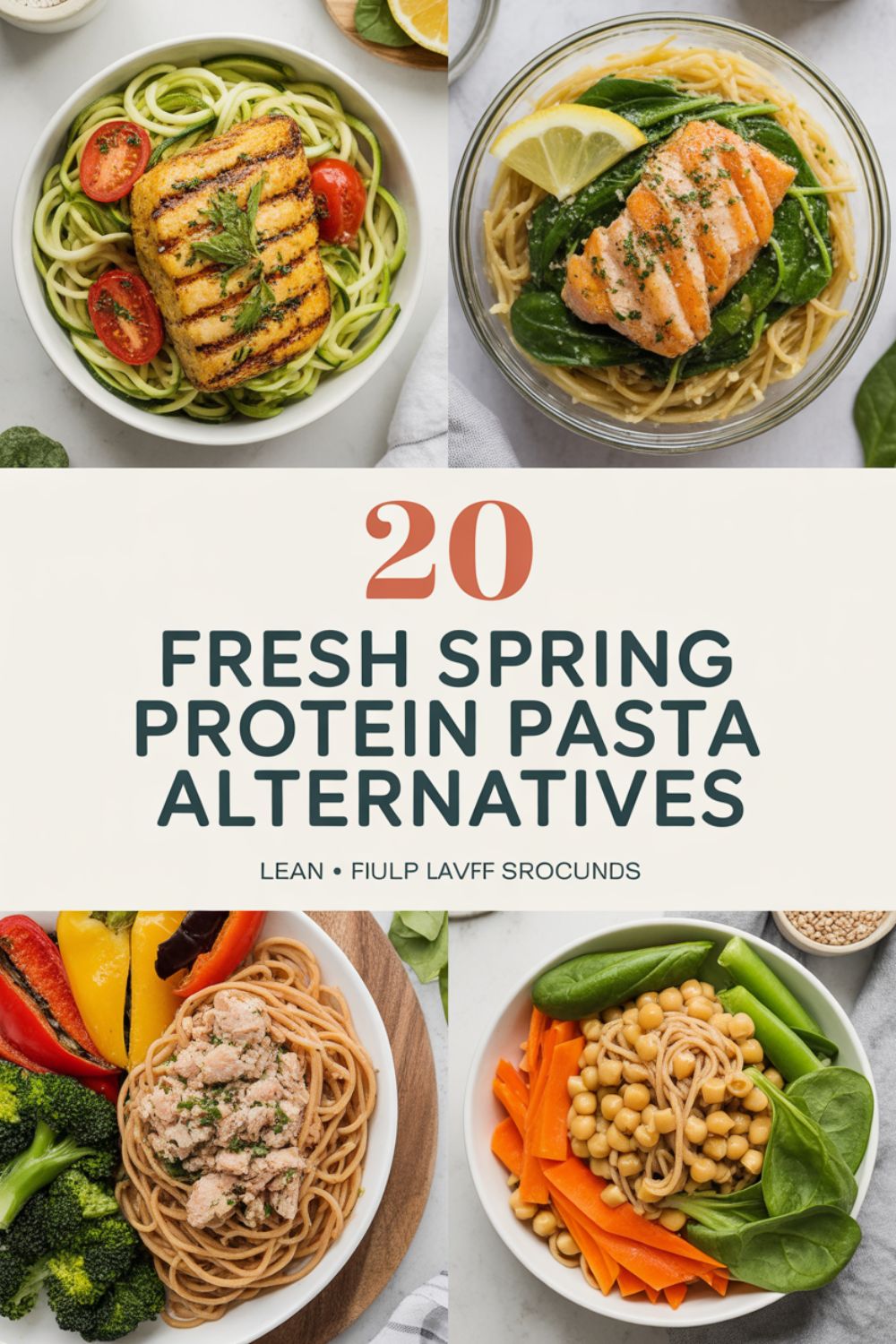
20 Fresh Spring Protein Pasta Alternatives
Listen, I get it. Spring rolls around, the weather gets warmer, and suddenly your body’s screaming for something lighter than the heavy comfort food you’ve been demolishing all winter. But here’s the thing—you still need protein, and you’re probably tired of the same old grilled chicken and quinoa routine.
That’s where pasta alternatives come into play. And no, I’m not talking about sad, mushy zucchini noodles that taste like disappointment. I’m talking about legit, protein-packed swaps that actually satisfy your pasta cravings while keeping things fresh and spring-appropriate. Whether you’re meal prepping for the week or just want dinner options that won’t leave you feeling like you need a nap afterward, these alternatives have your back.
I’ve spent way too much time testing different pasta swaps—some amazing, some absolute disasters—and I’m breaking down the twenty best options for spring. These aren’t just random vegetables spiralized into submission. We’re talking chickpea pasta, lentil varieties, edamame noodles, and yeah, some veggie-based options that actually work. Let’s get into it.
Why Spring Is the Perfect Time to Switch Up Your Pasta Game
Spring vegetables are having their moment right now. Asparagus, peas, snap peas, fresh herbs, baby spinach—everything’s coming into season and honestly tastes better than it will all year. Pairing these with the right pasta alternative creates meals that feel light but don’t skimp on satisfaction.
Traditional pasta isn’t bad, but it’s mostly refined carbs with minimal protein. When you swap to alternatives made from legumes or vegetables, you’re getting way more nutritional bang for your buck. According to nutrition experts at Healthline, many pasta alternatives provide significantly more protein and fiber than traditional wheat pasta, which helps with satiety and sustained energy.
Plus, let’s be real—after months of winter eating, most of us are looking to lighten things up without going full rabbit-food mode. These alternatives let you keep the comfort of pasta while actually fueling your body properly.
The Legume-Based Champions
Chickpea Pasta
Chickpea pasta is the gateway drug to pasta alternatives. It’s probably the closest thing to regular pasta in terms of texture and taste, which makes it perfect if you’re new to this whole thing. One cup of cooked chickpea pasta packs around 13-14 grams of protein and 8 grams of fiber. Compare that to regular pasta’s sad 7 grams of protein, and you start to see why this stuff rocks.
The texture holds up well with heavier sauces—think pesto, creamy cashew sauce, or even a robust marinara. I use this spiralizer when I want to get fancy with presentation, but honestly, chickpea pasta in any shape works. For spring, try tossing it with fresh peas, mint, lemon zest, and a drizzle of good olive oil. Simple, fresh, protein-packed.
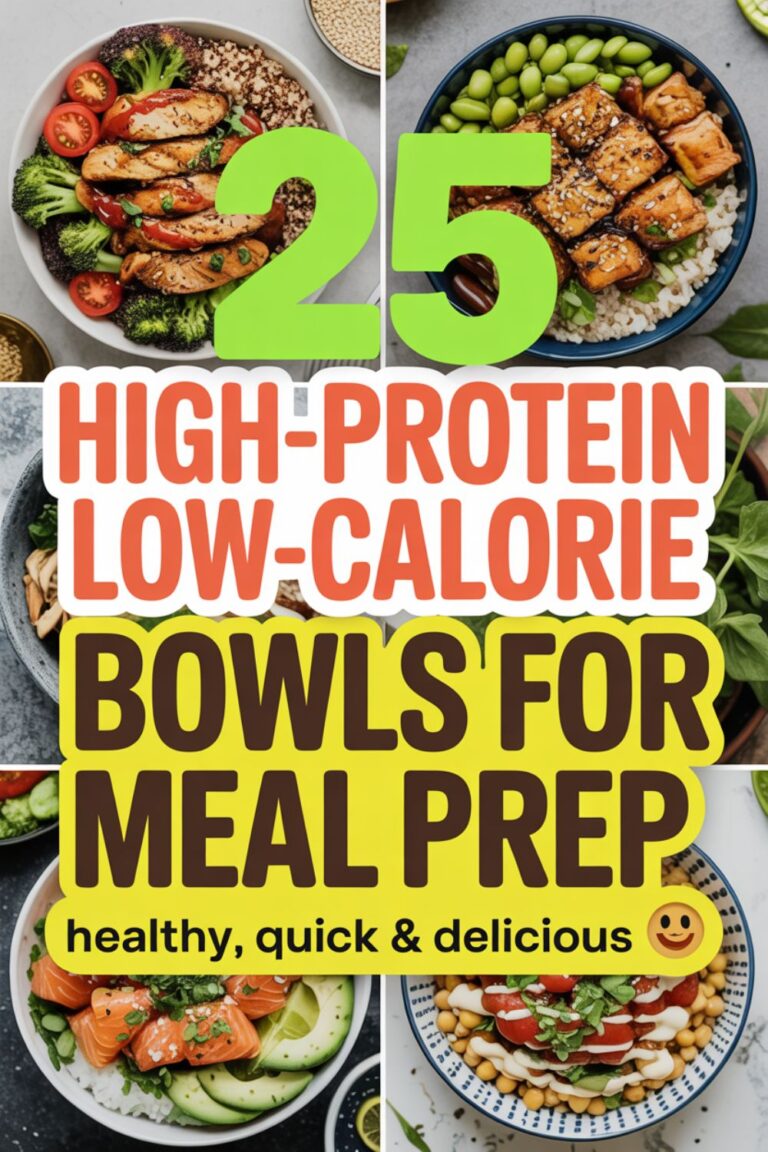
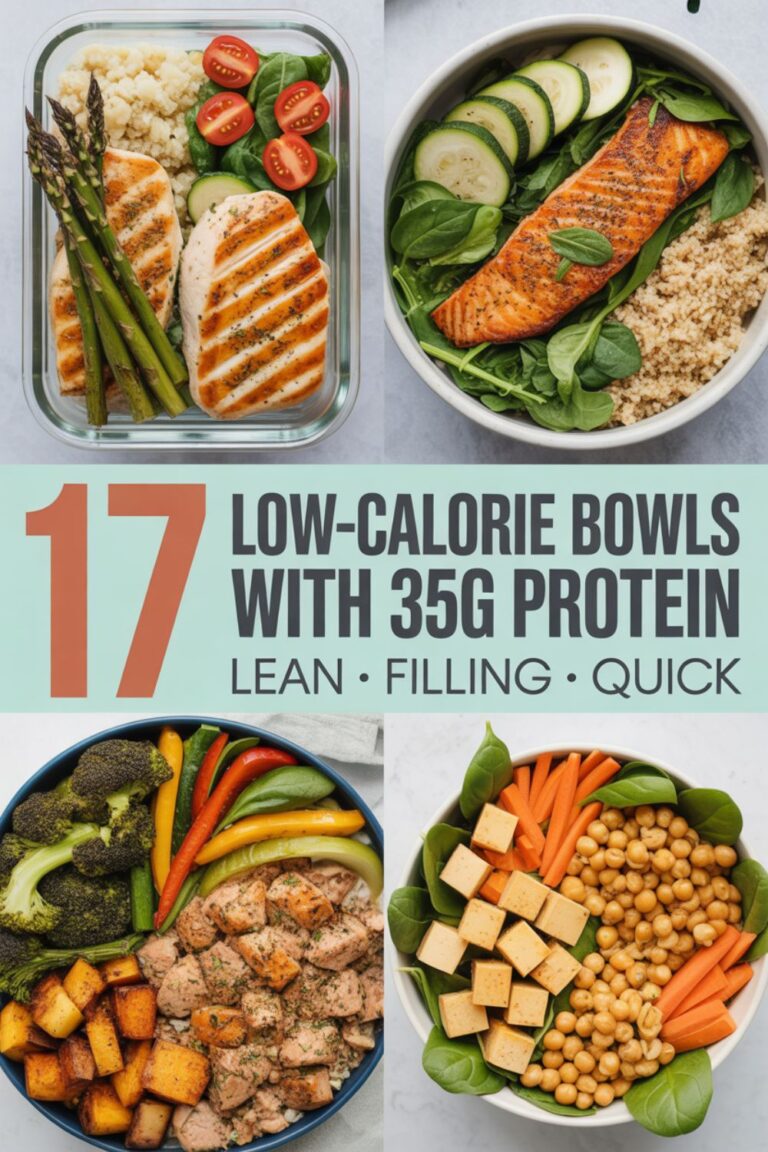
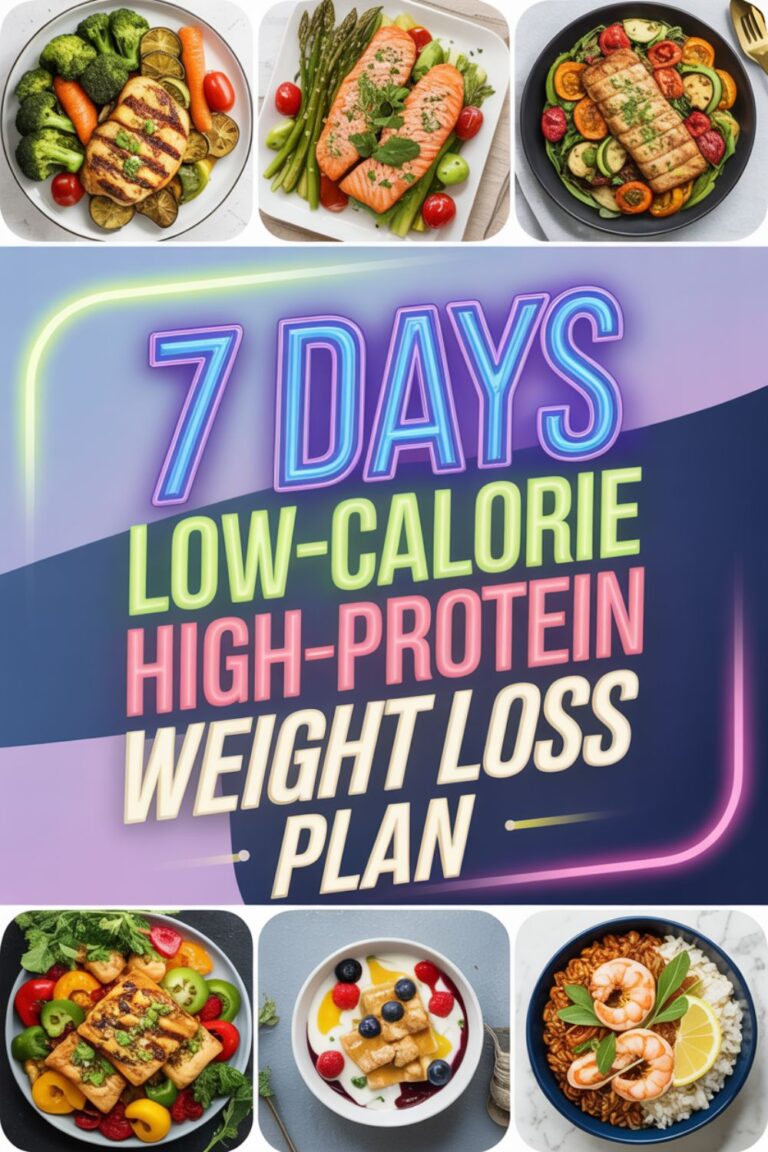
If you’re looking for complete meal ideas using chickpea pasta and other high-protein alternatives, check out these protein-packed bowls that are perfect for meal prep.
Red Lentil Pasta
Red lentil pasta has this gorgeous coral color that makes your dishes look Instagram-worthy without even trying. It’s got about 11-13 grams of protein per serving and cooks up in like 6-8 minutes, which is clutch when you’re starving and impatient.
The flavor is slightly earthy—not in a bad way, just more noticeable than chickpea pasta. Pair it with Mediterranean flavors: roasted cherry tomatoes, olives, capers, fresh basil. Or go the spring route with asparagus, peas, and a light lemon-garlic sauce. I swear by this garlic press because mincing garlic by hand is a pain, and fresh garlic makes everything better.
Red lentils are also packed with iron and folate, which is pretty cool if you’re plant-based or just trying to up your nutrient game. Get Full Recipe for my favorite red lentil pasta with spring vegetables.
Black Bean Pasta
Black bean pasta is intense. Like, really intense. It’s got a strong, earthy flavor that you either love or… learn to appreciate. But nutritionally? It’s a beast. Around 25 grams of protein per serving, plus loads of fiber and iron.
This one pairs best with bold flavors that can stand up to it. Think spicy tomato sauce, lime and cilantro, cumin, chili powder. For spring, I make a black bean pasta salad with corn, diced bell peppers, red onion, cilantro, lime juice, and a bit of olive oil. Serve it cold, and it’s perfect for meal prep.
The texture can be a bit gritty if you overcook it, so watch it carefully. And honestly, if you hate beans, you’re probably not going to magically love this. But if you’re cool with beans and need serious protein, it delivers.
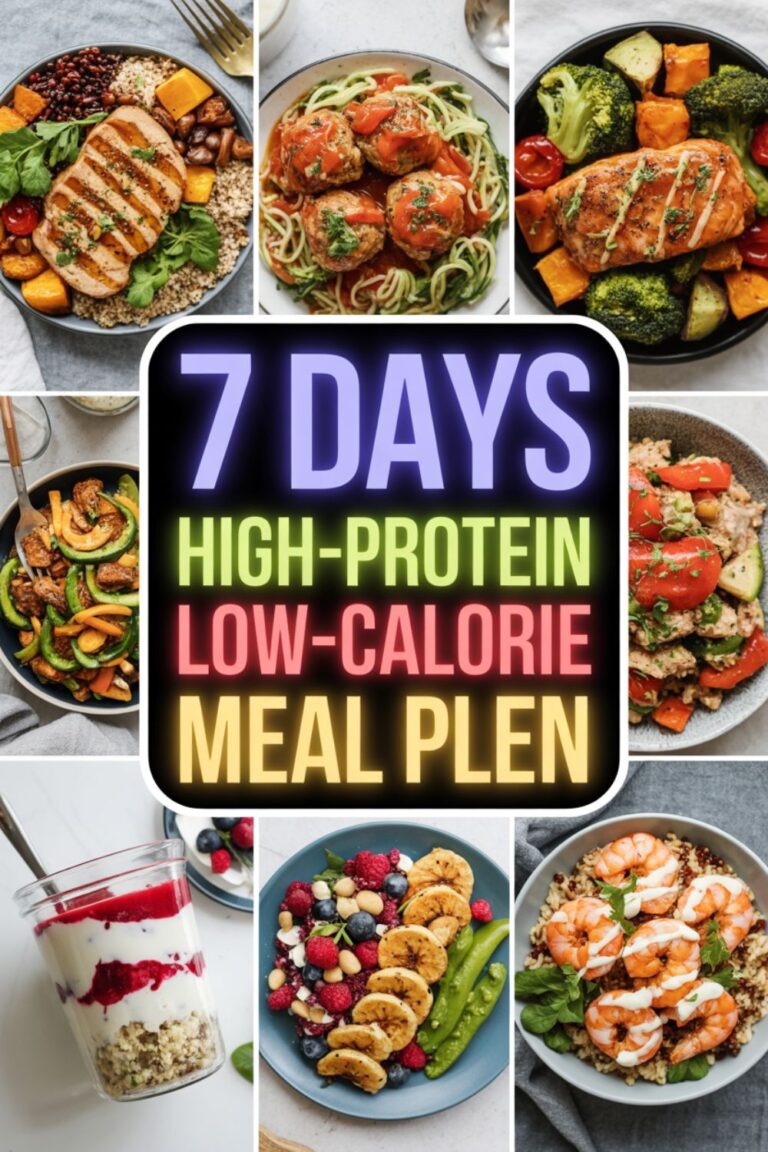
Speaking of high-protein meal prep, you might also love these low-calorie high-protein meals that are meal prep gold or this 14-day meal prep plan that takes the guesswork out entirely.
Edamame Pasta
Edamame pasta is like the cooler, more sophisticated cousin of chickpea pasta. Made from soybeans, it’s got around 24 grams of protein per serving and a really pleasant, slightly sweet flavor. The bright green color also makes everything look fresh and springy.
This pasta works beautifully in Asian-inspired dishes. Toss it with sesame oil, rice vinegar, a splash of tamari, shredded carrots, snap peas, and some scallions. Or keep it simple with just garlic, ginger, and whatever spring vegetables you’ve got hanging out in your fridge.
One thing I’ve learned: edamame pasta foam like crazy when boiling. Use a big pot, don’t fill it all the way, and keep an eye on it. Trust me, cleaning boiled-over pasta foam off your stove is not fun.
The Vegetable-Based Options That Don’t Suck
Zucchini Noodles
Okay, I know I joked about sad zucchini noodles earlier, but hear me out. When done right, zoodles are actually pretty great. The key is not overcooking them into watery mush and pairing them with flavors that complement their mild taste.
Zucchini noodles aren’t high in protein on their own (about 2 grams per cup), so you need to add protein through your sauce or toppings. Think grilled shrimp, chicken, or white beans. For spring, I love them with a light pesto, cherry tomatoes, and grilled chicken. The spiralizer I mentioned earlier works perfectly for zoodles too.
Pro move: After spiralizing, salt your zoodles and let them sit in a colander for 10-15 minutes. This draws out excess moisture. Pat them dry before cooking, and you won’t end up with a watery disaster. Sauté them quickly—like 2-3 minutes max—in a hot pan with a little olive oil or avocado oil.
Spaghetti Squash
Spaghetti squash is the OG pasta alternative. Cut it in half, roast it, and the flesh magically turns into spaghetti-like strands. It’s low in calories (about 40 per cup) and has a mild, slightly sweet flavor that works with pretty much any sauce.
The protein content is low (around 1 gram per cup), so again, you’re adding protein through other means. For spring, I roast spaghetti squash and top it with sautéed asparagus, peas, fresh herbs, and grilled salmon or chicken. A squeeze of lemon, some black pepper, and you’re golden.
Roasting tip: Brush the cut sides with olive oil, season with salt and pepper, and roast face-down at 400°F for about 40 minutes. The edges get slightly caramelized, which adds a nice depth of flavor. I use these silicone baking mats—zero sticking, zero scrubbing.
Hearts of Palm Pasta
Hearts of palm pasta is weird and wonderful. It comes pre-made in cans or jars, already noodle-shaped, and it’s incredibly low in calories (about 20 per serving). The taste is mild and slightly tangy, and the texture is… unique. Not pasta-like, but not terrible either.
It’s super low in protein (about 2 grams), but it’s also neutral enough to take on whatever flavors you throw at it. I use it when I want something really light—like a spring pasta salad with lemon vinaigrette, cherry tomatoes, cucumbers, and feta. Or toss it with marinara and top with grilled shrimp.
Fair warning: it has a slightly briny taste straight from the can. Rinse it well under cold water before using, and that mostly goes away.
Butternut Squash Noodles
Butternut squash noodles are sweet, slightly nutty, and gorgeous. You can buy them pre-spiralized (usually in the produce section) or make your own if you’re feeling ambitious. They’re low in protein but high in vitamin A and fiber.
For spring, I know butternut squash feels more like a fall thing, but stick with me. Pair it with lighter spring flavors—sage, lemon, a touch of parmesan, maybe some toasted pine nuts. It works. Or go full spring with peas, mint, and ricotta.
Sauté these gently in a little butter or ghee until just tender. They can get mushy fast, so don’t walk away from the stove.
The Grain-Based Alternatives Worth Your Time
Quinoa Pasta
Quinoa pasta is made from quinoa flour (obviously) and sometimes blended with other grains like rice or corn. It’s gluten-free, has about 4-5 grams of protein per serving, and tastes pretty close to regular pasta. Not as protein-packed as legume pastas, but still a solid choice.
The texture is smooth, and it doesn’t have that strong beany flavor some people hate. It works with any sauce you’d use on regular pasta. For spring, try it with a light tomato basil sauce, grilled vegetables, and a sprinkle of nutritional yeast or parmesan. For more ideas on working protein into your meals without it feeling heavy, these comfort foods that actually work are game-changers.
Brown Rice Pasta
Brown rice pasta is another solid gluten-free option. It’s got about 4 grams of protein per serving and a neutral flavor that won’t fight with your sauce. The texture can be slightly gritty compared to regular pasta, but most people don’t mind it.
I find it works best with thicker, heartier sauces—like a chunky vegetable marinara or a creamy cashew sauce. For spring, load it up with roasted spring vegetables, fresh herbs, and a drizzle of good olive oil. Simple, clean, satisfying.
Watch the cooking time closely. Brown rice pasta can go from perfectly cooked to complete mush in about 30 seconds, and there’s no coming back from that.
Buckwheat Soba Noodles
Soba noodles made from buckwheat are common in Japanese cuisine and they’re surprisingly nutritious. Buckwheat is actually gluten-free (despite the name) and has about 6 grams of protein per serving. Consumer Reports notes that soba noodles are protein-rich and can help lower cholesterol and blood sugar levels.
The flavor is earthy and slightly nutty. Soba noodles are traditionally served cold with a dipping sauce or in a light broth, which is perfect for spring. Try them with sesame oil, rice vinegar, scallions, edamame, and shredded carrots. Or serve them warm with miso broth and spring vegetables.
Important: rinse soba noodles under cold running water after cooking to remove excess starch. This keeps them from getting sticky and clumpy.
Meal Prep Essentials for These Recipes
Look, I’ve tried making these pasta alternatives work without the right tools, and it’s just annoying. Here’s what actually makes a difference:
Premium Spiralizer
The one kitchen tool that gets used more than I expected. Makes zucchini noodles, butternut squash ribbons, whatever you need. Way better than the cheap handheld versions.
Glass Meal Prep Containers
I stopped using plastic and never looked back. These keep everything fresh, don’t stain, and actually seal properly. Game changer for storing cooked pasta alternatives.
Large Colander Set
A good colander makes rinsing pasta alternatives so much easier, especially when dealing with stuff like soba or hearts of palm that need a thorough rinse.
Weekly Meal Planner Template
Digital download that actually helps you plan which pasta alternatives to use throughout the week. Stops you from buying random ingredients that go bad.
Macro Tracking Guide
If you’re tracking protein and calories, this guide breaks down exactly how much protein each pasta alternative provides and how to build balanced meals.
Spring Recipe eBook Bundle
Collection of 50+ spring recipes specifically designed for pasta alternatives. Saves time on figuring out what the heck to make with all these different noodles.
How to Make These Actually Taste Good
Here’s the truth: pasta alternatives can be amazing or absolutely terrible depending on how you prepare them. The difference usually comes down to a few key factors.
Don’t Overcook Anything
This is the number one killer of pasta alternatives. Chickpea pasta, lentil pasta, brown rice pasta—they all go from perfect to mush way faster than regular pasta. Start checking for doneness a full minute or two before the package says. Taste test frequently. When in doubt, slightly undercook it because it’ll continue cooking a bit after you drain it.
Season Aggressively
Pasta alternatives need more seasoning than regular pasta. Salt your cooking water generously (like you would for regular pasta). Then season your sauce more than you think you need to. Fresh herbs, garlic, lemon juice, good quality olive oil, crushed red pepper—don’t be shy.
For spring dishes, fresh herbs are your best friend. Basil, parsley, cilantro, mint, chives—they all add brightness that really elevates vegetable-based and legume-based pastas. I keep this herb keeper in my fridge because it actually keeps herbs fresh for like two weeks instead of three days.
Add Texture
One thing regular pasta does well is provide textural contrast with sauces and toppings. Some pasta alternatives can be a bit one-note texture-wise. Fix this by adding crunch. Toasted pine nuts, slivered almonds, crispy chickpeas, breadcrumbs, or even just some fresh raw vegetables.
I’m obsessed with toasting nuts for this. Pop them in a dry pan over medium heat for a few minutes until fragrant and lightly golden. Takes zero effort and completely transforms a dish. The mini toaster oven I use makes this even easier—less babysitting, no burning.
If you’re looking for more ways to add protein and texture to these dishes, check out these vegetarian high-protein recipes or these chicken recipes that actually taste good—both pair perfectly with pasta alternatives.
Fat Is Your Friend
Don’t fear fat when making these dishes. A good glug of olive oil, a knob of butter, some tahini, or a handful of nuts adds richness and helps your body absorb fat-soluble vitamins from all those vegetables you’re eating.
Plus, fat makes food taste better. That’s just science. Or common sense. Either way, don’t make the mistake of eating dry, flavorless pasta alternatives because you think it’s “healthier.” You’ll hate it and go back to regular pasta, defeating the whole purpose.
Spring-Specific Combinations That Slap
Asparagus and Pea Situation
Take any pasta alternative—chickpea, red lentil, whatever—and toss it with sautéed asparagus, fresh or frozen peas, lemon zest, garlic, and fresh mint. Finish with good olive oil and parmesan or nutritional yeast. This is spring in a bowl, and it takes maybe 15 minutes to throw together.
Get Full Recipe for the full breakdown with exact measurements and timing.
Fresh Herb Pesto Everything
Make pesto with whatever fresh herbs you have—basil, parsley, cilantro, or a mix. Throw in some garlic, pine nuts or walnuts, olive oil, and parmesan or nutritional yeast. Blend it up, toss with your pasta alternative of choice, and add some cherry tomatoes and grilled chicken or white beans.
Pesto freezes beautifully too. Make a big batch, freeze it in ice cube trays, and you’ve got instant flavor bombs ready whenever you need them.
Lemon-Garlic Shrimp Madness
Sauté shrimp with tons of garlic, lemon juice, white wine (or just more lemon juice), red pepper flakes, and fresh parsley. Toss with zucchini noodles, hearts of palm pasta, or chickpea pasta. Light, fresh, protein-packed, and genuinely delicious.
The shrimp cooks in like 3-4 minutes, so have everything else ready to go. Overcooked shrimp is sad and rubbery. Don’t do that to yourself. If you’re into quick, high-protein meals like this, you’ll probably love these crockpot recipes that require minimal effort.
Spring Veggie Carbonara (Kinda)
This isn’t real carbonara—Italian grandmas would lose their minds—but it’s inspired by it and it’s good. Cook your pasta alternative (edamame or chickpea work best). Toss with sautéed spring vegetables, then stir in beaten eggs off the heat so they create a creamy sauce without scrambling. Add parmesan, black pepper, maybe some crispy pancetta if you’re feeling fancy.
It’s rich but still feels light because of all the fresh vegetables. And the protein from the eggs and pasta makes it actually filling. Get Full Recipe for proper ratios so you don’t end up with scrambled eggs.
Meal Prep Strategies That Actually Work
Meal prepping with pasta alternatives requires a slightly different approach than regular pasta because some don’t reheat well.
What Reheats Well
Chickpea pasta, lentil pasta, black bean pasta, quinoa pasta, brown rice pasta—these all reheat pretty well. Cook them, portion them out with your sauce and toppings, and refrigerate in glass containers. They’ll keep for 3-4 days and reheat nicely in the microwave or on the stovetop with a splash of water or broth.
What Doesn’t Reheat Well
Zucchini noodles, spaghetti squash, butternut squash noodles, hearts of palm—these get watery and mushy when reheated. For these, prep your components separately. Store the cooked vegetables in one container, your protein in another, and your sauce in a third. Assemble when you’re ready to eat.
Or just make these fresh. They cook so quickly that it’s not a big deal to throw them together for dinner. Actually, I prefer eating these fresh anyway because the texture is way better.
Batch Cooking Proteins
This is where meal prep gets smart. Grill or bake a bunch of chicken breast, cook a batch of shrimp, or make a big pot of white beans. Store them separately and add to your pasta alternatives throughout the week. This gives you variety without having to eat the same exact meal five days in a row.
I also keep cooked ground turkey or beef in the fridge. Toss it with any pasta alternative, add some marinara or pesto, and you’ve got dinner in literally five minutes. For comprehensive meal prep strategies, this weekly meal prep guide breaks down exactly how to structure your week for maximum efficiency.
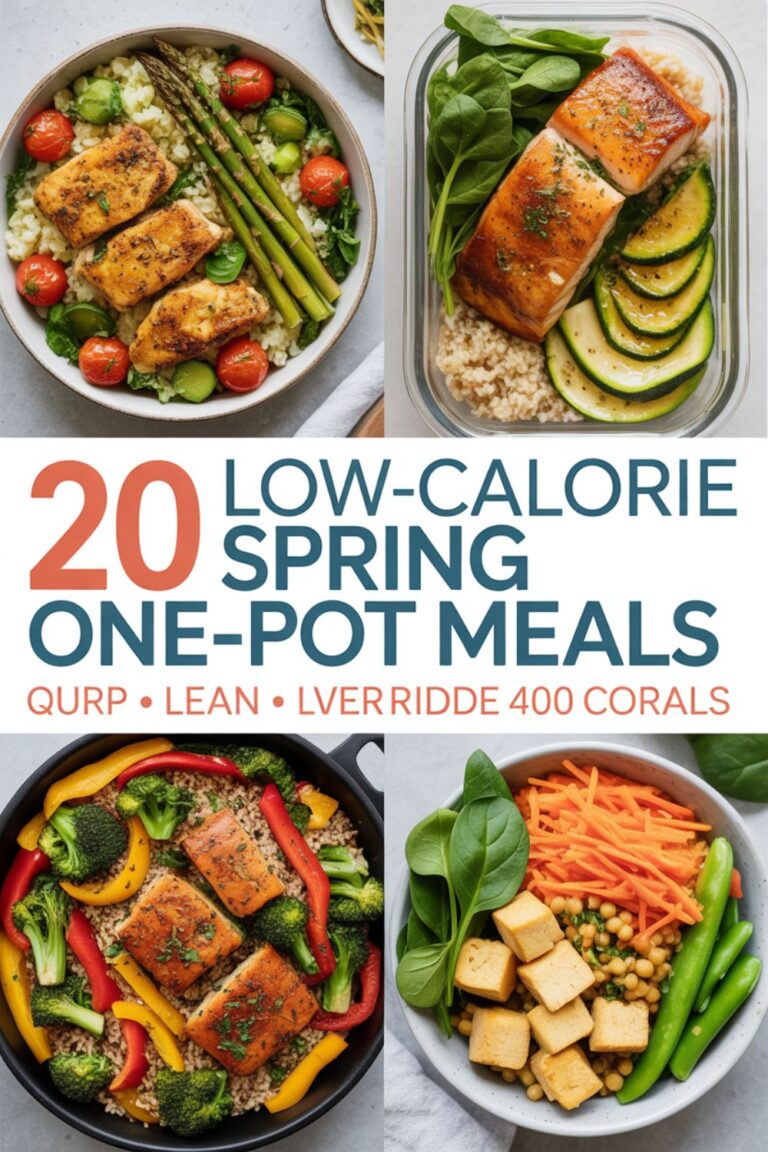
For more spring-specific meal prep ideas, you might also love these spring meal prep ideas or these fresh spring bowls packed with protein that use many of these same pasta alternatives.
Common Mistakes to Avoid
Trying to Make Pasta Alternatives Taste Exactly Like Regular Pasta
They won’t. Stop trying to force it. Pasta alternatives have their own flavors and textures, and that’s okay. Embrace what makes them unique instead of being disappointed that they’re not wheat pasta. You’ll enjoy them way more.
Not Reading Cooking Instructions
Every brand of pasta alternative cooks differently. Read the package. Some chickpea pastas take 7 minutes, others take 10. Some need to be rinsed after cooking, others don’t. Just read the damn instructions and save yourself the frustration.
Using Watery Sauces
Vegetable-based pasta alternatives especially can release water when cooked. If you pair them with a super watery sauce, you end up with soup, not pasta. Use thicker sauces or reduce your sauce a bit more than you normally would.
Skimping on Flavor
I already said this, but it bears repeating. Season your food. Use fresh herbs, good quality ingredients, enough salt, enough fat. Don’t make sad, bland pasta alternatives and then wonder why you hate them. They’re only as good as you make them.
The Protein Comparison You Actually Need
Let’s break down the protein content so you can make informed decisions:
- Regular wheat pasta: 7-8 grams of protein per serving
- Chickpea pasta: 13-14 grams
- Red lentil pasta: 11-13 grams
- Black bean pasta: 20-25 grams
- Edamame pasta: 22-24 grams
- Quinoa pasta: 4-5 grams
- Brown rice pasta: 4-5 grams
- Buckwheat soba: 5-6 grams
- Zucchini noodles: 2 grams
- Spaghetti squash: 1 gram
- Hearts of palm: 2 grams
- Butternut squash noodles: 1-2 grams
If your main goal is getting more protein, legume-based pastas are clearly the winners. If you’re more focused on cutting calories and carbs, vegetable-based options win out, but you’ll need to add protein through other components of your meal.
Understanding these nutritional differences helps you build balanced meals. For instance, if you’re using zucchini noodles, you know you need a protein-heavy sauce or topping. If you’re using edamame pasta, you’ve already got substantial protein built in, so you can focus on vegetables and healthy fats.
For a deeper dive into protein requirements and how to structure high-protein meals, Life Extension’s guide to pasta alternatives offers some solid nutritional context.
Budget-Friendly Tips
Let’s address the elephant in the room: pasta alternatives can be expensive. Regular pasta is like a dollar a box. Chickpea pasta? More like four or five dollars. Here’s how to make it work without going broke.
Buy in Bulk
If you find a pasta alternative you love, buy it in bulk. Amazon, Costco, or directly from the manufacturer’s website often have better prices than your regular grocery store. Stock up when it’s on sale.
Mix and Match
You don’t have to use 100% pasta alternative. Cook half regular pasta, half chickpea pasta. You still get the protein boost and fiber benefits, but it costs less and tastes more familiar.
Make Your Own Vegetable Noodles
Zucchini, butternut squash, and other vegetables are cheap, especially when they’re in season. Invest in a good spiralizer once, and you can make your own vegetable noodles for pennies. Way cheaper than buying pre-spiralized vegetables in those tiny overpriced packages.
Focus on What’s in Season
Spring vegetables are abundant and cheap right now. Build your meals around what’s actually in season—asparagus, peas, spinach, herbs—and you’ll spend way less than if you’re buying out-of-season produce.
Real Talk: Which Ones Are Actually Worth It?
After testing all of these, here are my honest favorites:
Best Overall: Chickpea pasta. Tastes good, texture’s solid, nutritionally excellent, widely available. It’s the most versatile and the easiest transition from regular pasta.
Best for Maximum Protein: Black bean or edamame pasta. Both pack a serious protein punch. Black bean has a stronger flavor, edamame is milder.
Best for Low-Calorie: Zucchini noodles or spaghetti squash. When prepared correctly, they’re satisfying and delicious without many calories. Just remember to add protein.
Best for Familiar Texture: Quinoa or brown rice pasta. Closest to regular pasta in terms of mouthfeel, though not as high in protein as legume-based options.
Most Interesting: Hearts of palm pasta. It’s different, but in a good way. When you want something really light and unique, this is it.
Most Overrated: IMO, some of the fancy veggie pastas that try too hard. Like cauliflower pasta that’s mostly rice flour anyway, or “protein” pastas that have the same nutrition as regular pasta with some marketing spin. Read your labels.
Spring Recipe Ideas You Can Actually Make
Lemon-Herb Chickpea Pasta with Spring Vegetables
Cook chickpea pasta. Sauté asparagus and peas in olive oil with garlic. Toss everything together with lemon juice, lemon zest, fresh basil, and parmesan. Season aggressively with salt and pepper. Done in 15 minutes, tastes like spring, keeps you full for hours.
Cold Soba Noodle Salad
Cook soba noodles, rinse them cold. Toss with shredded carrots, cucumber, edamame, scallions. Dress with rice vinegar, sesame oil, a touch of honey, and tamari. Top with sesame seeds. Perfect for meal prep, tastes better the next day.
Zucchini Noodles with Shrimp Scampi
Spiralize zucchini. Sauté shrimp with garlic, lemon, white wine, red pepper flakes. Quickly toss the raw zucchini noodles in the hot pan for maybe two minutes. Finish with fresh parsley. Light, fresh, high-protein, genuinely delicious.
Red Lentil Pasta Primavera
Cook red lentil pasta. Sauté whatever spring vegetables you have—bell peppers, snap peas, cherry tomatoes, spinach. Add cream or cashew cream if you want it rich, or keep it light with just olive oil and lemon. Tons of fresh herbs. Simple, customizable, nutritious.
Spaghetti Squash “Carbonara”
Roast spaghetti squash. Sauté pancetta or bacon until crispy. Toss hot squash with the bacon, then remove from heat and stir in beaten eggs, parmesan, and black pepper. The residual heat cooks the eggs into a creamy sauce. Indulgent but still lighter than regular carbonara.
For even more spring recipe inspiration, these light spring high-protein meals and these spring salads you’ll actually love are packed with ideas that work beautifully with pasta alternatives.
Frequently Asked Questions
Can I freeze cooked pasta alternatives?
Some yes, some no. Legume-based pastas (chickpea, lentil, black bean) freeze okay but the texture can get a bit mushy when reheated. Vegetable-based pastas like zucchini noodles and spaghetti squash don’t freeze well at all—they become watery and gross. If you’re going to freeze, do it with legume pastas and add a bit of sauce to prevent them from drying out.
Are pasta alternatives actually healthier than regular pasta?
It depends on your definition of “healthier” and your personal health goals. Legume-based pastas have significantly more protein and fiber than regular pasta, which can help with satiety and blood sugar control. Vegetable-based alternatives are lower in calories and carbs. But regular whole wheat pasta isn’t unhealthy either—it just serves a different nutritional purpose. Choose based on what your body needs.
Why does my chickpea pasta always turn out mushy?
You’re overcooking it. Chickpea pasta has a much narrower window between perfectly al dente and complete mush compared to regular pasta. Start checking it 1-2 minutes before the package directions say it’s done, and taste test frequently. When in doubt, err on the side of slightly undercooked.
What’s the best pasta alternative for picky eaters?
Chickpea pasta or quinoa pasta are your best bets. They have the most familiar texture and mildest flavor. Start by mixing half regular pasta with half alternative pasta, then gradually increase the ratio as they get used to it. Don’t force vegetables-based noodles on someone who hates them—it’ll just make them hate all pasta alternatives.
Can I use the same cooking method for all pasta alternatives?
Absolutely not. Each type has different cooking requirements. Legume pastas need to be watched carefully and tend to foam more. Vegetable noodles should barely be cooked—a quick sauté or even just tossed with hot sauce. Hearts of palm doesn’t need cooking at all, just heating. Always read the package instructions for the specific product you’re using.
Final Thoughts
Pasta alternatives aren’t perfect, and they’re not for everyone. But if you’re looking to up your protein intake, cut some carbs, or just try something different this spring, they’re worth exploring. The key is finding the ones that work for your taste preferences and nutritional goals, then figuring out how to prepare them properly.
Don’t expect them to taste exactly like regular pasta. Appreciate them for what they are—different vehicles for delicious sauces and toppings that happen to pack more nutritional punch. When you stop trying to force them into being something they’re not, you’ll actually enjoy them.
Start with chickpea pasta if you’re new to this. It’s the most forgiving and the closest to regular pasta in terms of taste and texture. Once you’re comfortable with that, branch out. Try red lentil pasta, experiment with zucchini noodles, give edamame pasta a shot. Figure out which ones you actually like and which ones you’re just eating because someone on the internet said they were healthy.
And remember: the healthiest diet is one you’ll actually stick to. If you hate every pasta alternative you try, just eat regular whole wheat pasta and load it up with vegetables and protein. There’s no moral superiority in forcing down food you find disgusting. Life’s too short for that.
But if you find even one or two alternatives you genuinely enjoy? That’s a win. Add them to your rotation, mix things up, keep your meals interesting. That’s really all any of us are trying to do here—eat food that tastes good, makes us feel good, and doesn’t require a PhD in nutrition to figure out.
Spring’s here. Fresh ingredients are abundant. Your options are more varied than they’ve ever been. Get in the kitchen and make something that doesn’t suck. You’ve got this.