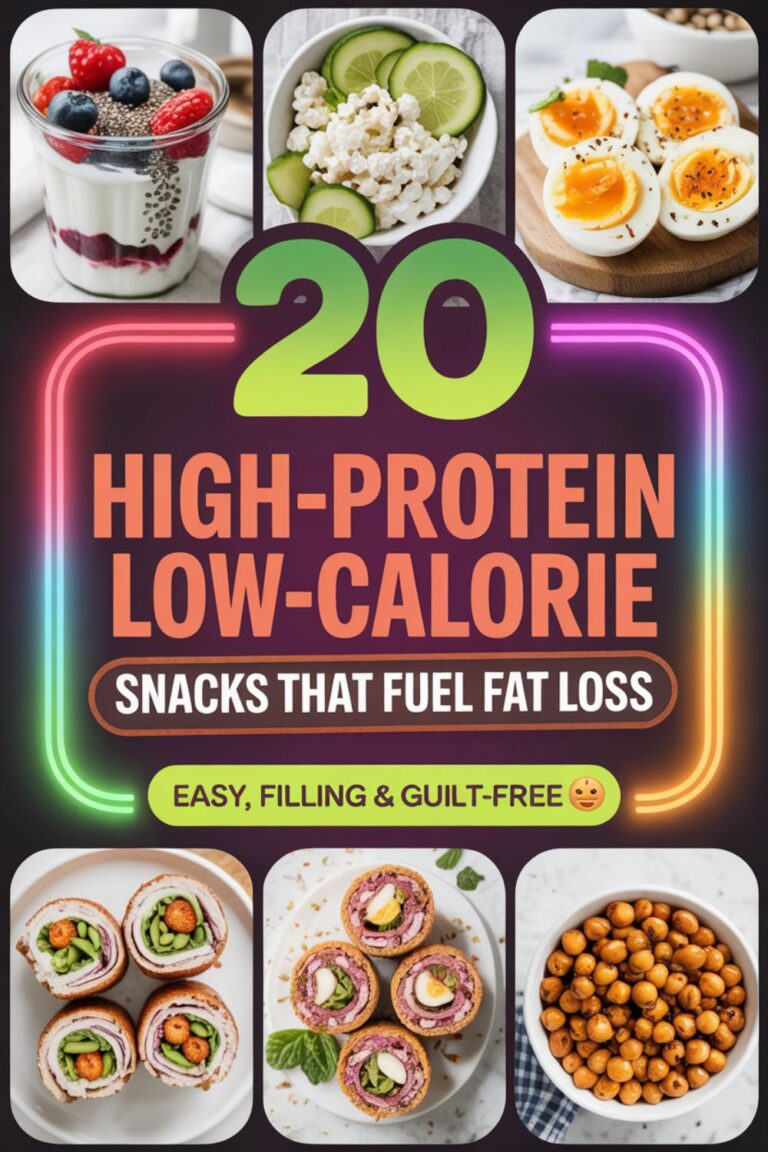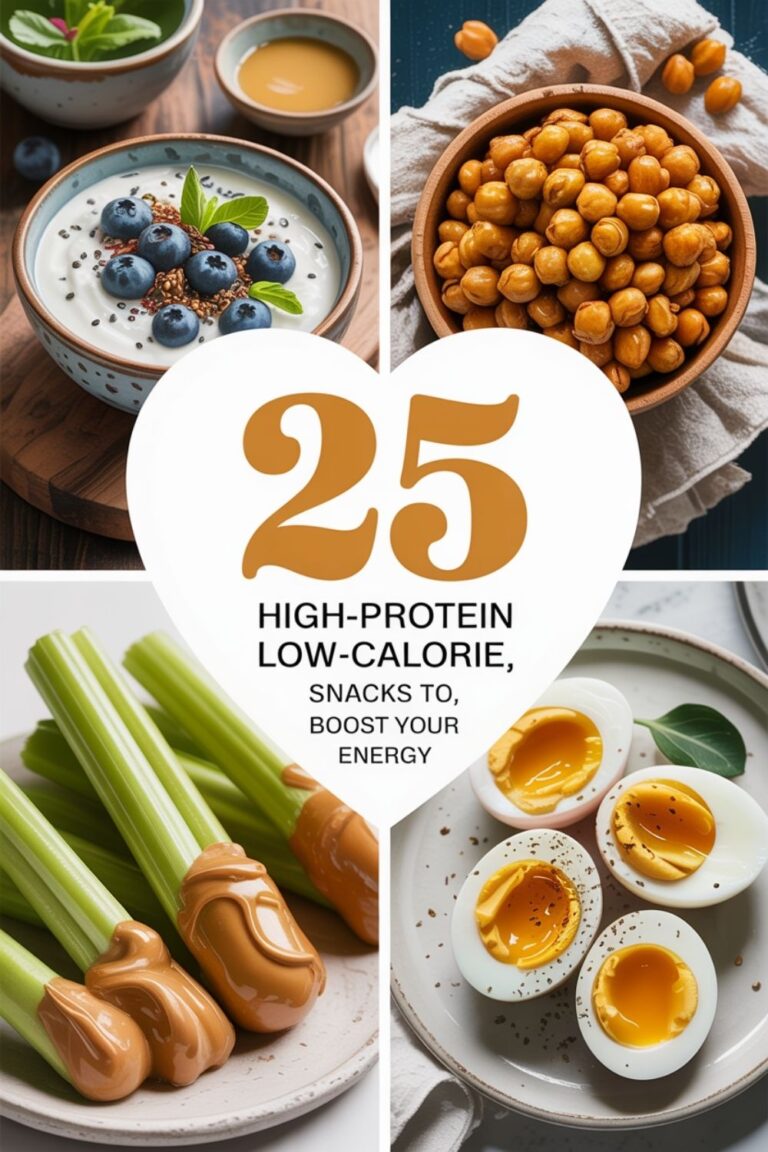
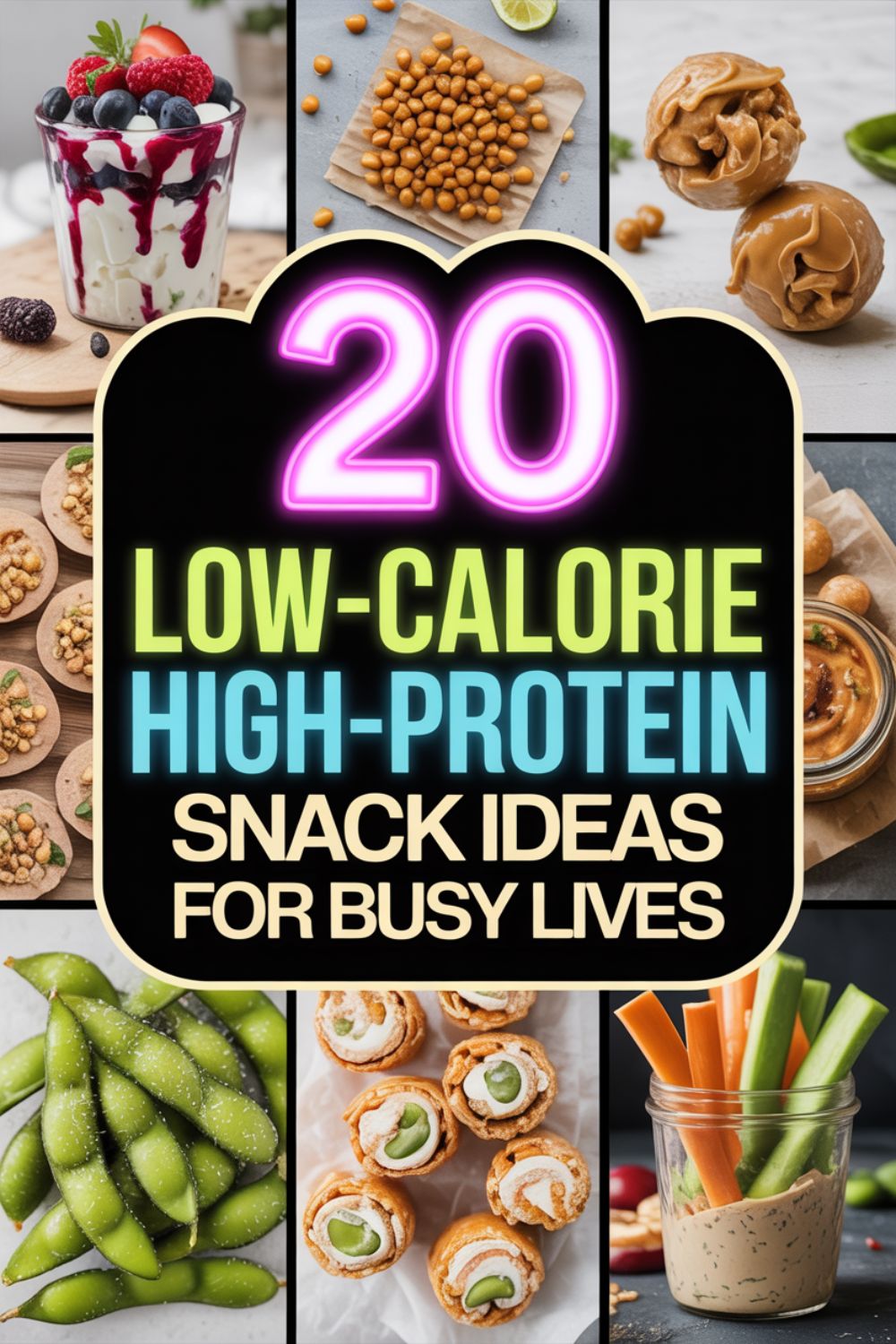
20 Low-Calorie High-Protein Snack Ideas for Busy Lives
Look, I get it. You’re standing in front of your fridge at 3 PM, stomach growling, wondering if you should just eat an entire block of cheese or suffer through another sad rice cake. Been there, done that, got the hangry text messages to prove it.
The thing about snacking is that it’s gotten a bad rap, but honestly? The problem isn’t the snack itself—it’s what we’re reaching for. When you’re juggling meetings, errands, and trying to remember if you fed the dog, it’s way too easy to grab whatever’s convenient. And convenient usually means high-calorie, low-nutrition foods that leave you hungry an hour later.
Here’s where high-protein, low-calorie snacks become your secret weapon. We’re talking about options that actually fill you up, keep your energy steady, and don’t require a culinary degree to throw together. No judgment if you’ve been living off vending machine options—we’re going to fix that together.
Why Protein-Packed Snacks Actually Matter
Before we dive into the good stuff, let’s talk about why protein is such a game-changer. According to Harvard Health, most adults need about 0.8 grams of protein per kilogram of body weight daily. But here’s the kicker—if you’re active, trying to lose weight, or over 40, you probably need more than that.
Protein does something magical that carbs and fats can’t quite match: it keeps you satisfied. Ever notice how you can demolish a bag of chips and still feel hungry, but a handful of nuts actually holds you over? That’s protein doing its thing. It slows down digestion, stabilizes blood sugar, and tells your brain “hey, we’re good here” instead of sending you back to the pantry every 20 minutes.
Research published by the Harvard T.H. Chan School of Public Health shows that well-timed, nutrient-dense snacks can help control appetite and prevent overeating at main meals. The trick is choosing snacks that work with your body, not against it.
The 20 Snacks That’ll Change Your Life (Or At Least Your Afternoons)
1. Greek Yogurt Parfait Power-Up
Plain Greek yogurt is like the superhero of the dairy aisle. One cup packs about 20 grams of protein and only 100 calories. I’m talking about the real stuff, not the sugar-bomb flavored versions that are basically dessert in disguise.
Top it with a handful of berries and maybe a sprinkle of granola clusters like these. The berries add natural sweetness and antioxidants, plus they’re way cheaper than those fancy superfood powders everyone’s hawking on Instagram.
2. Hard-Boiled Egg Everything
Look, I know hard-boiled eggs aren’t sexy. But they’re stupid easy to prep, portable, and each one gives you 6 grams of protein for about 70 calories. I keep one of these egg cookers on my counter because I’m lazy and it does all the work for me.
Sprinkle with everything bagel seasoning (a game-changer, trust me) or hot sauce if you’re feeling spicy. For more egg-based inspiration, check out these low-calorie protein-packed breakfasts that use eggs in creative ways.
3. Tuna Salad Cucumber Boats
This one sounds fancier than it is. Grab a cucumber, slice it in half lengthwise, scoop out the seeds with a spoon, and fill with tuna salad. A 3-ounce can of tuna has about 20 grams of protein and under 100 calories.
Skip the mayo overload—mix your tuna with plain Greek yogurt, a squeeze of lemon, and whatever herbs are dying in your fridge. Way lighter, still delicious. If you’re into quick lunch prep, these high-protein wraps use similar ingredients.
4. Cottage Cheese (Yes, Really)
I know cottage cheese has a texture issue for some people, but hear me out. A half-cup of low-fat cottage cheese delivers 14 grams of protein for only 80 calories. That’s a better protein-to-calorie ratio than most protein bars.
Top it with cherry tomatoes and a crack of black pepper for a savory option, or go sweet with berries and a drizzle of honey. I use these glass meal prep containers to portion it out for the week.
5. Turkey and Cheese Roll-Ups
This is my go-to when I need something that travels well. Take a slice of deli turkey, smear with a little mustard or hummus, add a piece of cheese, roll it up. Done. Each roll-up is about 60-80 calories with 8-10 grams of protein.
Pro move: wrap them in lettuce leaves for extra crunch and to feel like you’re eating a real meal. These pair perfectly with the concepts in this 7-day meal plan for beginners.
6. Edamame Straight from the Pod
One cup of shelled edamame has 17 grams of protein and about 190 calories, plus it’s got fiber to keep things moving. You can buy it frozen and just microwave it—no fancy prep required.
Sprinkle with sea salt or try it with a little chili powder. It’s weirdly satisfying to eat something you have to shell yourself; it slows you down and makes you more mindful. I keep frozen bags of these organic edamame stocked at all times.
7. Protein Smoothie That Doesn’t Taste Like Sadness
Not all protein smoothies are created equal. Some taste like you’re drinking flavored cardboard. The secret? Use frozen banana for creaminess, a scoop of vanilla protein powder, unsweetened almond milk, and a tablespoon of peanut butter.
This combo gives you about 25-30 grams of protein for 250 calories. Blend it in a decent blender like this one and you’re golden. If smoothies are your thing, definitely check out these metabolism-boosting smoothie recipes.
8. Roasted Chickpeas That Actually Crisp Up
Store-bought roasted chickpeas are fine, but they’re pricey and often lose their crunch. Make your own: rinse a can of chickpeas, pat them dry (this is crucial), toss with a tiny bit of oil and spices, roast at 400°F for 30-40 minutes.
A half-cup serving has about 7 grams of protein and 130 calories. I use this seasoning blend because I’m not creative enough to make my own spice mixes. For more chickpea inspiration, Get Full Recipe from our Mediterranean bowl collection.
9. String Cheese (Don’t Judge Me)
Look, sometimes you need something that requires zero effort. A single string cheese stick has 6-7 grams of protein and about 80 calories. Pair it with some cherry tomatoes or apple slices and call it a balanced snack.
Is it revolutionary? No. Does it work when you’re running between meetings? Absolutely. I buy these organic string cheese packs in bulk from Costco.
10. Almond Butter on Rice Cakes
Rice cakes got a bad rap in the ’90s diet culture, but they’re actually a great vehicle for protein-rich toppings. Two tablespoons of almond butter on a rice cake gives you 7 grams of protein and about 160 calories.
The key is using natural almond butter (just almonds and maybe salt) instead of the sugar-loaded versions. Top with sliced banana if you want to get fancy. This pairs well with the breakfast concepts in these morning bowl recipes.
11. Protein-Packed Energy Balls
These are clutch for when you need something sweet but don’t want to derail your day. Mix together oats, protein powder, nut butter, honey, and maybe some mini chocolate chips. Roll into balls, refrigerate.
Each ball is about 100 calories with 5-6 grams of protein. Make a batch on Sunday, eat them all week. I make mine in this mini food processor because my full-size one is too much hassle for small batches. Get Full Recipe for the exact measurements.
12. Smoked Salmon on Whole Grain Crackers
Sounds bougie, tastes amazing, surprisingly affordable if you buy it at Trader Joe’s or Costco. Three ounces of smoked salmon has 16 grams of protein and about 100 calories.
Spread a little cream cheese on whole grain crackers, top with salmon, maybe add a caper if you’re feeling elegant. This is also great on cucumber slices if you want to cut the carbs further.
13. Jerky (But Make It Good)
Beef jerky gets a bad rap for being overly processed, but there are some solid options out there now. Look for brands with minimal ingredients and lower sodium. One ounce typically has 9-10 grams of protein and about 70 calories.
Turkey jerky is another option if beef isn’t your thing. Just avoid the teriyaki flavors that are loaded with sugar. I’m partial to these grass-fed beef strips that don’t taste like a salt lick.
14. Hummus and Whatever Vegetables You Can Find
Hummus is made from chickpeas, which means protein and fiber. Two tablespoons has about 2 grams of protein, so you’ll want to be generous with your portion. Pair with carrots, bell peppers, cucumber, or celery.
Making your own hummus is cheaper and tastes better—throw chickpeas, tahini, lemon juice, and garlic in a food processor. Done. Or just buy it from the store; I won’t tell anyone. For more veggie-forward ideas, check out these plant-based meals.
Kitchen Tools That Make Snack Prep Actually Happen
Real talk: having the right tools makes this whole thing way easier. Here’s what I actually use every week:
- Glass Meal Prep Containers (12-pack) – Portion control is half the battle. These don’t stain or get gross like plastic.
- Digital Food Scale – Eyeballing portions is how you accidentally eat 400 calories of almonds. This takes the guesswork out.
- Portable Blender Bottle – For protein shakes on the go without looking like you’re lugging around a full smoothie operation.
- High-Protein Meal Planner Template (PDF) – Pre-planned grocery lists and portion guides. Makes Sunday prep brainless.
- Protein Calculator Spreadsheet – Track your daily intake without downloading another app you’ll never open.
- Snack Prep Video Series – 15-minute tutorials for batch prepping snacks. Visual learners, this one’s for you.
15. Cottage Cheese Protein Pancakes
Okay, this requires about 5 minutes of actual cooking, but it’s worth it. Blend cottage cheese, eggs, oats, and a banana. Cook like regular pancakes. Three small pancakes give you about 15 grams of protein and 200 calories.
Make a batch, freeze them, toast them when you need a quick snack. They’re way better than those protein bars that taste like chalk. Get Full Recipe with exact measurements and topping ideas.
16. Protein Shake with Real Food Additions
Not just another protein shake—this one actually has substance. Protein powder, milk (dairy or plant-based), frozen spinach (you won’t taste it, I promise), and frozen berries. Add a tablespoon of chia seeds for extra staying power.
This version clocks in around 25 grams of protein and 250 calories, but it’s more filling than most meal replacement shakes. Use a quality protein powder that doesn’t taste like cardboard. The 30-day smoothie plan has tons more variations on this concept.
17. Tuna Salad Lettuce Wraps
Same tuna salad from earlier, but wrap it in butter lettuce or romaine instead of putting it on crackers or bread. Zero guilt, maximum protein. A solid 20 grams for under 150 calories if you go easy on the mayo.
Add diced celery and red onion for crunch, or throw in some capers if you’re fancy. These work great for lunch too—check out more wrap ideas in these salad recipes that use similar ingredients.
18. Roasted Seaweed Snacks with Eggs
This combo sounds weird but stick with me. Those crispy seaweed sheets (like 30 calories for the whole pack) paired with a hard-boiled egg make a surprisingly satisfying snack. The seaweed adds a salty, umami punch that makes the egg more interesting.
Plus, seaweed has iodine and other minerals most of us don’t get enough of. You can find these seaweed packs at most grocery stores now, not just Asian markets.
19. Protein Mug Cake (For Emergencies Only)
When you need something sweet but don’t want to eat an entire pint of ice cream, this is your solution. Mix protein powder, egg whites, a tiny bit of almond flour, and unsweetened cocoa powder in a mug. Microwave for 60-90 seconds.
It’s not winning any baking competitions, but it satisfies the chocolate craving with about 20 grams of protein and 150 calories. Top with a few chocolate chips if you’re living dangerously. Get Full Recipe for the exact ratios.
20. Ants on a Log (But Make It Adult)
Remember this from elementary school? Celery sticks with peanut butter and raisins? The adult version uses almond butter instead of peanut butter and swaps raisins for dried cranberries or even cacao nibs.
Three celery sticks with two tablespoons of almond butter gives you about 200 calories and 7 grams of protein. It’s oddly satisfying and hits that crunchy-creamy combo that keeps you from reaching for chips.
Making It Actually Work in Real Life
Here’s the thing nobody tells you about healthy eating: it’s not about being perfect. It’s about having good options available when you need them. I’ve learned this the hard way after years of “starting fresh on Monday” only to be face-first in a bag of Doritos by Wednesday.
The secret weapon is preparation, but not in the obsessive meal-prep influencer way. Just spend 30 minutes on Sunday washing and chopping vegetables, hard-boiling eggs, and portioning out nuts. That’s it. You don’t need to turn your kitchen into a restaurant prep station.
Keep protein-rich options visible in your fridge. Out of sight, out of mind is real. I keep Greek yogurt, string cheese, and pre-cut veggies at eye level. The leftover birthday cake gets shoved to the back. Does it always work? No. But it works more often than not, and that’s what counts.
The Real Talk About Protein and Weight Management
Let’s be honest about what protein can and can’t do. It’s not a magic bullet for weight loss, but it does make the process way less miserable. High-protein snacks keep you fuller longer, which means you’re less likely to overeat at meals. Research from UCLA Health confirms that protein helps preserve muscle mass during weight loss, which is crucial for maintaining your metabolism.
But here’s what the Instagram fitness crowd won’t tell you: you still need carbs and fats too. Don’t go all-in on protein and forget that your body needs a balance. The goal is finding snacks that are protein-forward but still include other nutrients.
Also, you don’t need to eat protein bars and drink protein shakes constantly. Real food works just fine. In fact, Mayo Clinic research suggests that whole food protein sources are generally better than supplements because they come with other nutrients your body needs.
If you’re looking for more structured guidance on incorporating these snacks into a complete nutrition plan, the weekly meal prep guide breaks down exactly how to organize your eating for the week. It pairs perfectly with these snack concepts and makes the whole process less overwhelming.
Beyond the Basics: Mixing Things Up
After a while, even the best snacks get boring. That’s when you need to get creative—or at least slightly less lazy. Try different spice blends on your roasted chickpeas. Experiment with flavored Greek yogurts by adding extracts or spices instead of buying the pre-sweetened stuff.
One of my favorite tricks is keeping a rotation of three hot sauces with different flavor profiles. Same hard-boiled egg, different sauce, feels like a different snack. It’s the little things that keep you from getting bored and ordering takeout for the third time this week.
The Instant Pot recipes collection has some great options for batch-cooking proteins you can use for snacks all week. Same concept, less repetitive eating.
Frequently Asked Questions
How much protein should I actually aim for in snacks?
Aim for 10-20 grams per snack if you’re using them to bridge the gap between meals. Research from the Mayo Clinic suggests consuming 15-30 grams of protein per meal or snack for optimal satiety and muscle maintenance. The exact amount depends on your total daily needs and activity level, but more isn’t always better—your body can only use so much at once.
Can I eat these snacks every day or will I get bored?
You’ll definitely get bored if you eat the same three things on repeat. That’s why I recommend rotating through at least 5-7 different snacks throughout the week. Prep a few different options on Sunday so you have variety. Switch up your seasonings, try different vegetable dippers with hummus, or alternate between savory and sweet options throughout the day.
Are protein bars and shakes better than real food snacks?
Not necessarily. While protein bars and shakes are convenient, whole food options usually provide more nutrients, fiber, and satisfaction. Most commercial protein bars are basically candy bars with added protein. That said, they’re fine in a pinch—just read labels carefully and look for options with minimal ingredients and less than 10 grams of sugar. Real food should be your first choice, supplements when needed.
Will high-protein snacking help me lose weight?
Protein-rich snacks can support weight loss by keeping you fuller longer and reducing overall calorie intake. However, they’re not magic—you still need to be in a calorie deficit to lose weight. The advantage is that protein snacks make it easier to maintain that deficit without feeling miserable. They also help preserve muscle mass during weight loss, which keeps your metabolism from tanking.
What if I’m vegetarian or vegan—can I still get enough protein from snacks?
Absolutely. Plant-based protein sources like edamame, chickpeas, nuts, seeds, and plant-based yogurts are excellent options. You might need to eat slightly larger portions compared to animal proteins to hit the same protein numbers, but it’s totally doable. Combining different plant proteins throughout the day ensures you’re getting all essential amino acids. Check out these vegan meal ideas for more inspiration.
The Bottom Line
Snacking doesn’t have to be complicated or time-consuming. The best snack is the one you’ll actually eat—preferably before you’re so hungry that you’ll eat anything not nailed down. These 20 options give you a solid rotation that covers different taste preferences, preparation times, and nutritional needs.
Start with three or four that sound appealing, prep them for the week, and see how you feel. If something doesn’t work for you, try a different option. The goal is finding sustainable habits that make you feel good, not following someone else’s perfect meal plan that you’ll abandon by Thursday.
Your energy levels, hunger cues, and body will tell you what’s working. Pay attention to that feedback. And remember, one less-than-perfect snack choice doesn’t undo everything. Progress over perfection, always.