20 Low-Calorie High-Protein Spring Salads You’ll Love
Fresh, filling, and genuinely satisfying — these spring salads prove that eating lighter never has to mean eating less.
Let’s be honest — most salads have a terrible reputation. Limp lettuce, a sad drizzle of bottled dressing, and a protein situation so bleak that you’re hungry again before you’ve even cleared the table. Been there, suffered that. But spring is actually one of the best times to flip that script entirely, because the season hands you some genuinely excellent ingredients and gives you zero excuse not to build a salad that could hold its own as a full, satisfying meal.
These twenty low-calorie high-protein spring salads are the kind that actually keep you full for hours. We’re talking meals that clock in under 400 calories per serving while delivering 25 grams of protein or more. That balance matters. According to research on protein and satiety published by Healthline, a higher protein intake boosts appetite-reducing hormones like GLP-1 and PYY while simultaneously reducing ghrelin — the hormone that tells your brain it’s hungry. In plain language: more protein means you stop eyeing the kitchen every forty-five minutes.
What makes spring the sweet spot for all of this? Fresh asparagus, snap peas, radishes, pea shoots, baby arugula, and spring onions all arrive at once, and each one brings serious nutritional value alongside big flavor. Pair those with smart protein choices — grilled chicken, hard-boiled eggs, shrimp, chickpeas, or edamame — and you end up with bowls that are colorful, exciting, and genuinely good to eat. No dramatic willpower required.
Whether you’re pulling together quick weekday lunches, looking for solid meal prep options, or just trying to eat a little cleaner as the weather warms up, these recipes will earn a spot in your regular rotation. IMO, spring salads done right are some of the best meals of the year.
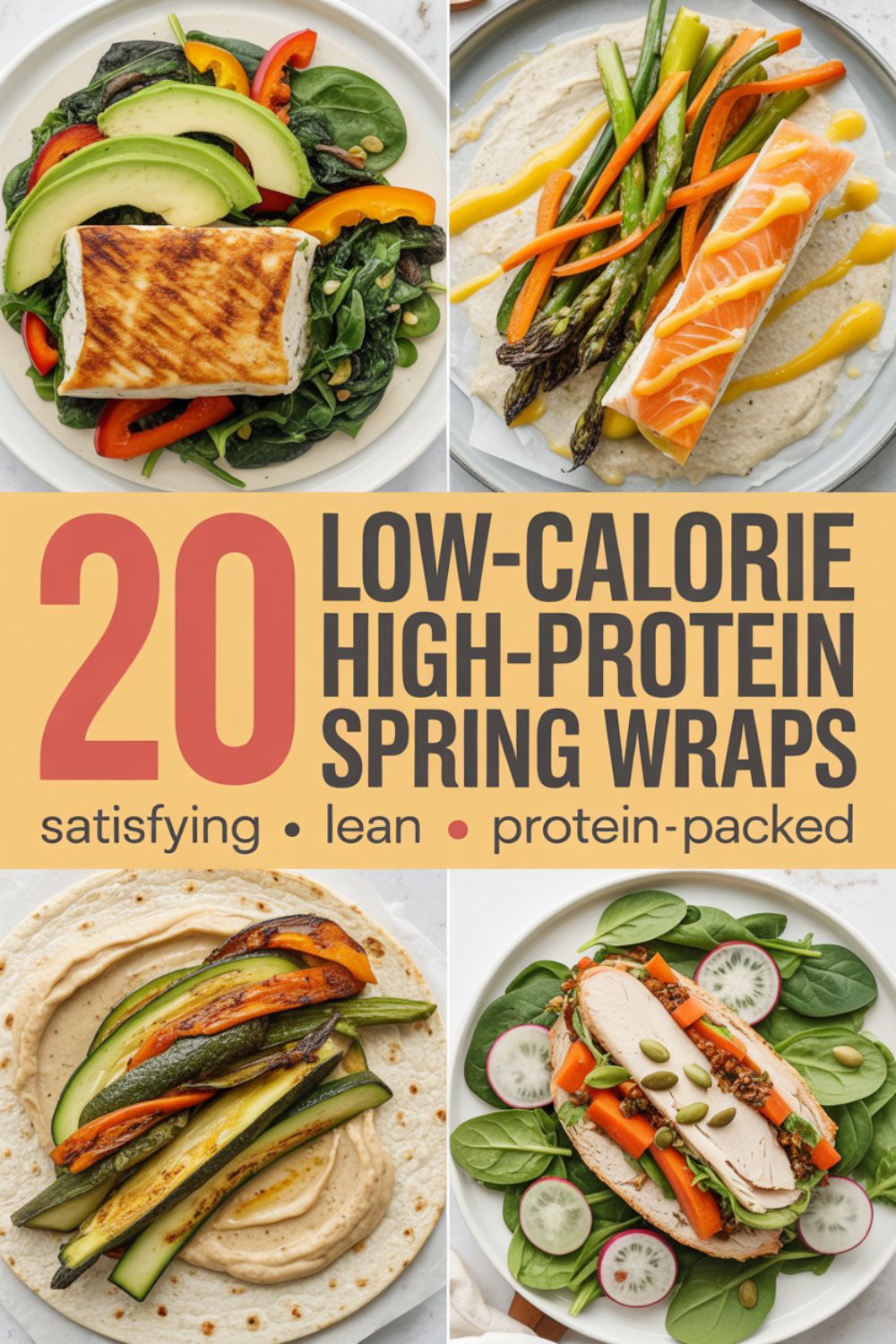
Why These Salads Actually Work
There’s a big difference between a salad that looks healthy and a salad that’s built to perform. The secret is structure: a fiber-rich base, a quality protein source, a small amount of healthy fat to aid nutrient absorption, and a dressing that adds flavor without piling on unnecessary calories.
Think about what you get with something like a grilled chicken and snap pea salad over baby spinach with lemon vinaigrette. Spinach offers iron and folate, snap peas deliver fiber and vitamin C, and a 4-ounce serving of grilled chicken contributes roughly 35 grams of protein for around 185 calories. The whole bowl might land at 320 calories with 38 grams of protein. That’s a legitimately powerful meal. For a deeper look at building meals like this, the science behind higher protein intake consistently supports its role in supporting muscle maintenance, healthy metabolism, and long-term weight management.
Spring greens have another advantage over heartier winter options: they’re lighter in flavor, which means your dressing and toppings can shine without fighting through a bitter backdrop. Baby arugula, pea shoots, and watercress all carry just enough personality to make a bowl interesting without overwhelming everything else.
Prep your proteins and wash your greens on Sunday. When lunch rolls around Tuesday and you’re running out of time, you’ll thank yourself. A weekly meal prep system is the single biggest lever for eating well consistently throughout the week.
One more thing worth knowing: not all protein sources perform equally when it comes to satiety. Chicken breast and eggs are extremely efficient — high protein, relatively low in calories, and digested slowly enough to keep you feeling full. Chickpeas and edamame are the plant-based all-stars here, offering both protein and fiber in the same ingredient. Speaking of plant-based options, if you want to explore full vegan salad builds alongside these, there are some fantastic high-protein vegan meal ideas worth bookmarking.
The 20 Salads: Full List at a Glance
Below you’ll find all twenty recipes in a quick-reference format with approximate calorie and protein counts. Each one follows the same principle: high protein, light on calories, built with seasonal spring ingredients, and actually worth eating. Detailed walkthroughs follow in the sections below.
Building Blocks: The Protein Sources That Make These Salads Work
You could throw any protein on top of lettuce and technically have a high-protein salad. But some combinations work significantly better than others — both in terms of how well they hold up after dressing and how much flavor they bring to the bowl. Here’s how the major players break down across this list.
Lean Poultry
Grilled chicken breast and sliced turkey are the workhorses of this collection. A 3.5-ounce serving of grilled chicken breast brings roughly 31 grams of protein at about 165 calories, which is a wildly efficient ratio. The key is cooking it properly — most dry, sad salad chicken is overcooked. Pull it off the heat at 163°F and let it rest. You’ll get juicy, flavorful chicken that actually tastes like something. For quick prep, I keep a BPA-free glass meal prep container set loaded with precooked chicken strips in the fridge Monday through Friday. Game-changer.
Seafood Options
Shrimp, salmon, and canned tuna are the seafood MVPs of spring salads. Shrimp is almost absurdly low-calorie — about 24 grams of protein for roughly 100 calories — and it pairs brilliantly with citrus dressings and snap peas. Salmon takes it a step further by adding omega-3 fatty acids, which support cardiovascular health and reduce inflammation alongside the protein benefit. Tuna from a quality can is fast, affordable, and just as effective. I reach for a quality tuna press tool to drain the liquid quickly without making a mess — it sounds like overkill until you’ve juggled a fork and a can lid at 6:45 AM.
Plant-Based Proteins
Chickpeas, edamame, lentils, and tofu make this list genuinely inclusive for people who don’t eat meat. The interesting thing about plant proteins is that they often come bundled with fiber — a half cup of chickpeas delivers about 8 grams of protein and 6 grams of fiber simultaneously. That fiber content slows digestion and extends satiety in a way that lean meat alone doesn’t replicate. If you want to go deeper into plant-based eating with these same principles, the high-protein vegetarian recipes on this site are a natural extension.
The Spring Ingredients That Elevate Every Bowl
Seasonal eating isn’t just a marketing concept — spring produce genuinely does taste different. Asparagus harvested in April has a sweetness that grocery store asparagus in December simply can’t replicate. The same goes for snap peas, spring onions, and fresh radishes. Using ingredients at their peak flavor means you can use lighter dressings and fewer calories to achieve a great-tasting bowl.
Asparagus
Asparagus belongs in more salads than it currently appears in. Roasted or blanched, it brings a mild earthiness that plays well against bright citrus dressings or anything with a little heat. One cup of asparagus contains about 27 calories, 3 grams of protein, and 2.8 grams of fiber — respectable numbers for a vegetable doing a supporting role. For the Grilled Salmon, Asparagus and Lemon Caper Salad (number 11 on our list), I blanch the spears for exactly 90 seconds in boiling salted water, then shock them in ice water. That technique preserves the bright green color and keeps the texture snappy.
Snap Peas and Pea Shoots
Snap peas are one of those ingredients that make people who claim to hate salads quietly ask for seconds. They’re sweet, they have a satisfying crunch that holds up under dressing, and they pair well with everything from miso ginger to lemon herb to a simple balsamic. Pea shoots — the tender young tendrils of the pea plant — are even more delicate and mild, which makes them excellent as a base or a finishing garnish.
Radishes
Radishes are chronically underused outside of French butter-and-bread situations. Sliced thin, they add a peppery bite, a gorgeous pop of color, and a satisfying crunch that holds up for at least a day under refrigeration — which makes them ideal for meal prep. The roasted version, which shows up in the lentil salad on this list, mellows considerably and takes on a sweeter, almost nutty character. FYI, if you pick up a Japanese mandoline slicer, you’ll be shaving radishes so thin they’re almost translucent in about thirty seconds. Nothing fancy required — just consistent, beautiful slices without the knife skills risk.
I started making these spring salads after looking for something lighter than my usual meal prep bowls. The snap pea and grilled chicken one became a weekly staple — I’ve made it eleven weeks in a row and I’m still not bored of it. Between that and the shrimp avocado version, I’ve dropped about fourteen pounds over the last three months without tracking anything obsessively.
The Dressing Strategy: Flavor Without the Calorie Bomb
Here’s where most salads die quietly: the dressing. A two-tablespoon pour of a standard bottled ranch dressing can run 140 calories and 14 grams of fat. Do that twice and you’ve just added 280 mystery calories to an otherwise light meal. The answer isn’t dry salads — it’s smarter dressings.
For these spring recipes, the dressing philosophy is simple: acid-forward, olive oil-based, and bold in flavor so a small amount goes a long way. A basic lemon vinaigrette — two tablespoons of good olive oil, two tablespoons of fresh lemon juice, a teaspoon of Dijon, salt and pepper — costs you about 80 calories and delivers more flavor than most bottled dressings twice its calorie count. The Dijon is the secret weapon. It acts as an emulsifier that holds the oil and acid together and adds a gentle sharpness that rounds everything out.
Greek yogurt-based dressings work brilliantly for the creamier versions on this list. Swap full-fat mayo for full-fat Greek yogurt in any creamy dressing and you cut calories significantly while actually increasing the protein content. I blend mine with a compact immersion blender directly in a mason jar — thirty seconds, no extra bowls, done.
Make a double batch of dressing at the start of the week and store it in a small sealed jar. Good dressings fridge well for five to seven days, and having them ready eliminates the last excuse for skipping the salad and reaching for something less considered.
Tahini dressings are another excellent choice for the plant-based salads. Tahini is made from sesame seeds, which means it adds both healthy unsaturated fats and a small protein contribution on its own. Thinned with lemon juice and a little water, it becomes a light, nutty drizzle that transforms the lentil and roasted radish salad into something genuinely special. Compared to almond butter-based dressings, tahini has a slightly more savory, less sweet profile — worth knowing when you’re building flavor combinations.
Meal Prep Essentials for These Spring Salads
Things I actually use — no sponsorships, just tools that made these recipes easier to pull off.
Properly dried greens hold dressing better and stay crisp longer in storage. A large-capacity spinner with a built-in colander handles washing and drying in one step.
View on AmazonAirtight, stackable glass containers keep prepped salad components fresh for four to five days. Having separate compartments for wet and dry ingredients is genuinely useful.
View on AmazonFor paper-thin radish slices and uniform cucumber ribbons, a mandoline cuts prep time in half. Adjustable thickness settings mean it works across all twenty recipes.
View on AmazonA structured weekly plan built around the same principles as these salads — high protein, controlled calories, and genuinely easy to follow without calorie-counting anxiety.
View PlanTwo weeks of mapped-out meal prep ideas that pair perfectly with this salad collection. Includes shopping lists and protein breakdowns for each day.
View PlanIf you want a full month of structured eating with these salads as the lunch anchor, this plan organizes breakfasts, dinners, and snacks around the same calorie and protein targets.
View PlanHow to Meal Prep These Salads Without Ending Up With Sad Soggy Lunch
Meal prepping salads has a bad reputation, and honestly, it’s earned. A fully-assembled salad sitting in dressing for three days is not a lunch — it’s a science experiment. But prepping the components separately? That works extremely well and takes most of the daily effort off the table entirely.
The framework is straightforward. On Sunday, grill or bake your proteins and store them in sealed containers. Wash and dry your greens and keep them in an airtight container with a paper towel to absorb excess moisture. Chop your harder vegetables — radishes, cucumber, snap peas — and store them separately. Make your dressings and keep them in small sealed jars. Assembly each day takes under two minutes. This is the kind of infrastructure that makes healthy eating actually sustainable rather than aspirational.
For the protein-forward salads, stagger your proteins across different flavors to avoid monotony. Grilled lemon herb chicken on Monday and Wednesday, shrimp on Tuesday and Thursday, canned tuna or hard-boiled eggs on Friday. You’re working from the same base ingredients but eating differently every day. If this approach clicks with you, the high-protein meal prep ideas for athletes take this structure even further with more precise macro targeting.
The Dressing Rule for Meal Prep
Always pack the dressing separately. Always. There are no exceptions to this. Even a vinaigrette will wilt your greens within an hour if you pre-dress. A small set of leakproof silicone condiment containers solves this permanently — they clip inside your lunch bag and eliminate the need for the old plastic wrap and rubber band trick that nobody was ever really happy with.
Build your assembled salad in a mason jar for maximum longevity. Start with dressing at the bottom, then hard vegetables, then protein, then greens on top. Shake when ready to eat. Greens stay crisp for up to three days this way — genuinely useful if you want to prep ahead for the full work week.
Five Standout Recipes Worth a Closer Look
Every salad on this list earns its spot, but a few of them keep coming up as reader favorites — either because the flavor combination is particularly unexpected, the protein count is especially high, or the prep time is genuinely minimal. Here are the five that get the most repeat attention.
Grilled Salmon, Asparagus & Lemon Caper Salad (No. 11)
This one tops the protein chart at 40 grams per serving, which is remarkable for a salad. The salmon brings omega-3 fatty acids alongside its protein contribution, and the capers add a briny, salty note that makes the whole bowl taste significantly more interesting than the ingredient list might suggest. Blanched asparagus and a simple lemon-olive oil base keep the calories at approximately 370 per serving. Get Full Recipe
Edamame, Quinoa & Miso-Ginger Salad (No. 8)
This is the plant-based standout of the collection. Edamame contributes about 17 grams of protein per cup — remarkably high for a plant source — and quinoa adds a complete amino acid profile alongside its carbohydrate content, which makes this bowl genuinely filling without any animal protein. The miso-ginger dressing is worth making in a double batch; it works on everything. Get Full Recipe
Cottage Cheese, Beet & Arugula Salad (No. 9)
This one surprises people. Cottage cheese is having a well-deserved moment right now — half a cup delivers about 14 grams of protein at 90 calories, with a creamy, mild flavor that pairs beautifully with the earthiness of roasted beets and the peppery bite of fresh arugula. The combination reads like something from a nice restaurant, and the total build clocks in at about 255 calories. The lowest-calorie option on the list with no sacrifice in satisfaction. Get Full Recipe
Spring Cobb with Turkey, Egg & Avocado (No. 18)
A Cobb salad rebuilt for spring. Turkey replaces the traditional bacon, hard-boiled egg whites double up the protein, and a light champagne vinaigrette stands in for the heavy blue cheese dressing. Avocado stays because avocado is non-negotiable. At 380 calories and 34 grams of protein, this is the most indulgent-tasting entry on the list. Get Full Recipe
Green Goddess Shrimp & Butter Lettuce Salad (No. 20)
Butter lettuce is criminally overlooked as a salad base. The leaves are tender, slightly sweet, and form natural cups that hold toppings perfectly — which makes eating this bowl feel a little more fun than most salads. Shrimp is marinated briefly in lemon and garlic before a quick sear, and the green goddess dressing is made with Greek yogurt and fresh herbs to keep the calories honest. Get Full Recipe
I was really skeptical that salads could satisfy me — I’m someone who needs a real meal to feel full, not a bowl of leaves. But the salmon asparagus one genuinely changed my mind. I have it for lunch three times a week now, and I don’t think about food again until dinner. My husband, who actively avoids salads, tried it once and asked me to make extra.
Frequently Asked Questions
How much protein should a low-calorie salad have to actually keep you full?
A genuinely filling salad should aim for at least 25 grams of protein per serving. Nutritionists commonly suggest targeting 25 to 30 grams of protein per meal to meaningfully activate satiety hormones and extend the feeling of fullness. All twenty salads on this list meet or exceed that threshold, which is why they work as complete meals rather than side dishes.
Can I meal prep these salads for the entire week?
Yes, with one important rule: always store the components separately and add dressing immediately before eating. Prepped proteins, chopped vegetables, and washed greens keep well for four to five days in sealed containers. The salads themselves, once assembled and undressed, hold reasonably well for two to three days if kept cold.
What’s the best plant-based protein for spring salads?
Edamame, chickpeas, and lentils are the top three for spring salads specifically. Edamame has the highest protein density of the three, chickpeas have the best texture for dressed salads, and lentils work better in grain-forward builds where the salad is meant to be more substantial. Crispy tofu is excellent when you want something with a meat-like texture and bite.
Are there low-calorie dressings that still taste good?
Absolutely — acid-forward dressings made with olive oil, lemon juice, and Dijon mustard deliver significant flavor at around 70 to 90 calories per two tablespoons. Greek yogurt-based creamy dressings are another excellent option, cutting calories compared to mayo-based versions while adding protein. The key is bold flavoring: garlic, fresh herbs, capers, and citrus zest let you use less dressing overall without losing flavor impact.
How do I prevent my salad greens from getting soggy overnight?
Store greens with a dry paper towel in a sealed container — the paper towel absorbs moisture and significantly extends freshness. Never dress greens before storage. For meal-prep situations, store dressing at the bottom of the container (or in a separate small jar) and add the greens last, only mixing right before eating. Mason jar salads built this way stay fresh for up to three days.
Spring Is the Best Time to Eat This Well
These twenty low-calorie high-protein spring salads represent a simple but genuinely effective way to eat lighter, feel fuller, and actually enjoy what’s on the plate. The season does a lot of the work for you — fresh asparagus, snap peas, pea shoots, and radishes make building a vibrant, satisfying bowl easier than at any other time of year.
The principles are repeatable: a quality protein source, seasonal vegetables with real texture and flavor, an acid-forward dressing made with good olive oil, and a component-based prep strategy that makes putting lunch together on a Tuesday a two-minute task rather than a decision you have to wrestle with. Start with one of the five spotlight recipes above, build a prep routine around the tools and systems that work for your schedule, and you’ll have a sustainable lunch habit in place before the season’s out.
Pick one recipe, try it this week, and see what happens. The weekly meal prep guide is a good place to start building the supporting infrastructure if you want the whole system working together from day one.