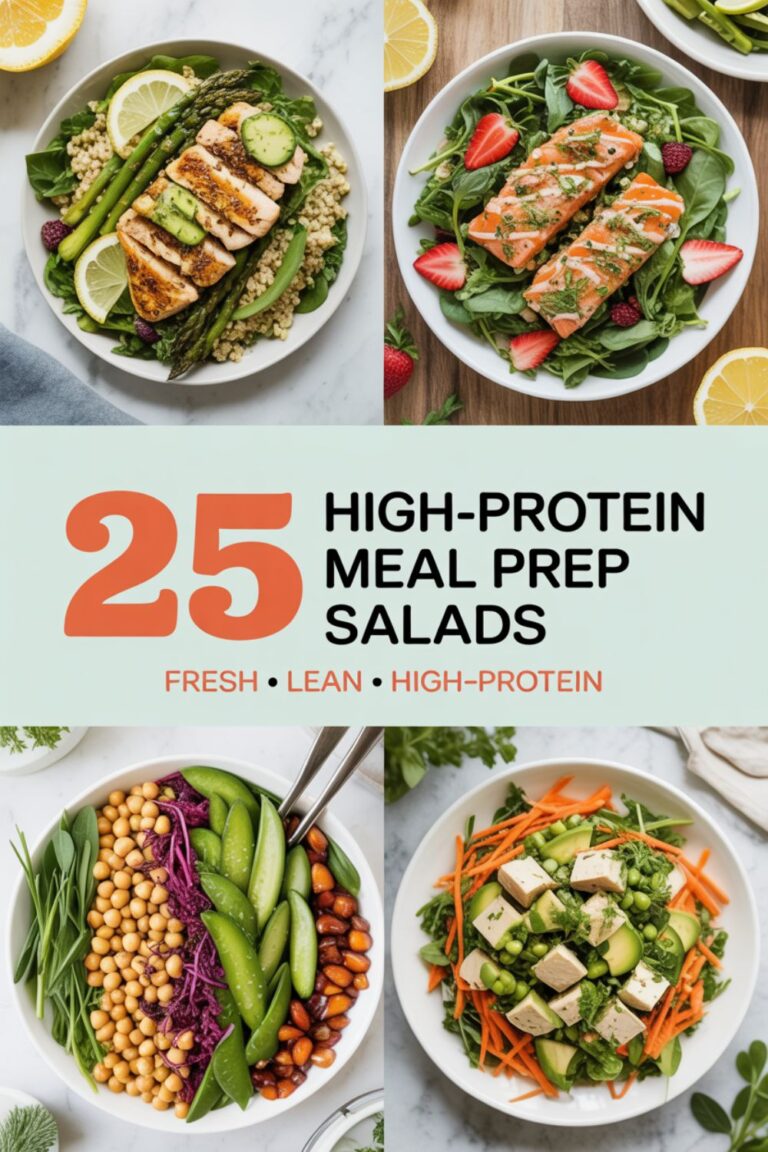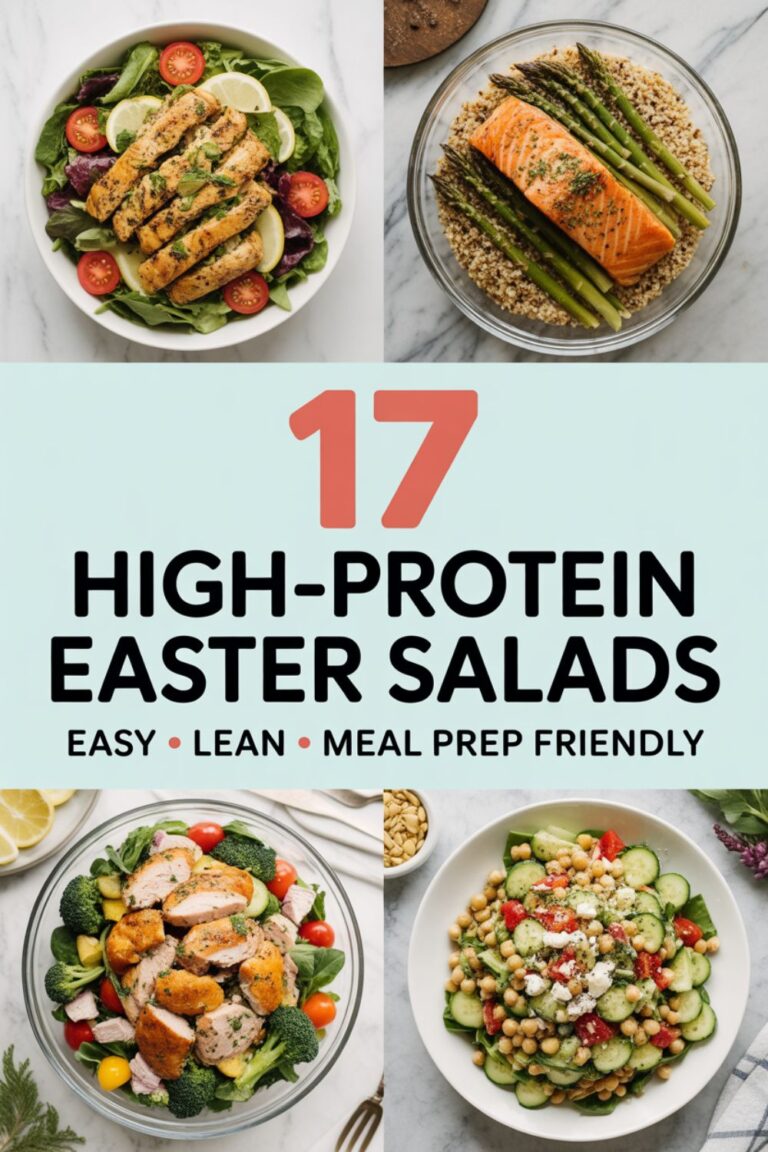
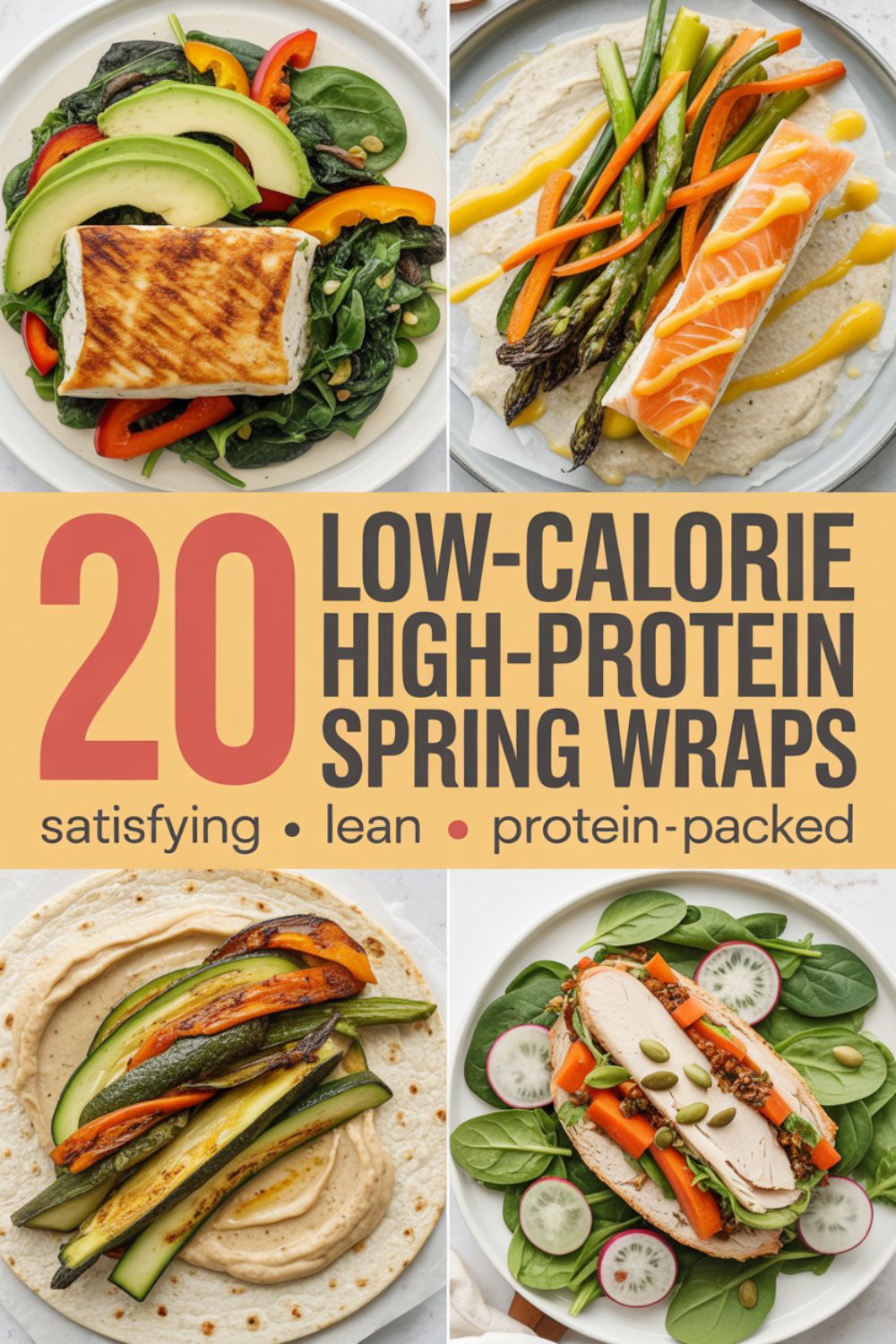
20 Low-Calorie High-Protein Spring Wraps
Spring’s finally here, and if you’re anything like me, you’re craving something light, fresh, and ridiculously easy to throw together. Enter the humble wrap—except we’re not talking about those sad, soggy things you grab from the gas station. I’m talking about wraps that actually taste good, pack serious protein, won’t wreck your calorie budget, and celebrate all those gorgeous spring veggies hitting farmers markets right now.
Look, I get it. You want to eat healthy, but you also don’t want to spend three hours in the kitchen or feel like you’re gnawing on cardboard. That’s the beauty of these spring wraps. They’re legitimately satisfying, genuinely delicious, and most clock in under 400 calories while delivering 25-35 grams of protein. Yeah, you read that right.
Whether you’re meal prepping for the week, need a quick lunch that doesn’t leave you face-planting into your keyboard by 3 PM, or just want something that tastes like actual food (novel concept, I know), these wraps have you covered. Let’s jump in.
Why Spring Wraps Are Actually Genius
Spring vegetables are nutritional powerhouses that happen to be at their absolute peak right now. We’re talking asparagus loaded with folate, snap peas bursting with vitamin C, and radishes that bring a satisfying crunch along with their impressive antioxidant content. When you eat seasonally, you’re getting produce that hasn’t traveled 2,000 miles to reach your plate, which means better flavor and more nutrients.
But here’s the thing about wraps that makes them perfect for spring: they’re essentially edible containers for whatever fresh stuff you can get your hands on. No rules, no fuss, just wrap and go. Plus, when you’re strategic about your protein sources—think grilled chicken, turkey, tofu, or even chickpeas—you can build something that keeps you full for hours without the food coma.
The protein aspect is crucial here. According to Harvard Health, most adults need around 0.8 grams of protein per kilogram of body weight daily, though active individuals benefit from more. These wraps make hitting that target almost embarrassingly easy.
The Spring Wrap Formula That Actually Works
Before we get into specific recipes, let’s talk about the blueprint. Every great low-calorie, high-protein spring wrap follows a simple formula, and once you understand it, you can improvise like a boss.
The Base Layer
Your wrap is only as good as what’s holding it together. Whole wheat tortillas give you fiber and keep things interesting texture-wise, but I’m also a fan of those high-protein wraps you can find now—some pack 12-15 grams of protein just in the tortilla itself. Spinach wraps aren’t just pretty; they add extra vitamins. And if you’re watching carbs, lettuce wraps work perfectly, though fair warning: they’re messier than a toddler with spaghetti.
The Protein Punch
This is where the magic happens. Grilled chicken breast is the obvious choice—lean, versatile, takes on whatever flavors you throw at it. But don’t sleep on turkey, which is equally lean and somehow feels more spring-appropriate. For plant-based folks, baked tofu or tempeh work beautifully, especially when you marinate them first. And chickpeas? Smash them with a fork, add some tahini and lemon, and you’ve got something special.
If you’re looking for more high-protein meal ideas that don’t feel boring, check out these high-protein low-calorie meal ideas for weight loss beginners.
The Spring Veggie Stars
Here’s where seasonal eating gets fun. Asparagus (roasted until slightly crispy), snap peas (raw for crunch or lightly sautéed), radishes (thinly sliced for that peppery bite), baby spinach, arugula, and shredded carrots all bring different textures and flavors. Spring onions add a mild kick without the aggressive punch of regular onions. And don’t forget fresh herbs—cilantro, basil, mint, dill—they’re like the exclamation point on your wrap.
The Sauce Situation
This is where people usually blow their calorie budget, slathering on mayo like it’s going out of style. Instead, try Greek yogurt-based sauces that bring creaminess and extra protein without the guilt. A simple mix of Greek yogurt, lemon juice, garlic, and fresh dill is chef’s kiss. Hummus works too, though watch your portions. And a good squeeze bottle makes applying sauce way less messy—no more accidentally dumping half the container in one spot.
20 Spring Wraps That’ll Make You Forget About Sad Desk Lunches
1. Lemon-Herb Chicken with Asparagus
Grilled chicken marinated in lemon and herbs, roasted asparagus spears, arugula, and a Greek yogurt-dill sauce. The asparagus brings that quintessential spring flavor, and the lemon keeps things bright. Around 320 calories, 32g protein. Get Full Recipe
2. Turkey and Strawberry Spinach Wrap
Sounds weird, tastes incredible. Sliced turkey breast, fresh strawberries, baby spinach, crumbled feta, and a balsamic reduction. The strawberries add natural sweetness that plays beautifully with the savory turkey. 340 calories, 28g protein. Get Full Recipe
3. Spicy Tofu and Snap Pea Crunch
Baked tofu with sriracha glaze, snap peas, shredded purple cabbage, carrots, and a peanut-lime sauce (go easy on the peanut sauce). The snap peas give you that satisfying crunch. 310 calories, 26g protein. Get Full Recipe
4. Mediterranean Chickpea Smash
Mashed chickpeas with tahini and lemon, cucumbers, tomatoes, red onion, kalamata olives, and fresh mint. It’s like a deconstructed hummus plate in wrap form. 290 calories, 24g protein. Get Full Recipe
Speaking of Mediterranean flavors, if you’re into meal prep, these high-protein low-calorie bowls you can prep in under 20 minutes follow a similar flavor profile and are equally fantastic.
5. Grilled Shrimp and Mango Spring Mix
Grilled shrimp, diced mango, mixed spring greens, avocado (just a little), and cilantro-lime yogurt sauce. The mango brings unexpected sweetness that works with the shrimp. 335 calories, 30g protein. Get Full Recipe
6. Buffalo Chicken with Celery Slaw
Shredded buffalo chicken breast, celery slaw, shredded carrots, and blue cheese Greek yogurt dressing. All the buffalo chicken flavor without the deep-fried guilt. 315 calories, 33g protein. Get Full Recipe
7. Sesame Ginger Tempeh Lettuce Wrap
Marinated tempeh, shredded carrots, cucumbers, edamame, and sesame-ginger dressing in butter lettuce cups. Messy but worth it. 280 calories, 25g protein. Get Full Recipe
8. Pesto Turkey with Roasted Red Peppers
Sliced turkey breast, homemade pesto (or store-bought if you’re time-crunched), roasted red peppers, arugula, and fresh mozzarella. The pesto does heavy lifting flavor-wise. 350 calories, 29g protein. Get Full Recipe
9. Cajun Chicken with Radish Crunch
Cajun-spiced grilled chicken, thinly sliced radishes, romaine, tomatoes, and avocado-lime crema. The radishes add an unexpected peppery crunch. 325 calories, 31g protein. Get Full Recipe
10. Tuna Salad Spring Refresh
Tuna mixed with Greek yogurt instead of mayo, celery, red onion, spring mix, and cucumber slices. Classic tuna salad gets a spring makeover. 295 calories, 34g protein. Get Full Recipe
For even more quick lunch inspiration, try these low-calorie high-protein salad recipes for quick lunches that work on the same principle.
11. Egg White and Veggie Garden Wrap
Scrambled egg whites, sautéed mushrooms, spinach, tomatoes, and feta cheese. Breakfast for lunch? Absolutely. 270 calories, 27g protein. Get Full Recipe
12. Teriyaki Salmon with Asian Slaw
Grilled teriyaki salmon, cabbage-carrot slaw, edamame, and wasabi-yogurt sauce. The salmon brings those omega-3s along with protein. 360 calories, 32g protein. Get Full Recipe
13. Greek Lamb Wrap (Yes, Really)
Lean ground lamb seasoned with oregano and garlic, cucumber-tomato salad, red onion, and tzatziki. A splurge at 385 calories but worth it for special occasions. 30g protein. Get Full Recipe
14. BBQ Chicken and Apple Slaw
Shredded BBQ chicken breast, apple-cabbage slaw, red onion, and cilantro. The apple brings sweetness that balances the BBQ sauce. 330 calories, 29g protein. Get Full Recipe
15. White Bean and Herb Garden
Mashed white beans with lemon and garlic, fresh herbs (basil, parsley, dill), cucumbers, tomatoes, and arugula. Completely plant-based and ridiculously fresh-tasting. 285 calories, 22g protein. Get Full Recipe
16. Curry Chicken Salad Spring Wrap
Chicken salad with curry powder, Greek yogurt, diced apple, celery, and spring greens. The curry adds warmth without overwhelming the fresh spring vibe. 310 calories, 28g protein. Get Full Recipe
If you’re meal prepping these wraps, you’ll definitely want to check out these low-calorie high-protein meals perfect for meal prep for even more ideas.
17. Chimichurri Steak and Greens
Thinly sliced flank steak, chimichurri sauce, mixed greens, grilled onions, and tomatoes. Steak in a wrap feels fancy but is totally doable. 370 calories, 33g protein. Get Full Recipe
18. Lemon-Dill Salmon and Cucumber
Cold poached salmon, cucumber ribbons, capers, red onion, and lemon-dill yogurt sauce. Refreshing AF, especially on warm spring days. 340 calories, 31g protein. Get Full Recipe
19. Southwest Black Bean and Corn
Black beans, grilled corn, bell peppers, romaine, salsa, and cilantro-lime yogurt. The corn screams spring (or early summer). 295 calories, 24g protein. Get Full Recipe
20. Honey Mustard Chicken with Spring Mix
Grilled chicken with honey mustard glaze, spring mix, strawberries, sliced almonds, and light balsamic vinaigrette. Sweet and savory in all the right ways. 335 calories, 30g protein. Get Full Recipe
Kitchen Tools That Make Spring Wraps Stupid Easy
Look, you don’t need a million gadgets to make great wraps, but a few smart tools make the process way less annoying. Here’s what actually helps:
Physical Products:
- Mandoline slicer – For those paper-thin radish and cucumber slices that look Instagram-worthy. Just, you know, watch your fingers.
- Herb scissors – Multi-blade scissors that chop fresh herbs in seconds. Game-changer for cilantro, basil, and parsley.
- Glass meal prep containers – Store your prepped veggies and proteins separately so everything stays fresh and doesn’t get soggy. BPA-free, microwave-safe, the whole deal.
Digital Resources:
- Spring Meal Prep Master Guide (eBook) – Includes shopping lists, prep schedules, and 50+ seasonal recipes. Takes the guesswork out of planning.
- Macro-Tracking App Subscription – Because eyeballing portions only works until it doesn’t. Track your protein and calories without losing your mind.
- Seasonal Eating Blueprint – Month-by-month guide to what’s in season and how to use it. Especially helpful if you hit up farmers markets.
The Protein-Vegetable Balance That Makes These Work
Here’s the deal with protein: it’s satiating, it supports muscle maintenance (especially important if you’re active or trying to lose weight), and it has a higher thermic effect than carbs or fats, meaning your body burns more calories just digesting it. When you pair lean proteins with fiber-rich spring vegetables, you get a meal that actually keeps you full.
The vegetables bring volume without many calories, plus they’re loaded with vitamins, minerals, and phytonutrients that support overall health. Asparagus, for instance, is rich in folate and vitamin K, while radishes provide vitamin C and compounds that may support liver detoxification. Eating seasonally means these vegetables are at their nutritional peak.
For context, Mayo Clinic recommends that protein should account for 10-35% of your daily calories, with most people benefiting from 15-30 grams per meal. These wraps nail that sweet spot.
How to Meal Prep These Without Losing Your Mind
I’m not gonna lie—meal prepping wraps requires a slightly different strategy than, say, casseroles. You can’t just assemble everything and stick it in the fridge for five days. Well, you can, but you’ll end up with something that resembles wet cardboard.
Here’s what actually works: prep all your components separately. On Sunday (or whenever you meal prep), cook your proteins—grill a bunch of chicken breasts, bake your tofu, poach some salmon, whatever. Then prep your vegetables: wash and chop everything, spiralize those carrots, slice those radishes. Make your sauces and store them in small containers or these 2-ounce sauce containers that don’t leak.
When it’s time to eat, assembly takes literally two minutes. Grab a tortilla, add your protein, pile on the veggies, drizzle the sauce, wrap, and you’re done. It’s like those meal kit services, except you’re not paying $12 per serving and you actually know what’s in your food.
If you’re into this kind of strategic meal prep, these low-calorie high-protein meal prep ideas for athletes follow the same component-based approach.
Common Mistakes That Tank Your Spring Wraps
Let me save you from the mistakes I’ve made. First, overstuffing your wrap is a guaranteed way to end up with filling exploding everywhere. Less is more. You want to taste everything in each bite, not create some Frankenstein’s monster of a wrap that can’t even close.
Second, using cold protein straight from the fridge on a room-temperature tortilla creates this weird temperature contrast that’s just… off. Either warm your protein slightly or let it come to room temp. Similarly, not drying your greens properly after washing them adds unnecessary moisture that makes everything soggy.
Third, and this is a big one: choosing the wrong tortilla. Those massive burrito-sized tortillas might seem like they give you more room, but they add unnecessary calories and carbs. Stick with standard 8-9 inch tortillas or those smaller street taco-sized ones if you’re really watching calories.
And finally, underestimating how much sauce you’re using. Yeah, that “light drizzle” of tahini? You just added 90 calories. Measure your sauces, at least until you have a good sense of portions. Or use one of those measuring spoon sets that clip to the side of your prep containers.
Why These Work Better Than Conventional Sandwiches
Sandwiches are fine, don’t get me wrong, but wraps have some legitimate advantages, especially in spring. First, they’re easier to eat on the go. No pieces falling apart, no layers sliding around. The tortilla holds everything together way better than two slabs of bread that have different structural integrity (looking at you, top slice that always gets soggy).
Second, wraps let you pack in way more vegetables without feeling like you’re eating a salad between bread. The cylindrical structure means you can load up on greens, crunchy vegetables, and herbs without it getting unwieldy. Try putting that much arugula in a sandwich—it just doesn’t work.
Third, the calorie savings are real. Two slices of bread typically run 150-200 calories depending on the type, while a whole wheat tortilla comes in around 120-140. That’s not massive, but when you’re trying to stay in a calorie deficit, every bit helps. Plus, you can use those saved calories for more protein or a bigger portion of vegetables.
For more quick, portable meal options that follow this same logic, check out these low-calorie high-protein wraps for quick lunches—yeah, more wraps, because they actually work.
The Sauce Science That Makes or Breaks Your Wrap
Can we talk about sauces for a second? Because this is where most people either nail it or completely derail their healthy eating efforts. Traditional mayo-based sauces pack around 100 calories per tablespoon, and let’s be honest, nobody uses just one tablespoon.
This is where Greek yogurt becomes your best friend. Full-fat Greek yogurt has about 20 calories per tablespoon and brings protein along for the ride. Mix it with fresh herbs, lemon juice, garlic, a tiny bit of Dijon mustard, maybe some za’atar or curry powder, and you’ve got something that tastes way better than it has any right to.
I make a big batch of base Greek yogurt sauce every week and then customize it depending on what wrap I’m making. For Mediterranean wraps, add dill and cucumber (tzatziki-style). For Mexican-inspired ones, throw in some lime juice and cilantro. For Asian flavors, mix in ginger and a touch of sesame oil. One base, endless variations.
Other solid sauce options: hummus (watch portions, around 70 calories per 2 tablespoons), tahini thinned with lemon juice (rich but a little goes a long way), mustard (basically zero calories and tons of flavor), and hot sauce (flavor without the calorie bomb).
Pro move: get one of those mini food processors that’s just big enough for sauces and dressings. Game-changer for whipping up fresh sauces without dragging out your full-size food processor.
Making These Work for Your Dietary Preferences
The beauty of wraps is they’re basically infinitely adaptable. Going vegetarian or vegan? Sub the chicken or turkey for chickpeas, white beans, tofu, tempeh, or even lentils. Add some nutritional yeast to your sauces for that cheesy flavor without dairy.
Dealing with gluten issues? Tons of gluten-free tortilla options exist now, from corn tortillas to those made with cassava or almond flour. Or just go full lettuce wrap and embrace the mess. Butter lettuce and romaine work best—they’re sturdy enough to actually hold stuff.
Watching carbs more strictly? Those low-carb tortillas that pack tons of fiber can be your friend, though I’ll be straight with you: some taste like eating cardboard that has delusions of grandeur. Try a few brands to find one that doesn’t make you question your life choices.
Need more calories for muscle gain? Add avocado, nuts, seeds, or a little more of those healthy fats. A tablespoon of hemp seeds adds 50 calories and 3 grams of protein without changing the flavor much. These low-calorie high-protein recipes for muscle gain show you how to adjust portions while keeping the high-protein focus.
Frequently Asked Questions
Can I really meal prep these wraps for the whole week?
Yes, but with a caveat. Prep all your components separately—cooked proteins, chopped veggies, sauces—and assemble fresh each day. If you assemble them all at once, you’ll end up with soggy wraps by day three. Store wet ingredients like tomatoes and sauces separately and add them right before eating.
What’s the best way to keep wraps from getting soggy?
The secret is creating barriers. Put your lettuce or greens against the tortilla first, which creates a buffer between the wrap and wet ingredients. Keep sauces and juicy vegetables (like tomatoes and cucumbers) in separate containers until you’re ready to eat. And make sure you dry your greens thoroughly after washing.
Are whole wheat tortillas really that much better than regular ones?
Whole wheat tortillas have more fiber, which helps with satiety and digestion, plus they have a lower glycemic index than white flour tortillas. That said, the calorie difference is minimal. If you hate whole wheat, don’t force it—just watch your portions and make sure the rest of your wrap is packed with protein and vegetables.
How do I get 30+ grams of protein in a single wrap?
Stack your protein sources strategically. Use a high-protein tortilla (12-15g), add 3-4 ounces of lean protein like chicken or turkey (25-28g), and use a Greek yogurt-based sauce (2-3g). That easily gets you over 30 grams. You can also add a sprinkle of seeds or a bit of cheese for extra protein.
Can I freeze these spring wraps?
Honestly? Not really. The fresh vegetables that make spring wraps so great don’t freeze and thaw well—they get mushy and lose their texture. Your best bet is to freeze just the cooked proteins and make fresh wraps using frozen protein that you’ve thawed. The whole point is celebrating fresh, seasonal produce, which doesn’t love the freezer.
The Bottom Line on Spring Wraps
Look, eating healthy doesn’t have to mean suffering through meals you don’t actually want to eat. These spring wraps prove you can have something that tastes legitimately good, hits your protein targets, keeps you in a calorie deficit (if that’s your goal), and celebrates what’s actually in season right now.
The key is being strategic about your components—lean proteins, lots of colorful vegetables, smart sauces that add flavor without wrecking your macros, and proper assembly technique so you’re not eating a soggy mess. It’s not rocket science, but it does require a tiny bit of planning.
Start with one or two of these wraps this week. See how they make you feel. Notice how much more satisfying real food is compared to whatever processed lunch you were grabbing before. And then maybe add a few more to your rotation. Before you know it, you’ll be that person at work with the actually appealing lunch while everyone else is jealously eyeing your wrap.
Spring doesn’t last forever, and neither does peak season for these vegetables. Might as well enjoy them while they’re at their best, wrapped up in a convenient, portable, protein-packed package that doesn’t taste like punishment.