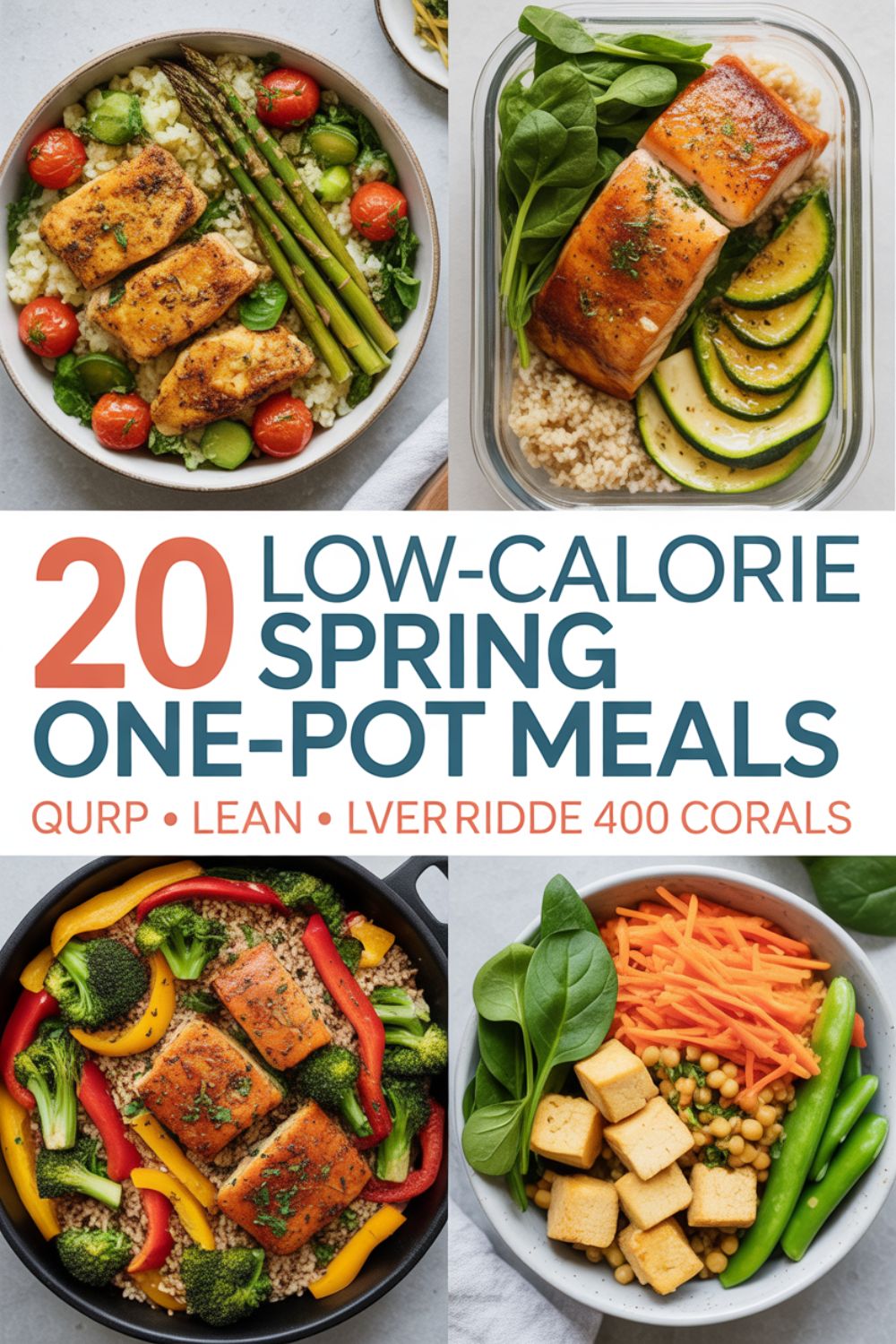
20 Low-Calorie Spring One-Pot Meals
Spring hits different when you’re trying to eat clean but also desperately need fewer dishes to wash. One-pot meals are the ultimate lazy genius move—throw everything in, let it do its thing, and boom, dinner’s ready without a sink full of regret.
Look, I get it. You want fresh, light meals that actually taste like spring and not like sad diet food. But you also don’t want to spend an hour cooking and another hour scrubbing pans. That’s where one-pot spring meals come in clutch. We’re talking bright veggies, lean proteins, and flavors that make you feel like you’re eating on a patio somewhere instead of reheating leftovers over the sink.
These recipes keep calories in check without making you feel like you’re punishing yourself. Most clock in under 400 calories per serving, pack serious protein, and use seasonal spring produce that’s actually worth eating. Plus, the cleanup situation? Chef’s kiss.
Why One-Pot Meals Are Perfect for Spring
Spring produce is peak right now—asparagus, peas, fresh herbs, baby carrots, snap peas. All that good stuff that makes you feel virtuous just looking at it. One-pot cooking lets you toss it all together without overthinking it. The flavors meld, everything cooks evenly, and you’re not juggling three pans at once like some kind of circus act.
Here’s the thing about spring one-pot meals: they’re lighter than their winter counterparts. You’re not drowning everything in cream and cheese (okay, maybe a little cheese). Instead, you’re getting bright citrus, fresh herbs, and vegetables that haven’t been sitting in cold storage since October. It’s a vibe shift, and your body can tell.
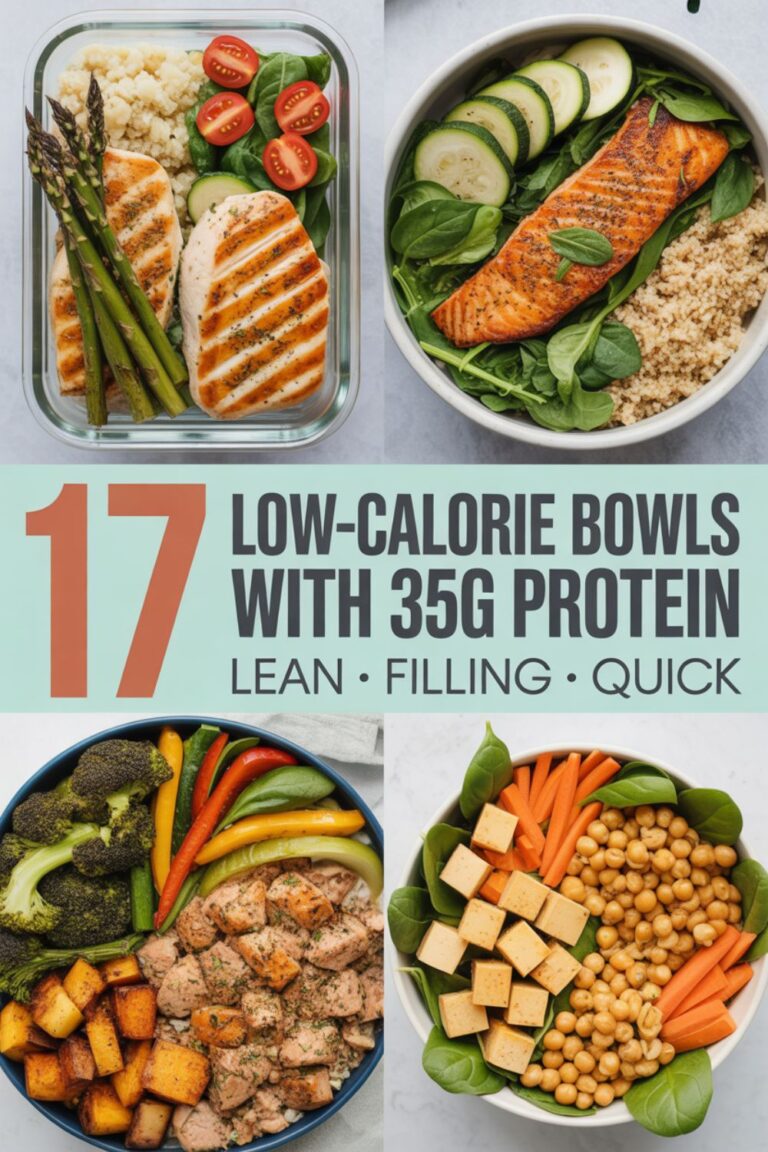
The calorie count stays reasonable because you’re not adding a ton of heavy sauces or frying everything in butter. Most of these recipes rely on broth, a splash of wine, or just the natural juices from the ingredients. That means big flavor without the caloric baggage. If you’re looking to streamline your entire week, check out this weekly high-protein low-calorie meal prep guide for more planning strategies.
What Makes a Great Low-Calorie One-Pot Meal
Not all one-pot meals are created equal. Some are basically carb bombs with a vegetable garnish. The good ones balance protein, fiber, and healthy fats while keeping the calorie count reasonable. You want something that actually fills you up, not just checks a box.
The Formula That Works
Lean protein is your foundation. Chicken breast, turkey, white fish, shrimp, or plant-based options like chickpeas or lentils. You need enough to keep you satisfied—aim for at least 25-30 grams per serving.
Lots of vegetables bulk up the meal without adding many calories. Spring is perfect for this because everything’s in season. Asparagus, zucchini, bell peppers, spinach, peas—load it up. The more veggies, the more volume, and the less likely you are to raid the pantry an hour later.
Smart carbs keep it interesting without going overboard. Think quinoa, farro, or just a small amount of pasta. Or skip them entirely and let the veggies do the heavy lifting. Simple ingredient lists often work best for these types of meals.
Flavor builders are where the magic happens. Garlic, ginger, fresh herbs, citrus zest, a splash of white wine, or a spoonful of pesto. These add complexity without calories. I’m a big fan of using fresh herb scissors to snip herbs directly into the pot—way faster than chopping, and you look fancy doing it.
The Equipment That Actually Matters
You don’t need a whole kitchen arsenal, but a few solid pieces make life easier. A good Dutch oven is the MVP here—it goes from stovetop to oven, holds heat well, and looks nice enough to serve from. If you don’t have one yet, it’s worth the investment.
A large nonstick skillet with a lid works for most of these recipes too, especially the quicker ones. Just make sure it’s big enough—you need room for everything to cook properly, not steam in a crowded pan.
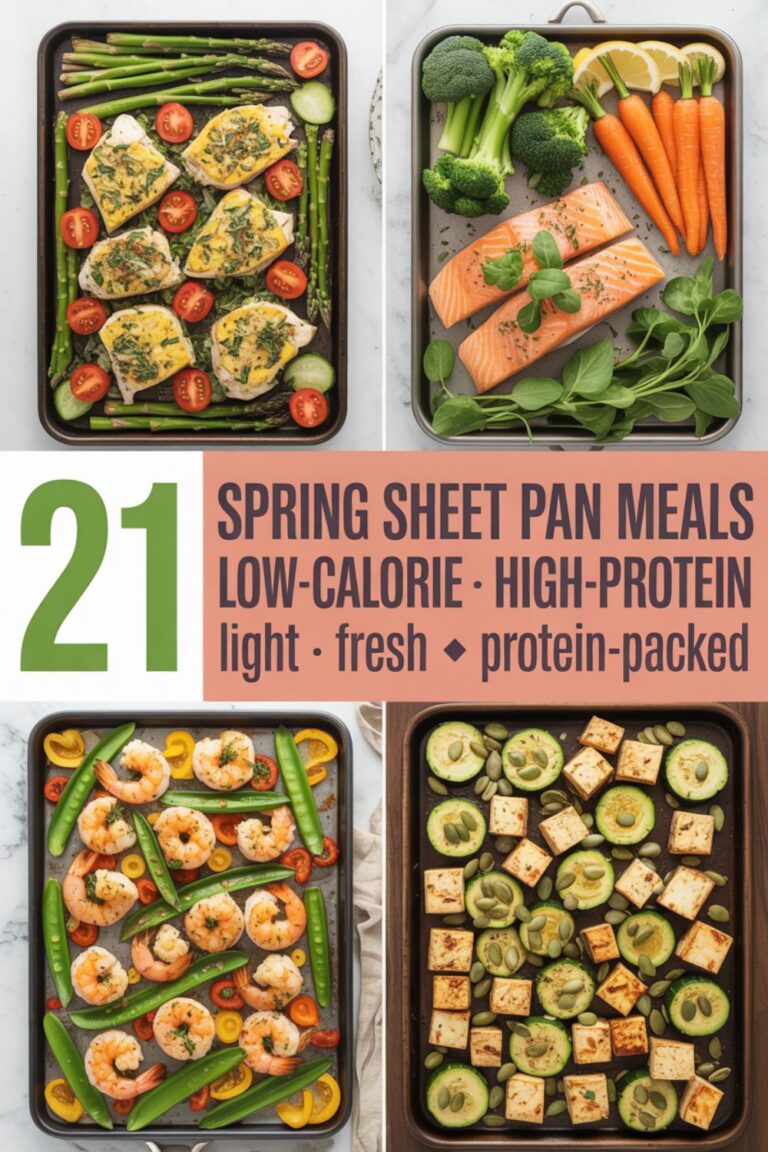
For anyone committed to making spring cooking easier, these spring meal prep ideas pair perfectly with one-pot cooking methods.
20 Low-Calorie Spring One-Pot Meals You’ll Actually Make
Alright, let’s get into the actual recipes. These are the meals I make on repeat when I want something light, seasonal, and low-maintenance. No complicated techniques, no weird ingredients you’ll use once and forget about. Just solid, tasty food that happens to be good for you.
1. Lemon Herb Chicken with Asparagus and Potatoes
This is spring in a pot. Chicken thighs (yes, thighs—they stay juicier), asparagus, baby potatoes, lemon, and a ton of fresh herbs. Everything roasts together, and the lemon juice makes a light sauce at the bottom. Around 320 calories per serving, and it tastes way more indulgent than that.
The trick is cutting the potatoes small so they cook at the same rate as everything else. Nobody wants crunchy potatoes. Get Full Recipe
2. Spring Vegetable Minestrone
Minestrone gets a spring makeover with peas, zucchini, green beans, and fresh basil. I use white beans for protein and skip the pasta entirely—or just add a tiny bit of ditalini if I’m feeling it. Comes in around 250 calories and feels like a hug in a bowl.
I make this in my Dutch oven and it’s ready in 30 minutes. The American Heart Association has great info on the nutritional benefits of legumes if you’re curious about why white beans work so well here.
3. Shrimp and Pea Risotto
Risotto sounds fancy but it’s basically just stirring rice and adding liquid. This version uses shrimp, fresh peas, lemon zest, and a little Parmesan. It’s creamy without being heavy, and you can make it in one pot without dirtying a separate pan for the shrimp. About 340 calories per serving.
Real talk: you need to stir it. Don’t wander off to scroll through your phone. A good wooden risotto spoon with a hole in the middle makes stirring less annoying. Get Full Recipe
“I made the shrimp risotto last week and my husband thought I ordered takeout. It’s officially in our rotation now.” — Sarah M., community member
4. Mediterranean Chicken and Artichoke Skillet
Chicken breast, artichoke hearts, sun-dried tomatoes, olives, and spinach. Very Mediterranean, very flavorful, very low-calorie at around 280 per serving. The sun-dried tomatoes add a ton of flavor without needing much else.
This is one of those meals that looks impressive but takes maybe 25 minutes. If you’re into Mediterranean flavors, these spring Mediterranean bowls might be your jam too.
5. Turkey and White Bean Chili
Chili in spring? Hear me out. This version is lighter—ground turkey, white beans, green chilies, and a bunch of spices. It’s not heavy like winter chili, but it’s still satisfying. Around 310 calories and loaded with protein.
I like serving this with a dollop of Greek yogurt instead of sour cream. Cuts calories and adds extra protein. Win-win. Get Full Recipe
6. Garlic Ginger Salmon with Bok Choy
Salmon, bok choy, garlic, ginger, and a splash of soy sauce. This comes together in about 20 minutes and tastes like you tried way harder than you did. Salmon is rich in omega-3 fatty acids, which according to Harvard Health, are excellent for heart health. About 350 calories.
Pro move: use pre-minced garlic and ginger from a jar. I know, I know, fresh is better. But also, jar is faster, and sometimes that’s what matters.
7. Chicken Fajita Rice Bowl
All the fajita flavors in one pot with cauliflower rice instead of regular rice. Chicken, bell peppers, onions, and fajita seasoning. Top it with a little cheese and some salsa. Around 290 calories and ridiculously easy.
If you’re trying to cut carbs but miss Mexican food, this is your answer. Or just make it with regular rice if you’re not worried about it. Your call.
8. Spring Pea and Ham Soup
Split pea soup gets a spring upgrade with fresh peas, diced ham, carrots, and fresh mint. It’s bright green, surprisingly filling, and around 270 calories per bowl. The mint makes it taste way lighter than traditional split pea soup.
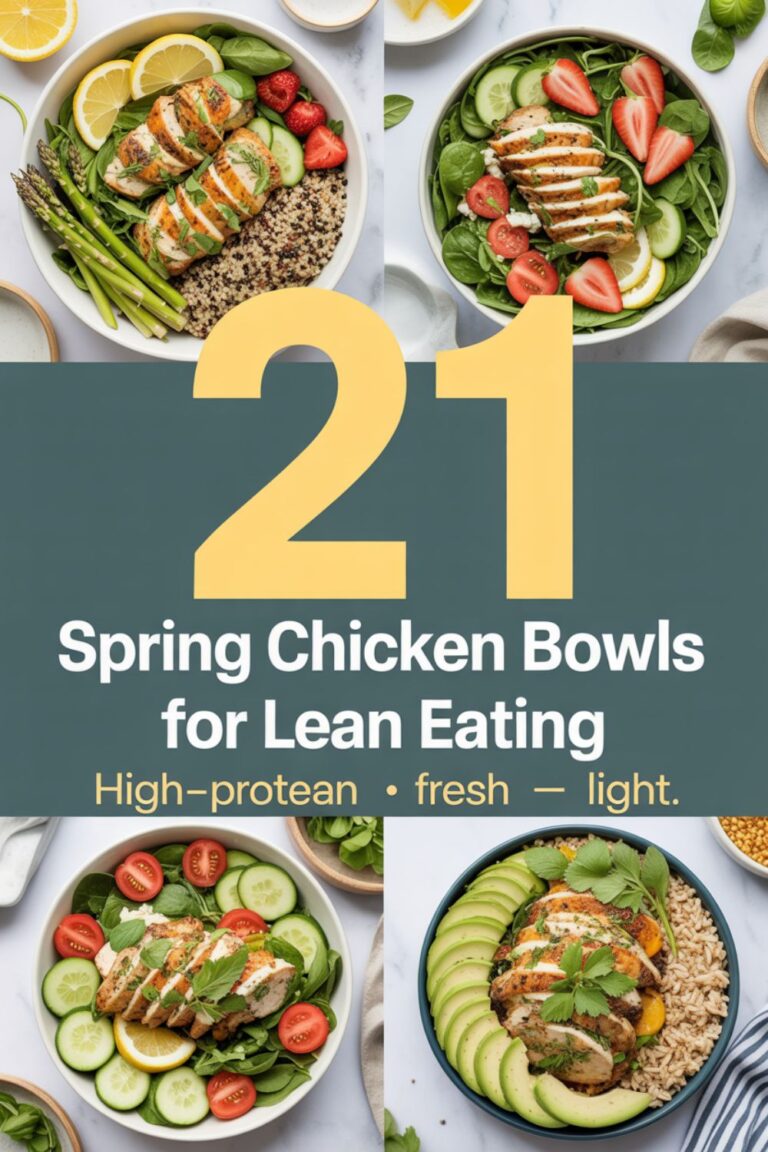
I use leftover ham from Easter or whatever, but deli ham works fine too. Don’t overthink it. For more light spring meal ideas, check out these light spring high-protein meals. Get Full Recipe
9. Lemon Orzo with Chicken and Spinach
Orzo is pasta that thinks it’s rice, and it works great in one-pot meals. This version has chicken, spinach, lemon, and a bit of feta. It’s creamy from the starch in the orzo without needing cream. About 330 calories.
The key is toasting the orzo in a little olive oil before adding the liquid. Adds a nutty flavor that makes a difference. I use this large sauté pan and it’s perfect for this kind of dish.
10. Thai-Inspired Chicken Curry
Red curry paste, coconut milk (light version), chicken, and a bunch of spring vegetables like snap peas and bell peppers. Serve it over cauliflower rice to keep it low-calorie—around 320 per serving. Tastes like takeout but costs way less.
You can find curry paste at pretty much any grocery store now. Don’t skip it; it’s where all the flavor lives. Get Full Recipe
Kitchen Tools That Make One-Pot Cooking Actually Easy
7-Quart Dutch Oven
The workhorse of one-pot cooking. Goes from stovetop to oven, holds heat beautifully, and looks good enough to serve from. This enameled cast iron one is my go-to.
Large Nonstick Skillet with Lid
For when you need something lighter than cast iron but still want that one-pot magic. This 12-inch skillet is perfect for quick spring meals.
Kitchen Scissors
Way faster than chopping herbs with a knife. These herb scissors with multiple blades are weirdly satisfying to use.
Spring Meal Prep Template
Digital planning templates specifically designed for spring one-pot meals. Includes shopping lists, prep schedules, and calorie tracking. Printable meal prep planner
One-Pot Recipe Database
Searchable collection of 100+ tested one-pot recipes with nutritional info and modifications. Digital recipe collection
Macro Tracking App Subscription
Because eyeballing portions only works until it doesn’t. MyFitnessPal Premium or similar apps help keep calories and protein in check.
11. Tuscan White Bean and Kale Stew
This is what I make when I want something filling but don’t want meat. White beans, kale, tomatoes, and Italian seasonings. Very rustic, very satisfying, and only about 240 calories per serving.
Kale holds up better than spinach in stews—it doesn’t turn to mush. If you’re not into kale, Swiss chard works too. Just remove the tough stems first.
12. Sesame Ginger Chicken with Edamame
Asian-inspired flavors without the deep-frying. Chicken, edamame, bell peppers, and a sesame ginger sauce. Around 310 calories and packed with protein from both the chicken and edamame.
I use toasted sesame oil for this because a little goes a long way flavor-wise. Regular sesame oil won’t give you the same punch. Get Full Recipe
13. Greek Lemon Chicken Soup (Avgolemono)
This is basically Greek chicken soup with a lemony egg-based broth. It’s tangy, creamy, and around 280 calories. The eggs add protein and make the broth silky without cream.
The technique is a little finicky—you have to temper the eggs so they don’t scramble—but once you’ve done it once, it’s easy. Totally worth it for the flavor.
Speaking of Greek-inspired cooking, these Mediterranean spring bowls use similar flavor profiles.
14. Cajun Shrimp and Sausage Skillet
Spicy, smoky, and done in 20 minutes. Turkey sausage keeps it leaner, shrimp adds protein, and Cajun seasoning does all the work. Bell peppers and onions round it out. About 330 calories.
This is one of those meals that tastes like you spent way more effort than you did. Serve it over cauliflower rice or just eat it as-is. Either way works. Get Full Recipe
15. Spring Vegetable and Quinoa Bowl
Quinoa cooked in vegetable broth with asparagus, peas, cherry tomatoes, and fresh herbs. Very clean, very light, very Instagram-worthy at around 270 calories. Top it with a poached egg if you want extra protein.
Quinoa is one of those complete proteins, meaning it has all the essential amino acids. Makes it a solid choice for vegetarian meals. Medical News Today has a breakdown of quinoa’s nutritional profile if you’re into that.
16. Lemon Basil Chicken with Cherry Tomatoes
Chicken breast, cherry tomatoes, fresh basil, garlic, and lemon. That’s it. It’s stupid simple and tastes like summer came early. Around 300 calories and ready in under 30 minutes.
Cherry tomatoes get sweet and jammy when they cook down. It’s like a free sauce situation. I use this garlic press because mincing garlic by hand is for people with more patience than me.
17. Thai Peanut Chicken with Vegetables
Chicken, snap peas, carrots, and a peanut sauce made with PB2 to keep calories down. Still tastes like peanut sauce, but without the 200 calories per serving from regular peanut butter. Around 320 calories total.
PB2 is powdered peanut butter—sounds weird, works great. You reconstitute it with water and use it in sauces. Saves a ton of calories without sacrificing flavor. Get Full Recipe
“I’ve been making these one-pot spring meals for three weeks now and I’m down 8 pounds. The Thai peanut chicken is my favorite—my kids actually eat it too!” — Jessica T., community member
18. Moroccan Spiced Lentil Stew
Lentils, chickpeas, tomatoes, and Moroccan spices like cumin and cinnamon. It’s warm and comforting without being heavy. Around 260 calories per serving and stupid cheap to make.
Lentils are underrated. They cook fast, don’t need soaking, and are loaded with protein and fiber. This is one of those meals that’s even better the next day.
19. Garlic Butter Shrimp with Zucchini Noodles
Shrimp, zucchini noodles, garlic, and a tiny bit of butter. That’s all you need for a meal that feels indulgent but clocks in around 250 calories. The zucchini cooks right in the pan with everything else.
I use this spiralizer to make zucchini noodles, but you can also buy them pre-made if you’re not trying to add more kitchen gadgets to your life. Get Full Recipe
20. Chicken and Wild Rice Soup
Classic comfort food that’s lighter than you’d think. Chicken breast, wild rice, carrots, celery, and a creamy broth made with a little Greek yogurt instead of cream. Around 300 calories per bowl.
Wild rice takes longer to cook than regular rice, so plan accordingly. Or use a rice blend that cooks faster. Don’t let perfect be the enemy of good enough.
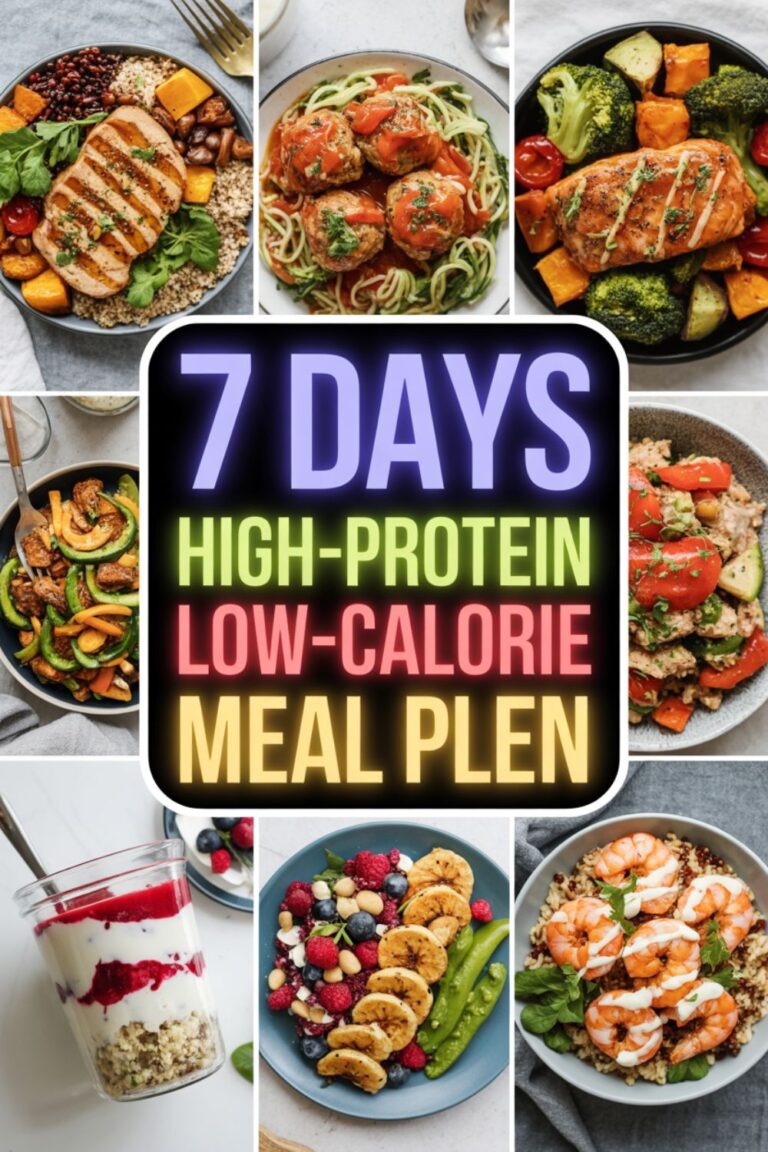
For anyone building out a full week of meals, this 7-day dinner meal plan includes several one-pot options.
How to Modify These Recipes for Your Needs
Not everyone eats the same way, and that’s fine. These recipes are pretty flexible if you need to make adjustments. Going vegetarian? Swap the protein for chickpeas, lentils, or extra-firm tofu. Most of these work great that way.
Need more carbs because you’re training hard? Add a serving of quinoa, farro, or whole wheat pasta. The base recipe stays the same; you’re just bulking it up a bit. Same goes for lowering carbs—just skip them or swap in cauliflower rice.
Dairy issues? Most of these don’t use much dairy anyway, and what little there is can usually be swapped for nutritional yeast or skipped entirely. The Mayo Clinic has good info on dairy alternatives if you’re navigating lactose intolerance.
Adjusting Portion Sizes
These recipes are portioned for around 300-350 calories per serving, which works for most people as a main meal. If you’re eating lighter, make it a smaller portion and add a side salad. If you need more calories, increase the protein or add a slice of whole grain bread.
The nice thing about one-pot meals is they scale easily. Making it for one person? Cut everything in half. Feeding a family? Double or triple it. The cooking time stays roughly the same.
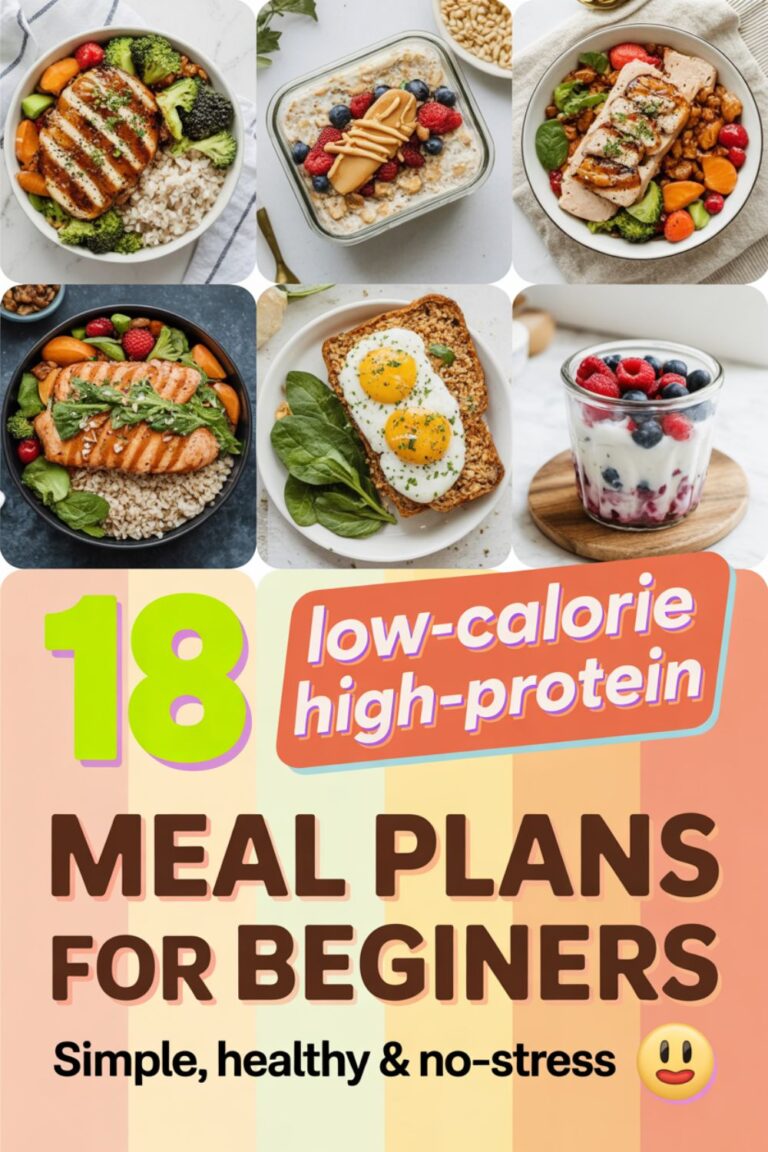
Check out these meal plans for beginners if you’re trying to figure out portion sizes and daily calorie goals.
Meal Prep Tips for One-Pot Spring Meals
One-pot meals are already low-effort, but you can make them even easier with a little prep work. I usually spend an hour on Sunday chopping vegetables, portioning protein, and organizing everything in containers. Then during the week, it’s just dump and cook.
Vegetable prep: Wash, trim, and chop everything. Store in airtight containers with a paper towel to absorb moisture. This keeps them fresh for 4-5 days.
Protein prep: If you’re using chicken, cut it into uniform pieces so it cooks evenly. Season it ahead of time if you want. For ground meat, pre-brown it and store it in the fridge. Saves time during the week.
Sauce and seasoning: Mix up your spice blends or sauces ahead of time. Store them in small jars or containers. When you’re ready to cook, just add them to the pot.
I use these glass meal prep containers because they don’t stain and you can see what’s inside without opening them. Small thing, but it matters when you’re tired and trying to figure out what to cook.
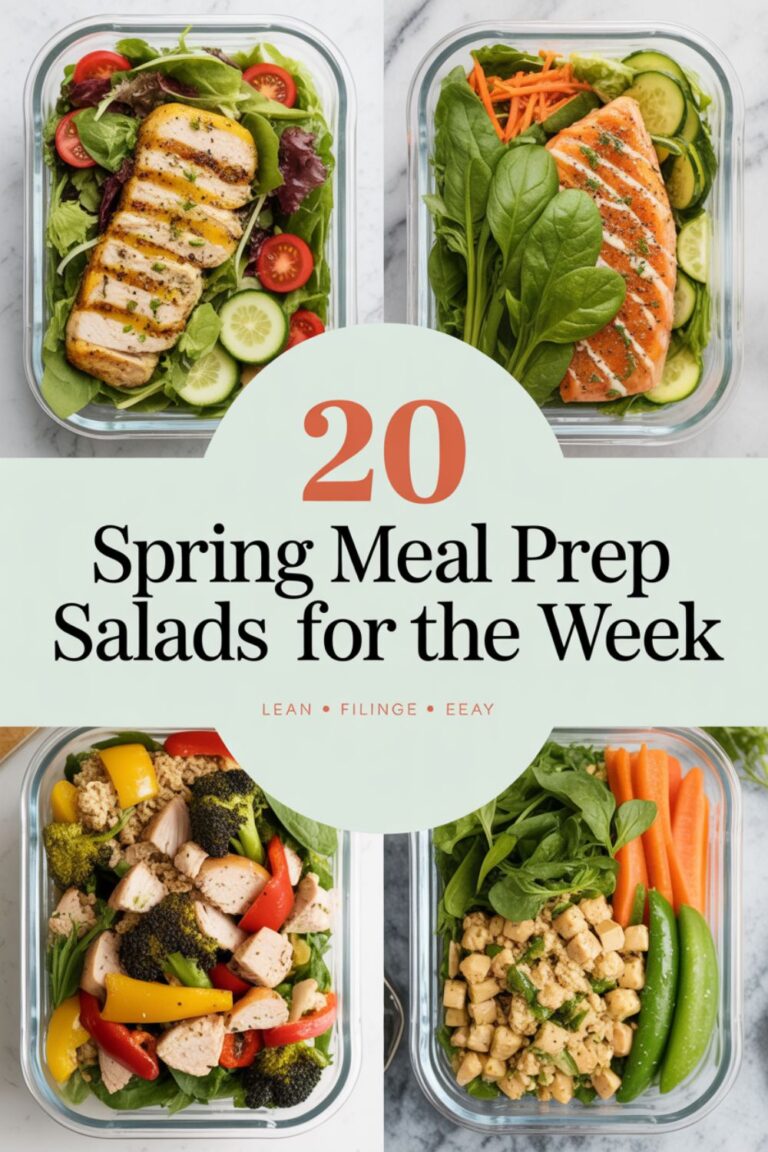
If meal prep is your thing, definitely look at these spring meal prep bowls that are designed for weekly batch cooking.
Common Mistakes to Avoid
One-pot cooking seems foolproof, but there are a few ways to mess it up. Here’s what I’ve learned the hard way so you don’t have to.
Overcrowding the pot: If you cram too much in, everything steams instead of browning. You want some space for things to cook properly. Use a bigger pot if you need to, or cook in batches.
Not building flavor in layers: Don’t just throw everything in at once. Brown your protein first, sauté the aromatics, then add the rest. Each step adds depth to the final dish.
Forgetting about carryover cooking: Chicken and fish keep cooking even after you take them off the heat. Pull them a few degrees early or they’ll be dry. Nobody likes dry chicken.
Skimping on seasoning: Low-calorie doesn’t mean low-flavor. Use plenty of herbs, spices, citrus, and aromatics. Salt matters too—don’t be scared of it. Just measure it so you know what you’re doing.
Not tasting as you go: Taste the food before serving and adjust the seasoning. Needs more lemon? Add it. Needs salt? Add it. This is how you go from “meh” to “I’d make this again.”
What to Serve with One-Pot Meals
Technically, one-pot meals are supposed to be complete on their own. But sometimes you want a little something extra on the side. Here are my go-to options that don’t add a ton of calories or effort.
Simple green salad: Mixed greens, a squeeze of lemon, a drizzle of olive oil, salt, and pepper. Takes two minutes and adds freshness. For more creative salad options, these spring protein salads are clutch.
Crusty bread: If you’ve got calories to spare, a slice of good bread is perfect for soaking up sauce. I use this bread knife that actually cuts through crusty loaves without murdering them.
Roasted vegetables: Toss whatever vegetables you have with olive oil and roast them while your one-pot meal cooks. Easy, delicious, and uses the oven you already have on.
Cauliflower rice: If your one-pot meal is saucy, serve it over cauliflower rice to bulk it up without adding many calories. Or regular rice if you’re not worried about it.
Frequently Asked Questions
Can I make these one-pot meals ahead and freeze them?
Most of them, yes. Soups, stews, and chilis freeze beautifully. Rice-based dishes can get a little mushy when thawed, but they’re still totally edible. Skip freezing anything with fresh herbs or delicate vegetables—add those fresh when you reheat. Let everything cool completely before freezing, and use airtight containers. They’ll keep for 2-3 months.
How do I keep vegetables from getting mushy in one-pot meals?
Add them at the right time. Harder vegetables like carrots and potatoes go in early. Quick-cooking stuff like spinach, peas, and zucchini go in at the end. If you’re meal prepping, slightly undercook the vegetables. They’ll finish cooking when you reheat the meal, and you won’t end up with mush.
Are one-pot meals actually healthy or just convenient?
They can be both. It depends on what you put in them. If you load it up with lean protein, lots of vegetables, and go easy on added fats and heavy sauces, you’ve got a healthy meal. If you dump in cream, cheese, and fatty meats, well, it’s still convenient but not exactly diet food. The recipes in this article are designed to be both healthy and low-calorie.
What’s the best pot to use for one-pot meals?
A Dutch oven is the most versatile—it works on the stovetop and in the oven, holds heat well, and looks nice. A large nonstick skillet with a lid works great too, especially for quicker meals. You don’t need fancy equipment, just something big enough to hold everything without overcrowding. Cast iron works if you want to build your arm muscles while cooking.
How long do leftovers from one-pot meals last?
Three to four days in the fridge is the safe zone. Make sure you store them in airtight containers and let them cool down before refrigerating. If you’re not going to eat them within that time, freeze them. Most one-pot meals actually taste better the next day because the flavors have time to develop. Silver lining of meal prep life.
Final Thoughts
Spring one-pot meals are the perfect intersection of lazy and intentional. You’re eating well, keeping calories reasonable, and not spending your entire evening in the kitchen. That’s a win in my book.
The best part? You can customize these to whatever you have on hand or whatever’s on sale that week. The formula stays the same—protein, vegetables, something flavorful—and you just swap ingredients in and out. Once you get comfortable with the basic technique, you stop needing recipes altogether. You just cook.
Try a few of these, see what you like, and adjust from there. Spring produce is too good to waste on complicated meals that leave you exhausted. Keep it simple, keep it flavorful, and enjoy the fact that you only have one pot to wash at the end of the night.