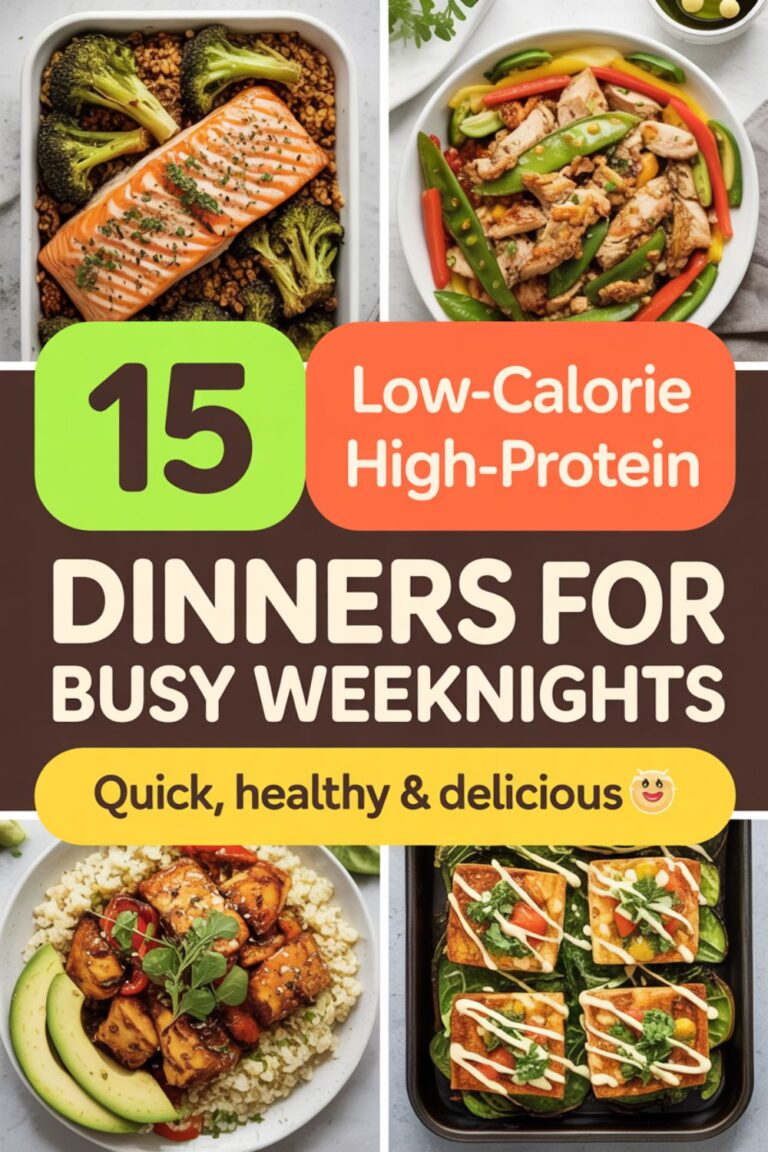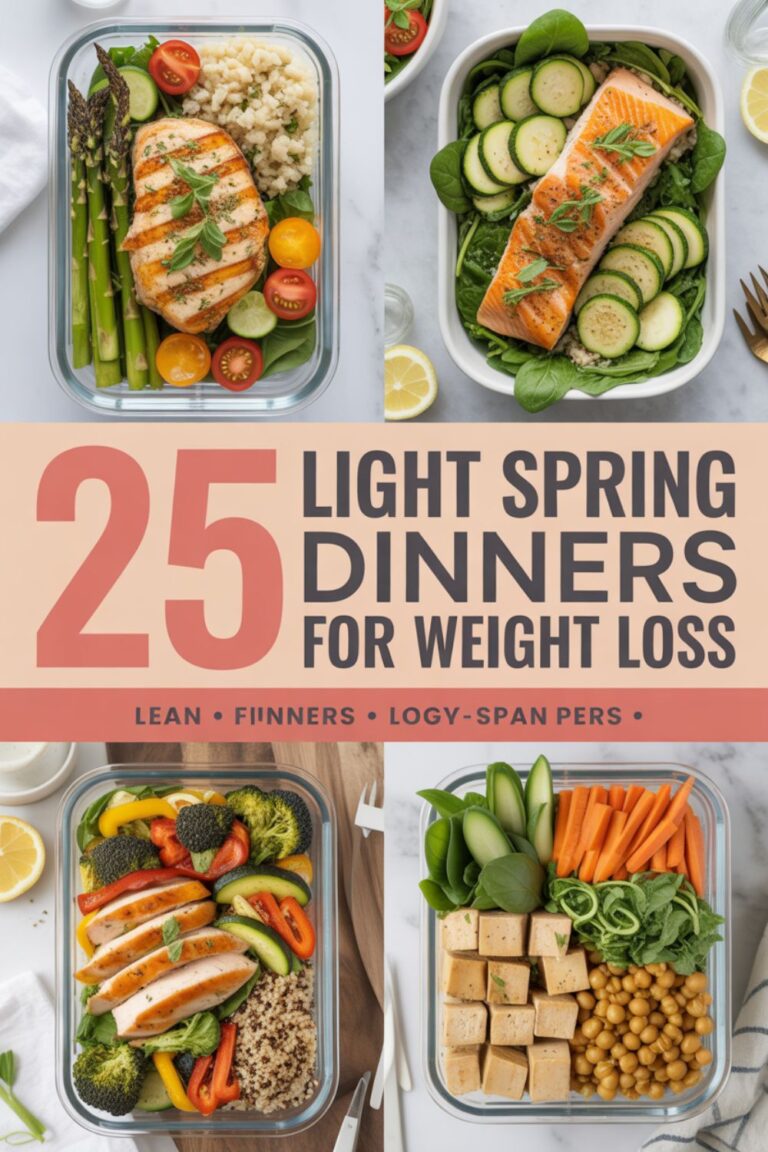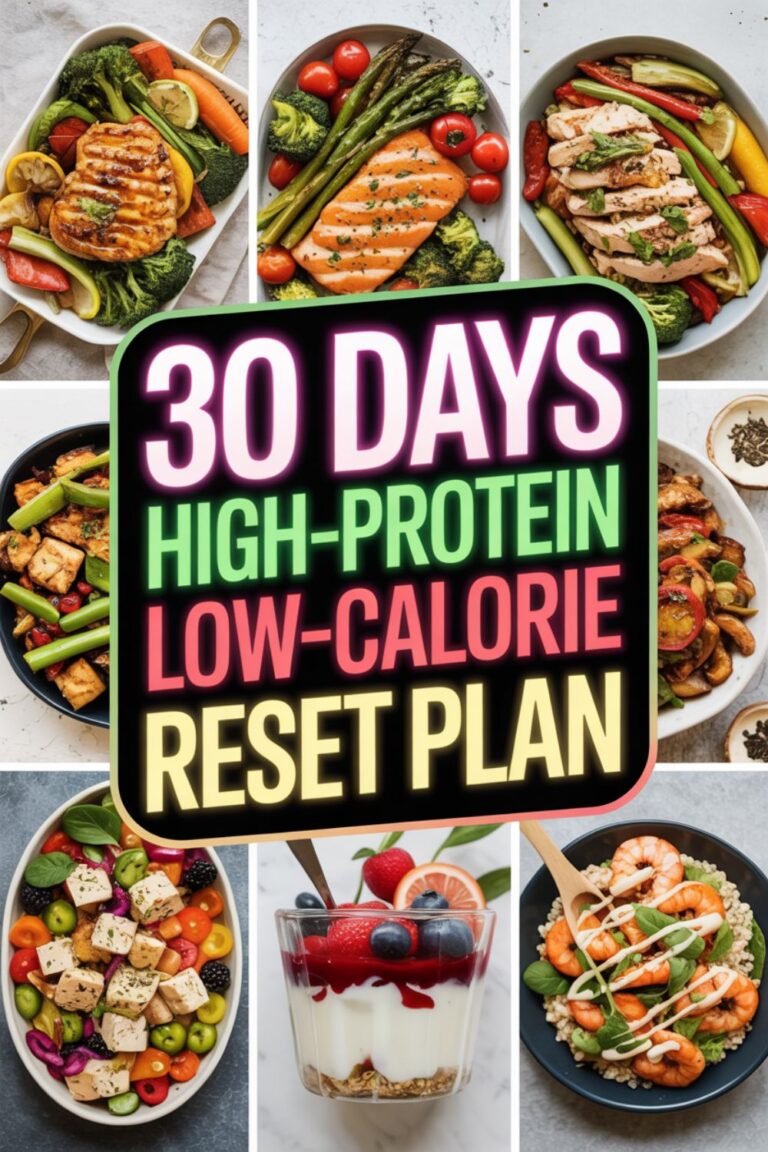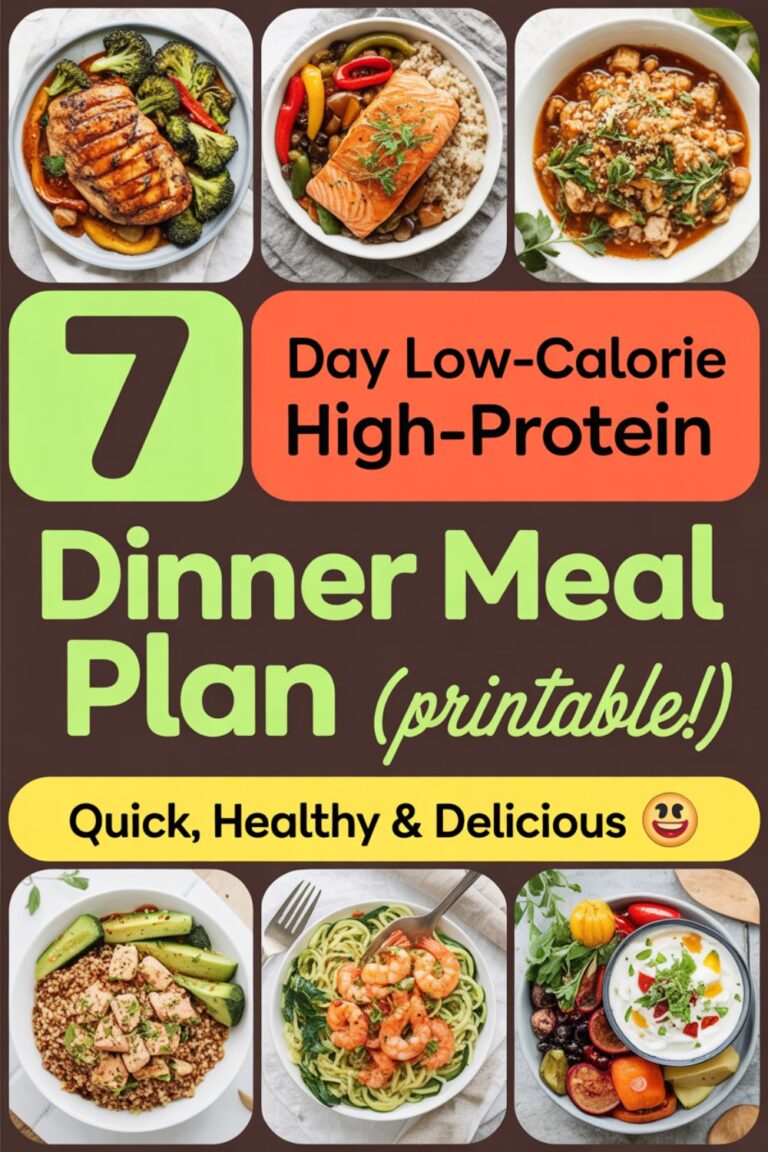

20 Protein-Packed Low-Calorie Dinners for Fat Loss
Look, I’m just going to say it: most “healthy dinner” recipes taste like someone cooked cardboard in a swamp. And I’m tired of pretending otherwise.
Here’s the thing about fat loss nobody wants to admit—it’s not about eating less, it’s about eating smarter. I spent years choking down dry chicken breasts and sad steamed broccoli before I figured out the actual secret: protein-packed meals that keep you full without destroying your calorie budget.
These 20 dinners clock in between 300-500 calories but deliver 25-40 grams of protein per serving. That’s the sweet spot where you feel satisfied, preserve muscle mass, and actually lose fat instead of just “weight.” Big difference, by the way.

Why Protein Actually Matters for Fat Loss
I know you’ve heard “eat more protein” a million times. But let me break down why it works, because understanding this changed everything for me.
Protein does three critical things that carbs and fats don’t. First, it keeps you full longer—research shows protein takes longer to digest, which means you’re not raiding the pantry two hours after dinner. Second, your body burns more calories just processing protein—it’s called the thermic effect of food, and it’s basically free calorie burn. Third, protein preserves muscle while you lose fat, which keeps your metabolism from tanking.
Most experts recommend getting about 0.7 to 1 gram of protein per pound of body weight when you’re trying to lose fat. For a 150-pound person, that’s roughly 105-150 grams daily. These dinners help you nail that target without overthinking it.
Pro Tip: Spread your protein throughout the day instead of loading it all at dinner. Your body can only process about 25-30 grams at once, so eating 50+ grams in one sitting just means expensive pee.
📊 High-Protein Macro Tracker for Fat Loss
Honestly, I wasted six months “eating healthy” before I started actually tracking my macros. Turns out I was eating way less protein than I thought and way more fat than I needed. This printable macro tracker is specifically designed for high-protein diets—it has columns for protein, calories, and even tracks your daily protein percentage.
What makes it worth it: Pre-calculated protein targets based on body weight, weekly summary pages, and meal timing sections so you can see if you’re front-loading or back-loading your protein. No app subscription needed, just print and use.
The Building Blocks: What Makes These Dinners Work
Every single recipe in this list follows the same formula, and once you see it, you can basically improvise forever. Here’s what I call the Protein Plate Framework:
- Lean protein source (4-6 oz): chicken breast, turkey, fish, shrimp, lean beef, or plant-based alternatives
- Non-starchy vegetables (unlimited, basically): broccoli, cauliflower, zucchini, peppers, mushrooms, leafy greens
- Smart carb portion (½ to 1 cup): quinoa, sweet potato, brown rice, or beans
- Healthy fat accent (1-2 tsp): olive oil, avocado, nuts, or seeds
Notice what’s missing? Bread, pasta, and the cheese avalanche most recipes call for. Look, I love carbs. But when calories matter, you get way more volume and satisfaction from vegetables than from pasta.
For more inspiration on building balanced plates, check out these high-protein bowls you can prep in under 20 minutes or explore beginner-friendly meal ideas for weight loss.
20 Protein-Packed Dinners That Actually Taste Good
1. Lemon Herb Grilled Chicken with Roasted Brussels Sprouts
This is my default weeknight dinner because it’s idiot-proof. Get Full Recipe. Marinate chicken breasts in lemon juice, garlic, and fresh herbs (rosemary works great), then grill or bake at 400°F for about 20 minutes. Toss halved Brussels sprouts with a tiny bit of olive oil and roast alongside.
Stats: 340 calories, 38g protein, 6g fat, 28g carbs
The trick with Brussels sprouts? Don’t overcook them. You want them caramelized and crispy, not mushy. I use this sheet pan because nothing sticks and cleanup takes like 30 seconds.
2. Spicy Turkey Taco Bowl
Ground turkey gets a bad rap for being bland, but load it with cumin, chili powder, and smoked paprika, and suddenly you’ve got something worth eating. Get Full Recipe. Build your bowl with cauliflower rice (or regular rice if you’ve got the calorie budget), black beans, pico de gallo, and a dollop of Greek yogurt instead of sour cream.
Stats: 385 calories, 32g protein, 11g fat, 34g carbs
I prep the turkey in bulk on Sundays using this cast iron skillet—it gets a better sear than nonstick and actually adds flavor.
3. Baked Cod with Tomato-Caper Sauce
Fish intimidates people, but cod is basically impossible to screw up. Get Full Recipe. Season with salt, pepper, and a squeeze of lemon, then bake at 375°F for 12-15 minutes. Meanwhile, simmer cherry tomatoes with capers, garlic, and fresh basil. Pour over the fish.
Stats: 295 calories, 36g protein, 8g fat, 18g carbs
Cod is one of the leanest proteins out there, which means you can actually have a glass of wine with dinner and still hit your numbers. Just saying.
If you’re into sheet pan cooking for maximum efficiency, you’ll love these low-calorie high-protein sheet pan dinners.
4. Asian-Inspired Chicken Lettuce Wraps
This is what I make when I want takeout but refuse to blow 1,200 calories on fried rice. Get Full Recipe. Ground chicken, water chestnuts, mushrooms, ginger, and garlic get stir-fried in a wok (or large skillet) with a splash of low-sodium soy sauce and rice vinegar. Scoop into butter lettuce leaves.
Stats: 310 calories, 29g protein, 12g fat, 19g carbs
The crunch from water chestnuts is key—it makes these feel substantial instead of like you’re eating a sad leaf. I keep canned water chestnuts stocked because they last forever.
Quick Win: Prep your protein on Sunday, store it in portioned containers, and dinner becomes a 10-minute assembly job all week. Game changer for busy people.
🍳 30-Day High-Protein Fat Loss Meal Plan
Look, planning dinners every single night gets exhausting. I used this complete 30-day meal plan when I first started because it takes all the guesswork out. Every day is mapped out with breakfast, lunch, dinner, and snacks—all hitting 100-150g protein and staying under 1,800 calories.
Why I recommend it: Includes full shopping lists organized by week, prep instructions so you’re not cooking from scratch daily, and substitution guides for common allergies or preferences. Plus, every recipe has the macro breakdown already calculated. It’s like having a nutritionist without the $200/hour price tag.
5. Herb-Crusted Pork Tenderloin with Green Beans
Pork tenderloin is criminally underrated. Get Full Recipe. It’s lean, cooks fast, and takes on whatever flavors you throw at it. Coat it in Dijon mustard, then press on a mixture of fresh thyme, rosemary, and crushed garlic. Roast at 425°F for about 25 minutes. Serve with steamed or roasted green beans.
Stats: 355 calories, 40g protein, 10g fat, 22g carbs
Pro tip: Let the pork rest for 5 minutes after cooking. Cutting it immediately turns it dry and disappointing.
6. Shrimp and Zucchini Noodle Stir-Fry
Zucchini noodles (zoodles, if you must) are polarizing, but hear me out. Get Full Recipe. They’re not pasta. They’ll never be pasta. But when you stir-fry them quickly with shrimp, garlic, ginger, and a drizzle of sesame oil, they’re actually pretty solid.
Stats: 280 calories, 33g protein, 9g fat, 15g carbs
The key is not overcooking them—2-3 minutes max or they turn into mush. I spiralize mine with this handheld tool instead of buying pre-made, which always seem weirdly watery.
7. Greek-Style Turkey Meatballs with Tzatziki
These meatballs are ridiculously good cold the next day, which makes them perfect for meal prep. Get Full Recipe. Mix ground turkey with feta, spinach, oregano, and garlic. Form into balls and bake at 400°F for 18-20 minutes. Serve with homemade tzatziki (Greek yogurt + cucumber + dill + lemon).
Stats: 365 calories, 35g protein, 14g fat, 21g carbs
The feta adds just enough fat to keep these moist without going overboard. And honestly? A good quality feta makes a massive difference here.
Speaking of creative protein dishes, these low-calorie high-protein wraps are perfect when you want something handheld and portable.
8. Blackened Salmon with Cauliflower Rice
Cajun seasoning is magic. Get Full Recipe. Coat salmon fillets in a homemade blackening spice mix (paprika, cayenne, garlic powder, onion powder, thyme), then sear in a screaming hot cast iron pan for 3-4 minutes per side. Serve over cauliflower rice sautéed with garlic and lime.
Stats: 320 calories, 34g protein, 15g fat, 12g carbs
The omega-3s in salmon are legitimately good for you, and unlike chicken, it actually has flavor on its own. Just make sure your kitchen is well-ventilated—blackening creates smoke.
9. Slow Cooker Chicken Fajita Bowls
This is what I make when I know the week is going to be chaos. Get Full Recipe. Throw chicken breasts, sliced bell peppers, onions, and fajita seasoning into your slow cooker in the morning. Come home to shredded, perfectly seasoned protein and veggies ready to go.
Stats: 340 calories, 38g protein, 7g fat, 28g carbs
I use this programmable slow cooker so I can set it and actually forget it without worrying about overcooking.
For more set-it-and-forget-it options, check out these high-protein slow cooker meals and Instant Pot recipes for busy days.
10. Balsamic Chicken and Roasted Vegetables
One pan. Five ingredients. Zero excuses. Get Full Recipe. Toss chicken thighs (yes, thighs—they’re more forgiving than breasts), cherry tomatoes, asparagus, and red onion with balsamic vinegar and garlic. Roast everything at 425°F for 30 minutes.
Stats: 375 calories, 32g protein, 16g fat, 24g carbs
The vegetables get caramelized and sweet from the balsamic, which balances the savory chicken perfectly. Quality balsamic vinegar makes this dish—the cheap stuff tastes like sadness.
11. Thai Basil Turkey Stir-Fry
This takes maybe 15 minutes start to finish and tastes like you ordered delivery. Get Full Recipe. Ground turkey, fresh basil, Thai chilies (or red pepper flakes if you’re not brave), garlic, fish sauce, and a touch of brown sugar. Serve over cauliflower rice or regular jasmine rice if you’ve got room.
Stats: 305 calories, 31g protein, 11g fat, 18g carbs
The fish sauce is non-negotiable—it’s what gives this dish that umami depth. Don’t be weird about it.
12. Lemon Pepper Tilapia with Broccoli
Tilapia gets a bad rap, but it’s mild, cheap, and cooks in like 10 minutes. Get Full Recipe. Season with lemon pepper (I make my own with lemon zest, black pepper, and a tiny bit of salt), then bake at 400°F for 12 minutes. Steam or roast broccoli alongside.
Stats: 285 calories, 35g protein, 6g fat, 20g carbs
I know steamed broccoli sounds boring, but if you hit it with a squeeze of lemon and a sprinkle of red pepper flakes, it’s actually pretty decent.
Pro Tip: Buy a kitchen scale. Eyeballing portions is how you accidentally eat 600 calories of “healthy” dinner. This digital scale costs like 15 bucks and will save you from self-deception.
13. Chipotle Beef and Pepper Skillet
This scratches the fajita itch without the tortilla calories. Get Full Recipe. Lean sirloin strips, bell peppers, onions, and a smoky chipotle sauce (adobo sauce + Greek yogurt + lime). Cook everything in one skillet for minimal cleanup.
Stats: 360 calories, 36g protein, 13g fat, 22g carbs
The Greek yogurt cools down the chipotle heat while adding extra protein. It’s basically a cheat code.
14. Mediterranean Chicken Kebabs
These work on the grill or under the broiler. Get Full Recipe. Marinate chicken chunks in lemon, oregano, and garlic for at least 30 minutes (overnight is better). Thread onto skewers with cherry tomatoes, red onion, and zucchini. Grill or broil for 10-12 minutes, turning occasionally.
Stats: 325 calories, 37g protein, 9g fat, 19g carbs
If you’re using wooden skewers, soak them first or they’ll catch fire. Trust me on this one.
For more Mediterranean-inspired ideas, these high-protein salad recipes bring similar fresh flavors with minimal effort.
15. Teriyaki Pork Stir-Fry with Snap Peas
Homemade teriyaki sauce is stupid easy and tastes way better than the bottled stuff. Get Full Recipe. Mix soy sauce, rice vinegar, ginger, garlic, and a touch of honey. Stir-fry thinly sliced pork loin with snap peas, carrots, and bell peppers.
Stats: 345 calories, 33g protein, 10g fat, 28g carbs
The snap peas add that satisfying crunch without any effort. I buy pre-trimmed snap peas because I value my time more than the extra dollar they cost.
🥤 Optimum Nutrition Gold Standard Whey Protein
Let’s be real—some nights you just don’t hit your protein target through food alone. I keep ON Gold Standard Whey stocked for exactly those situations. One scoop gives you 24g protein for only 120 calories, and the double rich chocolate flavor actually tastes like chocolate, not chalky sadness.
Why this one specifically: It mixes smooth (no clumps), digests easily, and the protein-to-calorie ratio is unbeatable. I blend it with unsweetened almond milk post-workout or add it to Greek yogurt when I need a quick protein boost.
16. Cajun Shrimp with Cauliflower Grits
This is bougie enough for company but easy enough for Tuesday night. Get Full Recipe. Sauté shrimp in Cajun seasoning until pink (2-3 minutes per side). Meanwhile, blend cooked cauliflower with a bit of chicken broth and a tablespoon of cream cheese until it’s grits-like.
Stats: 295 calories, 32g protein, 8g fat, 20g carbs
The cream cheese transforms the cauliflower from “sad diet food” to “actually creamy and good.” Don’t skip it.
17. Stuffed Bell Peppers with Turkey and Quinoa
These look impressive but require zero skill. Get Full Recipe. Mix cooked quinoa with browned ground turkey, diced tomatoes, and Italian seasoning. Stuff into halved bell peppers and bake at 375°F for 30 minutes.
Stats: 380 calories, 30g protein, 11g fat, 36g carbs
The peppers get soft and slightly sweet when roasted. I meal prep these and reheat them all week—they actually taste better on day two.
18. Moroccan Spiced Chicken Thighs
Chicken thighs are way more forgiving than breasts and actually have flavor. Get Full Recipe. Rub with a spice blend of cumin, coriander, cinnamon, and paprika. Roast at 425°F for 35 minutes until the skin is crispy.
Stats: 365 calories, 34g protein, 18g fat, 12g carbs
Serve with a simple cucumber-tomato salad dressed in lemon juice. The freshness cuts through the richness perfectly.
19. Garlic Butter Scallops with Asparagus
Scallops sound fancy but they cook in literally 90 seconds per side. Get Full Recipe. Pat them dry (crucial!), sear in a hot pan with minimal butter and garlic. Roast asparagus alongside with a squeeze of lemon.
Stats: 310 calories, 35g protein, 12g fat, 15g carbs
The dry scallop thing matters—wet scallops steam instead of sear and you lose that golden crust. Look for “dry” scallops at the fish counter.
20. Egg White Scramble with Turkey Sausage
Who says breakfast foods are only for breakfast? Get Full Recipe. Scramble egg whites with sautéed spinach, mushrooms, and tomatoes. Serve with a couple of turkey sausage links on the side.
Stats: 290 calories, 38g protein, 8g fat, 14g carbs
This is my go-to when I’ve got zero brain power left but still need to hit my protein target. Takes maybe 8 minutes.
If you’re looking for even more quick protein options, these breakfast bowls and protein smoothies work great for any time of day.
Meal Prep Strategy That Actually Works
Look, meal prep doesn’t have to mean eating the exact same thing seven days in a row. That’s a recipe for burning out and ordering pizza on Wednesday.
Here’s my system: Pick two proteins, three veggie sides, and one or two carb bases. Cook everything Sunday afternoon. Mix and match throughout the week. Monday might be grilled chicken with roasted broccoli and quinoa. Thursday might be that same chicken in lettuce wraps with cucumber salad. Different meals, same components.
I use these glass meal prep containers because they’re microwave-safe, don’t hold smells, and I can see what’s inside without opening them. The ones with dividers keep everything from turning into mystery mush.
📱 MyFitnessPal Premium (or Cronometer)
I tried the free version of tracking apps for months and kept giving up. Then I bit the bullet on MyFitnessPal Premium and it changed everything. The macro tracking is way more detailed, you can set custom protein goals by meal, and the barcode scanner actually works consistently.
Real talk: The free version is fine if you’re just starting out, but if you’re serious about hitting specific protein targets, the premium features are worth it. The meal planning function alone saves me like 3 hours a week. Alternative option: Cronometer if you want even more detailed micronutrient tracking—it’s slightly nerdy but incredibly accurate for high-protein diets.
Quick Win: Buy pre-cut vegetables if it means you’ll actually cook. Yeah, they cost more. But so does ordering takeout three times a week because you couldn’t be bothered to chop an onion.
The Tools That Make This Easier
You don’t need a million gadgets, but a few good tools make these dinners way less annoying to make:
- Instant-read thermometer – Stop guessing if your chicken is done and wondering why it’s dry
- Non-stick sheet pans – For one-pan dinners that don’t require a chisel to clean
- Good quality chef’s knife – Dull knives are dangerous and make prep take twice as long
- Food processor – Makes cauliflower rice in 30 seconds instead of 10 minutes of hand-grating
I’m not saying you need to drop $500 at Williams Sonoma. But having decent tools means you’ll actually want to cook instead of dreading it.
🔥 PB2 Powdered Peanut Butter
Here’s a sneaky way to add protein and peanut butter flavor without destroying your calorie budget: PB2 powdered peanut butter. They press out most of the oil, leaving you with protein-packed peanut powder. Two tablespoons have 6g protein for only 60 calories, versus regular peanut butter’s 190 calories.
How I actually use it: Mixed into Greek yogurt for a protein-packed snack, blended into protein shakes for extra flavor, or reconstituted with water as a lower-calorie peanut sauce for stir-fries. The chocolate version is killer in smoothies. Not gonna lie, it doesn’t taste identical to real peanut butter, but for the calorie savings? Worth it.
Common Mistakes (And How to Fix Them)
Overseasoning Your Protein
More is not better. Salt, pepper, and one or two complementary spices are plenty. I see people dump 47 different seasonings on chicken and wonder why it tastes muddy.
Not Letting Meat Rest
Five minutes. That’s it. Let your protein sit after cooking and the juices redistribute instead of running all over your cutting board. This is the difference between juicy and jerky.
Cooking Everything on Medium Heat
High heat for searing, lower heat for finishing. Medium is this wishy-washy middle ground that gives you sad, gray protein. Learn to adjust your burner.
Weighing Food After Cooking
Protein loses water weight when cooked. That 6-ounce raw chicken breast? It’s about 4.5 ounces cooked. Weigh your portions raw or you’re underestimating calories.
What About Vegetarians?
I’m not going to pretend I’m a vegetarian cooking expert, but hitting protein targets without meat is totally doable. You just need to be more strategic about it.
Focus on combining protein sources: tempeh, tofu, seitan, lentils, chickpeas, quinoa, and Greek yogurt. Where chicken gives you 25g protein in one go, you might need tofu (15g) plus quinoa (8g) plus some Greek yogurt (10g) to hit the same target.
These high-protein vegan meals prove you don’t need animal products to build satisfying, protein-rich dinners.
Making These Dinners Work for Your Life
Here’s what nobody tells you about “healthy eating”—it has to fit your actual life or you won’t stick with it. I don’t care how perfect a meal plan is on paper if it requires you to cook for 90 minutes every night.
Some nights you’ll have time to marinate chicken and roast vegetables. Other nights you’ll scramble eggs and call it dinner. Both are fine. The goal is consistency over perfection.
I batch cook proteins on Sunday, keep frozen vegetables stocked, and have backup options like canned tuna and rotisserie chicken for when life happens. Because life always happens.
Need more backup options? These 5-ingredient recipes and freezer-friendly meals are lifesavers for chaotic weeks.
The Real Talk About Sustainable Fat Loss
These dinners aren’t magic. They’re just structured in a way that makes it harder to overeat while keeping you satisfied. That’s it. That’s the secret.
Fat loss happens when you’re in a calorie deficit over time. Protein helps you maintain muscle and feel full while you’re in that deficit. Simple math, terrible execution for most people because hunger makes us irrational.
These 20 dinners solve the hunger problem. They give you volume, satisfaction, and enough protein to preserve muscle. The rest is just showing up consistently.
Some weeks you’ll lose a pound. Some weeks nothing happens. Some weeks you might even gain a bit (usually water retention, not actual fat). The trend over months is what matters, not the day-to-day fluctuations that make people abandon ship.
Frequently Asked Questions
How much protein do I actually need for fat loss?
Most research points to about 0.7-1 gram per pound of body weight when you’re in a calorie deficit. So if you weigh 150 pounds, aim for 105-150 grams daily. This helps preserve muscle mass while you lose fat. Going higher isn’t necessarily better—your body can only use so much at once.
Can I meal prep these dinners for the whole week?
Most of them, yes. Cooked chicken, turkey, and beef last 3-4 days in the fridge, fish is best within 2 days. I recommend prepping proteins and sides separately, then mixing them throughout the week for variety. Freezing works great for meatballs, stuffed peppers, and most casserole-style dishes.
What if I don’t like all these ingredients?
Swap them out! Don’t like Brussels sprouts? Use broccoli. Hate fish? Double down on chicken and turkey. The formula matters more than the specific ingredients—lean protein plus vegetables plus smart portion of carbs. Work with what you actually enjoy eating.
Are these dinners suitable for building muscle?
Absolutely. The 25-40g protein per meal supports muscle protein synthesis, and you can easily adjust portions up if you’re eating in a calorie surplus for muscle gain. Just add more carbs and healthy fats to meet your energy needs while keeping the protein foundation.
Do I need to count calories exactly?
Not forever, but tracking for 2-3 weeks teaches you what proper portions actually look like. Most people drastically underestimate what they eat. Once you’ve calibrated your eyeballs with a food scale, you can be more flexible. But if you’re not losing fat, tighten up your tracking—you’re probably eating more than you think.
Fat loss doesn’t require eating like a rabbit or choking down flavorless chicken seven nights a week. These 20 dinners prove you can hit your protein targets, stay in a calorie deficit, and actually enjoy what you’re eating.
The trick is finding the handful of recipes that work for your taste buds and your schedule, then rotating through them instead of constantly reinventing the wheel. Boring? Maybe. Effective? Absolutely.
Start with three recipes from this list. Master those. Then add more as you get comfortable. Small, sustainable changes beat dramatic overhauls that last two weeks before you burn out and order pizza.
Your move.