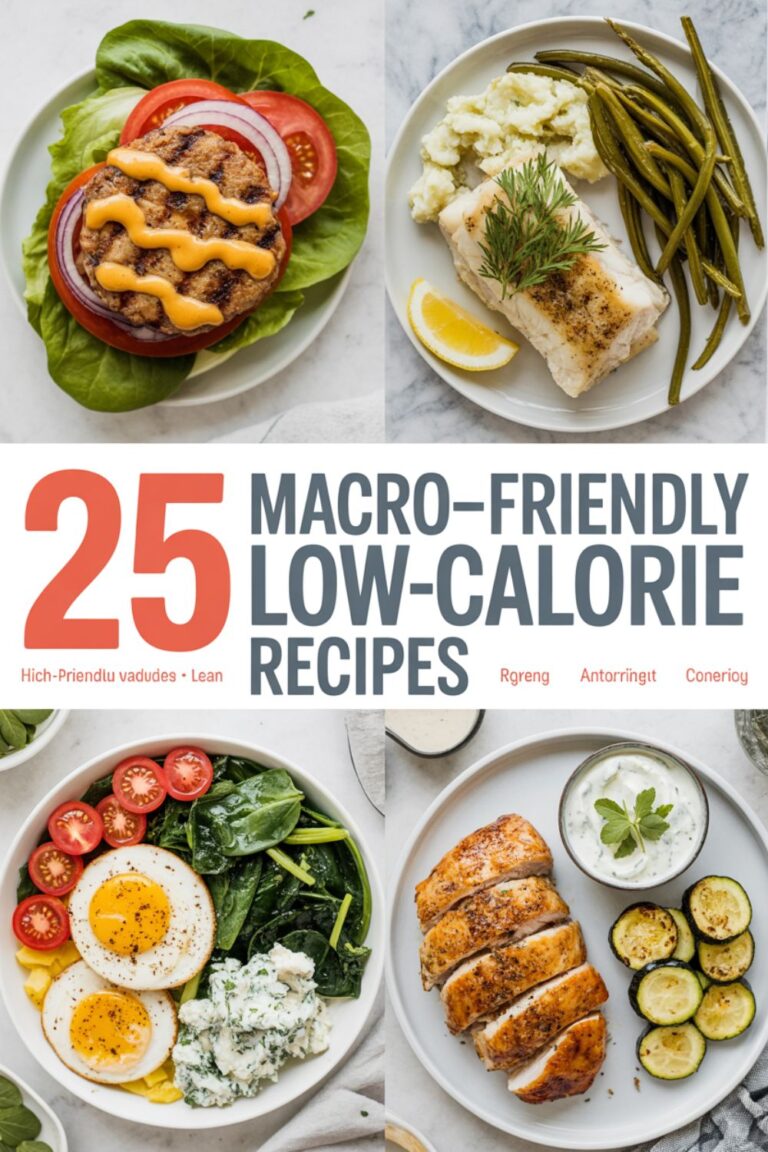
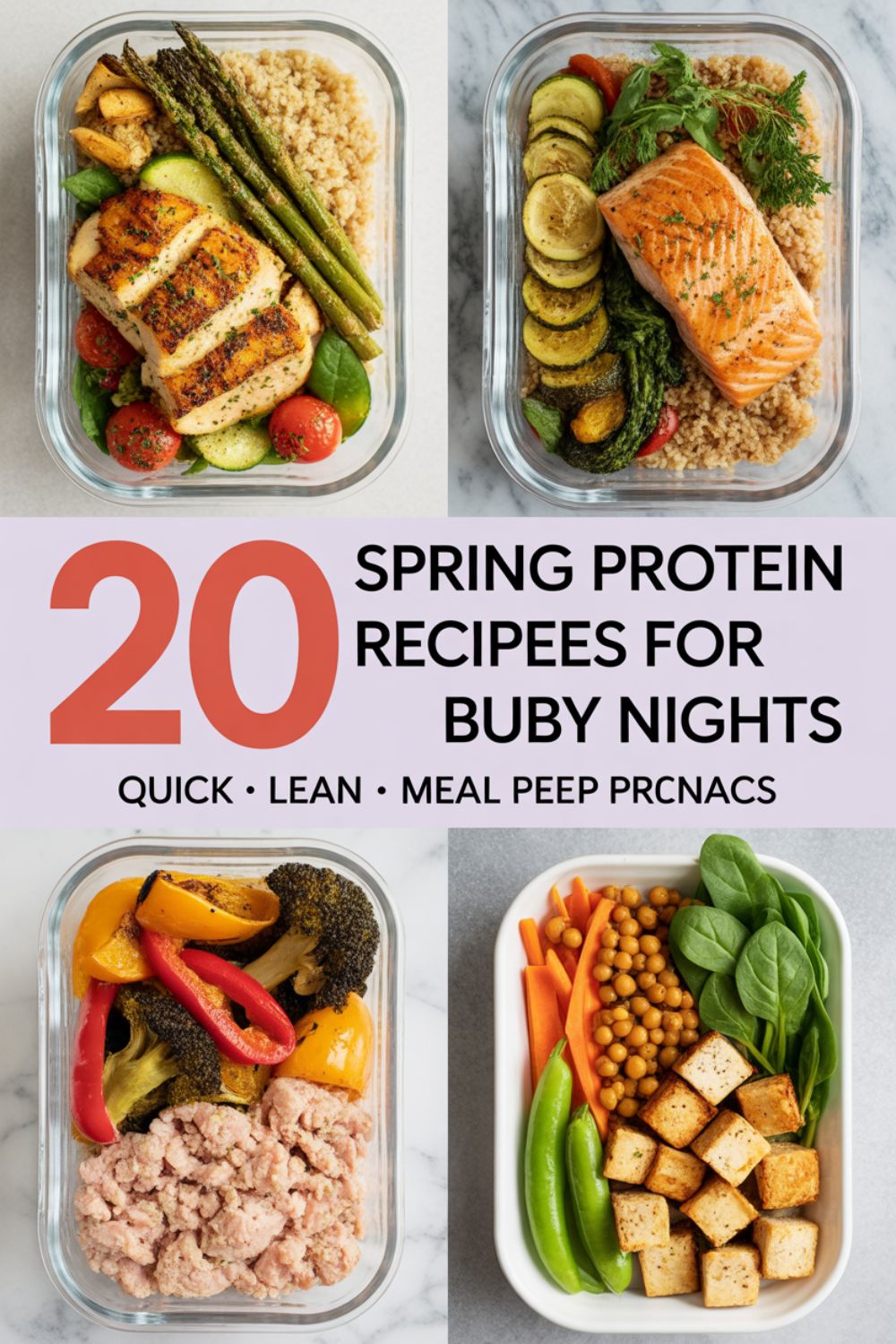
20 Spring Protein Recipes for Busy Nights
You know that moment when you get home after a long day and the thought of cooking makes you want to order takeout for the third time this week? Yeah, I’ve been there. But here’s the thing—spring protein recipes can actually be quick, delicious, and way easier than you think.
Spring brings this incredible bounty of fresh veggies, herbs, and lighter proteins that practically cook themselves. I’m talking asparagus that roasts in 15 minutes, chicken that marinates while you change out of your work clothes, and salads that somehow feel like actual meals instead of rabbit food.
These 20 recipes are built for those nights when you need something healthy but don’t have the energy for complicated cooking. Most take under 30 minutes, use minimal dishes, and pack enough protein to keep you satisfied. No fancy techniques required—just straightforward cooking that actually fits into a real person’s schedule.
Why Spring Makes Protein Cooking Stupidly Easy
Spring vegetables don’t need much convincing to taste good. Asparagus, snap peas, radishes, and fresh herbs all hit their peak right now, and they’re ridiculously forgiving in the kitchen. Toss them with olive oil and roast them, and you’ve got a side dish that makes any basic protein look gourmet.
The real advantage? These ingredients cook fast. We’re not dealing with winter squash that needs an hour in the oven or root vegetables that require serious knife skills. Spring produce is tender, quick-cooking, and honestly does half the work for you. Pair that with lean proteins like chicken breast, fish, or plant-based options, and you’ve got dinner ready before your delivery app even loads.
Plus, the flavor combinations are naturally lighter. You’re not masking everything with heavy sauces or cheese (though I’m not judging if you do). Lemon, garlic, fresh herbs—these simple ingredients make spring proteins taste intentional without requiring culinary school credentials.
Pro Tip: Prep your veggies on Sunday night, and you’ll thank yourself all week. Wash and trim asparagus, snap the ends off green beans, and chop whatever needs chopping. Store them in containers with a damp paper towel, and they’ll stay crisp for days.
The Protein Sweet Spot for Busy Dinners
Here’s something I wish someone had told me earlier: you don’t need massive amounts of protein at dinner. The whole “eat a chicken breast the size of your face” mentality is exhausting and unnecessary. Most adults do fine with 25-35 grams of protein per meal, which is way more manageable than you’d think.
A 4-ounce piece of chicken gives you about 35 grams. A cup of cooked lentils? Around 18 grams. Half a block of tofu? Roughly 20 grams. When you combine these with protein-rich sides like quinoa (8 grams per cup) or edamame (17 grams per cup), you hit your target without feeling like you’re forcing down food.
According to Harvard Health, the recommended dietary allowance for protein is 0.8 grams per kilogram of body weight, though active individuals may need more. The point is, spring recipes make it easy to hit these goals without overthinking it.
For more breakfast options that pack serious protein, these low-calorie protein-packed breakfasts are clutch for starting your day right.
Quick Protein Math That Actually Helps
Let me break this down in a way that doesn’t require a calculator. If you’re aiming for 100-150 grams of protein daily (a reasonable range for most people trying to maintain muscle or lose fat), that’s roughly 30-40 grams per main meal, plus snacks.
One chicken thigh (with skin removed): 28 grams. One salmon fillet (6 oz): 40 grams. One cup Greek yogurt: 20 grams. See? We’re not talking about choking down protein shakes or eating six meals a day. Just consistent, reasonable portions of quality protein at each meal.
Spring recipes help because the vegetables and sides add up too. That cup of roasted chickpeas you’re snacking on? Another 15 grams. The farro you’re using as a base? 8 grams per cup. It all counts, and it’s way easier to hit your goals when you’re not eating boring, bland “diet food.”
20 Spring Protein Recipes You’ll Actually Make
1. Lemon Herb Chicken with Asparagus
This is my default weeknight dinner when I can’t think of anything else. Marinate chicken breasts in lemon juice, garlic, and whatever herbs you have (thyme and rosemary work great). Roast them on a sheet pan with trimmed asparagus. Done in 25 minutes, and you’ll have leftovers for lunch.
The key is not overthinking the marinade. I usually just eyeball it—enough lemon to coat the chicken, a few smashed garlic cloves, salt, pepper, and herbs. Let it sit while you preheat the oven, and that’s honestly enough time for the flavors to do their thing. Get Full Recipe
2. Spring Pea and Mint Frittata
Eggs are criminally underrated for dinner, and a frittata is basically a fancy omelet that you don’t have to flip. This one uses fresh or frozen peas (no judgment), fresh mint, and a bit of goat cheese if you’re feeling fancy. Cooks in one skillet, and you can eat it hot or cold.
I make this when I need something fast but still want to feel like I tried. The mint makes it taste springy and fresh, and the protein content is solid—about 20 grams per serving if you use 8 eggs for a four-serving frittata. Pair it with a simple salad, and you’ve got a meal that feels way more sophisticated than the effort required.
3. Grilled Salmon with Dill and Lemon
Salmon is one of those proteins that looks impressive but is actually hard to screw up. Season it with salt, pepper, and fresh dill. Grill it (or pan-sear it if you don’t feel like firing up the grill) for about 4-5 minutes per side. Squeeze lemon over the top. That’s it. That’s the whole recipe.
A 6-ounce fillet gives you roughly 40 grams of protein and a healthy dose of omega-3s, which according to research from the American Heart Association, support heart health and reduce inflammation. Plus, salmon pairs with basically any spring vegetable you throw at it. Get Full Recipe
If you’re prepping for the week ahead, check out these spring meal prep ideas that make batch cooking way less painful.
4. Shrimp and Snap Pea Stir-Fry
Shrimp cook in literally three minutes, which makes them perfect for those nights when you’re running on fumes. This stir-fry uses snap peas, garlic, ginger, and a simple soy sauce-based sauce. Serve it over rice or cauliflower rice, and you’ve got dinner in 15 minutes flat.
The trick with shrimp is not overcooking them. They’re done when they turn pink and curl into a loose C-shape. Keep cooking them until they’re tight little circles, and you’ve basically created rubber bands. Learn from my mistakes. Also, I swear by this nonstick wok for stir-fries—it heats evenly and nothing sticks, even when you’re moving fast.
5. Chicken and Artichoke Skillet
Canned or jarred artichokes are a secret weapon for quick dinners. This recipe uses chicken thighs (more flavor, harder to dry out than breasts), artichoke hearts, cherry tomatoes, and white wine if you have it (chicken broth works too). Everything cooks in one skillet, and it tastes like you spent way more time than you did.
I like using bone-in, skin-on thighs for this because the skin gets crispy and the bone adds flavor, but boneless works fine if you’re in a rush. Just adjust your cooking time down by about 10 minutes. The artichokes add a subtle tang that keeps things interesting without being weird.
6. Lentil and Spinach Curry
Not every protein recipe needs meat. This curry uses red lentils (which cook in about 20 minutes, unlike their green or brown cousins), fresh spinach, coconut milk, and curry spices. It’s filling, warming, and surprisingly easy to make.
Red lentils break down as they cook, creating this thick, stew-like texture that’s super satisfying. One cup of cooked lentils packs about 18 grams of protein, plus a ton of fiber to keep you full. I make a big batch on Sunday and eat it all week—it actually tastes better after a day or two when the flavors have melded together.
Looking for more plant-based options? These high-protein vegan meals prove you don’t need meat to hit your protein goals.
Quick Win: Keep a jar of pre-minced garlic and a tube of ginger paste in your fridge. Yeah, fresh is “better,” but on a Tuesday night when you’re exhausted, these shortcuts are the difference between cooking and ordering pizza.
7. Turkey and Zucchini Meatballs
Ground turkey can be bland if you’re not careful, but adding grated zucchini keeps these meatballs moist and sneaks in extra veggies. Bake them on a sheet pan (because who wants to stand over a stove flipping meatballs?), and serve them with marinara or a simple yogurt sauce.
I use this box grater for the zucchini—it’s quick and doesn’t turn the zucchini into mush. You’ll want to squeeze out the excess moisture after grating, or your meatballs will be soggy. Just wrap the grated zucchini in a clean kitchen towel and twist it over the sink. Takes 30 seconds and makes a huge difference.
8. Sheet Pan Cod with Cherry Tomatoes
Cod is mild, affordable, and cooks quickly—basically the perfect weeknight fish. This recipe roasts cod fillets with cherry tomatoes, olives, capers, and a drizzle of olive oil. Everything goes on one pan, and the tomatoes burst and create this light, briny sauce.
FYI, cod is also one of the leanest fish options, with about 20 grams of protein per 3-ounce serving and barely any fat. If you’re tracking macros or just trying to keep things lighter in the spring, it’s a solid choice. Plus, the whole Mediterranean vibe makes it feel special without requiring any actual effort. Get Full Recipe
9. Spicy Tofu and Broccoli
Tofu gets a bad rap, usually from people who haven’t figured out how to cook it properly. The secret? Press it, cube it, toss it in cornstarch, and pan-fry it until crispy. Then hit it with a spicy sauce (soy sauce, sriracha, honey, garlic) and add steamed broccoli.
Pressing tofu isn’t complicated—you just wrap the block in paper towels, put something heavy on top (a cast iron skillet works great), and let it sit for 15-20 minutes. This removes excess moisture so it gets crispy instead of soggy when you cook it. Or just buy a tofu press if you make it regularly. It’s one of those tools that seems unnecessary until you have one.
10. Pork Tenderloin with Mustard and Herbs
Pork tenderloin is leaner than you’d think and cooks faster than a pork chop. Coat it in Dijon mustard and fresh herbs (tarragon or thyme work beautifully), roast it at high heat for about 20 minutes, and let it rest before slicing. Serve it with roasted radishes or new potatoes.
The mustard creates this flavorful crust and keeps the meat moist. A 4-ounce serving gives you about 30 grams of protein. I like serving this when I’m trying to impress someone without actually working that hard—it looks fancy, tastes great, and dirty’s exactly one pan and a cutting board.
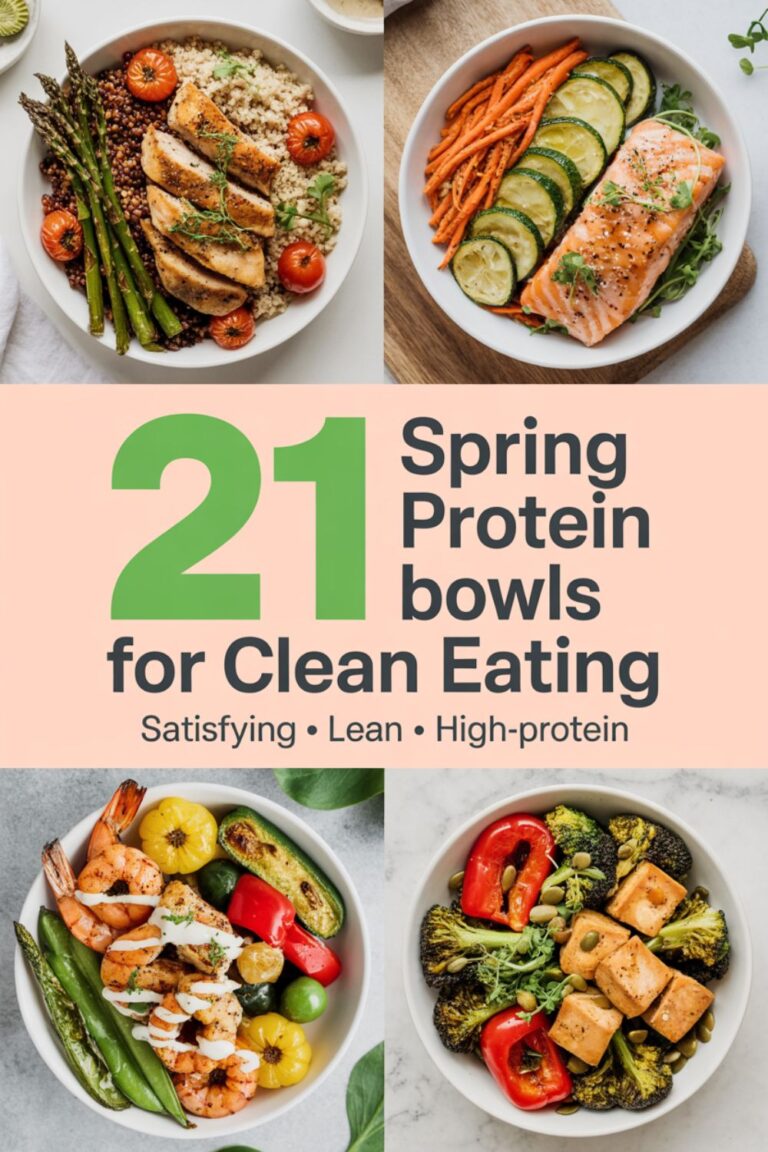
Speaking of chicken bowls, these spring chicken bowls are perfect for meal prep and taste incredible all week long.
11. Greek Chicken Bowls with Tzatziki
Bowl meals are genius for busy nights because you can customize them based on what you have. This one uses grilled chicken (or rotisserie if you’re being smart), cucumber, tomatoes, red onion, chickpeas, and a generous dollop of tzatziki. Add some farro or quinoa for extra staying power.
I make tzatziki in bulk and keep it in the fridge because it’s useful for everything—veggie dip, sandwich spread, salad dressing. Greek yogurt, grated cucumber (squeeze out the liquid), garlic, lemon juice, dill, salt. That’s it. Way better than store-bought and takes five minutes. Get Full Recipe
12. Egg Roll in a Bowl
This is basically deconstructed egg rolls without the wrapper, which means all the flavor and none of the frying. Ground chicken or turkey, shredded cabbage, carrots, ginger, garlic, soy sauce, and sesame oil. Cooks in one skillet in about 20 minutes, and it’s weirdly addictive.
The cabbage provides bulk and fiber while staying low-calorie, and the ground meat gives you solid protein (about 30 grams per serving). I like adding a fried egg on top because apparently I can’t eat anything Asian-inspired without putting an egg on it. No regrets.
13. Balsamic Chicken and Strawberries
I know strawberries with chicken sounds strange, but trust me on this one. The balsamic vinegar and strawberries create this sweet-tangy sauce that’s absolutely perfect for spring. Sear the chicken, add sliced strawberries and balsamic vinegar to the pan, let it reduce into a sauce. Done.
This recipe is proof that spring cooking doesn’t have to be complicated to be interesting. The strawberries break down and create a sauce naturally—you’re not making anything from scratch or following complicated steps. Just fruit, acid, and heat doing their thing. Serve it over arugula or with roasted asparagus for a meal that photographs way better than the effort suggests.
14. Tuna and White Bean Salad
Canned tuna is an underrated protein source. Two cans mixed with white beans, cherry tomatoes, red onion, parsley, lemon juice, and olive oil creates this Mediterranean-style salad that works as a main dish or a side. No cooking required, which is clutch on hot spring evenings.
I’m picky about canned tuna—get the stuff packed in olive oil, not water. It tastes better and the oil becomes part of your dressing. Look for sustainable options if you care about that sort of thing (which you should, IMO). Each serving delivers about 25 grams of protein plus heart-healthy fats from the olive oil and omega-3s from the fish.
Kitchen Tools That Make Spring Cooking Actually Manageable
Look, you don’t need a million gadgets, but these specific tools have legitimately made my weeknight cooking faster and less annoying:
15. Herb-Crusted Halibut
Halibut is one of those “special occasion” fish that’s actually easy to cook. Press a mixture of fresh herbs (parsley, dill, chives), panko breadcrumbs, and lemon zest onto the fillets. Bake for 12-15 minutes. That’s literally the whole recipe, and it tastes like something from a restaurant.
The herb crust keeps the fish moist and adds texture without requiring any special techniques. Halibut is firm and meaty, so it doesn’t fall apart like more delicate fish. About 30 grams of protein per serving, plus it’s low in mercury compared to larger fish like tuna or swordfish.
16. Chicken Sausage and Pepper Sheet Pan
Pre-cooked chicken sausage is another weeknight shortcut that doesn’t feel like cheating. Slice it up with bell peppers and onions, toss everything with olive oil and Italian seasoning, roast at 425°F for 20 minutes. Serve it over rice, in a wrap, or just eat it straight off the pan while standing over the sink (no judgment).
I look for sausages with minimal fillers and at least 12-15 grams of protein per link. The flavored varieties (sundried tomato, apple, spinach and feta) keep things interesting without requiring extra seasoning. This is one of those meals I make when I legitimately cannot think of anything else and need food in my face immediately.
For more hands-off cooking, these high-protein crockpot recipes do all the work while you’re at the office.
17. Chickpea and Spinach Skillet
This vegetarian option comes together ridiculously fast. Sauté garlic and onion, add canned chickpeas (drained and rinsed), throw in a massive handful of spinach, season with cumin and paprika, finish with lemon juice. The spinach wilts down to nothing, so use way more than you think you need.
Chickpeas are protein-dense (about 15 grams per cup) and have a great texture that’s satisfying without being heavy. I serve this with a fried egg on top for extra protein, or stuff it into pita bread with some tahini sauce. It’s also dirt cheap, which is a nice bonus when you’re cooking every night.
18. Miso-Glazed Salmon
Miso paste lives in my fridge specifically for this recipe. Mix it with a little honey, rice vinegar, and soy sauce. Brush it on salmon fillets and broil for 6-8 minutes. The miso caramelizes under the broiler and creates this sweet-savory glaze that’s borderline addictive.
Miso is fermented soybean paste, which means it brings that umami depth that makes food taste more complex than it actually is. A little goes a long way, and one container lasts forever in the fridge. This recipe feels fancy enough for company but easy enough for a random Tuesday. Get Full Recipe
19. Turkey Lettuce Wraps
Ground turkey, water chestnuts, green onions, hoisin sauce, rice vinegar, ginger. Cook everything in a skillet, spoon it into lettuce cups (butter lettuce or romaine hearts work best), and eat with your hands like a civilized adult. Light, crunchy, and somehow feels like you’re getting away with something.
The water chestnuts add crunch without calories, which is a nice trick for keeping things interesting. I use this handheld chopper for the water chestnuts and green onions—saves me from crying over my cutting board and speeds up the whole process.
20. Spring Vegetable and Quinoa Bowl
This is my go-to when I need something nourishing but don’t want to think too hard. Cook quinoa (or use the pre-cooked packets because we’re being realistic here), roast whatever spring vegetables you have (asparagus, snap peas, radishes, carrots), add a protein (grilled chicken, hard-boiled eggs, chickpeas, edamame), and dress it with lemon-tahini sauce.
The beauty of bowl meals is that they’re infinitely flexible. You can meal-prep all the components separately and assemble them throughout the week with different combinations. Nothing gets boring because you’re mixing and matching. Plus, quinoa is one of the few plant foods that’s a complete protein, meaning it contains all nine essential amino acids your body needs. Get Full Recipe
If you’re all about that bowl life, these high-protein bowls you can prep ahead will become your weekly routine.
Pro Tip: Make a big batch of lemon-tahini dressing on Sunday. It keeps for a week and works on literally everything—salads, bowls, roasted vegetables, as a dip for raw veggies. Tahini, lemon juice, garlic, water to thin, salt. Blend it smooth and thank me later.
Making These Recipes Work for Your Actual Life
Let’s be honest—no one is cooking elaborate meals every single night. That’s not realistic unless you’re a food blogger getting paid to cook (and even they probably order takeout sometimes). The goal here is having a rotation of reliable recipes you can pull off without wanting to cry.
I rotate through about 10-12 recipes on a regular basis. That’s it. I’m not trying to cook something new and exciting every night because that’s exhausting. Once you have a handful of these spring protein recipes in your regular rotation, weeknight cooking stops feeling like a chore and starts feeling automatic.
The trick is batch prepping the annoying parts. Wash and trim all your vegetables when you get home from the grocery store. Marinate proteins in the morning before work. Cook grains in bulk and store them in portions. These small actions save you massive amounts of time and decision fatigue during the week.
Protein Timing for Better Results
You’ve probably heard a million contradictory things about when to eat protein. Some people swear by eating it immediately after workouts. Others say it doesn’t matter as long as you hit your daily total. The truth, according to research published in the Journal of the International Society of Sports Nutrition, is somewhere in the middle.
Spreading protein throughout the day (rather than eating most of it at dinner) helps with muscle protein synthesis and keeps you fuller longer. Aim for 20-40 grams per meal, and you’ll probably feel more satisfied and less likely to raid the pantry at 9 PM.
That said, the best meal timing is the one you’ll actually stick to. If eating a bigger breakfast works for your schedule, great. If you prefer a light lunch and heartier dinner, that’s fine too. The most important thing is consistency, not obsessing over optimal timing windows.
Spring Ingredients That Make Protein Better
The supporting cast matters just as much as the main protein. Spring gives us ingredients that enhance flavor without adding a ton of calories or requiring complex preparation. Fresh herbs, citrus, and spring vegetables do most of the heavy lifting.
Asparagus is the MVP of spring vegetables. It roasts in 15 minutes, has a mild flavor that pairs with everything, and contains nutrients that support protein metabolism. The slightly bitter edge cuts through rich proteins like salmon or pork.
Fresh herbs (dill, basil, mint, parsley, cilantro) are having their moment right now. They’re cheap, they don’t require cooking, and they make simple proteins taste intentional. A handful of chopped herbs at the end of cooking transforms boring into interesting.
Lemon is the secret weapon for spring cooking. Acid brightens flavors and makes proteins taste less heavy. A squeeze of fresh lemon juice at the end of cooking is the difference between “fine” and “actually pretty good.” I go through probably five lemons a week in the spring.
Radishes are underused and underrated. They add crunch to salads, roast beautifully (losing their sharpness and becoming mild and slightly sweet), and look pretty on a plate. Plus, they’re ready to harvest early in spring when not much else is available.
The Meal Prep Strategy That Actually Works
I’ve tried every meal prep method under the sun. The full-on “cook five days of identical meals on Sunday” approach made me want to cry by Wednesday. The “just prep ingredients and cook fresh each night” method was too time-consuming on busy evenings. What actually works is a hybrid approach.
Prep once, eat differently: Cook three proteins (maybe grilled chicken, roasted chickpeas, hard-boiled eggs). Roast two trays of vegetables (asparagus on one, a mix of peppers and onions on the other). Cook one or two grains (quinoa and farro). Make a couple of sauces or dressings. Store everything separately.
Throughout the week, you mix and match these components in different combinations. Monday might be chicken with asparagus and quinoa with lemon-tahini. Wednesday could be chickpeas with roasted peppers over farro with a different dressing. Same ingredients, different meals, zero boredom.
This method also rescues you on nights when cooking feels impossible. Everything’s already cooked—you’re just assembling. It takes five minutes instead of forty, and you still eat something decent instead of cereal over the sink.
Need a complete game plan? This weekly meal prep guide walks you through the entire process with shopping lists and everything.
Keeping These Recipes Interesting Long-Term
Even the best recipes get boring if you make them the exact same way every week. Small variations keep things interesting without requiring you to learn entirely new recipes. Swap the protein (use shrimp instead of chicken). Change the herbs (basil instead of parsley). Try a different acid (lime instead of lemon).
These micro-adjustments trick your brain into thinking you’re eating something new, even though the technique and timing are identical. It’s the cooking equivalent of rearranging furniture—same room, different vibe.
I also rotate through different ethnic flavor profiles. One week everything gets an Italian treatment (garlic, basil, tomatoes, olive oil). The next week I’ll go Mediterranean (lemon, oregano, feta, olives). Then maybe Asian-inspired (ginger, soy sauce, sesame, green onions). Same basic cooking methods, completely different flavors.
The Protein-Vegetable Ratio That Satisfies
Here’s something I learned after years of feeling hungry an hour after dinner: you need more vegetables than you think. A sensible portion of protein (4-6 ounces) paired with a sad little side salad isn’t going to cut it. You’ll be hungry later, and you’ll probably snack on things that derail your goals.
Instead, aim for at least two cups of vegetables per meal. That sounds like a lot, but cooked vegetables shrink dramatically. A massive pile of raw spinach wilts down to a few bites. Roasted vegetables caramelize and become sweeter, making them more appealing.
This ratio (one serving protein, two+ servings vegetables, maybe a serving of whole grains) keeps you full, provides fiber for digestion, and makes your meals more visually interesting. Plus, spring vegetables are so good right now that eating more of them isn’t a sacrifice—it’s genuinely enjoyable.
Common Questions About Spring Protein Recipes
How much protein should I aim for at dinner?
Most people do well with 25-35 grams of protein per meal, which is roughly a 4-6 ounce portion of chicken, fish, or tofu. This amount supports muscle maintenance, keeps you full, and doesn’t require eating massive portions. If you’re more active or building muscle, you might aim for the higher end of that range.
Can I meal prep these spring recipes?
Absolutely. Most of these recipes work great for meal prep, especially the bowl-style meals and sheet pan dinners. Cook proteins and vegetables separately, store them in containers, and assemble throughout the week. This gives you flexibility to mix and match without eating identical meals every day.
What if I don’t like fish or seafood?
No problem—just substitute with chicken, turkey, or plant-based proteins like chickpeas or tofu. The cooking methods and seasonings work across different proteins. A piece of chicken can take the place of salmon in pretty much any recipe here with minimal adjustments to cooking time.
Are these recipes good for weight loss?
They can be, depending on your overall calorie intake and portions. High-protein meals help with satiety and muscle preservation during weight loss. These recipes focus on lean proteins and loads of vegetables, which naturally keeps calories reasonable while providing plenty of volume and nutrients. Just watch your portion sizes and avoid going overboard on oils and high-calorie additions.
What spring vegetables work best with protein?
Asparagus, snap peas, radishes, and spring greens (arugula, spinach) are all excellent choices. They cook quickly, pair well with most proteins, and have mild flavors that don’t compete with your main dish. Artichokes, fresh peas, and early zucchini are also great options if you can find them.
Final Thoughts on Spring Protein Recipes
Spring cooking doesn’t need to be complicated. The season gives us ingredients that naturally taste good together, cook quickly, and make simple proteins feel special without requiring advanced techniques or hours in the kitchen.
These 20 recipes are just a starting point. Once you get comfortable with the basic methods—roasting proteins with vegetables, making simple bowl meals, using fresh herbs and citrus to brighten flavors—you can improvise based on what looks good at the market or what you already have in your fridge.
The goal isn’t perfect Instagram-worthy meals every night. It’s consistently getting protein and vegetables on your plate without burning out or resorting to drive-thru five nights a week. These recipes make that actually achievable, even on your most exhausted weeknight.
Start with two or three recipes that sound good to you. Make them a few times until they feel automatic. Then add a couple more to your rotation. Before long, you’ll have a solid lineup of spring protein recipes that don’t require thinking, and weeknight cooking stops feeling like a burden.