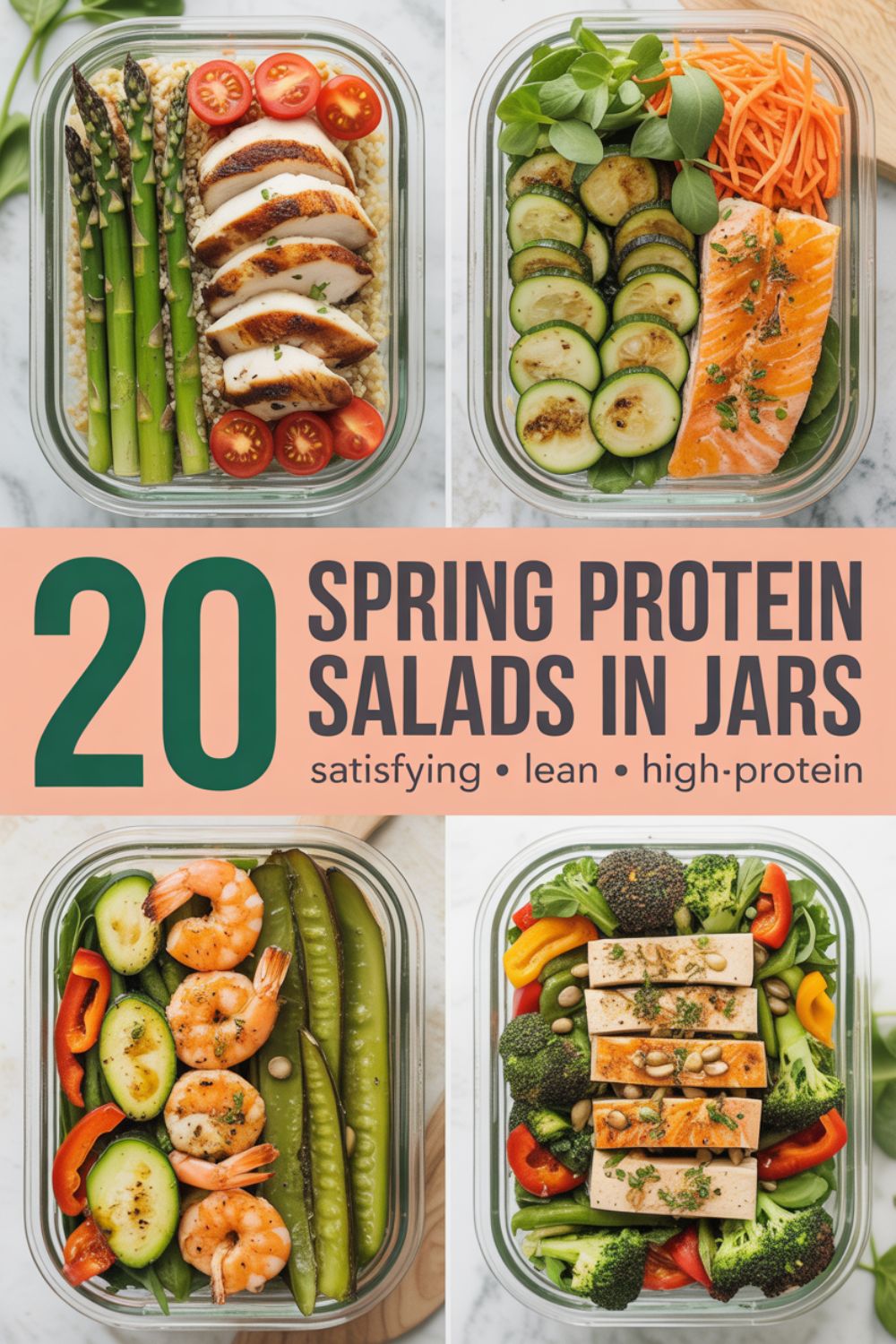
20 Spring Protein Salads in Jars That’ll Make You Actually Look Forward to Lunch
Look, I get it. You’re tired of sad desk lunches and wondering why your salad turned into a soggy mess by noon. I’ve been there, staring at wilted lettuce like it personally betrayed me. But here’s the thing—spring protein salads in jars have completely changed my meal prep game, and I’m not even being dramatic about it.
These aren’t your grandma’s mason jar salads (though she’d probably approve). We’re talking about protein-packed, flavor-loaded creations that stay crisp for days and actually keep you full until dinner. No more 3 PM vending machine raids or pretending that a protein bar counts as a meal.
Spring is the perfect time to revamp your lunch routine. The farmers’ markets are bursting with fresh greens, crisp vegetables, and all those vibrant ingredients that make you feel like you’ve got your life together. And when you layer them correctly in a jar? Pure meal prep magic.

Why Jar Salads Are Actually Genius (And Not Just Instagram Hype)
There’s actual science behind why these work so well. When you layer ingredients properly—dressing on the bottom, hearty vegetables next, proteins and grains in the middle, delicate greens on top—you’re creating a moisture barrier that keeps everything fresh. It’s like building a little salad fortress against sogginess.
I started making these about three years ago when I realized I was spending way too much money on mediocre takeout salads. Now? I prep five jars every Sunday, and my lunches cost about a third of what I used to spend. Plus, I actually know what’s going into my food, which is kind of a revolutionary concept when you think about it.
The protein component is crucial here. According to nutrition experts, combining lean proteins with fiber-rich vegetables helps maintain stable blood sugar levels and keeps you satiated for hours. That’s why these spring salads pack anywhere from 20 to 35 grams of protein per jar—enough to actually fuel your afternoon without leaving you hangry.
For more meal prep inspiration that actually fits into a busy schedule, check out these high-protein bowls you can prep in under 20 minutes.
The Layering Method That Changed Everything
Here’s where most people mess up their jar salads. They just throw everything in and wonder why it tastes like disappointment by Wednesday. The order matters, people.
Bottom layer: Always your dressing. Two to three tablespoons max. This stays put and doesn’t touch your greens until you’re ready to eat.
Second layer: Hearty vegetables that won’t get soggy. Think chickpeas, cucumbers, bell peppers, cherry tomatoes. These guys can swim in dressing all week and still maintain their dignity.
Third layer: Your protein and grains. Grilled chicken, hard-boiled eggs, quinoa, lentils—whatever you’re working with goes here. I usually use these airtight glass meal prep containers for any overflow, but wide-mouth mason jars work perfectly for most recipes.
Fourth layer: Softer ingredients like avocado, cheese, nuts, or seeds. They add flavor and texture without turning to mush.
Top layer: Your delicate greens. Baby spinach, arugula, spring mix—whatever makes your heart sing. Pack these in tight. They’ll stay crisp for up to five days if you’ve layered everything correctly.
The Tools You Actually Need
You don’t need fancy equipment for this. Honestly, half the stuff marketed for “meal prep” is just expensive clutter. But there are a few things that genuinely make life easier.
I swear by 32-ounce wide-mouth mason jars because they’re the perfect size for a full meal. The wide mouth means you can actually get a spoon in there without cursing. For chopping, a quality chef’s knife is worth every penny—I use mine daily and it’s still sharp after two years.
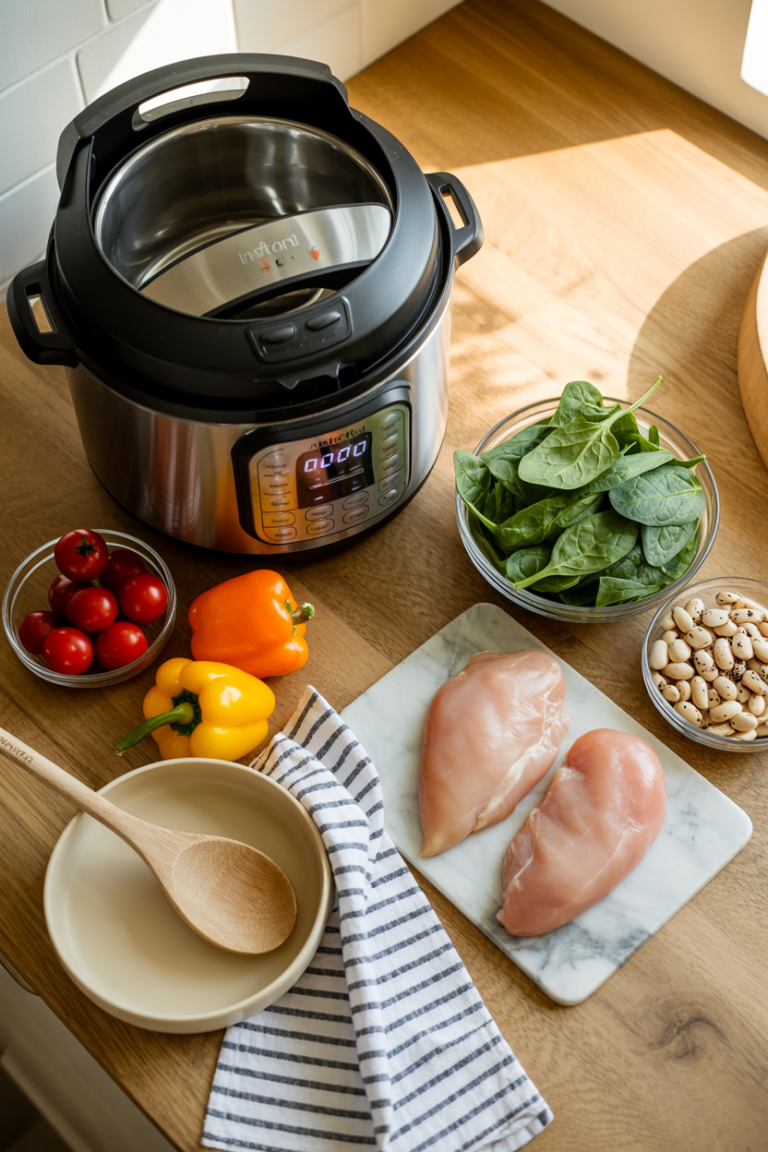
If you’re prepping chicken or hard-boiled eggs, an Instant Pot will save you so much time. Seriously, perfect eggs every time with zero effort. And for dressing? Small squeeze bottles make portioning actually pleasant instead of a messy guessing game.
20 Spring Protein Salad Combinations That Actually Taste Good
1. Mediterranean Powerhouse
This one’s my go-to when I need something that feels fancy but takes about ten minutes to throw together. Layer lemon-tahini dressing, chickpeas, cucumber, cherry tomatoes, red onion, grilled chicken, feta cheese, and mixed greens. The chickpeas provide plant-based protein while the chicken brings it to about 32 grams total. Get Full Recipe.
Fun fact: chickpeas are actually incredible for muscle recovery. If you’re into that sort of thing, you might also love these low-calorie high-protein recipes for muscle recovery.
2. Spring Pea and Mint Sensation
Okay, I know peas in salad sounds weird, but trust me on this. Fresh spring peas, mint, goat cheese, grilled shrimp, radishes, and butter lettuce with a light lemon vinaigrette. The sweetness of the peas against the tang of goat cheese is chef’s kiss. Plus, shrimp packs about 24 grams of protein per serving without weighing you down.
3. Tex-Mex Fiesta Jar
Cilantro-lime dressing, black beans, corn, bell peppers, seasoned ground turkey, pepper jack cheese, and romaine. This tastes exactly like your favorite burrito bowl but in portable jar form. The black beans add fiber and plant-based protein, while turkey keeps it lean. About 28 grams of protein per jar. Get Full Recipe.
4. Asian Sesame Crunch
Sesame-ginger dressing, edamame, shredded carrots, red cabbage, grilled teriyaki chicken, mandarin oranges, cashews, and mixed greens. The crunch factor on this one is unreal. Edamame brings the protein count up while adding that slightly nutty flavor I’m obsessed with.
5. Greek Goddess Bowl
Tzatziki-based dressing, cucumber, kalamata olives, cherry tomatoes, chickpeas, grilled lamb or chicken, feta, and arugula. This is basically a Greek salad that went to the gym. The tzatziki adds protein while keeping things creamy and delicious.
Speaking of Greek-inspired meals, if you’re into batch cooking, these easy low-calorie high-protein lunches are absolute game-changers for busy weeks.
6. Spring Asparagus and Egg Supreme
Lemon-Dijon dressing, blanched asparagus, cherry tomatoes, hard-boiled eggs, quinoa, parmesan shavings, and baby spinach. Asparagus screams spring, and the eggs provide that satisfying protein punch. Two eggs give you about 12 grams of protein, and the quinoa adds another 8.
7. Strawberry Spinach Surprise
Balsamic vinaigrette, strawberries, walnuts, grilled chicken, goat cheese, red onion, and baby spinach. The combination of sweet strawberries with savory chicken shouldn’t work but absolutely does. Plus, strawberries are packed with vitamin C, which helps your body absorb the iron from the spinach. Science!
8. Tuna Nicoise Remix
Dijon vinaigrette, green beans, cherry tomatoes, hard-boiled eggs, canned tuna, kalamata olives, and mixed greens. This French classic translates beautifully to jar form. Quality canned tuna is actually one of the most affordable protein sources out there—about 20 grams per can.
9. Buffalo Chicken Ranch
Ranch dressing (I make mine with Greek yogurt for extra protein), celery, carrots, buffalo chicken, blue cheese crumbles, and romaine. This is basically wing night in a jar, minus the regret. The Greek yogurt ranch adds about 5 extra grams of protein while cutting calories.
10. Caprese Spring Mix
Basil pesto dressing, cherry tomatoes, fresh mozzarella pearls, grilled chicken, chickpeas, and arugula. Simple but never boring. The combination of fresh mozzarella and chickpeas gives you both animal and plant protein—best of both worlds.
More Spring-Inspired Protein Jars
11. Lemon-Herb Salmon Salad
Lemon-dill dressing, cucumber, red onion, baked salmon, quinoa, capers, and spring mix. Salmon is ridiculously good for you—loaded with omega-3s and about 23 grams of protein per serving. Plus it stays surprisingly fresh in the jar for 2-3 days. Get Full Recipe.
If you’re into salmon but want something more substantial, these high-protein low-calorie snacks pair perfectly as afternoon fuel.
12. Spring Veggie and Lentil Power Bowl
Lemon-tahini dressing, cooked lentils, roasted beets, sugar snap peas, goat cheese, sunflower seeds, and mixed greens. Lentils are criminally underrated—18 grams of protein per cup and they’re dirt cheap. The earthiness of beets with tangy goat cheese is perfection.
13. Chicken Fajita Jar
Salsa ranch, black beans, sautéed bell peppers and onions, chicken fajita strips, pepper jack cheese, and romaine. All the fajita flavor without the tortilla. Sometimes I’ll crumble a few baked tortilla chips on top right before eating for that satisfying crunch.
14. Spring Herb Chicken with Farro
Herb vinaigrette, farro, cherry tomatoes, cucumber, herb-grilled chicken, feta, and arugula. Farro has this amazing chewy texture that holds up beautifully in jars. Plus it’s got more protein than most grains—about 7 grams per serving.
15. Shrimp and Avocado Citrus Salad
Citrus vinaigrette, grapefruit segments, avocado, grilled shrimp, jicama, pepitas, and butter lettuce. This one tastes like spring break in the best way. The combination of shrimp and pepitas brings the protein to about 26 grams per jar.
16. Turkey and Cranberry Spring Salad
Apple cider vinaigrette, dried cranberries, walnuts, roasted turkey breast, goat cheese, and mixed greens. This reminds me of Thanksgiving but in a way that makes you feel virtuous instead of needing a nap. Turkey is lean protein heaven—about 25 grams per serving and barely any fat.
17. Quinoa Buddha Jar
Peanut-lime dressing, chickpeas, shredded carrots, red cabbage, edamame, baked tofu, and baby kale. This is my vegetarian friends’ favorite. Between the quinoa, chickpeas, edamame, and tofu, you’re looking at about 28 grams of complete plant-based protein. Get Full Recipe.
For more plant-powered options that actually fill you up, check out these high-protein low-calorie vegan meals.
18. Cobb Salad Jar Supreme
Ranch or blue cheese dressing, cherry tomatoes, hard-boiled eggs, bacon, grilled chicken, avocado, cheddar cheese, and romaine. The classic that never disappoints. I bake my bacon in the oven using a quality baking sheet—way less mess and perfectly crispy every time.
19. Spring Pesto Chicken and White Bean
Basil pesto, white beans, sun-dried tomatoes, grilled chicken, pine nuts, parmesan, and arugula. The white beans add creaminess and about 15 grams of protein, while the chicken brings it up to around 32 grams total.
20. Steak and Blue Cheese Powerhouse
Balsamic vinaigrette, cherry tomatoes, red onion, grilled steak strips, blue cheese crumbles, walnuts, and mixed greens. This is for when you need something that feels like a treat but is still hitting your macros. A 4-ounce serving of lean steak has about 26 grams of protein.
For more hearty options that satisfy like this one does, these low-calorie high-protein comfort foods hit the spot every time.
Meal Prep Essentials That Actually Make This Easier
Look, I’m not trying to sell you stuff you don’t need. But after three years of making these salads weekly, these are the things I genuinely use and would replace immediately if they broke.
- Ball Wide Mouth Mason Jars (32oz, 6-pack) – The wide mouth is non-negotiable. Regular mouth jars will make you want to throw things.
- OXO Good Grips Salad Spinner – Wet greens = soggy salads faster. This thing pays for itself in produce that doesn’t go bad.
- Pyrex Glass Meal Prep Containers – For when you make too much chicken or want to keep dressing separate. Microwave and dishwasher safe, unlike some cheaper plastic options.
- MealPrepPro App Subscription – Takes the guessing out of portions and macros. Worth it if you’re serious about tracking protein.
- The Meal Prep Manual PDF Guide – This was honestly life-changing for understanding timing and batch cooking strategies. No fluff, just actual techniques.
- Spring Salad Dressing Recipe Pack (Digital Download) – 50+ homemade dressing recipes that blow store-bought out of the water. Plus you know exactly what’s in them.
The Dressing Situation
Here’s the truth about store-bought dressings: most of them are basically sugar and vegetable oil masquerading as health food. I make my own in these small glass bottles and they last about two weeks in the fridge.
My go-to base is three parts oil to one part acid (lemon juice, vinegar, whatever), plus mustard for emulsification and whatever herbs or spices I’m feeling. Whisk it together or just shake it in the bottle. Takes maybe three minutes and tastes infinitely better than anything you’d buy.
That said, if you’re short on time, look for dressings with recognizable ingredients. If you can’t pronounce half the stuff on the label, probably skip it. According to nutritionists, adding healthy fats to your salad actually helps your body absorb all those vitamins from the greens—so don’t go crazy with the fat-free stuff.
Quick Dressing Formulas I Use Weekly
Lemon-Tahini: 3 tablespoons tahini, juice of 1 lemon, 2 tablespoons water, garlic, salt. Shake it up. Done.
Balsamic-Dijon: 1/4 cup balsamic vinegar, 3/4 cup olive oil, 1 tablespoon Dijon mustard, garlic, honey, salt, pepper. Classic for a reason.
Greek Yogurt Ranch: Plain Greek yogurt, dried dill, garlic powder, onion powder, lemon juice, salt, pepper. High protein and actually creamy.
Sesame-Ginger: Sesame oil, rice vinegar, fresh ginger, soy sauce, honey. Pairs with literally any Asian-inspired jar.
Protein Sources That Actually Keep You Full
Not all proteins are created equal, especially when we’re talking about staying full until dinner. I’ve tested this extensively (read: eaten way too many unsatisfying lunches) and here’s what actually works.
Grilled chicken breast is the MVP. About 26 grams of protein per 4-ounce serving, minimal prep, and it keeps for 4-5 days. I season mine with whatever herbs I have, throw it on my grill pan, and call it good.
Hard-boiled eggs are perfect for when you forgot to prep. An egg cooker makes them foolproof—I can’t tell you how many batches I ruined before getting one of these. Two eggs give you 12 grams of protein and they last about a week.
Canned tuna or salmon are your emergency proteins. They’re shelf-stable, cheap, and pack about 20 grams per can. Get the ones in water, not oil, unless you want your entire jar tasting fishy.
Chickpeas and lentils are plant-based powerhouses. Chickpeas have about 15 grams per cup, lentils have 18. Plus they’re ridiculously cheap and you can buy them canned for zero prep.
Tofu is underrated if you press it and season it properly. Bake it with soy sauce and sesame oil, and it’s actually delicious. About 10 grams of protein per half-cup serving.
If you’re looking to boost your protein game across all meals, these low-calorie protein-packed breakfasts start your day off right.
Common Mistakes and How to Avoid Them
Mistake #1: Using regular mouth jars. I know they’re cheaper, but you’ll hate your life trying to get salad out of them. Wide mouth or nothing.
Mistake #2: Not drying your greens. Even a little water will make everything sad and wilted faster. Use a salad spinner or at least pat everything dry with paper towels.
Mistake #3: Overfilling the jars. You need some room at the top for shaking and mixing. Leave about an inch of space or you’ll have dressing all over your counter.
Mistake #4: Putting soft ingredients at the bottom. Anything delicate—tomatoes, avocado, soft cheese—should stay away from the dressing until you’re ready to eat.
Mistake #5: Making them too far in advance. Sunday prep for Monday through Friday is perfect. Trying to stretch them to the following week? That’s when things get questionable. For optimal freshness and nutrition, research suggests consuming fresh greens within 3-5 days of preparation.
How to Actually Eat These at Work
Okay, so you’ve made your beautiful jar. Now what? If you’ve got access to a bowl, dump it all in and toss it like a normal salad. The dressing will coat everything perfectly because it’s been hanging out at the bottom this whole time.
No bowl? No problem. Put the lid back on the jar, shake it vigorously for about 10 seconds, and eat straight from the jar with a fork. Fair warning: people will stare. Let them. You’re eating a fresh, homemade salad while they’re reheating questionable leftovers.
Some of my coworkers think I’m showing off with these jars. I just tell them I’m too lazy to buy lunch every day, which is honestly true. The whole “looking like you have your life together” thing is just a happy side effect.
For more grab-and-go options that work for busy schedules, check out these low-calorie high-protein wraps for quick lunches that are just as portable.
Spring Vegetables That Level Up Your Jars
Spring is honestly the best season for salads because everything at the market looks like it was designed for Instagram. Here are my favorite additions that scream spring:
Asparagus – Blanch it first (30 seconds in boiling water, then ice bath). Crispy, slightly sweet, and feels fancy.
Sugar snap peas – Eat them raw. The crunch is unmatched and they add natural sweetness without any sugar.
Radishes – Thinly sliced, they add peppery bite and that gorgeous pink color. Plus they’re basically calorie-free.
Fresh peas – If you can find them fresh (not frozen), they’re incredible. Sweet and tender without being mushy.
Baby carrots – Shred them or julienne them for maximum surface area. More surface area = more dressing = more flavor.
Strawberries – Controversial in salads but absolutely delicious with balsamic and goat cheese. Fight me.
Beets – Roast them ahead of time. They’re sweet, earthy, and that deep red color makes everything look gourmet. Just keep them separate from other ingredients until you’re ready to eat or everything turns pink.
The Meal Prep Timeline That Actually Works
Sunday is prep day in my house, but you can do this whenever works for you. Here’s my exact timeline:
Sunday 4:00 PM: Start proteins. Chicken goes in the oven, eggs in the Instant Pot, whatever else needs cooking.
4:30 PM: While proteins cook, chop all vegetables. Everything goes into separate containers so I can mix and match throughout the week.
5:00 PM: Make dressings. I usually make two or three varieties and portion them into jars.
5:15 PM: Assembly line time. Lay out all your jars, add dressings first, then start layering. This takes maybe 20 minutes once you get the hang of it.
5:35 PM: Everything goes in the fridge. Pour yourself a glass of wine. Pat yourself on the back for being an actual adult who meal preps.
Total time: About 90 minutes for five complete lunches. That’s 18 minutes per meal, which is faster than driving to Chipotle.
If you’re looking for a complete meal prep system beyond just lunch, this weekly high-protein low-calorie meal prep guide covers all your bases.
Budget-Friendly Protein Jar Strategies
Real talk: eating healthy can get expensive if you’re not strategic. But it doesn’t have to be. Here’s how I keep costs down without sacrificing nutrition.
Buy rotisserie chicken. Yes, you can cook your own chicken. But sometimes the $6 rotisserie bird is cheaper than buying raw chicken breast, and the time savings are massive. One chicken gives me enough meat for about four jars.
Frozen vegetables are your friend. Edamame, corn, peas—all cheaper frozen and honestly just as nutritious as fresh. Sometimes more, since they’re flash-frozen at peak ripeness.
Stock up on canned goods. Chickpeas, black beans, tuna, salmon—when they’re on sale, buy a bunch. They last forever and you’ll always have protein on hand.
Skip the fancy greens. Spring mix is great but romaine is cheaper and just as nutritious. Save the arugula and baby kale for when they’re on sale.
Make your own dressings. Seriously, this alone saves probably $10-15 per week. A bottle of olive oil and some vinegar will make you dozens of dressings.
My average cost per jar is about $3.50. Compare that to a $12 salad from the restaurant downstairs and the math practically does itself.
Frequently Asked Questions
How long do these salad jars actually stay fresh in the fridge?
If you layer them correctly with dressing on the bottom and delicate greens on top, they’ll stay fresh for 4-5 days. I make mine Sunday and eat the last one Friday with zero issues. The key is keeping everything airtight and not letting the greens touch moisture until you’re ready to eat.
Can I freeze these salad jars for later?
Honestly? No. Freezing completely destroys the texture of greens and most vegetables. Your best bet is making them weekly, not trying to stretch them longer. If you want freezer-friendly meal prep, check out these low-calorie high-protein recipes you can freeze and reheat instead.
What if I don’t have mason jars? Can I use regular containers?
Sure, but you’ll lose the whole “barrier effect” that makes jar salads work so well. Regular containers mean the dressing will touch everything immediately. You could store dressing separately in a small container and add it when you’re ready to eat, but that’s extra dishes and extra hassle. The jars are honestly worth the investment—they’re like $10 for a six-pack.
How do I hit 30+ grams of protein without making my salad taste like a protein shake?
Layer your proteins strategically. Combine a lean meat (chicken, turkey, shrimp) with a plant-based protein (chickpeas, lentils, quinoa) and add some cheese or nuts. You’ll hit 30 grams easily without any one ingredient overwhelming the flavor. IMO, variety is key—monotone protein gets boring fast.
What’s the best jar size for a full meal?
32-ounce wide-mouth mason jars are the sweet spot. 16-ounce jars work for side salads but won’t fit enough food for a full meal. Anything bigger than 32 ounces gets awkward to eat from and takes up too much fridge space. Go wide-mouth or you’ll regret it when you’re trying to get the last bits of chicken out of the jar.
Final Thoughts (Because We’re Keeping It Real)
Look, spring protein salads in jars aren’t going to revolutionize your entire life. They’re not going to make you a morning person or solve your commute. But they will make lunch infinitely less stressful, save you money, and actually keep you full without that 2 PM energy crash.
I’ve been doing this for three years now, and the biggest change isn’t even the money I’ve saved or the weight I’ve lost. It’s the mental energy I’ve freed up by not having to think about lunch every single day. Decision fatigue is real, and having five jars ready to go means one less thing to figure out during an already chaotic week.
Start with just two or three jars the first week. See how you like it. Experiment with different combinations. Find what proteins you actually enjoy eating and what vegetables you can tolerate in large quantities. There’s no perfect formula—just whatever works for you and your taste buds.
And honestly? Even if you only end up making these once a month, that’s still 4-5 lunches you didn’t have to buy or stress about. That’s a win in my book. The bar for adulting success is lower than you think, and we’re all just doing our best here.
Now go forth and layer some vegetables in jars. Your future self will thank you, probably around Thursday when everyone else is complaining about what to eat for lunch and you’re already halfway through your delicious, pre-made meal.