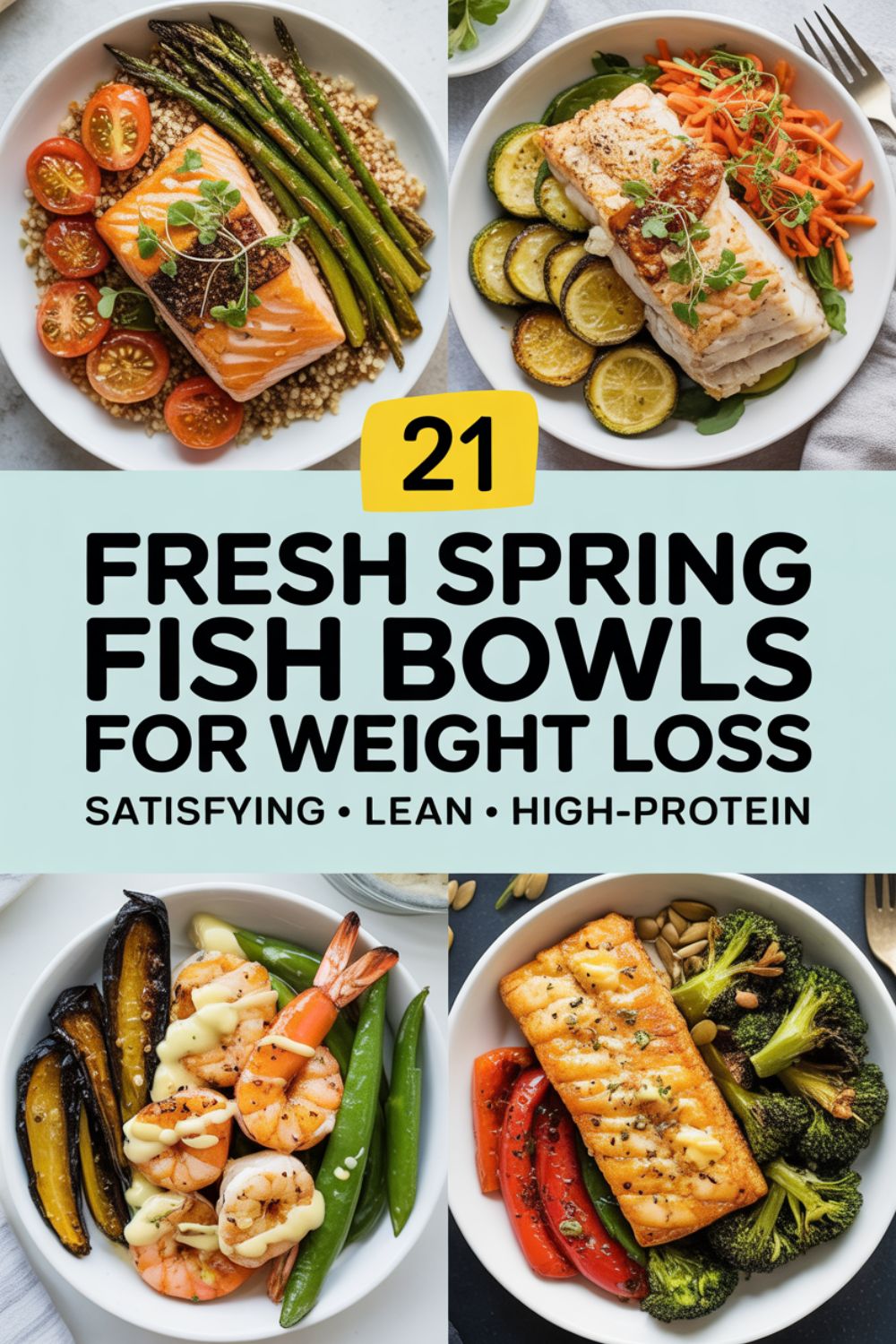
21 Fresh Spring Fish Bowls for Weight Loss
Look, I’ll be real with you—when spring rolls around, the last thing I want is another boring grilled chicken breast situation. Been there, demolished that, still hungry an hour later. That’s when I stumbled into fish bowls, and honestly, they changed my entire approach to eating lighter without feeling like I’m gnawing on cardboard.
These aren’t your grandma’s tuna salad concoctions. We’re talking vibrant, Instagram-worthy bowls packed with omega-3s that actually help your body burn fat more efficiently. And before you roll your eyes thinking this is some miracle food nonsense, research shows that omega-3 fatty acids found in fish can boost your metabolism and help reduce belly fat when combined with a healthy diet.
I’ve spent the better part of three months testing these combinations, occasionally making my kitchen smell like a fish market (worth it), and figuring out what actually works for weight loss without sacrificing flavor. Turns out, spring fish bowls are ridiculously versatile, stupid easy to meal prep, and they keep you full way longer than you’d expect.
Why Fish Bowls Actually Work for Weight Loss
Here’s the thing nobody tells you about weight loss: you don’t need to starve yourself into oblivion. You need protein, healthy fats, and foods that keep your metabolism humming. Fish checks all those boxes without the calorie bomb that comes with, say, a ribeye steak.
Most fish varieties clock in around 150-200 calories per 4-ounce serving while delivering 20-30 grams of protein. That’s the kind of math that makes your body happy. Plus, those omega-3 fatty acids aren’t just good for your heart—studies indicate they can help reduce abdominal fat mass when you’re actively trying to lose weight.
I learned this the hard way after weeks of disappointing scale results. Turns out I was eating “healthy” but missing the protein and fat balance my body needed. Once I started incorporating these fish bowls into my rotation, things clicked. The weight came off steadily, and I wasn’t constantly fantasizing about pizza at 3 PM.
Pro Tip: Prep your fish and veggies Sunday night, store them separately, and thank yourself all week when you’re not scrambling for lunch ideas. Future you is basically a genius.
The Spring Fish Bowl Formula That Never Fails
Every killer fish bowl follows a basic blueprint. Once you nail this, you can mix and match ingredients based on what’s on sale or rotting in your fridge (we’ve all been there).
The Base Layer
Start with leafy greens or grains. I usually alternate between arugula, spinach, spring mix, or quinoa. Arugula has this peppery bite that works insanely well with fatty fish like salmon. If you’re doing grains, keep portions around a half cup—enough for substance without derailing your calorie goals.
Spring greens are having their moment right now anyway, so hit up your farmers market. You’ll get fresher stuff than the grocery store, and it genuinely tastes different. That slight bitterness in fresh greens balances the richness of fish perfectly.
The Protein Star
This is where your fish shines. My go-to options:
- Salmon: The omega-3 heavyweight champion. Wild-caught has more of those beneficial fats, but honestly, whatever fits your budget works.
- Tuna: Lean, affordable, and you can do seared ahi for that restaurant vibe at home.
- Cod or Halibut: Super mild if you’re not huge on fishy flavors. Takes on whatever seasonings you throw at it.
- Shrimp: Technically shellfish, but cooks in minutes and adds that sweet, briny pop.
- Trout: Underrated and often cheaper than salmon with similar nutritional benefits.
Aim for 4-6 ounces of fish per bowl. I use this digital kitchen scale to keep portions honest because eyeballing is how you accidentally eat half a pound of salmon (again, been there).
The Veggie Situation
Spring vegetables are stupid good right now. We’re talking asparagus, snap peas, radishes, baby carrots, fennel—all that crisp, fresh stuff that actually tastes like it grew in soil instead of a warehouse.
I usually roast my veggies in batches. Toss them with a tiny bit of olive oil, salt, pepper, maybe some garlic powder, and blast them at 425°F for 15-20 minutes. That caramelization makes vegetables taste like they’re doing you a favor instead of the other way around.
Raw veggies work too. Cucumber ribbons, shaved radishes, and cherry tomatoes add crunch without requiring you to turn on the oven. Use a Y-shaped vegetable peeler for those ribbon effects—it’s weirdly satisfying and makes your bowls look professional.
For more quick veggie-forward ideas that won’t bore you to tears, check out these low-calorie high-protein salad recipes that work on the same principle.
The Healthy Fats
Don’t skip the fat. I know it sounds counterintuitive when you’re trying to lose weight, but dietary fat doesn’t automatically translate to body fat. It keeps you full and helps absorb vitamins from all those vegetables you’re eating.
Add a quarter to half an avocado, a tablespoon of nuts or seeds, or a drizzle of good olive oil. I’m partial to toasted sesame seeds or crushed pistachios for that little textural surprise. Sometimes I’ll throw in hemp hearts—they’re nutty, packed with omega-3s, and you barely notice them.
The Dressing Game-Changer
Store-bought dressings are where your healthy bowl goes to die. Most are loaded with sugar, inflammatory oils, and enough sodium to preserve a woolly mammoth. Making your own takes literally two minutes.
My lazy ratio: 3 parts oil to 1 part acid (lemon juice, vinegar, whatever), plus salt, pepper, and something interesting like Dijon mustard, minced garlic, or fresh herbs. Shake it in a small mason jar and you’re done. Stores in the fridge for a week.
If you want even more inspiration for keeping your meals interesting, these high-protein bowls you can prep in under 20 minutes follow the same quick-and-tasty philosophy.
Quick Win: Make a double batch of dressing on Sunday. Use half for your fish bowls and the other half for whatever salads you throw together during the week. You’ll feel like a meal prep genius.
21 Spring Fish Bowl Combinations That’ll Keep You Excited
Alright, enough theory. Let’s get into the actual bowls. I’ve organized these by fish type because that’s usually what’s on sale or what you’re craving.
Salmon Bowls (The MVPs)
1. Mediterranean Spring Salmon Bowl: Arugula base, roasted salmon, cherry tomatoes, cucumber, Kalamata olives, red onion, feta crumbles, lemon-oregano dressing. The feta adds that salty punch that makes you forget you’re eating “diet food.” Get Full Recipe.
2. Asian-Inspired Ginger Salmon Bowl: Brown rice or cauliflower rice, seared salmon with tamari glaze, edamame, shredded carrots, snap peas, sesame-ginger dressing, green onions. This one’s addictive. I’ve made it three times this week.
3. Lemon-Dill Salmon with Spring Vegetables: Quinoa base, herb-crusted salmon, roasted asparagus, baby carrots, radishes, lemon-dill yogurt sauce. That yogurt sauce is tangy enough to wake up your taste buds without being overpowering.
4. Smoked Salmon Power Bowl: Spinach and kale mix, smoked salmon (the good stuff), hard-boiled egg, avocado, everything bagel seasoning, capers, light cream cheese dressing. Basically deconstructed bagel and lox that won’t put you in a carb coma. Get Full Recipe.
5. Pesto Salmon with Zoodles: Spiralized zucchini, grilled salmon with basil pesto, sun-dried tomatoes, pine nuts, parmesan shavings. Use a spiralizer if you’re feeling fancy, or just buy pre-spiralized zucchini like I usually do.
6. Teriyaki Salmon Bowl with Purple Cabbage Slaw: Mixed greens, teriyaki-glazed salmon, shredded purple cabbage, mandarin oranges, sliced almonds, sesame dressing. That purple cabbage isn’t just pretty—it’s loaded with antioxidants.
7. Cajun Salmon with Mango Salsa: Spring mix, blackened salmon, fresh mango salsa, black beans, corn, avocado, lime-cilantro dressing. This one’s got a little heat and sweetness that somehow works perfectly together.
Speaking of salmon and other protein-packed meals, you might want to explore these low-calorie high-protein sheet pan dinners for nights when you can’t be bothered with multiple dishes.
Tuna Bowls (Budget-Friendly Winners)
8. Seared Ahi Tuna Poke Bowl: Sushi rice or cauliflower rice, seared ahi tuna, cucumber, avocado, seaweed salad, pickled ginger, wasabi mayo. Restaurant-quality at home for like a third of the price.
9. Tuscan Tuna and White Bean Bowl: Arugula, canned tuna (the good stuff in olive oil), cannellini beans, cherry tomatoes, red onion, basil, balsamic vinaigrette. This is my go-to when I forgot to defrost actual fish. Get Full Recipe.
10. Spicy Tuna with Cucumber Noodles: Cucumber noodles (use that peeler again), spicy tuna mixture, avocado, sesame seeds, sriracha mayo drizzle. Zero carbs if you’re into that, and surprisingly filling.
11. Niçoise-Inspired Tuna Bowl: Mixed greens, seared tuna steak, green beans, hard-boiled eggs, cherry tomatoes, Niçoise olives, fingerling potatoes (go easy on these), Dijon vinaigrette. French grandmother approved.
White Fish Bowls (Mild and Versatile)
12. Lemon-Herb Cod with Spring Peas: Farro or quinoa, pan-seared cod with lemon and thyme, sweet peas, asparagus, microgreens, lemon-herb dressing. Cod is ridiculously affordable and takes on any flavor you throw at it.
13. Blackened Mahi-Mahi Tropical Bowl: Coconut rice (in moderation), blackened mahi-mahi, pineapple chunks, mango, jicama, cilantro-lime dressing. Tastes like vacation. Looks like vacation. Costs way less than vacation.
14. Garlic Butter Halibut Bowl: Roasted Brussels sprouts and sweet potato, garlic butter halibut, toasted walnuts, dried cranberries, apple cider vinaigrette. This one’s more fall-leaning but works with spring vegetables too. Get Full Recipe.
15. Mediterranean Sea Bass: Couscous, grilled sea bass, roasted red peppers, artichoke hearts, spinach, feta, lemon-tahini dressing. Sea bass is pricier but worth it for special occasions when you want to feel bougie.
Shrimp Bowls (Quick Cook Champions)
16. Chimichurri Shrimp Bowl: Cauliflower rice, garlic shrimp, chimichurri sauce, roasted bell peppers, red onion, avocado. Shrimp cooks in like four minutes, making this perfect for those nights you get home late and starving.
17. Thai-Inspired Shrimp and Mango Bowl: Rice noodles or zucchini noodles, coconut-curry shrimp, fresh mango, snap peas, Thai basil, peanut sauce (use powdered peanut butter to keep calories in check).
18. Cajun Shrimp with Corn and Tomato: Mixed greens, Cajun-spiced shrimp, charred corn, cherry tomatoes, avocado, cilantro-lime crema. This tastes like summer came early. Get Full Recipe.
If shrimp bowls are your thing, you’ll probably love these low-calorie high-protein bowls you can prep ahead that use similar flavor profiles.
Mixed Seafood and Trout Options
19. Rainbow Trout with Herb Salad: Spring mix, pan-fried rainbow trout, fresh herbs (parsley, dill, chives), radishes, fennel, lemon vinaigrette. Trout has a delicate flavor that doesn’t overpower fresh herbs.
20. Seafood Medley Spring Bowl: Quinoa, grilled shrimp and scallops, asparagus, cherry tomatoes, lemon-garlic butter sauce (light hand on the butter). This is your fancy dinner party bowl that still fits your macros.
21. Sardine and Avocado Power Bowl: Massaged kale, canned sardines (hear me out), avocado, cucumber, hemp hearts, lemon-tahini dressing. I know sardines sound weird, but they’re incredibly nutrient-dense and cost like two bucks a can. Get Full Recipe.
Kitchen Tools for These Recipes
Look, you don’t need a fancy kitchen to pull these bowls off, but a few key tools make the whole process way less annoying. Here’s what I actually use:
Glass Meal Prep Containers with Compartments – Game changer for keeping your fish and veggies separate until you’re ready to eat. No more soggy disasters.
Cast Iron Skillet – Gets smoking hot for that perfect sear on fish. Mine’s like 10 years old and still going strong.
Fish Spatula – Thin, flexible, slotted. Makes flipping delicate fish way easier without destroying it.
Digital Meal Planner & Macro Tracker (Digital) – Helps you plan these bowls according to your specific calorie and protein goals. Worth every penny.
Spring Bowl Recipe Collection PDF (Digital) – Over 50 additional fish bowl combinations with full nutrition info and shopping lists.
Weekly Meal Prep Checklist Template (Digital) – Printable template that keeps you organized so you’re not winging it every Sunday night.
Meal Prep Strategy That Actually Works
Here’s where most people screw up: they try to meal prep five days of identical bowls and burn out by Wednesday. Don’t do that. Your taste buds get bored, you start eyeing the drive-through, and suddenly you’ve abandoned ship entirely.
Instead, prep components and mix them throughout the week. Cook two different types of fish. Roast a big sheet pan of vegetables. Make two dressings. Store everything separately in airtight glass containers (plastic absorbs fish smell—trust me on this).
Monday might be salmon with roasted asparagus and lemon dressing. Wednesday you’re doing that same salmon with raw cucumber and sesame dressing. Different enough to stay interesting, same components so you’re not cooking every damn night.
The Sunday Prep Routine
I’ve gotten this down to about 90 minutes, music blasting, glass of wine optional:
- Wash and prep all vegetables: Cut, spiralize, or ribbon everything. Store in containers with a damp paper towel to keep things crisp.
- Cook your grains: Make a big batch of quinoa, brown rice, or farro. Season it with a little salt and lemon zest so it’s not boring.
- Roast sheet pan vegetables: 425°F, 15-20 minutes. Don’t crowd the pan or they’ll steam instead of caramelize.
- Prepare fish: I usually do half now, half midweek so it stays fresh. Season, cook, let cool completely before storing.
- Make 2-3 dressings: Store in small jars. Shake before using.
- Portion out add-ons: Nuts, seeds, avocado (wait to slice this until you’re ready to eat).
You’ll be shocked how quickly you can throw together a bowl when everything’s prepped. We’re talking two minutes from fridge to table.
For more comprehensive meal planning strategies, check out this weekly high-protein low-calorie meal prep guide that breaks down the entire process.
Pro Tip: Label everything with the date you cooked it. Fish is good for 3-4 days max in the fridge. After that, your risk-reward ratio gets questionable.
Avoiding the Common Fish Bowl Mistakes
I’ve made every mistake in the book, so let me save you some grief.
Mistake #1: Overcooking Your Fish
Overcooked fish is dry, rubbery, and depressing. Most fish is done when it’s just barely opaque in the center and flakes easily with a fork. Residual heat keeps cooking it even after you remove it from heat, so pull it a minute early.
Use an instant-read thermometer if you’re new to this. You’re looking for 145°F internal temperature for most fish (tuna can go less if you like it rare).
Mistake #2: Skimping on Flavor
Plain grilled fish on plain lettuce with no dressing is why people think healthy eating sucks. Season aggressively. Fresh herbs, citrus zest, quality salt and pepper, spice blends—these cost pennies and transform everything.
I keep smoked paprika, cumin, garlic powder, and everything bagel seasoning in constant rotation. A little bit of Maldon sea salt on top of finished fish makes you feel like you’re eating at a restaurant.
Mistake #3: Not Balancing Your Macros
All protein and no carbs means you’re going to feel like garbage and probably binge later. All carbs and minimal protein means you’re hungry in an hour. The sweet spot for weight loss is roughly 40% carbs, 30% protein, 30% fat—though everyone’s different.
These fish bowls naturally hit that balance if you follow the formula: base + protein + veggies + healthy fats + dressing. Don’t overthink it, just build your bowl using all the components.
If you’re struggling with portion control, these low-calorie high-protein meals with 5 ingredients or less take the guesswork out of building balanced plates.
Mistake #4: Ignoring Your Freezer
Frozen fish is not inferior to fresh—it’s often fresher since it’s frozen right on the boat. Plus it’s cheaper and you can keep it on hand for those weeks you forget to grocery shop (every other week for me).
Thaw it in the fridge overnight, pat it completely dry with paper towels before cooking, and you’re golden. Frozen shrimp is especially clutch since it thaws in like 20 minutes under cold running water.
Making Fish Bowls Work for Different Diets
The beauty of this formula is how easily it adapts to whatever dietary restrictions or preferences you’re dealing with.
Keto-Friendly Adjustments
Skip the grains, double down on leafy greens and cruciferous vegetables. Add extra healthy fats—more avocado, nuts, seeds, a drizzle of MCT oil. Keep your fish portions generous since you need that fat for energy.
Cauliflower rice works great as a filler without adding significant carbs. Season it properly though, or it tastes like sad, wet nothing.
Paleo Variations
Use sweet potato or butternut squash as your base instead of grains. All the fish, vegetables, and healthy fats are already paleo-compliant. Just watch your dressings—no weird industrial oils or added sugars.
Vegetarian Swaps
Okay, so this article is about fish bowls, but if you’ve got vegetarian friends coming over, swap the fish for chickpeas, tempeh, or seasoned tofu. The bowl formula still works perfectly.
You’ll miss out on those omega-3s though, so consider adding flax seeds or chia seeds for plant-based omega-3s. Not quite the same as fish, but better than nothing.
For plant-based protein inspiration, check out these high-protein low-calorie vegan meals that pack serious nutritional punch.
Budget-Friendly Fish Bowl Hacks
Let’s talk money because quality fish can get expensive fast. Here’s how I keep costs reasonable without resorting to questionable fish sticks.
Buy frozen: Seriously, frozen wild-caught salmon is often half the price of fresh and flash-frozen at peak freshness. Same goes for shrimp, cod, and tilapia.
Shop sales and stock up: When wild-caught salmon goes on sale, I buy like five pounds and freeze it in individual portions. Wrap it tightly in plastic wrap, then again in foil, label and date it.
Don’t sleep on canned fish: Canned tuna, salmon, sardines, and mackerel are nutritional powerhouses and cost almost nothing. Get the stuff packed in water or olive oil, not the mystery “vegetable broth” or whatever.
Use cheaper fish for meal prep: Save the fancy sea bass and halibut for fresh dinners. Use more affordable options like tilapia, swai, or pollock for your weekly meal prep bowls.
Join a CSF (Community Supported Fishery): Like a CSA but for fish. You get fresh, sustainable catch at reasonable prices. Not available everywhere, but worth checking if you live near a coast.
Speaking of budget-friendly protein options, these low-calorie high-protein meal plans for beginners include cost-saving strategies for all protein sources.
The Real Talk About Weight Loss Results
Alright, let’s address the elephant in the room. Are fish bowls some magical weight loss cure? No. Will they help if you’re eating them instead of fast food and actually staying in a calorie deficit? Absolutely.
I dropped about 12 pounds over three months eating these bowls for lunch most days. Not revolutionary, but steady and sustainable. More importantly, I wasn’t miserable. I wasn’t fantasizing about bread. I wasn’t that person who brings a sad desk salad to work and eats half of it before giving up.
The real benefit is these bowls are nutrient-dense, high in protein (which preserves muscle while losing fat), and full of those omega-3 fatty acids that research suggests might have a modest effect on body composition even if the scale doesn’t move dramatically.
Sarah from my meal prep group tried a similar approach and lost 15 pounds in three months while building muscle. She credits the high protein content for keeping her full between meals and preventing the usual mid-afternoon vending machine raids.
Reality Check: You’re not going to lose 10 pounds in a week eating fish bowls. You might lose 1-2 pounds per week if you’re consistent with your deficit. That’s healthy, sustainable weight loss that you can actually maintain.
Customizing for Your Calorie Goals
Here’s a rough guide for building bowls based on your calorie targets:
400-Calorie Bowl: Generous greens, 4 oz fish, 1/4 cup grains, tons of raw veggies, 2 tbsp dressing, minimal add-ons. This works for lunch if you’re eating 1,500 calories per day.
500-600 Calorie Bowl: Base of greens + 1/2 cup grains, 5-6 oz fish, 1/4 avocado, roasted and raw veggies, nuts or seeds, dressing. My sweet spot for dinner.
700+ Calorie Bowl: More grains (3/4 cup), 6-8 oz fish, 1/2 avocado, generous fats, extra protein from hard-boiled eggs or beans. Great post-workout or if you’re eating maintenance calories.
Use a food scale and a tracking app for the first couple weeks until you get a feel for portions. Then you can eyeball it pretty accurately.
For more structured approaches to hitting your calorie targets, check out this 7-day low-calorie high-protein weight loss plan that includes detailed breakdowns.
Keeping It Interesting Long-Term
The biggest challenge with any eating plan is boredom. Here’s how I prevent fish bowl fatigue:
Rotate your fish types weekly: Don’t do salmon every day. One week is salmon, next week is tuna, then shrimp, then white fish. Keeps your palate interested and your wallet slightly less angry.
Follow the seasons: Spring has asparagus and peas. Summer brings tomatoes and zucchini. Fall gives you squash and Brussels sprouts. Winter has hearty greens. Your bowls should evolve with what’s fresh.
Experiment with global flavors: Mediterranean one week, Asian the next, Latin American after that. Different spice profiles and ingredients make it feel like you’re eating totally different meals.
Switch up your cooking methods: Grilled, pan-seared, baked, poached, raw—fish is incredibly versatile. Don’t get stuck in a rut doing the same preparation every time.
Common Questions (Because Everyone Asks)
Do I really need to eat fish for weight loss, or can I just use chicken?
You don’t NEED fish, but it offers unique benefits that chicken doesn’t, particularly those omega-3 fatty acids. That said, if you hate fish or have allergies, chicken works fine. Just make sure you’re getting omega-3s elsewhere, like from walnuts, flax seeds, or chia seeds. These bowls work with any lean protein—I’m just partial to fish because it’s delicious and criminally underrated in the meal prep world.
How long do these fish bowls stay good in the fridge?
Cooked fish is good for 3-4 days max, so don’t try to prep a full week’s worth on Sunday. I usually prep Monday-Wednesday meals on Sunday, then do a quick mini-prep Wednesday night for Thursday-Friday. Raw vegetables and grains last longer—up to a week if stored properly. When in doubt, smell test. If it smells off or looks sketchy, toss it. Food poisoning isn’t worth saving five bucks.
Can I freeze these bowls for later?
Fish freezes well, cooked vegetables not so much—they get mushy when thawed. If you want to freeze for later, freeze the cooked fish separately and add it to fresh vegetables and grains when you’re ready to eat. Grains freeze decently if you let them cool completely first and store in airtight containers. Don’t freeze anything with mayo-based dressing or delicate greens.
What if I’m on a tight budget? Are fish bowls still doable?
Absolutely. Stick with frozen fish during sales, use canned tuna or salmon, and load up on cheaper vegetables like cabbage, carrots, and frozen peas. Skip the fancy ingredients like sea bass or pine nuts. A can of sardines with some cabbage, cucumber, and lemon costs like three bucks total and still gives you all the nutritional benefits. FYI, some of my best bowls have been the cheapest ones.
Will eating fish this often give me mercury poisoning?
Unlikely unless you’re eating tuna steaks for every meal. Vary your fish types and focus on low-mercury options like salmon, sardines, trout, and shrimp. Limit high-mercury fish like swordfish, king mackerel, and large tuna to once a week or less. If you’re pregnant or nursing, talk to your doctor about specific fish consumption guidelines. IMO, the benefits of eating fish outweigh the mercury risk for most people when you choose wisely.
Final Thoughts
Here’s what I’ve learned after months of eating these spring fish bowls: weight loss doesn’t have to be miserable. It doesn’t require eating the same boring meal seven days straight. And it definitely doesn’t mean avoiding fat or flavor or food that actually tastes good.
These 21 combinations are just a starting point. Once you understand the formula—base, protein, veggies, healthy fats, killer dressing—you can create infinite variations based on what you like, what’s on sale, and what you’re craving that particular week.
The fish bowl approach works because it’s flexible, nutrient-dense, and satisfying enough to stick with long-term. That’s really the secret to any successful weight loss strategy: finding something sustainable that doesn’t make you want to fake your own death to escape salad prison.
Start with one or two bowls this week. See how you feel. Adjust portions and ingredients based on your preferences. Before you know it, you’ll have your own rotation of favorites that keep you full, happy, and actually losing weight without the drama.
Now if you’ll excuse me, I have a date with a teriyaki salmon bowl that’s calling my name from the fridge.