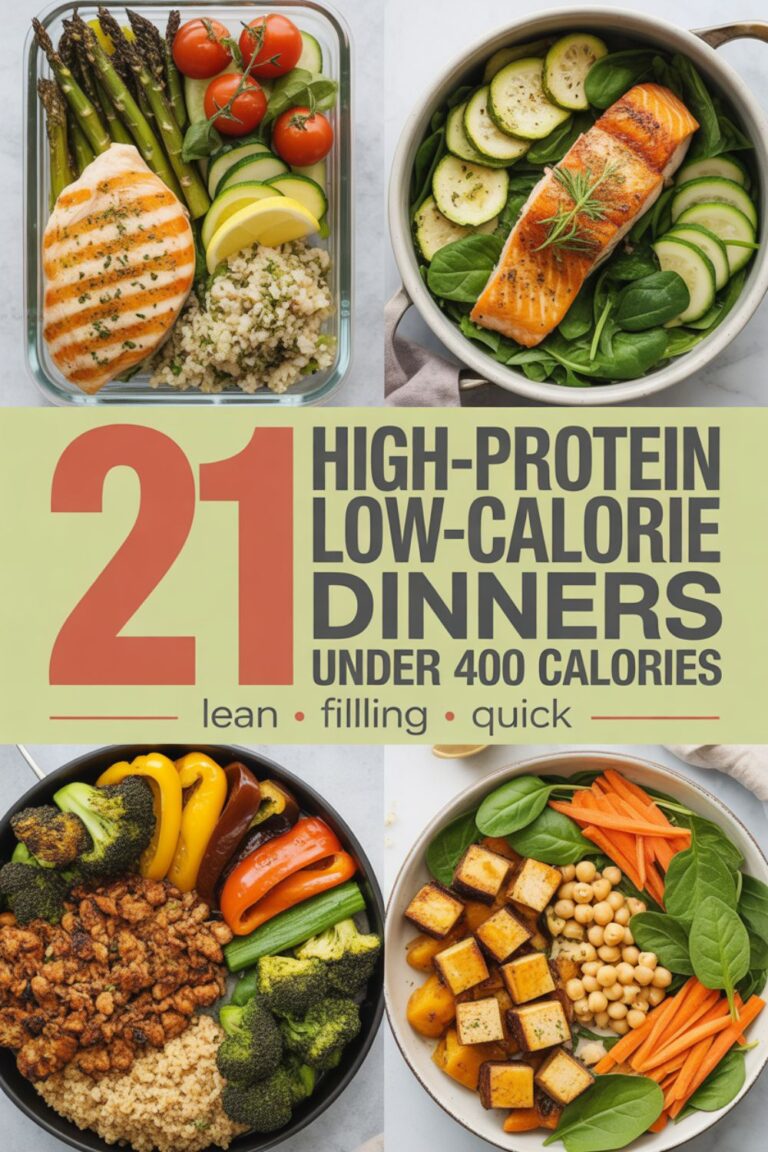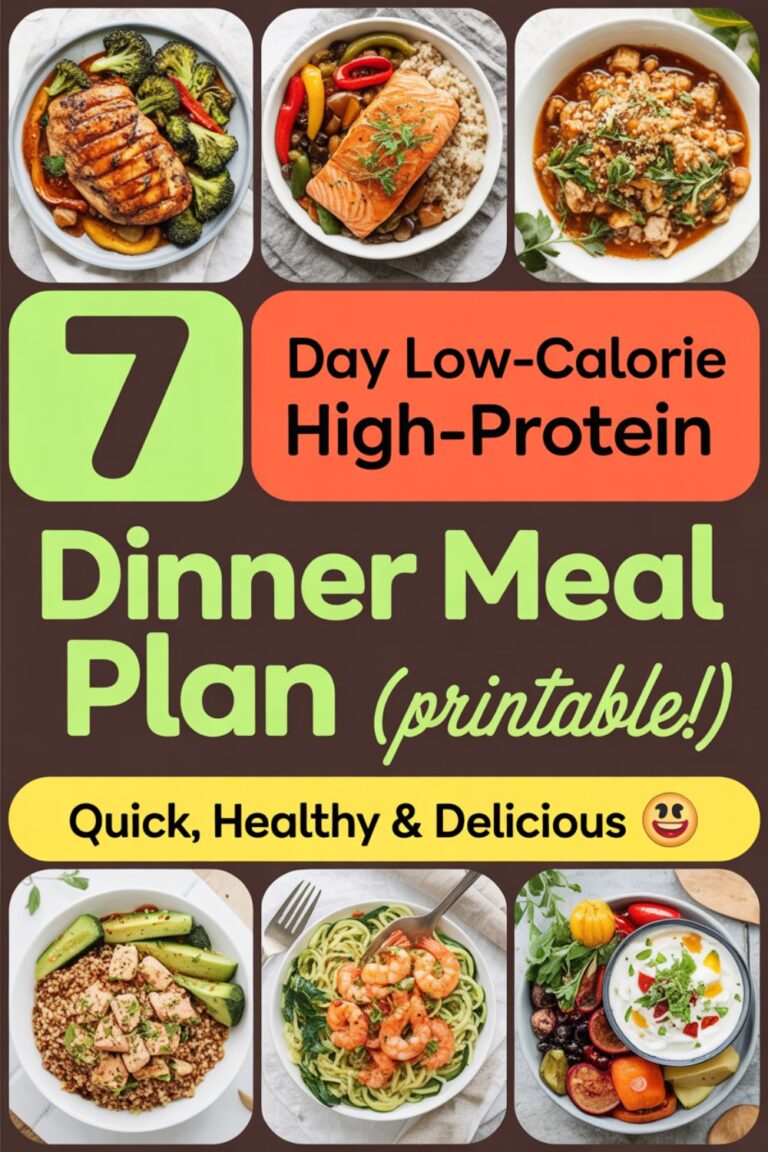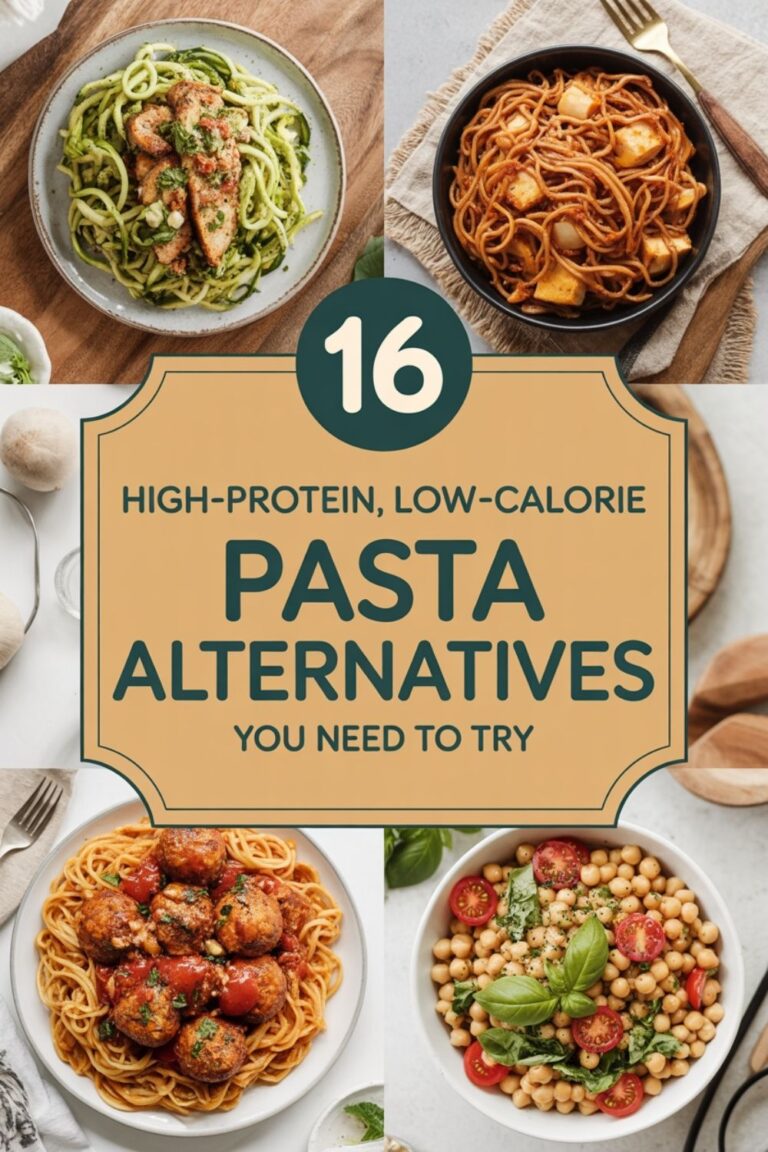
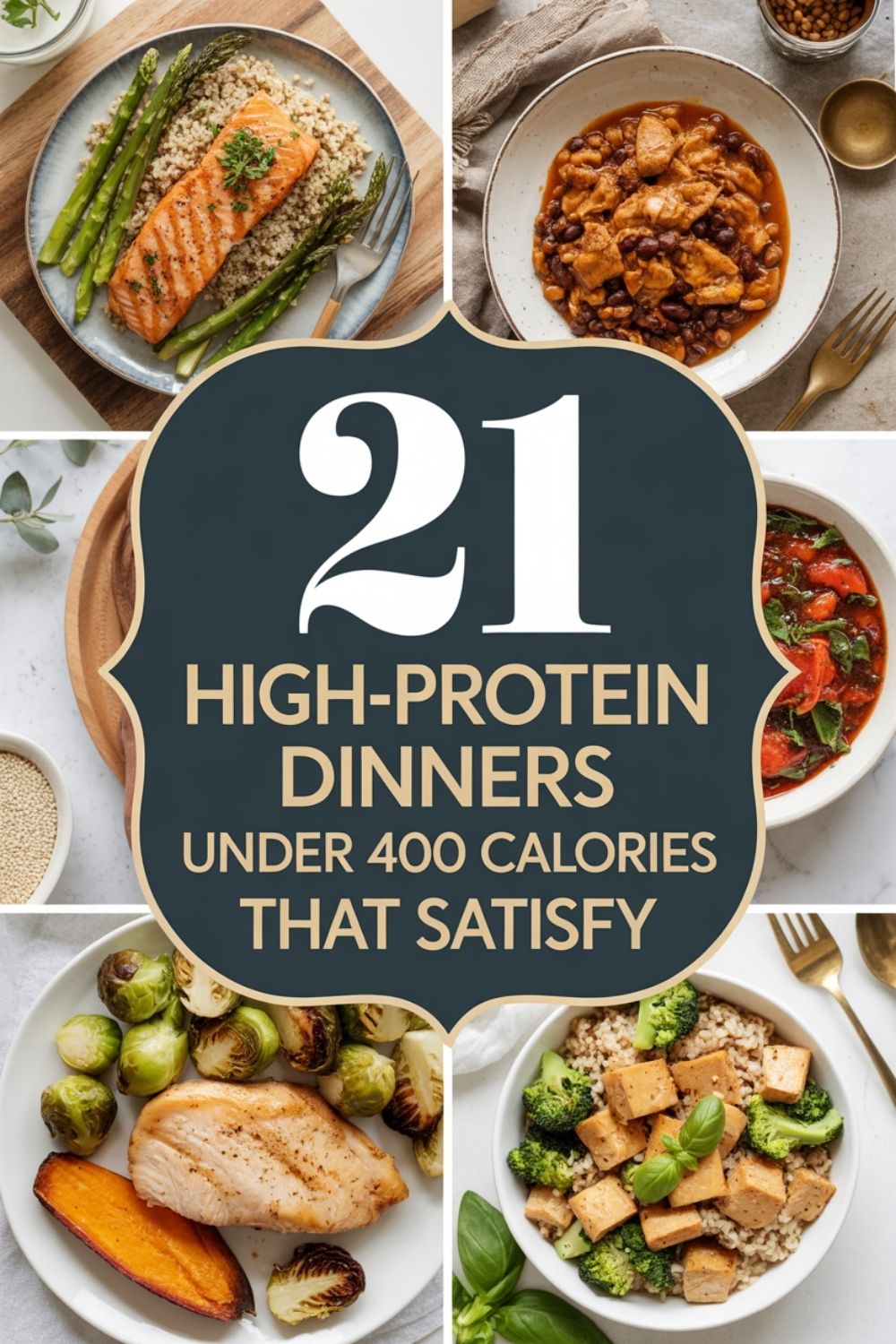
21 High-Protein Dinners Under 400 Calories
Look, I get it. You want to lose weight, but you also want to keep your muscle. You’re tired of those bland chicken breast dinners that leave you feeling like you just ate cardboard. And honestly? The whole “eat less, move more” mantra is exhausting when you’re actually hungry.
Here’s what nobody tells you about cutting calories: if you’re not strategic about protein, you’ll lose muscle right along with the fat. Your metabolism tanks, you feel weak in the gym, and suddenly that scale number doesn’t mean much when you’re just a smaller, softer version of yourself.
So I’ve pulled together 21 high-protein dinners that clock in under 400 calories. These aren’t sad desk lunches masquerading as dinner. We’re talking real food that actually tastes good and keeps you full. Let’s fix your dinner situation once and for all.
Why Protein Matters When You’re Cutting Calories
Before we jump into the recipes, let’s talk about why protein is your best friend in a calorie deficit. When you eat less, your body needs energy. It can get that energy from fat stores or from breaking down muscle tissue. Guess which one it prefers?
Plot twist: your body doesn’t care about your summer body goals. According to Harvard Health, protein is essential for maintaining muscle mass, especially when you’re in a calorie deficit. The standard suggestion is about 0.8 grams per kilogram of body weight, but recent studies show higher amounts—around 1.2 to 1.6 grams per kilogram—work better for muscle preservation during weight loss.
Protein does three critical things when you’re trying to lose weight: it helps maintain muscle mass, keeps you feeling full longer, and has a higher thermic effect than carbs or fats (meaning your body burns more calories just digesting it).
Research published on muscle preservation during weight loss confirms that combining adequate protein intake with resistance training is the gold standard for maintaining muscle while losing fat. Without enough protein, you’re basically waving goodbye to your hard-earned gains.
Aim to spread your protein throughout the day rather than loading it all at dinner. Your body can only process so much protein at once—about 25-40 grams per meal is optimal for muscle protein synthesis.
The 400-Calorie Sweet Spot
Why 400 calories? It’s actually a pretty strategic number. If you’re eating three meals a day plus a snack or two, a 400-calorie dinner leaves plenty of room for a solid breakfast and lunch without going overboard on total calories.
Most people aiming for fat loss do well on 1,500 to 2,000 calories daily, depending on their size and activity level. A 400-calorie dinner fits perfectly into that framework without making you feel deprived. Plus, when you pack in 30-40 grams of protein at dinner, you’re setting yourself up for better muscle recovery overnight.
The key is choosing foods with high protein density—meaning lots of protein per calorie. Lean meats, fish, eggs, and certain dairy products are your MVPs here. But we’re also throwing in some plant-based options because, let’s be real, you can’t eat chicken every single night.
Looking for ways to make these dinners even easier? Check out these low-calorie high-protein meals perfect for meal prep that you can batch-cook on Sunday.
Building Your High-Protein, Low-Calorie Dinner Formula
Here’s the framework I use for every single one of these dinners. Start with a lean protein source—this is your foundation. You want something that packs 25-35 grams of protein in a 4-6 ounce serving.
Add non-starchy vegetables to bulk up your plate without adding many calories. Broccoli, cauliflower, zucchini, bell peppers, spinach—load these up. They add fiber, vitamins, and volume so you actually feel satisfied.
Include a small amount of complex carbs if you’re active or training hard. A quarter cup of quinoa or a small sweet potato can help with recovery without derailing your calorie budget. If you’re more sedentary or in an aggressive cut, you might skip this entirely.
Use fats sparingly for flavor and cooking. A teaspoon of olive oil, a tablespoon of avocado, or a sprinkle of nuts adds taste and helps with nutrient absorption, but watch portions—fats are calorie-dense.
The Best Protein Sources for Low-Calorie Dinners
Not all proteins are created equal when you’re watching calories. Here’s what works best:
- Chicken breast: The classic for a reason. About 165 calories and 31 grams of protein per 4-ounce serving.
- White fish (cod, tilapia, halibut): Incredibly lean—around 110 calories and 23 grams of protein per 4 ounces.
- Shrimp: Stupidly low in calories (about 100 per 4 ounces) with 24 grams of protein.
- Lean ground turkey (93/7): Versatile and budget-friendly at 170 calories and 21 grams of protein per 4 ounces.
- Egg whites: Nearly pure protein. Eight egg whites give you about 140 calories and 28 grams of protein.
- Greek yogurt (non-fat): Creamy and satisfying with 100 calories and 17 grams of protein per cup.
- Tofu (firm or extra-firm): Plant-based option with 180 calories and 20 grams of protein per cup.
For meal prep ideas using these proteins, these high-protein meal prep ideas for athletes are clutch.
“I started making these high-protein dinners three months ago, and I’ve lost 18 pounds without feeling like I’m starving myself. The best part? I’m actually stronger in the gym now than when I started.” — Rachel M., community member
21 High-Protein Dinner Ideas That Actually Taste Good
Alright, let’s get to the good stuff. These aren’t formal recipes with every measurement spelled out—think of them as blueprints you can customize. Swap proteins, change up vegetables, adjust seasonings to your taste. The goal is to give you ideas that fit the formula without being boring.
1. Lemon Herb Grilled Chicken with Roasted Asparagus
Marinate a 5-ounce chicken breast in lemon juice, garlic, and herbs. Grill it up and serve alongside a pound of roasted asparagus drizzled with a tiny bit of olive oil. The asparagus adds bulk and fiber without many calories. Total: about 280 calories, 38g protein.
I use this instant-read thermometer to make sure I don’t overcook chicken—game-changer for keeping it juicy.
2. Shrimp Stir-Fry with Zoodles
Six ounces of shrimp stir-fried with spiralized zucchini, bell peppers, snap peas, and a splash of low-sodium soy sauce and ginger. Zoodles are your secret weapon for volume eating. Total: about 240 calories, 36g protein. Get Full Recipe
The spiralizer I swear by makes zoodles in about 30 seconds flat. Way easier than the handheld ones that take forever.
3. Baked Cod with Lemon Dill and Green Beans
Season a 6-ounce cod fillet with fresh dill, lemon zest, and a pinch of salt. Bake at 400°F for 12-15 minutes. Serve with a huge pile of steamed green beans. Total: about 220 calories, 32g protein.
Cod is ridiculously forgiving to cook. Even if you slightly overdo it, it’s still pretty decent. Perfect weeknight protein.
4. Turkey Meatballs with Marinara and Roasted Broccoli
Make meatballs using lean ground turkey, egg white, garlic, and Italian herbs. Bake them, then simmer in sugar-free marinara. Pair with roasted broccoli. Total: about 320 calories, 35g protein. Get Full Recipe
These silicone baking mats are clutch for meatballs—zero sticking, zero cleanup drama.
5. Egg White Veggie Scramble
Scramble eight egg whites with mushrooms, spinach, tomatoes, and onions. Add a sprinkle of reduced-fat cheese if you want. Serve with a side of salsa. Total: about 200 calories, 30g protein.
Yeah, eggs for dinner. Don’t knock it. Sometimes simple is exactly what you need, especially after a long day when you don’t want to think.
6. Greek Yogurt Chicken Salad Lettuce Wraps
Mix shredded rotisserie chicken (white meat only) with non-fat Greek yogurt, diced celery, grapes, and a touch of Dijon mustard. Wrap in butter lettuce leaves. Total: about 280 calories, 40g protein.
This one’s great for using up leftover chicken. The Greek yogurt swap for mayo saves you tons of calories without sacrificing creaminess.
7. Spicy Baked Tilapia with Cauliflower Rice
Season tilapia with chili powder, paprika, and cumin. Bake until flaky. Serve over cauliflower rice sautéed with garlic. Total: about 250 calories, 35g protein. Get Full Recipe
Cauliflower rice is one of those things that sounds like diet food but actually tastes pretty solid when you season it right. Don’t skip the garlic.
8. Lean Beef and Veggie Bowl
Brown 4 ounces of 95% lean ground beef with taco seasoning. Serve over shredded lettuce with salsa, diced tomatoes, onions, and a tablespoon of light sour cream. Total: about 300 calories, 32g protein.
If you miss tacos but not the calories, this scratches that itch. All the flavors, none of the tortilla guilt.
9. Lemon Garlic Shrimp with Spaghetti Squash
Sauté shrimp in a tiny bit of butter with tons of garlic and lemon juice. Toss with roasted spaghetti squash strands. Total: about 260 calories, 33g protein.
Spaghetti squash is criminally underrated. It’s got that pasta vibe without the carb load. Roast it cut-side down for the best texture.
For more ideas on building satisfying protein-packed meals, these high-protein bowls you can prep in under 20 minutes are worth checking out.
10. Grilled Turkey Burger with Sweet Potato Fries
Form lean ground turkey into a patty, season with garlic powder and onion powder, and grill. Skip the bun and serve with baked sweet potato fries (4 ounces) and a huge side salad. Total: about 380 calories, 35g protein.
The air fryer I use makes sweet potato fries crispy without drowning them in oil. Honestly don’t know how I lived without it.
11. Tofu Veggie Stir-Fry
Press and cube extra-firm tofu, then pan-fry until golden. Toss with bok choy, bell peppers, and snap peas. Finish with low-sodium soy sauce and sesame seeds. Total: about 280 calories, 28g protein. Get Full Recipe
Pressing tofu is non-negotiable if you want it crispy. I use this tofu press—way better than stacking books and crossing your fingers.
12. Chicken Fajita Bowl
Season sliced chicken breast with fajita spices and sauté with bell peppers and onions. Serve over shredded lettuce with salsa and a dollop of Greek yogurt instead of sour cream. Total: about 310 calories, 37g protein.
All the flavor of fajitas without the tortilla calories. The Greek yogurt hack is clutch—it’s basically sour cream with protein.
Prep your vegetables on Sunday night. Seriously. Chop everything—peppers, onions, broccoli, whatever—and store in containers. You’ll thank yourself all week when dinner takes 10 minutes instead of 30.
13. Baked Salmon with Brussels Sprouts
Season a 4-ounce salmon fillet with dill and lemon. Bake alongside halved Brussels sprouts tossed in a spray of olive oil. Total: about 350 calories, 28g protein.
Salmon’s got more calories than white fish because of the healthy fats, but it’s worth it occasionally for the omega-3s and flavor variety. Just watch your portion size.
14. Chicken and Veggie Lettuce Cups
Dice cooked chicken breast and mix with shredded carrots, cucumber, and a drizzle of peanut sauce made from PB2 powder. Serve in butter lettuce cups. Total: about 270 calories, 35g protein. Get Full Recipe
PB2 is your friend when you want peanut flavor without the calorie bomb of regular peanut butter. Mix it with water, soy sauce, and a tiny bit of honey for a killer sauce.
15. White Fish Tacos with Cabbage Slaw
Grill or bake white fish (cod or mahi-mahi work great), then flake it into lettuce leaves. Top with shredded cabbage, lime juice, cilantro, and a drizzle of hot sauce. Total: about 240 calories, 30g protein.
The cabbage slaw gives you that taco crunch without tortilla chips. Squeeze lime juice generously—it makes everything pop.
16. Turkey Chili with Cauliflower
Brown lean ground turkey with onions, garlic, diced tomatoes, kidney beans, and chili spices. Add riced cauliflower to bulk it up. Total: about 320 calories, 33g protein.
Chili is perfect for batch-cooking. Make a huge pot on Sunday and you’ve got dinners sorted for half the week.
Speaking of batch-cooking, these easy low-calorie high-protein crockpot recipes are lifesavers for busy weeks.
17. Greek Chicken with Tzatziki and Cucumber Salad
Marinate chicken in lemon, oregano, and garlic, then grill. Serve with homemade tzatziki (Greek yogurt, cucumber, garlic, dill) and a cucumber-tomato salad. Total: about 290 calories, 36g protein. Get Full Recipe
Tzatziki is basically a cheat code for adding flavor without calories. It’s also ridiculously good as a veggie dip when you’re snacking.
18. Shrimp and Egg White Omelet
Cook shrimp with garlic and spinach, then fold into an egg white omelet with a sprinkle of feta cheese. Total: about 230 calories, 38g protein.
Breakfast for dinner is underrated. This omelet is filling, fast, and tastes way fancier than the effort required.
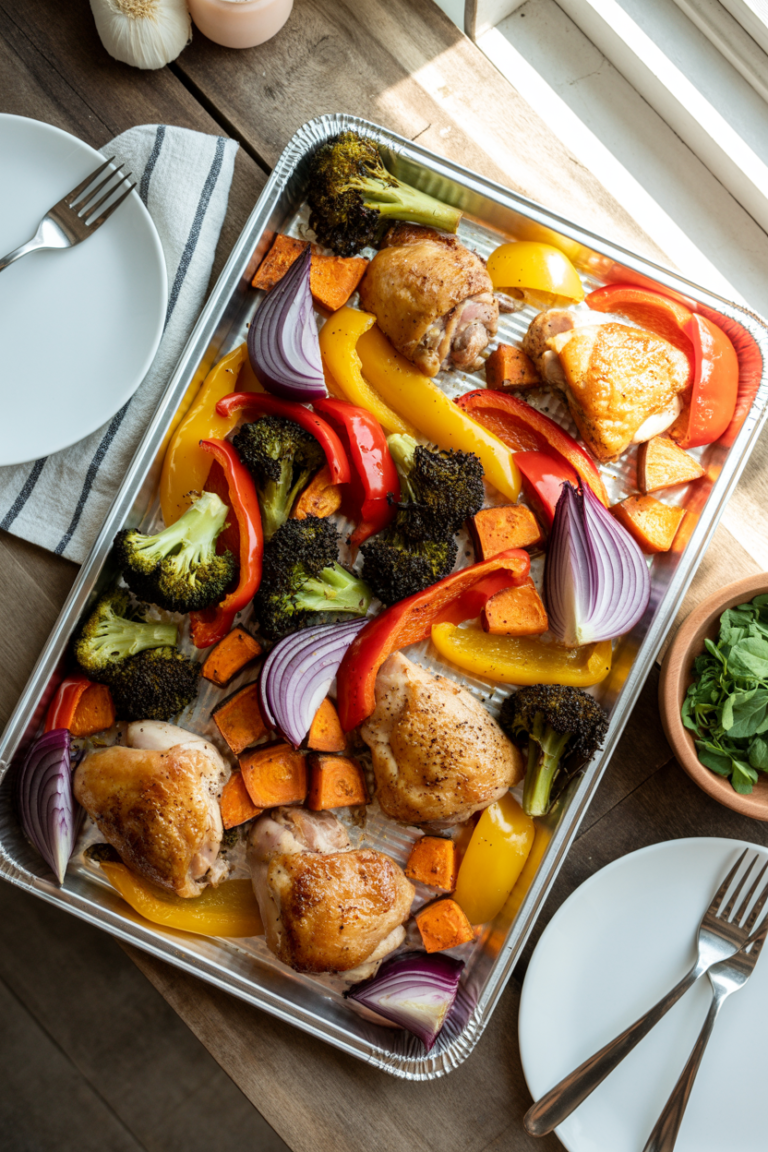
19. Balsamic Chicken with Roasted Vegetables
Marinate chicken breast in balsamic vinegar, garlic, and Italian herbs. Bake with zucchini, bell peppers, and cherry tomatoes. Total: about 300 calories, 35g protein.
One-pan meals are where it’s at for easy cleanup. Throw everything on this sheet pan and you’re done.
20. Turkey Stuffed Bell Peppers
Stuff bell pepper halves with seasoned ground turkey, diced tomatoes, and cauliflower rice. Bake until peppers are tender. Total: about 280 calories, 32g protein. Get Full Recipe
These look impressive but are stupid easy to make. Perfect when you have people over and want to seem like you have your life together.
21. Asian-Inspired Chicken Lettuce Wraps
Sauté ground chicken with ginger, garlic, and water chestnuts. Season with low-sodium soy sauce and a touch of hoisin. Serve in lettuce cups with shredded carrots. Total: about 270 calories, 34g protein.
The water chestnuts add crunch without adding many calories. It’s those little texture differences that keep dinner from feeling repetitive.
“I was skeptical about eating under 400 calories for dinner, but these meals actually keep me full. I’m three months in and down 22 pounds while maintaining all my strength in the gym.” — Mike T., community member
Making These Dinners Work for Your Lifestyle
Look, recipes are great and all, but let’s talk about the real challenge: actually making this sustainable. You’re not going to cook every single night. Some days you’ll be exhausted. Other days you’ll have zero groceries. That’s fine.
Meal prep is your salvation. Pick two or three proteins on Sunday—grill a bunch of chicken, bake some fish, cook a batch of turkey meatballs. Store them separately from your vegetables so nothing gets soggy. Then during the week, you can mix and match.
Keep frozen vegetables stocked. I know fresh is ideal, but frozen broccoli, cauliflower rice, and green beans are perfectly fine and won’t go bad when your week goes sideways. They’re nutritionally identical to fresh, sometimes even better since they’re frozen at peak ripeness.
Seasonings save everything. Stock up on garlic powder, onion powder, paprika, chili powder, Italian herbs, lemon pepper, and whatever else speaks to you. The protein might stay the same, but changing up your seasonings keeps things from getting boring.
If you’re new to the whole high-protein, low-calorie thing, these high-protein low-calorie meal ideas for weight loss beginners break things down even simpler.
🎯 High-Protein Meal Prep Masterclass
Tired of guessing your portions and wondering if you’re hitting your protein targets? This comprehensive meal prep guide is specifically designed for weight loss and muscle maintenance. No fluff, just actionable meal plans and prep strategies.
- 50+ high-protein, calorie-controlled recipes with full macros
- 4-week progressive meal plan (1,500-2,000 calorie ranges)
- Printable grocery lists and prep schedules
- Container portion guide for zero-guesswork meal assembly
- Restaurant eating guide with protein-first swaps
What About Eating Out?
Restaurants are trickier but not impossible. Order grilled proteins—chicken, fish, shrimp—and ask for vegetables instead of whatever starchy side they’re pushing. Request sauces on the side because restaurant sauces are usually loaded with sugar and oil.
Most places will accommodate you if you just ask. Yeah, it feels awkward the first few times. You get over it when you realize nobody actually cares what you order.
Skip the bread basket. I know, I know. But it’s empty calories that’ll blow your budget before your actual meal arrives. If you’re truly hungry, ask for raw veggies or a side salad to munch on instead.
Tracking Your Macros
You don’t have to track forever, but it helps in the beginning to understand portion sizes and where your calories are coming from. Use an app like MyFitnessPal or Cronometer for a few weeks until you get a feel for it.
Weigh your proteins. I thought I was eating 4 ounces of chicken for months before I actually weighed it and realized I was closer to 6 ounces. That’s an extra 100 calories and honestly, it adds up fast.
The food scale I use was like 15 bucks and has paid for itself a thousand times over in accuracy.
Premium Grass-Fed Whey Protein Isolate
When you’re trying to hit 100+ grams of protein daily, whole foods alone can be tough. This is the cleanest protein powder I’ve found—no artificial sweeteners, no weird ingredients, just pure protein that actually tastes good.
Why I Recommend This:
Most protein powders are loaded with artificial junk or taste like chalk. This one mixes smoothly, doesn’t cause bloating, and the vanilla flavor works in everything from post-workout shakes to protein pancakes. The macros are nearly perfect for cutting—mostly protein with minimal calories from carbs or fat.
After a month of tracking, most people develop a pretty good intuitive sense of portions. You probably won’t need to weigh and measure forever—just long enough to calibrate your eyeballs.
Common Mistakes People Make
The biggest mistake? Going too low on calories too fast. Yeah, 400-calorie dinners work great, but if your breakfast is 150 calories and lunch is 200, you’re going to feel like garbage. You need enough fuel to function.
Most people need at least 1,500 calories daily to maintain basic metabolic function and energy levels. Going lower than that without medical supervision is a recipe for losing muscle, tanking your metabolism, and generally feeling miserable.
Another mistake is neglecting vegetables. Protein is crucial, but you also need fiber and micronutrients. If you’re just eating plain chicken breast three times a day, you’re going to feel awful and probably end up constipated. Load up on non-starchy vegetables—they’re basically free calories and make meals way more satisfying.
Not drinking enough water tanks your progress too. Thirst often masquerades as hunger. Aim for at least half your body weight in ounces daily. More if you’re training hard or live somewhere hot.
The water bottle I carry everywhere has time markers on it, which sounds dumb but actually helps me drink enough throughout the day.
Pre-Portioned Lean Protein Delivery Service
Look, I get it—shopping, prepping, and cooking every protein source gets exhausting. This service delivers pre-portioned, vacuum-sealed chicken, fish, and lean beef straight to your door. No guessing portions, no waste, just grab and cook.
Why I Recommend This:
Every portion is exactly 4 or 6 ounces—no food scale needed. The proteins are individually wrapped so you can thaw what you need. Yeah, it costs more than buying bulk chicken at the grocery store, but if convenience is what keeps you consistent, it’s worth every penny. Plus, the quality is legitimately better than most supermarket meat.
And please, for the love of everything, don’t skip resistance training. Cardio is fine, but if you want to keep your muscle while losing fat, you need to lift weights. Research shows that resistance training combined with adequate protein is essential for preserving muscle mass during weight loss.
For complete meal plans that incorporate resistance training, check out these low-calorie high-protein recipes for muscle recovery.
Dealing with Hunger and Cravings
Let’s be honest—you’re going to get hungry sometimes. That’s normal. The goal isn’t to never feel hunger; it’s to manage it without derailing your progress.
Fiber and protein together are your best weapons against hunger. That’s why these dinners emphasize both. The protein keeps you satisfied for hours, while the fiber from vegetables slows digestion and keeps blood sugar stable.
If you’re genuinely hungry an hour after dinner, you might need to adjust your meal timing. Some people do better with bigger lunches and smaller dinners. Others need that 400-calorie dinner to sleep well. Figure out what works for your body and schedule.
Cravings are different from hunger. If you’re craving something specific—usually something sweet or salty—that’s often boredom, stress, or habit talking. Drink water, go for a walk, brush your teeth. Sounds ridiculous but it works more often than you’d think.
That said, don’t be a martyr. If you’re white-knuckling it through every evening, you’ll eventually snap and eat everything in sight. Build in flexibility. Have a small dessert a few times a week if that keeps you sane. The portion control containers I use help me enjoy treats without going overboard.
The Role of Meal Timing
When you eat these dinners matters less than most people think. The whole “don’t eat after 7 PM” thing is mostly nonsense unless eating late genuinely affects your sleep or leads to mindless snacking.
What does matter is consistency. If you eat dinner at wildly different times every day, your hunger hormones get confused. Try to stick to a general window—even a three-hour range helps.
Some people swear by intermittent fasting and only eat in an eight-hour window. Others need to eat every few hours or they get hangry. Neither approach is inherently better—it depends entirely on your lifestyle and how your body responds.
Personally, I eat dinner around 6 PM most nights because I train in the morning and need that evening meal for recovery. Figure out what timing supports your goals and energy levels.
Budget-Friendly Tips
High-protein eating doesn’t have to demolish your wallet, but you do need to be strategic. Chicken breast, eggs, and Greek yogurt are usually your most economical options. Buy in bulk when they’re on sale and freeze what you won’t use immediately.
Canned tuna and salmon work too—just watch the sodium. Mix with Greek yogurt instead of mayo, add diced celery and onions, and you’ve got a solid high-protein meal for under two bucks.
Frozen vegetables are cheaper than fresh and last way longer. Stock up when they go on sale. They’re just as nutritious and honestly easier since they’re already prepped.
Buy whole chickens and learn to break them down yourself. You’ll save money and learn a useful skill. Plus, you can use the carcass for bone broth. The kitchen shears I use make breaking down chicken stupid easy compared to using a knife.
Generic store brands work just as well as name brands for basics like Greek yogurt, frozen vegetables, and canned goods. You’re paying for marketing, not better quality.
For more budget-conscious options that don’t sacrifice protein, these low-calorie high-protein recipes with 5 ingredients or less keep things simple and affordable.
Vegetarian and Vegan Options
Plant-based eaters have it tougher when it comes to high-protein, low-calorie meals, but it’s definitely doable. You just need to be more intentional about protein sources.
Tofu and tempeh are your foundation. Both are relatively low in calories and pack decent protein. Extra-firm tofu has about 20 grams of protein per cup for around 180 calories. Tempeh is slightly higher in both calories and protein.
Edamame is clutch—one cup gives you 18 grams of protein for about 190 calories. Snack on it or throw it into stir-fries and salads.
Seitan is basically pure wheat protein. It’s got about 25 grams of protein per 100-gram serving for roughly 120 calories. If you’re not gluten-sensitive, it’s one of the most protein-dense plant options available.
Lentils and chickpeas work but watch portions—they’re higher in carbs and calories relative to their protein content. A cup of cooked lentils has 18 grams of protein but also 230 calories. Still good, just be aware.
Nutritional yeast adds a cheesy flavor and about 8 grams of protein per two tablespoons with minimal calories. Sprinkle it on everything.
For complete plant-based meal ideas, these high-protein low-calorie vegan meals are worth exploring.
“As a vegetarian, I struggled to hit my protein goals without going over on calories. These strategies helped me finally figure it out—I’m down 14 pounds and my energy is way better.” — Priya K., community member
Adjusting for Your Activity Level
A 400-calorie dinner works great if you’re moderately active or trying to lose weight. But if you’re training hard—lifting heavy, doing intense cardio, or training twice a day—you might need to adjust.
Active individuals need more overall calories to support performance and recovery. You might bump dinner to 500-600 calories by adding more carbs post-workout—sweet potato, rice, or quinoa help with glycogen replenishment.
If you’re sedentary or have a desk job and don’t exercise much, 400 calories might even be too much depending on your total daily target. You might do better with 300-calorie dinners and slightly bigger lunches.
The point is that these aren’t rigid rules. They’re starting points. Track your results for a few weeks—weight, measurements, how you feel, gym performance—and adjust accordingly. If you’re losing weight too fast and feeling weak, eat more. If progress stalls, reassess your portions or activity level.
Looking for meals designed specifically for post-workout recovery? Check out these high-protein low-calorie recipes for post-workout recovery.
🍽️ 30-Day High-Protein Meal Planner App
Done-for-you meal planning that adapts to your calorie goals and dietary preferences. Whether you’re eating 1,500 or 2,200 calories daily, this app generates perfectly balanced high-protein meal plans in seconds.
- Customizable calorie targets with automatic macro calculations
- Swap-friendly meal database (300+ high-protein options)
- Auto-generated shopping lists organized by store section
- Leftover integration system (no food waste)
- Dietary filters: dairy-free, gluten-free, vegetarian, low-carb
Kitchen Tools That Make Everything Easier
You don’t need a ton of fancy equipment, but a few key tools make high-protein cooking way less annoying. A good non-stick pan is essential—you can cook chicken and fish with minimal oil, saving calories without sacrificing taste. The ceramic non-stick pan I use heats evenly and nothing sticks to it.
A food scale takes the guesswork out of portions. You think you know what 4 ounces of chicken looks like until you actually weigh it and realize you’ve been off by 50%.
Meal prep containers with portion dividers help you batch-cook efficiently. The glass containers I recommend are microwave and dishwasher safe, and they don’t get gross like plastic ones.
A blender or immersion blender makes sauces and dressings easy without adding tons of calories. Blend Greek yogurt with herbs and lemon juice for a killer sauce that’s basically pure protein.
Sheet pans are your friend for one-pan dinners. Throw protein and vegetables on there, bake, done. The cleanup is minimal and you’re not standing over a stove for an hour.
Smart Kitchen Scale with Nutrition Calculator
This isn’t just a regular food scale—it connects to an app that automatically calculates protein, calories, and macros as you weigh your food. No more manually logging everything or guessing portions. Just weigh, tap, done.
Why I Recommend This:
Tracking macros is tedious enough without having to manually input every ingredient. This scale does the math for you—just select the food from the app, place it on the scale, and it logs everything instantly. The database includes pretty much every protein source imaginable, plus it syncs with MyFitnessPal. If you’re serious about hitting your protein targets consistently, this is absolutely worth the investment.
Staying Consistent Long-Term
Here’s the thing nobody wants to hear: this only works if you’re consistent. You don’t need to be perfect—perfection is a myth. But you do need to be consistent most of the time.
The 80/20 rule applies here. If you eat high-protein, lower-calorie dinners 80% of the time, you’ve got room for flexibility the other 20%. That’s date nights, family dinners, holidays, whatever. Life happens. Don’t be so rigid that one pizza night derails your entire month.
Track your overall trends, not individual days. Did you hit your protein target most days this week? Are you generally staying in your calorie range? Good enough. Stop obsessing over being perfect every single day—that’s how you burn out.
Build habits around your dinners. Same shopping list every week. Same meal prep routine on Sundays. Same basic proteins rotated through different preparations. Consistency comes from systems, not motivation.
Motivation fades. Systems last. Make this easy enough that you can sustain it even when you’re tired, stressed, or just don’t feel like it.
For a comprehensive approach to staying consistent, these high-protein low-calorie recipes for dinner offer even more variety to keep you on track.
📊 Ultimate Macro & Weight Loss Tracker
Stop using confusing apps that overwhelm you with unnecessary features. This streamlined tracker focuses exclusively on what matters for high-protein weight loss: protein intake, calories, and progress measurements.
- Daily protein and calorie tracking templates (printable & digital)
- Weekly progress measurement logs with trend analysis
- Pre-calculated portion guides for common proteins
- Hunger and energy level tracking to optimize meal timing
- 12-week challenge framework with milestone rewards
Frequently Asked Questions
Can I really build muscle eating only 400 calories for dinner?
It’s not about the single meal—it’s about your total daily protein and calories. If you’re hitting 1.2-1.6 grams of protein per kilogram of body weight daily and eating enough total calories to support training, a 400-calorie dinner fits perfectly. The key is distributing protein throughout the day and maintaining a slight caloric surplus or maintenance level if building muscle is your primary goal.
Will I lose muscle if I eat low-calorie dinners?
Not if you’re doing it right. Muscle loss happens when protein intake is too low and you’re not doing resistance training. As long as you’re hitting adequate daily protein (not just at dinner), lifting weights regularly, and not cutting calories too aggressively, you’ll preserve muscle mass just fine. These 400-calorie dinners are designed with enough protein to support muscle maintenance.
How do I know if I’m eating enough protein?
A good target is 0.7-1.0 grams of protein per pound of body weight daily if you’re active and trying to maintain or build muscle. If you weigh 150 pounds, that’s 105-150 grams daily. Track for a week using an app to see where you land, then adjust. Signs you’re eating enough include feeling satisfied after meals, maintaining strength in workouts, and recovering well between training sessions.
Can I eat these dinners if I’m not trying to lose weight?
Absolutely. Just adjust your other meals and snacks to hit your maintenance calories. These dinners are simply lower in calories while being high in protein, which makes them flexible for any goal. Add more carbs or healthy fats elsewhere if you’re maintaining or bulking. The recipes themselves are solid regardless of your calorie target.
What if I don’t like meal prepping?
Then don’t do it. These recipes are quick enough to make fresh most nights—many take 20 minutes or less. Batch-cooking helps, but it’s not mandatory. Keep your pantry stocked with basics, buy pre-cut vegetables if budget allows, and choose the simpler recipes on busy nights. The goal is sustainability, not suffering through a process you hate.
Final Thoughts
High-protein dinners under 400 calories aren’t about deprivation or suffering through bland food. They’re about being strategic with your nutrition so you can actually enjoy eating while still making progress toward your goals.
The recipes I’ve shared aren’t complicated. They don’t require exotic ingredients or culinary school techniques. They’re straightforward meals built on the principle that protein keeps you full, vegetables add volume and nutrients, and keeping calories reasonable creates the deficit needed for fat loss.
You’ll probably mess up sometimes. You’ll skip meal prep one week and end up eating takeout three nights in a row. That’s fine. This isn’t about perfection—it’s about building a sustainable approach to eating that supports your goals without making you miserable.
Start with two or three of these dinners this week. See how you feel. Adjust based on your hunger, energy, and results. Add variety as you get comfortable. Make it work for your life, not the other way around.
And remember: the best diet is the one you can actually stick to long-term. If these dinners help you do that, great. If you need to modify them or find what works better for you, do that instead. The fundamentals—adequate protein, reasonable calories, mostly whole foods—stay the same regardless of the specific meals you choose.