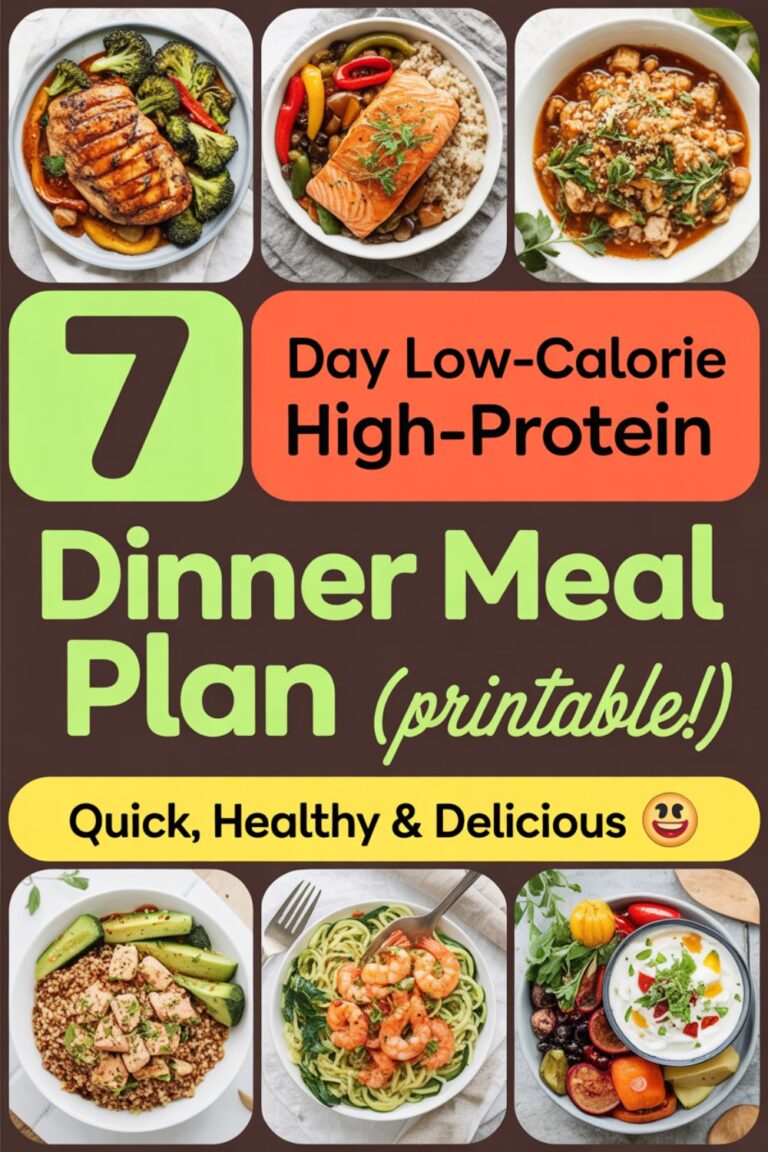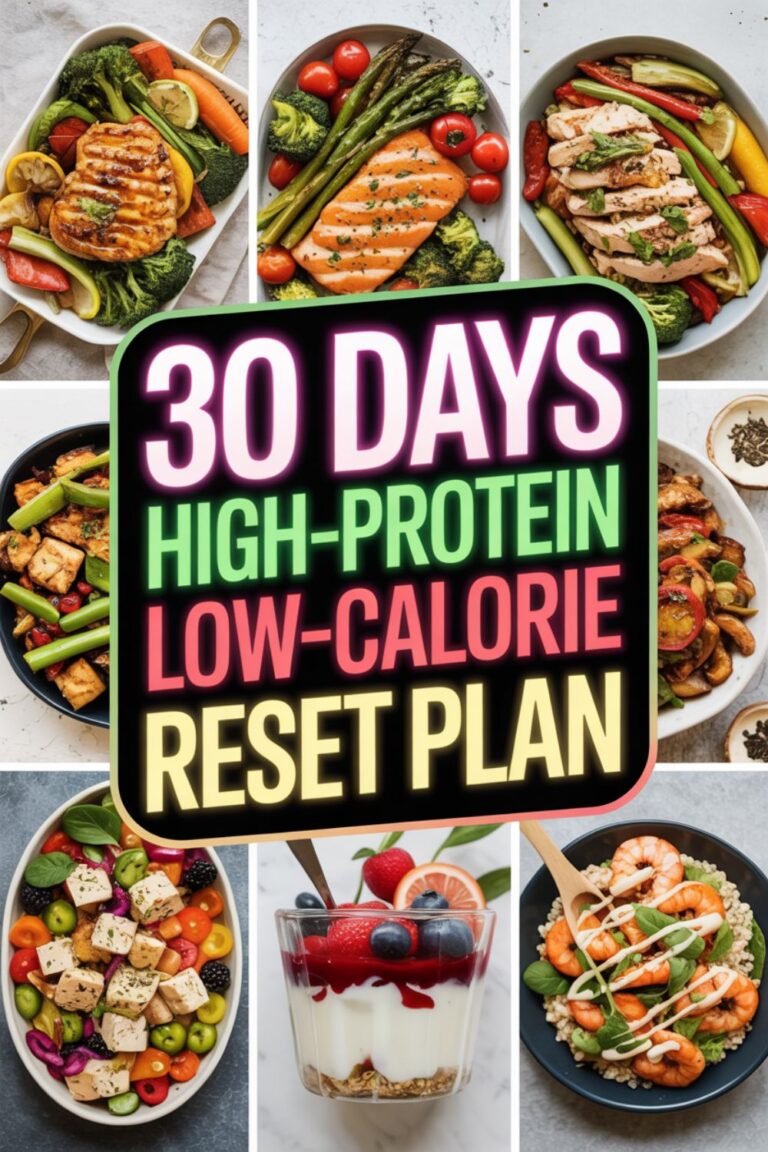
21 High-Protein Low-Calorie Dinners Under 400 Calories
Satisfying, flavor-packed meals that actually keep you full — no bland chicken breast required.
Let me be upfront with you: I used to think eating light at dinner meant suffering through dry, sad food while everyone else at the table was having an actual meal. If you’ve been there — staring down a 200-calorie portion that looks more like a garnish than dinner — then you already know that approach doesn’t last. It’s not sustainable, and more importantly, it’s just not fun. What actually works, and what I’ve spent a lot of time testing in my own kitchen, is building dinners that are both genuinely low in calories and high enough in protein to keep hunger away until morning. That’s the combination that changes things.
These 21 high-protein low-calorie dinners all come in under 400 calories per serving, and most of them push 30 grams of protein or more. They’re built around real ingredients — lean proteins, fiber-rich vegetables, smart sauces — and they’re designed to taste like something you actually want to eat. Whether you’re working through a structured dinner plan or just looking to clean up your evenings without losing your mind over portion sizes, this list has something that’ll work for your week.
Overhead flat-lay shot of a rustic wooden dining table set with five small ceramic bowls and plates, each holding a different high-protein low-calorie dinner: a lemon herb grilled chicken breast with roasted asparagus, a terracotta-toned bowl of turkey taco filling over cauliflower rice, a small skillet of sesame ginger shrimp with snap peas, a white bowl of Greek yogurt-marinated salmon with cucumber ribbons, and a sage-colored plate with spiced lentil soup. Warm golden-hour side lighting casting soft shadows. Scattered fresh herbs — parsley, basil, chive — between dishes. Matte cream linen napkin folded at lower left corner. Small handwritten “under 400 cal” tag card tucked between bowls. Cozy, editorial food-blog atmosphere. Shot on 35mm, high-detail, Pinterest vertical 2:3 ratio.
Why High-Protein Low-Calorie Dinners Actually Work
Here’s the thing about protein that nobody talks about enough at dinner: it’s genuinely the most satiating macronutrient you can eat. Research on protein and weight management consistently shows that higher-protein meals reduce overall calorie intake by increasing satiety hormones and dialing down hunger signals — meaning you eat less later without having to white-knuckle it through cravings. That’s a huge deal when dinner is the meal most of us tend to overeat.
Pairing that protein with a controlled calorie ceiling — in this case, 400 calories — creates a setup that supports fat loss without sending you to the fridge an hour later. The sweet spot is roughly 25 to 35 grams of protein per meal, which is enough to trigger those satiety benefits without overdoing your daily intake. Most of the recipes in this list hit that range comfortably. And because these are real dinners — not smoothies or meal-replacement bowls dressed up as food — they work for families, weeknight cooking, and meal prep alike.
Worth noting: not all protein sources behave the same way. Chicken breast and white fish are the leanest options, but sources like Greek yogurt, lentils, eggs, and cottage cheese bring a lot of protein-per-calorie efficiency that’s easy to underestimate. Swapping ground beef for lean ground turkey, for example, can shave 80 to 120 calories off a dish without touching the flavor profile at all. These are the kinds of small adjustments that add up across a week of dinners.
Prep your protein on Sunday — roast a sheet pan of chicken thighs and poach a batch of shrimp — and you’ve already done the heaviest lifting for at least four weeknight dinners. Your Tuesday self will quietly thank you.
The 21 Dinners: Full List with Calorie and Protein Counts
Each recipe below targets under 400 calories and at least 25 grams of protein per serving. I’ve organized them loosely by cooking method and protein source so you can match them to your week based on what you have on hand and how much time you’ve got.
Lemon Herb Grilled Chicken with Roasted Asparagus
A simple marinade of lemon zest, garlic, olive oil, and fresh thyme does most of the work here. Grill or pan-sear the chicken, roast the asparagus alongside, and you’ve got a complete dinner in under 25 minutes. The acid in the lemon keeps the chicken tender without adding any calories worth mentioning.
Get Full RecipeTurkey Taco Bowl over Cauliflower Rice
Lean ground turkey seasoned with cumin, smoked paprika, and chili powder, served over cauliflower rice with a spoonful of pico de gallo and a little shredded cabbage. It hits every taco flavor note and comes in well under 400 calories. IMO, this is the one recipe in the list that converts the most skeptics.
Get Full RecipeSesame Ginger Shrimp Stir-Fry with Snap Peas
Shrimp cooks fast, absorbs flavor instantly, and comes in at almost nothing calorie-wise on its own. A quick sauce of low-sodium soy sauce, fresh ginger, sesame oil, and a little rice vinegar pulls it all together in about 12 minutes flat. Serve over a small portion of brown rice or skip the grain entirely — it works either way.
Get Full RecipeGreek Yogurt-Marinated Salmon with Cucumber Ribbons
Greek yogurt acts as both marinade and tenderizer for the salmon, and the combination of dill, lemon, and garlic turns into a sort of instant tzatziki coating as it broils. Pair it with thin cucumber ribbons tossed in a little red wine vinegar and you’ve got a dinner that looks way more impressive than the effort required.
Get Full RecipeSpiced Red Lentil Soup with Spinach
Lentils are one of the most underrated high-protein ingredients in the plant-based world. This soup uses red lentils, which dissolve into a creamy base without any blending, seasoned with turmeric, cumin, and a squeeze of lemon at the end. Stir in a few large handfuls of spinach right before serving. Make a double batch — it reheats beautifully all week.
Get Full RecipeSheet Pan Chicken Thighs with Brussels Sprouts and Dijon
Bone-in, skin-removed chicken thighs coated in a Dijon-honey-garlic mixture, roasted on the same pan as halved Brussels sprouts. The sprouts caramelize at the edges while the chicken gets a gorgeous crust. This is a sheet pan dinner that earns its place on a weeknight rotation without asking much of you.
Get Full RecipeCottage Cheese and Egg White Frittata with Roasted Tomatoes
Cottage cheese in a frittata sounds like a questionable decision until you try it — it melts into the egg whites and creates an almost ricotta-like creaminess. Add roasted cherry tomatoes, fresh basil, and a pinch of red pepper flakes. Dinner for two in one skillet, and your stovetop will barely know you were there.
Get Full RecipeSlow Cooker Turkey Chili
Dump everything into the slow cooker before work and come home to a pot of real, actual chili. Lean ground turkey, black beans, canned tomatoes, bell peppers, and a solid chili spice blend. It freezes perfectly, which makes it one of the best batch-cook dinners on this entire list.
Get Full RecipeBaked Cod with Salsa Verde and Zucchini Noodles
Cod is one of the leanest fish you can buy, and it takes beautifully to an herb sauce. Salsa verde — made with parsley, capers, lemon, and olive oil — spoons over the fish as it comes out of the oven. Spiralized zucchini fills the plate without adding meaningful calories. Light, bright, and genuinely satisfying.
Get Full RecipeChicken and Chickpea Curry (Light Coconut Milk)
Using light coconut milk instead of full-fat cuts roughly 120 calories without sacrificing the richness that makes curry feel comforting. Chicken breast and chickpeas together provide a double protein hit, and the whole dish comes together in one pan in about half an hour. Serve without the rice to stay under 400 calories easily.
Get Full RecipeAir Fryer Salmon Bites with Edamame and Sesame Slaw
Cube a salmon fillet, toss it in a little soy sauce and garlic powder, and air fry for about ten minutes. The outside crisps up while the inside stays tender. Pair with edamame and a quick shredded cabbage slaw dressed in rice vinegar and sesame oil. It’s genuinely one of the fastest high-protein dinners you can make.
Get Full RecipeTurkey-Stuffed Bell Peppers with Brown Rice
Classic stuffed peppers but done right: lean ground turkey, a small amount of cooked brown rice, diced tomatoes, and Italian seasoning packed into halved bell peppers and baked until the edges start to char. This is a meal prep hero — make six of them on Sunday and you’ve got dinner handled for three nights.
Get Full RecipeWhite Bean and Kale Soup with Turkey Sausage
Turkey sausage brings flavor, white beans bring protein and fiber, and kale wilts into the broth beautifully. This comes together in one pot in about 25 minutes and is exactly the kind of soup that makes you feel like you’ve done something good for yourself. Which you have. A small crusty roll on the side and you’re still well under 400 calories.
Get Full RecipeSpicy Peanut Tofu and Broccoli Bowl
Extra-firm tofu pressed and pan-fried until crispy, then tossed in a spicy peanut sauce made with natural peanut butter, sriracha, lime juice, and a touch of soy sauce. Serve over steamed broccoli and a small scoop of rice. If you’ve been skeptical about tofu, this is the recipe that usually changes things.
Get Full RecipeBaked Chicken Meatballs with Zoodles and Marinara
Ground chicken meatballs baked (not fried) and served over spiralized zucchini with a simple tomato marinara. This is comfort food that actually fits in a calorie deficit, which feels almost too good to be true until you’re eating it. Make a double batch of the meatballs — they freeze well and reheat in the sauce within minutes.
Get Full Recipe“I started making the turkey taco bowl and the Greek yogurt salmon from a list like this three months ago. I’ve lost 14 pounds and I genuinely don’t feel like I’m dieting. The meals are filling enough that I stopped snacking after dinner almost entirely.”
— Maria T., community memberEgg and Black Bean Skillet with Salsa
This is the dinner you make when you’re tired but still want something real. Sauté black beans with cumin and garlic, make four wells, crack in eggs, cover, and cook until the whites set. Top with jarred salsa, fresh cilantro, and a squeeze of lime. From pan to table in 15 minutes. FYI, this works equally well as a weekend brunch.
Get Full RecipeGrilled Tilapia with Mango Avocado Salsa
Tilapia is mild, inexpensive, and one of the leanest proteins you’ll find. A simple lime-chili seasoning goes on the fish, and the mango-avocado salsa on top does the heavy lifting flavor-wise. The combination of mango’s sweetness and avocado’s fat rounds out the dish in a way that feels genuinely indulgent.
Get Full RecipeInstant Pot Chicken and Vegetable Soup
One of the most forgiving, meal-prep-friendly dinners on this list. Chicken breasts, carrots, celery, onion, garlic, and low-sodium broth go into the Instant Pot, pressure cook for 18 minutes, and the chicken shreds itself. Add a handful of spinach after pressure cooking and let it wilt in the hot broth. Bowl after bowl of protein, for very little effort.
Get Full RecipeShrimp and Cauliflower Fried “Rice”
Cauliflower rice, when you cook it right — high heat, don’t crowd the pan — actually gets a little bit of the toasty character you expect from fried rice. Add shrimp, frozen peas, egg whites, garlic, ginger, and a splash of low-sodium soy sauce. This is the dinner that made me stop missing actual fried rice. Almost.
Get Full RecipeBaked Dijon Turkey Tenderloin with Green Beans
Turkey tenderloin is one of those cuts that somehow manages to be even leaner than chicken breast while still having great texture when cooked right. A coating of Dijon, lemon, and fresh rosemary keeps it juicy in the oven while green beans roast on the same pan underneath. 40 grams of protein at 350 calories is a number worth paying attention to.
Get Full RecipeMediterranean Chicken Bowl with Tzatziki
Grilled or pan-seared chicken breast over a base of spinach and cucumber, topped with cherry tomatoes, red onion, kalamata olives, and a generous dollop of Greek yogurt tzatziki. This is the bowl that consistently gets requested again in the same week. It feels like restaurant food and costs less than a sad desk salad from the office café.
Get Full RecipeHow to Meal Prep These Dinners Without Going Crazy
The single biggest thing that makes a low-calorie high-protein dinner plan actually work over time is preparation. Not elaborate preparation — just the right kind. Batch-cooking two or three proteins on Sunday sets you up for at least four or five weeknight dinners with minimal additional cooking required. A full sheet pan of chicken thighs, a pot of lentil soup, and a batch of turkey meatballs covers you most of the week.
Vegetables are the other half of the equation. Pre-chop your zucchini, wash and dry the leafy greens, trim the asparagus and green beans — all of this takes maybe 20 minutes on a Sunday, and it shaves five to ten minutes off every single dinner you make during the week. That time saving sounds small until it’s 7pm on a Wednesday and you’re deciding between cooking and ordering pizza.
For storage, glass meal prep containers with airtight lids are worth the small investment. They don’t absorb smells or stains the way plastic does, and they go directly from fridge to microwave without any transfer. I’ve been using the same set for two years. Proteins last three to four days in the fridge, and soups and chilis freeze beautifully for up to three months.
Label your prepped containers with the day you made them using removable chalk labels. It takes 20 seconds and completely eliminates the “is this still good?” guessing game that costs you mental energy mid-week.
One more thing worth mentioning: calorie tracking these meals. You don’t have to log every gram for life, but tracking for a few weeks when you’re starting out is genuinely useful for calibrating your eye. Using a kitchen food scale for protein portions in particular makes a real difference — chicken breast portions vary a lot in size, and a 4-ounce serving versus a 7-ounce serving is about 100 calories and 15 grams of protein, which matters when you’re working with a 400-calorie ceiling.
Meal Prep Essentials Used in This Plan
These are the tools I actually use when I’m prepping the dinners on this list. Nothing flashy — just the stuff that makes the whole process faster, cleaner, and a lot less annoying.
Physical Tools Worth Having
Stack neatly, go from fridge to microwave without complaint, and don’t take on the smell of whatever you cooked three days ago. A real upgrade from plastic.
See on Amazon #Takes the guesswork out of protein portions completely. OXO makes a compact one that lives on the counter without being annoying about it.
See on Amazon #Thin sheet pans warp in a hot oven. A heavy-gauge half-sheet pan doesn’t buckle, distributes heat evenly, and handles a full week of sheet pan dinners without complaining.
See on Amazon #Digital Resources That Help
Maps out a full week of high-protein low-calorie dinners with a matching shopping list so you only have to think about it once.
Get the PlanStep-by-step guide to batch cooking and storing a week’s worth of dinners in under 90 minutes of Sunday prep.
Get the GuideA full month of structured eating with dinners, lunches, and snacks planned out. Good starting point if you want structure without having to figure it all out yourself.
Get the PlanMaking These Dinners Work Over the Long Haul
The reason high-protein low-calorie dinner plans actually stick where other diets don’t comes down to one thing: you’re not hungry. When you hit 25 to 35 grams of protein at dinner alongside real fiber from vegetables, your satiety hormones stay elevated through the evening and into the next morning. That means less snacking after dinner, a smaller appetite at breakfast, and a compounding calorie reduction across the week that doesn’t require willpower to sustain. Clinical research on high-protein diets confirms that this effect is consistent — higher protein intake raises satiety hormones like GLP-1 and CCK while suppressing the hunger hormone ghrelin, which makes adherence significantly easier over time.
The practical version of this: plan your week’s dinners on Sunday, do your grocery run with a real list, batch cook what you can, and don’t try to eat perfectly every single day. If Wednesday’s dinner is the turkey chili from this list but with a piece of sourdough on the side that pushes you slightly over 400 calories, that’s fine. The week as a whole is what matters, not each individual meal optimized to the calorie.
Variety also matters more than most meal plan guides acknowledge. Eating the same three dinners on rotation sounds efficient until about week three, when you’d rather skip dinner entirely than eat that turkey bowl again. Using this list across a two-week cycle with a few frozen backups keeps the eating experience interesting enough to sustain. Pair it with the 14-day low-calorie high-protein meal prep plan and you’ll have the rotation mapped out already.
Keep a whiteboard meal planner on your fridge and write out your dinners for the week every Sunday morning. The five-minute planning session removes about 80 percent of the “I don’t know what to make” problem that leads to ordering out on weeknights.
A quick note on protein sources if you’re working with dietary restrictions: these 21 dinners are not all chicken and fish. The lentil soup, spicy peanut tofu bowl, egg and black bean skillet, and white bean soup all hit strong protein numbers from plant-based or egg-based sources. If you want to expand that further, the 25 high-protein low-calorie vegan meals collection is worth bookmarking for the nights when you want to go fully plant-based without sacrificing your protein goals.
“I used to think cooking high-protein meals under 400 calories meant spending hours in the kitchen. The sheet pan chicken and the slow cooker chili from lists like this have genuinely changed how I approach dinner. I prep on Sundays and everything else just falls into place.”
— James R., community memberSmart Ingredient Swaps That Save Calories Without Sacrificing Flavor
A lot of the calorie savings in these recipes come from a handful of simple ingredient substitutions that don’t change the eating experience in any meaningful way. Here are the ones that show up most often across this list:
- Greek yogurt instead of sour cream or heavy cream — saves 50 to 120 calories per serving and adds protein. Works in sauces, dips, and as a topping.
- Cauliflower rice instead of white rice — saves roughly 150 to 180 calories per cup. Works in bowls, stir-fries, and alongside saucy proteins.
- Zucchini noodles instead of pasta — saves 150 to 200 calories per portion. Cook them briefly over high heat to avoid waterlogging.
- Lean ground turkey instead of 80/20 ground beef — saves 80 to 120 calories per serving with nearly identical flavor when seasoned properly.
- Light coconut milk instead of full-fat — saves around 120 calories per half cup. The flavor difference in a well-spiced curry is essentially negligible.
- Egg whites in addition to whole eggs — adds protein while keeping the calorie count down. Two whole eggs plus two egg whites gives you a bigger, more satisfying portion.
These substitutions are the unsexy backbone of low-calorie cooking done right. They’re not dramatic, they don’t require specialty ingredients, and they don’t make your food taste like you’re dieting. They just quietly reduce the calorie load of dishes you already enjoy. Worth having them in your mental toolkit as you cook through this list and start adapting these recipes to your own taste.
Frequently Asked Questions
How much protein do I actually need at dinner to feel full?
Research generally points to around 25 to 30 grams of protein per meal as the sweet spot for triggering satiety benefits — enough to raise anorexigenic hormones and keep hunger suppressed for several hours after eating. Most of the dinners on this list hit that range or exceed it. If you’re especially active or working on muscle retention during a calorie deficit, aiming for the higher end (30 to 40 grams) at dinner makes sense.
Can I actually lose weight eating 400-calorie dinners?
Yes, within the context of your full daily intake. A 400-calorie dinner combined with reasonable breakfast and lunch options (say, 400 to 500 calories each) and a protein-rich snack puts your daily total in a range that supports steady fat loss for most people. The protein content in these dinners specifically helps preserve muscle during that process, which matters for long-term metabolic health.
What if I’m still hungry after a 400-calorie dinner?
First, make sure you’re actually hitting your protein target — a dinner that’s 400 calories but only 15 grams of protein will leave you hungry in a way that one with 35 grams of protein won’t. If you’re consistently still hungry after a well-constructed dinner, add a low-calorie, high-volume side: a large leafy salad with light dressing, steamed broccoli, or a cup of low-sodium broth. These add satiety without meaningfully affecting your calorie total.
Are these recipes good for meal prep?
Most of them are excellent for meal prep. The slow cooker chili, turkey-stuffed peppers, lentil soup, chicken meatballs, and Instant Pot chicken soup all refrigerate and reheat without any loss of quality. The fish dishes and stir-fries are better made fresh but can be prepped (proteins portioned, vegetables cut) in advance to make weeknight cooking faster.
Do these work for the whole family, or just for people trying to lose weight?
They work for everyone at the table — you just plate them differently. The adults focused on calorie management get the base portions as written. Kids or family members who need more fuel can add a side of whole-grain bread, extra rice, or a larger serving of the protein. The flavors in these recipes aren’t diet food flavors. They’re just good food that happens to be light.
The Bottom Line
The whole point of a list like this is to make low-calorie eating feel normal, not punishing. When your dinners hit 30-plus grams of protein and stay under 400 calories, the weight management side of things tends to take care of itself — not because it’s magic, but because you’re not hungry enough to undo the deficit later in the evening. That’s the real mechanism. These 21 recipes give you the raw material to build that kind of eating habit over a few weeks until it just becomes how you cook on weeknights.
Pick three or four to start. Make them this week. See which ones your household actually wants again. Then build your rotation from there. You don’t need all 21 running at once — you need four or five really good ones that you know how to cook without thinking about it. That’s what sustains this long enough to actually matter.