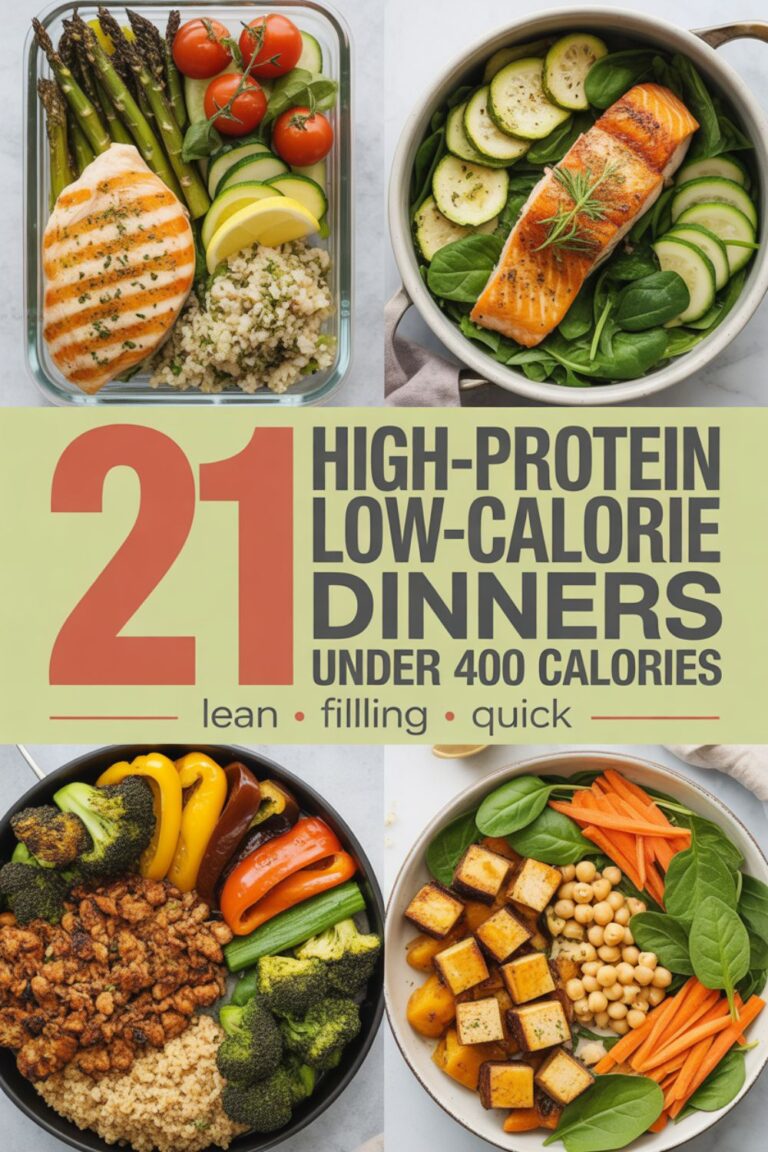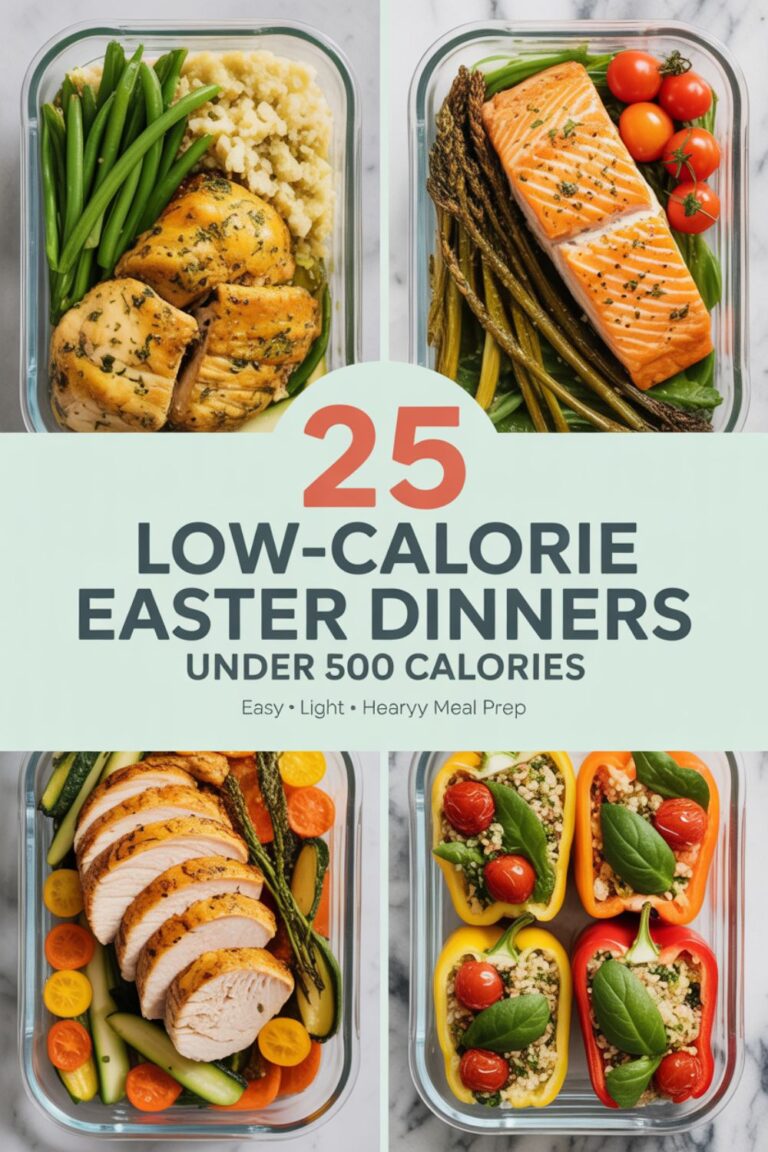
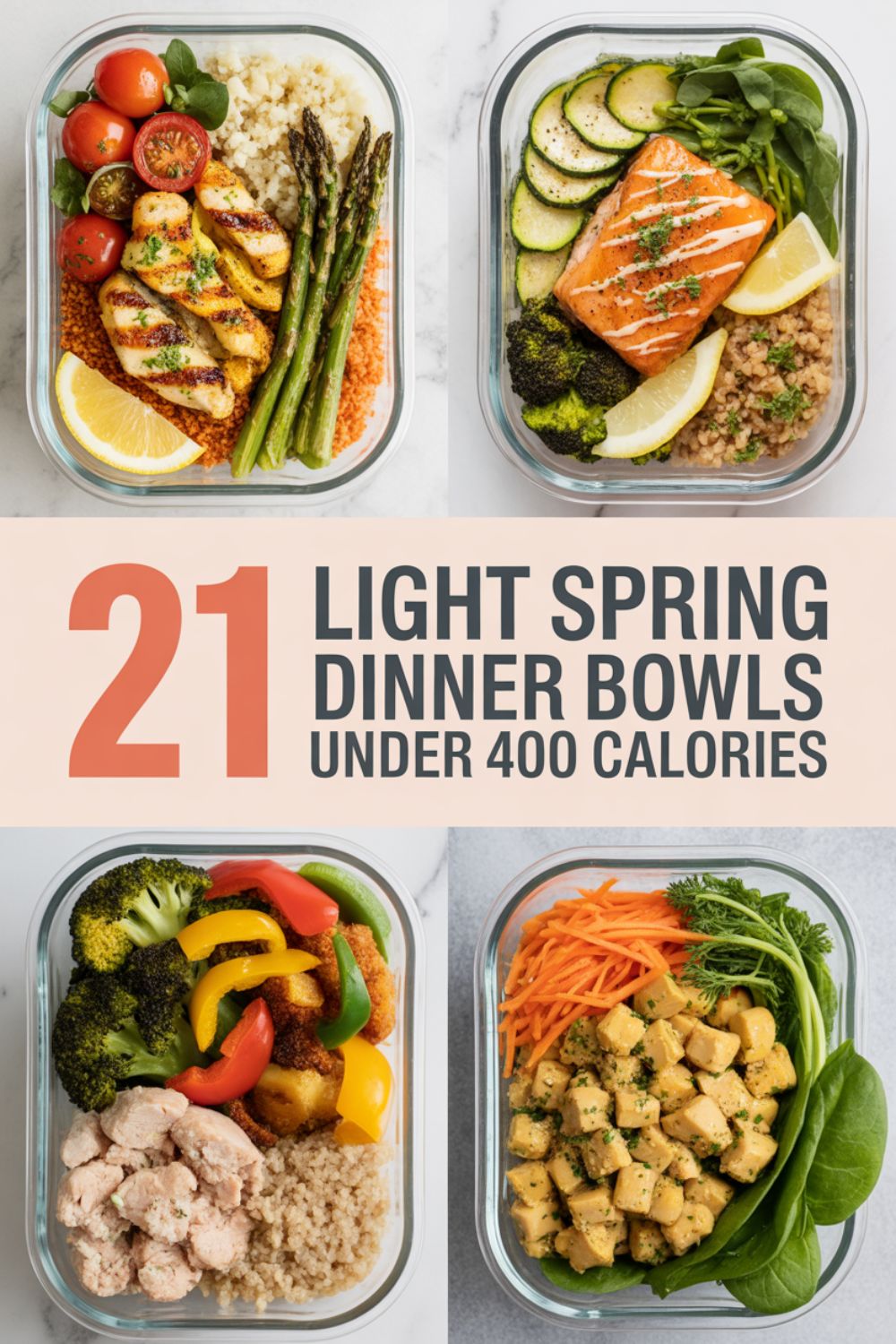
21 Light Spring Dinner Bowls Under 400 Calories
Spring cleaning your diet doesn’t have to mean sad desk salads and flavorless chicken breasts. These 21 dinner bowls clock in under 400 calories but pack enough flavor and satisfaction to make you forget you’re technically “eating light.” We’re talking fresh asparagus, snap peas that actually snap, and herbs so bright they practically glow. No wilted winter kale here.
Look, I get it. You’re tired of recipes that promise “light and fresh” but deliver all the excitement of cardboard with a side of regret. But spring produce is different—it’s crisp, it’s sweet, and honestly, it kind of does the heavy lifting for you. When your vegetables taste this good, you don’t need to drown them in cheese or cream just to make dinner interesting.
These bowls are built around what’s actually in season right now: tender greens, baby carrots, radishes with actual bite, and all those herbs you forgot existed during the dark months. Each one comes together in about 20-30 minutes, because nobody has time to meal prep like it’s a second job. And yeah, they’re all under 400 calories, but you’d never know it from how full they keep you.
Why Spring Bowls Actually Work for Weight Management
Spring vegetables aren’t just pretty—they’re legitimately good at keeping you satisfied without loading up on calories. According to nutrition experts, seasonal spring produce reaches peak nutrient density and flavor when consumed shortly after harvest, making them both more satisfying and more nutritious than their off-season counterparts.
Here’s what makes these bowls different from your average “diet food.” First, they’re loaded with fiber from fresh vegetables, which slows digestion and keeps blood sugar stable. No 3pm crash followed by a desperate raid on the vending machine. Second, the protein—whether it’s grilled chicken, tofu, or beans—helps preserve muscle while you’re cutting calories. And third, the variety of textures and flavors means you’re not choking down the same boring meal every night.
Pro Tip: Prep your vegetables Sunday night and thank yourself all week. Wash, chop, and store greens and veggies in separate containers—15 minutes of work buys you five easy dinners.
The science backs this up too. Research on protein bowls shows they’re particularly effective for weight management because they combine protein, fiber, and complex carbohydrates in one meal, hitting all the satiety markers your body looks for. You’re not just eating less—you’re eating smarter.
The Spring Produce That Makes These Bowls Shine
Let’s talk ingredients, because spring produce is having a moment and we need to take advantage. Asparagus is the MVP here—it’s loaded with vitamins K and A, plus it has this slightly sweet, grassy flavor that doesn’t need much help. Just a quick sear in a hot pan with a sprinkle of salt and you’re golden.
Snap peas and sugar snap peas bring that satisfying crunch and a touch of sweetness. They’re perfect raw or lightly steamed, and they add volume to your bowl without adding many calories. Throw in some radishes for a peppery kick and baby spinach for iron and you’ve got a base that tastes like actual food, not diet punishment.
Don’t sleep on fresh herbs either. Dill, mint, parsley, and basil are all at their best right now, and they transform a decent bowl into something you’d actually order at a restaurant. I keep a herb keeper in my fridge because wilted herbs are a tragedy we can prevent.
Why Seasonal Eating Matters (Beyond Just Being Trendy)
You’ve heard the “eat seasonal” advice a thousand times, but here’s why it actually matters for these bowls. Spring vegetables are naturally lower in calories but higher in water content and nutrients, which means they fill you up without weighing you down. They also taste better—like, genuinely better—because they haven’t been sitting in cold storage for three months.
Plus, when you’re building meals around what’s in season, you naturally get more variety. You’re not eating the same root vegetables from October through March. Your body gets different nutrients, different flavors, and honestly, you get to feel a little smug about “eating with the seasons” even though you’re really just following what’s cheap and available at the store.
Quick Win: Keep a jar of lemon-herb dressing in your fridge. Lemon juice, olive oil, Dijon mustard, minced garlic, and whatever herbs you have. Shake it up and boom—instant flavor for any bowl.
Building Your Perfect Spring Dinner Bowl
Every great bowl follows the same basic formula, and once you get it down, you can improvise forever. Start with a base—this could be quinoa, brown rice, cauliflower rice if you’re going super low-carb, or even spiralized zucchini. The base gives you staying power and makes the bowl feel substantial.
Next, add your protein. Grilled chicken breast is the obvious choice, but shrimp cooks in five minutes and has even fewer calories. Tofu works great if you season it properly (and by properly, I mean with more salt and spices than you think it needs). Even a soft-boiled egg can serve as your protein in a pinch.
Now pile on the vegetables. This is where spring really shines. Mix raw and cooked textures—roasted asparagus with fresh snap peas, steamed broccoli with shredded raw carrots. You want at least three different vegetables in there for both nutrition and visual appeal. If this sounds like these make-ahead protein bowls, you’re not wrong—the prep strategy is basically identical.
The Tools That Make Bowl Prep Actually Easy
You don’t need a kitchen full of gadgets, but a few smart tools make this whole operation less annoying. I use a quality chef’s knife for everything because dull knives make chopping vegetables feel like punishment. A mandoline slicer speeds up prep when you’re slicing radishes or cucumbers paper-thin.
For cooking, a cast iron grill pan gives you those restaurant-style char marks on chicken and vegetables without actually grilling. And honestly, a good set of glass meal prep containers is non-negotiable if you’re making these ahead. The cheap plastic ones get gross fast, and nobody wants to eat lunch out of a container that smells like last week’s curry.
Kitchen Tools & Resources for Spring Bowl Perfection
These are the things that live in my kitchen and actually get used. Not the gadgets that sound good on paper but end up in the back of a cabinet.
Vegetable Spiralizer
For making zucchini noodles and adding fun textures to bowls. The handheld ones work fine—you don’t need the countertop version unless you’re feeding a family of eight.
Digital Kitchen Scale
If you’re tracking calories, weighing protein portions beats guessing every time. Also useful for baking, but that’s a different article.
Herb Scissors
Five blades that chop herbs directly into your bowl. Sounds gimmicky, actually genius. Your knife skills don’t matter when you have these.
Meal Planning Template (Digital)
A simple spreadsheet or app that helps you plan your bowls for the week. Takes ten minutes on Sunday, saves hours of “what’s for dinner” panic.
Spring Produce Guide (Printable)
A visual chart showing what’s in season each month. Stick it on your fridge and stop buying strawberries in January.
Protein Portions Visual Guide (PDF)
Shows you what 4oz of chicken, salmon, tofu, etc. actually looks like. Way more helpful than weighing everything forever.
21 Spring Dinner Bowl Ideas Under 400 Calories
Alright, let’s get into the actual bowls. These aren’t full recipes with precise measurements—think of them as templates you can adjust based on what’s in your fridge and what sounds good. The goal is dinner, not a science experiment.
Lemon Herb Chicken & Asparagus Bowl
Start with quinoa, add grilled chicken seasoned with lemon zest and herbs, roasted asparagus, cherry tomatoes, and a handful of arugula. Drizzle with a lemon vinaigrette. The asparagus gets slightly crispy if you roast it at 425°F for about 15 minutes. Don’t crowd the pan or you’ll steam them instead. Get Full Recipe.
Miso Glazed Salmon with Snap Peas
Brown rice base, flaked miso-glazed salmon, steamed snap peas, shredded carrots, edamame, and a soft-boiled egg. Top with sesame seeds and a drizzle of low-sodium soy sauce. The miso adds this umami depth that makes the whole thing taste way more interesting than plain grilled fish.
Greek-Inspired Shrimp Bowl
Cauliflower rice to keep it light, grilled shrimp with oregano and garlic, cucumber, cherry tomatoes, red onion, kalamata olives, and a dollop of tzatziki made with Greek yogurt. Finish with fresh dill. This one tastes like vacation in a bowl and comes together in 20 minutes flat.
“I tried the lemon chicken bowl for meal prep and honestly wasn’t expecting much. Three months later, I’m down 15 pounds and still not bored of it. The trick is changing up the herbs and vegetables every week.” — Sarah K., community member
Teriyaki Tofu & Broccoli Bowl
Brown rice, crispy baked tofu cubes with teriyaki sauce, steamed broccoli, shredded cabbage, scallions, and pickled ginger. I use a tofu press to get the water out first—makes a huge difference in texture. The tofu actually gets crispy instead of just brown and sad.
Spring Pesto Turkey Bowl
Whole wheat orzo, ground turkey cooked with garlic, roasted zucchini and yellow squash, cherry tomatoes, and a spoonful of basil pesto. Top with fresh mozzarella if you have calories to spare. The pesto can be store-bought or homemade—I’m not judging either way.
Speaking of creative protein combinations, you might also love these spring salads or these protein-packed spring bowls for more inspiration.
Mediterranean Chickpea Bowl
Quinoa, roasted chickpeas with paprika and cumin, roasted red peppers, cucumber, red onion, kalamata olives, and a lemon-tahini dressing. This is one of those bowls that somehow tastes better the next day after everything has marinated together. Definitely meal-prep friendly.
Sesame Ginger Chicken Bowl
Brown rice, sliced chicken breast with sesame ginger marinade, snap peas, shredded carrots, edamame, and a sprinkle of sesame seeds. I make the marinade in a mason jar and shake it up—way easier than whisking. Plus you can store the extra dressing right in the jar.
Lemon Garlic Shrimp & Zoodles
Spiralized zucchini noodles, sautéed shrimp with lemon and garlic, cherry tomatoes, baby spinach, and a light white wine sauce. This is one of the lowest-calorie options because the zoodles barely register, but the shrimp and sauce make it feel indulgent. Get Full Recipe.
Moroccan Spiced Chicken Bowl
Couscous, chicken thighs seasoned with cumin, coriander, and cinnamon, roasted carrots, chickpeas, raisins, and a yogurt sauce with fresh mint. The raisins add this little pop of sweetness that plays off the spices perfectly. Don’t skip them even if you think you don’t like raisins in savory food.
Cajun Salmon & Green Bean Bowl
Wild rice, blackened salmon with Cajun seasoning, roasted green beans, corn, red bell pepper, and a lime crema. The Cajun spice gives it enough kick that you don’t need heavy sauces. Just make sure your pan is hot enough to get that blackened crust.
Pro Tip: Double your protein portion when cooking and use the leftovers for lunch the next day. Cold sliced chicken or salmon on a bed of fresh greens with lemon juice is basically chef’s salad, and it’s delicious.
Thai Basil Turkey Bowl
Jasmine rice, ground turkey cooked with Thai basil, garlic, and chilies, snap peas, bell peppers, and a fried egg on top. This is basically a healthier version of pad krapow, and the runny egg yolk becomes your sauce. Don’t skip the fried egg—it’s what makes the bowl.
Lemon Herb Cod & Asparagus Bowl
Quinoa, pan-seared cod with lemon and herbs, roasted asparagus, cherry tomatoes, and microgreens. Cod is criminally underrated as a protein—it’s mild, flaky, and cooks in about 8 minutes. Plus it’s usually cheaper than salmon.
For more simple, flavorful options using minimal ingredients, check out these 5-ingredient high-protein meals.
Korean BBQ Beef Bowl
Brown rice, thinly sliced beef marinated in soy sauce, sesame oil, and ginger, kimchi, cucumber, steamed broccoli, and a soft-boiled egg. The kimchi adds probiotics and a tangy contrast to the sweet beef. I buy the pre-made kimchi because life is short.
Pesto Chicken & Zucchini Bowl
Whole wheat pasta (just a small portion), grilled chicken, sautéed zucchini, sun-dried tomatoes, pine nuts, and basil pesto. The sun-dried tomatoes are key—they add concentrated flavor without needing tons of them. Get Full Recipe.
Spring Veggie & Feta Bowl
Quinoa, roasted asparagus, snap peas, radishes, cherry tomatoes, crumbled feta, and a lemon vinaigrette. This is basically spring in a bowl—fresh, light, and the feta gives you just enough richness to feel satisfied. Vegetarian and doesn’t taste like it’s trying too hard.
Teriyaki Chicken & Pineapple Bowl
Brown rice, teriyaki chicken thighs, grilled pineapple chunks, bell peppers, snap peas, and scallions. The pineapple caramelizes when you grill it and adds this sweet-savory thing that’s borderline addictive. I use a grill basket so the pineapple doesn’t fall through the grates.
Mediterranean Tuna Bowl
Mixed greens, canned tuna (the good kind packed in olive oil), cherry tomatoes, cucumber, chickpeas, olives, red onion, and a lemon-oregano dressing. This is a pantry bowl—you can throw it together from stuff you probably already have. Plus tuna is cheap and loaded with protein.
Chimichurri Steak Bowl
Cauliflower rice, sliced flank steak, roasted red peppers, black beans, corn, and a generous drizzle of chimichurri sauce. The chimichurri is just parsley, garlic, olive oil, red wine vinegar, and red pepper flakes. Make a big batch and use it on everything.
Asian Chicken Lettuce Wrap Bowl
Instead of traditional lettuce wraps, make it a bowl. Ground chicken with hoisin sauce, water chestnuts, scallions, shredded carrots, and butter lettuce. Top with crushed peanuts and a lime wedge. All the flavors of lettuce wraps but less messy.
Lemon Tahini Chicken & Cauliflower Bowl
Cauliflower rice, roasted chicken breast, roasted cauliflower florets, chickpeas, cucumber, and a creamy lemon-tahini sauce. The sauce is just tahini, lemon juice, garlic, water, and salt. Tastes way fancier than the effort required.
Spring Garden Tofu Bowl
Quinoa, baked tofu with herbs, roasted carrots, snap peas, radishes, avocado slices, and a green goddess dressing. The dressing is key here—blend herbs, Greek yogurt, lemon juice, and a little mayo. It’s tangy, creamy, and makes vegetables taste like a treat.
If you’re looking for even more plant-based options that still deliver on protein, these vegan high-protein meals are worth bookmarking.
Making These Bowls Work for Meal Prep
The beauty of these bowls is how well they hold up for meal prep. Sunday afternoon, spend an hour cooking proteins, roasting vegetables, and portioning everything into containers. Then during the week, you’re just assembling, not cooking from scratch every night.
Here’s my system: proteins and grains go in one container, raw vegetables in another, and sauces in small jars. Keep everything separate until you’re ready to eat. Nobody wants soggy lettuce on Tuesday because you assembled everything Sunday night.
Some vegetables hold up better than others for prepping. Roasted asparagus, broccoli, and Brussels sprouts stay crispy. Zucchini and snap peas can get a little sad after day three. Raw veggies like radishes, cucumber, and carrots last all week. Plan accordingly.
Quick Win: Cook a big batch of grains once a week. Brown rice, quinoa, and farro all reheat well. Portion them into containers and you’ve got the base for every bowl covered.
The Dressing Situation
A good dressing can make or break these bowls. I keep three basic dressings in rotation: a lemon vinaigrette, an Asian-inspired sesame ginger, and a creamy tahini. That covers most flavor profiles without needing twenty different bottles in your fridge.
Store dressings in small glass jars with tight lids. Mason jars work, or those little jam jars if you save them. Shake before using because oil and vinegar separate. That’s normal, not a sign your dressing went bad.
For meal prep, pack dressing on the side and add it right before eating. This keeps everything fresh and prevents that situation where your lunch looks like soup by noon. I use small sauce containers with screw-on lids—they don’t leak and they’re cheap.
Common Mistakes That Make Bowls Boring
Let’s address why some people try these bowls and give up after a week. Usually it’s because they’re making the same three combinations on repeat and not varying the flavors. You need to rotate your proteins, change up your vegetables, and switch your seasonings.
Another mistake: underseasoning everything because you’re trying to keep calories low. Salt, herbs, spices, citrus, and vinegar all add flavor without adding meaningful calories. Your food should taste good. If it doesn’t, you’re not going to stick with it long enough to see results.
And please, don’t skip the textural contrast. You need something crunchy (raw vegetables, nuts, crispy chickpeas) alongside something tender (cooked proteins, grains). A bowl of all mushy textures is depressing no matter how healthy it is.
When Store-Bought Shortcuts Are Worth It
You don’t have to make everything from scratch. Pre-cooked rotisserie chicken from the grocery store? Perfectly acceptable. Pre-spiralized vegetables? Go for it. Frozen brown rice that microwaves in 90 seconds? Not cheating, just efficient.
The goal is to eat well consistently, not to prove you can make everything from scratch. If buying pre-chopped vegetables means you’ll actually make these bowls instead of ordering pizza, buy the pre-chopped vegetables. IMO, that’s the smart move.
For more strategies on quick, protein-rich meals that don’t require hours in the kitchen, these 20-minute bowl recipes are clutch.
“I was skeptical about meal prepping because it always seemed like too much work. But doing one big cook on Sunday and just assembling bowls all week? That actually works for me. Plus I’m saving money not eating out every day.” — Marcus T., community member
Adjusting Macros to Fit Your Goals
These bowls are designed to be under 400 calories, but you can adjust them based on what you need. Trying to lose weight? Stick closer to 350 calories and load up on vegetables. Maintaining weight or building muscle? Bump the protein portion up and add some healthy fats like avocado or nuts.
The protein sweet spot for most people is around 25-35 grams per meal. That’s roughly 4-5 ounces of chicken, fish, or tofu. If you’re more active or trying to build muscle, you might need more. If you’re smaller or less active, you might need less. Your body, your call.
Carbs can be adjusted too. More active people can handle more grains in their bowls. If you’re trying to cut weight and not very active, you might do better with cauliflower rice or just extra vegetables instead of regular grains. There’s no one-size-fits-all here.
What to Do When You Hit a Plateau
You’ve been eating these bowls for a month, things were going great, and suddenly the scale hasn’t moved in two weeks. This happens, and it’s normal. Your body adapts, and sometimes you need to shake things up.
First, check your portions. Sometimes we start getting generous with the grains or the dressing without realizing it. Measure things for a few days just to recalibrate. Second, vary your vegetables and proteins more. Your body can get efficient at processing the same foods repeatedly.
Third, consider your overall activity level. If you’ve been sedentary while eating these bowls, adding some movement—even just walking more—can get things moving again. And sometimes, you just need patience. Weight loss isn’t linear, even when you’re doing everything right.
Frequently Asked Questions
Can I really stay full on 400 calories for dinner?
Yes, if you’re building your bowls right. The combination of protein (25-35g), fiber from vegetables, and complex carbs creates sustained satiety. The key is not skipping the protein and loading up on the vegetables. If you’re genuinely hungry an hour later, you might need to adjust your portions slightly or add more protein.
How long do these bowls last in the fridge?
Most components last 4-5 days when stored properly in airtight containers. Keep proteins, grains, and cooked vegetables together, but store fresh greens and dressings separately. Assemble your bowl right before eating for the best texture and flavor. Some proteins like fish are best eaten within 2-3 days.
What if I don’t like one of the vegetables in a bowl?
Swap it out. These are templates, not rigid recipes. Don’t like asparagus? Use green beans or broccoli. Not a fan of quinoa? Try brown rice or cauliflower rice. The protein and overall vegetable content matter more than the specific ingredients. Make these work for your taste preferences.
Are these bowls okay for meal prep beginners?
Absolutely. Start with just prepping 2-3 bowls for the week rather than trying to prep everything. Cook one or two proteins, prep your vegetables, and make one or two dressings. Once that feels easy, scale up. You don’t have to meal prep five days at once to get the benefits.
Can I make these bowls vegetarian or vegan?
Easy. Swap any animal protein for tofu, tempeh, chickpeas, lentils, or beans. You might need to add slightly more plant-based protein to hit the same satiety levels, but the concept works just as well. Just watch your dressings—some contain dairy, so make substitutions as needed.
Final Thoughts on Spring Bowl Success
Here’s the thing about these bowls: they’re not magic, but they are effective. You’re getting lean protein, tons of vegetables, smart portions of carbs, and flavors that don’t make you feel like you’re being punished for trying to eat better. That combination is pretty hard to beat when you’re trying to manage your weight without losing your mind.
Spring is the perfect time to try this approach because the produce is legitimately exciting right now. You’re not forcing yourself to eat kale in February when all you want is comfort food. You’re working with what’s naturally fresh, flavorful, and abundant.
Start with three or four bowl combinations that sound good to you. Make them for a week and see how you feel. Adjust as needed. The goal isn’t perfection—it’s finding a sustainable way to eat well that you can actually maintain beyond the first two weeks of enthusiasm. These bowls are designed to help you do exactly that.