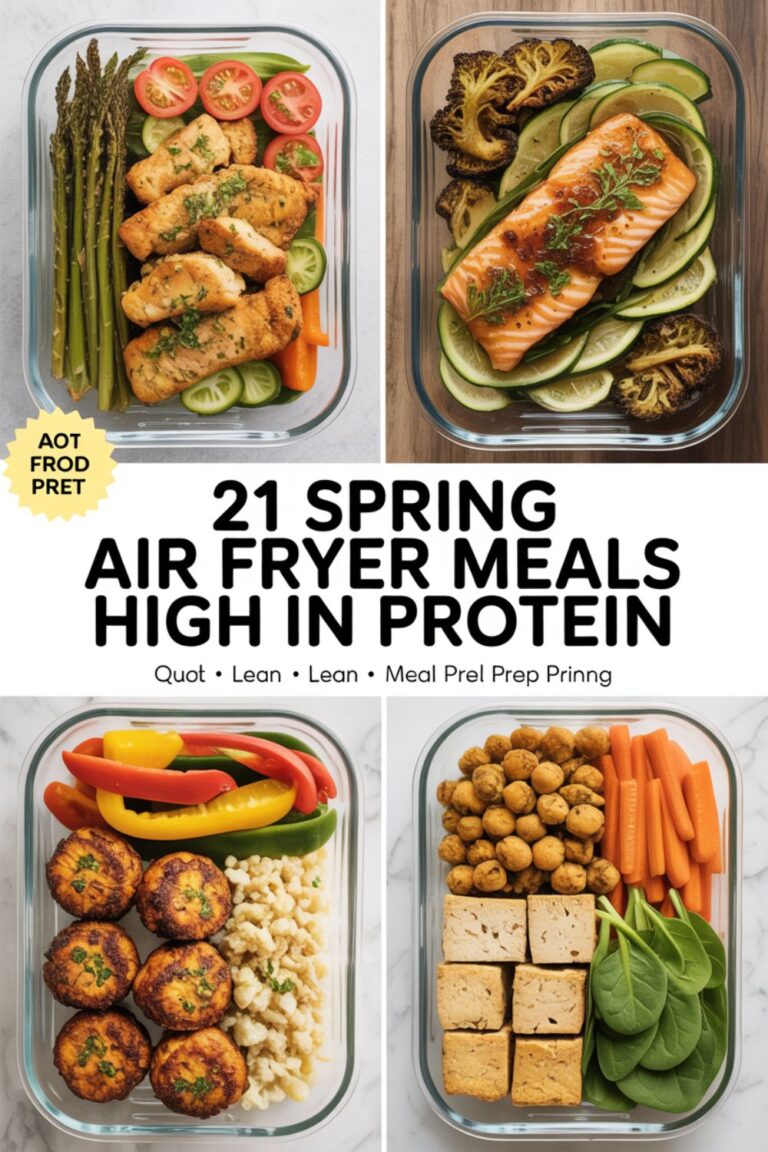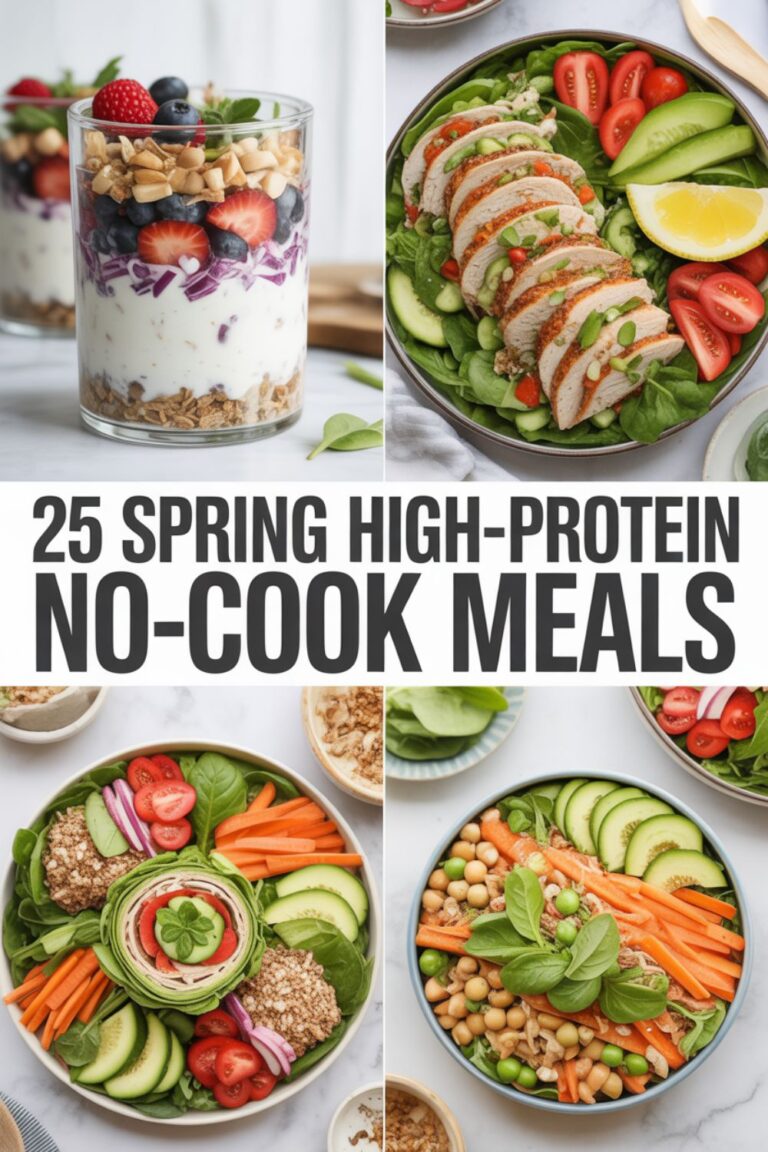
21 Spring Meal Prep Bowls for Beginners
Spring brings this weird burst of motivation where you actually want to eat vegetables again after hibernating on carbs all winter. The produce is vibrant, the weather’s warming up, and suddenly assembling bowls full of colorful stuff feels less like a chore and more like something you might actually enjoy. These 21 spring meal prep bowls are designed for people who are new to this—no fancy culinary school techniques required, just straightforward combinations that taste good and keep well.
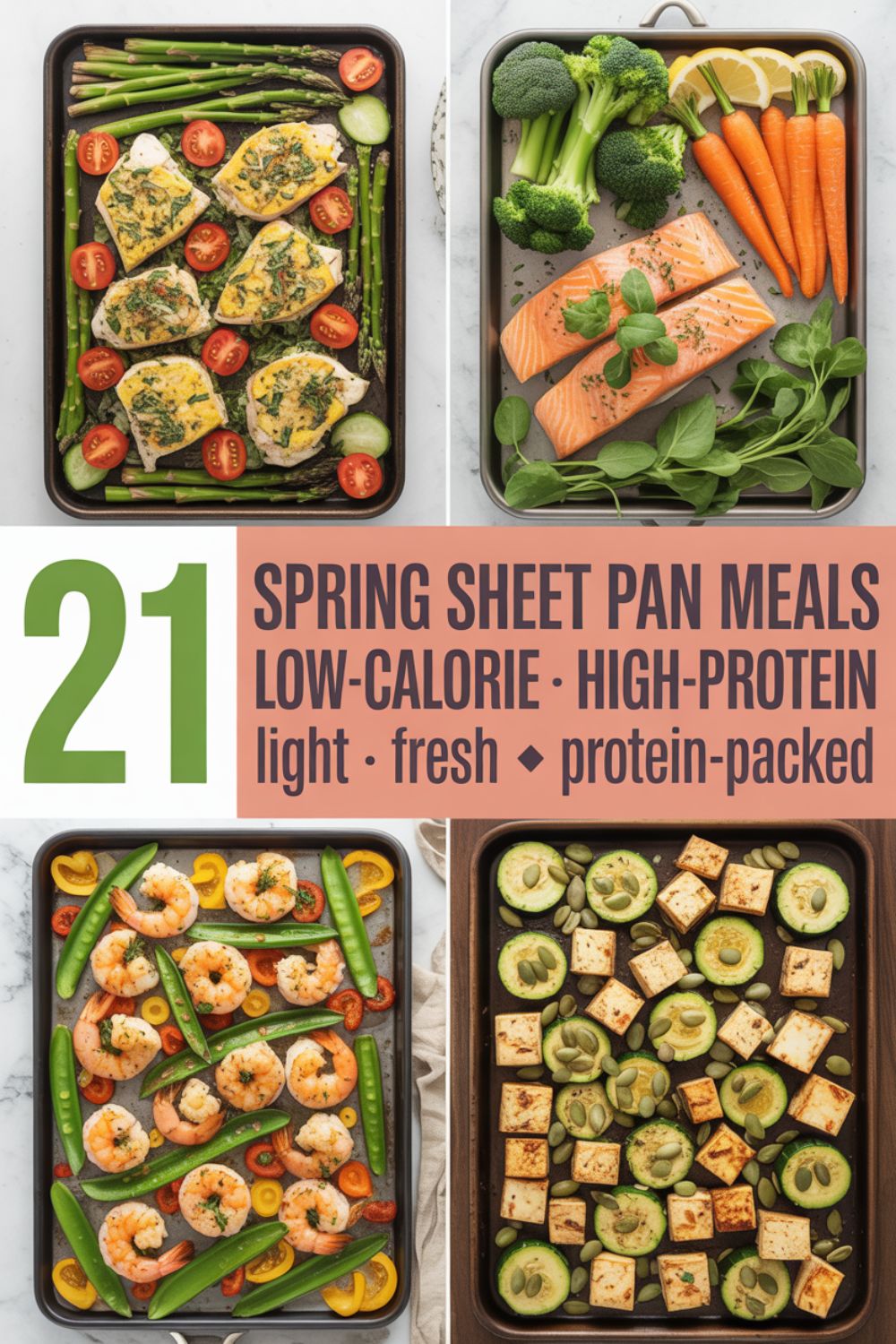
Why Spring Is Actually Perfect for Meal Prep Beginners
Here’s something nobody tells you about meal prepping: timing matters. Starting in spring makes way more sense than jumping in during, say, the dead of January when everything’s gray and depressing. Research from Harvard’s Nutrition Source confirms that meal planning is linked to better dietary quality and increased vegetable intake—and spring vegetables are at their nutritional peak right now.
Spring produce is forgiving. Asparagus doesn’t turn into mush overnight. Snap peas stay crispy. Radishes keep their crunch. You’re working with ingredients that actually want to cooperate with your schedule, unlike those sad winter tomatoes that turn mealy the second you look at them wrong. Plus, the flavors are naturally lighter and brighter, which means you don’t need to drown everything in heavy sauces to make it palatable.
The real beauty of spring bowls? They’re modular. You’re basically building with blocks: grain base, protein, vegetables, dressing. Master those four components, and you can mix and match for days without getting bored. Want quinoa Monday, farro Tuesday? Go for it. Chicken today, chickpeas tomorrow? Nobody’s judging.
The Foundation: What Makes a Spring Bowl Actually Work
Let’s talk structure for a second because throwing random ingredients into a container and hoping for the best isn’t really a strategy. A solid spring meal prep bowl needs balance—not in some Instagram aesthetic way, but in a “this will actually keep me full and satisfied” way.
Your Base Layer
Start with something that holds up well. Quinoa, farro, brown rice, even roasted sweet potato cubes work great. You want about a cup per serving, cooked. This rice cooker has saved me from burned pots more times than I can count—set it and forget it while you’re prepping everything else. The base should be substantial enough to keep you full but not so heavy that you’re in a food coma by 2pm.
Here’s what I learned the hard way: cook your grains with a bit more liquid than usual, then drain them. Slightly wetter grains don’t dry out as much in the fridge over the week. Weird trick, but it works. Also, let everything cool completely before packing—warm food plus sealed containers equals soggy sadness.
The Protein Situation
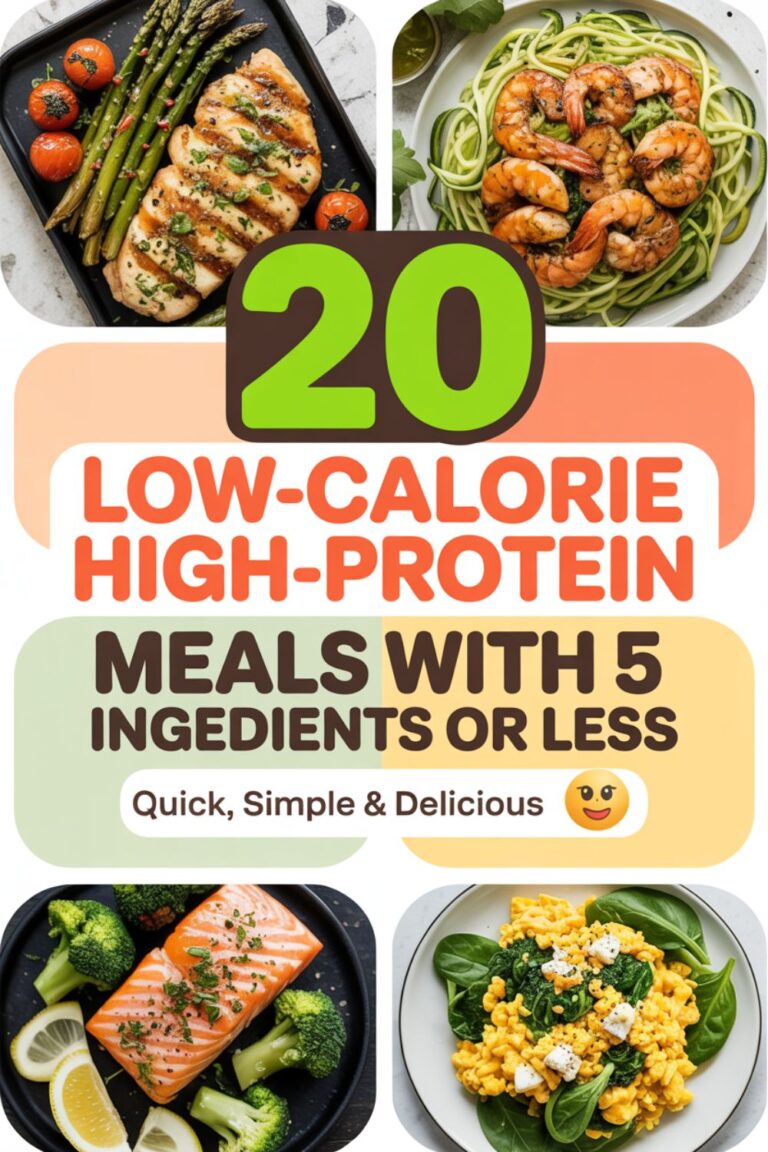
You need roughly 4-6 ounces of protein per bowl. Grilled chicken breast is the obvious choice, but don’t sleep on hard-boiled eggs, baked tofu, white beans, or even leftover rotisserie chicken from the grocery store. Get Full Recipe ideas for protein-packed dinners that translate perfectly to lunch bowls.
Spring is also prime time for lighter proteins like salmon or shrimp. They pair incredibly well with the season’s vegetables without feeling heavy. I usually prep two different proteins—one for Monday through Wednesday, another for Thursday and Friday—just to keep things interesting.
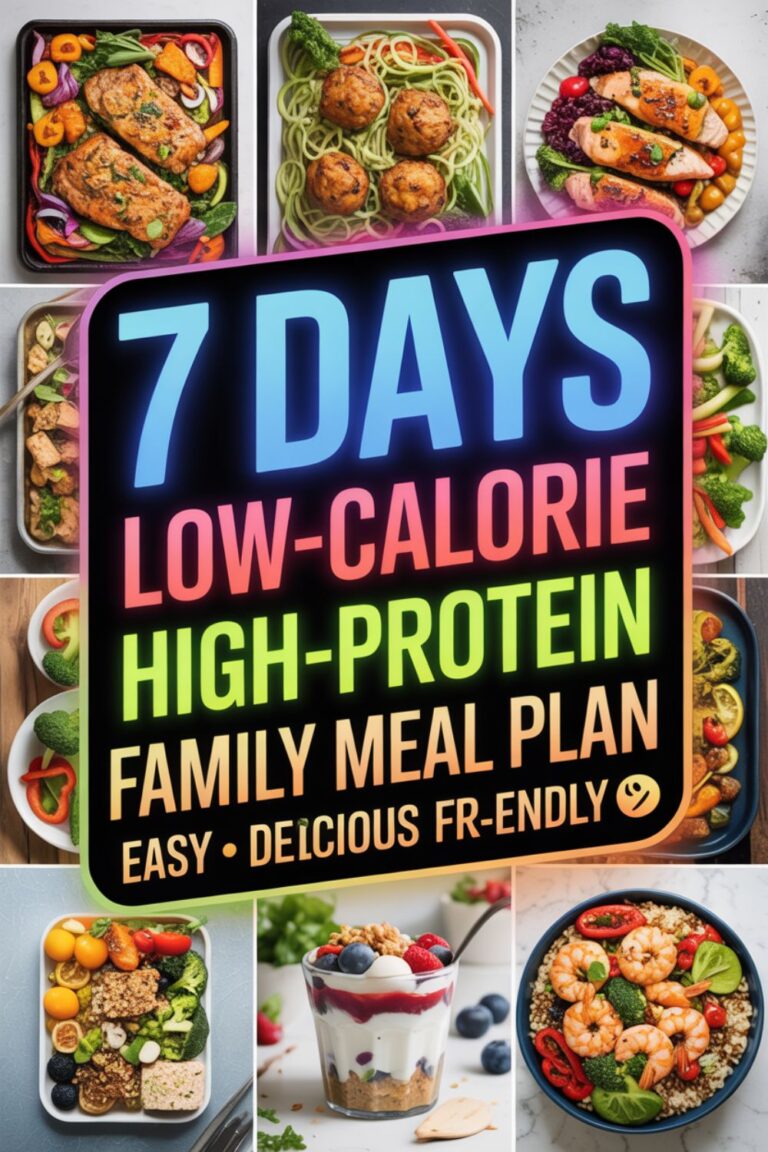
Looking for more protein inspiration? These high-protein meal prep bowls offer tons of variety, and this 7-day beginner meal plan walks you through the entire process step by step.
Spring Vegetables That Actually Taste Good in Meal Prep
Not all vegetables are created equal when it comes to sitting in a container for five days. Spring gives you some serious winners though. Asparagus, roasted or blanched, stays tender-crisp. Sugar snap peas maintain their crunch raw or lightly steamed. Cherry tomatoes? Perfect as-is. Radishes add this peppery bite that doesn’t fade.
According to nutritional research on spring vegetables, asparagus contains nearly 9 grams of protein per cup, along with vitamins A, C, and K. Peas are similarly nutrient-dense, making them ideal for meals where you want satiety without excessive calories. The key is proper prep—blanching asparagus for exactly three minutes, then shocking it in ice water, preserves both texture and nutrients.
Baby spinach, arugula, and mixed greens work if you pack them separately and add them right before eating. Nobody wants wilted lettuce on Tuesday. These small dressing containers are clutch for keeping everything fresh—pack your dressing separate, add it when you’re ready to eat.
21 Spring Bowl Combinations That Won’t Let You Down
Alright, let’s get to the actual bowls. These aren’t recipes in the traditional “follow these exact measurements” sense—they’re formulas you can adapt based on what you’ve got and what sounds good. Think of them as templates.
Bright and Protein-Packed
- Classic Spring Chicken: Quinoa, grilled lemon-herb chicken, roasted asparagus, cherry tomatoes, cucumber, lemon vinaigrette
- Mediterranean Spring: Farro, chickpeas, roasted red peppers, artichoke hearts, kalamata olives, arugula, red wine vinaigrette
- Asian-Inspired Snap Pea: Brown rice, teriyaki chicken or tofu, sugar snap peas, shredded carrots, edamame, sesame-ginger dressing
- Salmon Power Bowl: Wild rice blend, baked salmon, roasted asparagus, avocado, radishes, dill-yogurt dressing
- Spring Detox: Quinoa, hard-boiled eggs, steamed broccoli, sugar snap peas, cucumber, tahini dressing
For detailed protein prep techniques and more combinations, check out these 21 fresh spring protein bowls. They break down the timing and temperature for everything from chicken breast to crispy tofu.
Vegetarian Spring Winners
- Lemon-Herb Chickpea: Couscous, roasted chickpeas, asparagus, cherry tomatoes, fresh basil, lemon-tahini dressing
- Spring Green Machine: Farro, white beans, steamed asparagus, peas, spinach, avocado, green goddess dressing
- Rainbow Veggie: Quinoa, roasted beets, carrots, snap peas, purple cabbage, goat cheese crumbles, balsamic vinaigrette
- Mediterranean White Bean: Brown rice, white beans, roasted zucchini, cherry tomatoes, cucumber, red onion, tzatziki
- Pesto Perfection: Pasta (yes, pasta works), white beans, roasted asparagus, sun-dried tomatoes, pine nuts, pesto dressing
Speaking of vegetarian options, these spring vegetarian protein bowls prove you don’t need meat to hit your protein goals. The crispy chickpea technique alone is worth checking out.
Slightly Fancy (But Still Easy)
- Shrimp Spring Roll Bowl: Rice noodles, grilled shrimp, shredded carrots, cucumber, mint, cilantro, peanut sauce
- Steak and Asparagus: Wild rice, sliced flank steak, roasted asparagus, cherry tomatoes, crispy shallots, chimichurri
- Tuna Niçoise-ish: Baby potatoes, canned tuna, green beans, cherry tomatoes, hard-boiled egg, olives, Dijon vinaigrette
- Spring Poke-Style: Sushi rice, cubed salmon or tuna, cucumber, avocado, edamame, seaweed, spicy mayo
- Chicken Souvlaki Bowl: Couscous, grilled chicken, cucumber-tomato salad, red onion, feta, tzatziki
Keep-It-Simple Options
- Chicken Caesar-ish: Romaine, grilled chicken, parmesan, croutons, Caesar dressing (pack separate)
- Turkey and Avocado: Quinoa, turkey breast, avocado, cherry tomatoes, cucumber, honey mustard dressing
- Egg and Veggie: Sweet potato cubes, scrambled eggs, roasted bell peppers, spinach, hot sauce
- Tuna and White Bean: Mixed greens, canned tuna, white beans, cherry tomatoes, cucumber, red onion, Italian dressing
- Chicken and Hummus: Brown rice, rotisserie chicken, roasted vegetables, hummus dollop, cucumber, cherry tomatoes
- Simple Salmon: Quinoa, canned or fresh salmon, steamed broccoli, carrots, sesame seeds, soy-ginger dressing
The last few bowls are intentionally basic because some days you just need food that requires minimal thought. That’s not failure—that’s being realistic. These glass containers with dividers make packing multiple components stupid easy, and they won’t absorb smells like plastic does.
If you want complete spring meal plans with shopping lists included, try this spring meal prep guide with 25 ideas or this 7-day breakfast plan that pairs perfectly with any of these lunch bowls.
The Actual Meal Prep Process (Without the BS)
Here’s how this works in real life, not in some perfectly styled food blog fantasy. Set aside two to three hours on your designated day—usually Sunday, but pick whatever works. You’re not cooking five days’ worth of elaborate meals. You’re batch-cooking components that you’ll mix and match.
Hour One: Prep and Roast
First thirty minutes: Wash and chop all your vegetables. Trim asparagus, halve cherry tomatoes, slice cucumber, whatever you need. A good chef’s knife makes this go about three times faster—not even joking. Get your grains cooking (rice cooker or stovetop, your call). Preheat the oven to 425°F.
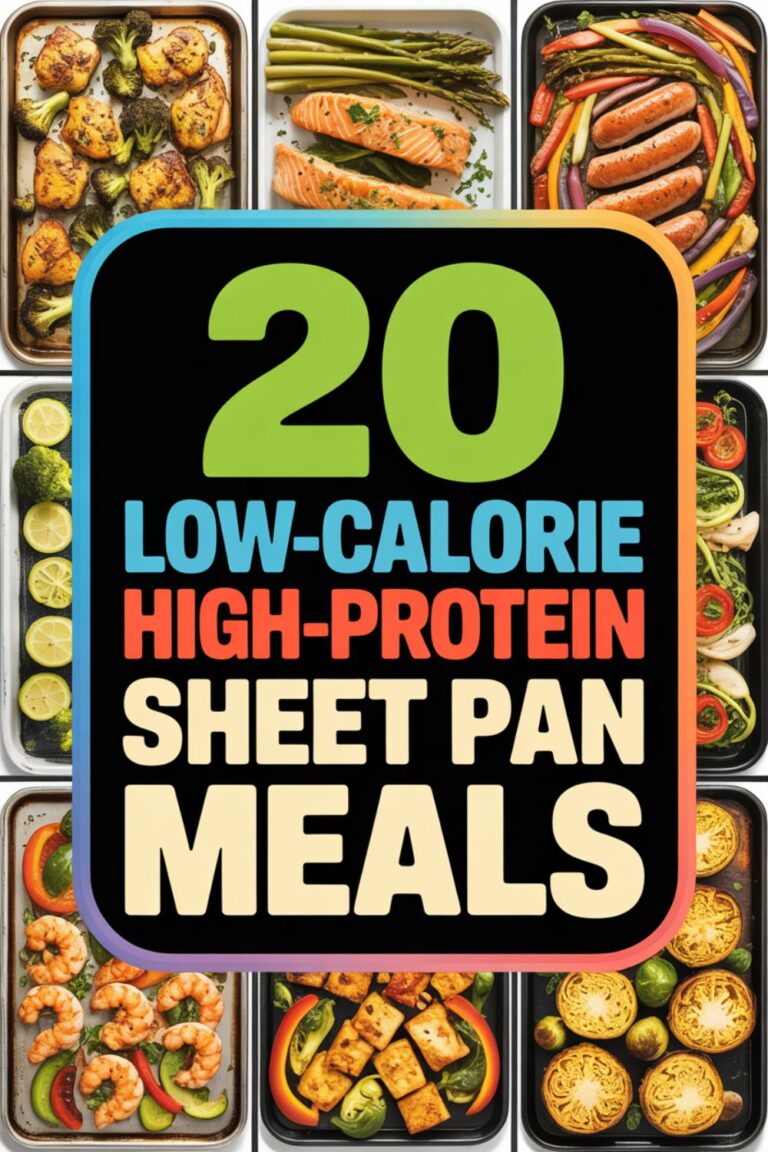
Next thirty minutes: Season your vegetables with olive oil, salt, pepper, maybe some garlic powder. Spread them on parchment-lined sheet pans and roast for 20-25 minutes while you start on proteins. This is when you realize why everyone says to invest in multiple sheet pans—you can roast different things simultaneously without flavors mixing.
Hour Two: Proteins and Assembly
Cook your proteins however you prefer. I usually do chicken on my indoor grill pan because cleanup is easier than dealing with a hot grill outside. If you’re baking, salmon takes about 12 minutes at 400°F, chicken breast about 20 minutes at 425°F. Use a meat thermometer—guessing is how you end up with dry chicken or food poisoning, neither of which is fun.
While proteins cook, make your dressings. Most vinaigrettes are just oil, acid, salt, pepper, and whatever herbs you’ve got. These small mason jars are perfect for storing dressings and they double as shakers if you don’t feel like whisking.
According to research published in the American Journal of Lifestyle Medicine, batch cooking and advance meal preparation significantly reduce daily stress around food decisions while supporting better nutritional outcomes. The study particularly emphasized that people who meal prep report feeling more in control of their dietary choices.
Hour Three: Cool Down and Pack
Everything needs to cool before going into containers. Seriously, don’t skip this. Hot food creates condensation, condensation creates soggy food, soggy food creates regret. While stuff cools, portion out your grains into containers. Then add proteins, then vegetables.
Keep dressings separate unless it’s a grain bowl where everything gets mixed anyway. Breakfast bowls work on the same principle, by the way—prep the components, assemble when ready to eat.
Meal Prep Essentials Used in This Plan
Physical Products
Glass Meal Prep Containers (5-pack) – The best containers I’ve found. They don’t stain, don’t hold smells, and the lids actually seal properly. Microwave and dishwasher safe.
Chef’s Knife (8-inch) – Makes vegetable prep about 70% less annoying. Sharp knives are safer than dull ones, contrary to what you might think.
Sheet Pan Set (3 pans) – You need at least two for efficient roasting. These are restaurant-quality without the restaurant price tag.
Digital Resources
Spring Meal Prep Template Bundle – Printable shopping lists, prep schedules, and mix-and-match bowl formulas. Takes the guesswork out completely.
Protein Portions Guide (PDF) – Visual guide to proper protein portions. No scale required—uses hand measurements that actually make sense.
Seasonal Produce Calendar – Shows what’s in season when, plus storage tips. Updated monthly with new recipe ideas.
Common Spring Bowl Mistakes (And How to Avoid Them)
You’re going to make mistakes. Everyone does. Here are the ones I’ve made so you don’t have to repeat them.
Overdressing Your Bowls
Too much dressing makes everything mushy by day three. Pack it separate or use just enough to coat lightly. If your greens look like they’re swimming, you’ve gone too far. Less is more here—you can always add extra when eating.
Ignoring Texture
All soft or all crunchy gets boring fast. You want contrast. Tender roasted vegetables, crispy raw radishes, creamy avocado, crunchy seeds or nuts. Texture keeps things interesting when you’re eating the same basic format multiple days in a row.
The spring veggie bowls collection does a great job showing texture balance—notice how they always include at least one crunchy element and one creamy component.
Making Everything Too Complicated
You don’t need twelve different components. Three to five vegetables maximum, one protein, one grain, one dressing. Keep it simple or you’ll burn out by week two. The goal is sustainability, not Instagram perfection.
Making Spring Bowls Work with Your Actual Life
Theory is nice, but reality is messy. You’re going to have weeks where Sunday meal prep doesn’t happen because life intervened. That’s fine. Here’s your backup plan: prep just proteins and grains. Buy pre-cut vegetables if budget allows. Use rotisserie chicken. Canned beans are not cheating.
Some weeks you’ll nail it and have five perfect bowls lined up. Other weeks you’ll throw together whatever you’ve got on Thursday night and call it meal prep. Both count. The point isn’t perfection—it’s having more good meals than takeout orders.
FYI, batch cooking grains and proteins even without assembling full bowls still saves you time and money. You can always toss cooked chicken and quinoa into a quick salad or wrap when you’re in a rush. Quick wrap recipes are perfect for using up meal prep components in different formats.
Storage Reality Check
Most meal prep bowls last four to five days in the fridge, max. Don’t prep more than that unless you’re freezing portions. Seafood-based bowls should be eaten within three days. Anything with fresh herbs starts looking sad after day four. Raw vegetables hold up better than cooked in terms of longevity.
If you’re worried about food safety (and you should be at least a little), Loyola Medicine recommends labeling containers with prep dates and following proper cooling procedures—getting food from hot to 40°F within two hours prevents bacterial growth.
Spring Vegetables: Nutrition Beyond the Basics
While we’re talking about spring bowls, let’s address why these vegetables are actually worth the effort beyond just tasting good. Asparagus isn’t just trendy—it’s legitimately nutrient-dense. Half a cup contains only 20 calories but delivers substantial amounts of vitamins A, C, E, and K, plus folate and iron.
Snap peas bring surprising protein for a vegetable—about 3 grams per cup—along with fiber that keeps you full longer. Radishes, often dismissed as garnish, contain compounds that support heart health and may help regulate blood sugar. Even basic spring greens like arugula and spinach pack more vitamins per calorie than most supplements.
The real advantage of spring produce? It’s harvested at peak ripeness, meaning nutrient density is higher than off-season alternatives shipped from across the world. Plus, the flavors are better, which makes you more likely to actually eat your meal prep instead of abandoning it for takeout by Wednesday.
If you want to dive deeper into spring-specific recipes, check out these high-protein spring dinners under 400 calories and this collection of spring salads in jars—both translate perfectly to meal prep format.
When to Ditch the Bowl and Try Something Different
Bowls are great, but they’re not the only option. Some days you’ll want variety. That’s when you pivot to wraps using the same ingredients, or toss everything into a lettuce cup situation, or even pack it as a deconstructed salad. The components stay the same; the format changes.
This modular approach is why meal prep works long-term. You’re not locked into eating the exact same thing five days running. You’ve got building blocks that can become different meals depending on your mood. Monday it’s a bowl, Tuesday it’s a wrap, Wednesday you throw it on top of spinach for a salad. Same prep work, three different experiences.
IMO, this flexibility is what separates people who sustain meal prep from those who try it once and give up. Rigid plans feel like punishment. Flexible systems feel manageable. Choose manageable.
Frequently Asked Questions
How long do spring meal prep bowls actually last in the fridge?
Most properly stored bowls last 4-5 days maximum. Seafood-based bowls should be eaten within 3 days, and anything with fresh herbs starts looking rough after day 4. Always store dressings separately and use airtight containers. If something smells off or looks questionable, trust your instincts and toss it.
Can I freeze meal prep bowls with spring vegetables?
Some components freeze well, others don’t. Cooked grains, proteins, and roasted vegetables freeze fine for up to 3 months. Raw vegetables, dressings with dairy, and anything with high water content (cucumber, tomatoes) get weird when frozen. Better to freeze just the grains and proteins, then add fresh vegetables when you thaw and reheat.
What’s the best way to keep spring greens from getting soggy?
Pack them completely separate from everything else, preferably in a different container with a paper towel to absorb excess moisture. Add greens right before eating, never during initial assembly. If you must pack them together, put them on top and keep the container upright—gravity is not your friend here.
How much should I actually prep if I’m just starting out?
Start with 3 days maximum. Monday, Tuesday, Wednesday. See how that feels before committing to a full five-day week. Many beginners burn out trying to do too much too fast. Three days lets you test the waters without wasting food if you discover meal prep isn’t your thing.
Do I really need special containers or will regular Tupperware work?
Regular containers work fine, but glass containers with good seals make a difference in food quality and longevity. They don’t absorb odors, don’t stain, and keep food fresher longer. If budget’s tight, start with whatever you have—better to meal prep in cheap containers than not meal prep at all because you’re waiting to buy “the right” containers.
Final Thoughts: Just Start Somewhere
Here’s the truth about meal prep: it’s not going to transform your life overnight, and anyone who says otherwise is selling something. But it will make weekday lunches significantly less stressful, probably save you money, and give you at least a fighting chance at eating vegetables more than once a week.
Spring is genuinely the easiest season to start because the produce is cooperating with you instead of fighting you. The vegetables are fresh, the flavors are bright, and everything just works better when you’re not trying to force winter squash into summer recipes or vice versa.
Pick three of these bowl combinations that sound tolerable. Don’t aim for exciting—aim for edible and convenient. Shop for those ingredients. Block off two hours this Sunday. See what happens. If it works, great. If it doesn’t, you learned something about what doesn’t work for you, which is also valuable information.
The goal isn’t to become a meal prep influencer with perfectly styled bowls and color-coordinated vegetables. The goal is to have lunch ready when you need it, made from ingredients that won’t make you feel terrible afterward. That’s it. Everything else is extra credit.
Now go forth and prep some bowls. Spring is short, and fresh asparagus waits for no one.