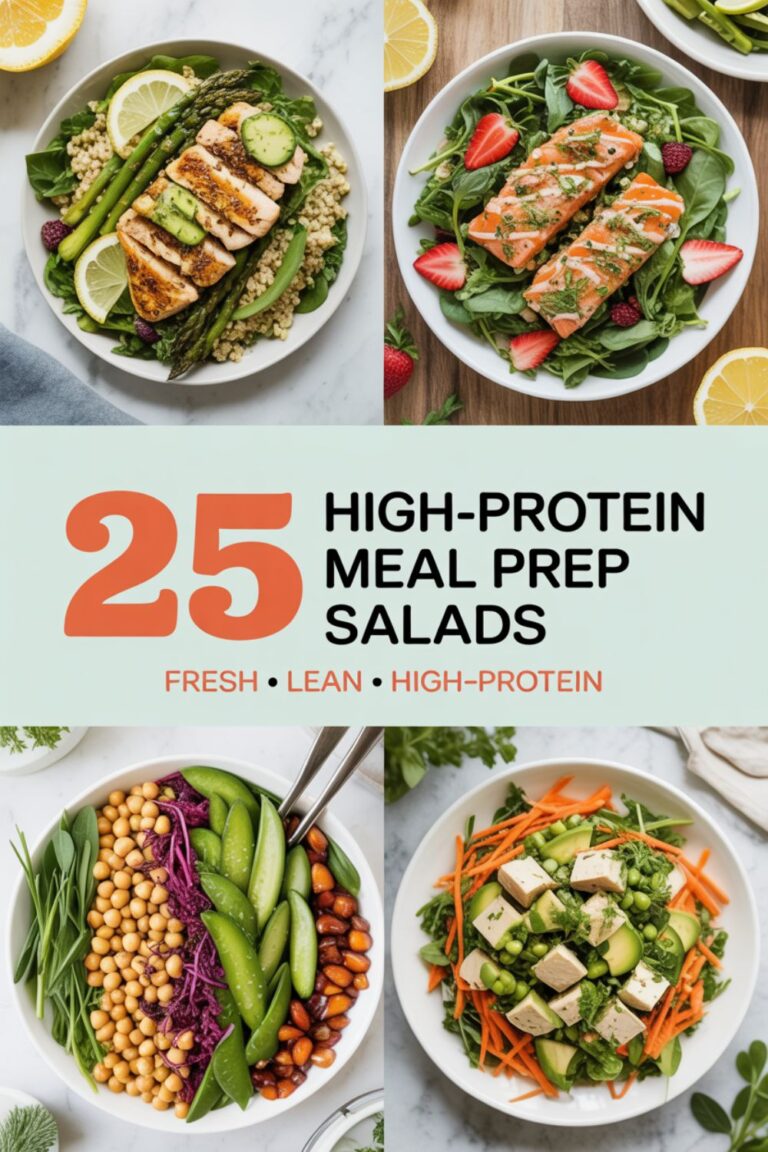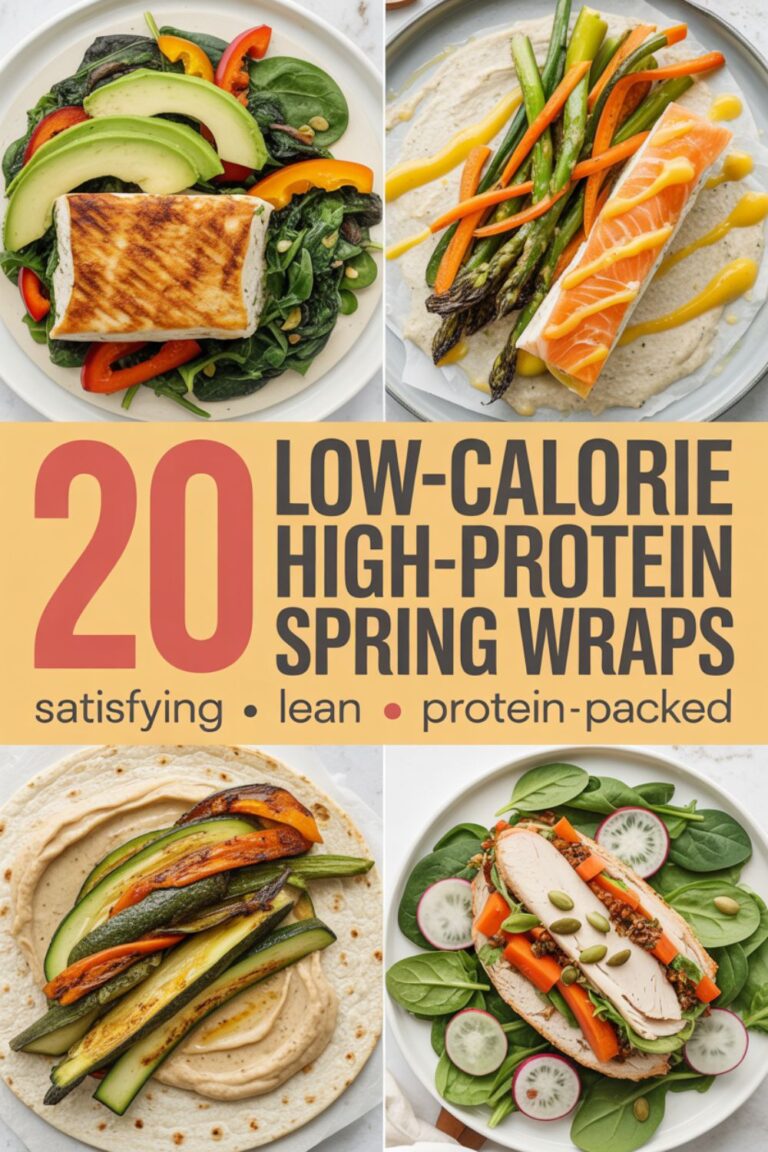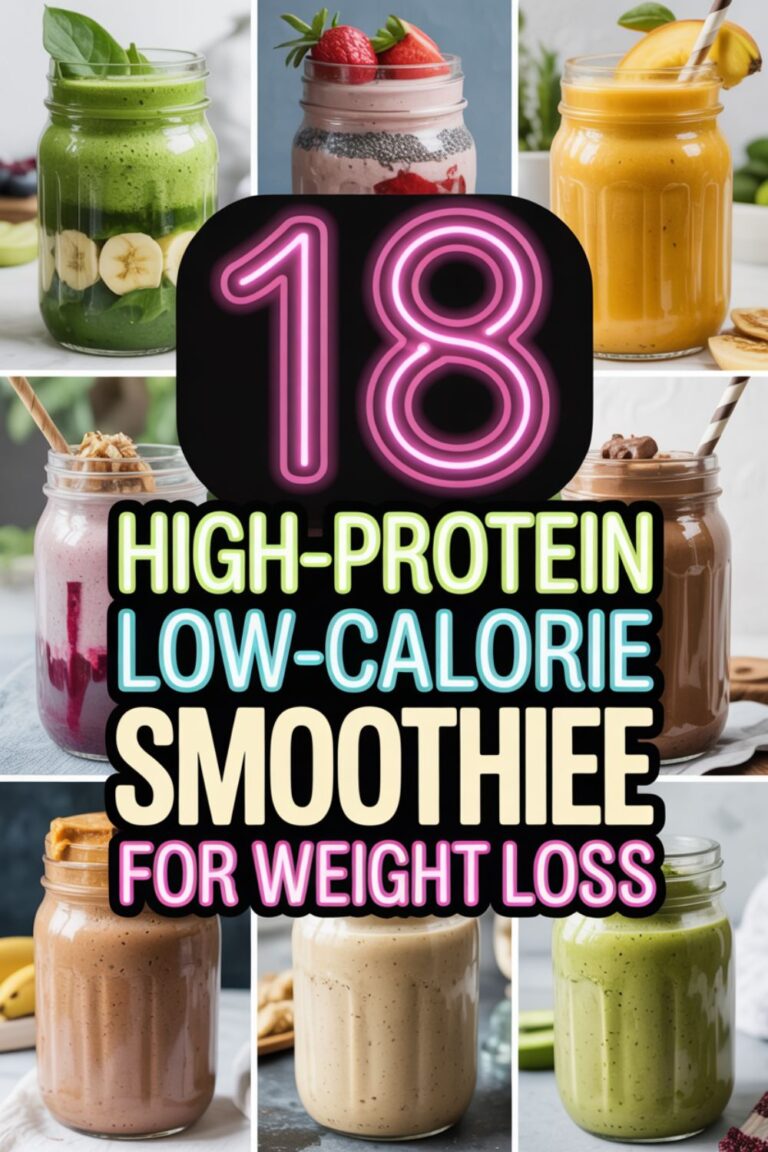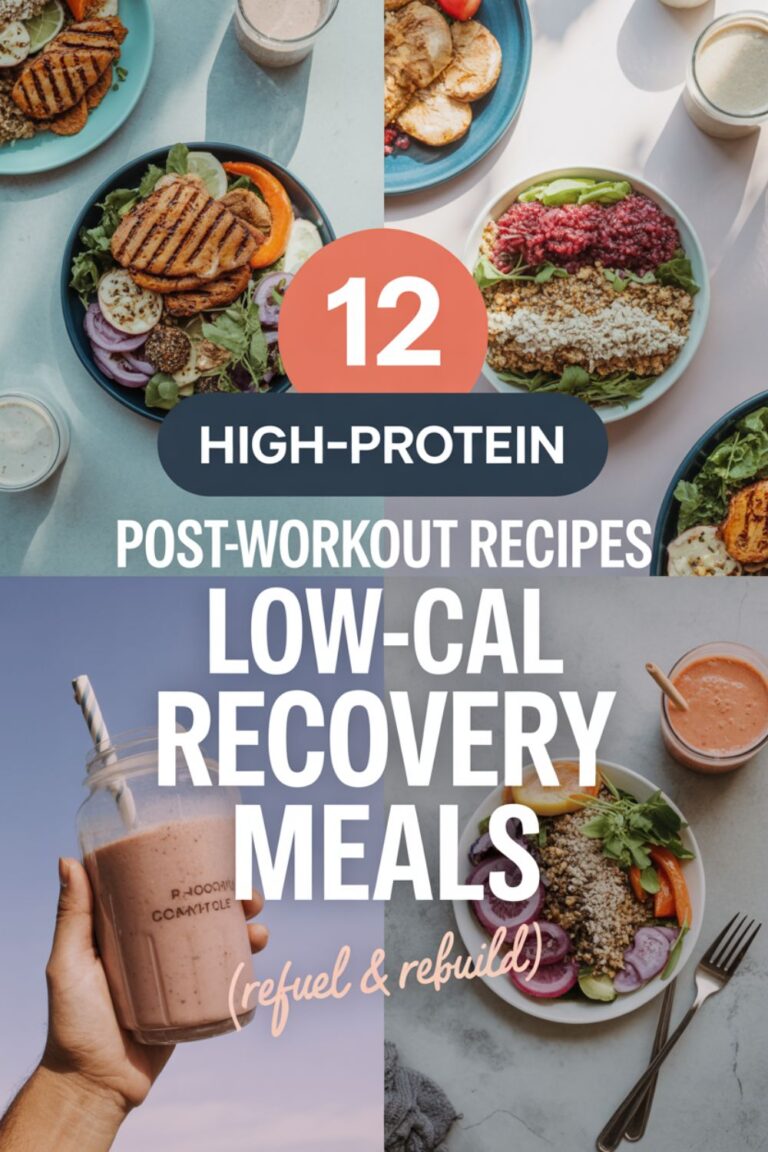
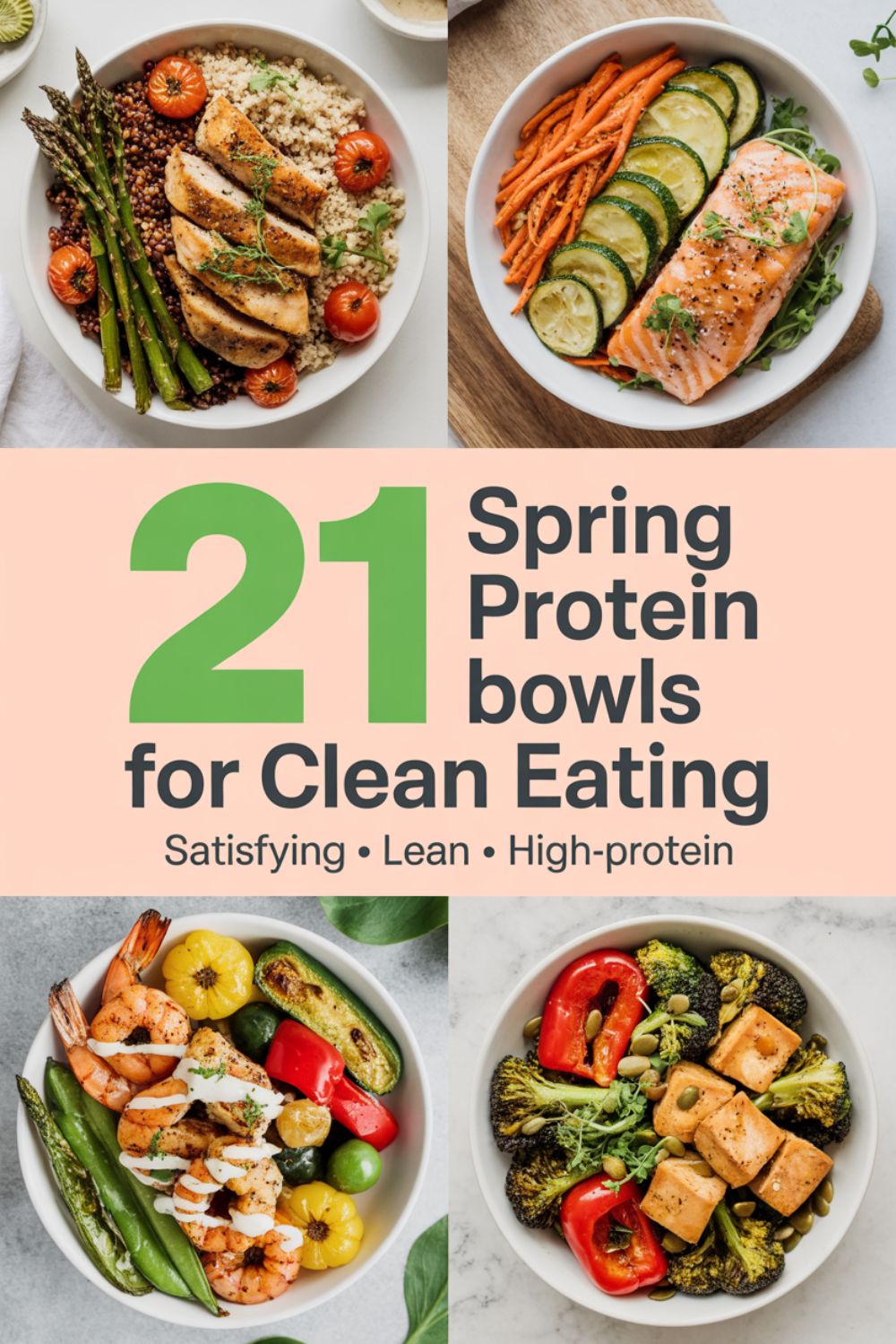
21 Spring Protein Bowls for Clean Eating
Spring just hit different this year. Maybe it’s the longer days or the fact that my jeans fit better when I’m not face-deep in comfort food, but I’m ready to shake up my meal routine. I’ve been obsessed with protein bowls lately—they’re the perfect solution when you want something fresh, filling, and actually good for you without spending an hour in the kitchen.
Here’s the thing about clean eating: it doesn’t have to be boring. I spent way too many springs eating bland chicken and steamed broccoli thinking that’s what “healthy” meant. Spoiler alert—it’s not. These 21 protein bowls are packed with flavor, color, and enough protein to keep you satisfied without the mid-afternoon snack attack.
Whether you’re meal-prepping for the week or just trying to figure out what’s for dinner tonight, these bowls have your back. Let’s get into it.
Why Protein Bowls Are Perfect for Spring
Let’s be real—spring is when we all get that renewed motivation to eat better. The farmers markets are bursting with fresh produce, the weather’s warming up, and suddenly salads don’t feel like punishment anymore. Protein bowls are basically the Swiss Army knife of healthy eating—versatile, customizable, and they actually keep you full.
The beauty of a good protein bowl is that it hits all the right notes. You’ve got your lean protein (chicken, tofu, salmon, whatever floats your boat), complex carbs for sustained energy, healthy fats to keep your brain happy, and a mountain of veggies because let’s face it, most of us need more of those. According to Harvard’s Nutrition Source, the quality of your protein matters just as much as the quantity—and bowls let you mix plant and animal proteins for optimal nutrition.
Plus, they’re ridiculously Instagram-worthy. Not that I’m shallow or anything, but it helps when your food looks as good as it tastes.
The Science Behind Why These Work
I’m not gonna bore you with a nutrition lecture, but here’s what you need to know: protein helps you stay fuller longer, which means you’re less likely to raid the vending machine at 3 PM. Research from Healthline shows that higher protein intake can boost metabolism, reduce cravings, and support muscle maintenance—especially important if you’re trying to lose weight or just maintain what you’ve got.
When you combine protein with fiber-rich vegetables and complex carbohydrates, you get this perfect trifecta that keeps your blood sugar stable and your energy consistent. No more crash-and-burn at 2 PM wondering why you can’t keep your eyes open.
💡 Pro Tip:
Prep your grains and proteins on Sunday evening. Quinoa, brown rice, and chicken breast all keep beautifully for 4-5 days. Thank yourself all week when lunch takes 5 minutes to assemble instead of 30.
Building the Perfect Spring Protein Bowl
Every great bowl follows a formula. It’s not rocket science, but it does require some thought. Here’s how I break it down:
The Base Layer
Start with your grains or greens. I’m talking quinoa, brown rice, farro, or if you’re feeling fancy, a mix of spring greens. Quinoa is my go-to because it’s a complete protein on its own—all nine essential amino acids right there. Plus it cooks in like 15 minutes, which is clutch on busy weeknights.
Sometimes I’ll do half quinoa, half massaged kale. The kale adds volume without a ton of calories, and when you massage it with a little lemon juice and salt, it gets tender and way less bitter. Game changer.
The Protein Punch
This is where you’ve got options. Grilled chicken is the obvious choice—it’s lean, affordable, and pairs with literally everything. But don’t sleep on salmon, shrimp, hard-boiled eggs, chickpeas, or tofu. For spring, I’m all about lighter proteins. Heavy beef bowls can wait until fall.
If you want to keep things interesting, try these high-protein chicken recipes that actually taste good—no dry, cardboard chicken here.
A meat thermometer like this one is honestly essential if you want perfectly cooked protein every time. I used to just guess and pray, which resulted in either rubber chicken or salmonella roulette. Not cute.
The Veggie Situation
Spring vegetables are where this whole thing shines. Asparagus, snap peas, radishes, cherry tomatoes, cucumbers—everything is crisp and fresh. I usually go for a mix of raw and cooked veggies. Raw cucumbers and tomatoes add crunch, while roasted asparagus or sautéed snap peas bring depth.
For roasting, I swear by a silicone baking mat. Zero sticking, zero scrubbing, and your veggies get this perfect caramelization. I use mine on everything short of cereal bowls.
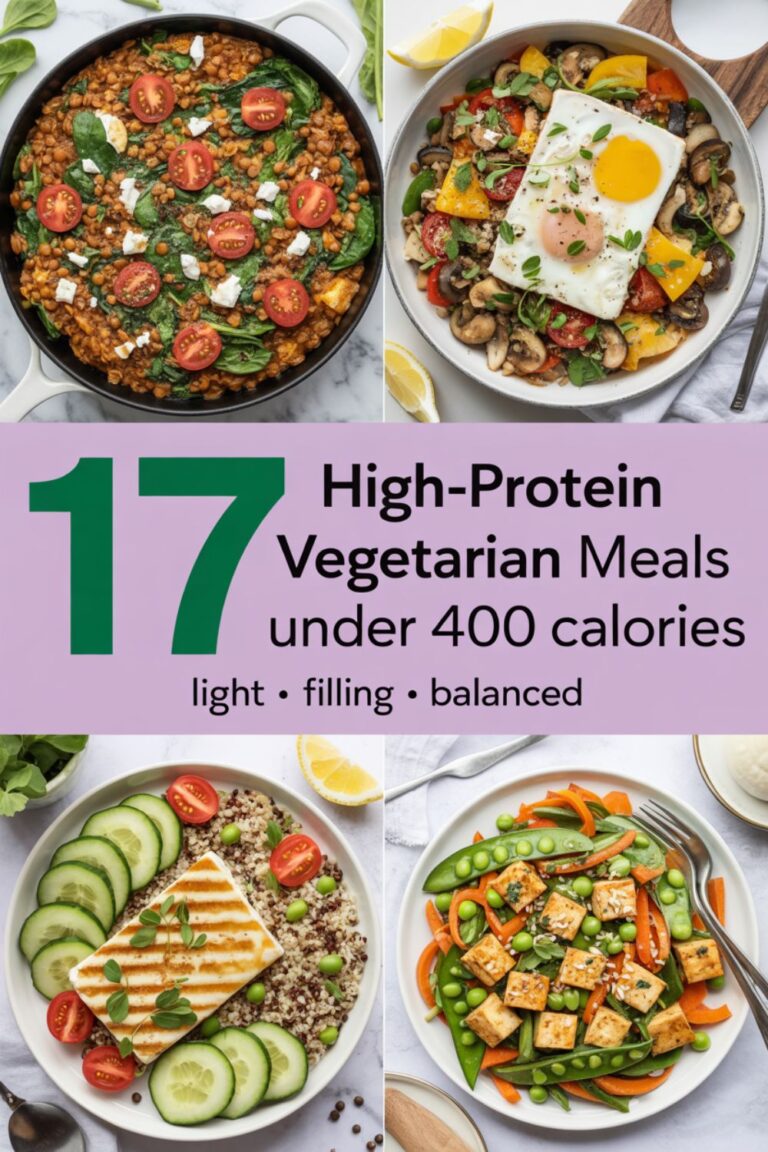
Looking for more veggie-forward options? These vegetarian protein recipes prove you don’t need meat to hit your protein goals.
💡 Quick Win:
Roast a big batch of vegetables Sunday night—asparagus, bell peppers, zucchini, whatever’s in season. Toss with olive oil, salt, and pepper. They’ll keep in the fridge for days and make bowl assembly stupid easy.
21 Spring Protein Bowl Ideas You’ll Actually Make
Alright, let’s get to the good stuff. These aren’t complicated chef-level creations—they’re real bowls I actually make and eat. Some are classics with a spring twist, others are a bit more adventurous. All of them are delicious.
Bowl 1: Mediterranean Spring Bowl
Quinoa base, grilled chicken, cherry tomatoes, cucumbers, red onion, Kalamata olives, feta cheese, and a lemon-herb dressing. This is my default when I can’t decide what else to make. The feta adds just enough saltiness without going overboard, and the lemon dressing is bright and fresh—perfect for spring.
Bowl 2: Asian-Inspired Ginger Chicken Bowl
Brown rice, ginger-marinated chicken breast, edamame, shredded carrots, snap peas, scallions, and a sesame-ginger dressing. The edamame bumps up the protein even more, and the ginger gives it this zingy kick that wakes up your taste buds.
Pro tip: marinate the chicken for at least 30 minutes. If you’re in a rush, even 15 minutes helps. A glass meal prep container set makes marinating and storage so much easier—they don’t stain and they’re microwave-safe.
Bowl 3: Southwestern Black Bean Bowl
Brown rice, seasoned black beans, grilled chicken (optional), corn, diced tomatoes, avocado, red cabbage, lime wedge, and cilantro-lime dressing. This one’s hearty enough to feel like a real meal, and the black beans pack a serious protein punch on their own.
For more complete meal ideas that incorporate beans and legumes, check out these meal prep-friendly recipes.
Bowl 4: Spring Salmon and Asparagus Bowl
Quinoa, pan-seared salmon, roasted asparagus, cherry tomatoes, avocado, and a light lemon-dill sauce. Salmon is loaded with omega-3s, which are great for brain health and reducing inflammation. Plus it tastes fancy without requiring actual cooking skills.
Bowl 5: Greek Goddess Bowl
Quinoa, grilled chicken or chickpeas, cucumber, cherry tomatoes, red onion, Kalamata olives, feta, and tzatziki. Tzatziki is one of those condiments that makes everything better. It’s creamy, tangy, and way healthier than ranch dressing (not that there’s anything wrong with ranch, but you know).
Bowl 6: Teriyaki Tofu Bowl
Brown rice, crispy baked tofu with teriyaki sauce, broccoli, bell peppers, carrots, sesame seeds, and scallions. If you’ve never tried crispy tofu, you’re missing out. The trick is pressing out the moisture first and then baking it at high heat. A tofu press makes this process hands-off and foolproof.
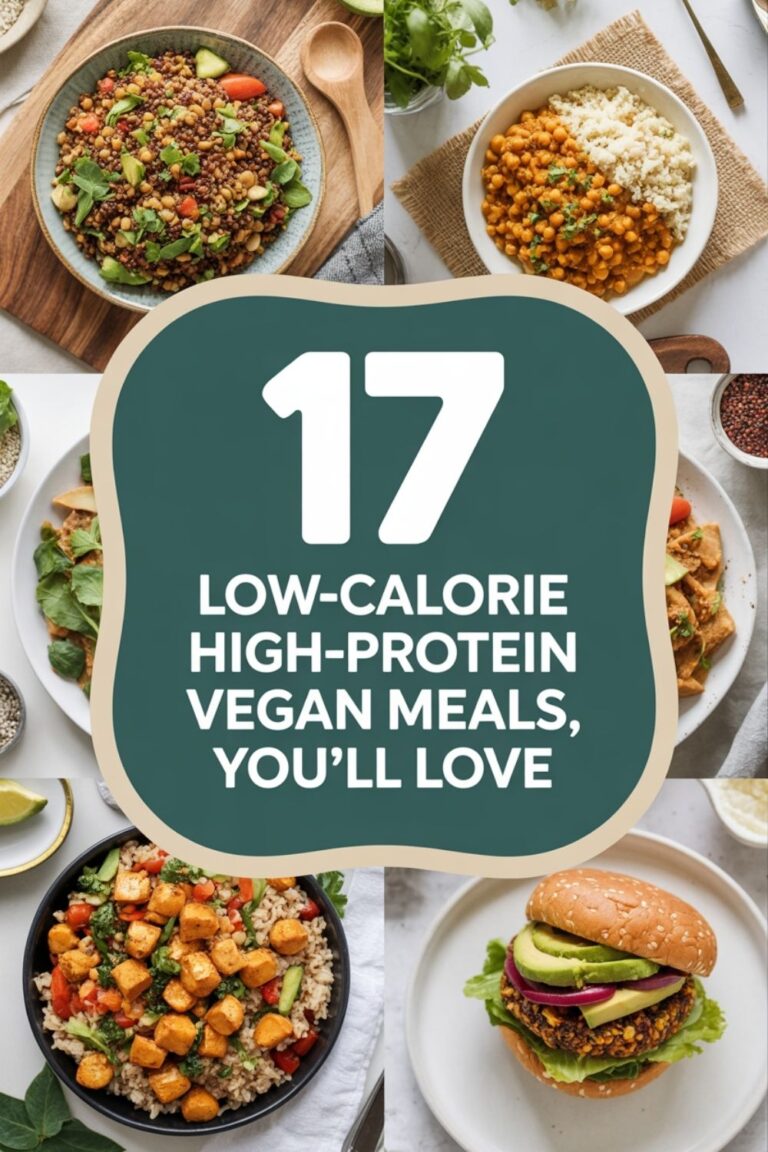
Need more plant-based inspiration? These vegan protein meals are proof that you don’t need animal products to build muscle or stay satisfied.
Bowl 7: Shrimp and Avocado Spring Bowl
Mixed greens, grilled shrimp, avocado, cherry tomatoes, cucumber, corn, and a lime-cilantro vinaigrette. Shrimp cooks in minutes, which makes this bowl perfect for those nights when you’re starving and need food ASAP.
Bowl 8: Thai Peanut Chicken Bowl
Brown rice, grilled chicken, shredded red cabbage, carrots, edamame, cilantro, crushed peanuts, and peanut sauce. This one’s a crowd-pleaser. The peanut sauce is rich and creamy but still fits into a clean eating plan if you make it yourself with natural peanut butter.
Speaking of peanut butter, there’s an ongoing debate between peanut butter vs almond butter for protein content. Both are solid choices, but peanut butter typically has slightly more protein per serving (about 7-8g per 2 tablespoons vs 6-7g for almond butter). Choose based on taste preference and any allergy concerns.
Bowl 9: Lemon Herb Chicken and Quinoa Bowl
Quinoa, lemon-herb chicken, roasted zucchini, cherry tomatoes, spinach, and a light lemon vinaigrette. Simple, fresh, and it feels like spring on a plate. The lemon keeps everything bright without being overly acidic.
Bowl 10: Caprese Protein Bowl
Quinoa or farro, grilled chicken, fresh mozzarella, cherry tomatoes, fresh basil, balsamic glaze, and a drizzle of olive oil. This is basically a deconstructed caprese salad with grains and protein. It’s elegant enough for company but easy enough for a Tuesday night.
For similar fresh and simple approaches, these 5-ingredient protein meals prove that clean eating doesn’t have to be complicated.
Bowl 11: Moroccan-Spiced Chickpea Bowl
Couscous, roasted chickpeas with Moroccan spices (cumin, paprika, cinnamon), roasted carrots, red onion, raisins, fresh mint, and a lemon-tahini dressing. The spices make this bowl feel exotic, and the chickpeas get crispy in the oven—total texture win.
A spice grinder is clutch for getting the freshest flavor out of whole spices. Pre-ground is fine, but freshly ground cumin and coriander? Chef’s kiss.
Bowl 12: Spring Veggie and Egg Bowl
Quinoa, soft-boiled eggs, roasted asparagus, snap peas, radishes, avocado, and everything bagel seasoning. Eggs are an underrated protein source—two eggs give you about 12-14g of protein. Plus they’re cheap and cook fast.
If you’re into breakfast bowls specifically, check out these protein-packed breakfast options that’ll start your day right.
Bowl 13: Cajun Chicken and Sweet Potato Bowl
Brown rice, Cajun-spiced chicken, roasted sweet potato cubes, black beans, corn, red cabbage, and a creamy avocado-lime dressing. The sweet potato adds natural sweetness that balances the Cajun heat perfectly.
Bowl 14: Sesame Tuna Bowl
Sushi rice, seared sesame-crusted tuna (or canned tuna works too), cucumber, avocado, edamame, pickled ginger, and a soy-sesame dressing. If you use fresh tuna, just sear it for about 90 seconds per side. You want it rare in the middle—trust me.
Bowl 15: Spring Pesto Chicken Bowl
Quinoa or pasta, grilled chicken, cherry tomatoes, fresh mozzarella, arugula, and homemade basil pesto. Pesto is one of those sauces that elevates literally everything. Making it at home is stupid easy—basil, garlic, pine nuts, Parmesan, and olive oil in a food processor. Done.
Bowl 16: Korean BBQ Beef Bowl
Brown rice, thinly sliced Korean BBQ beef, kimchi, cucumber, carrots, fried egg, sesame seeds, and gochujang sauce. The kimchi adds probiotics for gut health, which is a nice bonus on top of all the protein.
For more international flavor profiles, these comfort food recipes prove healthy eating can still be exciting.
Bowl 17: Lentil and Roasted Veggie Bowl
Farro, French green lentils, roasted Brussels sprouts, roasted carrots, goat cheese crumbles, and a balsamic vinaigrette. Lentils are a protein powerhouse—about 18g per cooked cup—and they’re dirt cheap. Stock up.
Bowl 18: Turkey Taco Bowl
Cilantro-lime rice, seasoned ground turkey, black beans, pico de gallo, shredded lettuce, avocado, Greek yogurt (instead of sour cream), and crushed tortilla chips for crunch. Ground turkey is leaner than beef but still gives you that hearty, satisfying feel.
Bowl 19: Spring Steak and Chimichurri Bowl
Quinoa, grilled flank steak sliced thin, roasted asparagus, cherry tomatoes, red onion, and fresh chimichurri. Chimichurri is basically Argentina’s answer to pesto—parsley, garlic, olive oil, red wine vinegar, and red pepper flakes. It’s bright, herbaceous, and makes steak taste like a million bucks.
Bowl 20: Buffalo Chicken Bowl
Brown rice, shredded buffalo chicken, shredded carrots, celery, cherry tomatoes, blue cheese crumbles, and a light ranch or blue cheese dressing. This scratches that buffalo wing itch without the deep-fried guilt.
For more quick dinner ideas using chicken, these weeknight dinners are lifesavers when you’re short on time.
Bowl 21: Coconut Curry Chickpea Bowl
Jasmine rice, coconut curry chickpeas, roasted cauliflower, spinach, cilantro, and a squeeze of lime. This one’s more soup-like than the others, but in the best way. The coconut milk makes it creamy without being heavy, and the curry powder adds warmth and complexity.
A cast iron skillet is perfect for getting that char on cauliflower and chickpeas. Even heat distribution means everything cooks evenly—no burnt edges with raw middles.
If you’re into bowls specifically, you’ll love these prep-ahead bowl ideas that make weekly meal planning a breeze.
💡 Pro Tip:
Make a double batch of whatever grain you’re using. Cooked grains freeze beautifully and defrost in minutes. Future you will be grateful when dinner comes together in under 10 minutes.
Dressings and Sauces That Make or Break Your Bowl
Here’s a truth bomb: a boring bowl with great dressing beats a great bowl with boring dressing every single time. Sauce is everything. It ties all the components together and adds that flavor punch that turns “meh” into “wow.”
My favorite spring dressings are citrus-based—lemon-herb vinaigrette, lime-cilantro dressing, orange-ginger sauce. They’re bright, light, and don’t weigh down the bowl. Plus they’re easy to make at home, which saves money and lets you control the sugar and sodium.
Basic Lemon-Herb Vinaigrette
This is my desert island dressing. Three parts olive oil to one part lemon juice, Dijon mustard, minced garlic, salt, pepper, and whatever herbs you’ve got (I usually go with parsley and dill). Shake it up in a mason jar and you’re done. Keeps in the fridge for a week.
Tahini-Based Dressings
Tahini is a miracle worker. It’s creamy, nutty, and loaded with healthy fats and protein. Mix it with lemon juice, garlic, and water to thin it out, and you’ve got a dressing that works on basically everything. Add some cumin or za’atar if you want to get fancy.
For those watching calories but wanting maximum flavor, these salad recipes include some killer dressing ideas that won’t derail your goals.
The Peanut Sauce Situation
Real talk—peanut sauce is addictive. Natural peanut butter, soy sauce, lime juice, honey, garlic, and ginger. Blend it up and try not to drink it straight from the jar. I’m only half kidding.
A mini blender is perfect for making small batches of sauces and dressings. Less cleanup, less waste, and it takes up minimal counter space.
Kitchen Tools That Make Bowl Life Easier
Look, you don’t need a fully stocked Williams Sonoma kitchen to make great protein bowls. But a few key tools can seriously streamline the process and make cooking more enjoyable. Here’s what I actually use:
Physical Products:
1. Glass Meal Prep Containers (5-pack) – These changed my meal prep game. They don’t stain, they’re microwave and dishwasher safe, and you can see what’s inside without opening them. The lids actually seal, unlike those flimsy plastic ones that crack after two uses.
2. Quality Chef’s Knife – I resisted upgrading my knife for years. Big mistake. A sharp, well-balanced knife makes chopping vegetables faster and safer. You don’t need to spend $200, but don’t cheap out with a $10 knife either.
3. Instant-Read Thermometer – Game changer for perfectly cooked proteins. No more guessing if chicken is done or accidentally making rubber out of salmon. Just stick it in, check the temp, done.
Digital Resources:
1. MyFitnessPal Premium – If you’re tracking macros, this is worth every penny. The barcode scanner alone saves tons of time, and the recipe builder lets you calculate exact nutrition for homemade dressings and sauces.
2. Paprika Recipe Manager – This app lets you save recipes from anywhere, create grocery lists, and scale servings up or down. It’s basically a digital recipe box that doesn’t take up drawer space.
3. Mealime Meal Planning App – Takes the guesswork out of weekly planning. You pick your dietary preferences, and it generates meal plans with shopping lists. The free version is solid, but pro unlocks way more customization.
Meal Prep Strategy for Maximum Efficiency
I’m gonna level with you—I don’t meal prep every single week. Some weeks I’m on top of it, other weeks I’m winging it. But when I do meal prep, I follow a system that makes the whole thing less overwhelming.
Sunday is my prep day, but it doesn’t have to be yours. Pick whatever day works for your schedule. I dedicate about 2 hours—sounds like a lot, but it saves way more time during the week.
The 2-Hour Meal Prep Breakdown
First 20 minutes: Wash and chop all vegetables. I do this while a podcast plays in the background. Cucumbers, tomatoes, peppers, whatever’s on the menu for the week. Store them in separate containers so they don’t get soggy.
Next 30 minutes: Cook grains. Quinoa, rice, farro—whatever you’re using. I usually make two types so there’s variety. They keep for 5-6 days in the fridge, or you can freeze portions for later.
Next 40 minutes: Cook proteins. Batch cook chicken breasts, hard-boil eggs, roast chickpeas, whatever you need. This is where the meat thermometer becomes your best friend—perfectly cooked protein every time.
Last 30 minutes: Make dressings and roast vegetables. Sheet pan roasted veggies are clutch. Toss everything in olive oil and seasonings, spread on a pan, roast at 425°F until caramelized. Easy.
If you’re new to this whole meal prep thing, these meal prep guides walk you through the entire process step by step.
Storage Tips That Actually Work
Keep components separate until you’re ready to eat. Nobody wants soggy lettuce or mushy quinoa. Dressings go in small containers or jars—don’t add them until right before eating.
Label everything with dates. I know it seems extra, but when you’re staring at three identical containers of brown rice trying to remember which one you made first, you’ll thank me.
For grab-and-go situations, assemble a few complete bowls at the start of the week. These work great for lunches. Just keep the dressing separate and add it right before eating.
Looking for more meal prep inspiration? These weekly guides provide complete plans with shopping lists included.
Customizing Bowls for Different Dietary Needs
One of the best things about protein bowls is how easy they are to customize. Vegan? Swap chicken for chickpeas or tofu. Gluten-free? Use quinoa instead of farro. Dairy-free? Skip the cheese or use a plant-based alternative.
For Dairy-Free Diets
Most of these bowls are naturally dairy-free or easily adaptable. Instead of feta or goat cheese, try nutritional yeast for a cheesy flavor without dairy. Tahini-based dressings replace creamy dairy dressings beautifully. Coconut milk adds creaminess to curry-based bowls without any animal products.
For Low-Carb Approaches
Replace grains with cauliflower rice or extra greens. Increase the protein portion slightly to compensate for the missing carbs. Add more healthy fats like avocado, nuts, or seeds to keep calories adequate.
These muscle gain recipes show how to adjust macros based on your specific fitness goals.
For Higher Protein Needs
Athletes or anyone trying to build muscle might need more protein than these base recipes provide. Easy fixes: add an extra protein source (like hard-boiled eggs to a chicken bowl), increase portion sizes, or top with nuts and seeds for extra protein and healthy fats.
Research suggests that distributing protein evenly across meals—about 25-35g per meal—may optimize muscle protein synthesis better than eating most of your protein at dinner. These bowls make it easy to hit that target at lunch or dinner.
💡 Reader Win:
Sarah from our community switched to protein bowls for lunch and dropped 15 pounds in three months without feeling deprived. Her secret? Making enough for dinner leftovers so she always had a healthy option ready.
Common Mistakes to Avoid
I’ve made every protein bowl mistake in the book, so let me save you some trouble.
Mistake #1: Making Everything Too Bland
Healthy doesn’t mean flavorless. Season your food, people. Salt, pepper, fresh herbs, spices—use them liberally. A bland protein bowl is a protein bowl you won’t want to eat, which defeats the whole purpose.
Mistake #2: Drowning Everything in Dressing
On the flip side, too much dressing can turn a healthy bowl into a calorie bomb. Two tablespoons is usually plenty. If your bowl needs more, the components probably aren’t seasoned well enough.
Mistake #3: Not Including Enough Texture Variety
Bowls need crunch. Whether it’s raw veggies, nuts, seeds, or crispy chickpeas, that textural contrast keeps things interesting. All soft food gets boring fast.
Mistake #4: Ignoring Temperature
Some components are better warm, others cold. I like warm grains and protein with cool, crisp vegetables. The temperature contrast is part of what makes bowls so satisfying.
For more quick assembly ideas that avoid these pitfalls, check out these 20-minute bowl recipes.
Making Bowls Work for Your Schedule
Not everyone has time for Sunday meal prep. I get it. Life happens. Here’s how to make protein bowls work even when you’re slammed.
The 15-Minute Bowl Strategy
Keep cooked grains in the freezer. They defrost in minutes. Use rotisserie chicken from the grocery store—no shame in shortcuts. Pre-washed greens, pre-cut veggies if budget allows. Throw it all together with a store-bought dressing (look for ones without added sugar). Done.
The “Cook Once, Eat Thrice” Approach
Whatever protein you’re making for dinner, make triple. Use it in bowls for the next two days. Same with grains. This requires minimal extra effort but sets you up for success.
These easy lunch ideas follow the same time-saving principle.
Budget-Friendly Bowl Building
Clean eating doesn’t have to drain your bank account. Here’s how to keep costs reasonable:
Buy grains in bulk. Quinoa, rice, and lentils are way cheaper when purchased in larger quantities. They store forever in airtight containers.
Focus on affordable proteins. Eggs, canned tuna, dried beans, and frozen chicken breasts are all budget-friendly. You don’t need fresh salmon every day to hit your protein goals.
Shop seasonal produce. In spring, asparagus and peas are plentiful and cheaper. Don’t buy strawberries in December—they cost a fortune and taste like cardboard.
Make your own dressings. Store-bought dressings are marked up like crazy. A homemade vinaigrette costs pennies and tastes better.
For more budget-conscious approaches, these beginner meal plans are designed with affordability in mind.
Frequently Asked Questions
How much protein should each bowl contain?
Aim for 25-35 grams of protein per bowl if it’s your main meal. This amount supports muscle maintenance and keeps you satisfied for hours. You can adjust based on your specific needs—athletes or those building muscle might want 40+ grams, while smaller individuals might be fine with 20-25 grams.
Can I meal prep protein bowls for the whole week?
Absolutely, but store components separately for best results. Cooked grains and proteins keep well for 4-5 days refrigerated. Prep vegetables fresh or store them in airtight containers with paper towels to absorb excess moisture. Add dressings right before eating to prevent sogginess.
What’s the best grain for protein bowls?
Quinoa is my top pick because it’s a complete protein containing all nine essential amino acids, plus it cooks quickly and has a mild flavor that works with any combination. Brown rice is a close second for affordability and versatility. Farro adds great texture if you want something chewier.
Are protein bowls good for weight loss?
Yes, when portioned correctly. The combination of lean protein, fiber-rich vegetables, and complex carbohydrates keeps you fuller longer and helps stabilize blood sugar. Just watch your portions of higher-calorie ingredients like nuts, seeds, avocado, and dressings—they’re healthy but calorie-dense.
Can I make these bowls vegan?
Definitely. Replace animal proteins with chickpeas, tofu, tempeh, edamame, or lentils. Combine different plant proteins (like rice and beans) to get all essential amino acids. Use tahini-based dressings instead of dairy-based ones, and you’re all set with completely plant-based, protein-rich bowls.
Final Thoughts
Spring protein bowls are my secret weapon for staying on track without feeling like I’m on a diet. They’re flexible, delicious, and practical for real life—not just Instagram life.
The key is finding a few combinations you genuinely enjoy and rotating through them. You don’t need to make all 21 bowls. Pick three or four that sound good, master those, then branch out when you’re ready for variety.
Start small. Maybe meal prep just your grains and proteins this Sunday. Next week add prepped vegetables. Build the habit gradually instead of trying to overhaul your entire eating pattern overnight.
And remember—clean eating should make you feel energized and satisfied, not deprived and miserable. If you hate quinoa, don’t eat it. If you love feta cheese, include it in moderation. The best eating plan is one you can actually stick with.
Now get out there and build yourself a bowl that makes you excited for lunch. You’ve got this.