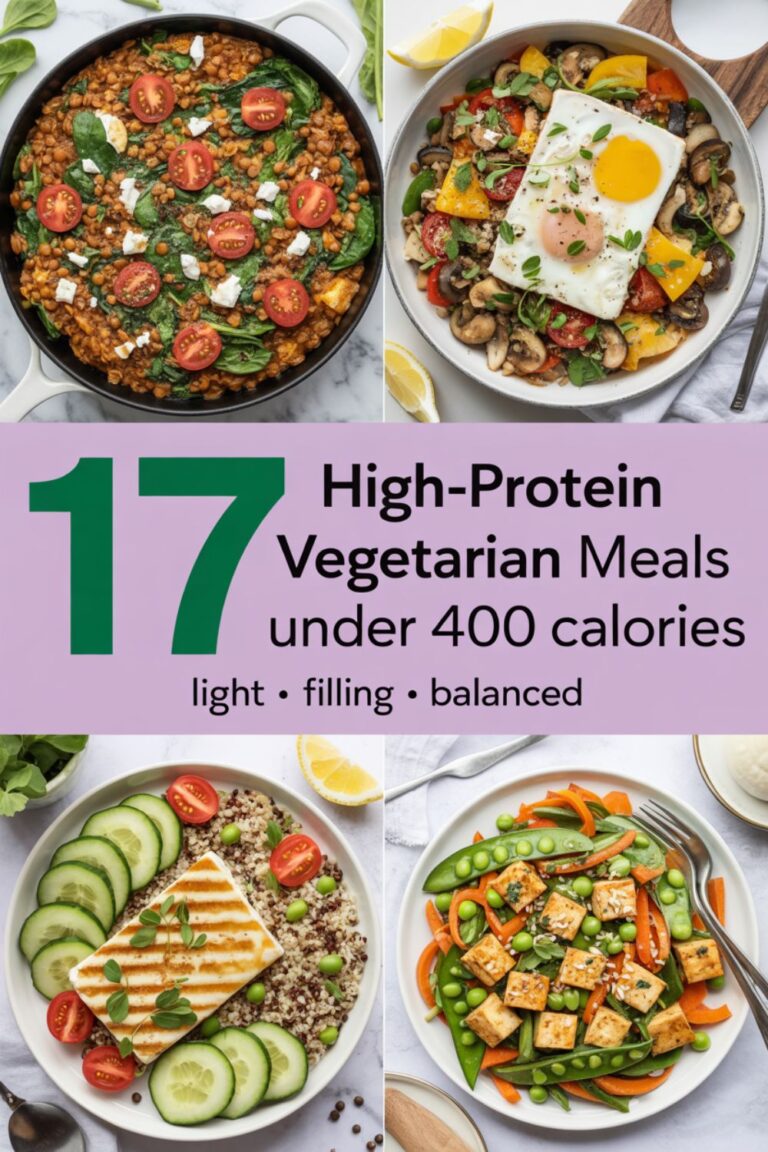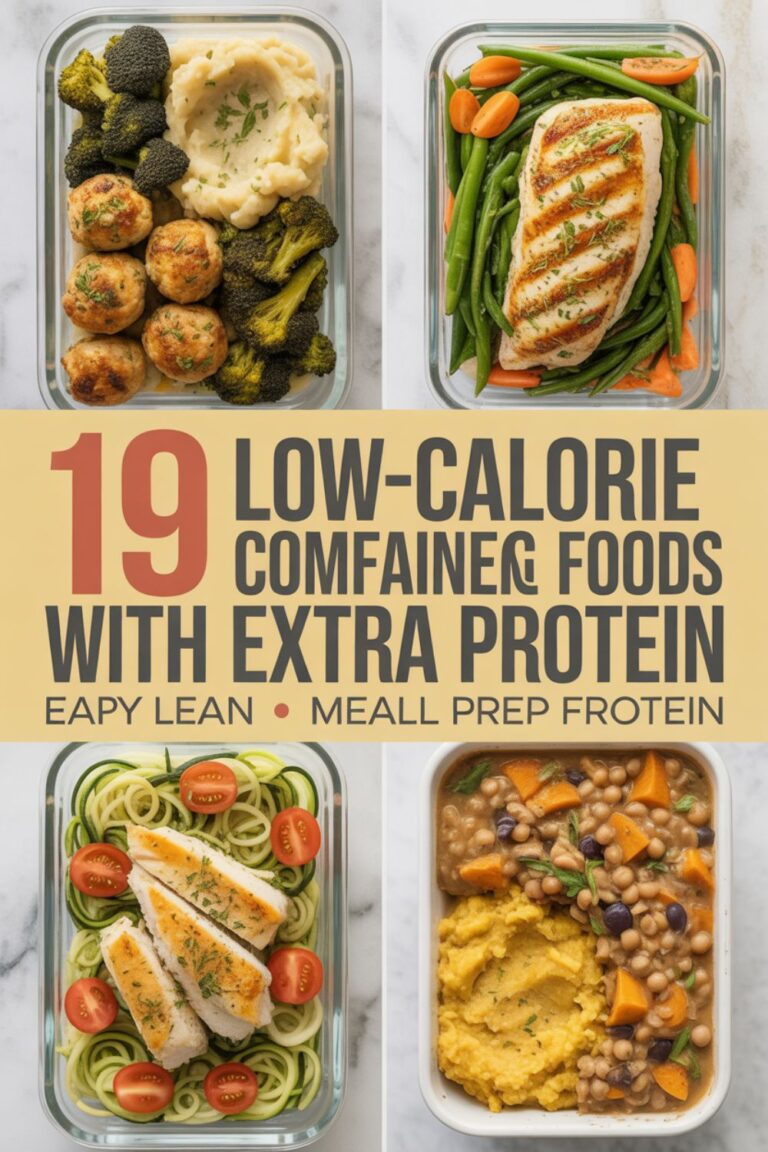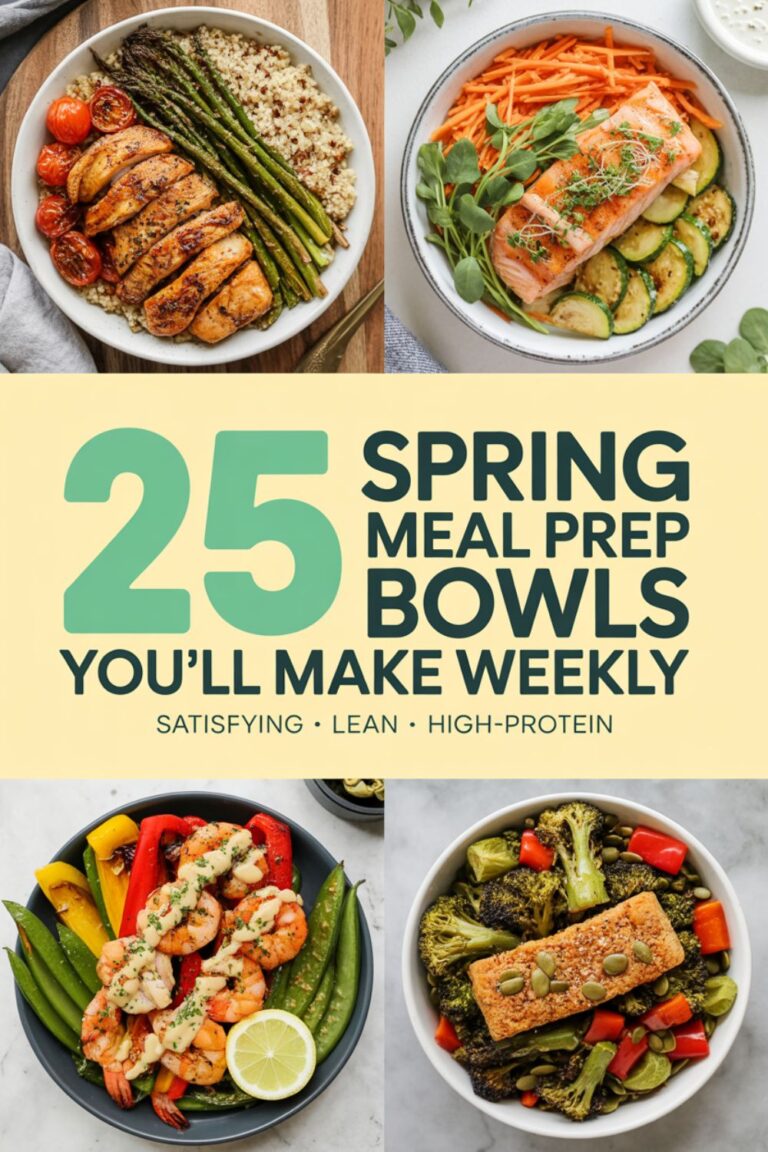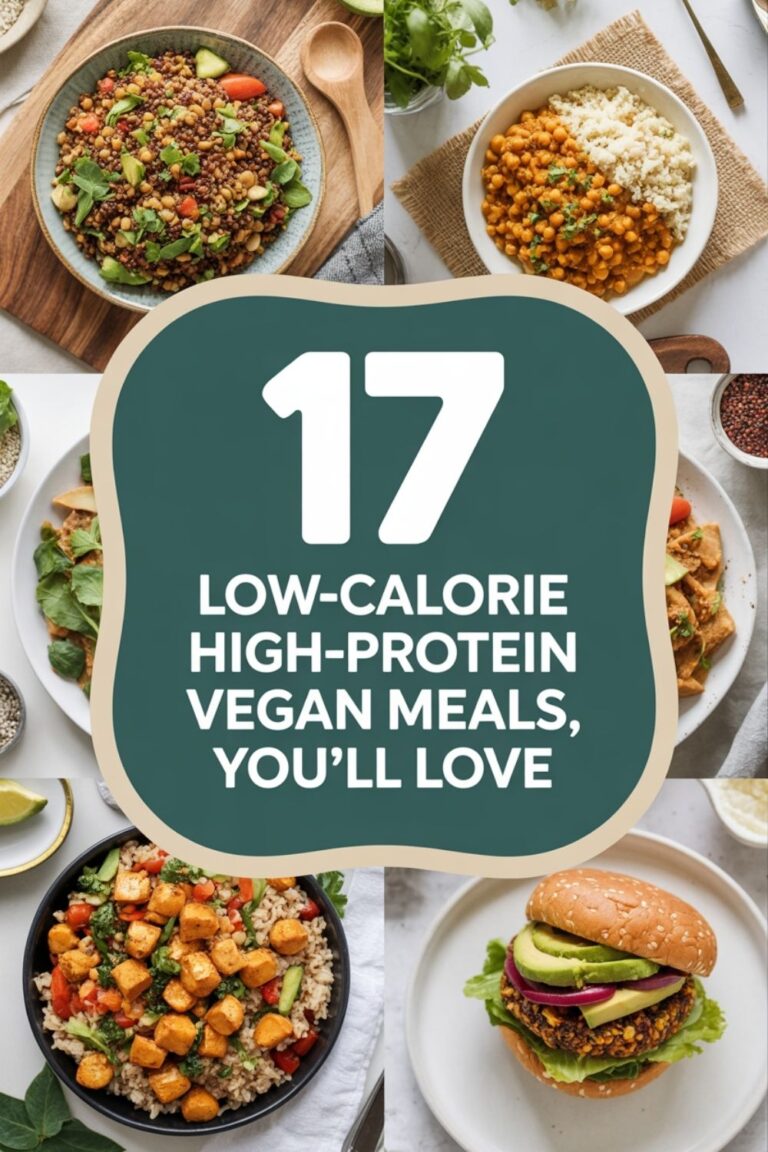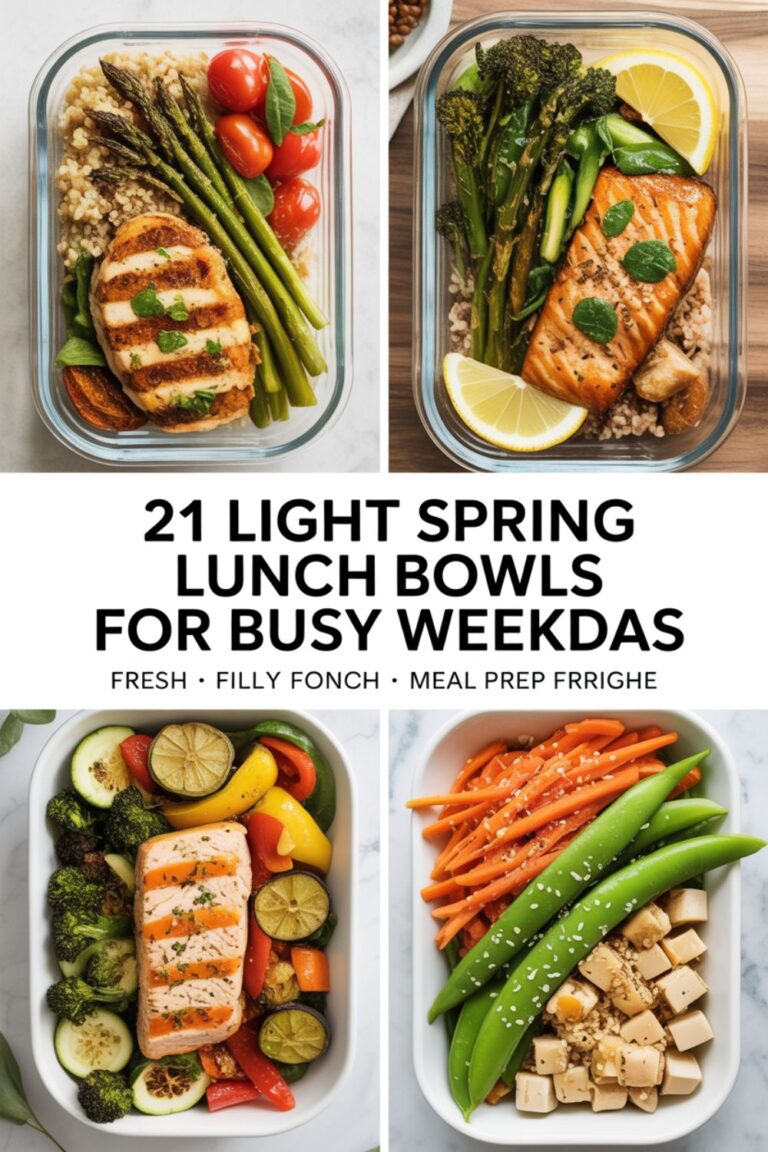
21 Spring Vegetarian Protein Bowls That’ll Make You Forget About Meat
Spring just hits different when you’re eating colorful bowls packed with fresh greens, vibrant vegetables, and enough protein to keep you fueled all day. If you’ve been thinking vegetarian protein bowls are all quinoa and sadness, I’m here to prove you wrong.
I’ve spent way too many Sunday afternoons testing protein bowl combinations, and honestly? These spring versions are the best I’ve made all year. We’re talking crispy chickpeas, creamy tahini drizzles, and vegetables so fresh they practically scream “farmer’s market.” The best part? Each bowl delivers 15-25 grams of protein without a single piece of meat in sight.
Whether you’re fully vegetarian, just trying to eat less meat, or simply looking for lunch ideas that don’t leave you hungry an hour later, these 21 bowls have you covered. No boring salads here—just seriously satisfying meals that happen to be loaded with plant-based protein.
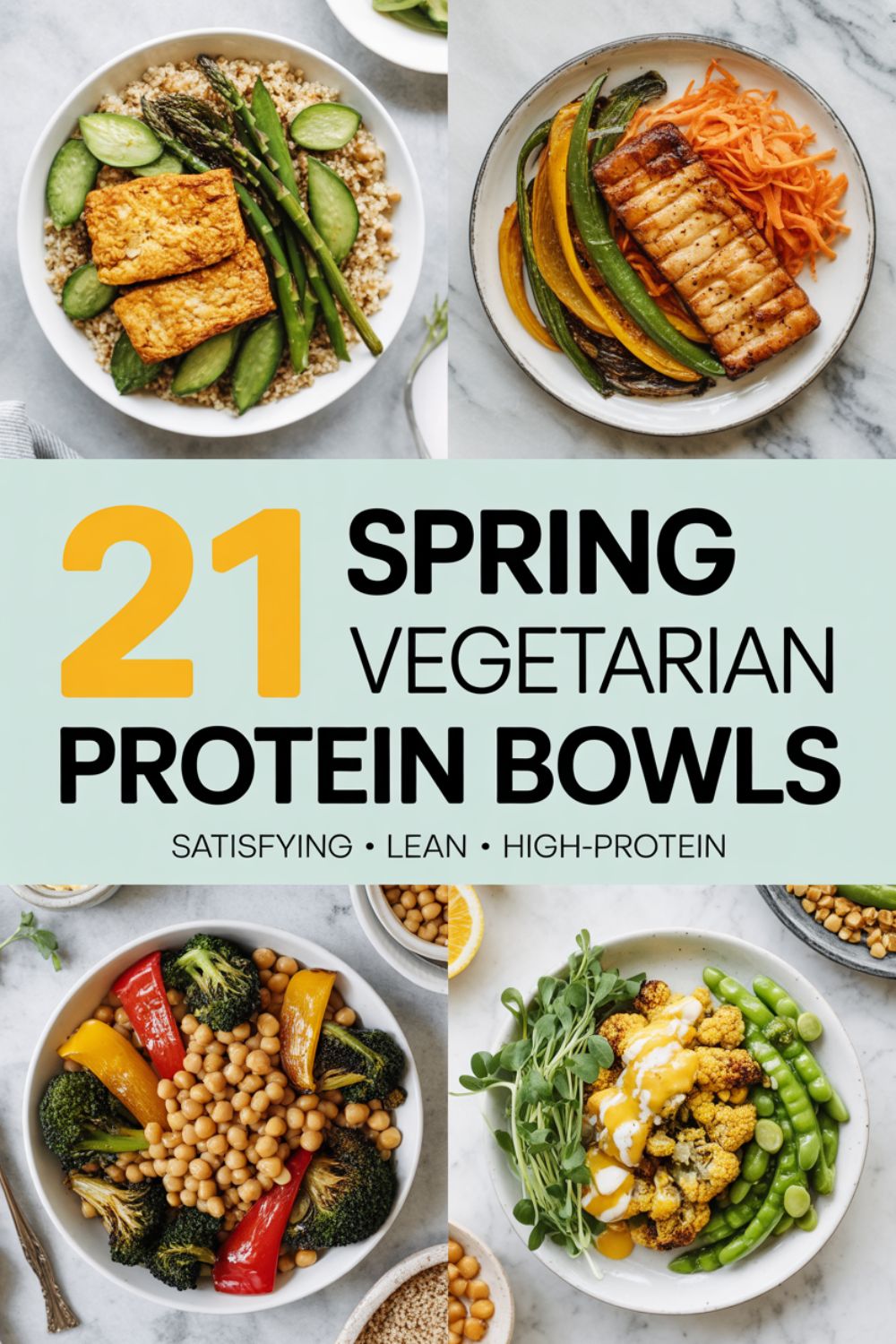
Why Spring Makes the Best Protein Bowl Season
Spring vegetables are basically nature’s way of saying “time to refresh your meal prep game.” You’ve got tender asparagus, snap peas that actually snap, and radishes with that perfect peppery bite. Unlike winter squash that takes forty minutes to roast, spring veggies cook fast and taste amazing with minimal effort.
The protein situation gets even better when you combine seasonal produce with plant-based proteins like lentils, chickpeas, and tofu. Research shows that traditional legumes, nuts, and seeds provide sufficient protein for adults following vegetarian diets—you just need to mix things up instead of eating the same bowl every day.
Here’s what makes spring protein bowls different from their winter cousins: everything’s lighter, brighter, and actually enjoyable to eat at room temperature. You can prep these on Sunday and not hate your life by Thursday when you’re eating them straight from the fridge.
The Protein Powerhouses You’ll Actually Want to Eat
Let’s talk protein sources that don’t make you feel like you’re choking down cardboard. Spring protein bowls work because they layer different textures and flavors—not because they rely on one sad piece of grilled tofu sitting on top of some lettuce.
Legumes That Don’t Suck
Chickpeas become completely different foods when you roast them until they’re crispy. Toss them with smoked paprika and a drizzle of olive oil, spread them on a sheet pan, and forget about them for 25 minutes. You’ll get crunchy little protein bombs with 7.3 grams of protein per half cup.
Lentils are the underrated MVP here—French lentils especially. They hold their shape better than red lentils and have this slightly peppery flavor that works perfectly with spring herbs. One cup delivers about 18 grams of protein, plus they cook in 20 minutes without any soaking required.
Black beans bring that creamy texture to balance out all the crispy spring vegetables. I like seasoning them with cumin and lime juice, which makes them taste like you put actual effort in when you definitely didn’t.
Tofu and Tempeh Done Right
Tofu gets a bad rap because most people don’t press it enough. Get yourself one of these tofu presses—it’s weirdly satisfying watching all that water drain out. Once it’s pressed, cube it, toss it in cornstarch, and pan-fry until the edges get golden and crispy. Each serving packs around 10 grams of protein and tastes nothing like the sad, spongy stuff you’re imagining.
Tempeh is basically tofu’s cooler, nuttier cousin. It’s fermented, which means it’s got that umami thing going on and doesn’t need as much babysitting. Slice it thin, marinate it for 15 minutes (or don’t, I won’t judge), and pan-fry it. 15 grams of protein per serving, and it actually tastes like something.
If you’re working on building more variety into your vegetarian meals, these high-protein vegan meals and vegetarian recipes that actually taste good are solid starting points.
The Grain Situation
Quinoa is fine—we all know quinoa is fine. But have you tried farro? It’s got this chewy texture that actually makes eating grains interesting, plus 8 grams of protein per cup. Cook it in vegetable broth instead of water and suddenly you’ve got a base that doesn’t need to be buried under sauce to taste good.
Bulgur wheat cooks in literally 10 minutes and brings 6 grams of protein per cup. It’s light enough for spring but substantial enough that you’re not starving an hour after lunch.
The 21 Spring Vegetarian Protein Bowl Formulas
These aren’t exactly recipes—think of them more like formulas you can customize based on whatever’s actually fresh at your market. Each one hits that 15-25 gram protein sweet spot and uses ingredients you can find without visiting three different specialty stores.
Bowls 1-7: The Crispy Chickpea Collection
1. Mediterranean Spring Bowl: Farro + crispy chickpeas + cherry tomatoes + cucumber + kalamata olives + red onion + feta (if you eat dairy) + lemon-tahini dressing. The chickpeas stay crispy if you dress everything separately and only drizzle the tahini on top.
2. Green Goddess Bowl: Quinoa + roasted chickpeas with herbs + asparagus + snap peas + avocado + pumpkin seeds + green goddess dressing. This one’s basically spring in a bowl, and the asparagus cooks in 8 minutes if you roast it at high heat.
3. Spicy Harissa Bowl: Bulgur + harissa-roasted chickpeas + roasted carrots + pickled red onions + fresh mint + tahini-yogurt sauce. The harissa paste I use comes in one of these squeeze tubes and lives in my fridge for months.
4. Spring Pesto Bowl: Farro + chickpeas + cherry tomatoes + fresh mozzarella pearls + arugula + basil pesto. The pesto doubles as both flavor and fat, which is exactly what you want in a protein bowl.
5. Rainbow Crunch Bowl: Quinoa + turmeric chickpeas + purple cabbage + shredded carrots + edamame + sesame-ginger dressing. Turmeric chickpeas are just regular chickpeas tossed with turmeric and they look way fancier than they are.
6. Lemony Spring Bowl: Couscous + lemon-herb chickpeas + zucchini ribbons + cherry tomatoes + fresh dill + crumbled feta + lemon vinaigrette. Use a vegetable peeler to make the zucchini ribbons—no special equipment needed.
7. Moroccan-Spiced Bowl: Bulgur + cumin-roasted chickpeas + roasted sweet potato + raisins + almonds + cilantro + tahini drizzle. The sweet-savory thing works ridiculously well here.
Bowls 8-14: Tofu and Tempeh Situations
8. Crispy Tofu Spring Bowl: Brown rice + cornstarch-fried tofu + snap peas + radishes + scallions + sesame seeds + soy-lime dressing. That cornstarch coating gets genuinely crispy if you don’t crowd the pan.
9. Thai-Inspired Peanut Bowl: Rice noodles + baked peanut tofu + shredded cabbage + carrots + cucumber + crushed peanuts + peanut-lime sauce. I use natural peanut butter for the sauce—the kind that’s just peanuts and maybe salt.
10. Tempeh Banh Mi Bowl: Jasmine rice + marinated tempeh + pickled vegetables + fresh cilantro + jalapeños + sriracha mayo. All the flavors of a banh mi without having to leave your house for fresh bread. Get Full Recipe
11. Miso-Glazed Tofu Bowl: Soba noodles + miso-glazed tofu + edamame + bok choy + scallions + sesame oil drizzle. The miso glaze is just miso paste, rice vinegar, and a tiny bit of maple syrup mixed together.
12. BBQ Tempeh Bowl: Quinoa + BBQ tempeh strips + corn + black beans + red cabbage slaw + avocado + cilantro-lime dressing. Store-bought BBQ sauce works fine—I’m not making you cook everything from scratch.
13. Spring Herb Tofu Bowl: Farro + herb-marinated tofu + asparagus + peas + fresh herbs (dill, parsley, chives) + lemon-garlic dressing. The fresh herbs make it taste expensive even though it costs like $6 to make.
14. Sriracha Tempeh Bowl: Brown rice + sriracha tempeh + cucumber + shredded carrots + edamame + crispy shallots + spicy mayo. Those fried shallots in a jar are worth every penny of cabinet space.
Looking for more bowl inspiration? These protein bowls you can prep ahead and meal prep bowls follow similar formulas with different flavor profiles.
Bowls 15-21: Lentil and Bean Magic
15. French Lentil Spring Bowl: Arugula base + French lentils + roasted beets + goat cheese + walnuts + balsamic vinaigrette. This one’s fancy enough for guests but easy enough for Tuesday.
16. Black Bean Fiesta Bowl: Cilantro-lime rice + seasoned black beans + corn + pico de gallo + avocado + pepitas + chipotle-lime dressing. The pepitas (pumpkin seeds) add 9 grams of protein per ounce on top of everything else.
17. Lentil Tabbouleh Bowl: Bulgur + green lentils + tomatoes + cucumber + fresh parsley + mint + lemon dressing. It’s basically tabbouleh but with enough protein to actually be a meal.
18. White Bean and Artichoke Bowl: Farro + white beans + marinated artichoke hearts + sun-dried tomatoes + arugula + basil + Italian vinaigrette. Canned artichokes and sun-dried tomatoes mean this comes together in like 15 minutes.
19. Curried Lentil Bowl: Basmati rice + red lentils with curry spices + roasted cauliflower + spinach + raisins + cashews + coconut-curry sauce. The curry powder I keep stocked is from this brand and it’s actually flavorful.
20. Southwest Black Bean Bowl: Quinoa + black beans + roasted sweet potato + corn + cherry tomatoes + avocado + cilantro + lime-cumin dressing. One of those bowls that somehow tastes better as leftovers.
21. Spring Minestrone Bowl: Orzo pasta + white beans + zucchini + tomatoes + spinach + basil + Parmesan + pesto drizzle. It’s like minestrone soup decided to become a grain bowl and honestly, it works.
Building Your Perfect Spring Protein Bowl
Here’s the thing about protein bowls—you don’t need to follow any of these exactly. Once you understand the formula, you can throw together variations based on whatever’s in your fridge or on sale at the store.
The Basic Formula
Every good protein bowl needs five components working together. Miss one and you’ve got a sad desk lunch that leaves you unsatisfied.
Base (1-1.5 cups): Pick a grain or green. Quinoa, farro, bulgur, brown rice, or just a pile of arugula if you’re carb-conscious. The base should be substantial enough to soak up your dressing without getting soggy.
Protein (4-6 oz): This is where your chickpeas, lentils, tofu, or tempeh come in. Aim for at least 15 grams of protein here. If you’re combining multiple protein sources—say, lentils plus pumpkin seeds—even better.
Vegetables (2-3 cups): Mix raw and cooked. Spring gives you asparagus, snap peas, radishes, cucumbers, and all those baby greens that taste like actual plants instead of water. Roast the heartier stuff, keep the delicate things raw.
Healthy Fats: Avocado, nuts, seeds, olives, or a good drizzle of olive oil. This makes everything taste richer and helps you absorb all those fat-soluble vitamins in your vegetables.
Sauce or Dressing: This is mandatory. A dry bowl is a sad bowl. Tahini-based dressings are my go-to because they add extra protein on top of everything else. I make big batches in this mini food processor and they keep for a week in the fridge.
Kitchen Tools That Actually Make This Easier
You don’t need a lot of fancy equipment to make great protein bowls, but these few things genuinely help. I use them constantly and they’re worth the cabinet space.
Physical Products:
1. Tofu Press
Removes water from tofu in 15 minutes instead of the paper-towel-and-heavy-book method that takes an hour and wastes paper towels. Mine’s paid for itself in tofu that actually gets crispy.
2. Glass Meal Prep Containers (Set of 10)
These don’t stain, don’t hold smells, and go from fridge to microwave without any drama. The compartmented ones keep your crispy elements separate from wet ingredients until you’re ready to eat.
3. Mini Food Processor
Perfect size for making dressings and sauces. Big enough to actually work but small enough that you’ll use it instead of avoiding cleanup on the giant one.
Digital Resources:
1. Plant-Based Meal Planning Template (Digital Download)
Helps you map out a week of protein bowls without repeating the same combinations. It’s basically a spreadsheet but someone already did the thinking for you.
2. Vegetarian Protein Guide PDF
Lists protein content per serving for every plant-based protein source plus combination tips for complete amino acid profiles. I keep this saved on my phone for grocery shopping.
3. Spring Produce Guide and Storage Tips Ebook
Tells you exactly how to store every spring vegetable so it doesn’t turn to slime in your crisper drawer by Wednesday. Has saved me probably hundreds of dollars in wasted produce.
Meal Prep Strategy That Doesn’t Suck
The secret to protein bowls that still taste good on day four is keeping components separate until you’re ready to eat. Nobody wants soggy vegetables or limp greens.
Sunday prep should take about 90 minutes tops. Cook 2-3 different grains, roast or prep 2-3 protein sources, roast any vegetables that improve with roasting (asparagus, sweet potatoes, carrots), and make 2-3 dressings. Store everything separately in those glass containers I mentioned.
Keep raw vegetables prepped but not dressed—wash and spin your greens, slice your radishes and cucumbers, keep snap peas whole. They’ll stay crisp for days this way. When you’re ready to assemble, grab what you want and build your bowl fresh.
This approach means you can have completely different bowls every day from the same basic components. Monday might be farro + chickpeas + asparagus with tahini. Wednesday could be quinoa + lentils + cucumber with lemon dressing. Same prep, different meals.
Making These Bowls Work for Your Goals
The beauty of the protein bowl formula is how adaptable it is. Training for something and need more calories? Add an extra scoop of grains and more nut butter in your dressing. Trying to lean out? Load up on vegetables and keep the grain portion smaller. Either way, you’re getting solid protein.
For weight loss specifically, these bowls work because they’re high in protein and fiber, which keeps you full without requiring willpower. When Jenna from our community switched to protein bowls for lunch instead of sandwiches, she lost 12 pounds in two months without feeling like she was dieting. The fiber from all those vegetables and whole grains does the heavy lifting.
If you’re focused on muscle gain or recovery, these protein recipes for muscle recovery and muscle gain recipes follow similar principles with slightly different macro ratios.
The Protein Math
Let’s be real about protein content because some “high-protein” bowls are lying to you. Here’s what you’re actually getting:
- 1 cup cooked quinoa: 8g protein
- 1 cup cooked lentils: 18g protein
- 1/2 cup roasted chickpeas: 7.3g protein
- 4 oz firm tofu: 10g protein
- 4 oz tempeh: 15g protein
- 1/4 cup pumpkin seeds: 9g protein
- 2 tbsp tahini: 5g protein
When you combine a grain, a legume or soy product, some nuts or seeds, and a tahini-based dressing, you’re easily hitting 20-25 grams of protein per bowl. That’s comparable to a chicken breast, except you’re also getting way more fiber and nutrients.
Common Protein Bowl Mistakes (And How to Fix Them)
I’ve made every possible protein bowl mistake, so learn from my failures.
Mistake #1: Not seasoning your proteins. Plain lentils taste like disappointment. Season your proteins while they’re cooking—add garlic, herbs, spices, salt. This isn’t optional.
Mistake #2: Using the wrong tofu. Silken tofu has no business in a protein bowl unless you’re making a dressing. You want firm or extra-firm, and you want it pressed. Otherwise you’re eating water cubes.
Mistake #3: Skimping on the sauce. A dry bowl is depressing. Make more dressing than you think you need. Leftover dressing can go on literally anything—roasted vegetables, grain salads, even as a dip for raw veggies.
Mistake #4: Not adding texture contrast. Everything soft and mushy is boring. You need something crispy (roasted chickpeas, toasted nuts, crispy shallots) to make it interesting.
Mistake #5: Forgetting acid. Lemon juice, lime juice, vinegar—something bright needs to be in there. It makes everything taste more like food and less like health food.
For more bowl strategies, check out these breakfast bowl ideas which use similar formulas for the morning meal.
Dressing Game-Changers
The dressing makes or breaks your protein bowl. Here are my five most-used spring dressings that I make in big batches and use all week.
Lemon-Tahini: 1/4 cup tahini + 2 tbsp lemon juice + 1 clove garlic + water to thin + salt. Blend until smooth. This goes on approximately 60% of my bowls.
Cilantro-Lime: 1 cup cilantro + 1/4 cup olive oil + juice of 2 limes + 1 clove garlic + salt + a splash of water. Blend until smooth. Bright and herby without being overwhelming.
Ginger-Sesame: 2 tbsp tahini + 1 tbsp sesame oil + 1 tbsp rice vinegar + 1 tsp grated ginger + 1 tsp soy sauce + water to thin. This one’s got that umami punch.
Spicy Peanut: 3 tbsp peanut butter + 2 tbsp lime juice + 1 tbsp soy sauce + 1 tsp sriracha + water to thin + optional honey. The peanut butter adds bonus protein.
Balsamic-Dijon: 3 tbsp balsamic vinegar + 1 tbsp Dijon mustard + 1/4 cup olive oil + 1 clove garlic + salt and pepper. The classic that works when you want something that tastes grown-up.
All of these keep for at least a week in the fridge in a mason jar. Just shake before using because they’ll separate.
Spring Vegetables That Punch Above Their Weight
Not all spring vegetables are created equal when it comes to protein bowls. Some add bulk, others add flavor, and a few do both.
Asparagus roasts in under 10 minutes and adds that “spring is here” vibe nothing else can match. 3 grams of protein per cup is a bonus.
Snap peas give you that satisfying crunch raw or quickly sautéed. They’re sweet enough to balance out acidic dressings.
Radishes add a peppery bite that wakes up your taste buds. Slice them thin and they’re perfect raw, or roast them if you want them mellower.
Fresh peas are worth buying when they’re in season. Frozen peas are fine most of the year, but fresh spring peas taste like candy and add 8 grams of protein per cup.
Arugula brings a slight bitterness that balances sweet components. It wilts fast under hot proteins, which actually works in your favor for creating textural variety.
Baby spinach is the neutral base that lets other flavors shine. It’s also sneakily high in protein for a leafy green—5 grams per cooked cup.
Storage and Make-Ahead Tips
These bowls keep well, but only if you store them correctly. Here’s what actually works:
Cooked grains: 5 days in the fridge, 3 months in the freezer. Cool them completely before storing or you’ll get condensation that makes them mushy.
Roasted chickpeas: Store separately from everything else or they’ll lose their crunch. They’re best eaten within 2 days, but you can re-crisp them in the oven for 5 minutes if needed.
Pressed and cooked tofu/tempeh: 4-5 days in the fridge. Add the sauce when you’re ready to eat, not before storing.
Cooked lentils and beans: 5 days in the fridge, 2-3 months frozen. These are probably the most freezer-friendly component.
Raw vegetables: Wash and dry them really well. Store in containers with paper towels to absorb moisture. Most will last 3-5 days this way.
Dressings: A week in the fridge, easy. Just give them a good shake before using.
If you’re serious about meal prep, these protein meals perfect for meal prep and this weekly meal prep guide have more detailed strategies for batch cooking.
Customizing for Dietary Preferences
The formula works for pretty much any dietary restriction. Going fully vegan? Skip the feta and yogurt-based dressings, stick with tahini or nut-based sauces. Need it gluten-free? Use quinoa, rice, or certified gluten-free grains instead of farro or bulgur.
Low-carb folks can skip grains entirely and double up on cauliflower rice or just use extra greens as the base. You’ll still hit your protein targets with the legumes and tofu.
If you’re feeding kids who claim to hate vegetables, the bowl format actually works well. Let them build their own with the components you’ve prepped. They’re way more likely to eat something they assembled themselves, even if it’s just grains, chickpeas, and ranch dressing. We can’t all be heroes.
Frequently Asked Questions
Can I get enough protein from vegetarian bowls without eating tofu every day?
Absolutely. Lentils pack 18 grams per cup, chickpeas bring 7-15 grams depending on preparation, and even grains like quinoa and farro contribute 6-8 grams. Mix in some pumpkin seeds (9 grams per ounce) and a tahini-based dressing (5 grams per 2 tablespoons), and you’re easily hitting 20-25 grams per bowl without touching tofu. The key is combining multiple plant proteins instead of relying on just one source.
How long do these protein bowls actually stay fresh in the fridge?
Stored properly with components separated, most elements last 4-5 days. Cooked grains and proteins keep the longest, while delicate greens and raw vegetables start declining after day 3. The trick is keeping wet ingredients (dressings, sauces) separate until you’re ready to eat. I prep Sunday night and my Thursday lunch still tastes fresh, not like sad refrigerator food.
Are protein bowls actually filling enough for a meal, or will I be hungry an hour later?
If you’re hitting that 20-25 gram protein target plus plenty of fiber from vegetables and whole grains, these bowls are legitimately filling. The combination of protein, fat (from nuts, seeds, or dressing), and fiber keeps you satisfied way longer than a sandwich or salad alone. IMO, most people who find them unsatisfying aren’t adding enough protein or healthy fats—both are crucial for satiety.
Do I need to combine specific proteins to get “complete” amino acids?
This myth needs to die. You don’t need to combine specific proteins in one meal to get all essential amino acids. As long as you’re eating a variety of plant proteins throughout the day—legumes, grains, nuts, seeds—your body pools those amino acids and uses them as needed. That said, combining grains and legumes in one bowl (like rice and beans) does create a complete protein profile, which is convenient but not required for good nutrition.
Can I freeze these protein bowls for grab-and-go meals?
Yes, but with caveats. Grains, legumes, and most cooked proteins freeze beautifully for up to 3 months. Raw vegetables and leafy greens do not—they turn to mush when thawed. The smart move is freezing your base components (grains, beans, tofu) separately, then adding fresh vegetables and dressing when you thaw and assemble. Or freeze complete bowls but plan to add fresh greens and toppings after reheating.
Making It Happen
Here’s the thing about protein bowls—they’re only useful if you actually make them. All the formulas and ingredient lists in the world don’t matter if Sunday rolls around and you order pizza instead of prepping.
Start with just one or two bowls for the week instead of trying to prep seven different variations. Get comfortable with the basic formula—grain, protein, vegetables, fat, sauce—and then start experimenting. Your first few attempts might be a little boring or imbalanced, and that’s completely fine. You’re building a skill here.
The spring vegetables make this easier because everything tastes better right now. Asparagus that’s actually in season doesn’t need much help to taste good. Fresh peas are sweet enough to make any bowl more interesting. Even basic arugula has more flavor in spring than it does in January.
Keep your expectations realistic—these aren’t going to blow your mind like restaurant food. They’re solid, nutritious, actually-filling meals that you can make in advance and not hate by Thursday. That’s the whole point. You need lunch options that don’t require deciding what to eat every single day or spending $15 on a salad that leaves you hungry.
Once you’ve got the basic formula down, you’ll find yourself throwing together variations without thinking about it. You’ll see snap peas on sale and know exactly how to use them. You’ll have leftover quinoa and instinctively start building a bowl around it. It becomes automatic, which is exactly when meal prep stops feeling like work.
Spring’s the perfect time to build this habit because everything’s fresh and you’re probably trying to eat better anyway. Might as well eat food that actually tastes good while you’re at it.