23 Low-Calorie High-Protein Bowls for Summer
Summer has this weird way of making you want to eat lighter and look better at the exact same time. You’re craving something fresh and cold, but you also want to feel full for more than forty minutes. That’s not a complicated ask, and yet somehow most “light” summer meals manage to fail on at least one of those fronts. Enter the bowl.
A good bowl is not a trend. It’s a format — and it might be the most sensible way to eat when the temperature goes up and your patience for standing over a stove goes down. These 23 low-calorie high-protein bowls are designed for actual summer life: quick to assemble, satisfying enough to hold you until dinner (or through it), and genuinely good-looking if you’re the kind of person who photographs their lunch before eating it.
Whether you’re cutting, maintaining, or just trying not to feel sluggish in the heat, there’s a bowl here that’ll work for you. Most hover between 300 and 400 calories and deliver at least 30 grams of protein. All of them take less effort than you’d expect. Let’s get into it.
Why Bowls Actually Work for Summer Weight Goals
Here’s the thing about bowls that nobody talks about enough: they’re built for protein stacking. You start with a base — greens, grains, or cauliflower rice — and you layer from there. Every component adds something, so you end up with a meal that’s nutritionally dense without being calorically insane. That’s not an accident. That’s just smart construction.
The science backs this up too. Research consistently shows that higher protein intake reduces ghrelin — the hormone that makes your stomach growl and your willpower disappear — while simultaneously increasing the hormones that tell your brain you’re actually full. In plain terms: eating more protein makes it easier to eat less overall. That’s the whole game, especially in summer when social eating and poolside snacking can quietly derail everything.
Bowls also lend themselves to meal prep in a way that sandwiches and wraps just don’t. You can batch-cook your proteins and grains on Sunday, then spend literally five minutes assembling a different bowl every day of the week. If that appeals to you, the weekly high-protein low-calorie meal prep guide over at FullTaste Co lays out exactly how to do that without losing your mind.
The 23 Bowls: Full List and What Makes Each One Worth Making
Bowls 1–6: Light, Cold, and Ridiculously Easy
- Greek Chicken and Tzatziki BowlGet Full Recipe
- Shrimp and Mango Salsa BowlGet Full Recipe
- Tuna and White Bean BowlGet Full Recipe
- Cold Sesame Edamame and Tofu BowlGet Full Recipe
- Turkey and Quinoa Herb BowlGet Full Recipe
- Egg and Roasted Veggie BowlGet Full Recipe
The first six are your go-to weekday bowls — minimal cooking, maximum flavor. The cold sesame tofu bowl in particular works beautifully when you’ve had the soba noodles in the fridge overnight. IMO, that’s one of the best no-heat summer lunches you can make.
Bowls 7–12: Grilled Protein Bowls That Actually Taste Like Summer
- Grilled Salmon and Cucumber Dill BowlGet Full Recipe
- Chicken Shawarma BowlGet Full Recipe
- BBQ Turkey Meatball BowlGet Full Recipe
- Grilled Steak and Chimichurri BowlGet Full Recipe
- Chili-Lime Chicken and Mango BowlGet Full Recipe
- Grilled Halloumi and Chickpea BowlGet Full Recipe
If you have a grill — or even a grill pan — bowls 7 through 12 are where summer eating gets genuinely exciting. The shawarma bowl is a crowd-pleaser that works for meal prep too; the spiced chicken actually tastes better the next day after sitting in the fridge for a few hours. For more grilled protein inspiration, the 20 high-protein low-calorie chicken recipes collection has some great variations on marinades and flavor profiles.
Bowls 13–18: Vegetarian and Plant-Forward Options That Still Hit 30g Protein
Let’s be real about something: getting 30 grams of protein from a vegetarian bowl is absolutely doable, but it requires a bit more intentionality. Relying on a single source — just lentils, just edamame, just tofu — rarely gets you there alone. The key is stacking two or three plant proteins in the same bowl so you’re building toward that number without overcrowding the flavors.
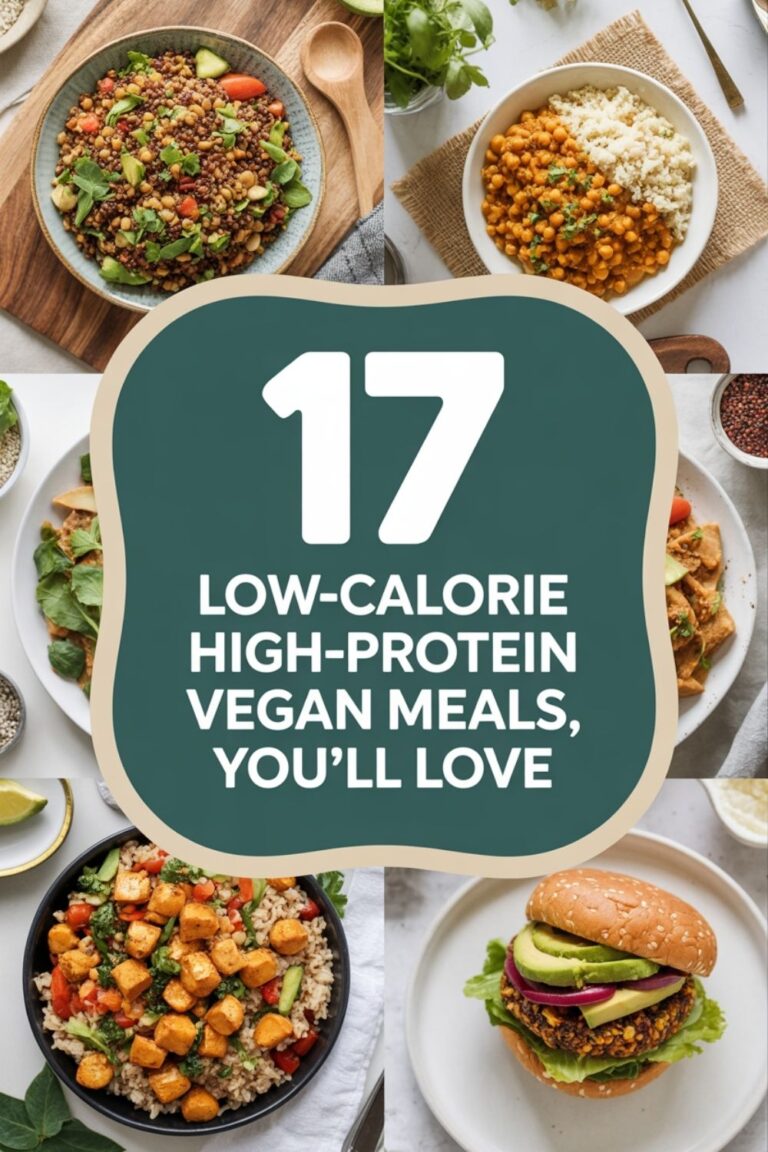
Quinoa is a favorite base here because it delivers around 8 grams per cup and works as a complete protein on its own. Pair it with tempeh or a generous portion of cottage cheese (yes, cottage cheese in a savory bowl — don’t knock it), and you’re already halfway there before you’ve touched your toppings. For anyone exploring plant-based eating more broadly, the 25 high-protein low-calorie vegan meals resource goes much deeper into this stacking strategy.
- Crispy Tempeh and Sweet Corn BowlGet Full Recipe
- Lentil, Feta, and Roasted Pepper BowlGet Full Recipe
- Cottage Cheese and Roasted Beet BowlGet Full Recipe
- Spiced Chickpea and Tahini BowlGet Full Recipe
- Edamame and Brown Rice Power BowlGet Full Recipe
- White Bean and Sun-Dried Tomato BowlGet Full Recipe
Bowls 19–23: Seafood Bowls for Maximum Protein, Minimum Effort
Seafood is one of those protein sources that deserves way more attention in the summer bowl conversation. White fish, shrimp, tuna, and salmon are all fast to cook, low in calories, and deliver an impressive protein punch. A 6-ounce piece of cod, for instance, lands around 32 grams of protein for just 140 calories. That’s a pretty staggering deal when you put it that way.
The comparison between salmon and white fish is worth understanding here: salmon runs slightly higher in calories due to its fat content, but those are predominantly omega-3s, which research links to reduced inflammation and better muscle recovery after exercise. White fish like cod, tilapia, or halibut gives you a leaner caloric profile. For summer bowls where you want to keep things light, both work — it just depends on whether you’re optimizing for calories or overall nutrition. The 21 fresh fish bowls for weight loss collection covers both approaches in detail.
- Sesame Tuna Poke BowlGet Full Recipe
- Garlic Butter Shrimp and Corn BowlGet Full Recipe
- Lemon-Herb Cod and Asparagus BowlGet Full Recipe
- Thai-Style Salmon BowlGet Full Recipe
- Spicy Crab and Cauliflower Rice BowlGet Full Recipe
How to Meal Prep These Bowls Without Losing a Whole Sunday
Here’s a practical reality check: you don’t need to fully assemble all 23 bowls to benefit from meal prepping these recipes. The better strategy is to prep components, not completed bowls. Cook your proteins in bulk, batch your grains, chop your vegetables, and keep your sauces and dressings in small jars. Assembly then takes about three minutes per bowl.
A realistic Sunday prep session for five bowls this week looks like this: one protein (say, 2 pounds of grilled chicken), one grain (a large batch of quinoa), and two or three vegetables prepped or roasted. From those three components alone, you can build five completely different bowls by varying the sauce and the toppings. It takes maybe 45 minutes total, including cleanup time.
For a more structured approach, the 14-day high-protein low-calorie meal prep bowls plan maps this out week by week with shopping lists included. And if you want a full program rather than individual recipes, the 30-day high-protein low-calorie reset plan is structured specifically around the kind of batch-cooking approach that makes this sustainable past the first two weeks.
Kitchen Tools & Resources That Make These Bowls Easier
No hard sells here — just the stuff that actually gets used and makes the process less annoying.
Wide Shallow Meal Prep Containers
Wide-mouth containers with flat bases make it easy to layer bowl components without crushing delicate greens. I’ve been using these glass meal prep containers with bamboo lids for months — they stack without slipping and go straight from fridge to microwave. The bamboo lids also don’t trap smells the way plastic does.
Compact Rice Cooker with Timer
If you’re batch-cooking grains weekly, a rice cooker with a delay timer is one of those purchases you’ll wonder how you lived without. I use this small-batch rice cooker for everything from quinoa to farro to cauliflower rice. Set it before bed, wake up to cooked grains.
Kitchen Scale for Protein Portioning
Eyeballing 6 ounces of chicken sounds easy until you’re 300 calories over your target at 2pm. A simple digital scale takes the guesswork out completely. This slim food scale sits flat in a drawer and has a tare function that makes multi-ingredient tracking actually painless.
Weekly High-Protein Meal Prep Guide
A structured week-by-week system for prepping bowls without burning out by Thursday. Covers shopping, batch cooking, and storage in a format you’ll actually use. Access the full guide here.
14-Day Meal Prep Bowls Plan
Two weeks of mapped-out bowl recipes with full shopping lists and macro breakdowns. Perfect if you want structure rather than having to improvise. See the full 14-day plan.
High-Protein Lunches Collection
A curated library of 25 lunch-specific bowls and salads that hit at least 30 grams of protein and work straight from meal prep containers. Browse the full collection.
Sauce and Dressing Guide: The Real Reason These Bowls Taste Good
Here’s what separates a genuinely satisfying bowl from something that just looks good on Instagram: the sauce. A great dressing can make five days of the same base grain and protein feel like five completely different meals. A bland one makes everything taste like cardboard regardless of how thoughtfully you built the rest.
For summer bowls specifically, acid-forward dressings work best because they brighten everything up without adding significant calories. A lemon-tahini dressing made with two tablespoons of tahini, two tablespoons of lemon juice, a clove of garlic, and a splash of water clocks in under 100 calories and works on virtually every combination here. The sesame-ginger version — rice vinegar, soy sauce, grated ginger, sesame oil — is your go-to for anything with an Asian-inspired profile. Keep a set of small squeeze bottles in your fridge specifically for dressings; it makes portioning absurdly easy.
FYI, the sauces that most people associate with “diet food” — watery vinaigrettes, low-fat ranch — are genuinely not necessary here. A small amount of a full-fat, well-made dressing goes further than a large amount of something with all the flavor stripped out of it. Two tablespoons of a real tahini sauce is more satisfying than six tablespoons of fat-free Italian, and the caloric difference is smaller than you’d think.
Smart Protein Swaps: Making These Bowls Work for Any Diet
Not everyone eats chicken. Not everyone eats fish. Not everyone is doing dairy. These bowls are designed with flexibility built in, but it helps to understand the swap logic so you’re not accidentally tanking your protein count when you substitute ingredients.
The most reliable swap chart for these recipes looks like this: chicken breast can be replaced 1:1 with turkey breast, firm tofu (you’ll need to account for lower protein density — use more), or canned salmon. Shrimp swaps well with scallops or firm white fish. For plant-based substitutions, tempeh is consistently the best option because it holds its texture, takes on marinades, and delivers about 19 grams of protein per 3-ounce serving.
If dairy is part of your rotation, Greek yogurt is one of the more underrated bowl ingredients available to you. A half-cup of full-fat Greek yogurt adds 10 grams of protein and functions as a sauce base, a dollop on top, or a creamy component within the bowl. The difference between Greek yogurt and regular yogurt here is significant — regular yogurt is mostly water, while Greek yogurt is strained, which concentrates the protein considerably. Similarly, cottage cheese has made a major comeback in high-protein cooking for exactly this reason. Both are worth keeping in your refrigerator through summer.
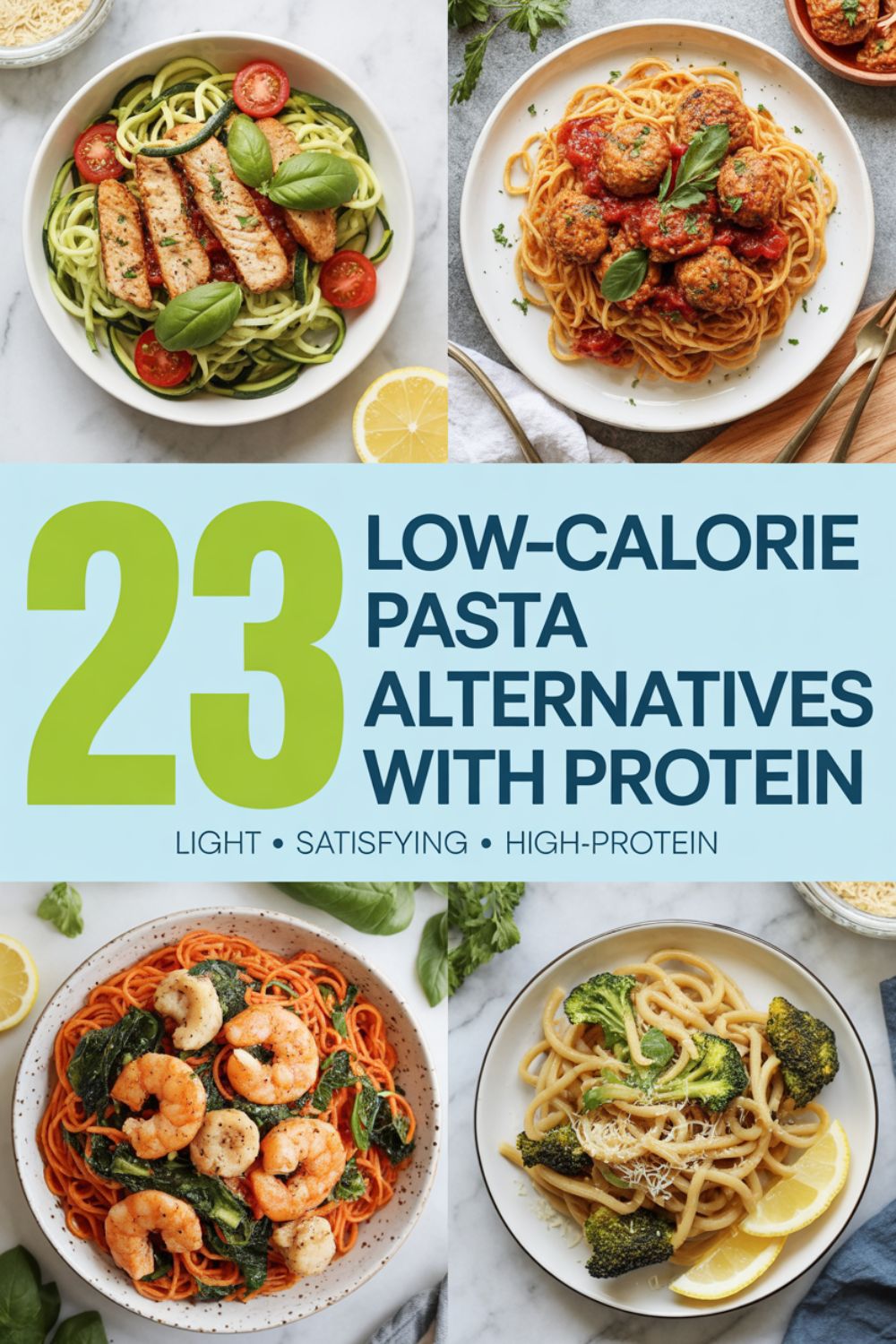
For anyone managing calorie targets more carefully, the 17 low-calorie meals with 30g of protein section covers the math in more detail, and the 18 low-calorie high-protein meal plans for beginners is a solid starting point if you’re just getting into this style of eating. The Mayo Clinic’s guidance on high-protein diets is also worth reading if you want a grounded, clinical perspective on how much protein is appropriate for your goals.
Frequently Asked Questions
How many calories should a high-protein summer bowl have?
Most of the bowls in this collection fall between 275 and 395 calories, which puts them solidly in the range for a satisfying lunch or a lighter dinner. The key is building the bowl to hit at least 25–30 grams of protein, because that’s what determines whether you feel full for the next three hours or spend the afternoon raiding the kitchen.
Can I meal prep high-protein bowls for the whole week?
Yes, with one caveat: prep the components separately rather than assembling full bowls in advance. Grains, proteins, and roasted vegetables hold well for four to five days in the fridge. Leafy greens and avocado should be added fresh. Dressings always go on at the last minute.
What are the best protein sources for vegetarian bowls?
Tempeh, firm tofu, edamame, lentils, quinoa, Greek yogurt, cottage cheese, and hemp seeds are all strong choices. The most effective approach is combining two or three sources per bowl — for example, lentils and feta over quinoa — to stack toward 28–32 grams of protein without relying on a single ingredient to do all the work.
Are these bowls good for weight loss specifically?
They’re structured for it: high protein keeps hunger hormones in check, fiber from the grain and vegetable bases slows digestion, and the calorie counts are controlled enough to fit into most deficit targets. That said, “weight loss” depends on the whole picture of what you eat — these bowls are a strong foundation, not a magic formula.
What base works best for low-calorie bowls?
Cauliflower rice is the lowest-calorie option at around 25 calories per cup, making it ideal if you’re counting tightly. Brown rice, quinoa, and farro are higher in calories but also higher in fiber and protein, which means they keep you full longer. For summer eating, mixed greens or arugula as a base gives you a fresh, no-cook option that’s practically zero calories.
The Takeaway
Twenty-three bowls sounds like a lot until you realize that most of them share the same five or six base components. Master the format — protein, grain, vegetable, sauce, garnish — and you can keep rotating through summer without repeating yourself or spending more than thirty minutes in the kitchen on any given day.
The goal here was never to give you twenty-three separate recipes to memorize. It was to show you how the bowl format works across a range of proteins, dietary preferences, and calorie targets so that you can build your own combinations with confidence. Start with two or three that jump out at you, get your prep system down, and expand from there.
Summer is short. You might as well eat well through it.