25 High-Protein Meal Prep Recipes for the Week
Batch-cook once. Eat well all week. No sad desk lunches allowed.
Let’s be real for a second. Most weeks, the gap between “I’m going to eat healthy” and what actually happens is exactly as wide as the distance between your couch and the refrigerator at 9 p.m. on a Tuesday. You had every intention. And then Wednesday arrived and you had nothing prepped, nothing thawed, and suddenly a protein bar counted as dinner. We’ve all been there.
That’s exactly why high-protein meal prep is the single most useful habit you can build if you want to eat well without negotiating with yourself every single day. When the food is already made, you just eat it. Revolutionary, right? These 25 high-protein meal prep recipes cover your entire week — breakfasts, lunches, dinners, snacks, the whole thing — so you can spend a few hours on Sunday and coast through the rest of it feeling like a very organized adult.
Whether you’re working toward fat loss, building muscle, or just trying to stop eating cereal at 7 p.m. because you ran out of ideas, this list has you covered. Every recipe here stores well, reheats without becoming a tragedy, and actually tastes like something you’d choose to eat — not just something you made yourself eat.
Why Protein Should Be the Star of Your Meal Prep
Before we get into the actual recipes, it’s worth talking about why protein deserves the top billing here. Protein keeps you full longer, supports muscle repair, and has a higher thermic effect than carbs or fat — meaning your body burns more calories just digesting it. According to Mayo Clinic’s sports nutrition guidance, active adults should aim for roughly 1.2 to 1.7 grams of protein per kilogram of body weight each day, distributed evenly across meals rather than loaded into one sitting.
That’s where meal prep earns its keep. When you build your containers ahead of time, you stop leaving protein as an afterthought and start treating it as the anchor of every meal. Pair that with the fiber from vegetables and the slow-burning energy from complex carbs, and you have a framework that keeps hunger at bay for hours.
And Healthline’s breakdown of high-protein foods is a great reference if you want to diversify your protein sources beyond the usual chicken-and-eggs routine. Salmon, cottage cheese, lentils, edamame, and quinoa all earn a spot in this list for exactly that reason.
Prep your grains and proteins separately on Sunday, then mix and match throughout the week to avoid eating the exact same bowl four days in a row. Variety keeps you on track longer than rigidity ever will.
Breakfast Recipes That Actually Get You Out of Bed
Mornings are where most meal prep plans fall apart first. You skip breakfast, grab something forgettable, and by 10 a.m. you’re already thinking about lunch. A high-protein breakfast changes that dynamic completely. These recipes take zero brainpower on weekday mornings because you made them on Sunday.
1. Greek Yogurt Overnight Oats with Chia and Berries
Combine full-fat Greek yogurt, rolled oats, a tablespoon of chia seeds, a touch of honey, and your berries of choice in a jar. Seal it up and let it sit overnight. By morning you have something that genuinely feels indulgent while delivering around 25 grams of protein per serving. Make five at once and your breakfasts are done for the week. Get Full Recipe
2. High-Protein Egg Muffins with Spinach and Feta
Whisk a dozen eggs with chopped spinach, crumbled feta, diced bell peppers, and a pinch of red pepper flakes. Pour the mixture into a greased muffin tin and bake at 375°F for about 18 minutes. You end up with 12 grab-and-go protein muffins that refrigerate beautifully for five days. Two of these with a piece of fruit and you’re at 20+ grams before you’ve even fully woken up. Get Full Recipe
3. Cottage Cheese Pancakes
Blend cottage cheese, eggs, oats, a splash of vanilla, and a tiny bit of baking powder into a smooth batter. Cook them exactly like regular pancakes. The result is a stack that’s higher in protein than most post-workout shakes and tastes nothing like diet food. Batch-cook a dozen and reheat them in the toaster during the week — same texture, no loss of flavor. For more ideas in this territory, check out these protein pancakes for weight loss.
4. Smoked Salmon and Cream Cheese Roll-Ups
Lay out slices of smoked salmon flat, spread a thin layer of cream cheese, and add cucumber ribbons and a squeeze of lemon before rolling them tightly. Store them in a container lined with a paper towel and they hold up in the fridge for three to four days. Each roll-up delivers a clean hit of omega-3 fats alongside solid protein — and they take about four minutes to assemble in total.
5. Protein-Packed Smoothie Packs
Portion out frozen banana, spinach, protein powder, and frozen berries into individual freezer bags on Sunday. Every morning you dump a bag into the blender with almond milk and blend for 45 seconds. It’s a full breakfast that takes less time than brewing coffee. These are especially useful when you’re in back-to-back meetings before 9 a.m. and “eating breakfast” genuinely competes with “getting dressed.” For expanded smoothie ideas, this list of high-protein smoothies for weight loss is worth bookmarking.
If these breakfast recipes have you motivated, you might also want to explore a full 7-day protein-packed breakfast plan or these high-protein breakfast bowls for busy mornings. And for people who genuinely cannot stomach a full meal before 8 a.m., the protein-packed breakfasts for busy mornings collection is built exactly for that reality.
Lunch Recipes That Survive the Monday-Through-Friday Grind
Lunch is where meal prep pays the biggest dividends. You’re at work, you’re pressed for time, and without something ready to go you end up making a decision you’ll regret by 3 p.m. These recipes hold up in containers, don’t need reheating if you don’t want to bother, and carry enough protein to keep you locked in through the afternoon.
6. Lemon Herb Chicken and Quinoa Bowls
Marinate chicken thighs in lemon juice, olive oil, garlic, and oregano overnight, then roast them at 400°F until golden and cooked through. Slice and layer over cooked quinoa with halved cherry tomatoes, arugula, and a drizzle of tahini. Quinoa earns its spot here because it’s a complete protein — meaning it carries all nine essential amino acids — making it one of the most efficient grains you can add to a prep container. Get Full Recipe
7. Turkey and White Bean Mason Jar Salads
Layer your mason jar with the dressing at the bottom, then chickpeas or white beans, sliced turkey breast, roasted corn, cherry tomatoes, and a generous fistful of greens at the top. Flip the jar when you’re ready to eat and everything comes out perfectly dressed without a single soggy leaf. IMO, this is the most underrated meal prep format in existence — it looks great, takes five minutes to assemble per jar, and the beans push each serving well past 30 grams of protein.
8. Tuna and White Bean Wraps
Mash canned tuna with white beans, a little Dijon mustard, lemon zest, and chopped celery. Spread the mixture across a whole-wheat wrap with baby spinach and a thin layer of hummus. Wrap tightly in parchment paper and store in the fridge. The white beans bulk up the protein content while adding creaminess that keeps the whole thing from feeling dry — a common complaint with tuna wraps that no one talks about enough. Find more ideas like these in this lineup of high-protein wraps for quick lunches.
9. Spiced Chickpea and Roasted Veggie Bowls
Toss chickpeas in olive oil, smoked paprika, cumin, and garlic powder, then roast at 425°F until crispy. Pair them with roasted sweet potato, cauliflower, and red onion on a bed of farro. This is a fully plant-based bowl that still hits 22–26 grams of protein per serving, which silences the “but where does the protein come from?” crowd rather effectively.
10. Shrimp and Brown Rice Prep Bowls
Season shrimp generously with Old Bay, garlic, and a hit of cayenne. Cook them in under five minutes in a hot pan with a splash of olive oil. Pair over brown rice with steamed broccoli and a sauce made from almond butter, tamari, lime juice, and a tiny bit of maple syrup. Shrimp is one of the highest-protein, lowest-calorie proteins available — roughly 20 grams per 85-gram serving — making it a smart anchor for any prep bowl.
11. Edamame and Farro Power Bowls
Cook farro according to package instructions and let it cool. Toss with shelled edamame, shredded purple cabbage, sliced scallions, sesame seeds, and a ginger-miso dressing. This is one of those lunches that looks like you know what you’re doing. It stores well for four days, and you can swap the edamame for tofu for an even more filling version.
Cook a double batch of grains every Sunday. Brown rice, farro, and quinoa all last five days in the fridge and form the base of eight different meals. One pot, endless combinations.
Dinner Recipes You’ll Actually Look Forward To
Dinner is where most people overcomplicate things when they’re tired. These recipes are designed to be made in large batches, stored in containers, and reheated without losing their appeal after a long day. Nothing here requires a culinary school degree — just solid technique and ingredients that do most of the work for you.
12. Sheet Pan Chicken Thighs with Root Vegetables
Season bone-in, skin-on chicken thighs with a mix of smoked paprika, cumin, garlic, and olive oil. Surround them on the sheet pan with chunks of sweet potato, parsnip, and red onion. Roast at 425°F for 40 minutes. You get crispy skin, caramelized vegetables, and enough portions for three nights if you batch it right. These also reheat beautifully — the skin won’t be as crispy but the flavor only gets deeper. Browse a full collection of sheet pan dinners for effortless cooking if this format suits your lifestyle.
13. Turkey and Lentil Bolognese
Brown ground turkey in a large Dutch oven with onion, carrot, celery, and garlic. Add canned tomatoes, red lentils, a splash of red wine, and a parmesan rind if you have one lying around. Let it simmer low and slow for 45 minutes. The lentils practically dissolve into the sauce and contribute both protein and fiber without any trace of their presence to picky eaters. Serve over zucchini noodles or chickpea pasta for a dinner that clears 35 grams of protein without trying.
14. Baked Salmon with Asparagus and Lemon Dill Sauce
Season salmon fillets with salt, pepper, garlic, and a drizzle of olive oil. Arrange on a baking sheet with asparagus spears and roast at 400°F for 15 minutes. Stir together Greek yogurt, fresh dill, lemon zest, and a pinch of salt for the sauce. Salmon carries around 30 grams of protein per 4-ounce fillet on top of its omega-3 fatty acid content, which supports cardiovascular health and reduces inflammation — a double win on a single sheet pan.
15. Slow Cooker White Chicken Chili
Add chicken breasts, white beans, green chilis, chicken broth, cumin, oregano, and garlic to your slow cooker. Set it and walk away for six hours. When you come back, shred the chicken with two forks directly in the pot and stir in cream cheese and a squeeze of lime. This is one of those things that gets substantially better on day two and practically transcendent on day three. Freeze individual portions and you’ve essentially built a free night of dinner in the future. More slow cooker inspiration lives over here in this round-up of high-protein slow cooker meals.
16. Instant Pot Beef and Veggie Stew
Sear chunks of beef chuck in the Instant Pot on the sauté function, then add onions, garlic, carrots, potatoes, canned tomatoes, and beef broth. Seal the lid, set to pressure cook on high for 35 minutes, and natural-release for 15. You get a deeply flavored stew that tastes like it cooked all day because, in a sense, it did — just in dramatically less time. Batch this and portion it into six containers for the easiest weeknight dinners imaginable.
“I started prepping just dinners on Sundays — nothing fancy, just sheet pan meals and one pot of chili. Three months in, I’ve dropped 14 pounds and I genuinely stop thinking about food between meals for the first time in years.”— Marcus T., community member
17. Teriyaki Salmon Bowls with Broccoli and Brown Rice
Glaze salmon with a homemade teriyaki sauce (tamari, mirin, sesame oil, ginger, a touch of honey) and bake or pan-sear until cooked through. Serve over brown rice with steamed broccoli and toasted sesame seeds. These prep bowls look genuinely impressive despite taking under 30 minutes to make in bulk, which is the kind of low-effort, high-reward cooking that sustains a meal prep habit long term.
18. One-Pan Ground Turkey Stir Fry
Cook ground turkey in a large skillet with garlic, ginger, and your vegetable mix of choice — bell peppers, snap peas, shredded cabbage, and carrots work well. Finish with a sauce of coconut aminos, sesame oil, rice vinegar, and a bit of chili garlic paste. The whole thing comes together in under 20 minutes and portions easily into four containers. For similar efficiency-driven cooking, this set of one-pan high-protein meals is worth exploring.
If you need dinner ideas that stretch your prep further, these high-protein dinner recipes cover a wide range of cuisines and cooking methods. And for nights when you want maximum flavor with minimum effort, this collection of high-protein dinners for busy weeknights was made exactly for you.
Snack Recipes That Pull Their Weight Nutritionally
Here’s a controversial take: snacks deserve as much prep attention as your main meals. A poorly planned snack is where most calorie goals go sideways. A well-planned snack is what keeps you from arriving at dinner ravenous and eating everything that isn’t nailed down.
19. Protein-Packed Energy Balls
Blend together rolled oats, peanut butter (or a natural almond butter like this one), protein powder, honey, dark chocolate chips, and ground flaxseed until the mixture holds its shape. Roll into balls about the size of a golf ball and refrigerate on a parchment-lined tray. Once set, store them in a container for up to two weeks. Each ball carries around 8–10 grams of protein and takes exactly zero willpower to eat. That’s the goal.
20. Hard-Boiled Eggs with Everything Bagel Seasoning
Batch-cook a dozen eggs at once — either traditional stovetop or, FYI, an electric egg cooker like this one genuinely changes the game for consistency — and store them in the fridge for up to a week. Roll them in everything bagel seasoning before eating for a flavor upgrade that costs nothing extra. Six grams of protein per egg, endlessly portable, requires zero reheating. It’s almost too simple to call a recipe but it’s one of the most used items in a good prep routine.
21. Greek Yogurt Dip with Veggie Crudités
Season a large container of Greek yogurt with garlic powder, dill, lemon zest, salt, and a drizzle of olive oil. Portion it into small containers and pair with pre-cut cucumber, carrots, celery, and bell peppers stored in separate compartments. Greek yogurt delivers roughly 17 grams of protein per cup — more than many protein bars that cost three times as much and taste like chalk-flavored compromise.
22. Peanut Butter Banana Protein Cups
Slice bananas and layer them in muffin-cup liners with a dollop of natural peanut butter, a sprinkle of protein powder-fortified Greek yogurt, and a few dark chocolate chips. Freeze them for a cold snack that satisfies a sweet tooth without derailing anything. These are popular with kids too, which makes them a dual-purpose prep item if that’s relevant to your household situation.
Meal Prep Essentials Used in This Plan
Stuff That Actually Makes Sunday Prep Faster and Less Annoying
These are the tools and resources that consistently make high-protein meal prep more sustainable. Not a sponsored list — just the things that genuinely come up week after week in a real prep routine.
Physical Tools
Leak-proof, oven-safe, and genuinely microwave-friendly. These survive the dishwasher on a regular basis without warping or smelling like last Tuesday’s fish.
The workhorse of batch cooking. Stews, soups, hard-boiled eggs, rice — it does all of it faster and with less babysitting than any other method.
Thicker pans mean no warping at high heat and better caramelization. I use these for literally everything: proteins, vegetables, roasted chickpeas, you name it.
Digital Resources
Auto-generates grocery lists from your chosen recipes and scales ingredient quantities. Worth the cost in saved trips to the store alone.
A full structured guide with prep timelines, shopping lists, and container suggestions. The most complete free resource for getting a prep routine off the ground.
A simple downloadable spreadsheet that lets you see your weekly protein totals at a glance. No subscription, no algorithm — just a clean template that works.
More High-Protein Recipes to Round Out Your Week
Seven more recipes to fill any remaining gaps in your container lineup and give you variety so the week doesn’t feel like a culinary Groundhog Day.
23. Lentil and Vegetable Soup
Sauté onions, carrots, celery, and garlic in a large pot. Add green or brown lentils, canned diced tomatoes, vegetable broth, cumin, coriander, and smoked paprika. Simmer for 30 minutes and finish with a squeeze of lemon and fresh parsley. Lentils deliver around 18 grams of protein per cooked cup along with fiber that makes the satiety effect remarkably long-lasting. This freezes perfectly and is arguably the highest-value recipe on this entire list in terms of cost per gram of protein. Get Full Recipe
24. Baked Turkey Meatballs in Marinara
Mix ground turkey with breadcrumbs, egg, Parmesan, garlic, and Italian seasoning. Roll into golf-ball-sized portions and bake at 400°F for 20 minutes. Store them submerged in jarred marinara so they stay moist in the fridge for up to five days. They reheat in the microwave in 90 seconds and pair with anything from zoodles to polenta to a straightforward whole-wheat pasta. These are the kind of prep item that makes you feel slightly smug on a Wednesday.
25. Cajun Shrimp and Cauliflower Rice Bowls
Season shrimp generously with Cajun spice blend and cook in a cast-iron skillet until lightly charred on the edges — about two minutes per side. Pulse cauliflower in a food processor to rice-sized pieces and sauté with garlic and olive oil. Layer the shrimp over the cauliflower rice with avocado, corn, and a lime-cilantro drizzle. These containers clock in under 350 calories and over 30 grams of protein, which is an impressive ratio that also happens to taste excellent cold straight from the fridge at 11 p.m. We’ve all been there. Get Full Recipe
Label every container with the date it was made. It takes ten seconds and saves you from playing the “how long has this been in here” guessing game at 6 a.m. on a Thursday.
How to Structure Your Week with These Recipes
Having 25 recipes is great. Knowing how to deploy them across a week without burning out is what actually makes meal prep sustainable. The approach that works best is to cook three to four breakfasts, three to four lunches, four to five dinners, and two snack recipes on Sunday. That covers the full week for most people without requiring a second prep session mid-week.
Prioritize recipes that share ingredients — for example, if you’re making lemon herb chicken bowls for lunch, roast a full tray of chicken thighs and use the extra for your sheet pan dinner. Cook your grains in one big batch and distribute them across multiple containers. This kind of cross-utilization is what turns a three-hour Sunday session into a full week of effortless eating rather than a perpetual kitchen project.
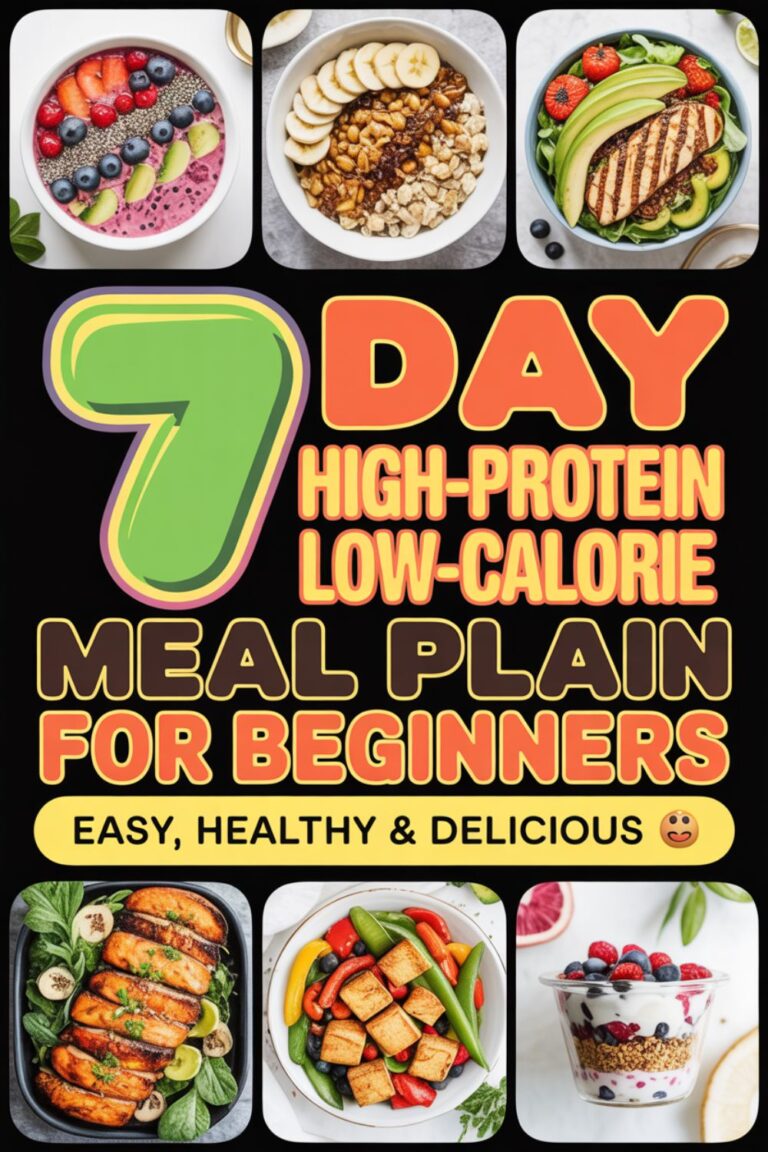
For people newer to the habit, a structured starting point helps more than recipes alone. This 7-day high-protein meal plan for beginners lays out exactly what to cook, when, and in what order — useful if you’re still figuring out the logistics of a full prep routine.
“I was skeptical that meal prep would work for my schedule — I have three kids and a full-time job. But starting with just five lunch containers on Sunday changed everything. I’ve been consistent for six months now and I genuinely don’t recognize my stress levels around food anymore.”— Priya M., community member
Freeze one full meal per week. After a month, you have a free week of dinners waiting in the freezer for when life gets genuinely chaotic. Future you will be very grateful.
Frequently Asked Questions
How long do high-protein meal prep recipes last in the fridge?
Most cooked proteins — chicken, turkey, beef, salmon — last four to five days when stored in airtight containers in the fridge. Soups and stews often stay good for five to six days. For anything past that window, freeze individual portions instead of gambling on food safety. Eggs and dairy-based items like Greek yogurt parfaits are best consumed within three to four days.
How much protein should I aim for in each meal prep container?
The practical target most nutritionists suggest is 25 to 35 grams of protein per main meal, which supports satiety, muscle maintenance, and sustained energy. For snacks, aim for 10 to 15 grams. Spreading your intake evenly across the day is more effective than loading all your protein into dinner, which is a surprisingly common habit.
Can I meal prep high-protein recipes if I’m vegetarian?
Absolutely. Lentils, chickpeas, white beans, edamame, tofu, tempeh, cottage cheese, Greek yogurt, and eggs are all high-protein options that adapt well to meal prep. Quinoa is also worth including because it provides all nine essential amino acids, making it more complete than most plant-based proteins. This collection of high-protein vegan meals offers more inspiration if you’re working within plant-based parameters.
What are the best containers for meal prepping proteins?
Glass containers with locking lids are the most durable and don’t absorb odors or stain after repeated use. BPA-free plastic containers work well for portion sizes you’ll eat cold or at room temperature. For soups and stews, wide-mouth mason jars are surprisingly practical — they stack well, seal reliably, and go straight from the fridge to the microwave without any lid drama.
Is it better to meal prep for the full week or just a few days at a time?
For most people, prepping Sunday for Monday through Thursday works better than trying to cover a full seven days in one session. It keeps food fresher and gives you the flexibility to adjust mid-week based on what you actually feel like eating. A second, smaller prep on Wednesday or Thursday — usually just one or two items — covers the remainder of the week without a major time commitment.
The Bottom Line
Meal prep isn’t about perfection — it’s about stacking the odds in your favor before the week starts. When you build your containers on Sunday, you remove a dozen small decisions from the equation and replace them with one good decision made in advance. Over time, that compounds into habits that actually hold.
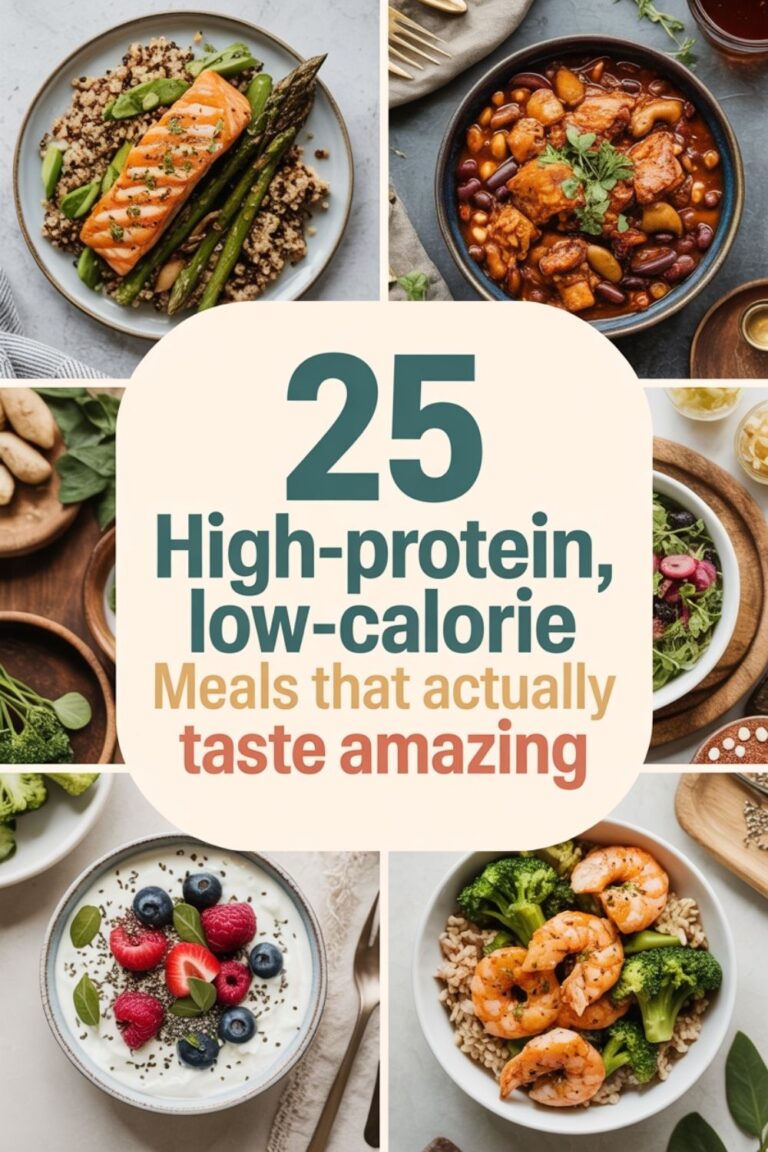
These 25 high-protein recipes give you everything you need to cover breakfast through snacks across a full week. Start with the ones that excite you most. Build from there. The goal isn’t to execute all 25 recipes simultaneously on your first attempt — it’s to find six or eight that fit your routine and rotate them with enough variety to stay interested.
The people who sustain meal prep long-term aren’t the ones who do it perfectly. They’re the ones who keep showing up on Sunday with a coffee, a playlist, and a loose plan. That’s all it takes to eat well, hit your protein goals, and stop negotiating with yourself at 6 p.m. on a Wednesday. Start this week.