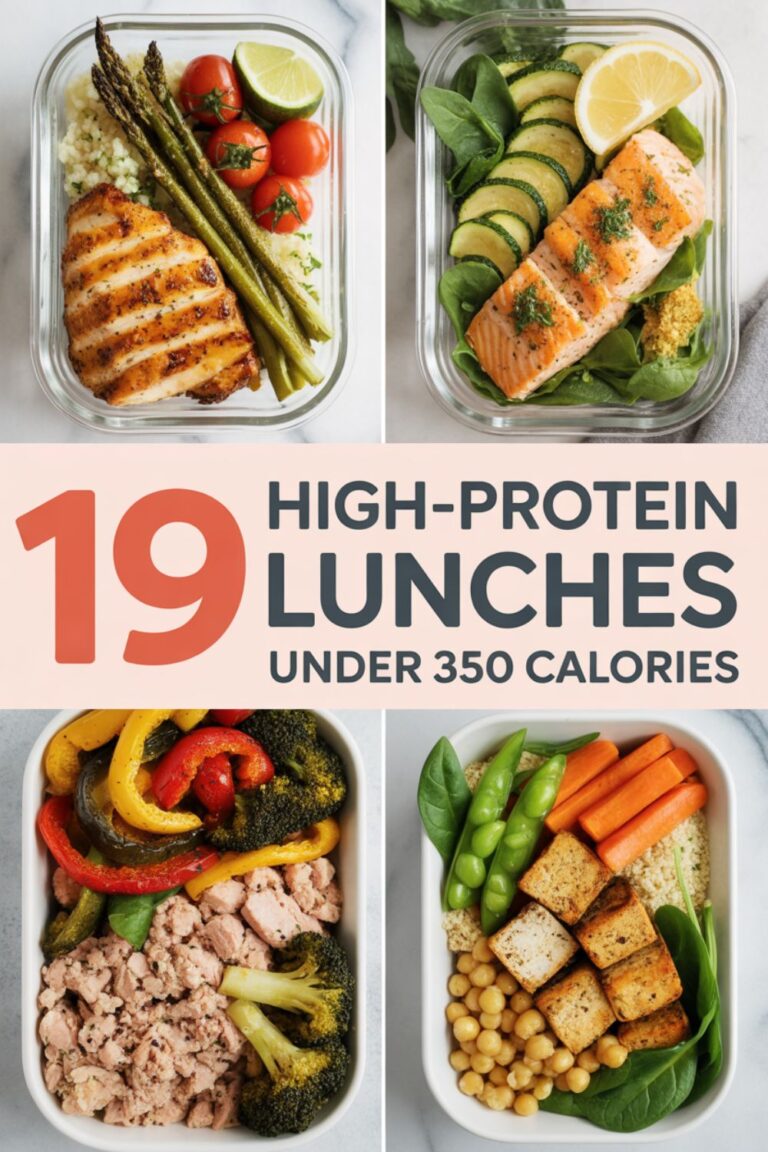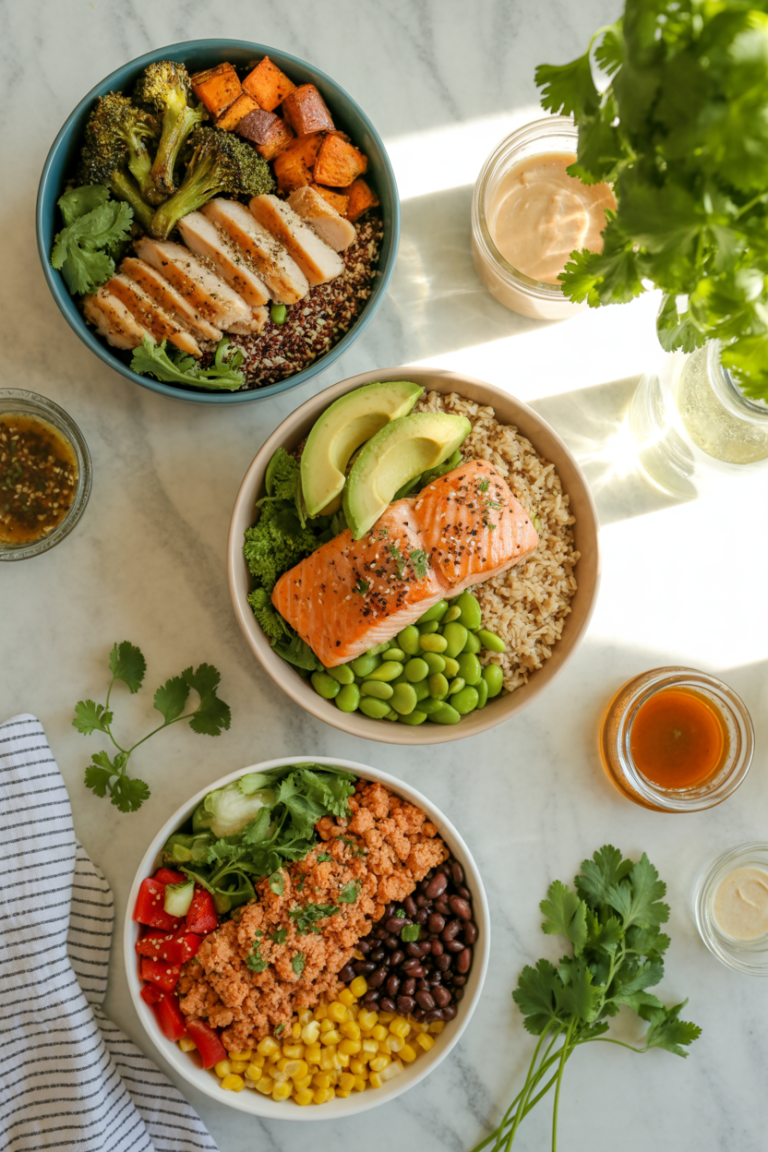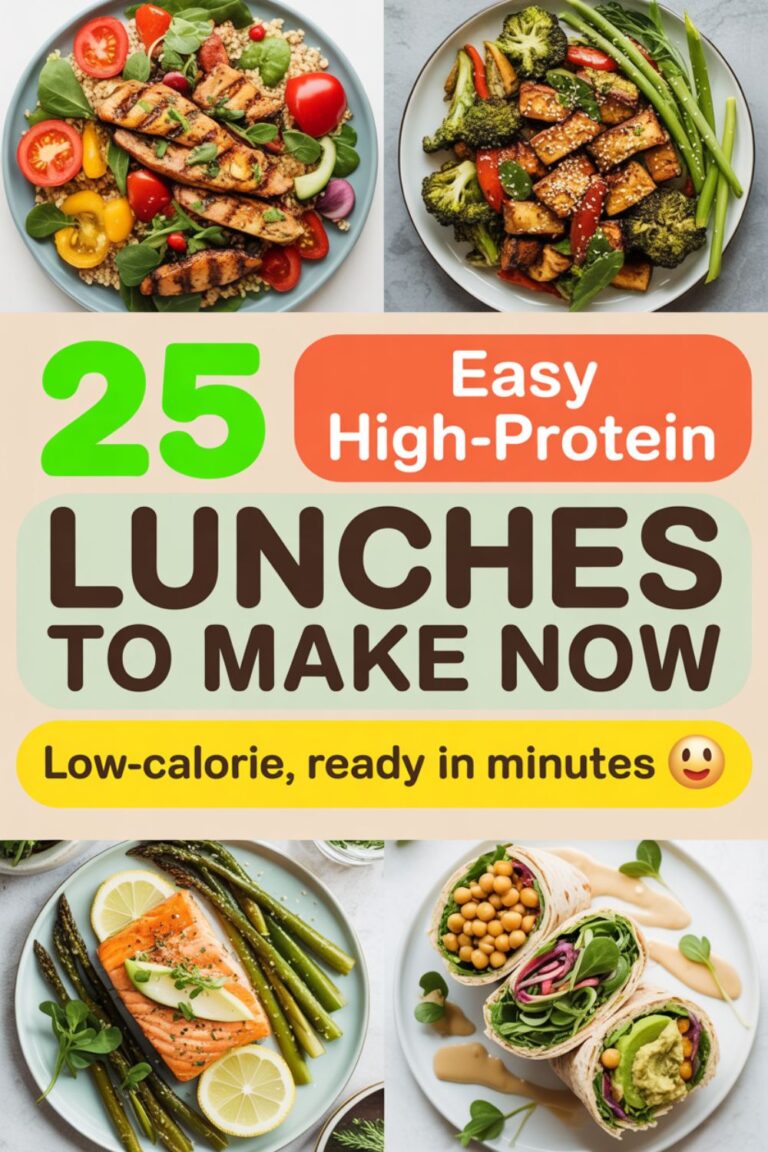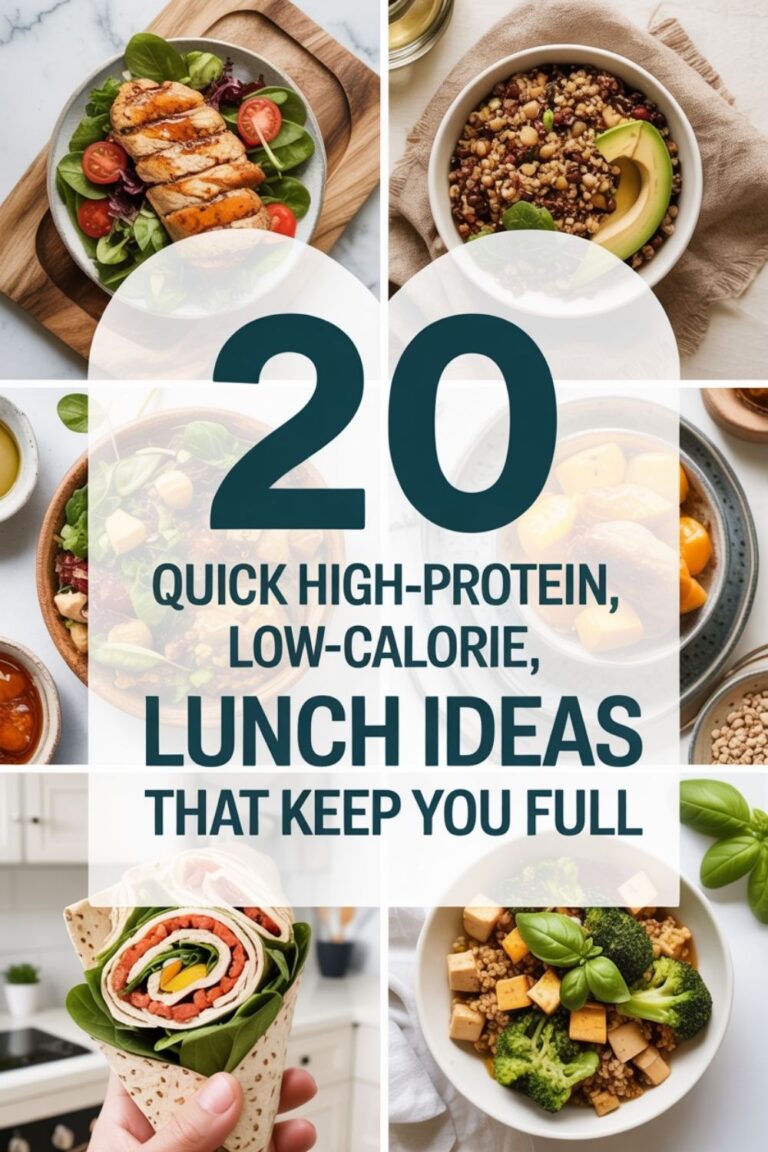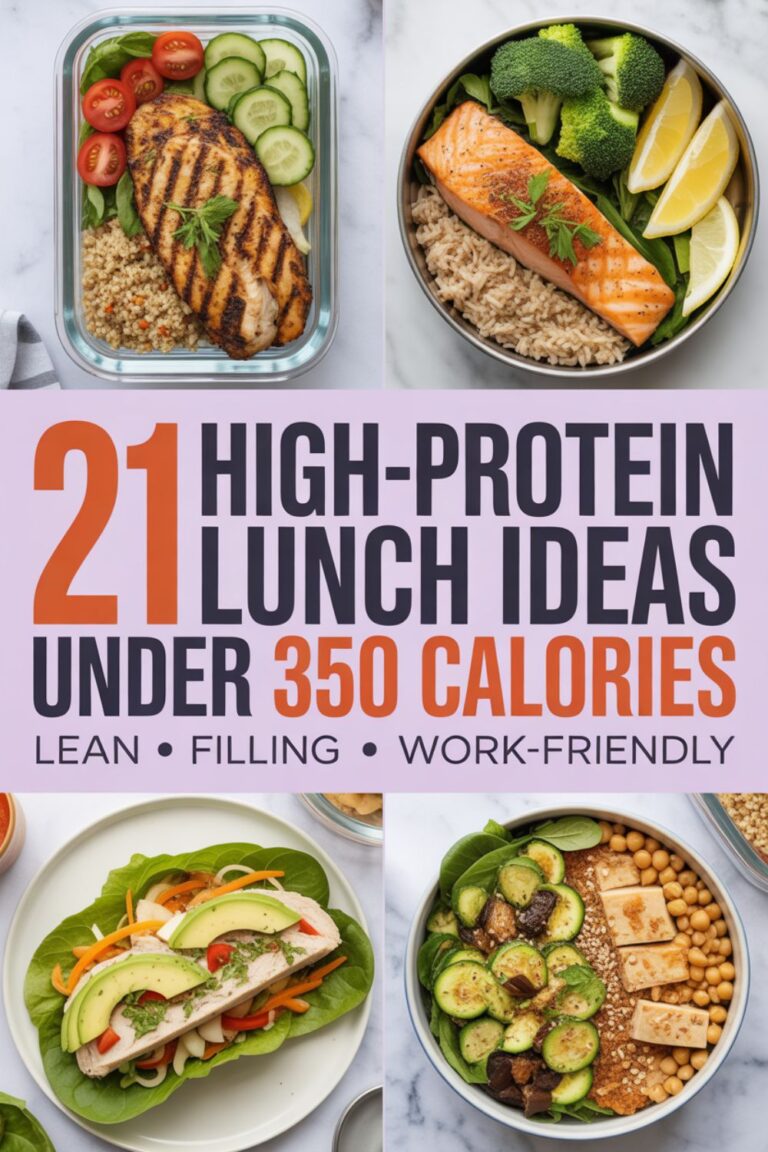
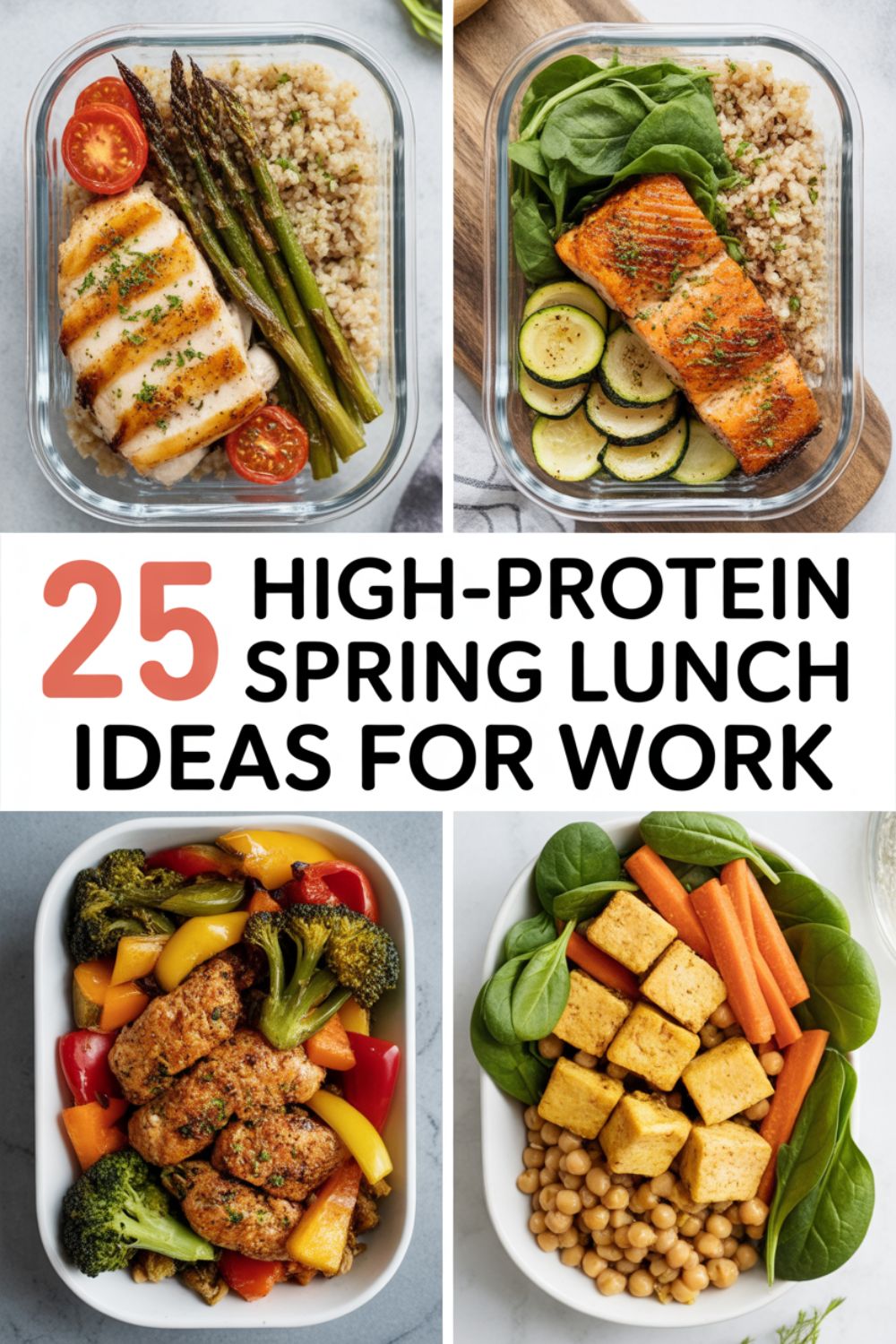
25 High-Protein Spring Lunch Ideas for Work
Listen, I get it. You’re staring at the same sad desk lunch for the third day in a row, wondering why you even bothered meal prepping. Spring rolls around, and suddenly those heavy winter comfort foods feel all wrong. Your body’s craving something lighter, fresher, but you still need the protein to power through that 2 PM slump without face-planting into your keyboard.
Here’s the thing about spring lunches—they don’t have to be boring salads that leave you starving an hour later. I’ve spent the better part of this season testing lunch ideas that actually keep me full, taste incredible, and don’t require a culinary degree to pull off. We’re talking meals that take advantage of all those gorgeous spring vegetables while packing enough protein to keep your energy steady and your brain sharp.
Whether you’re meal prepping on Sunday or throwing something together in the morning rush, these 25 ideas are going to save your lunch game. No wilted lettuce, no sad sandwiches, no regrets.
Why Spring Changes Your Protein Lunch Game
Spring produce hits different. Those first stalks of asparagus, the snap peas that actually snap, the tender greens that don’t taste like chewing cardboard—they make you want to eat lighter. But here’s where most people mess up: they cut calories so drastically that they’re basically running on fumes by 3 PM.
Your body still needs protein to maintain muscle mass, stabilize blood sugar, and keep hunger at bay. According to Harvard Health, most adults need about 0.8 grams of protein per kilogram of body weight daily, but active folks often need more. The trick is pairing that protein with all the fresh spring produce that’s finally back in season.
I’ve noticed that when I build my spring lunches around lean proteins—think grilled chicken, white fish, eggs, legumes—and pile on the seasonal veggies, I actually feel more satisfied than I did with those heavy winter stews. Plus, lighter proteins digest easier, which means no more food comas during afternoon meetings.
Pro Tip: Prep your proteins on Sunday evening and store them separately from your veggies. Spring produce wilts fast, but cooked chicken or hard-boiled eggs last all week. Mix and match throughout the week to keep things interesting.
The Spring Protein Lunch Formula That Actually Works
After weeks of experimenting, I’ve cracked the code. Every successful spring lunch follows this basic formula: lean protein + seasonal vegetables + complex carbs + healthy fat + bright, fresh flavor. It’s not rocket science, but it’s easy to mess up if you skip any component.
Start with about 25-30 grams of protein. That could be 4 ounces of grilled chicken, a cup of chickpeas, or three eggs. Then load up on whatever spring vegetables look good—asparagus, peas, radishes, baby carrots, snap peas. Add a smart carb like quinoa, farro, or even a small amount of new potatoes. Finish with a healthy fat from avocado, nuts, or olive oil.
The game-changer? That bright, fresh flavor component. This is what makes spring lunches special. We’re talking lemon zest, fresh herbs like dill and mint, a splash of good vinegar. This is where winter meals and spring meals really diverge—you’re layering brightness instead of richness.
If you’re new to building balanced protein-rich meals, check out these low-calorie high-protein meal plans for beginners to get your foundation right.
The Best Spring Proteins for Work Lunches
Not all proteins travel well or reheat without getting weird. I learned this the hard way after microwaving fish in the office kitchen and becoming that person everyone hates. Here’s what actually works:
- Grilled chicken breast or thighs: They reheat beautifully and taste great cold in salads
- Hard-boiled eggs: The MVP of portable protein, honestly
- Canned tuna or salmon: Mix it fresh at your desk to avoid the smell issue
- Chickpeas and white beans: Roasted or tossed in salads, they’re incredibly versatile
- Greek yogurt: Not just for breakfast, trust me on this one
- Tofu or tempeh: Pan-fried with a good marinade, these are seriously satisfying
I usually grab a meal prep container set with dividers to keep everything fresh and separated. The ones with individual compartments are clutch for keeping your crispy elements crispy and your dressings from making everything soggy.
25 Spring Lunch Ideas That’ll Make Your Coworkers Jealous
1. Lemon Herb Chicken with Asparagus and Quinoa
This is my go-to when I want something that feels restaurant-quality but takes 10 minutes to throw together. Marinate chicken in lemon juice, olive oil, fresh dill, and garlic. Grill it (or use a grill pan if you’re cooking indoors), then serve over quinoa with roasted asparagus.
The asparagus gets sweet and slightly crispy when you roast it at high heat—none of that mushy steamed nonsense. Drizzle everything with a little extra lemon juice right before eating. It’s light but filling, and the protein-to-veggie ratio is perfect.
2. Greek Yogurt Chicken Salad with Spring Greens
Ditch the mayo-heavy chicken salad. Mix shredded rotisserie chicken with Greek yogurt, diced celery, dried cranberries, and chopped walnuts. The Greek yogurt adds extra protein while keeping things creamy, and it’s way lighter than traditional mayo-based versions.
Serve it over a bed of spring greens or stuff it in a whole wheat pita. I like to pack the salad separately and assemble at lunch so the greens don’t get soggy. Get Full Recipe
3. Tuna Poke Bowl with Edamame
Raw tuna isn’t practical for meal prep, but canned tuna works surprisingly well here. Mix it with a little sesame oil, soy sauce, and rice vinegar. Serve over brown rice with edamame, cucumber, avocado, and pickled ginger.
The edamame bumps up the protein even more, and the pickled ginger adds that fresh, zingy flavor that makes this feel special. It’s like your favorite poke bowl but office-friendly and way cheaper.
“I started making these spring lunch bowls after getting tired of the same old sandwiches. Down 12 pounds in two months, and I actually look forward to lunch now. The protein keeps me from hitting the vending machine at 3 PM.” – Jessica M., from our community
4. Egg Salad Lettuce Wraps with Radish Slices
Hard-boiled eggs are my secret weapon. Make a batch on Sunday, and you’ve got protein ready to go all week. For this one, mash eggs with a tiny bit of mayo (or Greek yogurt), Dijon mustard, and fresh chives.
Use butter lettuce leaves as wraps and add thin radish slices for crunch. The radishes are key—they’re peppery and crisp, and they scream spring. Plus, six eggs give you about 36 grams of protein, which is plenty for a satisfying lunch.
5. Mediterranean Chickpea Bowl
Roasted chickpeas are criminally underrated. Toss them with olive oil, cumin, and paprika, then roast until crispy. Serve over mixed greens with cherry tomatoes, cucumber, red onion, feta, and a lemon-tahini dressing.
This is one of those meals that tastes even better the next day after the flavors meld. The chickpeas stay surprisingly crispy if you store them separately. I use these glass meal prep bowls with locking lids—they don’t hold smells like plastic does.
Looking for more Mediterranean-inspired options? These spring Mediterranean bowls high in protein are absolutely worth trying.
6. Shrimp and Snap Pea Stir-Fry
Shrimp cooks in literally three minutes, which makes it perfect for last-minute lunch prep. Sauté shrimp with snap peas, garlic, and ginger. Add a splash of soy sauce and sesame oil. Serve over cauliflower rice or regular brown rice.
Snap peas are one of those vegetables that only taste good in spring when they’re super fresh. The rest of the year they’re bland and tough, but spring snap peas are sweet and crispy. Don’t skip them.
7. Turkey and Avocado Spring Rolls
Not the fried kind—these are fresh rice paper rolls packed with sliced turkey, avocado, carrots, cucumber, and fresh mint. They’re lighter than sandwiches but way more interesting.
The trick is wetting the rice paper just enough to make it pliable without turning it into mush. Serve with a peanut sauce or just plain soy sauce. Each roll has about 8-10 grams of protein, so pack three or four for lunch.
Quick Win: Make your spring roll filling on Sunday, then roll them fresh each morning. Takes five minutes and guarantees they won’t get soggy. You’ll thank yourself around noon.
8. Cottage Cheese and Veggie Snack Box
Hear me out on this one. Cottage cheese got a bad rap for years, but it’s having a moment. One cup has about 25 grams of protein, and the texture is actually great when you pair it with crunchy vegetables.
Pack cottage cheese in one container with cherry tomatoes, cucumber slices, bell pepper strips, and whole grain crackers. Add everything bagel seasoning on top. It sounds simple because it is, but sometimes simple is exactly what you need.
9. Grilled Salmon with Lemon-Dill Potatoes
New potatoes are in season in spring, and they’re way better than the old storage potatoes from winter. Boil them with fresh dill, then dress with lemon juice and olive oil. Pair with grilled salmon.
Salmon is one of those proteins that’s just as good cold as it is hot, making it perfect for work lunches. The omega-3s are a bonus, and research shows they support brain health—which you definitely need for those afternoon strategy meetings.
10. White Bean and Tuna Salad
This is basically the Italian version of tuna salad, and it’s so much better than the American mayo-heavy version. Mix canned tuna and white beans with red onion, cherry tomatoes, fresh basil, olive oil, and lemon juice.
The beans add fiber and extra protein, turning a light tuna salad into a properly filling meal. Serve it over greens or with some crusty bread if you need more substance. Get Full Recipe
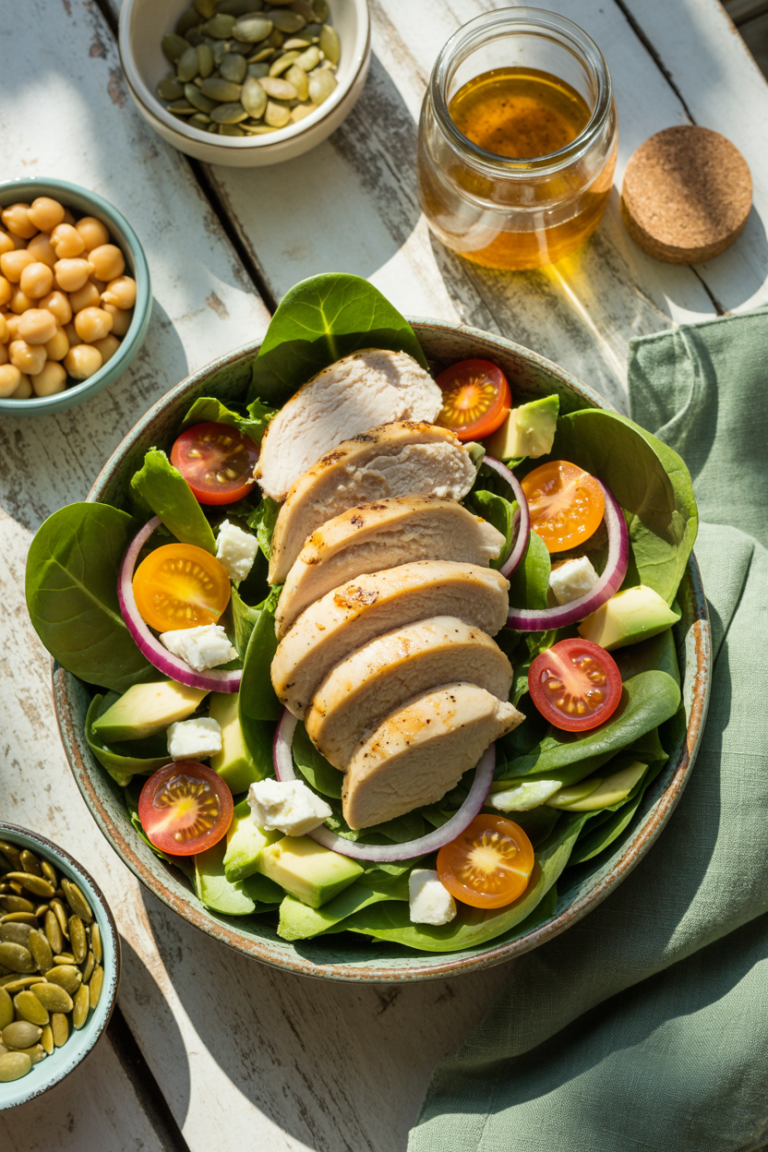
11. Chicken and Strawberry Spinach Salad
Spring strawberries are incredibly sweet, and they work surprisingly well in savory salads. Combine grilled chicken, baby spinach, sliced strawberries, goat cheese, and candied walnuts. Dress with a simple balsamic vinaigrette.
This is one of those salads that doesn’t need much dressing because the strawberries add natural sweetness and the goat cheese adds creaminess. It’s also gorgeous, which makes it perfect for those days when you need lunch to feel special.
12. Egg and Veggie Muffins
These are basically mini frittatas you can grab and go. Whisk eggs with diced bell peppers, spinach, cherry tomatoes, and feta. Pour into a muffin tin and bake until set.
Make a dozen on Sunday, and you’ve got portable protein all week. They’re good hot or cold, and each muffin has about 6-7 grams of protein. Pack three or four with some fruit and nuts for a complete lunch.
Need more egg-based inspiration? Check out these low-calorie protein-packed breakfasts—many of them work just as well for lunch.
13. Turkey Meatballs with Zucchini Noodles
Ground turkey is leaner than beef but can be dry if you’re not careful. Mix it with an egg, breadcrumbs, minced garlic, and fresh herbs. Form into meatballs and bake.
Serve over zucchini noodles with marinara sauce. The zucchini noodles are lighter than pasta and don’t get heavy in your stomach. Plus, zucchini is starting to come into season in late spring, so it’s actually fresh and not those sad winter ones that taste like water.
14. Smoked Salmon and Cream Cheese Plate
This is my lazy lunch when I can’t be bothered to cook anything. Smoked salmon, cream cheese, cucumber slices, capers, red onion, and whole grain crackers. That’s it.
It feels fancy but requires zero cooking. The protein from the salmon is high-quality, and the healthy fats keep you satisfied. Just don’t go overboard on the cream cheese—a little goes a long way.
15. Chicken Fajita Bowl
Season chicken with cumin, chili powder, and lime juice. Grill and slice. Serve over cauliflower rice with sautéed bell peppers and onions, black beans, salsa, and a dollop of Greek yogurt instead of sour cream.
The Greek yogurt swap saves calories while adding extra protein. This bowl is colorful, flavorful, and doesn’t feel like diet food even though it’s packed with nutrients. Get Full Recipe
Pro Tip: Invest in a good insulated lunch bag for spring. Your food will stay fresh longer, which matters more when temperatures start climbing. Nobody wants warm yogurt or lukewarm chicken salad.
16. Lentil and Roasted Vegetable Bowl
Lentils are wildly underrated for work lunches. They’re packed with protein and fiber, they hold up well in the fridge, and they’re cheap. Cook them with vegetable broth for extra flavor.
Roast whatever spring vegetables you have—asparagus, carrots, red onion, bell peppers. Toss everything together with a lemon vinaigrette and maybe some crumbled feta. It’s hearty enough to keep you full but doesn’t feel heavy.
17. Tuna Nicoise Salad
This classic French salad is perfect for spring lunches. Hard-boiled eggs, canned tuna, green beans, cherry tomatoes, new potatoes, and olives over mixed greens. Dress with a simple Dijon vinaigrette.
The protein comes from both the tuna and the eggs, giving you about 35-40 grams total. It’s one of those meals that feels light but keeps you full for hours. Plus, it looks impressive if you’re eating at your desk during a video call.
18. Greek Chicken Wrap
Marinate chicken in Greek yogurt, lemon juice, oregano, and garlic. Grill and slice. Wrap in a whole wheat tortilla with cucumber, tomatoes, red onion, feta, and tzatziki sauce.
The yogurt in both the marinade and the tzatziki adds extra protein. This wrap is fresh, flavorful, and way better than anything you’d buy at a shop. I wrap mine in foil to keep everything together—makes it easier to eat at your desk.
For more wrap inspiration, these low-calorie high-protein spring wraps offer tons of variety.
19. Egg Fried Cauliflower Rice
This is my healthy take on fried rice. Pulse cauliflower in a food processor until it resembles rice. Sauté with scrambled eggs, peas, carrots, and green onions. Season with soy sauce and sesame oil.
The eggs add protein, and the cauliflower cuts the carbs while still giving you that satisfying fried rice experience. It reheats perfectly in the microwave, which is rare for cauliflower dishes.
20. Shrimp and Avocado Salad
Cold shrimp salad is a game-changer for spring. Toss cooked shrimp with diced avocado, cherry tomatoes, red onion, cilantro, and lime juice. Serve over mixed greens or in lettuce cups.
The healthy fats from the avocado balance the lean protein from the shrimp. It’s light, refreshing, and has that coastal vibe that just feels right when the weather warms up. Pack the avocado separately and add it right before eating to keep it from browning.
21. Turkey and Hummus Veggie Wrap
Sometimes simple is best. Spread hummus on a whole wheat tortilla, add sliced turkey, cucumber, shredded carrots, spinach, and red bell pepper. Roll it up tight.
The hummus adds extra protein and healthy fats while keeping everything moist. It’s faster than making a sandwich and way more interesting. I use this wrap holder to keep mine from falling apart in my lunch bag.
22. Chicken and Quinoa Stuffed Peppers
Make these on Sunday, and you’ve got lunch for days. Mix cooked quinoa with shredded chicken, black beans, corn, and spices. Stuff into halved bell peppers and bake until the peppers are tender.
They’re beautiful, they reheat well, and they’re completely portable. Each stuffed pepper half has a solid balance of protein, complex carbs, and vegetables. Top with a little Greek yogurt instead of sour cream for extra protein.
23. Salmon and Asparagus Sheet Pan
This is as simple as lunch prep gets. Lay salmon fillets and asparagus spears on a sheet pan, drizzle with olive oil, season with lemon, garlic, and dill, and roast for 15 minutes.
Everything cooks at the same temperature, making this perfect for batch cooking. The salmon stays moist, the asparagus gets those nice crispy tips, and cleanup is minimal. Serve over brown rice or just eat it as is.
Sheet pan meals are seriously underrated for meal prep. Here are 30 low-calorie high-protein sheet pan dinners that make cooking for the week almost too easy.
24. White Fish Tacos with Cabbage Slaw
Season white fish (cod or tilapia work great) with cumin and lime juice. Bake or pan-sear. Serve in whole wheat tortillas with a quick cabbage slaw made from shredded cabbage, lime juice, and cilantro.
Fish tacos feel indulgent but they’re actually really light and high in protein. The cabbage slaw adds crunch without mayo-laden calories. Pack the fish and slaw separately, then assemble at lunch.
25. Chicken and Spring Pea Pasta Salad
Use whole wheat pasta or chickpea pasta for extra protein. Toss with shredded chicken, fresh or frozen peas (they’re sweet and perfect in spring), cherry tomatoes, fresh basil, and a light lemon vinaigrette.
This is one of those pasta salads that’s actually good cold. The peas add a pop of sweetness, the basil brings freshness, and the protein from the chicken and pasta keeps you satisfied. It’s also kid-friendly if you’re packing lunches for the whole family. Get Full Recipe
Kitchen Tools That Make Spring Meal Prep Actually Enjoyable
Look, you don’t need a million gadgets to meal prep effectively. But having the right few tools makes the difference between dreading Sunday prep and actually enjoying it. Here’s what’s genuinely worth having in your kitchen this spring:
Physical Products
1. Glass Meal Prep Containers with Compartments
Stop using plastic containers that stain and hold smells. These glass containers with dividers keep your protein separate from your veggies, your dressing from making everything soggy, and they’re microwave-safe. They’re pricier upfront but they last forever and your lunch actually stays fresh.
2. Quality Chef’s Knife
You’re chopping vegetables constantly in spring. A sharp 8-inch chef’s knife makes this exponentially faster and safer. I resisted upgrading for years, thinking my dull knife was fine. It wasn’t. A good knife cuts your prep time in half.
3. Salad Spinner
Spring greens need to be washed and dried properly or they get slimy in containers. This salad spinner removes excess water in seconds. Sounds fancy but it’s actually essential if you’re prepping salads for the week. Wet greens = sad, wilted lunches by Wednesday.
Digital Tools & Resources
1. Macro Tracking App
If you’re serious about hitting protein goals, you need to track. This nutrition tracking app makes it dead simple to log meals and see if you’re actually getting enough protein. Most people think they eat enough protein but consistently fall short.
2. Meal Planning Template System
Winging it every week gets exhausting. This digital meal planning system helps you organize recipes, create shopping lists, and rotate meals so you’re not eating the same thing every single week. It syncs across devices so you can plan at home and shop from your phone.
3. Recipe Scaling Calculator
When you’re cooking for one versus cooking for a family versus meal prepping for a week, recipes need adjusting. This online recipe calculator automatically scales ingredients up or down and adjusts cooking times. Saves you from doing mental math while you’re trying to cook.
How to Keep Spring Lunches Fresh All Week
Here’s where most people mess up their meal prep: they make everything on Sunday and wonder why it tastes sad by Thursday. Spring ingredients are more delicate than winter ones, so you need a smarter strategy.
Cook your proteins in bulk, but prep your vegetables in stages. Heartier vegetables like carrots and bell peppers can be chopped on Sunday. Delicate greens and herbs should be prepped the night before or morning of. Avocados and tomatoes get added right before eating.
Store dressings separately in small containers or those little 2-ounce sauce cups with lids. Nothing ruins a good salad faster than dressing that’s been sitting on it for three days. Keep your proteins in one container, vegetables in another, and combine them fresh each day.
For meals that need to stay cold, use an ice pack in your lunch bag. For meals you’re reheating, slightly undercook the vegetables during prep—they’ll finish cooking when you microwave them, and they won’t turn to mush.
If meal prep feels overwhelming, start with this 7-day high-protein low-calorie meal plan for beginners. It walks you through the entire process step by step.
Common Spring Lunch Mistakes to Avoid
I’ve made every possible meal prep mistake, so let me save you some trouble. Here are the big ones:
Mistake #1: Cutting protein portions too small. Twenty grams of protein sounds like a lot until you realize it’s only keeping you full for two hours. Aim for 25-35 grams per lunch. Your afternoon self will thank you.
Mistake #2: Using sad, out-of-season vegetables. Just because something is available doesn’t mean it tastes good. Winter tomatoes in spring? Hard pass. Stick to what’s actually in season, and your lunches will automatically taste better.
Mistake #3: Over-dressing salads in advance. I get it, you want everything ready to grab and go. But pre-dressed salads turn into soup. Always pack dressing separately, even if it means an extra container.
Mistake #4: Forgetting about texture. If everything in your lunch is soft, it’s boring. Add crunch with nuts, seeds, crispy chickpeas, or raw vegetables. Texture matters more than people realize.
Mistake #5: Making recipes too complicated. You’re packing lunch for work, not competing on a cooking show. Simple combinations of protein, vegetables, and a good sauce beat elaborate recipes that take an hour to make.
“These spring lunch ideas completely changed how I approach meal prep. I used to dread opening my lunch container, but now I’m actually excited about what I packed. Lost 8 pounds without feeling like I’m on a diet.” – Marcus T., reader feedback
Building a Spring Lunch Rotation
The secret to sustainable meal prep isn’t finding one perfect lunch—it’s building a rotation of 5-6 meals you can cycle through. This prevents boredom while keeping shopping and prep simple.
Pick two chicken-based lunches, one fish option, one vegetarian protein source, and one egg-based meal. Rotate through these weekly, swapping out the vegetables based on what looks good at the store. This way you’re not eating the same thing every day, but you’re also not reinventing the wheel each week.
I keep a running list of my favorite spring lunch combinations on my phone. When I’m at the grocery store, I check what’s on sale and what looks fresh, then pick 2-3 meals from my list that use those ingredients. It’s flexible but structured enough that I’m not standing in the produce section having an existential crisis about what to eat.
Want a pre-built rotation? Try this weekly high-protein low-calorie lunch meal plan that does all the thinking for you.
The Protein-to-Veggie Ratio That Works
Everyone talks about eating more vegetables, but if you go too heavy on the veggies and too light on the protein, you’ll be hungry an hour after lunch. I’ve found the sweet spot is about 4 ounces of protein to 2 cups of vegetables.
That gives you roughly 25-30 grams of protein (depending on your source) and a solid amount of fiber and micronutrients from the vegetables. Add a half cup to a cup of complex carbs like quinoa or sweet potato, and you’ve got a balanced meal that keeps you satisfied without being too heavy.
The mistake I see people make is building salads that are 90% lettuce with a tiny bit of chicken thrown on top. That’s a side salad, not a lunch. Your protein should be substantial enough that it’s a main component of the meal, not an afterthought.
Spring Lunch Prep Timeline That Actually Works
Sunday evening is prime meal prep time, but you don’t need to spend three hours in the kitchen. Here’s my efficient timeline that gets everything done in about 90 minutes:
Minutes 0-15: Put proteins in the oven or on the grill. Chicken breasts, salmon fillets, or turkey meatballs all cook hands-off while you do other things.
Minutes 15-30: While proteins cook, prep your heartier vegetables. Chop carrots, bell peppers, and cucumbers. Roast asparagus or brussels sprouts if needed.
Minutes 30-45: Cook your grains. Quinoa, brown rice, or farro can simmer while you’re organizing everything else.
Minutes 45-60: Proteins are done. Let them rest while you make any sauces or dressings. Package dressings in small containers.
Minutes 60-90: Assembly time. Portion proteins into containers. Add heartier vegetables. Store delicate greens separately to add fresh each morning.
That’s it. You’ve got lunch for the week, and you still have most of your Sunday evening free. The key is working on multiple things at once—don’t do each step sequentially or you’ll be there all night.
For more seasonal inspiration, check out these spring meal prep ideas that are high-protein and low-calorie.
Your Spring Lunch Questions Answered
How much protein should I actually aim for at lunch?
Most people do well with 25-35 grams of protein per lunch. This amount keeps you satisfied for 4-5 hours and helps maintain muscle mass throughout the day. If you’re particularly active or trying to build muscle, you might want to push closer to 40 grams. The key is finding what keeps you full without making you uncomfortably stuffed.
Can I meal prep spring lunches on Sunday for the entire week?
Yes, but with a strategy. Cook all your proteins on Sunday—they’ll keep well for 4-5 days. Store heartier vegetables prepped and ready to go. Save delicate greens, herbs, and quick-wilting items like avocado to add fresh each morning. This gives you the convenience of meal prep without the sad, soggy lunches by Thursday.
What’s the best way to keep salads from getting soggy?
Always store dressing separately and add it right before eating. Layer your container strategically: grains or proteins on the bottom, heartier vegetables in the middle, delicate greens on top. This keeps moisture away from your lettuce. Those small 2-ounce containers with screw-top lids are perfect for dressings and sauces.
Are these lunches actually filling enough for active people?
Absolutely, as long as you’re not skimping on portion sizes. Four ounces of protein, two cups of vegetables, and a half to full cup of complex carbs should keep most people satisfied. If you’re training heavily or have a physically demanding job, bump up your protein to 40 grams and add an extra snack like Greek yogurt or a protein shake.
What if I don’t have time to meal prep on Sundays?
Split your prep across the week. Cook proteins on Sunday that’ll last through Wednesday. Do a mini-prep Wednesday evening for Thursday and Friday. Or focus on super-quick meals that can be assembled in 10 minutes each morning—things like Greek yogurt bowls, tuna salads, or egg muffins you grab from the fridge.
Making Spring Lunches Work Long-Term
The real test of any meal plan isn’t whether it works for a week—it’s whether you’re still doing it three months later. Spring lunch success comes down to three things: variety, simplicity, and flexibility.
Don’t try to make different lunches every single day. That’s exhausting and unsustainable. Instead, build a small rotation of meals you genuinely enjoy. Mix up your vegetables based on what’s fresh and in season, but keep your protein sources and basic formulas consistent.
Keep it simple enough that you’ll actually do it when life gets busy. If a recipe has 15 ingredients and takes 45 minutes, save it for weekends. Your weekday lunches should be straightforward combinations of protein, vegetables, and a simple sauce or dressing.
And stay flexible. Some weeks you’ll nail meal prep and have Instagram-worthy lunches all week. Other weeks you’ll throw together whatever’s in the fridge and call it good. Both approaches are fine. The goal is progress, not perfection.
Spring is short. Those fresh peas, tender asparagus, and sweet strawberries are only around for a few months. Take advantage of them while you can, get your protein in, and actually enjoy your lunch break. Your afternoon productivity and your taste buds will thank you.