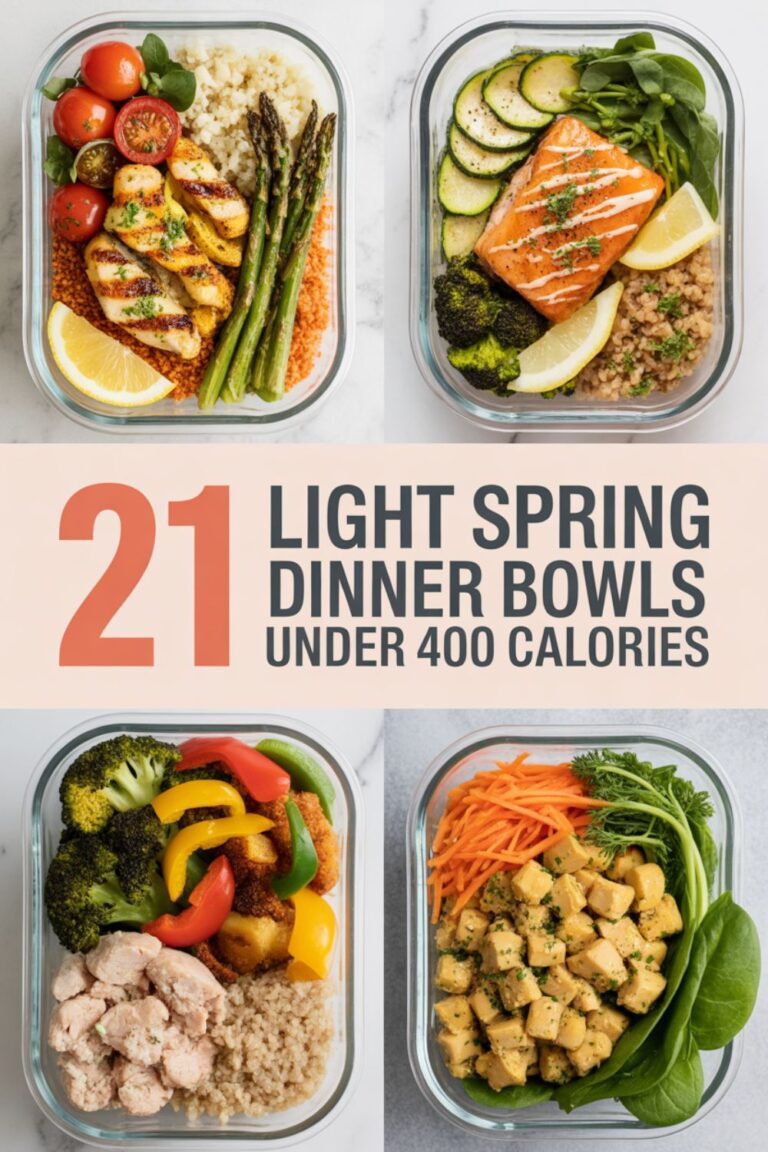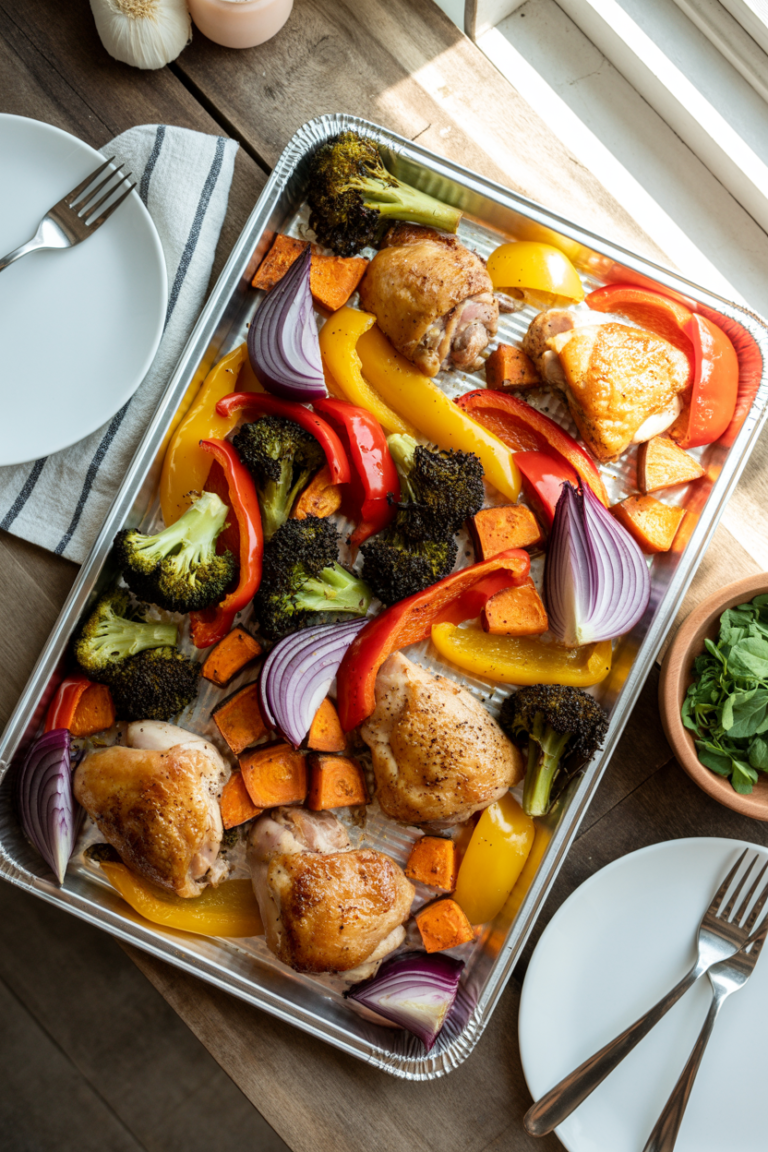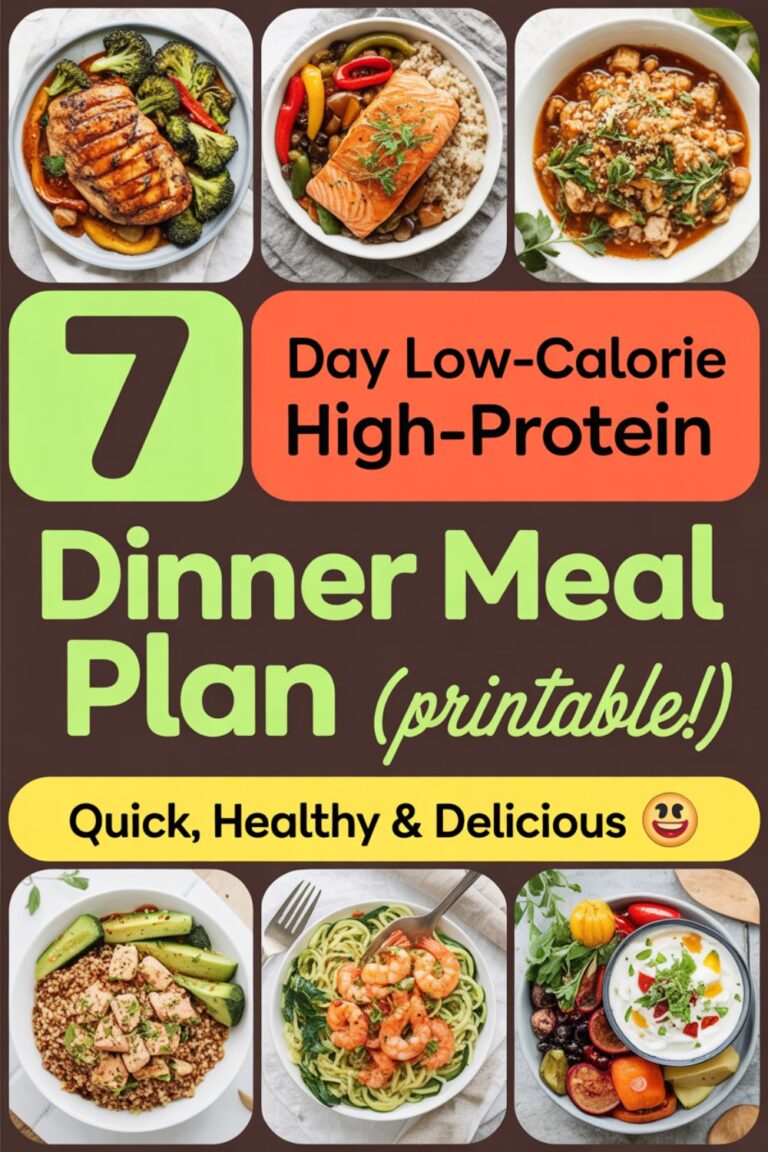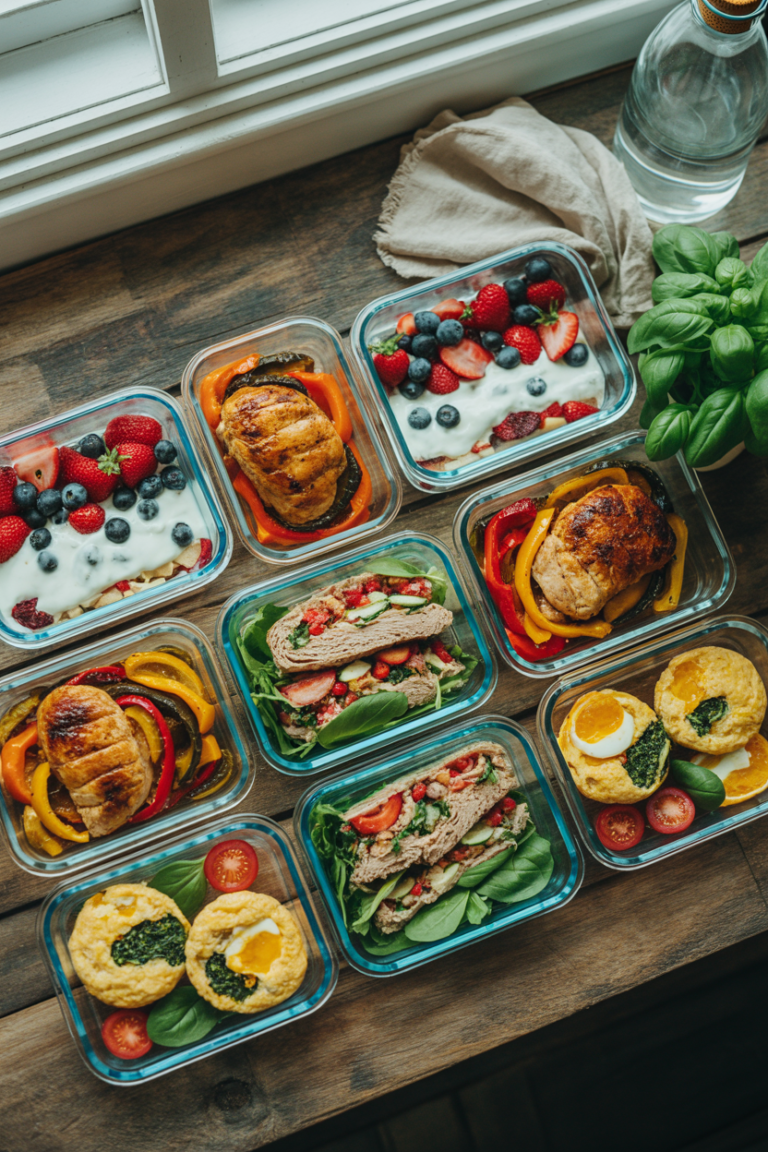
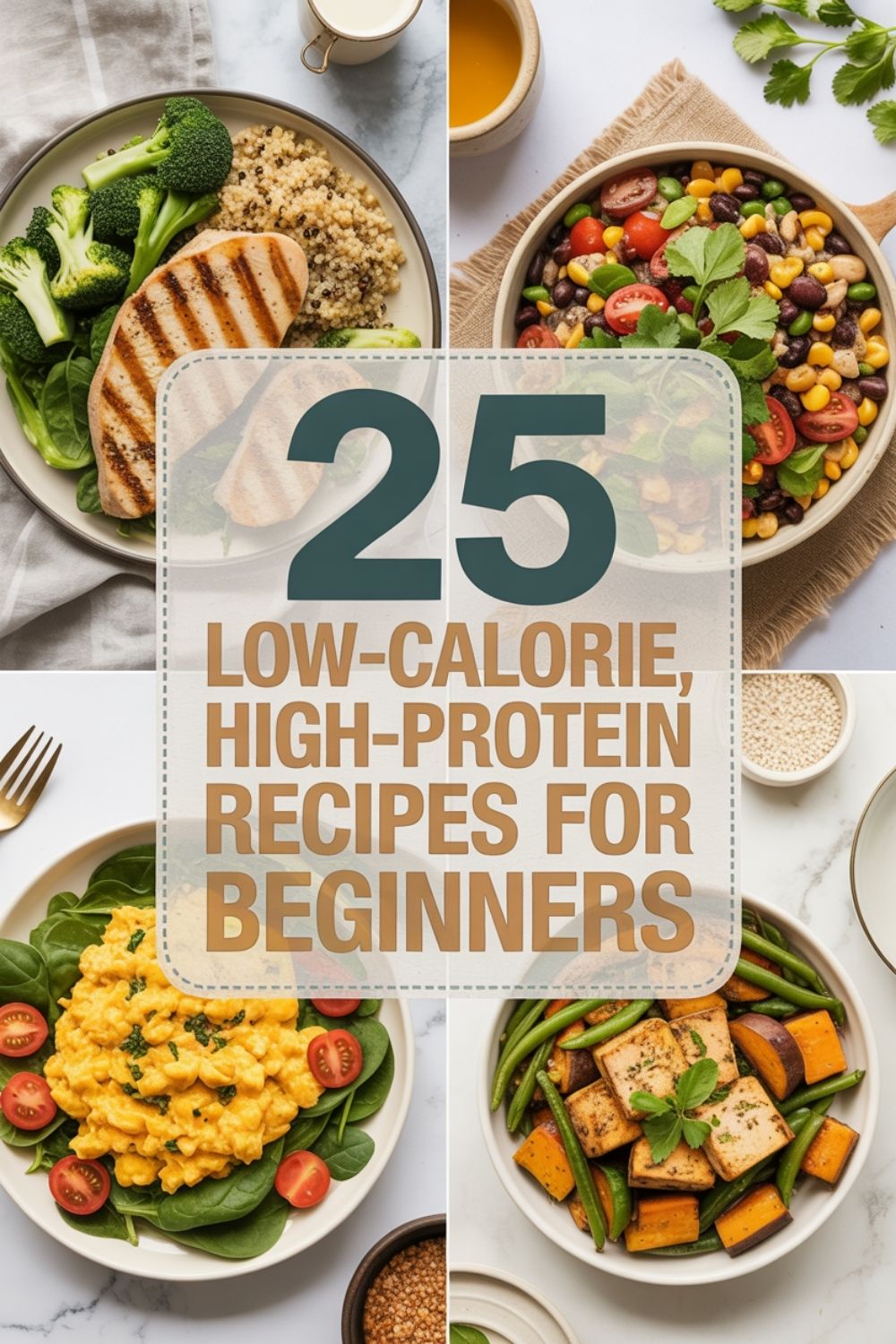
25 Low-Calorie, High-Protein Recipes for Beginners
Look, I get it. You’re trying to eat better, shed a few pounds, maybe build some muscle. But every time you look up healthy recipes, they either require seventeen ingredients you’ve never heard of or they taste like cardboard dipped in sadness.
Here’s the thing about low-calorie, high-protein recipes—they don’t have to be complicated or boring. Actually, some of the best ones I make regularly use five ingredients or less. No fancy gadgets, no culinary degree required.
What makes these recipes work? They’re built around protein-rich foods that keep you satisfied longer while keeping calories in check. Think lean meats, Greek yogurt, eggs, and legumes—foods that actually fill you up instead of leaving you raiding the pantry an hour later.
Why Protein Matters When You’re Counting Calories
Before we jump into recipes, let’s talk about why protein is your best friend when you’re trying to lose weight or get healthier.
Protein keeps you full. Unlike carbs that can spike your blood sugar and leave you hungry again thirty minutes later, protein increases satiety hormones and actually reduces your hunger signals. This means you’re less likely to demolish that entire bag of chips at 3 PM.
Your body also burns more calories digesting protein than it does processing carbs or fats. It’s called the thermic effect of food, and protein has the highest one—meaning you’re literally burning calories just by eating it. Pretty neat, right?
Plus, when you’re cutting calories, you want to lose fat, not muscle. Getting enough protein helps preserve that lean muscle mass, which keeps your metabolism humming along nicely.
The Protein Powder That Doesn’t Taste Like Chalk
I’ve tried probably twenty different protein powders over the years. Most taste artificial, some give you weird stomach issues, and others require a full blender operation just to mix properly.
Why This One’s Different:
- 25g protein per scoop with only 110 calories
- Mixes instantly with just a spoon—no clumps, no grit
- Actually tastes good (the vanilla and chocolate are legitimately delicious)
- Clean ingredients—no artificial sweeteners, no fillers
- Grass-fed whey isolate that’s easy on your stomach
- Works in smoothies, oatmeal, protein pancakes, or just shaken with water
Why I keep buying this: It’s the only protein powder I’ve found that genuinely tastes good mixed with just water. No weird aftertaste, dissolves completely, and doesn’t leave that coating feeling in your mouth. I go through a container every three weeks.
Usually around $35-45 per container (30 servings)
Check Current Price & FlavorsPro Tip
Aim for at least 20-30 grams of protein per meal. Your muscles can only process so much at once, so spreading it throughout the day works better than loading up at dinner.
The Building Blocks: Key Ingredients to Keep Stocked
If you want to make high-protein cooking easy, you need to keep certain staples on hand. I’m talking about ingredients that won’t go bad before you use them and actually taste good.
Protein Powerhouses
- Greek yogurt – Double the protein of regular yogurt, and you can use it in everything from smoothies to salad dressings
- Eggs – Cheap, versatile, and about 6 grams of protein each
- Chicken breast – The classic for a reason. Bland? Sure. But that’s why seasoning exists
- Canned tuna – Budget-friendly and shelf-stable. Just get the kind packed in water
- Cottage cheese – Don’t knock it till you try it. Half a cup has almost 15 grams of protein
- Lentils and beans – Plant-based protein that actually keeps you full
Speaking of kitchen essentials, I keep a digital food scale on my counter because eyeballing portions is how you accidentally eat three servings. And honestly, a good non-stick skillet is worth its weight in gold when you’re cooking lean proteins that love to stick.
For more ways to simplify your protein-packed cooking, check out these low-calorie, high-protein recipes with 5 ingredients or less—because sometimes simple is exactly what you need.
25 Recipes That Actually Work for Beginners
Alright, let’s get to the good stuff. These aren’t arranged by meal type because honestly, who says you can’t have breakfast for dinner? Instead, I’ve organized them by cooking method and difficulty.
1. Greek Yogurt Parfait Power Bowl
Start with plain Greek yogurt (none of that sugar-loaded flavored stuff), add berries, a drizzle of honey, and some almonds. That’s it. 25 grams of protein, under 300 calories. Get Full Recipe
The yogurt provides the protein punch, berries add fiber and antioxidants without many calories, and the nuts give you healthy fats that help you stay satisfied. I make this probably three times a week for breakfast.
2. Simple Egg White Scramble
Four egg whites, handful of spinach, diced tomatoes, pinch of salt. Cook it in a ceramic non-stick pan with a spray of oil. Done in five minutes, about 100 calories with 20 grams of protein. Get Full Recipe
3. Tuna Lettuce Wraps
Mix canned tuna with a tiny bit of Greek yogurt instead of mayo, add diced celery and onion, wrap in butter lettuce leaves. High protein, minimal calories, zero cooking required. Get Full Recipe
This one saves me when I’m too tired to actually cook but need something more substantial than a protein shake.
4. Grilled Chicken with Lemon and Herbs
Season chicken breast with lemon juice, garlic powder, dried oregano, salt, and pepper. Grill or bake at 400°F for about 20 minutes. One breast is roughly 165 calories and 31 grams of protein. Get Full Recipe
Pro move: Make four at once and use them throughout the week. Meal prep doesn’t have to be Instagram-worthy to be effective.
Quick Win
Batch-cook your proteins on Sunday. Grill five chicken breasts, boil a dozen eggs, cook a pot of lentils. Future you will be ridiculously grateful when Wednesday hits and you’re exhausted.
5. Turkey Meatballs with Zucchini Noodles
Ground turkey (93% lean), breadcrumbs, egg, Italian seasoning. Roll into balls, bake at 375°F for 20 minutes. Serve over spiralized zucchini. Four meatballs with zucchini: about 250 calories, 30 grams of protein. Get Full Recipe
Get yourself a spiral vegetable slicer if you haven’t already—turns vegetables into noodles in seconds and makes low-calorie eating way more interesting.
📊 Struggling to Track Your Protein Intake?
Look, I tried tracking my macros with random apps and spreadsheets for months. Half the time I’d forget to log meals, and honestly, most apps are either too complicated or full of junk food databases that don’t help when you’re cooking real food.
The High-Protein Meal Tracker & Planner is specifically designed for people eating high-protein, low-calorie diets—no guessing, no generic advice.
- Pre-loaded with 200+ high-protein recipes with exact macros calculated
- Weekly meal planning templates that auto-calculate your daily protein
- Grocery lists that generate automatically from your meal plan
- Progress tracking dashboard to see your consistency over time
- Works on your phone, tablet, or computer—syncs everywhere
Honestly, having everything in one place makes hitting your protein goals so much easier. No more “did I already have 30 grams today or was that yesterday?”
Get the Meal TrackerLooking for more creative ways to use lean proteins? These high-protein salad recipes prove healthy lunches don’t have to be boring.
6. Protein-Packed Smoothie Bowl
Blend frozen banana, protein powder, almond milk, handful of spinach. Top with granola and chia seeds. Around 300 calories with 25-30 grams of protein depending on your powder. Get Full Recipe
The frozen banana makes it thick and creamy without ice cream. And before you ask—no, you can’t taste the spinach. I promise.
7. Baked Salmon with Asparagus
Place salmon fillet and asparagus on a parchment-lined baking sheet, drizzle with olive oil, season with salt, pepper, and garlic. Bake at 400°F for 15 minutes. One serving: 350 calories, 35 grams of protein. Get Full Recipe
8. Cottage Cheese and Veggie Bowl
Scoop cottage cheese into a bowl, top with cherry tomatoes, cucumber, bell peppers, everything bagel seasoning. 200 calories, 20 grams of protein. Get Full Recipe
Sounds weird, tastes surprisingly good. The everything bagel seasoning is key—turns plain cottage cheese into something you’ll actually want to eat.
9. Turkey and Veggie Stir-Fry
Dice turkey breast, stir-fry with broccoli, bell peppers, snap peas in a wok or large skillet. Season with low-sodium soy sauce and ginger. About 280 calories per serving, 32 grams of protein. Get Full Recipe
10. Egg Muffins with Spinach and Turkey
Whisk eggs, pour into silicone muffin cups, add chopped turkey and spinach. Bake at 350°F for 20 minutes. Two muffins: 180 calories, 18 grams of protein. Get Full Recipe
These freeze beautifully, FYI. Make a batch and grab two on your way out the door for instant breakfast.
If you’re loving these simple approaches to protein-packed meals, you’ll definitely want to explore these high-protein bowls you can prep in under 20 minutes. They’re perfect for those nights when cooking feels impossible but ordering takeout would blow your calorie budget.
11. Shrimp and Cauliflower Rice
Sauté shrimp with garlic, toss with cauliflower rice (store-bought is fine), add lime juice and cilantro. One serving: 250 calories, 28 grams of protein. Get Full Recipe
Cauliflower rice is one of those things I was skeptical about until I actually tried it. It’s not trying to be rice—it’s its own thing, and it works.
12. Protein Pancakes
Mash a banana, mix with two eggs and a scoop of protein powder. Cook like regular pancakes in a griddle pan. Entire batch: 320 calories, 30 grams of protein. Get Full Recipe
13. Chicken Lettuce Cups
Cook ground chicken with water chestnuts, green onions, and hoisin sauce. Scoop into butter lettuce leaves. Three cups: 220 calories, 25 grams of protein. Get Full Recipe
14. Black Bean and Corn Salad
Mix black beans, corn, diced bell peppers, lime juice, cumin. Serve cold. One cup: 180 calories, 12 grams of protein. Get Full Recipe
This one’s vegetarian-friendly and honestly tastes better the next day after the flavors have time to hang out together.
15. Baked Cod with Lemon
Season cod fillets with lemon, dill, salt, pepper. Bake at 400°F for 12-15 minutes. Per fillet: 140 calories, 28 grams of protein. Get Full Recipe
Cod is criminally underrated. It’s mild, cooks fast, and has more protein than chicken for fewer calories.
16. Tofu Scramble
Crumble firm tofu, sauté with turmeric, nutritional yeast, veggies of choice. One serving: 200 calories, 20 grams of protein. Get Full Recipe
17. Turkey Chili
Brown ground turkey, add canned tomatoes, kidney beans, chili powder, cumin. Simmer 30 minutes. One bowl: 280 calories, 30 grams of protein. Get Full Recipe
Make a big batch and freeze portions. Nothing beats having homemade chili waiting in the freezer for those days when cooking sounds like torture.
🍳 Want 100+ More High-Protein Recipes at Your Fingertips?
I’ll be honest—these 25 recipes are great, but after a few weeks you’ll want more variety. That’s exactly why I keep coming back to this collection.
The Complete High-Protein, Low-Calorie Recipe Ebook has become my kitchen bible for a reason:
- 100+ recipes all under 400 calories with 25g+ protein per serving
- Organized by cooking method (sheet pan, slow cooker, one-pot, etc.)
- Includes beginner-friendly recipes AND more advanced options
- Every recipe has prep time, cook time, and full nutrition breakdown
- Meal prep guides showing you how to batch cook for the week
- Substitution charts for dietary restrictions (dairy-free, gluten-free options)
It’s a digital download, so you get it instantly—no waiting for shipping. Plus you can print just the recipes you want or keep it on your phone while cooking.
Download the Recipe EbookFor meal prep enthusiasts, check out these low-calorie, high-protein meals perfect for meal prep. They’ll show you how to prepare an entire week’s worth of lunches in under two hours.
18. Grilled Chicken Caesar Salad (Lightened Up)
Romaine, grilled chicken, light Caesar dressing (Greek yogurt-based), Parmesan. One large salad: 280 calories, 35 grams of protein. Get Full Recipe
19. Protein Oatmeal
Cook oats with almond milk, stir in protein powder after cooking, top with berries. 300 calories, 25 grams of protein. Get Full Recipe
Add the protein powder after you take it off the heat—if you cook it with the powder, it gets weirdly gummy. Trust me on this.
20. Lemon Garlic Chicken Thighs
Marinate boneless, skinless chicken thighs in lemon juice, garlic, olive oil. Grill or bake. Per thigh: 180 calories, 25 grams of protein. Get Full Recipe
Thighs have more flavor than breasts and stay juicy even if you slightly overcook them. More forgiving for beginners.
21. Veggie and White Bean Soup
Sauté onions, carrots, celery. Add vegetable broth, canned white beans, kale. Simmer 20 minutes. Two cups: 220 calories, 15 grams of protein. Get Full Recipe
22. Baked Turkey Burgers
Form ground turkey into patties, season with garlic powder, onion powder, salt. Bake at 375°F for 20 minutes. One patty: 160 calories, 22 grams of protein. Get Full Recipe
Skip the bun or use lettuce wraps to keep calories even lower. Add pickles and mustard—suddenly it’s a meal.
23. Chickpea Salad
Mash chickpeas with Greek yogurt, dill, lemon juice, diced celery. Eat with crackers or in lettuce wraps. Half cup: 140 calories, 10 grams of protein. Get Full Recipe
Real Talk
Not every meal needs to be Instagram-perfect. Some of my best protein-packed meals are just grilled chicken, steamed broccoli, and sweet potato. Simple works.
24. Almond Butter Protein Bites
Mix almond butter, protein powder, oats, honey. Roll into balls using a cookie scoop for uniform size. Refrigerate. Two bites: 180 calories, 12 grams of protein. Get Full Recipe
25. Spicy Grilled Shrimp Skewers
Marinate shrimp in lime juice, chili powder, garlic. Thread onto metal or bamboo skewers, grill 2-3 minutes per side. Six large shrimp: 120 calories, 24 grams of protein. Get Full Recipe
Shrimp cooks so fast it’s almost ridiculous. If they’ve turned pink and opaque, they’re done. Overcook them and they turn rubbery.
Want even more variety in your protein-packed cooking? These sheet pan dinners are perfect for those nights when you want maximum flavor with minimum cleanup.
Making It Work in Real Life
Look, recipes are great and all, but let’s talk about actually sticking with this stuff when life gets messy.
Start small. Don’t try to overhaul your entire diet on Monday. Pick three recipes from this list that look doable and rotate those for a week. Once they feel easy, add more.
Use your freezer. Seriously. Cook double portions and freeze half. Future you—the one who’s exhausted and about to order pizza—will be so grateful.
Keep it flexible. If a recipe calls for chicken and you only have turkey, use turkey. If you’re supposed to use kale but only have spinach, guess what? Spinach works fine. The protein police aren’t going to show up at your door.
For practical strategies on making high-protein eating sustainable long-term, these meal ideas for weight loss beginners break down the basics in a way that doesn’t require a nutrition degree to understand.
Common Mistakes (I’ve Made Most of These)
Thinking low-calorie means tiny portions. When you’re loading up on protein and vegetables, you can eat pretty decent-sized meals. A massive salad with grilled chicken is low-calorie but will absolutely fill you up.
Forgetting to season. Protein doesn’t have to taste bland just because it’s healthy. Use spices, herbs, citrus, vinegars. A properly seasoned chicken breast tastes nothing like a sad, plain one.
Not prepping anything. Even if you hate meal prep, washing and chopping vegetables on Sunday makes weeknight cooking exponentially easier. Just that one step.
Going too hard too fast. If you’re used to eating 50 grams of protein daily and suddenly try to hit 150, your stomach will riot. Gradually increase your intake over a couple weeks.
Ignoring your actual preferences. Just because everyone on the internet is obsessed with cottage cheese doesn’t mean you have to force it down if you hate it. There are plenty of other high-protein options.
If you’re specifically focused on muscle recovery and athletic performance, these recipes for muscle recovery are designed with post-workout nutrition in mind.
What About Snacks?
Yeah, you’re still going to get hungry between meals. That’s normal. The trick is having high-protein snacks ready so you don’t end up eating half a sleeve of cookies.
Hard-boiled eggs keep in the fridge for a week. Greek yogurt cups are portable. Protein bars work in a pinch (though check the sugar—some have as much as candy bars). Beef jerky, cheese sticks, roasted chickpeas, edamame—all solid options.
I keep portion-controlled containers filled with measured snacks in my fridge. Takes the guesswork out and prevents me from accidentally eating 400 calories of almonds while standing at the counter.
💪 Ready to Actually Stick With Your Protein Goals?
Here’s what nobody tells you about hitting protein goals: the recipes are the easy part. The hard part is staying consistent when life gets chaotic, motivation dips, or you’re just tired of thinking about food.
The 90-Day High-Protein Transformation Program is what finally made this sustainable for me:
- 12 weeks of done-for-you meal plans (every breakfast, lunch, dinner, snack)
- Progressive approach that starts simple and builds your skills
- Weekly grocery lists organized by store section
- Video tutorials showing proper portion sizes and meal prep techniques
- Private community access for support and accountability
- Protein timing guide for optimal muscle building and fat loss
- Restaurant eating guide with high-protein choices at 50+ chains
It’s not just recipes—it’s the complete system that takes you from “I have no idea what I’m doing” to “I’ve got this handled” in three months. Plus there’s a money-back guarantee if you don’t see results.
Start the 90-Day ProgramFor even more snack inspiration, check out these high-protein snack recipes—they’re designed for kids but honestly, adults love them too.
Eating Out Without Derailing Everything
You’re not going to cook every single meal. Life happens. Here’s how to navigate restaurants without completely abandoning your protein goals.
Grilled beats fried, always. Ask for dressings and sauces on the side. Double the vegetables instead of rice or fries. Order an appetizer-sized portion of protein with a salad. Most places will do this even if it’s not on the menu.
Don’t be that person who makes the server recite every ingredient and preparation method, but it’s totally fine to ask basic questions. “Is that grilled or fried?” is reasonable. Requesting they remake your entire meal three times is not.
Meal Prep Containers That Don’t Leak or Stink
I learned this lesson the hard way when chicken and broccoli juice leaked all over my bag at work. Not my finest moment. Good containers are non-negotiable if you’re meal prepping high-protein foods.
What You Actually Need in Meal Prep Containers:
- Leak-proof locking lids that actually seal (tested upside-down in my bag—no leaks)
- Three compartments to keep proteins, veggies, and carbs separated
- Microwave and dishwasher safe without warping or melting
- BPA-free, food-grade materials that don’t absorb smells or stains
- Stackable design saves massive fridge space
- Set of 10 containers with matching lids (no more lid-hunting)
The meal prep game-changer: Having ten identical containers means I can batch-cook on Sunday and have five lunches and five dinners ready to go. No more “what should I eat?” decisions when you’re tired and hungry. Just grab a container, heat it up, done. These have survived six months of daily use without cracking or losing their seals.
Around $25-30 for a 10-pack
Get the Container SetFrequently Asked Questions
How much protein do I actually need per day?
It depends on your goals and activity level, but most experts recommend 0.8 to 1 gram per pound of body weight if you’re active or trying to build muscle. For weight loss, aim for the higher end to preserve muscle mass. Most people do well with 100-150 grams daily, spread across meals.
Can I build muscle on a low-calorie diet?
It’s challenging but possible, especially if you’re new to strength training or have significant body fat to lose. The key is keeping protein high (like these recipes do), lifting weights consistently, and not cutting calories too drastically. A moderate deficit of 300-500 calories works better than aggressive restriction.
Are plant-based proteins as effective as animal proteins?
Yes, though you need to combine different plant sources to get all essential amino acids. Beans with rice, lentils with quinoa—these combinations create complete proteins. Animal proteins are “complete” on their own, which makes them slightly more convenient, but plant proteins work great if you eat a variety.
How do I avoid getting bored eating the same high-protein foods?
Switch up your seasonings and cooking methods more than the protein itself. Chicken can be Italian one day, Mexican the next, Asian-inspired after that. Also rotate between different proteins—chicken, fish, turkey, eggs, legumes—so you’re not eating the same thing every single day. These 25 recipes give you plenty of variety to work with.
Will eating high-protein harm my kidneys?
If you have healthy kidneys, no. High protein intake doesn’t damage healthy kidneys, though people with existing kidney disease should work with their doctor on protein limits. For the average healthy person, the protein amounts in these recipes are perfectly safe.
Final Thoughts
Here’s the truth: low-calorie, high-protein cooking doesn’t have to be complicated or miserable. Most of these recipes take less time than waiting for delivery, cost less than eating out, and actually taste good enough that you’ll want to make them again.
Start with five recipes from this list. Make them once. See which ones you actually like. Keep those, ditch the rest, find new ones. That’s how you build a sustainable way of eating—by finding what works for you, not forcing yourself to eat Pinterest-perfect meals you hate.
The goal isn’t perfection. It’s progress. If you nail three high-protein meals this week, that’s three more than last week. That’s worth celebrating.
Now stop reading and go make something. Your future self—the one with more energy and better-fitting jeans—will thank you.