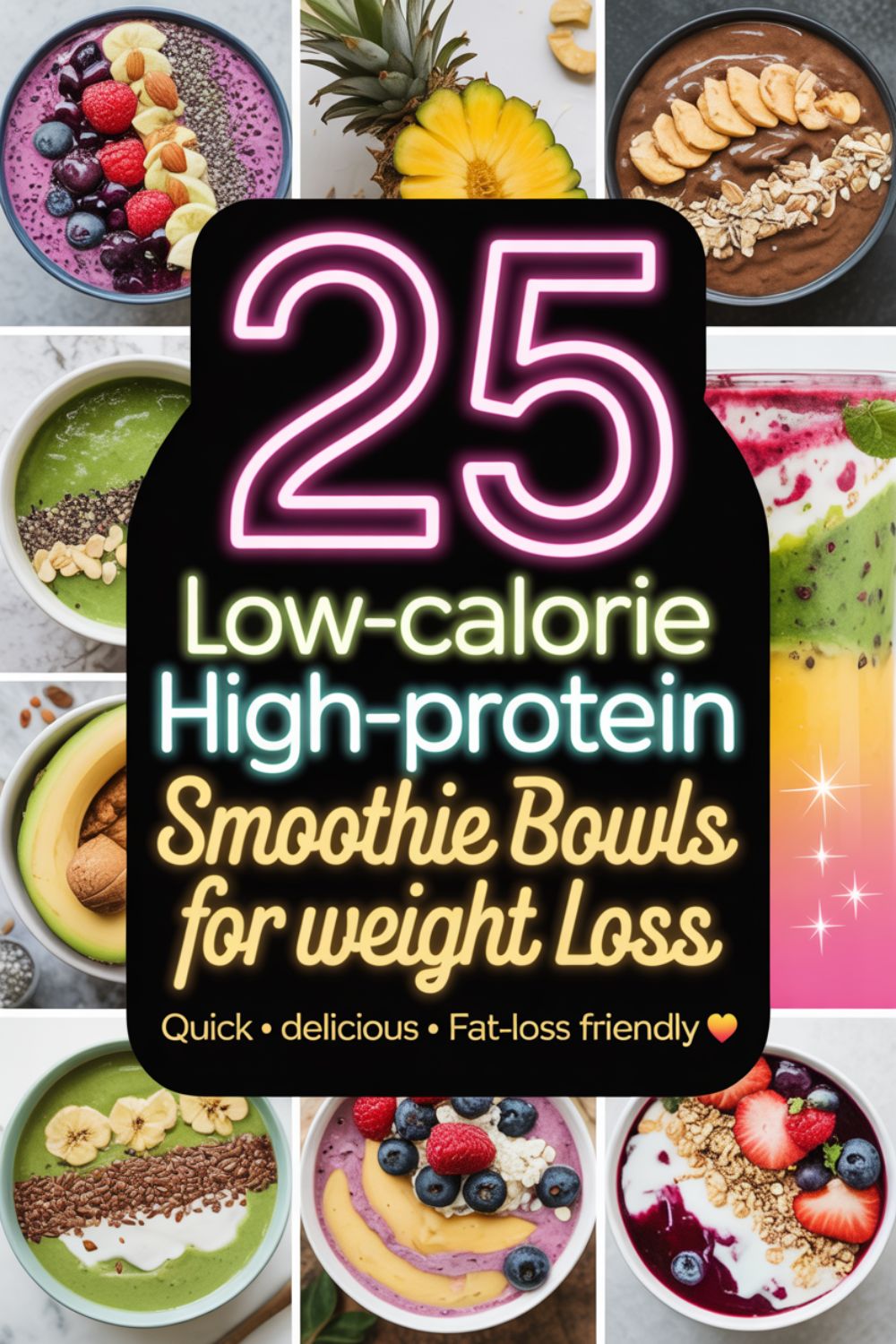
25 Low-Calorie High-Protein Smoothie Bowls for Weight Loss
Let me guess—you scrolled past another gorgeous smoothie bowl on Instagram and thought, “Yeah, that looks amazing, but it’s probably a sugar bomb disguised as health food.” I get it. I’ve been there, staring at my sad desk salad while wondering if those influencer bowls actually help with weight loss or just look pretty.
Here’s the thing though: smoothie bowls can absolutely work for weight loss when you build them right. The secret? Protein-packed bases with minimal calories and toppings that actually keep you full instead of sending your blood sugar on a rollercoaster ride. I’m talking about bowls that clock in under 300 calories but pack 20+ grams of protein.
After experimenting with these recipes for months (and yes, making plenty of watery messes along the way), I’ve nailed down 25 combinations that actually satisfy. No sketchy protein powders that taste like cardboard. No ingredient lists longer than a CVS receipt. Just real food that works.
Why Protein Matters More Than You Think
Look, I’m not going to bore you with a biology lecture, but understanding why protein hits different for weight loss actually helps. When you eat protein, your body burns more calories just digesting it—around 20-30% of the calories consumed compared to just 5-10% for carbs. That’s basically free calorie burning.
Plus, protein keeps you full longer than carbs or fats. Ever notice how a donut leaves you hungry an hour later, but eggs keep you going? That’s protein working its magic. For smoothie bowls, this means you can actually make it to lunch without raiding the office snack drawer.
The sweet spot for these bowls is around 20-30 grams of protein and 250-350 calories total. That gives you enough fuel to crush your morning without derailing your calorie goals. And honestly? Once you nail the formula, you can throw these together in less time than it takes to order takeout.
The Basic Formula (Because You Need a Framework)
Every killer smoothie bowl follows the same basic structure. Master this, and you can freestyle your way through endless combinations without even looking at a recipe.
Base Layer Components
- Protein source: Greek yogurt, cottage cheese, protein powder, or silken tofu (trust me on this one)
- Frozen fruit: Berries, mango, or banana—frozen is key for that thick texture
- Liquid (minimal): Unsweetened almond milk, regular milk, or even brewed coffee
- Thickness factor: Frozen cauliflower, zucchini, or extra ice (sounds weird, tastes normal)
The trick is using just enough liquid to get everything moving in your blender. I’m talking like 1/4 cup max. You want this thick enough to eat with a spoon, not drink through a straw. If you can tilt your bowl and the mixture slides around, you’ve added too much liquid. Been there, learned that lesson the messy way.
For the blending part, I swear by this high-speed blender—it actually pulverizes frozen fruit instead of just bouncing it around like a hockey puck. Game changer for smoothie bowl texture.
Topping Strategy
Here’s where most people blow their calorie budget. Those photogenic toppings add up fast. My rule? Pick three max, and at least one should be protein-based.
- Protein toppings: Hemp hearts, nut butter (measured!), nuts, or seeds
- Fiber additions: Chia seeds, flax seeds, or shredded coconut
- Fresh fruit: Berries work best—lower sugar, more antioxidants
- Crunch factor: Low-sugar granola or cacao nibs
Speaking of toppings, if you’re serious about meal prep, these small glass prep containers keep your pre-portioned toppings fresh all week. No more guessing if those hemp hearts have gone rancid.
Looking for more protein-packed breakfast inspiration beyond bowls? These low-calorie high-protein breakfast bowls and protein pancakes for weight loss might become your new morning rotation.
25 Smoothie Bowl Recipes That Actually Work
Berry-Based Bowls (Antioxidant Powerhouses)
1. Classic Triple Berry Protein Bowl
Mix 1 cup frozen mixed berries, 3/4 cup Greek yogurt, 1 scoop vanilla protein powder, and a splash of almond milk. Top with fresh strawberries, chia seeds, and a drizzle of almond butter. Comes out to around 280 calories with 28g protein. This one’s my weekday staple because it’s practically foolproof.
2. Açaí Power Bowl
Blend 1 frozen açaí packet, 1/2 frozen banana, 1 cup cottage cheese (seriously), and 1/4 cup pomegranate juice. The cottage cheese blends smooth and adds massive protein. Top with granola, coconut flakes, and sliced banana. Around 310 calories, 22g protein.
3. Strawberry Cheesecake Bowl
Combine 1.5 cups frozen strawberries, 3/4 cup Greek yogurt, 1 scoop vanilla protein powder, and a tiny splash of vanilla extract. Tastes like dessert but clocks in at 265 calories with 30g protein. Top with crushed graham crackers if you’re feeling fancy.
4. Blackberry Chia Bowl
Blend 1 cup frozen blackberries, 1/2 cup silken tofu, 1 scoop protein powder, 2 tbsp chia seeds (pre-soaked), and almond milk. The pre-soaked chia makes this incredibly thick. Around 290 calories, 26g protein.
5. Mixed Berry Vanilla Dream
Use 1 cup mixed berries, 1 cup Greek yogurt, 1/2 scoop vanilla protein, and frozen cauliflower rice (don’t knock it). The cauliflower adds bulk and creaminess with almost zero calories. Top with fresh berries and hemp hearts. 270 calories, 27g protein.
“I’ve been making the Triple Berry bowl every morning for three weeks now. Down 8 pounds and I’m actually excited about breakfast again. The protein keeps me full until lunch—no more 10 AM snack attacks!” —Jessica M., community member
Tropical Vibes (For When You Need Mental Vacation)
6. Mango Protein Paradise
Blend 1 cup frozen mango, 3/4 cup Greek yogurt, 1/2 scoop vanilla protein, and coconut milk. Top with fresh mango, macadamia nuts, and shredded coconut. Around 305 calories with 24g protein. Tastes like you’re on a beach, not counting macros.
7. Pina Colada Protein Bowl
Mix 1/2 cup frozen pineapple, 1/2 frozen banana, 1 cup cottage cheese, and coconut milk. This one surprised me—cottage cheese makes it ridiculously creamy. Top with toasted coconut and pineapple chunks. 285 calories, 25g protein.
8. Papaya Ginger Sunrise
Combine 1 cup frozen papaya, 3/4 cup Greek yogurt, fresh ginger (tiny piece), 1 scoop protein powder, and orange juice. The ginger adds this amazing zing. Around 295 calories, 26g protein.
9. Tropical Green Protein Bowl
Blend 1/2 cup frozen mango, 1/2 frozen banana, 1 cup spinach (you won’t taste it), 3/4 cup Greek yogurt, and 1 scoop vanilla protein. Top with kiwi slices and chia seeds. 280 calories, 28g protein.
10. Coconut Lime Dream
Use 1 cup frozen pineapple, juice of 1 lime, 1 cup Greek yogurt, 1/2 scoop protein powder, and coconut milk. That lime really makes it pop. Around 275 calories with 25g protein.
Want to keep the tropical theme going all day? Check out these high-protein smoothies for energy—perfect for that afternoon slump.
Chocolate Lovers Unite (Yes, Really)
11. Chocolate Peanut Butter Power Bowl
Blend 1 frozen banana, 2 tbsp cocoa powder, 1 scoop chocolate protein, 3/4 cup Greek yogurt, and almond milk. Top with 1 tbsp peanut butter (measured!) and cacao nibs. My personal favorite at 320 calories with 29g protein. Get Full Recipe
12. Mocha Protein Bowl
Mix 1 frozen banana, 1/2 cup cold brew coffee, 2 tbsp cocoa powder, 1 scoop chocolate protein, and Greek yogurt. The coffee flavor is subtle but adds depth. Around 285 calories, 27g protein.
13. Chocolate Cherry Recovery Bowl
Combine 1 cup frozen cherries, 2 tbsp cocoa powder, 1 scoop chocolate protein, cottage cheese, and almond milk. Cherries and chocolate are underrated together. 295 calories, 26g protein.
14. Double Chocolate Mint Bowl
Blend 1 frozen banana, 2 tbsp cocoa powder, 1 scoop chocolate protein, Greek yogurt, and a tiny bit of peppermint extract. Be careful with the extract—a little goes a long way. 290 calories, 28g protein.
15. Chocolate Hazelnut Bliss
Use 1 frozen banana, 2 tbsp cocoa powder, 1 scoop chocolate protein, Greek yogurt, and top with chopped hazelnuts. Tastes like Nutella without the guilt. Around 310 calories with 27g protein.
Green Machine Options (Sneak in Those Veggies)
16. Spinach Banana Protein Bowl
Blend 2 cups spinach, 1 frozen banana, 1 scoop vanilla protein, Greek yogurt, and almond milk. I promise you can’t taste the spinach. Top with banana slices and almond butter. 275 calories, 26g protein.
17. Kale Mango Power Bowl
Mix 1 cup kale, 1 cup frozen mango, 1 scoop protein powder, cottage cheese, and coconut water. The mango completely masks the kale. Around 285 calories, 24g protein.
18. Mint Chocolate Chip Green Bowl
Combine 2 cups spinach, 1 frozen banana, peppermint extract, 1 scoop vanilla protein, Greek yogurt, and top with cacao nibs. Looks like mint chip ice cream. 280 calories, 27g protein.
19. Green Tropical Fusion
Blend 1 cup spinach, 1/2 cup frozen pineapple, 1/2 frozen banana, 1 scoop vanilla protein, and Greek yogurt. Simple but effective. 270 calories, 25g protein.
20. Cucumber Melon Refresh Bowl
Use 1/2 cucumber, 1 cup frozen honeydew, 1 scoop vanilla protein, Greek yogurt, and lime juice. Super refreshing on hot mornings. Around 265 calories with 24g protein.
If you’re vibing with the green bowls, you’ll love these meal prep bowls you can prep ahead for the whole week.
Unique Flavor Combos (Get Adventurous)
21. Pumpkin Spice Protein Bowl
Mix 1/2 cup pumpkin puree, 1 frozen banana, pumpkin spice, 1 scoop vanilla protein, and Greek yogurt. Fall in a bowl. Top with pecans and a tiny drizzle of maple syrup. 300 calories, 26g protein.
22. Blueberry Lavender Zen Bowl
Blend 1.5 cups frozen blueberries, food-grade lavender (barely any), 1 scoop vanilla protein, and Greek yogurt. Sophisticated flavor that actually works. 275 calories, 27g protein.
23. Carrot Cake Bowl
Combine 1/2 cup carrot juice, 1 frozen banana, cinnamon, nutmeg, 1 scoop vanilla protein, Greek yogurt, and top with walnuts and raisins. Dessert vibes at 295 calories with 25g protein.
24. Peach Cobbler Protein Bowl
Use 1.5 cups frozen peaches, cinnamon, 1 scoop vanilla protein, cottage cheese, and top with crushed walnuts. Tastes like summer dessert. Around 285 calories, 26g protein.
25. Apple Cinnamon Breakfast Bowl
Blend 1 cup frozen apple chunks, cinnamon, 1 scoop vanilla protein, Greek yogurt, and top with granola. Reminds me of apple pie but won’t wreck your macros. 290 calories, 27g protein.
Kitchen Tools That Make Smoothie Bowl Life Easier
After making literally hundreds of these bowls, these are the tools I actually use every single day:
Physical Essentials:
- High-Speed Blender — Look, you can make do with a regular blender, but a good one makes the texture so much better. No chunks, no ice chunks, just smooth creamy perfection.
- Meal Prep Containers Set — These glass ones keep pre-portioned toppings fresh all week. I prep everything Sunday and just grab-and-go.
- Kitchen Scale — Not glamorous, but weighing ingredients actually matters for consistency. Also keeps you honest with portions (guilty).
Digital Resources:
- 14-Day Smoothie Plan — Takes the guesswork out completely with shopping lists and daily recipes
- 30-Day Complete Smoothie Guide — If you want to go all-in, this covers everything from basics to advanced meal timing
- Weekly Meal Prep Guide — Helps you prep smoothie bowls alongside complete meals for the week
Common Mistakes (Learn From My Disasters)
Too Much Liquid: This is the number one way to ruin a smoothie bowl. Start with 2 tablespoons of liquid, blend, and add more only if absolutely necessary. You want this thick enough to hold toppings, not soup.
I use these measuring spoons because eyeballing liquid is how you end up with smoothie soup. Not fun when you’re rushing out the door.
Skimping on Protein: A bowl with 10g protein won’t cut it. You need at least 20g to actually stay full until lunch. If your protein powder tastes gross, try mixing brands or using half powder, half Greek yogurt.
Going Topping Crazy: I get it—toppings are fun. But 3 tablespoons of almond butter, granola, coconut, AND nuts basically turns your 300-calorie bowl into a 600-calorie dessert. Pick three toppings max and actually measure them.
Not Freezing Fruit Properly: Wet, icy fruit makes watery bowls. Pat your fruit dry before freezing, or buy pre-frozen. Store it in these freezer bags that actually seal properly—no more freezer burn.
Ignoring the Protein-to-Carb Ratio: According to Harvard Health, balancing protein with complex carbs optimizes satiety and blood sugar control. Your bowl should have more protein than sugar grams for best weight loss results.
Making It Work for Your Goals
Not all smoothie bowls serve the same purpose. Here’s how to customize based on what you’re actually trying to do.
For Weight Loss
Keep it under 300 calories, prioritize protein over everything else, and watch those nut butter portions like a hawk. Berries are your friend—lower sugar than tropical fruits. Skip the granola or use a measured tablespoon of a low-sugar version.
The 7-day weight loss plan pairs perfectly with these bowls if you want a complete framework.
For Muscle Building
Bump calories to 350-400, increase protein to 30-35g, and add healthy fats like nut butter or avocado. Time it within an hour post-workout for best results. The recipes for muscle gain offer more options for this goal.
For General Health
Focus on variety—rotate through different fruits and protein sources. Add superfoods like chia, flax, or hemp hearts. Don’t stress the exact calories as much, just keep portions reasonable.
For Meal Prep Warriors
Portion all base ingredients into freezer bags on Sunday. Label with the recipe name and blend date. Store toppings separately in these small containers. Grab one bag, blend, top, eat. Five minutes max from freezer to table.
If meal prep is your jam, definitely check out these bowls you can prep ahead and this 14-day meal prep plan for complete weekly organization.
“I meal prepped all 25 recipes over two weekends just to try them all. The Chocolate Peanut Butter and Açaí bowls are now my permanent rotation. Down 12 pounds in six weeks and I don’t even feel like I’m dieting.” —Marcus T., community member
Protein Powder Real Talk
Let’s address the elephant in the room—protein powder. Some taste like sweetened cardboard. Some blend like cement. Some give you weird digestive issues. Here’s what actually works.
Whey protein blends the smoothest and tastes the best, IMO. If you’re not lactose intolerant, it’s the gold standard. Casein makes bowls super thick and creamy—almost pudding-like. Plant-based options (pea, brown rice, hemp) work great but can taste earthy. Mix them with vanilla extract or cinnamon to help.
I rotate between this whey isolate for regular bowls and this plant blend when I want to change things up. Both mix smooth without that gritty texture some powders have.
Also? You don’t always need powder. Greek yogurt plus cottage cheese can hit 20g protein easily. Silken tofu blends incredibly smooth and adds 10g per half cup. Mix and match based on what you have.
Timing Matters More Than You Think
When you eat your smoothie bowl actually impacts how it affects your weight loss. Sounds like bro science, but there’s real research here.
Morning bowls work best because protein at breakfast helps control appetite all day. Post-workout bowls (within an hour) maximize muscle recovery and protein synthesis. Evening bowls? Probably not ideal unless you’re doing evening workouts. The carbs can mess with sleep quality for some people.
I stick to smoothie bowls for breakfast or post-gym snacks. For complete meal timing strategies, the beginner meal plan breaks down exactly when to eat what.
Seasonal Swaps (Keep It Interesting)
Eating the same bowl every day gets old fast. Here’s how to switch things up based on what’s actually in season and tastes good.
Summer: Load up on fresh berries, peaches, and melons. Stone fruits blend amazing when frozen. Add fresh mint or basil for unexpected flavor.
Fall: Pumpkin, apple, and pear bowls with warming spices. Add a tiny bit of maple syrup (measured!) or dates for natural sweetness.
Winter: Citrus fruits, pomegranate, and frozen summer berries you stockpiled. Ginger and cinnamon add warmth without calories.
Spring: Strawberries, cherries, and tropical fruits as they come into season. Perfect time to experiment with new combos.
For more seasonal variety, these one-pan meals and sheet pan meals keep dinner interesting while you rotate breakfast bowls.
Frequently Asked Questions
Can I make smoothie bowls without a high-speed blender?
Absolutely. Regular blenders work fine—you just might need to stop and scrape down the sides more often, and the texture might be slightly less smooth. The key is using less liquid and being patient. Let frozen fruit sit for 2-3 minutes before blending to help your blender out.
How long do smoothie bowls keep in the fridge?
Honestly, they’re best eaten immediately. The texture changes as they sit and ingredients separate. If you must store one, it’ll last maybe 4-6 hours in the fridge, but you’ll need to re-blend or stir vigorously. This is why I prep the ingredients separately rather than pre-blending.
Can I use regular yogurt instead of Greek yogurt?
You can, but regular yogurt has way less protein—usually around 5-8g per cup versus 15-20g for Greek. If that’s all you have, add an extra scoop of protein powder to compensate. The consistency will also be thinner, so you might need less liquid overall.
Are smoothie bowls actually better than regular smoothies for weight loss?
Kind of, yeah. The act of eating with a spoon slows you down, which helps with satiety signals. Plus, the thicker texture tends to feel more filling than drinking the same calories. FYI, the toppings also add more chewing and satisfaction compared to just gulping a drink.
What’s the best protein powder for smoothie bowls that doesn’t taste chalky?
This varies wildly by personal taste, but unflavored or vanilla whey isolate tends to blend smoothest. Avoid cheap protein powders—they usually taste terrible and don’t mix well. The slight extra cost for quality powder is worth it when you’re eating it daily. Also, chocolate protein works better in chocolate-based bowls (obviously) but can make berry bowls taste weird.
Final Thoughts
Look, smoothie bowls aren’t magic. They won’t melt fat off your body while you sleep or give you abs in a week. But as part of a solid eating strategy, they absolutely work for weight loss when you build them right.
The protein keeps you full, the low calories keep you in a deficit, and the variety keeps you from losing your mind eating boring diet food. After three months of rotating through these 25 recipes, I’m down 15 pounds and I actually look forward to breakfast.
Start with the basic formula, find 3-5 bowls you genuinely enjoy, and rotate them. Prep your ingredients on Sunday. Don’t overthink it. Track your portions for the first week or two until you get a feel for measurements, then you can eyeball it more.
Most importantly? If a bowl tastes terrible, don’t force it down in the name of health. Life’s too short for food that sucks. Find combinations you actually like, because that’s what makes this sustainable long-term.