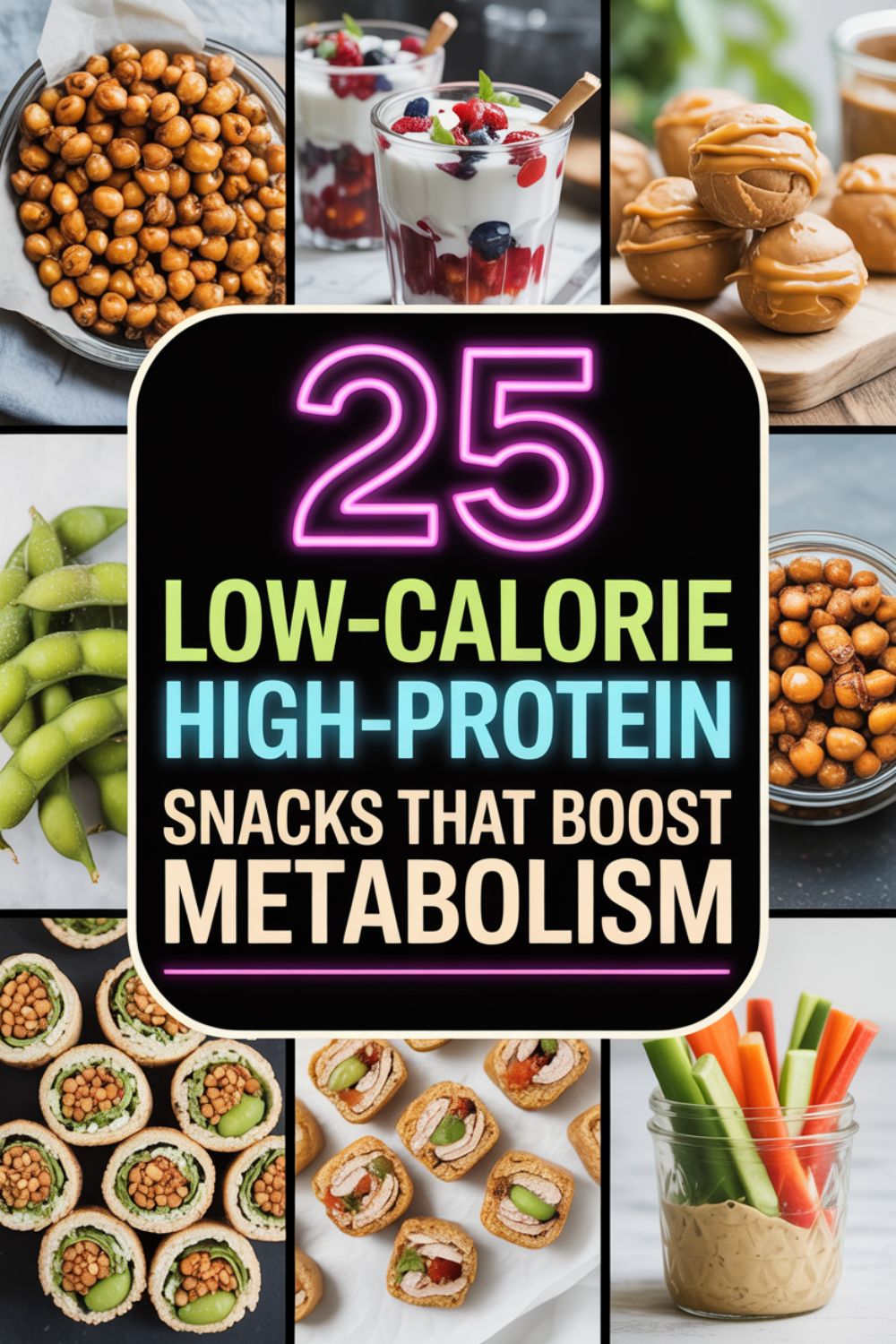
25 Low-Calorie High-Protein Snacks That Boost Metabolism
Look, I’m not here to tell you that snacking is the enemy. That’s such an outdated mindset, and honestly? Life’s too short to feel guilty about a 3 PM pick-me-up. But here’s the thing that actually changed everything for me: realizing that what you snack on matters way more than whether you snack at all.
I used to think protein snacks were boring—like chewing on cardboard while pretending to be virtuous. Then I discovered that high-protein, low-calorie snacks can actually taste good and do something your metabolism will thank you for later. We’re talking about foods that keep you full for hours, not minutes. Foods that actually help your body burn more calories just by digesting them. Yeah, you read that right.
So if you’re tired of the blood sugar rollercoaster that comes with processed snacks, or if you’re trying to lose weight without feeling like you’re constantly starving, stick around. These 25 snacks are about to become your new best friends.
Why Protein Actually Revs Up Your Metabolism
Before we jump into the snack list, let’s talk science for a second—but like, the fun kind that actually makes sense. Your body burns calories just by existing, right? That’s your basal metabolic rate. But here’s where it gets interesting: protein requires significantly more energy to digest than carbs or fats. Like, way more.
When you eat protein, your body uses about 20-30% of those calories just to break it down and process it. Compare that to carbs at 5-10% and fats at a measly 0-3%. So essentially, you’re burning calories just by eating protein. That’s called the thermic effect of food, and it’s not some gimmick—it’s basic physiology.
Plus, protein keeps you fuller longer because it slows down digestion and stabilizes blood sugar. No more crashing two hours after a snack and raiding the pantry again. And if you’re working out? Protein helps repair and build muscle tissue, which burns more calories at rest than fat does. It’s basically a metabolic win on multiple levels.
💡 Pro Tip:
Aim for at least 10-15 grams of protein per snack to really feel the satiety benefits. Anything less and you’re basically just eating empty calories with a protein label slapped on it.
The 25 Snacks That Actually Deliver
1. Greek Yogurt with Berries
This is my go-to morning snack, and for good reason. A three-quarter cup serving of plain Greek yogurt packs about 17 grams of protein—more than double what you get from regular yogurt. Toss in some fresh blueberries or strawberries for antioxidants and natural sweetness, and you’ve got yourself a winner.
Here’s the kicker: make sure you’re buying plain, not flavored. Those flavored varieties are loaded with added sugar that completely defeats the purpose. I use this small kitchen scale to portion out exactly 3/4 cup so I’m not overdoing it. Get Full Recipe.
2. Hard-Boiled Eggs
If you think hard-boiled eggs are boring, you’re not seasoning them right. One large egg gives you about 6 grams of protein and only 70 calories. I meal prep a dozen at the beginning of the week using this egg cooker that makes them perfect every single time—no gray ring, no guessing.
Sprinkle them with everything bagel seasoning, smoked paprika, or even hot sauce. Suddenly you’ve got a snack that’s actually exciting and takes zero effort.
3. Edamame with Sea Salt
One cup of edamame delivers about 17 grams of plant-based protein. These little green powerhouses are also loaded with fiber, which is fantastic for keeping your digestive system happy. I keep a bag of the frozen kind in my freezer at all times—just microwave for three minutes, sprinkle with coarse sea salt, and you’re done.
FYI, edamame is one of the few complete plant proteins, meaning it contains all nine essential amino acids your body needs but can’t produce on its own.
4. Cottage Cheese with Cherry Tomatoes
Cottage cheese got a bad rap for years, but it’s having a major comeback, and I’m here for it. Half a cup has about 14 grams of protein and feels way more substantial than you’d expect. I pair mine with halved cherry tomatoes, a drizzle of olive oil, and some cracked black pepper for a savory snack that hits the spot.
The casein protein in cottage cheese digests slowly, so you stay full longer. Perfect for those afternoons when dinner feels like it’s a million years away.
5. Turkey Roll-Ups
Two slices of deli turkey rolled around some sliced bell pepper, cucumber, or even a pickle gives you about 10 grams of protein. This is one of those snacks that looks fancier than it actually is, which I love. You can prep a week’s worth in about 10 minutes.
Just watch the sodium content on deli meat. I look for low-sodium options because processed meats can pack a serious salt punch. Looking for more portable lunch ideas? These low-calorie high-protein wraps are equally convenient.
💡 Quick Win:
Prep your protein snacks on Sunday evening. Your future self will thank you when Wednesday rolls around and you’re too tired to think straight.
6. Roasted Chickpeas
If you need something crunchy, roasted chickpeas are about to blow your mind. One-half cup has about 7 grams of protein plus 6 grams of fiber. I make a big batch every couple weeks using this silicone baking mat—zero sticking, zero mess.
Toss drained canned chickpeas with olive oil and your favorite spices (I rotate between garlic powder, smoked paprika, and ranch seasoning), then roast at 400°F for 30-40 minutes until crispy. Store in an airtight container and they’ll stay crunchy for days. Get Full Recipe.
7. Almonds
About 22 almonds give you 6 grams of protein and healthy monounsaturated fats that are great for your heart. The trick is portion control—almonds are calorie-dense, so it’s easy to mindlessly eat way more than a serving.
I portion mine into small containers at the start of the week using these reusable snack bags. That way I’m not standing in the kitchen with the entire jar, which never ends well.
8. Tuna Packets
Those shelf-stable tuna packets are a lifesaver. One packet typically has around 15-20 grams of protein. Mix it with a little Greek yogurt, diced celery, and lemon juice, then eat it straight up or with whole-grain crackers.
I prefer the packets over cans because they’re more portable and don’t require draining, which is clutch when you’re snacking at your desk. If you’re looking for more quick protein options, check out these muscle recovery recipes that are equally convenient.
9. String Cheese
Don’t sleep on the humble string cheese. One stick has about 6-7 grams of protein and only 80 calories. Yeah, it’s technically a kid’s snack, but guess what? Adults need convenient, pre-portioned snacks too.
Pair it with a small apple or some whole-grain crackers for a balanced snack that keeps your blood sugar stable. I always have a stash in my fridge.
10. Protein Smoothie
Smoothies get a bad rap when they’re loaded with fruit juice and sugar, but done right, they’re fantastic. Blend unsweetened almond milk, a scoop of protein powder, half a frozen banana, and a handful of spinach. You won’t taste the spinach, I promise.
I use this personal blender because it’s small, easy to clean, and blends right into a travel cup. Game changer for busy mornings. Want more smoothie inspiration? These metabolism-boosting smoothies are seriously good.
11. Beef Jerky
Quality beef jerky (not the gas station kind) can deliver about 9-10 grams of protein per ounce. Look for brands with minimal ingredients—just beef, salt, and spices. The ultra-processed stuff is packed with sugar and sodium you don’t need.
Yeah, good jerky is pricey, but it’s shelf-stable and ridiculously convenient. I keep some in my car for those days when errands take longer than expected and I need something fast.
12. Peanut Butter on Rice Cakes
Two tablespoons of natural peanut butter on a rice cake gives you about 8 grams of protein. The rice cake adds crunch without a ton of calories, and the peanut butter provides that satisfying richness.
Make sure you’re buying natural peanut butter—the kind where the oil separates on top. If the ingredient list has more than peanuts and maybe salt, put it back. IMO, the natural stuff tastes better anyway once you get used to it.
13. Chia Pudding
Mix 3 tablespoons of chia seeds with a cup of unsweetened almond milk, let it sit overnight in the fridge, and you’ve got pudding. The chia seeds provide about 6 grams of protein plus a hefty dose of omega-3 fatty acids and fiber.
Top with berries and a drizzle of honey if you need some sweetness. I make mine in these small mason jars so I can grab one and go. Get Full Recipe.
14. Smoked Salmon on Cucumber Slices
One ounce of smoked salmon gives you about 5 grams of protein, plus it’s loaded with omega-3s. Layer it on cucumber slices with a tiny dollop of cream cheese for a snack that feels fancy but takes two minutes to assemble.
This is one of those snacks that makes you feel like you have your life together, even when you absolutely don’t.
15. Protein Balls
These no-bake energy bites are stupid easy to make. Mix protein powder, oats, nut butter, and a little honey, roll into balls, and refrigerate. Each ball typically has about 4-6 grams of protein depending on your recipe.
I make a batch every Sunday and they last all week. They satisfy my sweet tooth without making me feel like garbage afterward. For more make-ahead options, these prep-ahead bowls are equally convenient.
16. Shrimp Cocktail
Three ounces of cooked shrimp has about 18 grams of protein and only 84 calories. Dip them in cocktail sauce (watch the sugar content) or just lemon juice and you’ve got a protein powerhouse.
Pre-cooked shrimp from the grocery store make this ridiculously easy. Just thaw, peel, and eat. Sometimes the simplest snacks are the best ones.
17. Protein Pancakes
Okay, hear me out—you can make mini protein pancakes ahead of time and eat them cold as a snack. Mix protein powder with eggs and a mashed banana, cook them up in this mini griddle, and store them in the fridge.
They’re surprisingly good cold and way more satisfying than regular pancakes because of the protein content. Each mini pancake has about 5-6 grams of protein. Need the full recipe? Check out these protein pancakes for weight loss.
18. Roasted Pumpkin Seeds
One ounce of pumpkin seeds delivers about 9 grams of protein plus iron, magnesium, and zinc. You can buy them pre-roasted or make your own. I toss mine with a little olive oil and cumin, then roast until golden.
They’re perfect for throwing in a bag when you’re on the go. Just portion them out because it’s way too easy to eat half a bag without realizing it.
19. Deviled Eggs
Take hard-boiled eggs, mix the yolks with Greek yogurt instead of mayo, add mustard and a pinch of paprika, and you’ve got deviled eggs with extra protein. Each egg half has about 3 grams of protein, so eat two and you’re at 6 grams.
These are fantastic for meal prep and they look impressive enough to serve to guests. Win-win. Get Full Recipe.
20. Protein Oatmeal
Cook your oats with milk instead of water, then stir in a scoop of protein powder at the end. You’ll end up with about 15-20 grams of protein depending on your milk and powder choices.
I know, technically this is more breakfast than snack, but hear me out—cold oatmeal is actually really good. Make it ahead, refrigerate it, and eat it straight from the container when you need something substantial.
21. Caprese Skewers
Thread cherry tomatoes, small mozzarella balls, and fresh basil leaves onto toothpicks. Drizzle with balsamic glaze. Each skewer has about 3-4 grams of protein, so eat a few to make it a proper snack.
These look ridiculously pretty for basically no effort. I make them for parties and people think I’m way more domestic than I actually am.
22. Cottage Cheese Pancakes
Blend cottage cheese with eggs and a little flour, cook like regular pancakes, and you’ve got high-protein pancakes with about 15 grams per serving. They freeze beautifully, so make a big batch and reheat as needed.
Top with Greek yogurt and berries for even more protein. These are legitimately good—not just “good for a healthy snack” but actually good. Get Full Recipe.
23. Lupini Beans
These Mediterranean beans are having a moment, and I’m not mad about it. They’re brined and ready to eat, with about 7 grams of protein per one-fourth cup serving. Pop them out of their skins and munch away.
They’re salty and satisfying—perfect when you’re craving something savory but don’t want chips.
24. Protein Ice Cream
Blend frozen banana, protein powder, and a splash of milk in a food processor until it reaches soft-serve consistency. You get about 20 grams of protein plus it actually tastes like dessert.
I use this mini food processor specifically for this because it’s the perfect size and easy to clean. Game changer on hot days when you want something cold and sweet. Speaking of cold treats, these high-protein smoothies are equally refreshing.
25. Cheese and Whole Grain Crackers
An ounce of cheese (about the size of two dice) plus five whole-grain crackers gives you about 8-10 grams of protein. It’s simple but effective, and sometimes simple is exactly what you need.
I portion these out in advance using these compartmented containers so I’m not tempted to eat half a box of crackers in one sitting.
Kitchen Tools That Make Snack Prep Actually Enjoyable
Look, I’m all for improvising in the kitchen, but having the right tools makes everything easier. Here’s what I actually use (not just what looks cute on Instagram):
- Digital Kitchen Scale – Portion control is everything when you’re watching calories. This one has been going strong for two years and costs about the same as a fancy coffee.
- Glass Meal Prep Containers – I switched from plastic and never looked back. These don’t stain, don’t smell weird after washing, and go straight from fridge to microwave.
- Silicone Baking Mat – For roasting chickpeas, making protein pancakes, whatever. Nothing sticks to this thing and it’s basically indestructible.
- My Fitness Pal Premium – The free version is fine, but premium lets you set specific protein goals and track by meal, which is clutch when you’re trying to hit certain macros.
- High-Protein Recipe eBook Bundle – I grabbed this on sale and it’s got about 100 recipes specifically designed for high protein, low calorie. Way cheaper than a nutritionist and actually practical.
- Meal Prep Master Class – If you’re new to meal prepping, this course breaks it down into super manageable steps. Worth every penny for the time it saves.
Making These Snacks Work for Your Life
Here’s the truth that nobody wants to hear: knowing what to eat and actually eating it are two completely different things. You can have all the knowledge in the world about high-protein snacks, but if they’re not convenient, you’re not going to eat them.
That’s why meal prep is non-negotiable for me. Every Sunday, I spend about an hour prepping snacks for the week. Hard-boil a dozen eggs, portion out nuts and cheese, make a batch of protein balls, prep some veggies. It feels like a chore in the moment, but by Wednesday when I’m exhausted and starving, having grab-and-go options ready is the only reason I don’t end up eating an entire sleeve of cookies.
And look, I’m not perfect. Sometimes I still eat the cookies. But having these protein options available means I make better choices more often than not, and that’s really what it’s about—progress, not perfection.
For those just starting out with protein-focused eating, I’d recommend checking out this 7-day meal plan for beginners to see how these snacks fit into a broader eating pattern.
💡 Pro Tip:
Keep emergency protein snacks in your car, desk drawer, and gym bag. Those are the moments when you’re most likely to make impulsive, crappy food choices because you’re starving and convenience wins.
The Metabolism Boost Is Real (But Manage Your Expectations)
Let’s be real for a second: eating protein isn’t going to magically transform you into someone with a supermodel metabolism. The thermic effect of protein does increase your calorie burn, but we’re talking maybe 80-100 extra calories per day if you’re eating a high-protein diet. That’s not nothing, but it’s also not a miracle.
The real power of high-protein snacks isn’t just the metabolic boost—it’s the satiety. When you’re actually full and satisfied, you naturally eat less without feeling deprived. You’re not fighting constant hunger or battling cravings every hour. And that’s where the real magic happens for weight management.
Plus, if you’re working out, that protein is helping you build and maintain muscle mass, which does burn more calories at rest than fat tissue. So you’re playing the long game here. It’s about creating sustainable habits that support your metabolism over time, not looking for a quick fix.
Want to combine your snacking strategy with structured meals? These meal prep ideas work perfectly alongside these snacks.
Common Mistakes People Make with Protein Snacks
I’ve seen (and made) plenty of mistakes when it comes to protein snacking, so let me save you some trouble. First, don’t fall for the “protein” label on heavily processed foods. If the ingredient list reads like a chemistry experiment, it doesn’t matter how much protein it has—you’re still eating junk.
Second, portion sizes matter. Yes, almonds are healthy. No, eating half a jar in one sitting is not a good idea just because they’re “healthy fats.” Calories still count, even from nutritious sources.
Third, timing can make a difference. Having a protein snack about 30 minutes before your main meals can help prevent overeating because you’re not showing up to the table absolutely ravenous. But snacking too close to meals defeats the purpose because then you’re just adding calories without actually reducing what you eat at dinner.
And finally, don’t ignore the rest of your diet. Protein snacks are fantastic, but they work best as part of an overall balanced approach to eating. You can’t out-snack a terrible diet. Trust me, I’ve tried.
Looking for more structured meal ideas? These meal ideas for weight loss beginners provide excellent context for when and how to use these snacks.
Plant-Based Protein Options
Not everyone eats animal products, and that’s totally fine—there are plenty of high-protein plant-based snacks. Edamame, chickpeas, pumpkin seeds, almonds, and peanut butter all made the list above. But you can also get creative with things like hummus with vegetables, roasted lentils, or nutritional yeast popcorn.
The key with plant-based proteins is variety. Most plant proteins aren’t complete on their own (meaning they don’t contain all nine essential amino acids), but eating a variety throughout the day covers all your bases. So mix it up—don’t just eat peanut butter every single day.
Protein powders can also be a lifesaver for plant-based eaters. Pea protein, brown rice protein, and hemp protein all work great in smoothies or protein balls. Just read labels carefully because some brands add a ton of sugar to mask the taste.
If you’re following a plant-based diet, you’ll love these vegan meal ideas that complement these snacks perfectly.
Frequently Asked Questions
How much protein do I actually need per day?
Most adults need about 0.8 grams of protein per kilogram of body weight daily, which is roughly 50-60 grams for the average person. But if you’re active, trying to build muscle, or over 50, you might need more—closer to 1.2-1.6 grams per kilogram. For snacks specifically, aim for at least 10-15 grams to actually feel the satiety benefits.
Can I eat too much protein?
Yes, but it’s harder than you think. Your body can only process about 20-40 grams at a time for muscle building, so spreading your protein throughout the day makes more sense than eating massive amounts in one sitting. For most healthy people, high protein intake isn’t a problem, but if you have kidney issues, talk to your doctor before dramatically increasing protein.
Will protein snacks help me lose weight?
Protein snacks support weight loss by keeping you fuller longer and slightly increasing your metabolic rate, but they’re not magic. You still need to maintain a calorie deficit to lose weight. Think of high-protein snacks as a tool that makes calorie control easier because you’re less hungry and have more stable energy levels throughout the day.
What’s the best time to eat protein snacks?
Mid-morning and mid-afternoon are typically the best times because that’s when most people experience energy dips and increased hunger. Having a protein snack 30-60 minutes before a workout can also provide amino acids for your muscles, and a post-workout protein snack within an hour helps with recovery. But honestly, the best time is whenever you’re genuinely hungry.
Are protein bars as good as whole food protein snacks?
It depends on the bar. Many protein bars are essentially candy bars with protein powder added—lots of sugar, processed ingredients, and artificial additives. That said, some brands make quality bars with minimal ingredients that work great when you’re traveling or need something ultra-convenient. Check the ingredient list and sugar content before assuming a protein bar is healthy just because it says “protein” on the package.
Final Thoughts
Look, at the end of the day, the best snack is the one you’ll actually eat. I’ve given you 25 solid options here, but you don’t need to love all of them. Pick five that sound good, try them out for a week, and see what sticks. Maybe you hate cottage cheese but love hard-boiled eggs. That’s totally fine. The goal isn’t perfection—it’s finding sustainable options that fit your life.
The metabolism boost from protein is real, but it’s just one piece of the puzzle. The bigger win is learning to fuel your body with foods that keep you satisfied and energized instead of leaving you hungry an hour later. That’s the stuff that actually changes how you feel day to day.
Start small. Pick one or two snacks from this list and incorporate them this week. Don’t try to overhaul everything at once because that’s how you end up burned out and back to your old habits by Friday. Small, consistent changes are what actually stick long-term.
And remember: snacking isn’t cheating. It’s strategic. Done right, these high-protein, low-calorie options help you stay on track without feeling like you’re constantly depriving yourself. That’s the kind of approach that actually works.
Similar Posts
30-Day High-Protein Low-Calorie Snack Challenge
30-Day High-Protein Low-Calorie Snack Challenge 30-Day High-Protein Low-Calorie Snack Challenge Look, I’ll be honest with you. The snack game has been a disaster for most of us. We grab whatever’s closest when hunger strikes at 3 PM, and nine times out of ten, it’s something that leaves us hungrier an hour later. But what if…
25 High-Protein Snacks Under 200 Calories
25 High-Protein Snacks Under 200 Calories | FullTaste Co FullTaste Co Nutrition & Snacking 25 High-Protein Snacks Under 200 Calories Real food, real protein, real satisfaction — without blowing your calorie budget before dinner even shows up. 25 Snack Ideas Under 200 Calories Each 10g+ Protein Per Serving Let’s be real — the 3 p.m….
25 Low-Calorie Protein Snacks You Can Make at Home
25 Low-Calorie Protein Snacks You Can Make at Home 25 Low-Calorie Protein Snacks You Can Make at Home Look, I get it. That 3 PM hunger hits and suddenly you’re staring into your pantry like it owes you money. You want something that’ll actually fill you up without derailing your day, but you’re tired of…
30 Easy Low-Calorie Protein Snack Ideas for Work
30 Easy Low-Calorie Protein Snack Ideas for Work 30 Easy Low-Calorie Protein Snack Ideas for Work Look, we’ve all been there. It’s 3 PM, your stomach’s growling louder than your boss’s complaints about the printer, and the vending machine is calling your name like a siren song. But here’s the thing—those chips and candy bars…
23 Low-Calorie Snacks with 20g Protein That Actually Taste Good
23 Low-Calorie Snacks with 20g Protein | FullTaste Co FullTaste Co Home › Snacks › 23 Low-Calorie Snacks with 20g Protein High Protein • Low Calorie • Snacks 23 Low-Calorie Snacks with 20g Protein That Actually Taste Good By Sarah K. March 5, 2026 12 min read Why 20 Grams of Protein Is the Magic…
17 High-Protein Snacks Under 150 Calories
17 High-Protein Snacks Under 150 Calories 17 High-Protein Snacks Under 150 Calories You know that feeling when it’s 3 PM and your stomach starts doing that angry rumble thing? Yeah, me too. And if you’re anything like me, you’ve probably grabbed whatever was closest—usually something that left you hungrier an hour later. Here’s the thing:…