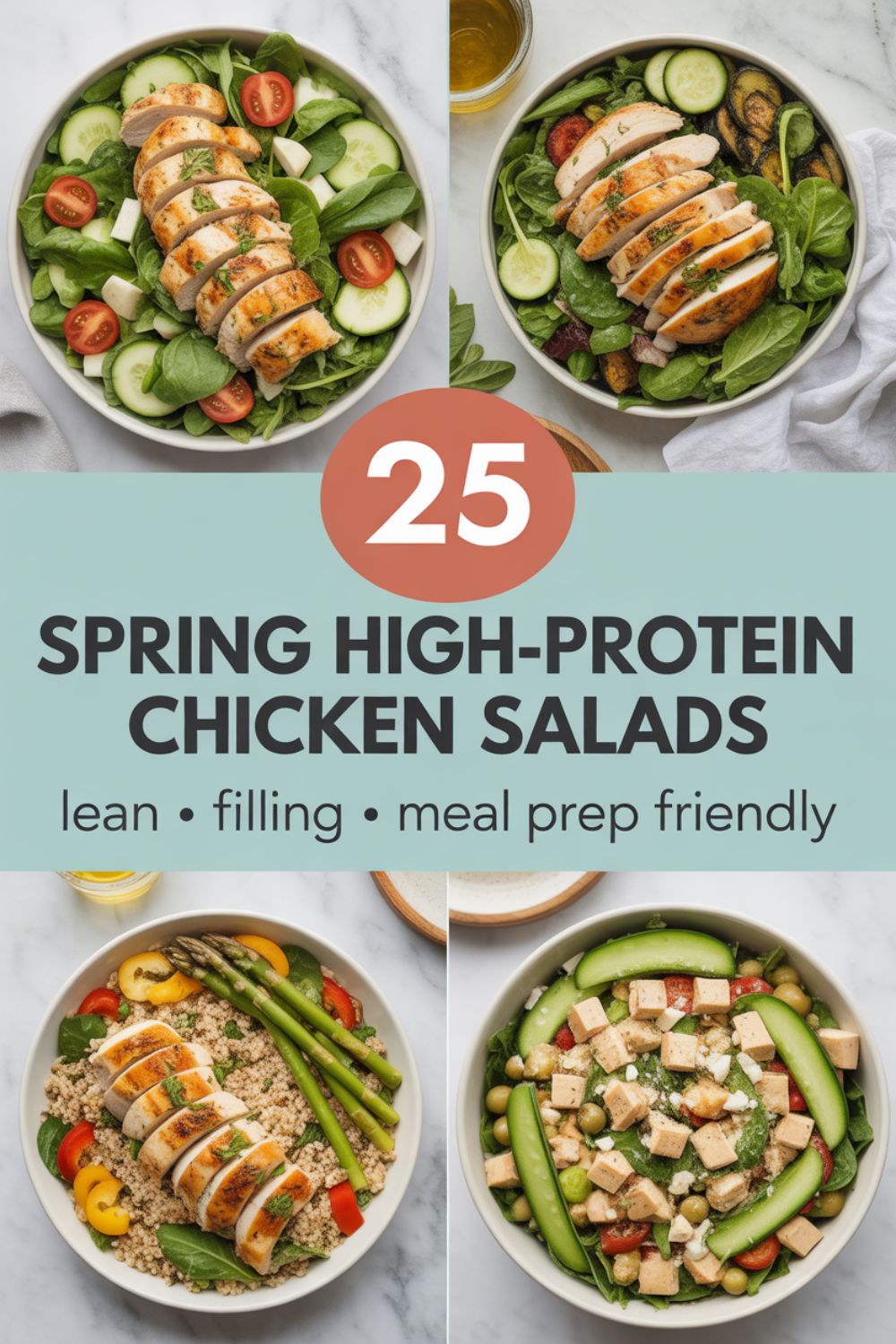
25 Spring High-Protein Chicken Salad Recipes That’ll Make You Actually Crave Salad
Look, I get it. Chicken salad sounds about as exciting as watching paint dry. But hear me out—spring chicken salads are not your sad desk lunch from 2015. We’re talking bright, fresh, protein-packed bowls that actually taste like something you’d order at that trendy cafe downtown. Think crispy greens, juicy grilled chicken, and dressings that don’t taste like cardboard mixed with regret.
Spring is basically nature’s way of saying “time to eat lighter without feeling like you’re punishing yourself.” The produce is insane right now—snap peas, radishes, fresh herbs that smell like happiness. And when you pair all that with lean chicken breast? You’ve got yourself a meal that checks all the boxes: high protein, low calorie, and actually enjoyable to eat.
I’ve spent the last few weeks testing out every chicken salad combo I could think of, and I’m sharing the 25 best ones that made the cut. These aren’t just recipes—they’re legit solutions for when you want to eat clean but refuse to sacrifice flavor. Let’s get into it.
Why Spring Chicken Salads Hit Different
There’s something about spring produce that just works with chicken. Maybe it’s the crunch factor—those snap peas and radishes add texture that winter salads just can’t match. Or maybe it’s the fact that lighter dressings actually make sense when you’re using herbs that are fresh and vibrant instead of dried and dusty from the back of your spice cabinet.
Chicken breast gets a bad rap for being boring, but that’s usually a preparation problem, not a chicken problem. When you season it right, cook it properly, and pair it with ingredients that bring their own personality to the table, chicken becomes the perfect protein canvas. Plus, at roughly 31 grams of protein per 100 grams, it’s one of the most efficient ways to hit your protein goals without loading up on calories.
The real magic happens when you understand the formula: protein + fiber + healthy fats + actual flavor = a salad you’ll want to eat. It’s not rocket science, but you’d be surprised how many salad recipes miss at least one of those elements. Mine don’t, because I actually eat these regularly and life’s too short for disappointing food.
Pro Tip: Cook your chicken breasts to exactly 165°F internal temp using an instant-read thermometer. Overcook them and you’re eating rubber. Nail that temp and you’ve got juicy, tender meat every single time.
The Spring Chicken Salad Blueprint
Before we dive into the 25 recipes, let’s talk strategy. Every killer chicken salad needs these five components working together. Miss even one and you’re back in sad lunch territory.
The Protein Base
Obviously we’re using chicken here, but technique matters. I prefer grilling or baking chicken breasts with a simple seasoning blend—salt, pepper, garlic powder, maybe some smoked paprika if I’m feeling fancy. This digital meat thermometer changed my chicken game completely because I stopped guessing and started actually knowing when things were done.
Some of these recipes call for rotisserie chicken, which is totally valid if you’re short on time. Just watch the sodium content if you’re tracking macros closely. For meal prep situations, I use these glass meal prep containers to keep everything fresh—they’re actually leak-proof, which is shockingly rare.
The Greens Situation
Spring greens are where it’s at. We’re talking arugula with that peppery bite, butter lettuce for texture, baby spinach for iron and staying power. I usually buy the organic spring mix from Costco because it’s stupid cheap and lasts longer than the sad plastic containers from regular grocery stores.
Skip iceberg lettuce unless you’re trying to eat crunchy water. It has basically zero nutritional value and wilts faster than my motivation on Monday mornings.
Texture and Crunch
This is where spring really shines. Radishes, snap peas, cucumbers, bell peppers—all that crispy, fresh stuff that makes each bite interesting. I’m borderline obsessed with those mini sweet peppers right now. They’re like nature’s edible confetti and they don’t require any prep beyond washing.
Nuts and seeds add another layer of crunch plus healthy fats. I toast my almonds and walnuts in this little toaster oven because it’s faster than watching a pan and I never burn them. Three minutes at 350°F and you’re golden—literally.
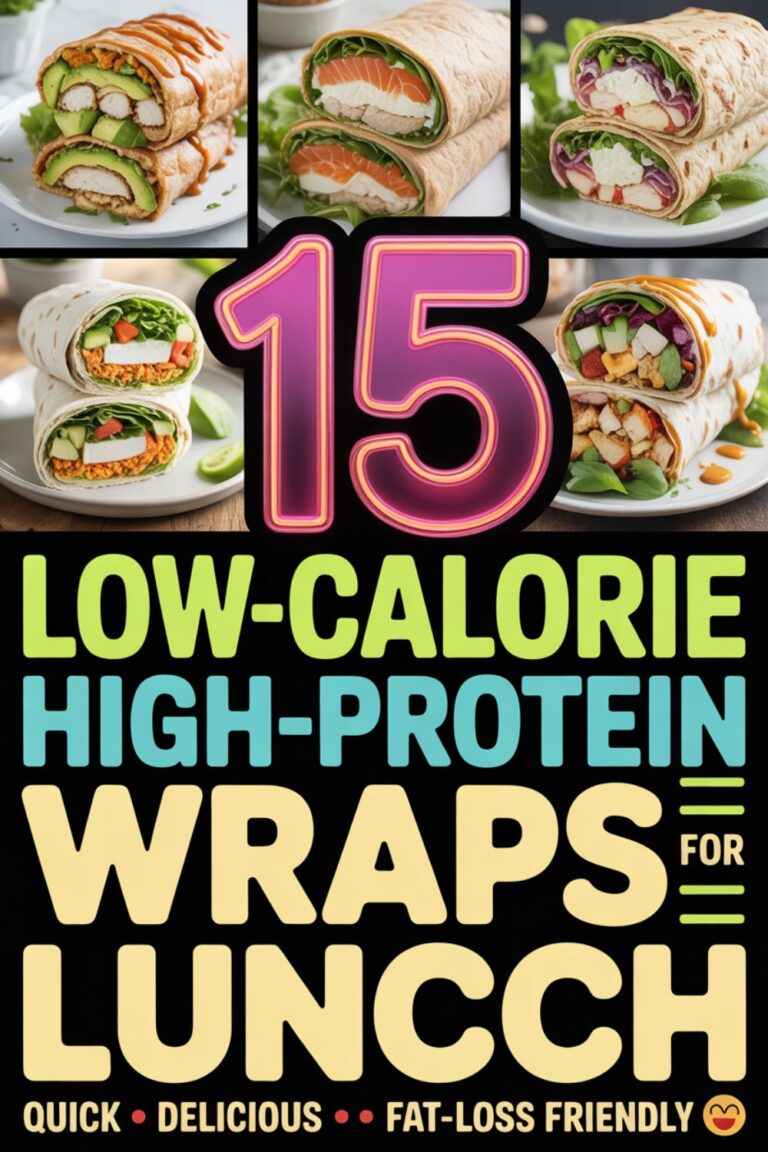
Speaking of protein-packed meals that actually deliver, if you’re looking for more ways to use chicken beyond salads, these spring chicken bowls are ridiculously versatile. Same fresh vibes, different format.
The Dressing Dilemma
Here’s where most people mess up. They either buy those sugar-bomb dressings from the store or they make something so bland it tastes like liquid cardboard. The solution? Make your own in under two minutes using a mini mason jar for shaking.
My go-to spring formula: olive oil, lemon juice, Dijon mustard, minced garlic, salt, pepper, and fresh herbs. Shake it up and you’ve got something that actually tastes good without derailing your nutrition goals. According to research on olive oil’s health benefits, using extra virgin olive oil in homemade dressings provides beneficial monounsaturated fats and antioxidants that commercial dressings often lack.
The X-Factor Ingredients
This is the stuff that takes a salad from “fine” to “okay I’m making this again tomorrow.” Think feta cheese, fresh herbs (dill and mint are spring MVPs), pickled onions, avocado, or those tiny heirloom tomatoes that actually taste like tomatoes.
One weird tip: add something slightly sweet. A few dried cranberries, sliced strawberries, or mandarin oranges create this sweet-savory thing that keeps your taste buds engaged. Don’t knock it until you try it.
Quick Win: Make a double batch of dressing on Sunday. It keeps in the fridge for a week and you’ll actually eat more salads when you’re not starting from scratch every time.
The 25 Spring High-Protein Chicken Salad Recipes
1. Classic Lemon Herb Chicken Salad
This is your entry point—the salad that proves chicken salads don’t have to be boring. Grilled chicken, mixed greens, cherry tomatoes, cucumber, and a bright lemon vinaigrette with fresh dill. It’s simple, it’s fresh, and it’s got about 35 grams of protein per serving. Get Full Recipe.
2. Mediterranean Chicken Power Bowl
All the Mediterranean hits in one bowl: chicken, chickpeas, cucumber, tomatoes, red onion, Kalamata olives, and feta cheese. The double protein from chicken and chickpeas means this keeps you full for hours. The dressing is just olive oil, lemon, oregano, and a hint of red wine vinegar.
3. Strawberry Spinach Chicken Salad
Okay, strawberries in salad sounds weird until you try it. Baby spinach, grilled chicken, sliced strawberries, candied pecans, goat cheese, and a balsamic reduction. It’s the perfect balance of sweet and savory, and the vitamin C from the strawberries helps with iron absorption from the spinach.
4. Asian-Inspired Sesame Chicken Salad
Shredded cabbage, edamame, shredded chicken, mandarin oranges, and a sesame-ginger dressing that’s actually good. I add snap peas for extra crunch and top it with these sesame seeds I buy in bulk. The protein from edamame plus chicken makes this one of the most filling options on the list.
5. Avocado Chicken Caesar-ish Salad
Not a traditional Caesar, but inspired by it. Romaine, grilled chicken, avocado, cherry tomatoes, and a lighter Caesar dressing made with Greek yogurt instead of raw eggs. I make my croutons from whole grain sourdough and they’re way better than store-bought.
If you’re into meal prepping these kinds of bowls, check out these prep-ahead protein bowls. The storage tips alone are worth bookmarking.
6. Mango Chicken Salad with Lime
Fresh mango chunks, chicken, mixed greens, red bell pepper, cilantro, and a lime-honey dressing. The mango adds natural sweetness and vitamin A, while the lime keeps everything bright and fresh. This one’s best eaten the same day because mango gets weird when it sits too long.
7. Greek Chicken Chopped Salad
Everything chopped into bite-sized pieces so you get a little bit of everything in each forkful. Chicken, cucumber, tomatoes, red onion, feta, chickpeas, and a oregano-lemon dressing. It’s basically a Greek restaurant salad but with way more protein and less oil.
8. Pesto Chicken Salad with Mozzarella
Basil pesto as a dressing? Yes. Mix it with a little balsamic and toss it with chicken, fresh mozzarella, cherry tomatoes, arugula, and pine nuts. The pesto provides healthy fats from olive oil and pine nuts, plus fresh basil is packed with antioxidants according to nutritional research on herbs.
9. Cilantro Lime Chicken Fiesta Salad
Mexican-inspired with romaine, black beans, corn, tomatoes, avocado, and cilantro-lime chicken. Top it with a squeeze of lime and a dollop of Greek yogurt instead of sour cream. The beans add fiber and extra protein, making this a complete meal in a bowl.
10. Cranberry Walnut Chicken Salad
Mixed greens, chicken, dried cranberries, toasted walnuts, goat cheese, and an apple cider vinaigrette. The walnuts provide omega-3 fatty acids, and the cranberries give you that sweet-tart thing that makes salads actually enjoyable. I use raw walnuts from Trader Joe’s and toast them myself.
Meal Prep Essentials I Actually Use for These Salads
Real talk—having the right tools makes the difference between actually meal prepping and just thinking about it every Sunday night. Here’s what’s in my kitchen that I use constantly:
- Glass Meal Prep Containers (5-pack) – Actually leak-proof, microwave-safe, and don’t stain like plastic. I’ve been using the same set for two years.
- OXO Salad Spinner – Sounds unnecessary until you try eating wet lettuce. This thing dries greens in 10 seconds and the bowl doubles as a serving dish.
- Instant-Read Digital Thermometer – The only way to guarantee your chicken isn’t dry or undercooked. Worth every penny.
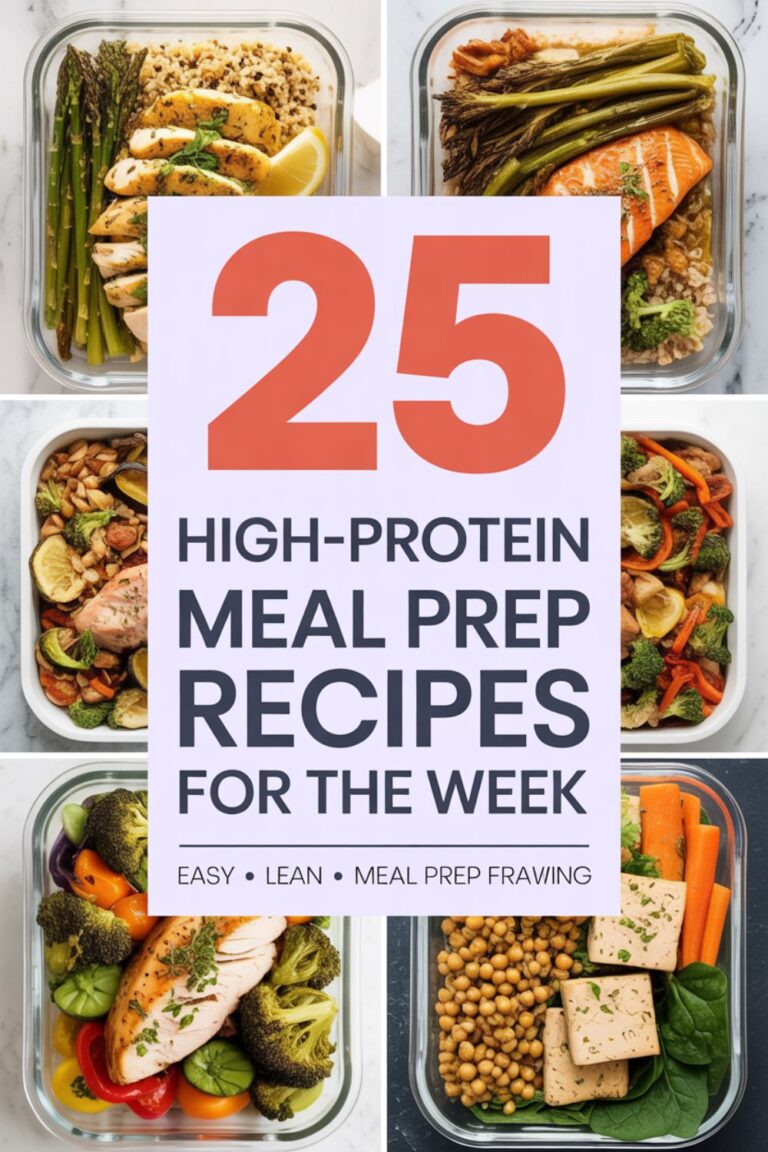
- Weekly High-Protein Meal Prep Guide – My complete guide to prepping protein-packed meals for the entire week
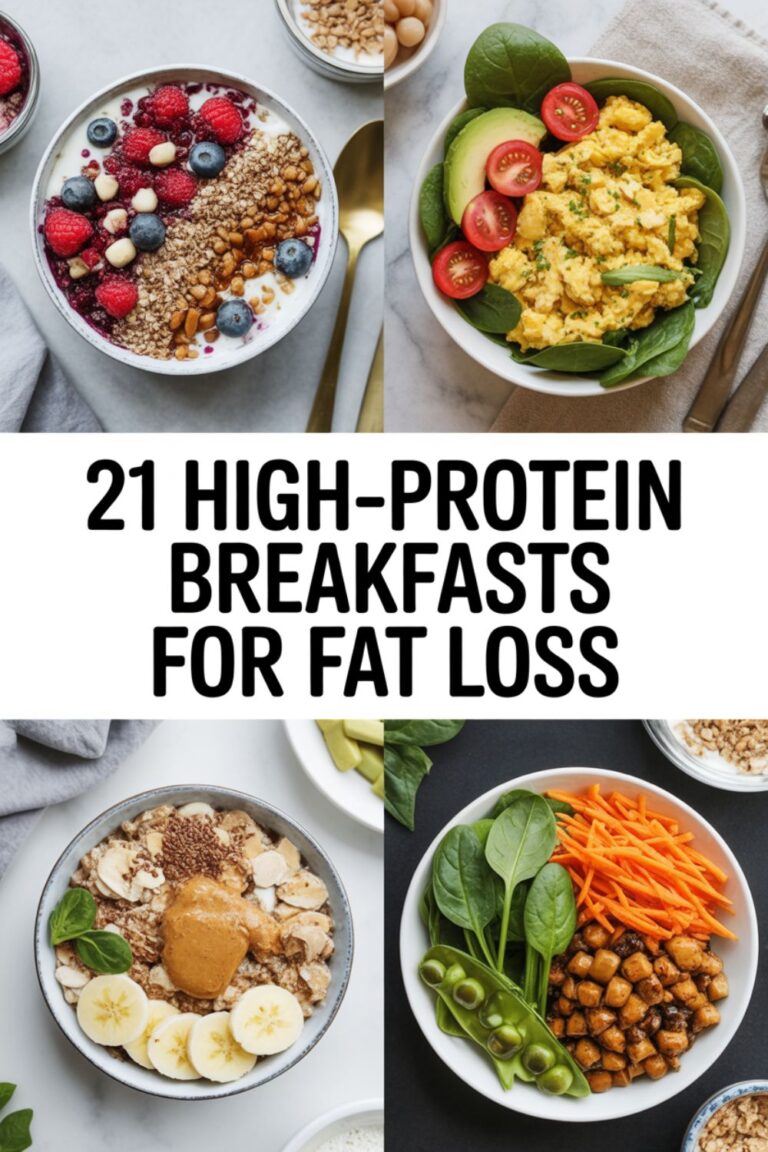
- 7-Day Protein Breakfast Plan – Start your mornings right with this complete breakfast strategy
- 14-Day High-Protein Lunch Plan – Never wonder what to eat for lunch again
11. Buffalo Chicken Salad (But Make It Spring)
Shredded buffalo chicken, romaine, celery, carrots, cherry tomatoes, blue cheese crumbles, and a light blue cheese dressing. The trick is using Frank’s RedHot sauce mixed with a tiny bit of butter for the buffalo coating—authentic flavor without drowning the chicken.
12. Asparagus and Chicken Spring Salad
Roasted asparagus, grilled chicken, mixed greens, shaved Parmesan, and a lemon-Dijon vinaigrette. Asparagus is peak in spring and it’s loaded with folate and fiber. Roast it at 425°F for 12 minutes and it comes out perfect every time.
13. Thai Peanut Chicken Salad
Napa cabbage, shredded chicken, red bell pepper, carrots, cilantro, peanuts, and a peanut dressing made with natural peanut butter, lime juice, soy sauce, and a touch of honey. The peanut butter adds protein and healthy fats, making this incredibly satisfying. Get Full Recipe.
14. Caprese Chicken Salad
Baby arugula, chicken, fresh mozzarella, cherry tomatoes, fresh basil, and a balsamic glaze. It’s literally a Caprese salad with chicken added, which means it’s basically Italian heaven in a bowl. Use good quality balsamic vinegar because the cheap stuff tastes like sad grape juice.
15. Lemon Dill Cucumber Chicken Salad
This one’s super light and refreshing. Chicken, cucumber, red onion, dill, Greek yogurt, lemon juice, and mixed greens. The Greek yogurt adds extra protein while keeping things creamy without mayo. Perfect for those days when it’s already too hot to function.
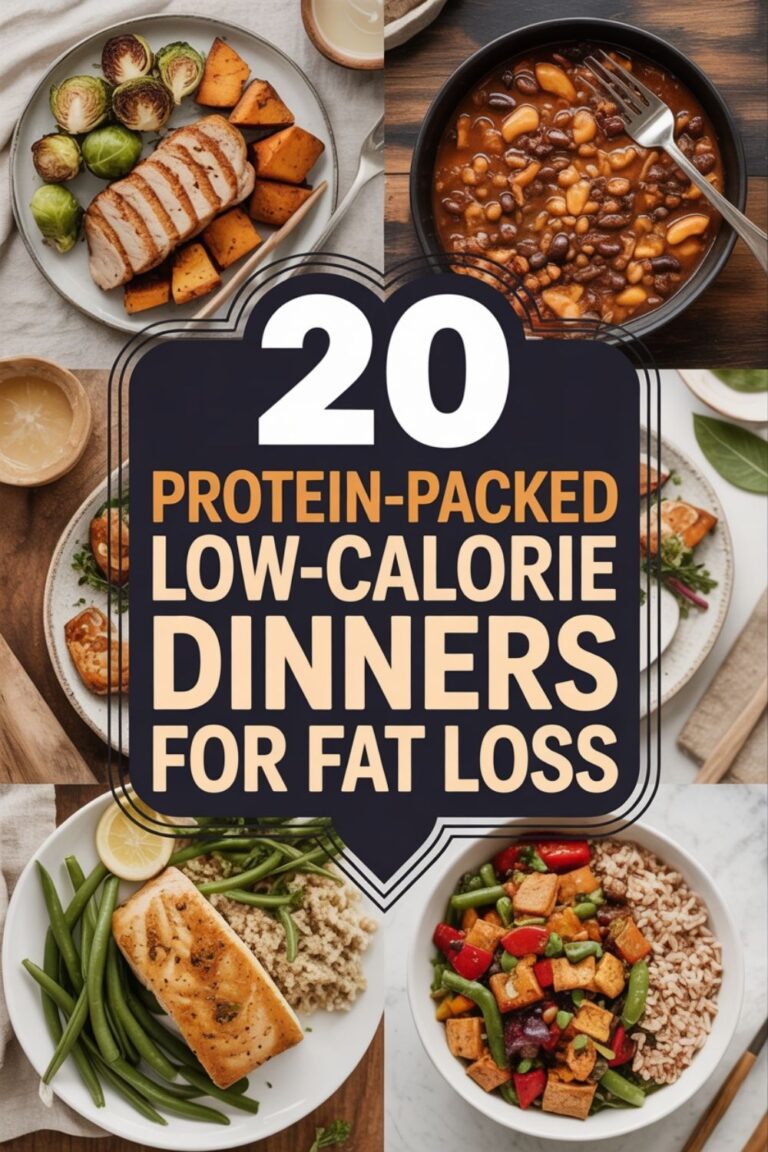
For more inspiration on complete meal plans that include salads like these, check out this printable dinner meal plan. It takes the guesswork out of the whole “what should I make” spiral we all fall into.
16. Rainbow Veggie Chicken Power Salad
Every color vegetable you can think of: purple cabbage, orange bell peppers, yellow tomatoes, green cucumber, red radishes, plus chicken and a rainbow chard base. The variety means you’re getting a wider range of vitamins and minerals. Plus it looks cool on Instagram, if we’re being honest.
17. Chicken and Quinoa Spring Salad
Cooked quinoa, chicken, cherry tomatoes, cucumber, feta, mint, and a lemon vinaigrette. The quinoa adds complex carbs and extra protein—it’s one of the few grains that’s actually a complete protein. Mix everything while the quinoa is still slightly warm so it absorbs the dressing better.
18. Balsamic Strawberry Chicken Salad
Spring mix, grilled chicken, strawberries, goat cheese, candied walnuts, and a balsamic reduction. Similar to recipe number 3 but with a different cheese and dressing combo that completely changes the flavor profile. The balsamic brings out the strawberry sweetness in this amazing way.
19. Chicken Cobb Salad (Lightened Up)
Romaine, chicken, hard-boiled egg, cherry tomatoes, cucumber, avocado, and turkey bacon. I skip the blue cheese to keep calories down and use a red wine vinaigrette. Still feels indulgent but the nutrition facts tell a different story. The egg adds an extra 6 grams of protein per serving.
20. Spring Pea and Chicken Salad
Fresh English peas, snap peas, chicken, butter lettuce, mint, and a lemon-shallot dressing. Peas are often overlooked but they’re surprisingly high in protein for a vegetable—about 8 grams per cup. This salad tastes like spring in the best possible way.
Pro Tip: Store your dressing separately from your salad and don’t add it until you’re ready to eat. Soggy salad is a crime against food. Use small mason jars or these little dressing containers that actually seal properly.
21. Chimichurri Chicken Salad
Arugula, grilled chicken coated in chimichurri sauce, roasted red peppers, red onion, and avocado. Chimichurri is just fresh parsley, cilantro, garlic, red wine vinegar, and olive oil blended together. It’s bright, herby, and makes chicken taste like something you’d pay $16 for at a restaurant.
22. Honey Mustard Chicken Salad
Mixed greens, chicken, hard-boiled egg, cherry tomatoes, cucumber, and a honey mustard dressing made with Dijon, honey, apple cider vinegar, and Greek yogurt. The Greek yogurt makes it creamy while adding protein. Way better than the sugar-loaded store versions.
23. Radish and Chicken Spring Crunch Salad
Butter lettuce, chicken, thinly sliced radishes, snap peas, carrots, mint, and a ginger-lime dressing. Radishes are having a moment right now and rightfully so—they’re crunchy, peppery, and loaded with vitamin C. Slice them thin with a mandoline slicer for the best texture.
24. Green Goddess Chicken Salad
Romaine, chicken, avocado, cucumber, green bell pepper, and a green goddess dressing made with herbs, avocado, Greek yogurt, and lemon. Everything is green, everything is fresh, and it’s surprisingly filling thanks to the avocado and yogurt combo. Get Full Recipe.
25. Lemon Artichoke Chicken Salad
Marinated artichoke hearts, chicken, arugula, cherry tomatoes, shaved Parmesan, and a lemon-garlic vinaigrette. The artichokes add this tangy, briny element that cuts through the richness of the Parmesan. It’s one of those flavor combos that just works without trying too hard.
If you’re looking to expand beyond salads, these spring chicken recipes for fat loss use similar ingredients in different formats—same fresh vibes, more variety.
Making These Salads Actually Work in Real Life
Listen, recipes are great, but you need a system if you’re going to make this a regular thing. Here’s how I actually use these recipes without burning out or defaulting to sad takeout by Wednesday.
The Sunday Power Hour
Every Sunday, I spend about an hour doing prep work. I’m not making entire salads—that would be gross by day five. Instead, I’m prepping components. I grill 6-8 chicken breasts seasoned different ways, chop all my vegetables, make 2-3 different dressings, and portion everything into containers.
Then during the week, I just assemble whatever combination sounds good that day. It takes maybe five minutes and I’m not eating the exact same thing every single day. That variety is what keeps me from ordering pizza out of boredom.
Storage Strategies That Actually Work
Greens go in these produce storage containers with a paper towel to absorb excess moisture. They last a full week this way. Chopped vegetables go in regular containers but I keep the really wet stuff (tomatoes, cucumbers) separate until assembly time.
Chicken gets portioned into individual servings in small containers. I typically do 4-5 ounces per portion, which gives me about 28 grams of protein. Dressings live in small mason jars in the fridge door where I can actually see them and remember to use them.
The Protein Math
Most of these salads land between 30-40 grams of protein per serving, which is solid. If you’re tracking macros, here’s the quick breakdown for a typical version: 4 ounces chicken (28g protein), 2 tablespoons nuts or seeds (3-4g), Greek yogurt-based dressing (2-3g), and if you’re adding cheese or eggs, that’s another 6-7g. You’re easily hitting 35+ grams, which is plenty for a main meal.
For reference, most adults need about 0.8 grams of protein per kilogram of body weight for basic health, but if you’re active or trying to build muscle, you’re looking at more like 1.6-2.2 grams per kilogram. These salads make hitting those higher numbers way easier.
Quick Win: Keep a bag of pre-washed greens and a rotisserie chicken in your fridge at all times. Emergency salad sorted in under five minutes. Add whatever vegetables and dressing you have and you’re golden.
Common Mistakes People Make With Chicken Salads
I’ve made all these mistakes so you don’t have to. Learn from my failures, friends.
Mistake #1: Drowning Everything in Dressing
More dressing does not equal more flavor. It equals soggy salad and way more calories than you planned for. Use about 2 tablespoons per salad maximum. Toss it well so everything gets coated and you won’t need more.
Mistake #2: Using Dry, Overcooked Chicken
This is the kiss of death. Dry chicken makes the whole salad feel like a chore to eat. Use that meat thermometer I mentioned earlier. Pull chicken at 165°F internal temp, let it rest for five minutes, and it’ll stay juicy. Game changer.
Mistake #3: Skipping the Crunch Elements
All soft textures make for a boring eating experience. You need crunch—whether that’s nuts, seeds, raw vegetables, or even croutons. Texture matters just as much as flavor. Trust me on this one.
Mistake #4: Making Them Too Far in Advance
Assembled salads don’t keep well beyond 24 hours. Prep your components separately and assemble fresh each day. Yes, it’s an extra step, but it’s the difference between a good salad and a sad, wilted mess.
Speaking of meal planning that actually works, if you’re serious about making this sustainable, check out this weight loss meal plan that maps out everything for a full week. Takes all the guesswork out of it.
How to Customize These Recipes
These recipes are starting points, not rigid rules. Here’s how to make them work for your specific situation.
For Dairy-Free:
Swap any cheese for avocado, nuts, or seeds. Use tahini or cashew cream instead of Greek yogurt in dressings. Nutritional yeast gives you that cheesy flavor without actual cheese.
For Extra Protein:
Add hard-boiled eggs, chickpeas, edamame, or hemp seeds. You can easily boost any of these salads to 45+ grams of protein by layering different protein sources.
For Lower Carb:
Skip any grains or starchy vegetables. Focus on leafy greens, above-ground vegetables, and healthy fats from avocado, nuts, and olive oil. Most of these salads are already fairly low-carb.
For Budget-Friendly:
Use rotisserie chicken from Costco or Sam’s Club—works out to less than half the price of buying raw breasts. Skip expensive cheeses and fancy nuts. Dried herbs work fine instead of fresh for dressings.
Why Spring Is the Best Time for These Salads
Look, you can technically make salads any time of year. But spring produce just hits different. The flavor is better, the nutrition is better, and honestly, your motivation to eat healthy is probably higher when the weather’s nice and summer’s on the horizon.
Spring vegetables are picked at peak ripeness, which means maximum nutrients and actual flavor. That sad winter tomato that tastes like cardboard? Yeah, we’re done with those. Spring and summer produce makes salads actually enjoyable instead of something you force down because you’re “being good.”
Plus, lighter meals just feel right when the weather warms up. Heavy stews and pasta dishes start feeling like too much. Your body naturally wants fresher, lighter food. These chicken salads satisfy that craving while still providing enough protein and calories to keep you energized.
The timing also works great if you’re trying to lean out before summer. These salads are naturally lower in calories while being high in protein and fiber—the exact combo you want for fat loss without feeling like you’re starving yourself. And according to research from the National Institutes of Health, high-protein diets help preserve muscle mass during weight loss, which is exactly what we’re going for here.
Frequently Asked Questions
How long do these chicken salads last in the fridge?
If you prep components separately, everything lasts 4-5 days except avocado and tomatoes, which are best added fresh. Assembled salads with dressing should be eaten within 24 hours max. The key is keeping wet and dry ingredients separate until you’re ready to eat. Cooked chicken stays good for 3-4 days when stored properly in airtight containers.
Can I use leftover rotisserie chicken instead of grilling my own?
Absolutely, and honestly, I do this all the time when I’m short on time. Just be aware that rotisserie chicken tends to be higher in sodium. Remove the skin to keep it lean, and you’re looking at roughly the same protein content as grilled chicken breast. It’s a total time-saver and still delivers on flavor.
What’s the best way to keep salads from getting soggy during meal prep?
Three rules: keep dressing separate until serving, store wet ingredients like tomatoes and cucumbers away from greens, and use containers that allow some air circulation. I put a paper towel in with my greens to absorb excess moisture. Also, layer strategically—heavier items on bottom, delicate greens on top. Some people use mason jars with dressing at the bottom, but honestly, I find that more trouble than it’s worth.
How much protein should I aim for in a meal to support weight loss?
Most research suggests aiming for 25-40 grams of protein per meal if you’re trying to lose weight while maintaining muscle. Protein helps with satiety and has a higher thermic effect than carbs or fat, meaning your body burns more calories digesting it. These salads hit that sweet spot with 30-40 grams per serving, which is why they’re so effective for keeping you full between meals.
Can I freeze these salads for longer storage?
Hard no on freezing assembled salads—you’ll end up with a watery, wilted disaster. However, you can freeze cooked chicken breast for up to 3 months. Thaw it in the fridge overnight and use it in fresh salads. This is actually a great strategy for batch cooking chicken when it’s on sale. Just don’t freeze anything that contains greens, raw vegetables, or creamy dressings.
Final Thoughts on Spring Chicken Salads
Here’s the thing about chicken salads—they’re only as good as the effort you put into making them interesting. Throwing some bland chicken on top of lettuce and calling it healthy isn’t going to work long-term. But when you use fresh spring produce, season everything properly, add texture and flavor, and actually make dressings that taste good? That’s when salads stop being punishment and start being something you genuinely look forward to eating.
These 25 recipes give you enough variety to eat different salads for almost a month straight without repeating. Mix and match components, adjust based on what’s available or on sale, and find the combinations that work for your taste preferences. The formula is simple once you understand it: protein, greens, crunch, healthy fats, and flavor. Nail those five elements and you’ll never have a boring salad again.
The nutrition math works out beautifully too. High protein keeps you full and preserves muscle. Low calories create the deficit you need for fat loss. Plenty of fiber from vegetables keeps your digestion happy. And the variety of vitamins and minerals from all those colorful vegetables means you’re actually nourishing your body, not just restricting it.
So yeah, chicken salads can be basic. Or they can be fresh, protein-packed meals that you actually enjoy eating. The choice is yours, but I know which version I’m choosing. Now go make yourself a salad that doesn’t suck.