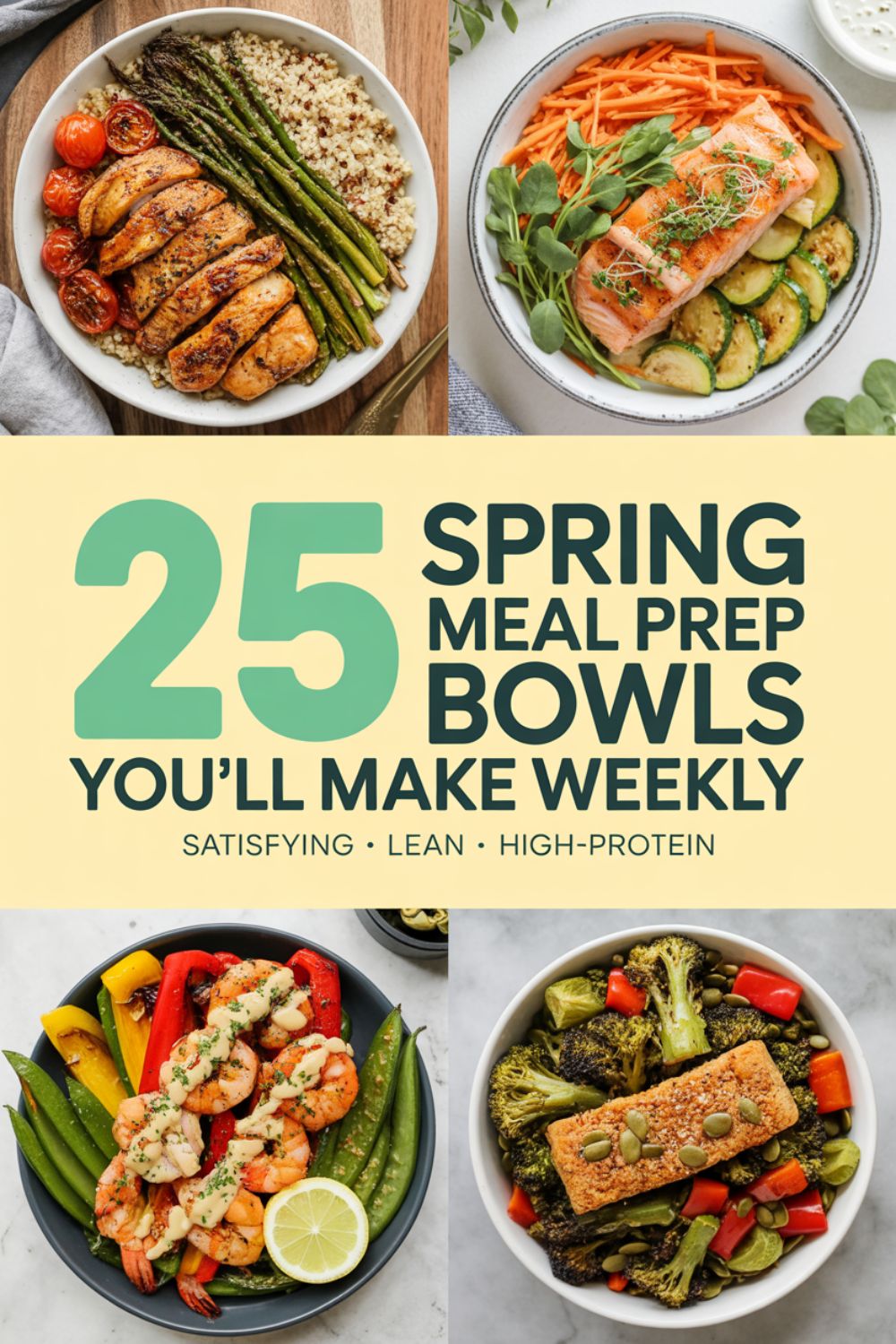
25 Spring Meal Prep Bowls You’ll Make Weekly
Look, I’m going to level with you right from the start. Spring meal prep doesn’t have to be some Instagram-perfect rainbow bowl situation that requires three hours and a culinary degree. I’ve been meal prepping through enough springs to know that what you actually need are bowls that taste good on day four, don’t turn into sad, wilted messes, and use ingredients you can actually find without driving to four different grocery stores.
The thing about spring is that we finally get access to produce that doesn’t taste like it was shipped from another continent three weeks ago. We’re talking asparagus that snaps when you bend it, strawberries that actually smell like strawberries, and greens that haven’t been sitting in cold storage since last fall. Spring vegetables consumed shortly after harvest offer peak flavor and nutrients, which is exactly why this is the perfect time to get your meal prep game together.
I’ve put together 25 bowl combinations that I actually make on repeat. These aren’t those recipes you pin and never make. They’re the ones that’ll have you actually looking forward to lunch on Wednesday.
Why Spring Is Actually Perfect for Meal Prep
Here’s something nobody tells you: spring produce is basically designed for meal prep. Unlike delicate summer berries that turn to mush if you look at them wrong, or winter squash that requires actual arm strength to cut, spring vegetables are sturdy enough to hold up in the fridge but tender enough that you don’t need to roast everything for an hour.
Asparagus keeps its snap for days. Radishes stay crunchy. Even strawberries, if you store them right, can last nearly a week. Plus, spring vegetables are low in calories and free from saturated fat, which means you can load up your bowls without that heavy, overstuffed feeling.
The nutritional benefits are legit too. We’re getting vitamin K from asparagus, which is crucial for blood clotting and bone health. Spinach delivers iron and calcium. Peas pack in fiber and protein. These aren’t just tasty additions—they’re actually doing something for your body.
The 25 Bowl Formulas That Actually Work
Protein-Packed Spring Bowls
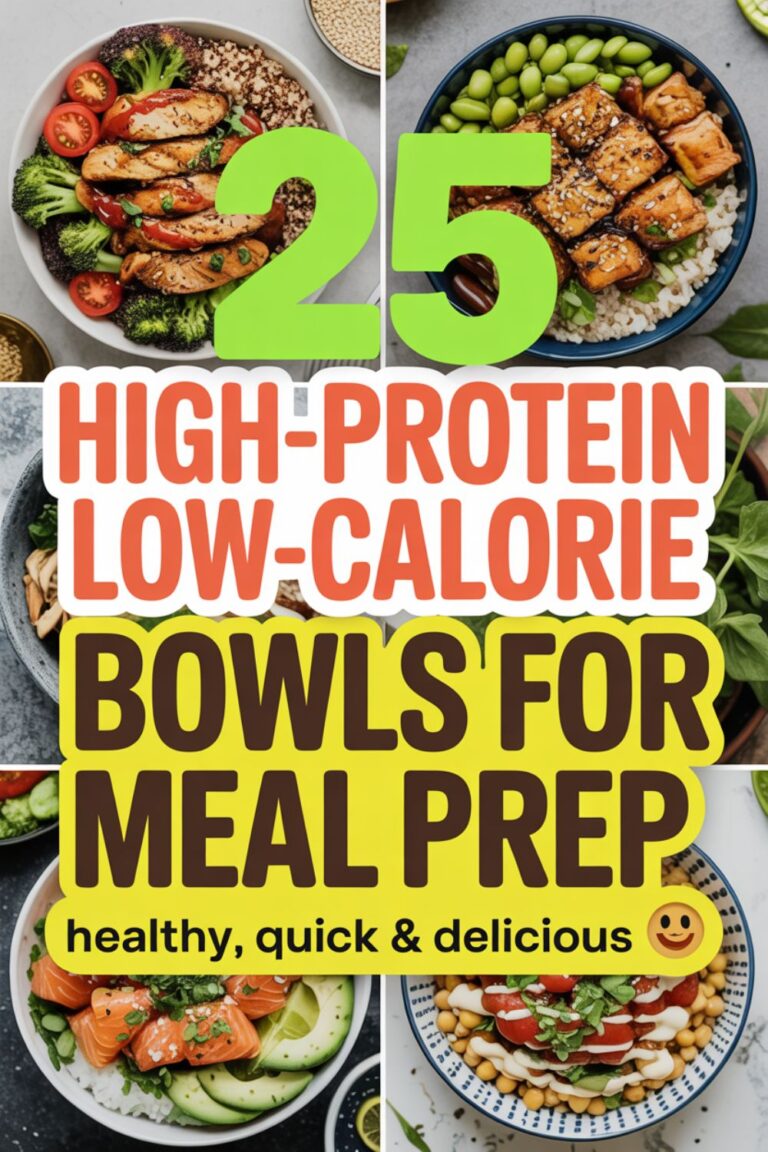
Let’s start with the bowls that’ll keep you full until your next meal. I’m talking serious protein here, not those sad desk lunches that leave you raiding the vending machine by 3 PM.
1. Lemon Herb Chicken with Asparagus and Farro
Grilled chicken breast seasoned with lemon zest, roasted asparagus, chewy farro, cherry tomatoes, and a drizzle of tahini. This one’s a workhorse—it tastes even better on day three. Get Full Recipe.
2. Teriyaki Salmon with Snap Peas and Brown Rice
Baked salmon (yes, it reheats fine), sautéed snap peas with garlic, brown rice, shredded carrots, and sesame seeds. The key is slightly undercooking the salmon so it doesn’t dry out when you reheat it.
3. Chimichurri Steak with Roasted Radishes and Quinoa
Sliced flank steak with homemade chimichurri, roasted radishes (they get sweet and tender), quinoa, arugula, and avocado. Add the avocado fresh each day—trust me on this one.
Speaking of high-protein options, if you’re serious about keeping your macros in check, check out these high-protein salad recipes for quick lunches or these protein bowls you can prep in under 20 minutes.
4. Greek Chicken Bowl with Artichokes
Marinated chicken thighs (dark meat stays juicier), quartered artichoke hearts, cucumber, tomatoes, red onion, feta, and tzatziki. This is basically a deconstructed Greek salad with protein.
5. Miso-Glazed Tofu with Bok Choy and Soba Noodles
Crispy baked tofu cubes with miso glaze, sautéed baby bok choy, cold soba noodles, edamame, and scallions. The tofu stays crispy for at least three days if you store it separately from the sauce.
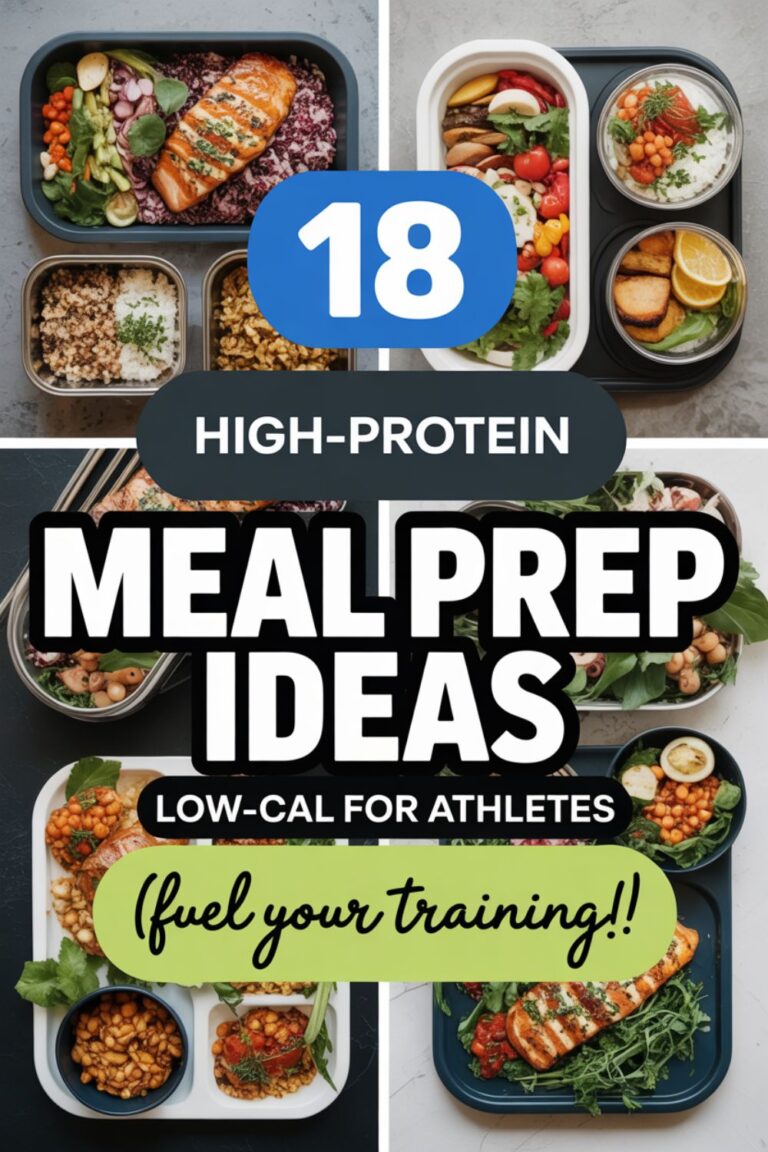
For more protein-forward meal prep ideas, you might want to explore these meal prep ideas specifically designed for athletes.
Plant-Based Spring Bowls
Going meatless doesn’t mean going hungry. These bowls prove it.
6. Spring Pea and Mint Falafel Bowl
Homemade falafel made with fresh peas and mint, mixed greens, roasted carrots, pickled red onions, and lemon tahini dressing. The falafel freezes beautifully, FYI.
7. Strawberry Spinach Bowl with Chickpeas
Baby spinach, roasted chickpeas, sliced strawberries, almonds, goat cheese, and balsamic vinaigrette. Keep the strawberries and dressing separate until you’re ready to eat.
8. Mediterranean Lentil Bowl
French lentils (they hold their shape better), roasted zucchini, sun-dried tomatoes, kalamata olives, arugula, and red wine vinaigrette. Get Full Recipe.
If you’re into plant-based eating, definitely check out these high-protein vegan meals for more inspiration.
9. Quinoa Primavera Bowl
Fluffy quinoa, sautéed spring vegetables (asparagus, peas, leeks), white beans, fresh basil, and lemon garlic dressing. This is what spring tastes like in a bowl.
10. Sweet Potato and Black Bean Fiesta Bowl
Roasted sweet potato cubes, black beans, corn, bell peppers, avocado, cilantro-lime dressing, and a squeeze of fresh lime. Yes, sweet potatoes are still around in spring, and they’re perfect for meal prep.
Lighter Spring Bowls
Sometimes you want something that won’t make you need a nap afterward. These bowls are fresh, bright, and won’t weigh you down.
11. Shrimp and Mango Spring Roll Bowl
Grilled shrimp, fresh mango, cucumber ribbons, rice noodles, mint, cilantro, and peanut sauce. It’s like a deconstructed spring roll, minus the rolling part.
12. Lemony Tuna with White Beans and Arugula
Good quality canned tuna (the kind packed in olive oil makes a difference), white beans, arugula, cherry tomatoes, red onion, and lemon vinaigrette. This comes together in literally five minutes.
13. Crab and Avocado Bowl with Spring Greens
Lump crab meat, sliced avocado, mixed spring greens, radish, cucumber, and a light citrus dressing. Yes, this is meal prep-friendly if you add the avocado fresh each day.
14. Grilled Chicken Caesar with Asparagus
The classic gets a spring upgrade with grilled asparagus, romaine, grilled chicken, parmesan, and Caesar dressing. I make my own croutons using this small-batch toaster oven—they come out way better than store-bought.
15. Spring Veggie Poke Bowl
Sushi-grade tuna or salmon, edamame, cucumber, avocado, pickled ginger, seaweed salad, and sriracha mayo. Store the fish separately and assemble the day you’re eating it.
Grain-Free Spring Bowls
For when you’re cutting back on grains but still want something substantial.
16. Cauliflower Rice Teriyaki Bowl
Riced cauliflower (I use this food processor to make my own), teriyaki chicken or tofu, steamed broccoli, shredded carrots, and sesame seeds. The cauliflower rice actually holds up better than you’d think.
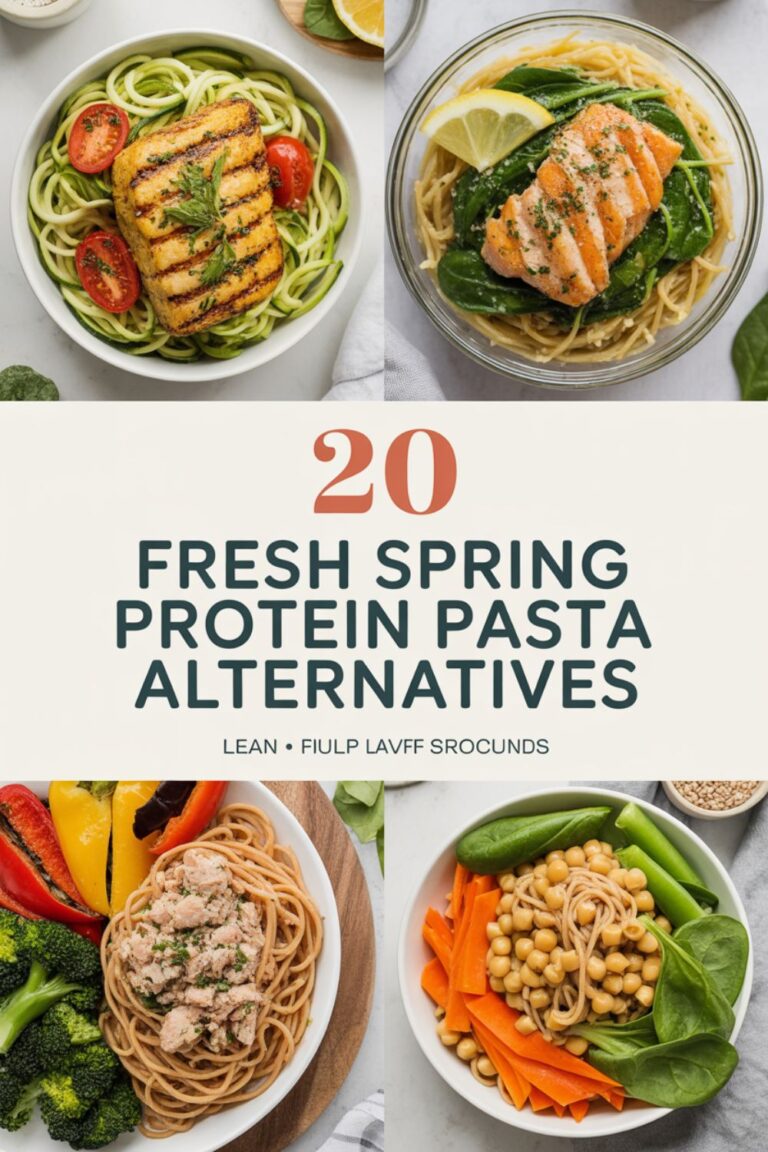
17. Zucchini Noodle Caprese Bowl
Spiralized zucchini, cherry tomatoes, fresh mozzarella, basil, balsamic glaze, and grilled chicken or chickpeas. Keep the zucchini noodles raw—they release less water that way.
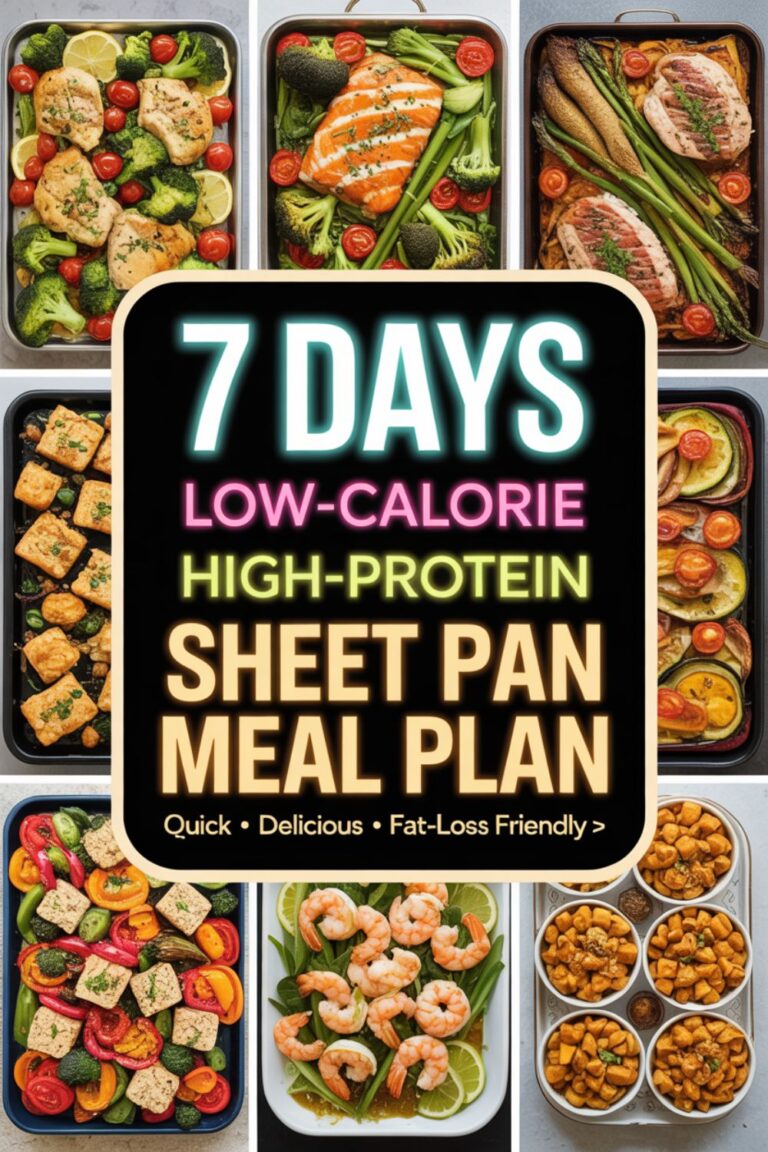
Looking for more ways to cut calories without sacrificing satisfaction? These sheet pan dinners might be exactly what you need.
18. Lettuce Wrap Bowl
Ground turkey or chicken cooked Asian-style, butter lettuce leaves, shredded cabbage, carrots, water chestnuts, and hoisin sauce. It’s like lettuce wraps without the wrapping hassle.
19. Spaghetti Squash Primavera
Roasted spaghetti squash, sautéed spring vegetables, marinara sauce, and fresh basil. Add some grilled chicken or white beans for protein. Get Full Recipe.
20. Cabbage and Sausage Bowl
Shredded cabbage, sliced chicken sausage, sautéed peppers and onions, and mustard vinaigrette. This is comfort food that happens to be low-carb.
Breakfast-for-Lunch Bowls
Who says breakfast bowls are only for morning? These work any time of day.
21. Savory Oatmeal Bowl with Greens
Steel-cut oats cooked with vegetable broth, topped with sautéed spinach, a poached egg, cherry tomatoes, and everything bagel seasoning. Yes, savory oatmeal is a thing, and it’s excellent.
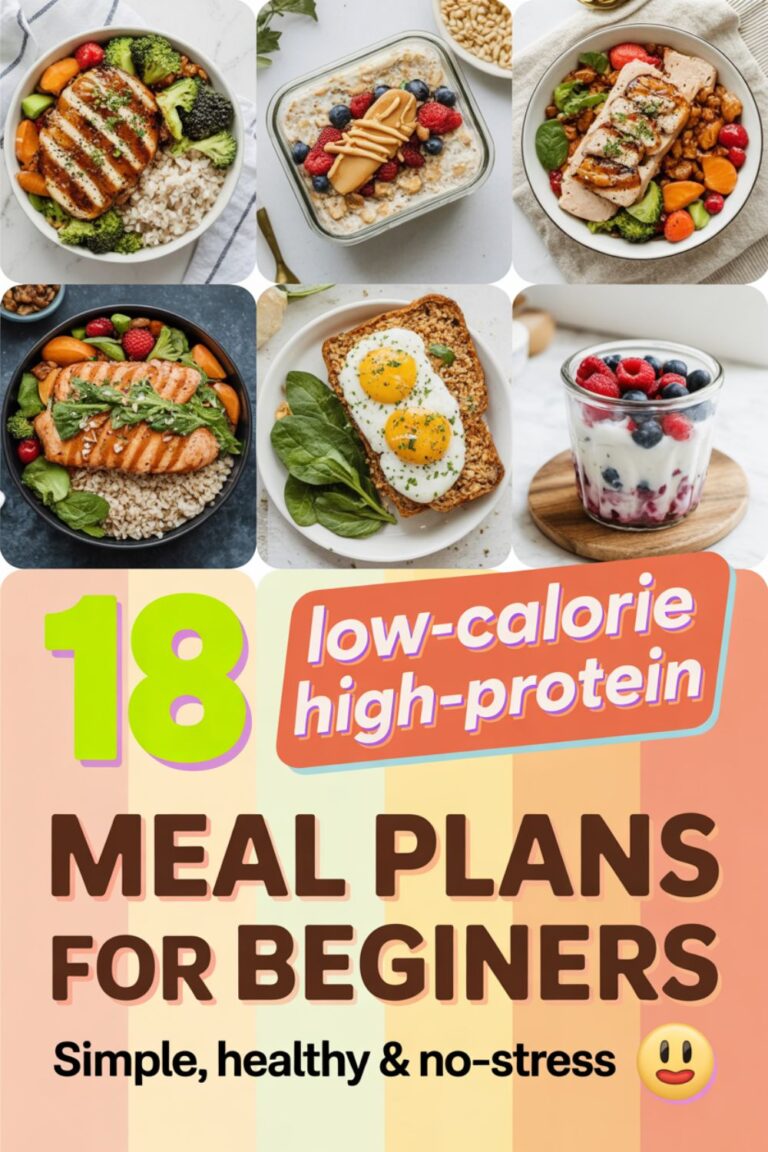
For more breakfast inspiration, check out these high-protein breakfast bowls for busy mornings or this 7-day protein-packed breakfast plan.
22. Spring Vegetable Frittata Bowl
Baked frittata squares with asparagus and peas, mixed greens, roasted potatoes, and hollandaise-style yogurt sauce. The frittata reheats surprisingly well.
23. Sweet Potato Hash Bowl
Roasted sweet potato hash with peppers and onions, scrambled eggs or tofu scramble, avocado, and salsa. I prep the hash ahead and just cook the eggs fresh each morning.
24. Green Shakshuka Bowl
Spinach and pea shakshuka (eggs poached in green sauce), served over quinoa with feta and herbs. The sauce reheats great; just cook fresh eggs when you’re ready to eat.
25. Spring Grain Bowl with Soft-Boiled Egg
Farro or barley, roasted asparagus and radishes, arugula, soft-boiled egg, and lemon vinaigrette. The key is slightly underboiling the eggs so they don’t get that grey ring when you reheat them.
Meal Prep Essentials I Actually Use
After years of trial and error, here’s what actually makes meal prep easier—not the stuff that looks good on Pinterest but sits unused in your cabinet.
Physical Products:
- Glass meal prep containers with snap-lock lids — I’ve gone through every type of container, and these are the only ones that don’t leak in my bag and don’t get weird after months of use. The glass won’t stain or hold smells like plastic does.
- Sharp chef’s knife — Sounds obvious, but a good knife cuts your prep time in half. I struggled with a dull blade for way too long, and upgrading changed everything.
- Produce storage containers — These things keep my greens crisp for over a week. I was skeptical, but they actually work. No more throwing away wilted spinach on Thursday.
Digital Products & Resources:
- Meal planning app subscription — Having a centralized place for recipes, shopping lists, and weekly plans keeps me from the Sunday night “what am I making” panic.
- Kitchen scale — If you’re tracking portions or macros, this is non-negotiable. Plus, it makes recipe scaling way easier.
- Nutrition tracking app — Not because you need to obsess over every calorie, but because it helps you actually see if your bowls are balanced. I was way under on protein until I started tracking.
These aren’t sponsored recommendations—they’re just the stuff that’s survived my actual weekly meal prep routine.
The Real Talk About Spring Meal Prep
Here’s what I wish someone had told me when I started: meal prep doesn’t have to mean eating the exact same thing five days in a row. That’s a recipe for burnout and a Thursday takeout order.
Instead, think of it like this: prep your base components—grains, proteins, roasted vegetables—then mix them up throughout the week. Monday’s quinoa can go in a Mediterranean bowl. Wednesday’s can become an Asian-inspired bowl with different toppings. Same quinoa, completely different meal.
The beauty of spring ingredients is their versatility. Asparagus works in Italian bowls, Asian bowls, breakfast bowls. Strawberries can go sweet or savory. Radishes add crunch to literally everything. You’re not limited to one flavor profile just because you batch-cooked chicken on Sunday.
Storage Tips That Actually Matter
Most meal prep advice overcomplicated storage, so here’s the simplified version that actually works:
Keep wet and dry separate. Dressing goes in a small container or just add it fresh. Nobody wants soggy greens on Wednesday. Same goes for crunchy toppings like nuts or crispy chickpeas—add them when you’re ready to eat.
Invest in good containers. Cheap ones leak, stain, and warp. Quality meal prep containers with tight-sealing lids will save you money in the long run because you won’t be replacing them every few months. I learned this the hard way after my third set of sketchy containers from the dollar store.
Layer strategically. Heartiest ingredients on the bottom, delicate stuff on top. So grains first, then roasted vegetables, then proteins, greens on the very top. This keeps everything from getting crushed or waterlogged.
Label and date everything. I know it seems excessive, but future-you will appreciate knowing whether that container is from Sunday or last Wednesday. A simple label maker makes this painless.
How to Make These Bowls Your Own
The bowl combinations I’ve listed are starting points, not rules. Don’t like quinoa? Use farro, rice, or skip the grains entirely. Not a fan of chicken? Swap in tofu, tempeh, or chickpeas.
The formula for a solid meal prep bowl is simple: protein + complex carb + vegetables + healthy fat + flavor. As long as you hit those components, you’re good. The specific ingredients matter less than getting that balance right.
Here’s where spring really shines: the vegetables are flavorful enough that you don’t need complicated sauces. Fresh asparagus with lemon and olive oil is genuinely delicious. You don’t need to drown everything in dressing to make it taste good.
What About Food Safety?
Real talk: I’m not going to tell you that meal-prepped food lasts indefinitely. Most of these bowls are best within 3-4 days. If you’re prepping for a full work week, make two batches—one on Sunday, another on Wednesday.
Chicken and fish are more finicky than plant-based proteins. If you’re nervous about food safety, stick with tofu, tempeh, or beans for your Thursday and Friday meals. They hold up better and there’s less risk.
Keep everything refrigerated at 40°F or below. If you’re taking lunch to work and don’t have fridge access, invest in a good insulated lunch bag with ice packs. Food safety isn’t sexy, but food poisoning is way worse.
Making Spring Produce Last
The biggest meal prep challenge with spring produce is keeping it fresh. Here’s what actually works, based on trial and error (mostly error, honestly).
Asparagus: Trim the ends, stand them upright in a jar with an inch of water, cover loosely with a plastic bag, and refrigerate. They’ll stay crisp for over a week. Or just wrap them in a damp paper towel and stick them in your crisper drawer—that works too.
Strawberries: Don’t wash them until you’re ready to eat them. Store them in a single layer if possible, or at least don’t pile them deep. They bruise easily and one moldy berry will take out the whole container.
Leafy greens: Wash, completely dry (seriously, get all the water off), and store in containers with paper towels to absorb any remaining moisture. Research shows that fresh vegetables lose nutrients after 5 to 10 days of storage, so use your greens within the first few days of the week.
Radishes: Remove the greens (they suck moisture from the radish), store in a container with a damp paper towel. They’ll stay crisp for at least a week.
Fresh herbs: Treat them like flowers. Trim the stems, put them in a jar with water, cover loosely with a bag, and refrigerate. Or wrap them in slightly damp paper towels and store in containers. Either way works better than leaving them in the plastic clamshell they came in.
The Meal Prep Schedule That Works
You don’t need to spend your entire Sunday cooking. Here’s a realistic timeline that doesn’t consume your whole weekend:
Sunday (1-2 hours):
- Cook grains and proteins
- Wash and chop vegetables
- Make 1-2 sauces or dressings
- Store everything separately in containers
Each morning (5-10 minutes):
- Assemble your bowl from prepped components
- Add fresh elements like avocado or herbs
- Pack it up and go
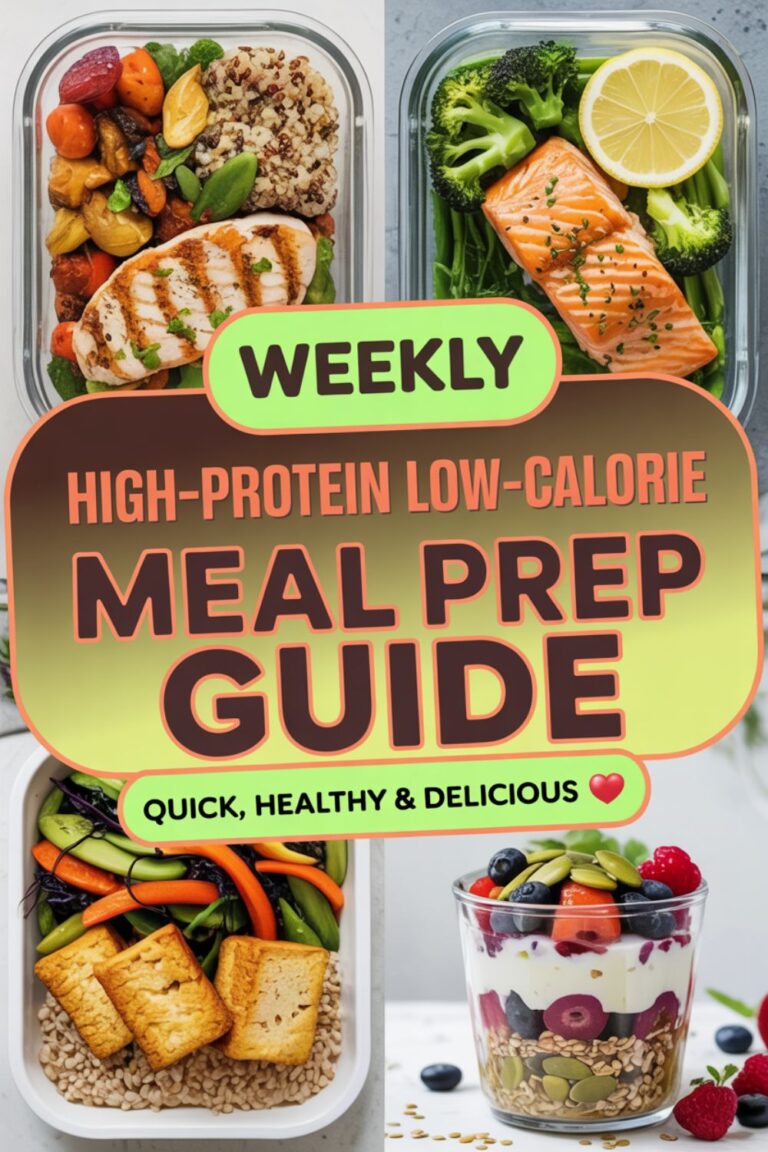
For more structured approaches, check out this weekly meal prep guide or this 14-day meal prep plan.
Wednesday night (30 minutes): Refresh your proteins and any vegetables that are running low. This keeps things from getting boring and ensures you’re eating fresh food, not week-old chicken.
The key is not trying to do everything at once. Prep in stages, use what you have, and don’t stress if you need to buy lunch one day. Life happens.
Budget-Friendly Spring Meal Prep
Spring produce can actually be cheaper than buying out-of-season vegetables that were shipped from halfway around the world. But you need to be strategic about it.
Buy what’s actually in season locally. That’s when it’s cheapest and tastes best. Check your farmers market or local produce stands—they’re often cheaper than grocery stores for seasonal items.
Don’t overbuy fresh herbs. Unless you’re making pesto or chimichurri, you probably don’t need a full bunch. Buy what you’ll actually use, or grow your own in a small countertop herb garden. I started doing this and it’s paid for itself ten times over.
Frozen is fine for some things. Frozen peas are sometimes sweeter than fresh because they’re frozen at peak ripeness. Same with berries if you’re using them in smoothie bowls. Save your money for the vegetables where fresh actually makes a difference.
Protein doesn’t have to be expensive. Eggs, canned tuna, chickpeas, and lentils are all cheap and work great in these bowls. Not every meal needs a chicken breast or salmon fillet.
If you’re trying to eat healthy on a budget, these recipes with 5 ingredients or less or these minimal ingredient meals will help you keep costs down.
Common Spring Meal Prep Mistakes
Let me save you from the mistakes I’ve made so you don’t have to learn the hard way.
Mistake 1: Making everything on Sunday and expecting it to taste fresh on Friday. It won’t. Plan for 3-4 days max, or do a mid-week refresh.
Mistake 2: Not seasoning enough. Cold food tastes blander than hot food. Season more aggressively than you think you need to, or keep hot sauce and extra dressing on hand at work.
Mistake 3: Overcooking proteins. They’re going to get reheated, so slightly undercook them during meal prep. This is especially important for chicken breast and shrimp.
Mistake 4: Putting dressing on too early. Just don’t. Keep it separate or your greens will be a soggy mess by Tuesday.
Mistake 5: Making bowls you don’t actually like. Just because a recipe is healthy doesn’t mean you need to choke it down. If you hate quinoa, don’t force it. Find alternatives you’ll actually enjoy eating.
Mistake 6: Not having backup plans. Some weeks are chaos. Keep some freezer-friendly meals on hand for when meal prep doesn’t happen. It’s not failure, it’s being realistic.
Frequently Asked Questions
How long do meal prep bowls last in the fridge?
Most spring meal prep bowls will stay fresh for 3-4 days when stored properly in airtight containers. Bowls with cooked proteins like chicken or fish are best consumed within 3 days, while plant-based bowls with beans or tofu can sometimes last 4-5 days. Always store dressings separately and add them fresh to extend the life of your greens.
Can I freeze meal prep bowls?
Some components freeze well, but complete assembled bowls usually don’t. Cooked grains, proteins, and roasted vegetables can be frozen separately for up to 3 months, but fresh greens and raw vegetables won’t survive freezing. If you want to freeze portions, keep components separate and assemble fresh bowls after thawing.
What’s the best way to reheat meal prep bowls?
It depends on the ingredients. For bowls with grains and proteins, microwave for 1-2 minutes until heated through. Remove any fresh greens before reheating and add them back after. For grain-free bowls with vegetables, sometimes eating them cold or at room temperature actually tastes better than reheating.
Do spring vegetables need to be cooked for meal prep?
Not always. Vegetables like radishes, cucumbers, and snap peas are great raw and stay crisp all week. Asparagus, however, is better lightly roasted or blanched. Heartier greens like kale benefit from a quick sauté, while tender greens like spinach and arugula should stay raw. Mix raw and cooked vegetables for better texture variety throughout the week.
How can I keep my meal prep bowls from getting boring?
Variety in sauces and toppings is key. Prep multiple dressings at the start of the week—a tahini-based sauce, a vinaigrette, and maybe a spicy mayo. Switch up your crunchy toppings daily (nuts, seeds, crispy chickpeas). Also, don’t prep identical bowls—use the same base ingredients but combine them in different ways throughout the week to create variety without extra work.
Your Spring Meal Prep Journey Starts Here
Listen, meal prep doesn’t have to be complicated or time-consuming or Instagram-worthy. It just needs to work for your life. These 25 spring bowl combinations are meant to be mixed, matched, and customized to what you actually like eating.
Start small. Pick two or three bowls that sound good, prep for three days instead of five, and see how it goes. You don’t need to overhaul your entire eating routine overnight. In fact, you probably shouldn’t—that’s usually when people burn out and order pizza every night by Thursday.
Spring is the perfect time to experiment because the produce is forgiving and delicious. Fresh asparagus needs minimal seasoning. Good strawberries don’t need fancy preparations. The ingredients do most of the work for you.
The goal isn’t perfection. It’s having real food ready to eat when you’re hungry, tired, and would otherwise default to whatever’s fastest. These bowls give you that option without requiring a culinary degree or three free hours every Sunday.
So grab some good containers, hit up your farmers market or grocery store, and start simple. Your future self—the one eating a delicious, home-prepped bowl on Wednesday instead of sad desk takeout—will thank you.