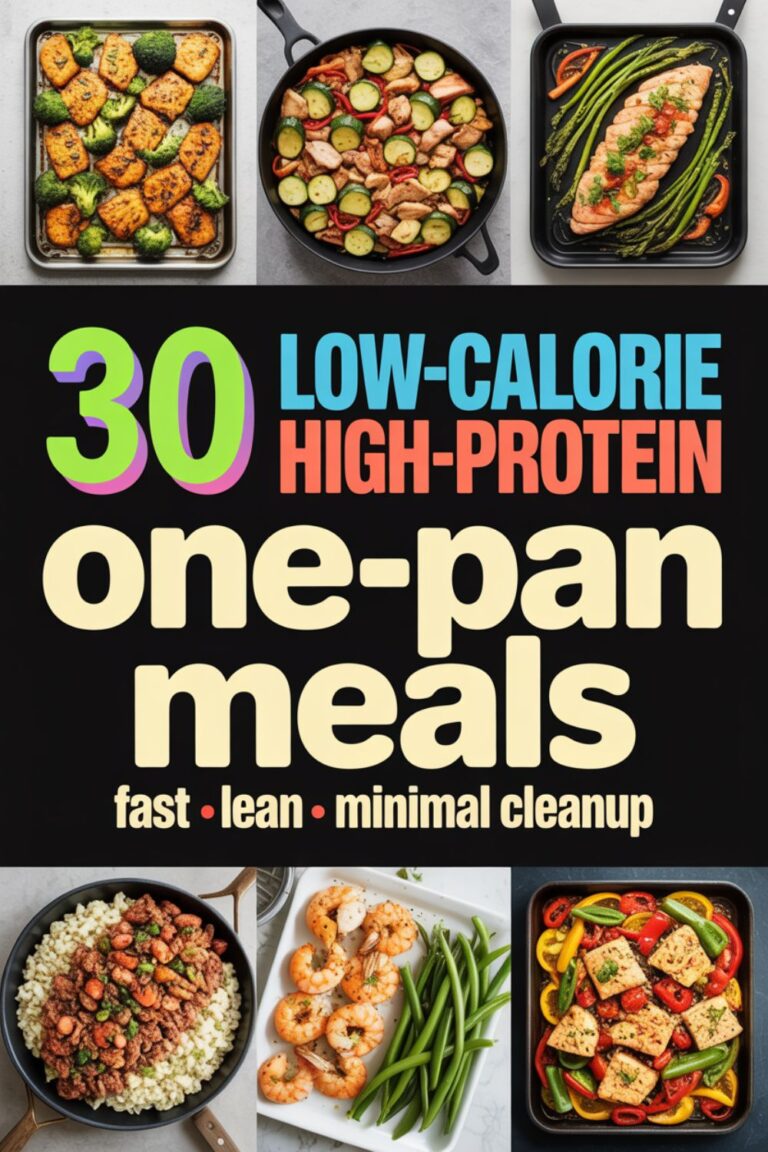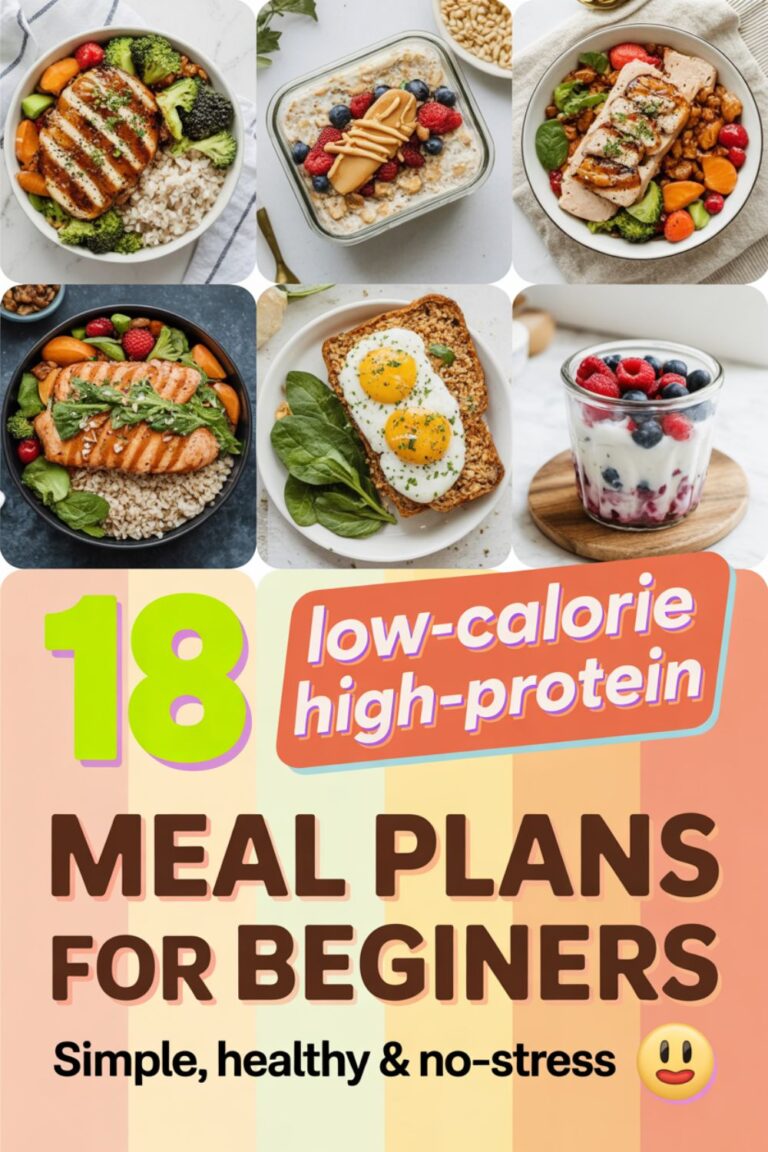
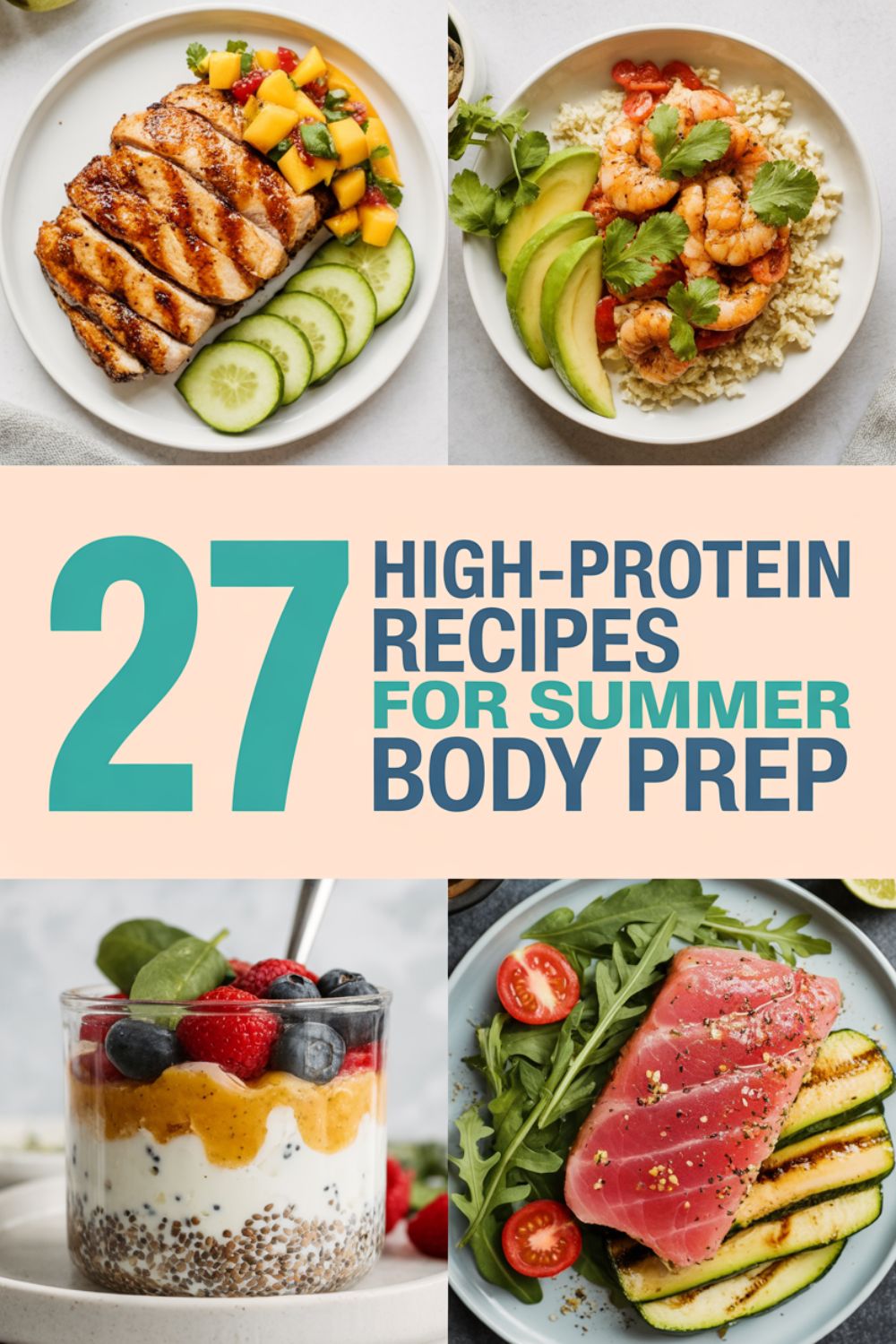
27 High-Protein Meals for Sustainable Weight Loss
Real food, real satiety, zero starvation energy. Let’s make losing weight actually feel manageable.
Let’s be honest. Most weight-loss advice sounds like someone who has never actually been hungry telling you to just eat less and move more. Groundbreaking. Thanks. What they rarely talk about is protein — specifically, how eating more of it changes the whole game when it comes to dropping fat without feeling like a miserable shell of yourself.
Protein keeps you full. It preserves the lean muscle you already have. It takes more energy for your body to digest than carbs or fat do, so you’re literally burning more calories just by eating it. And the best part? The meals are actually good. Not sad salad good. Real food good.
This list of 27 high-protein meals covers everything from fast weeknight dinners to batch-cooked lunches you’ll actually look forward to. Whether you’re new to this whole eating-with-intention thing or you’ve been prepping containers on Sundays for years, there’s something here for you. Let’s get into it.

Why Protein Actually Matters for Weight Loss (Beyond the Obvious)
You’ve probably heard that protein “builds muscle,” which is true, but that’s almost selling it short when we’re talking about weight loss specifically. The bigger story is about satiety hormones and calorie burn. When you eat protein, your body releases GLP-1 and PYY — hormones that signal fullness — while simultaneously suppressing ghrelin, the hormone that makes you want to raid the kitchen at 11pm.
Research published in the American Journal of Clinical Nutrition found that diets providing between 1.2 and 1.6 grams of protein per kilogram of body weight per day consistently improved appetite control, body weight management, and cardiometabolic markers — even without calorie counting. That’s a pretty compelling argument for making protein the center of every meal you build.
Then there’s the thermic effect of food. Your body burns around 20–30% of the calories from protein just processing it. Compare that to 5–10% for carbs and about 0–3% for fat. You’re essentially squeezing more out of every bite when you prioritize protein-dense foods.
And muscle preservation? Genuinely underrated. When you cut calories, your body can start pulling from lean muscle mass for energy. Keeping protein high acts like a protective buffer — you lose the fat, not the muscle that keeps your metabolism running efficiently. If you’re thinking about a structured approach from day one, these high-protein meal plans for beginners lay out exactly how to structure your intake without overcomplicating it.
Aim to hit at least 25–30 grams of protein per meal. That threshold is where the satiety and muscle-preservation benefits really kick in — eating less protein per sitting means your body absorbs it less efficiently.
The 27 High-Protein Meals Worth Adding to Your Rotation
These are not complicated. They’re not asking you to source obscure ingredients or spend three hours on a Sunday. Most of them come together in under 30 minutes, and several are designed specifically for meal prep. The range is intentional — breakfast through dinner, meat-based and plant-based, light and hearty. Here’s the full list:
- 1 Greek Yogurt Protein Bowls with berries and hemp seeds
- 2 Sheet Pan Chicken Thighs with roasted broccoli
- 3 Turkey and Black Bean Skillet Tacos
- 4 Egg White Scramble with spinach and feta
- 5 Lemon Herb Salmon with asparagus
- 6 High-Protein Overnight Oats with chia and protein powder
- 7 Grilled Chicken Caesar Wraps (lettuce wrap version)
- 8 Lean Ground Beef Stuffed Bell Peppers
- 9 Cottage Cheese Scrambled Eggs
- 10 One-Pan Shrimp and Quinoa
- 11 White Bean and Kale Soup
- 12 Turkey Meatball Zucchini Noodle Bowl
- 13 Baked Cod with Lemon Caper Sauce
- 14 Protein-Packed Tuna Niçoise Salad
- 15 Chicken and Sweet Potato Meal-Prep Bowl
- 16 High-Protein Lentil and Vegetable Curry
- 17 Air Fryer Salmon Bites with Sriracha Lime Dip
- 18 Greek Chicken Bowl with tzatziki and cucumber
- 19 Edamame and Brown Rice Power Bowl
- 20 Slow Cooker Chicken Breast with white beans
- 21 Egg Muffin Cups with sausage and peppers
- 22 High-Protein Pancakes with cottage cheese batter
- 23 Tofu and Broccoli Stir Fry with tamari sauce
- 24 Shrimp Fajita Bowls over cauliflower rice
- 25 Turkey Chili with kidney beans
- 26 Chicken Avocado Salad Wraps
- 27 Black Bean Breakfast Burritos with egg whites
Breakfast: Start With Protein, Stay Sane All Day
Here’s something nobody talks about enough: what you eat in the first hour of your day sets your hunger patterns for the rest of it. Start with a carb-heavy, protein-light breakfast and you’ll be hunting for snacks by 10am. Lead with protein and you’ll genuinely not think about food until lunchtime. That’s not willpower — that’s just biology.
Greek Yogurt Protein Bowls
Two-percent or full-fat Greek yogurt sits between 17 and 20 grams of protein per cup, and it takes about 45 seconds to put together. Add a tablespoon of hemp seeds (another 10 grams of protein, plus omega-3s), some frozen berries thawed overnight, and a drizzle of almond butter. Done. FYI, this is also one of the few breakfasts that tastes like dessert while actually doing something useful for your body.
High-Protein Overnight Oats
Combine half a cup of rolled oats with a full cup of Greek yogurt instead of milk, one scoop of unflavored or vanilla protein powder, a tablespoon of chia seeds, and whatever fruit you have. Shake it in a jar — I like a wide-mouth mason jar with a leakproof lid for these — and refrigerate overnight. You’ll wake up to 35+ grams of protein in breakfast form.
Cottage Cheese Scrambled Eggs
This sounds weird. It tastes phenomenal. Add two tablespoons of cottage cheese to three beaten eggs and scramble over low heat. The cottage cheese melts in and creates the creamiest texture — no butter needed. You land around 28 grams of protein in a single serving. The person who figured this out deserves an award.
High-Protein Pancakes
Blend one banana, two eggs, half a cup of oats, and a scoop of protein powder. Pour onto a non-stick griddle with a drip-free pour spout, cook two minutes per side, and you have pancakes with 25+ grams of protein. These also freeze well, which means you can batch them Sunday and reheat all week. If you’re into that kind of structured approach, this 7-day protein-packed low-calorie breakfast plan lays out a full week of options just like these.
Speaking of morning routines, you might also love these 21 high-protein breakfasts for fat loss — especially if you’re in a phase where variety keeps you from falling off track. And if smoothies are more your speed in the mornings, these high-protein low-calorie smoothies for weight loss are genuinely quick.
Lunch: The Meal Everyone Undereats Protein At
Lunch tends to be where protein habits fall apart. You’re at work, you’re busy, you grabbed whatever was convenient — and now you’ve got a sad sandwich with two thin slices of turkey and a mountain of bread. IMO, the fix is almost always having something prepped and ready rather than deciding at the last minute.
Protein-Packed Tuna Niçoise Salad
One can of oil-packed tuna, a handful of green beans, two hard-boiled eggs, some cherry tomatoes, olives, and a simple Dijon vinaigrette. You’re sitting at 38–40 grams of protein without any cooking beyond boiling eggs. The Dijon-olive oil combination also acts as a decent omega-3 source, especially if you use the tuna oil as part of the dressing base.
Grilled Chicken Wraps in Lettuce Cups
Skip the flour tortilla and wrap your seasoned grilled chicken with roasted peppers, avocado, and a spoon of Greek yogurt (in place of sour cream) inside large romaine or butter lettuce leaves. The crunch is satisfying, the protein lands at 35+ grams, and the whole thing assembles in five minutes if you have pre-cooked chicken on hand. For more quick lunch ideas, this roundup of 25 easy low-calorie high-protein lunches is a solid bookmark.
Shrimp Fajita Bowl over Cauliflower Rice
Sauté shrimp with bell peppers, red onion, smoked paprika, and cumin. Serve over cauliflower rice to cut the carbs while keeping the volume. Top with a spoon of salsa, sliced avocado, and lime. This is a 30-gram-protein lunch that takes under 20 minutes and actually tastes like a meal — not like a diet. The cauliflower rice versus regular rice swap is minor in flavor but meaningful in overall calories, especially if you’re eating this four days in a row during a prep week.
Prep veggies Sunday night, thank yourself all week. Pre-sliced peppers, portioned cooked grains, and pre-washed greens cut your weekday prep time from 25 minutes to 5 — and that’s the difference between cooking and grabbing something you’ll regret.
Dinner: Satisfying Meals That Don’t Destroy Your Calorie Budget
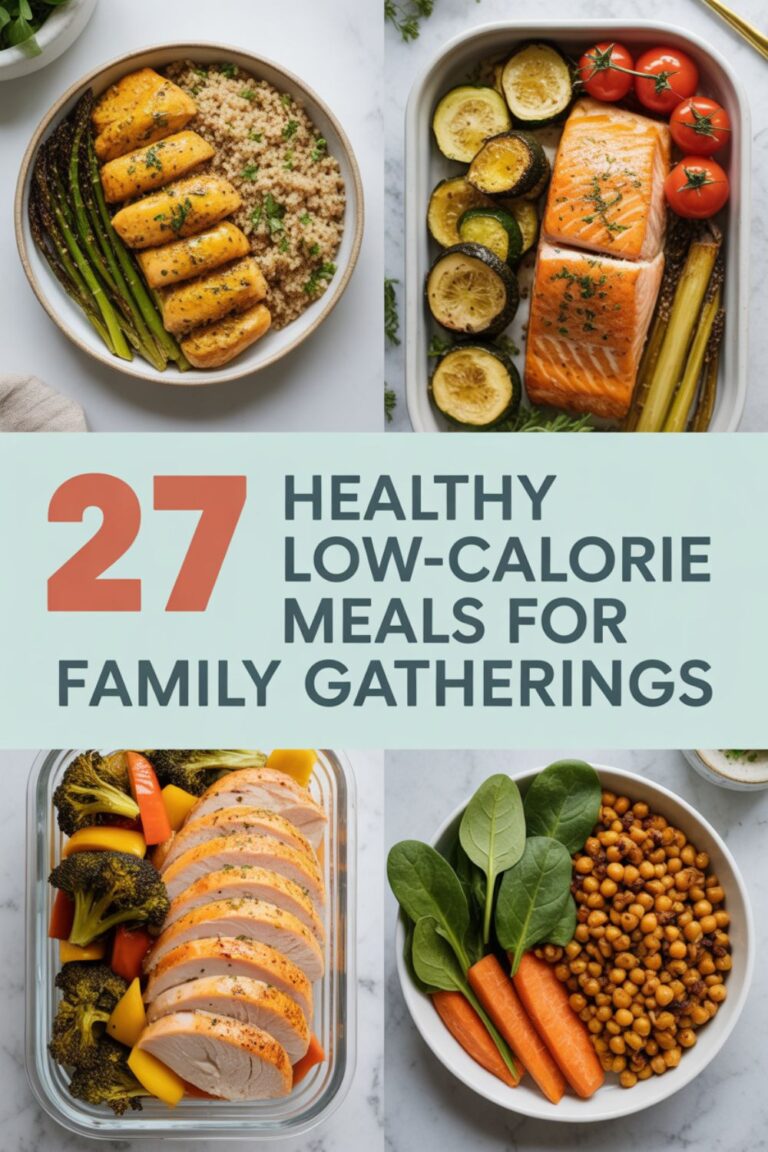
Dinner is usually the meal where people either do really well or really blow it — there’s rarely an in-between. The goal here is meals that feel like proper dinners, because anything that feels like deprivation is a diet you’ll quit by week three.
Sheet Pan Chicken Thighs with Roasted Broccoli
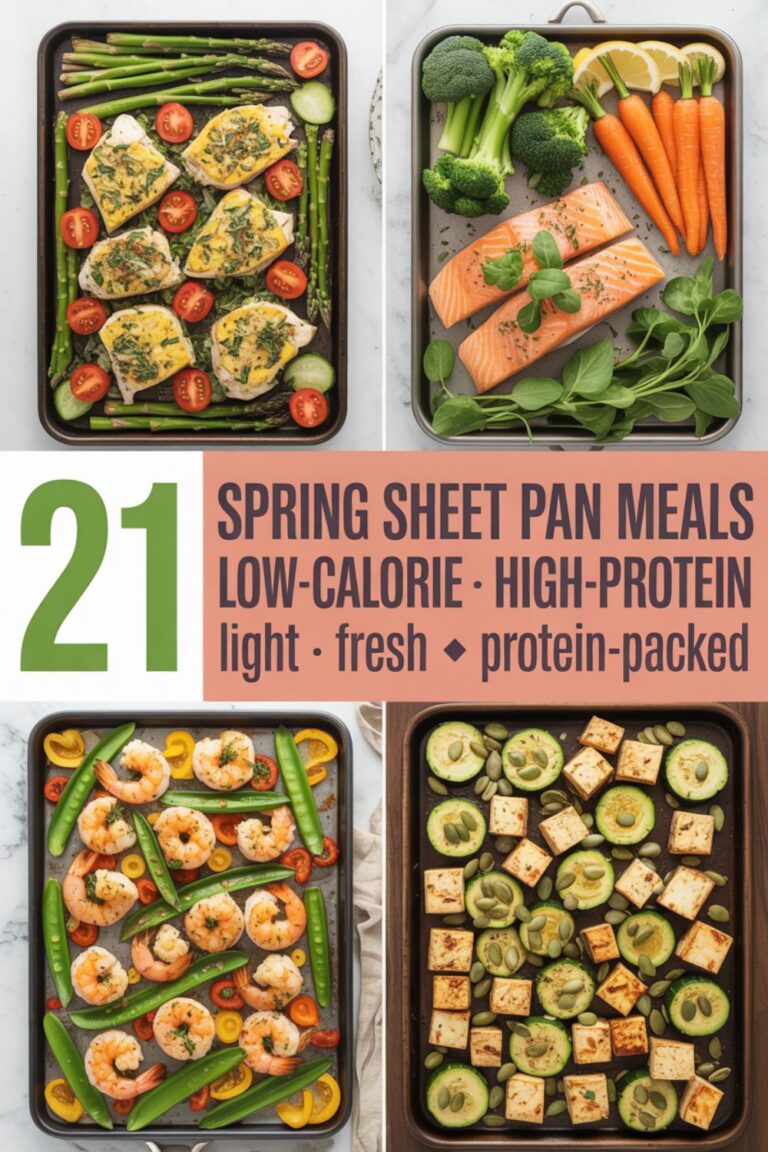
Season bone-in, skin-on chicken thighs with garlic, smoked paprika, olive oil, salt, and pepper. Toss broccoli florets in the same pan with a little more oil. Roast at 425°F for 35 minutes. The thighs come out crispy, the broccoli gets those charred edges that make it taste like an entirely different vegetable, and you’re at 40+ grams of protein per serving with basically zero active cooking time.
I’ve made this meal probably 70 times. It hasn’t gotten old yet. I use a heavy-gauge rimmed sheet pan with a wire rack insert — the rack means the chicken cooks on all sides without sitting in its own grease, and cleanup is about two minutes.
Turkey Meatball Zucchini Noodle Bowl
Mix ground turkey with parmesan, garlic, egg, and Italian seasoning, roll into balls, and bake at 400°F for 18 minutes. Serve over spiralized zucchini with marinara. The zucchini is a genuinely satisfying pasta swap — you get the same eating experience but cut the calories of a pasta dish roughly in half. For more meals in this vein, this collection of low-calorie high-protein comfort foods that actually work is worth exploring.
Lemon Herb Salmon with Asparagus
Salmon is probably the single most efficient high-protein dinner ingredient because it’s fast, it’s filling, and it comes pre-loaded with omega-3 fatty acids that support both fat metabolism and inflammation reduction. Season a fillet with lemon zest, dill, garlic, and olive oil. Roast at 400°F for 12–14 minutes alongside asparagus spears on the same pan. You get 35 grams of protein, healthy fats, and a meal that looks like you tried much harder than you did.
“I was skeptical about high-protein eating because I thought it meant choking down plain chicken every day. After following a meal plan similar to this one for 8 weeks, I lost 14 pounds and genuinely stopped feeling hungry all the time. The salmon and the turkey meatballs are permanently in my weekly rotation now.”— Marcus T., reader from our community
Slow Cooker Chicken Breast with White Beans
Drop chicken breasts into a slow cooker with a can of white beans, diced tomatoes, garlic, rosemary, and chicken broth. Cook on low for six hours. Shred the chicken back into the broth. The beans thicken the sauce naturally and add another 8 grams of protein per serving on top of the chicken. This is the kind of recipe that makes you look like a competent adult without requiring any skill whatsoever. For more low-effort batch cooking, these 25 easy low-calorie high-protein crockpot recipes are extremely solid.
Double your dinner protein and you’ve got lunch for tomorrow. Most of these recipes scale easily — make more than you need tonight and you’ve just eliminated the “what do I eat tomorrow” decision entirely.
Plant-Based and Vegetarian Options That Actually Deliver on Protein
Plant-based protein has a bit of an unfair reputation for being unsatisfying. People assume you can’t hit meaningful protein numbers without animal products. You absolutely can — it just requires knowing which plant sources actually deliver versus which ones are mostly fiber with a protein side note.
High-Protein Lentil and Vegetable Curry
One cup of cooked lentils gives you 18 grams of protein. Build a curry base with onion, garlic, ginger, canned tomatoes, coconut milk, and curry powder, then add the lentils and a handful of spinach at the end. Serve with a small portion of brown rice and you’re at 24 grams of protein from entirely plant sources. Also worth noting: lentils are one of the best sources of folate and iron in the plant kingdom, which makes this genuinely nutritious beyond just the protein count.
Tofu and Broccoli Stir Fry
The key to tofu that you’ll actually enjoy is pressing it properly and cooking it hot. Press for at least 20 minutes using a tofu press with adjustable tension, cube it, and cook in a very hot wok or skillet until golden on all sides. Add broccoli, tamari, ginger, garlic, and a touch of sesame oil. Firm tofu runs about 20 grams of protein per cup, and this dish is genuinely satisfying in a way that soft tofu scrambles usually aren’t. For more plant-based ideas at volume, this list of 25 high-protein low-calorie vegan meals covers a wide range of cuisines.
Edamame and Brown Rice Power Bowl
Edamame is technically a complete protein — meaning it contains all nine essential amino acids — which puts it in rare company among plant foods. A cup of shelled edamame runs 17 grams of protein. Layer it over brown rice with shredded purple cabbage, cucumber, avocado, and a ginger-sesame dressing. It’s light, it’s bright, and it takes about ten minutes to assemble if you buy frozen shelled edamame.
If you’re building an entirely plant-based meal plan around these ideas, this 7-day high-protein low-calorie vegetarian meal plan gives you a ready-made framework. And for the days when you want something substantial but still meat-free, these high-protein vegetarian meals under 400 calories cover a solid range of options.
Meal Prep Essentials Used in This Plan
Things I actually use — not just things that look good in photos
Meal Prep Strategy: How to Make This Actually Work Week to Week
Knowing what to eat and actually eating it consistently are two completely different problems. The gap between them is almost always logistics. You have good intentions on Monday. By Wednesday you’re tired, something came up, and the easiest option won out. The only real solution is removing as many decisions as possible before the week starts.
The Sunday Foundation
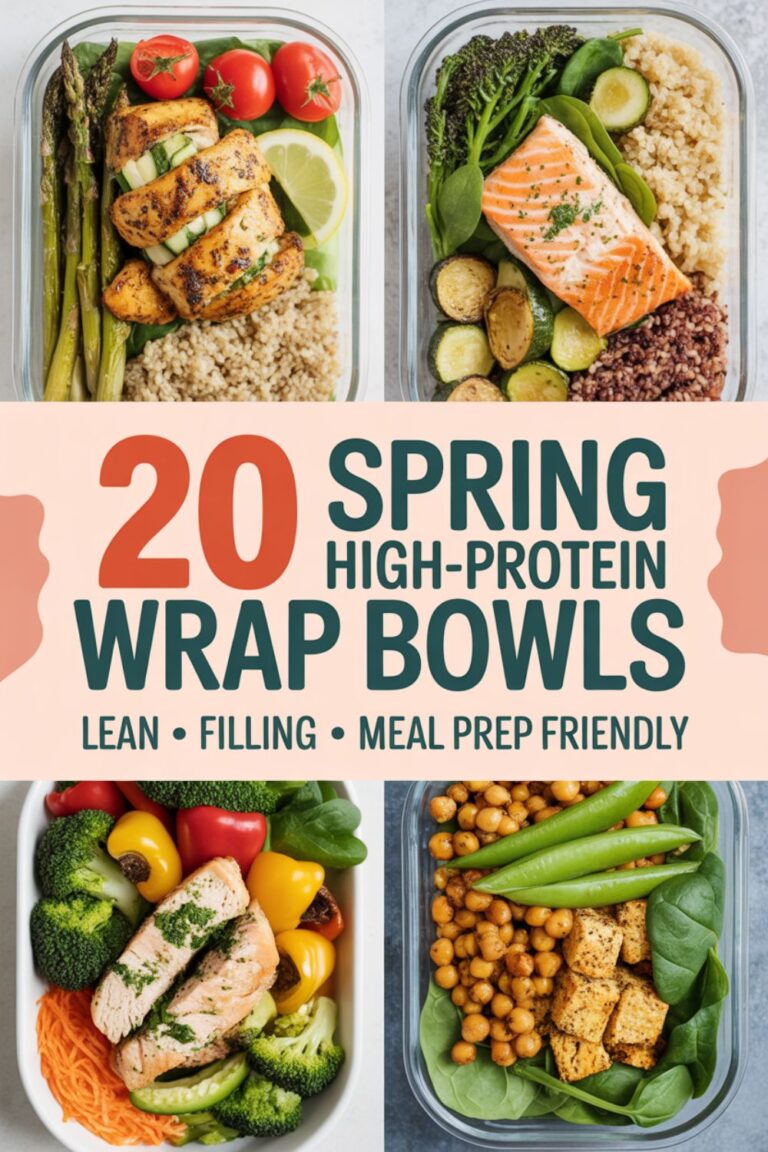
You don’t need to cook every single meal in advance. You need to prep the components that take the longest so weeknight assembly is fast. That means: cook a batch of a grain (quinoa or brown rice), roast a tray of vegetables, and cook a large protein source (a whole chicken, a batch of ground turkey, a pot of lentils). From those three things, you can build different meals all week without eating the same thing twice.
Protein Per Meal Tracking
Rather than tracking every calorie (which most people can’t sustain long term), focus just on protein grams. Aim for 25–35 grams per meal, three meals per day. Clinical evidence published in the Journal of Obesity & Metabolic Syndrome confirms that higher protein intake consistently reduces fat mass while preserving lean muscle — and that the benefit compounds the more consistently you hit your target across weeks, not just days.
The Freezer as Your Backup Plan
Turkey chili, lentil curry, slow cooker chicken, and turkey meatballs all freeze exceptionally well. Make a double batch of any of these and freeze half in individual portions. On the nights when everything goes sideways, you have a legitimate backup that still hits your protein target instead of ordering a pizza and catastrophizing about it. These high-protein low-calorie recipes you can freeze and reheat are specifically designed with that kind of backup strategy in mind.
“I started meal prepping just the proteins on Sundays — nothing fancy, just a batch of chicken and some boiled eggs — and it completely changed how I ate during the week. Lost 11 pounds in two months without changing much else.”— Sarah from our community newsletter
For athletes or anyone with higher output weeks, this collection of high-protein low-calorie meal prep ideas for athletes is tuned for recovery and performance. And if you’re just getting started and want a structured first month, this 14-day low-calorie high-protein meal prep plan is a straightforward entry point.
Protein Sources Ranked by Usefulness in a Weight Loss Context
Not all protein is equal in terms of bioavailability, convenience, or how it actually behaves in food. Here’s a quick breakdown of the sources that show up most in this list and why they’re earning their place.
- Chicken breast and thighs: Breast for the leanest option, thighs for the most satisfying flavor. Both run 26–28g per 100g cooked. Thighs stay juicy even when reheated, making them the better meal-prep choice.
- Eggs and egg whites: Whole eggs give you fat-soluble vitamins along with protein. Egg whites are pure protein with almost no calories. Use both depending on your target.
- Greek yogurt: 17–20g per cup with probiotics and calcium. Also works as a cooking ingredient — a replacement for sour cream, mayo, and heavy cream in sauces.
- Salmon and white fish: Salmon adds omega-3s that genuinely help with fat metabolism. Cod and tilapia run leaner if you’re managing fat calories closely.
- Lentils and black beans: The unsung heroes of plant-based protein. Also high in fiber, which slows digestion and extends fullness beyond what protein alone would do.
- Tofu and edamame: Complete proteins from plant sources. Tofu benefits significantly from pressing and high-heat cooking. Edamame is the most convenient — buy frozen, thaw, eat.
- Cottage cheese: Underused and underrated. 25g protein per cup, extremely versatile as both an ingredient and a standalone snack.
Keep a container of hard-boiled eggs in your fridge at all times. Six minutes of effort yields a week’s worth of grab-and-go protein that pairs with literally anything — and keeps you from making a poor snack decision out of convenience.
Common Mistakes That Stall Progress (Even When You’re Eating Enough Protein)
Eating high-protein doesn’t guarantee results if the rest of the equation is off. These are the patterns that tend to quietly undermine progress even when the protein numbers look right on paper.
Ignoring Total Calories
Protein keeps you full, which naturally leads to eating less — but it’s not a magic workaround for eating 3,000 calories of protein-dense food. If weight loss is the goal, you still need a moderate calorie deficit. Most people find that hitting high protein targets automatically brings calories down without consciously tracking, but if you’re not seeing movement after three weeks, it’s worth checking the total numbers.
Skimping on Vegetables
Vegetables add volume, fiber, and micronutrients without adding meaningful calories. They also make high-protein meals infinitely more satisfying — a plain chicken breast is functional; a chicken breast with roasted Brussels sprouts and a tahini drizzle is actually enjoyable. Don’t treat vegetables as optional extras.
Eating the Same Five Meals Forever
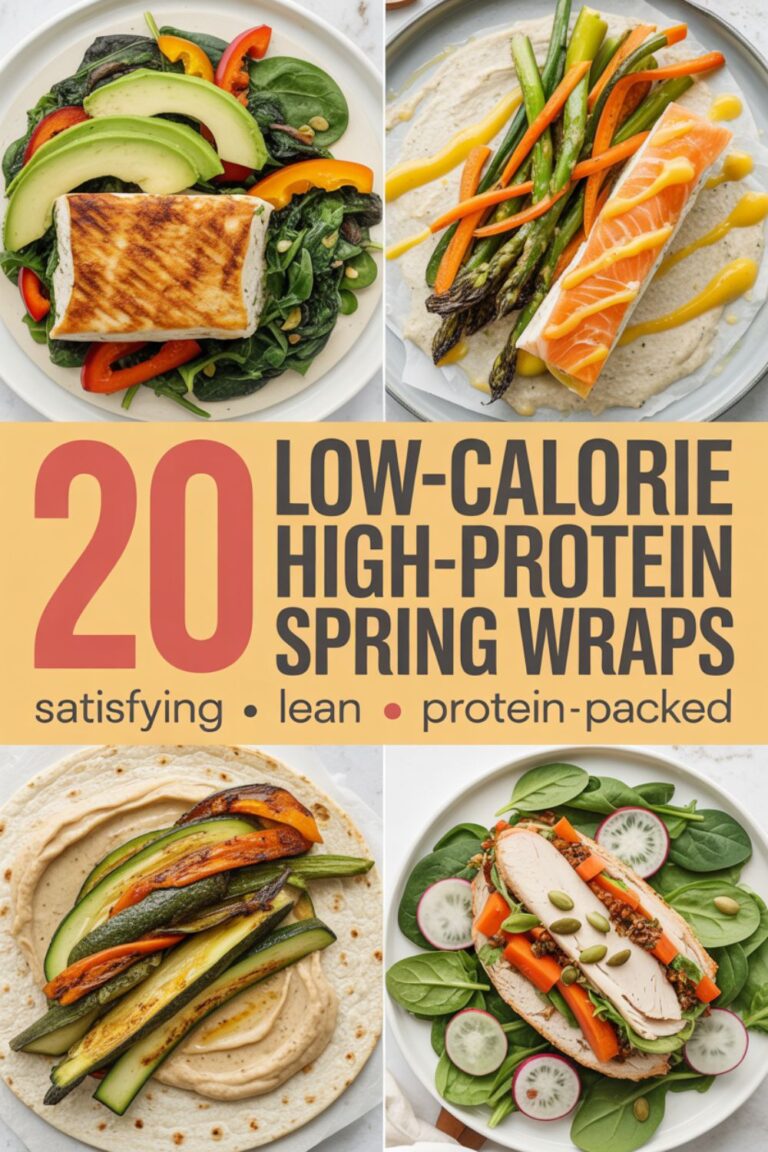
Variety matters for adherence. When you get bored, you get off track. The goal of a list like this one is to give you enough range that you’re never eating the same thing three days in a row unless you want to. Rotating seasonally helps — these 25 light spring high-protein meals for weight loss are a good example of how the same principles apply to lighter, fresher cooking when the weather changes.
Frequently Asked Questions
How much protein should I eat per day to lose weight?
Most research points to a range of 1.2 to 1.6 grams of protein per kilogram of body weight per day for meaningful weight loss benefits. For a 150-pound person, that’s roughly 82–109 grams of protein daily. Splitting this across three meals — aiming for 25–35 grams per sitting — is the most practical way to hit the target consistently.
Can I lose weight eating high-protein meals without counting calories?
Many people do, because protein is strongly satiating — it naturally reduces appetite and spontaneous calorie intake. Focusing on protein targets rather than calorie tracking tends to be more sustainable for most people long term. That said, if you’ve been eating high-protein for several weeks and see no movement, a brief period of calorie awareness can help identify where the gap is.
Are plant-based proteins as effective as animal proteins for weight loss?
They can be, yes — with some nuance. Animal proteins are generally more bioavailable and complete on their own. Plant proteins often need to be combined across different sources (legumes, grains, seeds) to cover all essential amino acids. The practical difference for weight loss is small if you’re hitting adequate total protein — the bigger challenge with plant-based eating is simply getting the numbers high enough without leaning heavily on high-calorie nuts and nut butters.
What’s the easiest high-protein meal to prep in bulk?
Turkey chili is hard to beat for batch cooking. One pot makes 6–8 servings, it freezes perfectly, and it lands at 35+ grams of protein per bowl. Slow cooker chicken breast is a close second — minimal prep, maximum yield, and the shredded meat works in bowls, wraps, salads, and soups all week.
Do I need protein powder to hit my protein goals?
Not at all — it’s just convenient for some people. Whole food sources like chicken, eggs, fish, legumes, Greek yogurt, and cottage cheese can absolutely get you to your target without supplementation. Protein powder is useful when whole foods aren’t practical (a quick breakfast, post-workout timing), but it’s not a requirement for any of these meals to work.
You Don’t Need a Perfect Diet. You Need a Sustainable One.
The reason high-protein eating works so well for sustainable weight loss isn’t some metabolic magic — it’s that the food is satisfying enough to stick with. You’re not white-knuckling through hunger. You’re not fantasizing about bread at 3pm. You’re just eating real food that keeps you full and supports the body composition you’re working toward.
Pick four or five meals from this list and rotate them for two weeks. See how you feel. Add more as you get comfortable. The goal is a way of eating that doesn’t feel like a temporary phase — because anything that does is just a countdown to quitting.
Start where you are. Build from there. That’s really all there is to it.