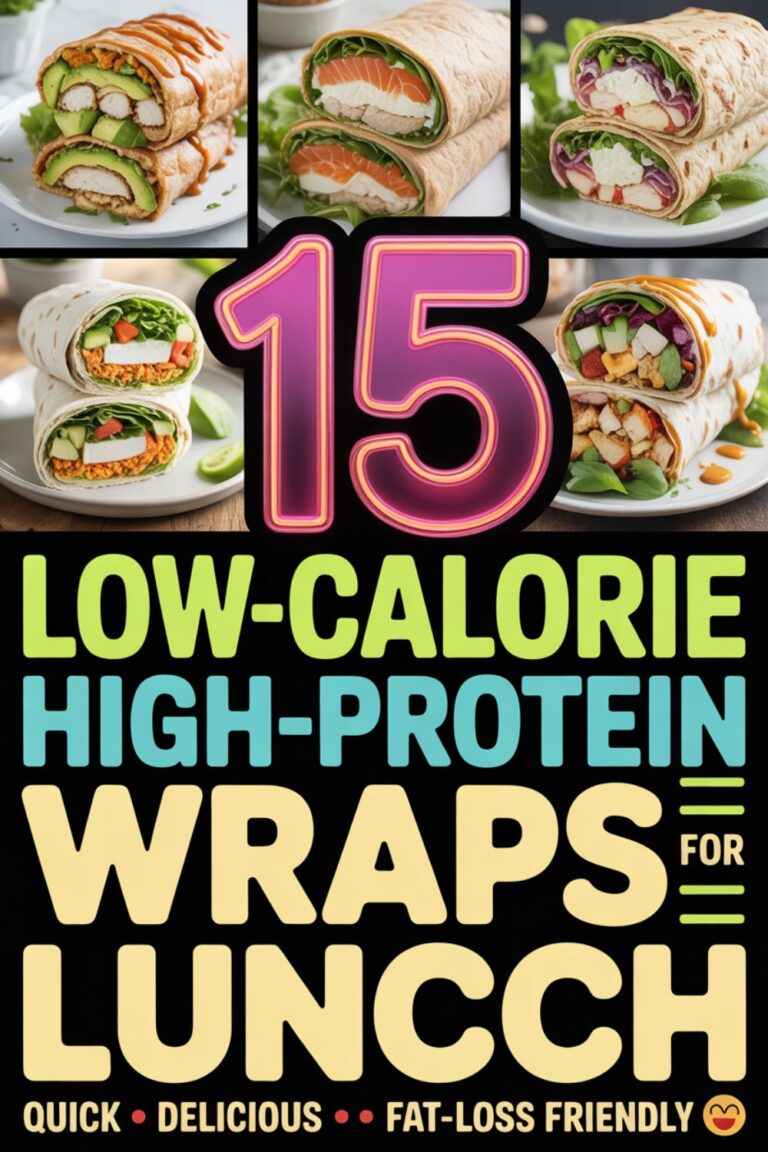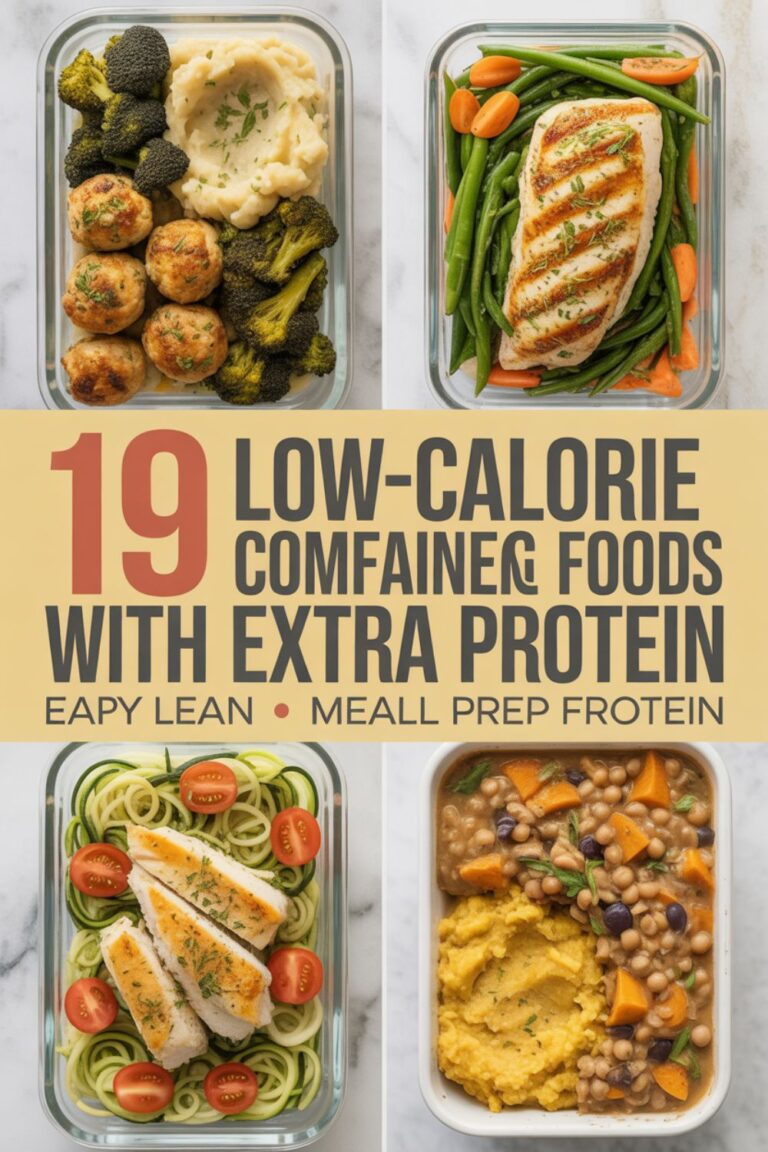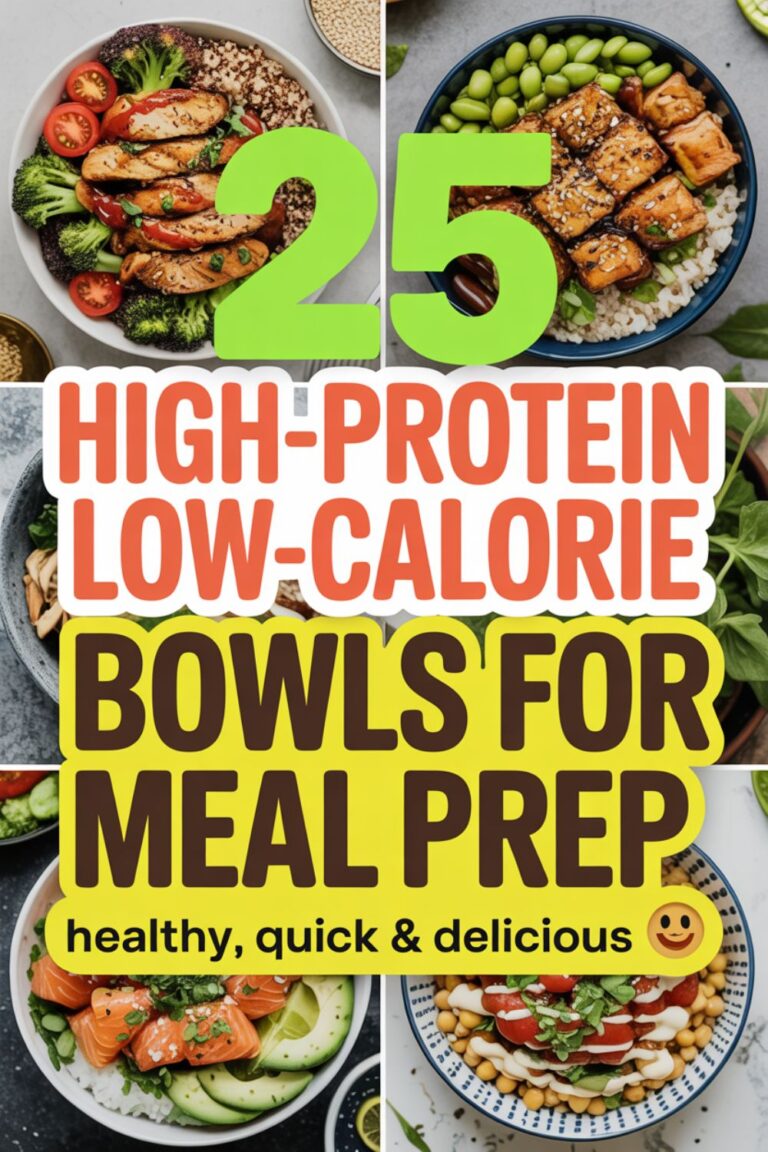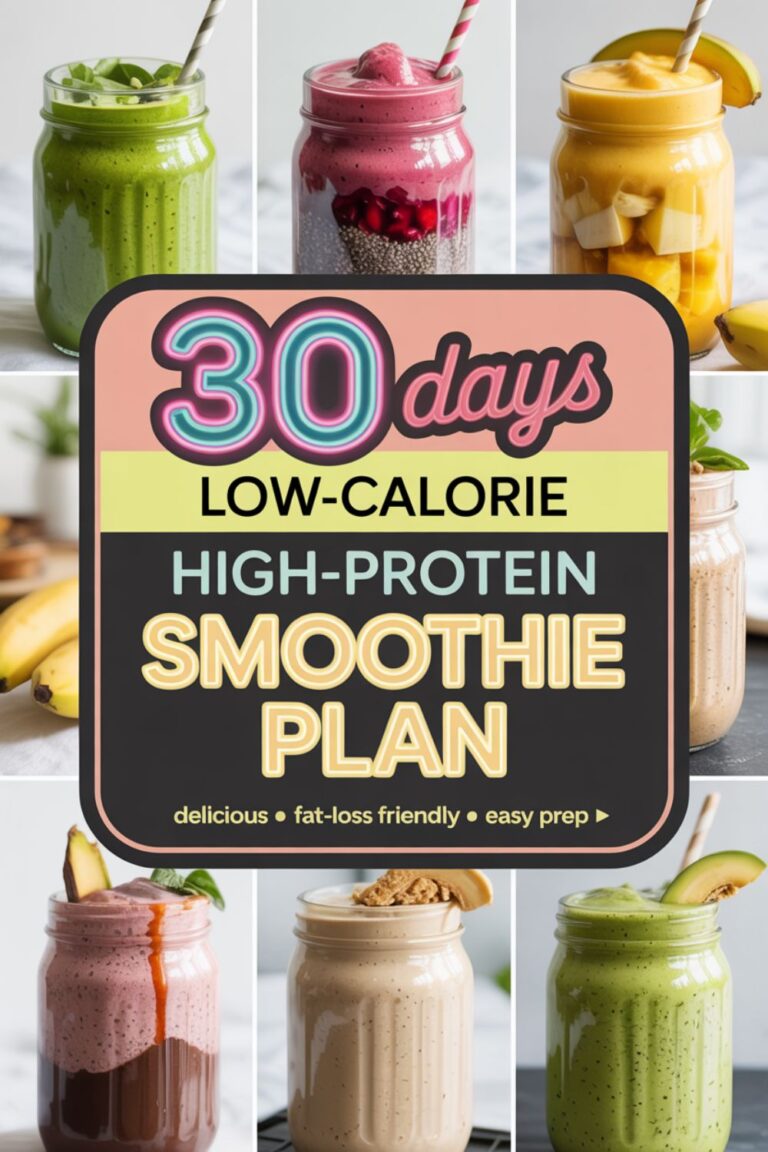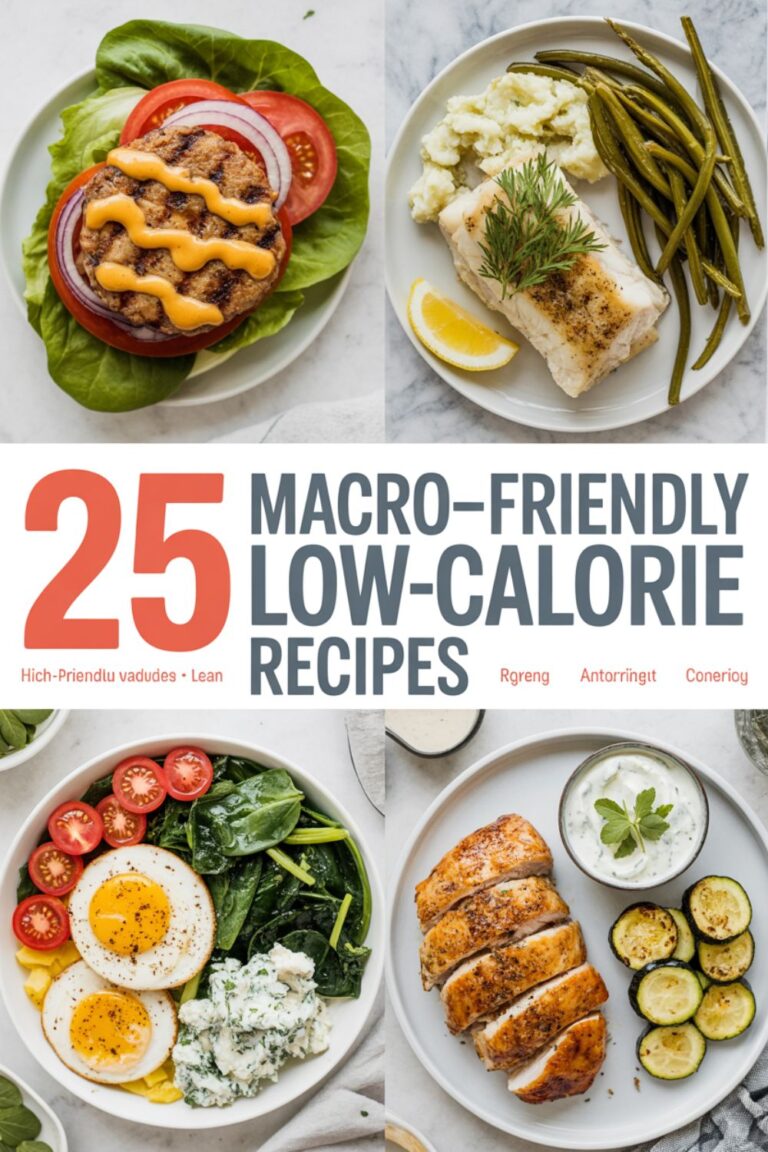
27 Low-Calorie Recipes with 35g of Protein
Let’s be honest for a second. Most “high-protein, low-calorie” recipes you find online taste like you’re being punished for something. Dry chicken breast sitting in a bowl of sadness? Pass. The good news is it really does not have to be that way, and these 27 recipes are proof of that.
Each one of these dishes lands at 35 grams of protein or more while keeping calories in check — most fall between 300 and 450 calories per serving. That’s the sweet spot that nutrition researchers have consistently pointed to for satiety-driven fat loss without sacrificing muscle. Whether you’re trying to drop a few pounds, recover smarter after workouts, or just feel less hungry by 3pm, protein is doing a lot of heavy lifting here.
These are real meals. Flavorful, satisfying, and yes — some of them are legitimately delicious. You’ll find everything from five-minute breakfasts to sheet pan dinners that basically cook themselves. And since meal prep tends to make or break any eating plan, a solid chunk of these work beautifully for batch cooking on a Sunday afternoon.
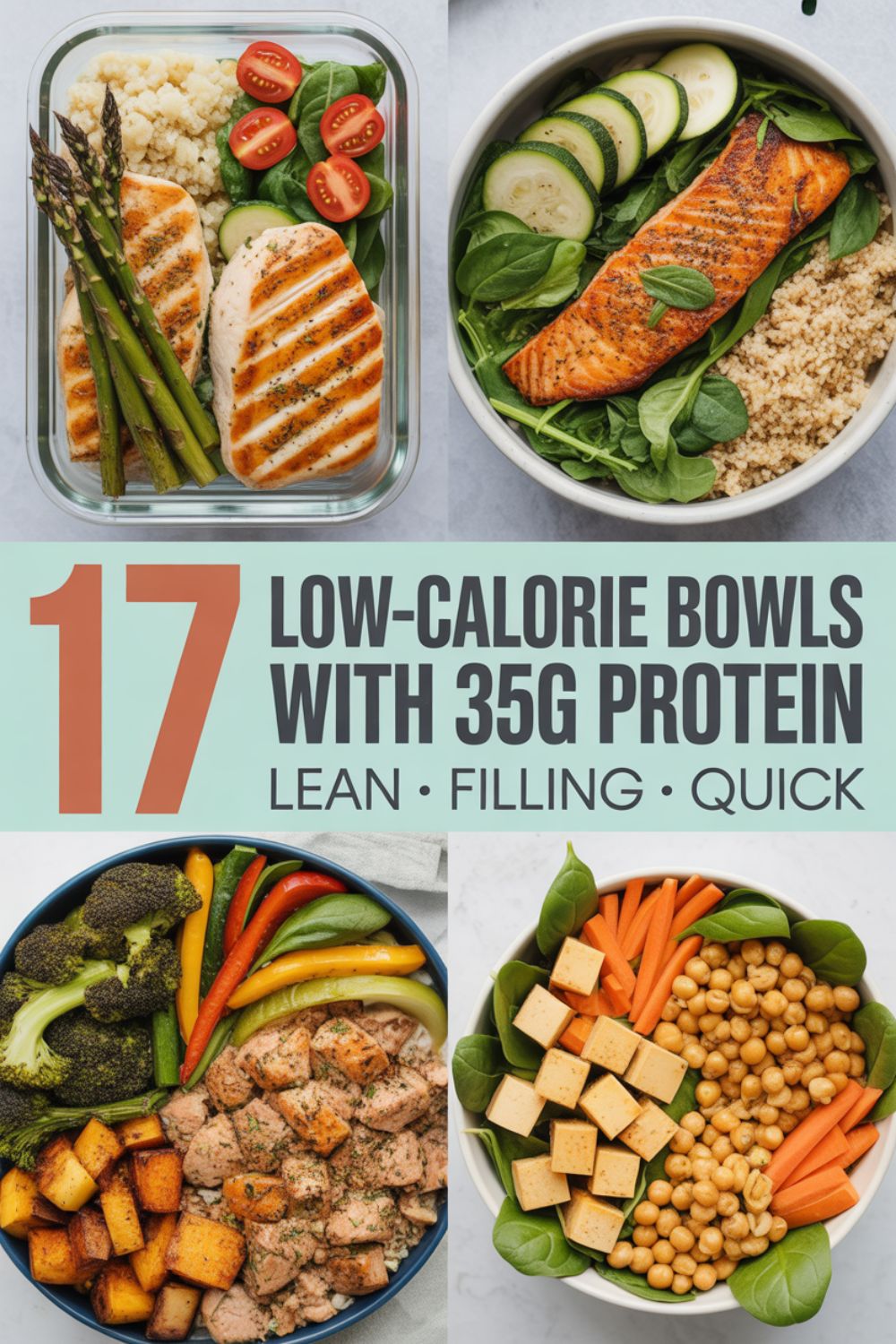
Why 35 Grams of Protein Is the Number That Actually Matters
You’ve probably heard that protein keeps you full, preserves muscle, and boosts your metabolism a bit. All of that is true. But the specific number matters more than most people realize. According to a widely-cited review published in the Journal of Obesity & Metabolic Syndrome, higher protein diets increase satiety-signaling hormones like GLP-1 and CCK while simultaneously suppressing ghrelin — the hormone that basically sends your brain a “feed me now” alert. In plain terms: more protein means you stop thinking about snacks every forty minutes.
The 35-gram target per meal is also a practical threshold for what researchers call muscle protein synthesis — the process your body uses to build and repair muscle tissue. Spreading protein across meals in portions around this size appears to maximize that benefit better than loading most of your protein into one big dinner. So these recipes are designed with that in mind.
Now, if you’re brand new to eating this way, start with something manageable. The 15 high-protein low-calorie meal ideas for weight loss beginners over at FullTasteCo is a solid first stop before you dive into the full list below.
Prep your protein sources on Sunday — cook a batch of chicken breasts, hard-boil eggs, and portion out Greek yogurt — and building 35g meals becomes almost effortless every single day of the week.
The 27 Recipes: Breakfast, Lunch, Dinner, and Snacks
These are divided by meal type so you can build a full day — or just plug in what you’re missing. Most use simple, affordable ingredients. A few require actual cooking skill, but honestly not much. Let’s get into it.
High-Protein Breakfasts That Don’t Require a Degree in Patience
Mornings are where most people’s protein intake falls apart completely. A piece of toast, some fruit, maybe a coffee — and then you’re starving by 10am, questioning your life choices. These breakfast options fix that problem before it starts.
Greek Yogurt Power Bowl with Hemp Seeds and Berries
Full-fat Greek yogurt (2% works perfectly), a tablespoon of hemp seeds, a scoop of vanilla protein powder stirred in, and whatever berries you have. It sounds simple because it is, and it consistently delivers around 38 grams of protein without turning on a single burner.
Get Full RecipeSmoked Salmon and Egg White Scramble
Four egg whites plus one whole egg, wild smoked salmon, a handful of spinach, and a small smear of cream cheese at the end. The salmon brings omega-3s to the party, and the whole scramble comes together in under ten minutes.
Get Full RecipeCottage Cheese Protein Pancakes
Blend one cup of cottage cheese with two eggs, half a cup of oats, and a pinch of cinnamon. Cook like regular pancakes. They’re surprisingly fluffy and pack a serious protein punch — far more than any box mix ever will.
Get Full RecipeTurkey and Veggie Egg Muffins
These are the meal prep hero of breakfasts. Ground turkey, diced peppers, spinach, and whole eggs baked in a muffin tin. Make a dozen on Sunday and you have breakfast ready to go for five days straight. I use a silicone muffin pan like this one and nothing ever sticks.
Get Full RecipeProtein Overnight Oats with Almond Butter
Half a cup of rolled oats, one scoop of protein powder, half a cup of Greek yogurt, a tablespoon of almond butter, and unsweetened almond milk. Stir and refrigerate. Grab and go in the morning. If you’re wondering whether almond butter beats peanut butter here — they’re nutritionally similar, but almond butter tends to have slightly more vitamin E and less sodium.
Get Full RecipeTuna Avocado Breakfast Toast
This might sound weird for breakfast but give it a chance — canned tuna mashed with half an avocado, lemon juice, and chili flakes on whole grain toast is absurdly good. It’s basically a protein-forward take on avocado toast that actually keeps you full until lunch.
Get Full RecipeLunch Recipes That Are Actually Worth Looking Forward To
The midday slump is real, and it gets dramatically worse when you eat a salad that tastes like homework. These lunches are designed to be filling, fast to put together (most in under 20 minutes), and genuinely satisfying. FYI — several of these also work perfectly as meal-prep containers for the week.
Chicken and White Bean Harvest Bowl
Grilled chicken thigh over white beans, roasted cherry tomatoes, and a lemon-herb dressing. White beans add fiber and plant protein on top of the chicken, which is why this bowl consistently lands above 40 grams. Honestly one of my personal favorites in this whole list.
Get Full RecipeShrimp and Quinoa Power Salad
Cooked quinoa (a complete protein on its own, which is nice), grilled shrimp, cucumber, red onion, and a citrus vinaigrette. Light but filling. If you want to batch-prep this, keep the dressing separate and it holds perfectly for three days in the fridge. A glass meal prep container set like this keeps everything fresh and no weird plastic smell.
Get Full RecipeTurkey Lettuce Wrap Bowls
Lean ground turkey cooked with garlic, ginger, soy sauce, and a touch of sesame oil, served over crisp romaine. It’s basically a deconstructed lettuce wrap without the structural integrity issues. Skip the wrapping, embrace the bowl.
Get Full RecipeLemon Herb Tuna Stuffed Peppers
Halved bell peppers filled with canned tuna, capers, parsley, dijon, and lemon zest. No cooking required. This is the recipe that has saved many a busy Tuesday from becoming a drive-through situation.
Get Full RecipeSpiced Chickpea and Spinach Soup
A full can of chickpeas, a carton of spinach, diced tomatoes, chicken broth, cumin, paprika, and a handful of whatever fresh herbs you have. Pair with a small side of Greek yogurt stirred in at the end and the protein count surprises you every time.
Get Full RecipeEdamame and Brown Rice Sushi Bowl
Leftover brown rice, shelled edamame, sliced avocado, cucumber, a drizzle of low-sodium soy sauce and sriracha. This one leans on plant-based protein sources and proves you do not need to be eating meat at every single meal to hit your protein targets.
Get Full RecipeI was convinced I’d never be full on a low-calorie plan. I tried the Turkey Lettuce Wrap Bowl on a Monday and genuinely didn’t think about food again until dinner. Three months later, down fourteen pounds and I still make it most weeks.
— Marcus T., from the FullTasteCo communityDinners That Feel Like Real Meals (Because They Are)
Dinner is where low-calorie eating most commonly derails, because by 7pm you’re tired and the couch is right there and pizza is one phone call away. These dinners are satisfying enough to genuinely compete with that impulse.
Sheet Pan Lemon Herb Salmon with Asparagus
A salmon fillet with asparagus, lemon slices, olive oil, and fresh dill. Everything on one pan, into a 400-degree oven for 20 minutes. Done. This is the dinner equivalent of a cheat code, and it tastes like you actually tried. I always line the pan with a reusable silicone baking mat — zero scrubbing afterward, which alone is worth it.
Get Full RecipeLean Ground Turkey Stuffed Zucchini Boats
Halved zucchini scooped out, filled with seasoned ground turkey, marinara, and a light sprinkle of part-skim mozzarella. It’s the kind of dinner that feels comforting without the calorie damage. The zucchini acts as the vessel and counts as your vegetable serving, which is efficient in the best possible way.
Get Full RecipeSlow Cooker Salsa Chicken with Black Beans
Chicken breasts, a jar of salsa, one can of black beans, and cumin in the slow cooker. Walk away. Come back six hours later to perfectly shreddable chicken with a deeply developed sauce. Serve over cauliflower rice to keep calories down. The black beans also add a meaningful amount of fiber, which matters for keeping blood sugar stable through the evening.
Get Full RecipeAir Fryer Garlic Parmesan Chicken Thighs
Bone-in chicken thighs with a garlic parmesan crust cooked at 380F in the air fryer for 18 minutes. The skin crisps up in a way that would normally require significantly more oil. A quality large-capacity air fryer genuinely changes how fast weeknight dinners come together.
Get Full RecipeCod and Cauliflower Rice Skillet
Pan-seared cod over cauliflower rice with cherry tomatoes, olives, and a light white wine pan sauce. One skillet, under 300 calories, 36 grams of protein. It feels fancy and takes less time than ordering delivery.
Get Full RecipeChicken and Vegetable Instant Pot Stew
Chicken breast chunks, sweet potato, carrots, celery, chicken broth, and a handful of Italian herbs in the Instant Pot for 15 minutes. This is the definition of set-it-and-eat-it comfort food that happens to be kind to your macros.
Get Full RecipeSwap regular rice for cauliflower rice in any of these dinner recipes and you’ll save 150 to 200 calories per serving without losing volume. Your plate looks just as full, your stomach feels just as satisfied, and your waistline notices the difference over time.
Snacks and Small Meals That Actually Satisfy
Snacking is not the enemy. Mindless snacking is the enemy. These options keep you in the 35-gram daily protein-per-snack range (or contribute meaningfully toward it) without being calorie disasters.
Cottage Cheese and Cucumber Protein Dip
Blend cottage cheese with lemon, garlic, and dill into a smooth dip. Serve with sliced cucumbers and raw veggies. It’s essentially a high-protein tzatziki situation and pairs well with the kind of afternoon where you’re hungry but dinner is still two hours away.
Get Full RecipeHard Boiled Eggs with Everything Seasoning
This might be the simplest entry on this entire list, but two hard-boiled eggs with everything bagel seasoning and a side of string cheese gets you to 28 grams of protein for under 200 calories. IMO it’s one of the most underrated snacks in existence.
Get Full RecipeChocolate Protein Energy Bites
Rolled oats, chocolate protein powder, peanut butter, a drizzle of honey, and dark chocolate chips. Roll into balls and refrigerate. They’re technically a snack but they eat like a treat, which matters enormously for long-term diet consistency.
Get Full RecipeSpiced Turkey Jerky Strips
Marinated lean ground turkey pressed into strips and dehydrated or oven-dried at low heat. High hands-off time but practically zero active effort. Great for road trips, work bags, or anyone who needs portable protein that travels well.
Get Full RecipeTuna Cucumber Rounds
Sliced cucumber rounds topped with seasoned tuna salad — canned tuna, a teaspoon of light mayo, dijon, and capers. No cooking, no cleanup, works as a snack or a light lunch. A good quality can opener sounds like a boring suggestion until you’re wrestling with a cheap one at 7am.
Get Full RecipeVanilla Protein Chia Pudding
Three tablespoons of chia seeds, one cup of unsweetened almond milk, one scoop of vanilla protein powder, and a touch of maple syrup. Stir, refrigerate overnight, wake up to a ready-made snack or dessert with a surprisingly impressive protein count.
Get Full RecipePlant-Based Recipes That Still Hit 35g
A quick but important note here: plant-based eating and high-protein eating are not mutually exclusive, despite what the internet’s comment sections might suggest. These three recipes pull protein from legumes, tempeh, tofu, and seeds — all genuinely complete or complementary protein sources when combined thoughtfully.
Research published in Healthline’s comprehensive breakdown of high-protein diet science confirms that plant protein sources, when adequate in quantity and variety, provide the same fat-loss and satiety benefits as animal sources. So if you’re plant-based or just want to reduce meat a few days a week, these recipes hold up.
Tempeh Stir Fry with Edamame and Broccoli
Cubed tempeh, shelled edamame, broccoli florets, and a ginger-tamari sauce over cauliflower rice. Tempeh fermentation gives it a nutty, slightly firm texture that holds up beautifully in a hot pan — far better than tofu for people who find tofu texturally challenging.
Get Full RecipeLentil and Roasted Red Pepper Soup
Red lentils, roasted red peppers, tomato, vegetable broth, smoked paprika, and cumin blended smooth. Serve with a dollop of unsweetened Greek yogurt if you’re not keeping it fully plant-based — it adds another few grams of protein and a nice cooling contrast to the smoky base. Use an immersion blender directly in the pot and save yourself washing a separate blender.
Get Full RecipeTofu Scramble with Black Beans and Salsa
Firm tofu crumbled and cooked with turmeric, cumin, and nutritional yeast, mixed with black beans and topped with fresh salsa. Nutritional yeast is worth keeping in your pantry if you don’t already — it adds a savory, almost cheesy flavor and a full complement of B vitamins to plant-based meals.
Get Full RecipeI’m not fully vegan but I started doing plant-based Mondays after finding the tempeh stir fry recipe. I was skeptical — I really was. Now it’s one of my most-requested dinners when friends come over, and nobody ever guesses it’s under 400 calories.
— Priya K., from the FullTasteCo communityKitchen Tools and Resources for This Recipe Plan
These are the things that actually show up in the kitchen when we make these recipes — no fluff, no filler.
Works on stovetop and in the oven. Retains heat beautifully for searing protein. The one pan you’d rescue in a fire.
Oven-safe, microwave-safe, and no plastic-flavored leftovers. Makes Sunday batch cooking feel genuinely organized.
Handles chicken thighs, salmon, and veggie sides without heating up the whole kitchen. Weeknight game-changer.
A step-by-step framework for turning these recipes into a full week of effortless eating.
More accurate than most free apps for tracking actual micronutrients alongside protein and calories.
If you want structure beyond individual recipes, this plan puts everything on a calendar with shopping lists included.
How to Build a Week Around These Recipes Without Losing Your Mind
Having 27 recipes is genuinely useful. Having a strategy for how to use them is what separates people who stick to this kind of eating from people who do it for four days and then drift back to whatever was easiest. Here’s how I’d actually organize a week using this list.
Sunday prep session (about 90 minutes): Cook a large batch of protein — either the ground turkey for the lettuce wrap bowls and the stuffed zucchini boats simultaneously, or a tray of sheet pan salmon portions. Hard-boil a dozen eggs. Portion out Greek yogurt into small jars. Pre-chop vegetables for the week. That’s it. Everything else assembles in under 15 minutes throughout the week.
Breakfast rotation: Alternate between the overnight oats (zero morning effort), the egg muffins (already made), and the Greek yogurt bowl. Three options, none of which require any real decision-making before 8am, which is a mercy.
Lunch and dinner: Treat them interchangeably. The chicken and white bean bowl works as dinner. The stuffed zucchini boats pack well for lunch. Removing the meal-type rules from your thinking opens up a lot of flexibility and reduces the mental load of “what do I eat today.”
Double every dinner recipe on Tuesdays and Thursdays. You’ll have tomorrow’s lunch prepped without any extra effort, and you’ll thank yourself approximately every time you open the fridge to a ready-made meal.
For a more structured approach with shopping lists and daily breakdowns, the 14-day low-calorie high-protein meal prep plan takes all the guesswork out completely.
Frequently Asked Questions
Can I actually hit 35g of protein per meal without eating meat at every sitting?
Absolutely. The edamame and brown rice bowl, the tempeh stir fry, the lentil soup, and the tofu scramble all hit 35 grams or very close to it without any meat. Greek yogurt, cottage cheese, eggs, legumes, tempeh, and nutritional yeast are all workhorses for plant-forward high-protein eating. Mixing complementary plant proteins — like legumes paired with whole grains — covers the full amino acid spectrum that a single plant source might miss.
How do I know if a recipe truly has 35g of protein?
Each recipe listed here was calculated using standard nutritional data for the exact quantities specified. That said, protein content varies by brand, cut, and freshness of ingredients. Running your specific brands through a tracking app like Cronometer or MyFitnessPal will give you a precise number. Weighing protein sources with a kitchen scale rather than eyeballing portions makes a significant practical difference.
Is 35g of protein per meal too much for someone who’s smaller or less active?
Current nutrition research generally supports protein targets of 0.7 to 1 gram per pound of body weight per day for active adults, which for most people translates to roughly 120 to 175 grams per day total. Three meals at 35 grams each gets you to 105 grams before counting snacks, which sits comfortably in the research-backed range for fat loss and muscle preservation for most body sizes. If you’re smaller or less active, aim for the lower end and use these recipes as a framework rather than a strict prescription.
What’s the best way to add flavor without adding significant calories?
Acids (lemon juice, vinegar, citrus zest), fresh herbs, spice blends, and aromatics like garlic and ginger add massive flavor for essentially zero caloric cost. Nutritional yeast adds savory depth to plant-based dishes. Miso paste used in small quantities layers in umami without much caloric impact. The flavor work in low-calorie cooking happens in the seasoning, not the fat content.
Can these recipes work for weight loss specifically, or just for maintaining weight?
These work well for weight loss when eaten within an overall caloric deficit. The high protein content helps preserve muscle tissue during a deficit — which matters because muscle burns more calories at rest than fat tissue does. Most of these recipes land between 280 and 420 calories per serving, meaning you can build a full day of three meals and a snack within a reasonable caloric range while still eating substantial, satisfying food. For a structured weight loss framework using these recipes, the 7-day low-calorie high-protein weight loss plan maps it all out clearly.
The Bottom Line on Eating This Way
Twenty-seven recipes is enough to keep things genuinely interesting for weeks without repetition. More importantly, every single one of these dishes proves that low-calorie eating doesn’t require sacrifice in flavor, variety, or satisfaction — it just requires a bit of intentionality about what goes on the plate.
Start with three or four recipes that genuinely appeal to you and build from there. Get comfortable with the Sunday prep habit. Keep the Greek yogurt and the eggs stocked. And the next time you’re standing in front of the fridge wondering what on earth to eat, remember: there’s a sheet pan salmon recipe in this list that takes 25 minutes and tastes like you actually have your life together.
That’s the goal. Not perfection — just consistency, real food, and enough protein to make it all work.