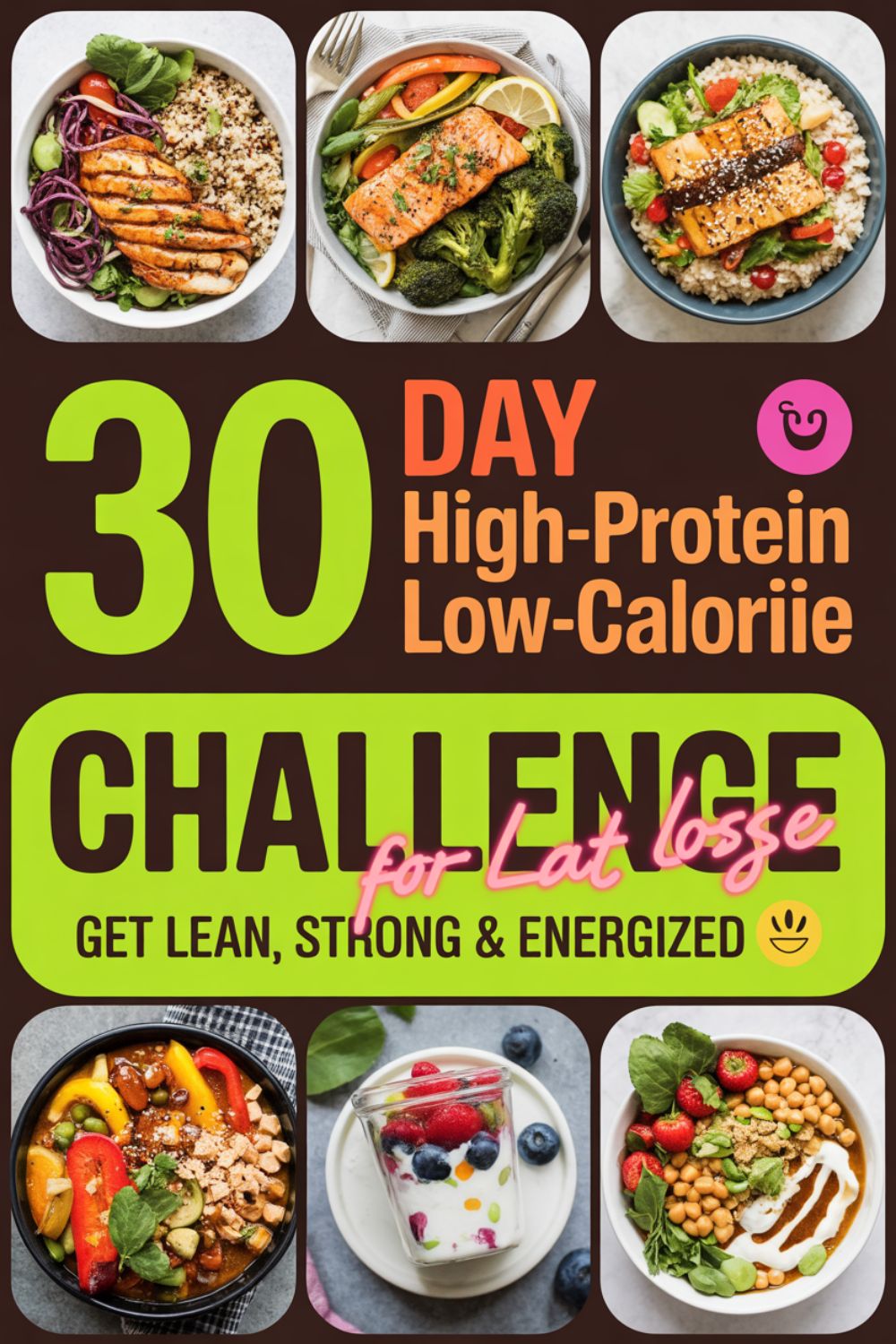
30-Day High-Protein Low-Calorie Challenge for Fat Loss
Look, I’m not here to sell you some miracle transformation story. What I am here for is to walk you through a practical, science-backed 30-day challenge that actually works when you stick with it. No gimmicks, no detox teas, no celebrity endorsements—just protein, smart calories, and results.
This challenge isn’t about starving yourself or living on chicken breast and broccoli. It’s about eating satisfying meals that keep you full, preserving your muscle while shedding fat, and building habits that last beyond day 30. Ready? Let’s get into it.
Why Protein Is Your Secret Weapon for Fat Loss
Here’s the thing about protein that nobody really talks about: it’s not just about building muscle. Research shows that higher protein intake directly impacts your hunger hormones, specifically by increasing satiety hormones like GLP-1, peptide YY, and cholecystokinin while decreasing ghrelin, the hormone that makes you feel hungry.
Translation? You feel fuller longer, you’re less likely to raid the pantry at 9 PM, and your body actually has to work harder to digest protein. That’s called the thermic effect of food, and protein requires more energy to process than carbs or fats. It’s like a built-in calorie burn just from eating.
But wait, there’s more. When you’re in a calorie deficit trying to lose fat, your body doesn’t discriminate—it’ll happily burn through muscle tissue right alongside fat. Studies indicate that consuming protein at levels exceeding the standard recommendation (think 1.2-1.6g per kg of body weight) protects your lean muscle mass while you’re losing weight. You want to lose fat, not muscle. Trust me on this.
Setting Up Your 30-Day Challenge
First things first—let’s talk numbers. For this challenge, you’re aiming for 1.2-1.6 grams of protein per kilogram of body weight daily. If you weigh 70kg, that’s roughly 84-112 grams of protein per day. Pair that with a modest calorie deficit (about 300-500 calories below maintenance), and you’ve got your foundation.
Now, before you start stressing about math and macros, here’s the beautiful part: when you prioritize protein, everything else tends to fall into place. Protein-rich foods are naturally filling, so you’ll eat less overall without feeling deprived.
The Weekly Framework
Week 1 is all about adjustment and learning. You’re getting familiar with what 25-30 grams of protein per meal actually looks like. Spoiler: it’s more food than you think.
Week 2 focuses on meal prep mastery. You’ll start batch-cooking proteins on Sunday and prepping vegetables in advance. Game-changer alert: this is when the challenge gets easier, not harder.
Week 3 is about refinement. You’re tweaking recipes, finding your favorite combinations, and probably noticing your clothes fit differently. This is when most people actually start believing this works.
Week 4 brings it all together with sustainability. You’re thinking beyond the challenge, planning how to maintain these habits, and probably already seeing results in the mirror.
Building Your High-Protein, Low-Calorie Meal Plan
Let’s get tactical. Your breakfast should clock in around 300-400 calories with at least 25 grams of protein. Think Greek yogurt with berries and a scoop of protein powder, or a three-egg omelet loaded with spinach and a side of turkey bacon.
If you’re looking for variety, these low-calorie high-protein breakfast bowls are absolute lifesavers on busy mornings. I’ve been rotating through them for weeks.
Lunch: Where Most People Mess Up
Lunch is critical. This is where people typically grab whatever’s convenient and blow their calorie budget on mediocre food that doesn’t satisfy. Don’t be that person.
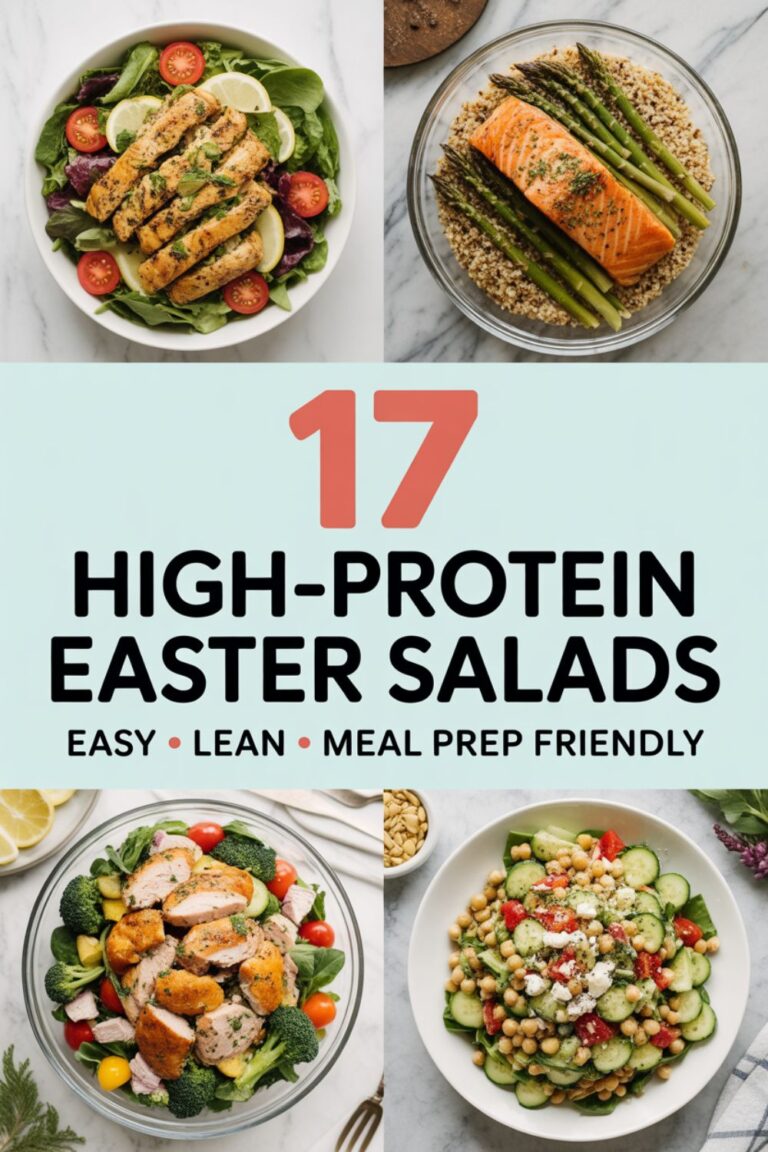
Aim for 400-500 calories with 30-35 grams of protein. Salads are your friend here—but not sad desk salads. We’re talking substantial meals with grilled chicken, chickpeas, or salmon over mixed greens with actual flavor. For endless inspiration, check out these quick lunch salad recipes. Get Full Recipe for any that catch your eye.
Speaking of lunch prep, if you’re short on time, these high-protein wraps take literally 10 minutes to assemble and hold up perfectly in the fridge for three days.
Dinner: Keep It Simple
Dinner should be your largest meal but still controlled—think 500-600 calories with 35-40 grams of protein. Sheet pan dinners are clutch here. Throw protein and vegetables on a pan, season generously, roast at 425°F, and you’re done.
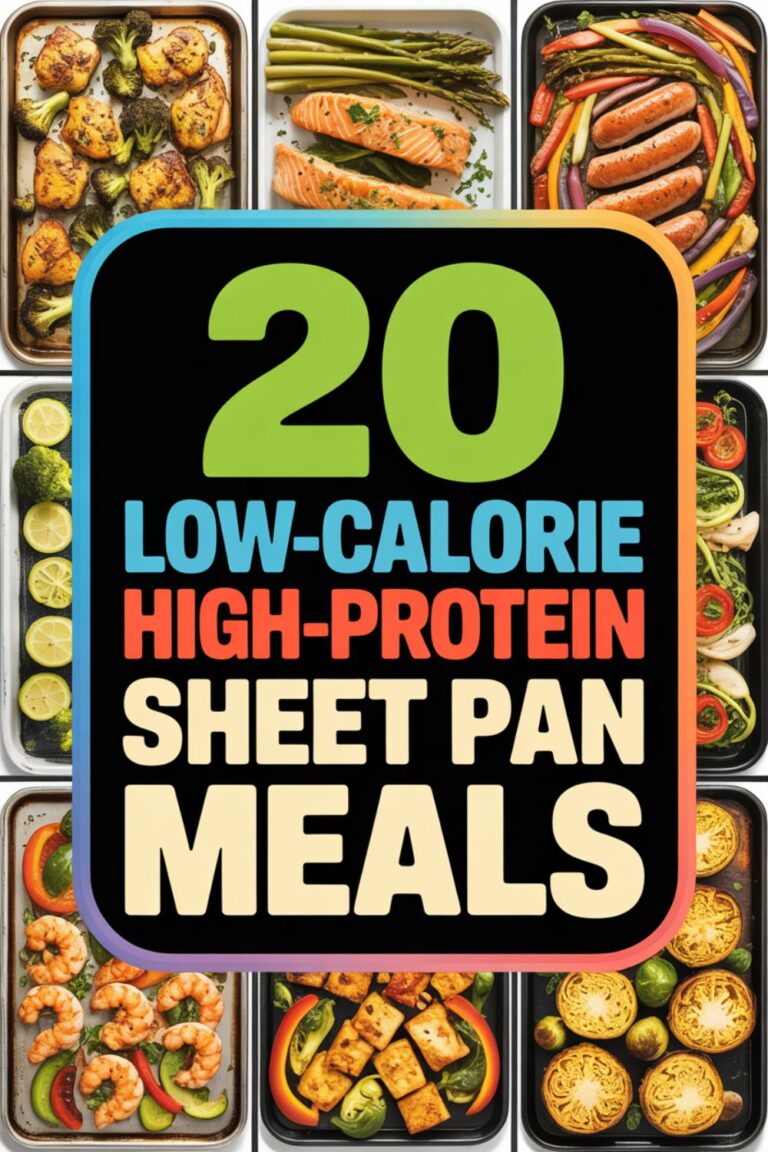
These sheet pan dinners have saved me countless times. Minimal cleanup, maximum results. The lemon herb salmon with asparagus? Chef’s kiss.
If you’re feeling fancy (or just bored), these dinner recipes offer more variety without adding complexity. The Thai-inspired chicken with cashews is legitimately restaurant-quality.
Snacks That Actually Matter
Snacking gets a bad rap, but strategic snacking prevents the 3 PM energy crash and the pre-dinner ravenous monster that emerges when you’re starving. Aim for 100-200 calorie snacks with 10-15 grams of protein.
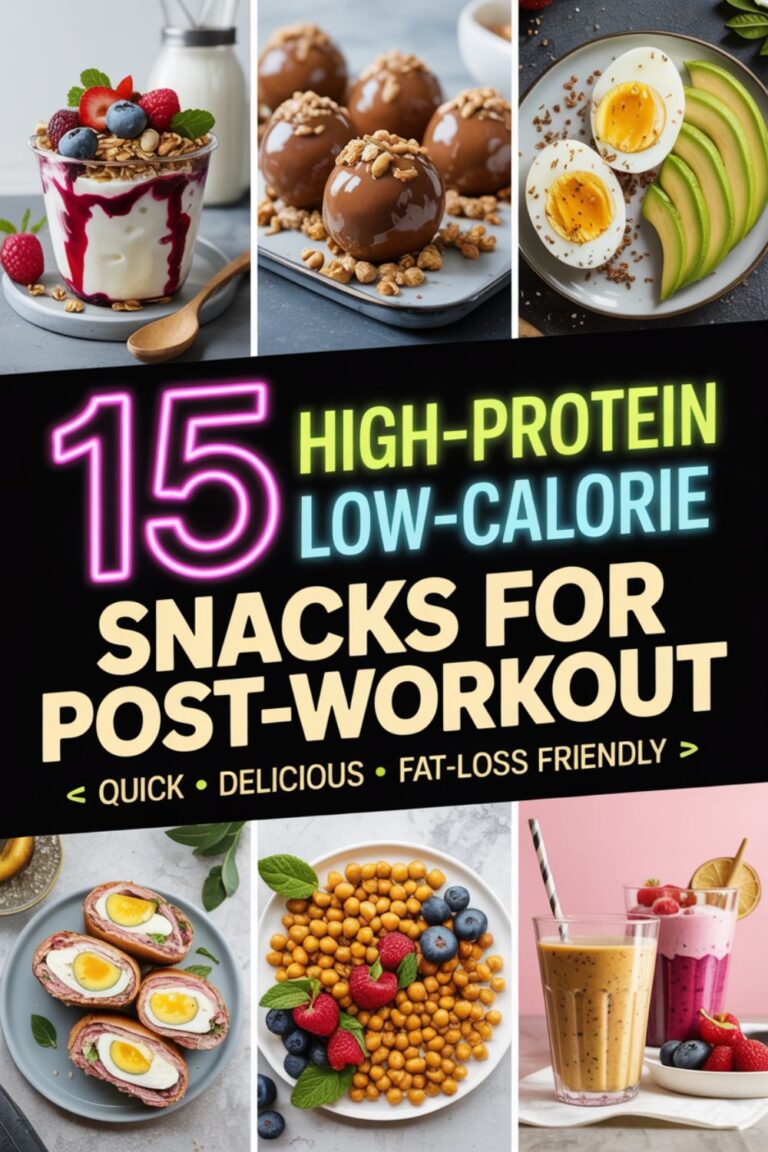
Hard-boiled eggs, Greek yogurt, cottage cheese with cucumber, turkey roll-ups with cream cheese, or protein smoothies are all solid options. For more creative ideas, these high-protein snacks work just as well for adults as they do for kids (don’t let the title fool you).
And if you need a morning pick-me-up that doubles as a meal, these metabolism-boosting smoothies are ridiculous. The peanut butter banana one tastes like a milkshake but packs 25 grams of protein.
Kitchen Essentials That Make This Challenge Easier
Look, you don’t need a lot of fancy equipment, but having the right tools makes a massive difference. Here’s what actually gets used in my kitchen during this challenge:
Physical Products
- Glass Meal Prep Containers (5-pack) – Microwave and dishwasher safe, no weird plastic taste
- Digital Kitchen Scale – Accuracy matters when tracking protein
- Instant-Read Meat Thermometer – No more overcooked, dry chicken
Digital Resources
- MyFitnessPal Premium – Best macro tracking app, period
- High-Protein Meal Plan Template – Spreadsheet with pre-calculated macros
- 30-Day Challenge Tracker – Printable PDF to track progress and meals
I use this silicone baking mat for literally everything—chicken, salmon, vegetables. Zero sticking, zero scrubbing. Life-changing, honestly.
The Science of Why This Works
Let’s get nerdy for a second because understanding the why helps you stick with the how. When you eat protein-rich meals, your body releases specific hormones that signal fullness to your brain. Research published in the American Journal of Clinical Nutrition found that diets containing 1.2-1.6g of protein per kilogram of body weight significantly improved appetite control and body composition.
But here’s where it gets interesting: protein doesn’t just help you feel full. It actually increases your metabolic rate. Your body burns more calories digesting protein than it does processing carbohydrates or fats—roughly 20-30% of protein calories are burned just through digestion. That’s free calorie burn, my friend.
The muscle preservation aspect is crucial too. When you’re in a calorie deficit, your body needs protein to maintain muscle tissue. Without adequate protein, you’ll lose both fat and muscle, which tanks your metabolism and makes you look soft rather than lean. Nobody wants that.
Meal Prep Like You Mean It
Real talk: meal prep is the difference between succeeding and quitting on day 8. I’ve seen it too many times. People start strong, then life happens, they get busy, and suddenly they’re eating sad desk sandwiches and calling it “close enough.”
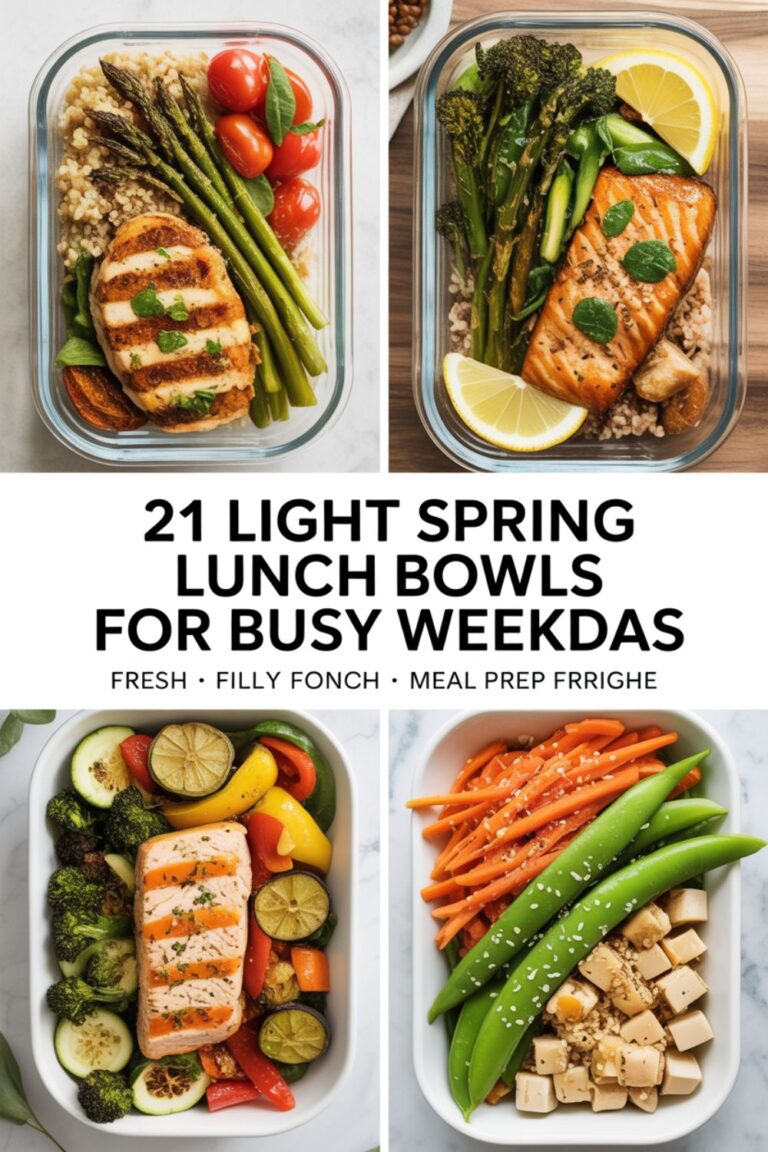
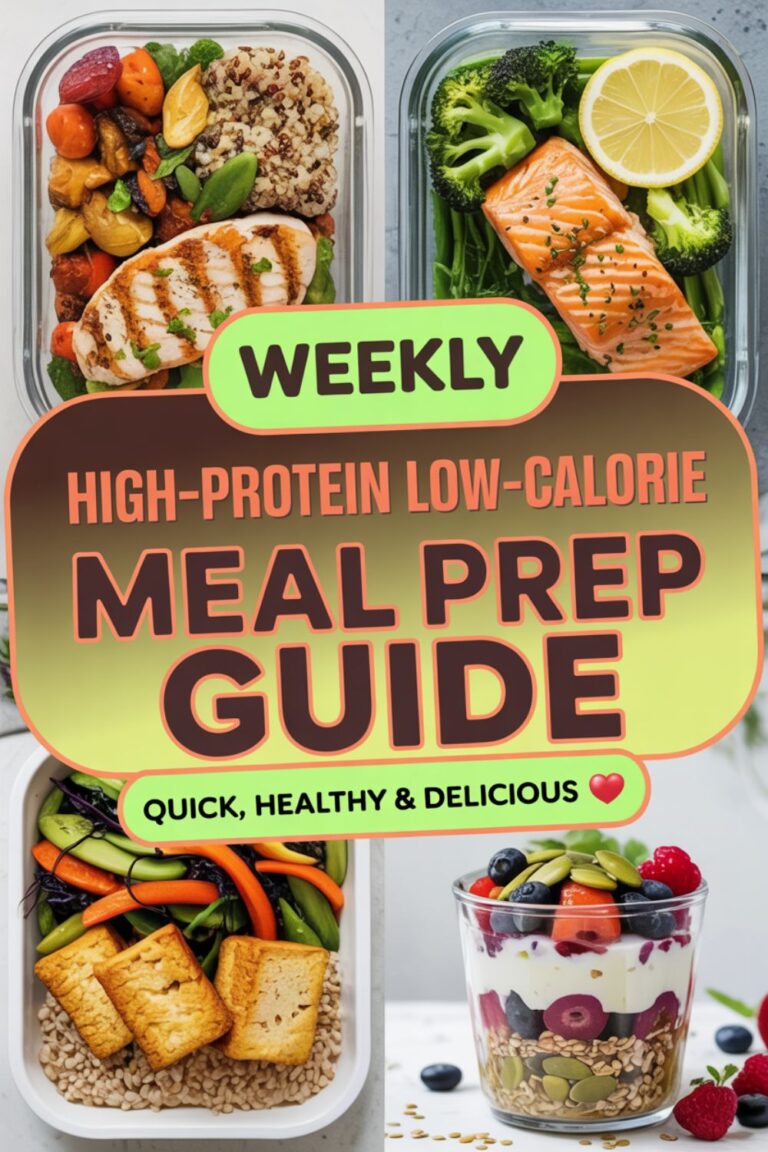
Sunday becomes your power day. Block out 2-3 hours. Put on a podcast or some music. Make it an experience, not a chore. Start with proteins—that’s your anchor. For meal prep newbies, these meal prep-friendly recipes are specifically designed to hold up well in the fridge for 4-5 days.
If you’re pressed for time during the week, Instant Pot recipes are clutch. Set it, forget it, come back to perfectly cooked protein. The shredded chicken salsa verde is my weekly staple.
For those who prefer the slow cooker method, these slow cooker meals require maybe 15 minutes of active prep time. Everything else happens while you’re at work.
The Power of Bowls
Bowl meals are secretly genius. They’re customizable, portable, and you can batch-prep the components separately. Base layer of grains or greens, protein in the middle, vegetables on the side, sauce in a small container. Boom—lunch or dinner sorted.
These quick-prep bowls are my go-to when I need variety without the complexity. The Mediterranean chicken bowl with tzatziki is borderline addictive.
Navigating Common Challenges
Let’s address the elephant in the room: you’re going to want to quit. Maybe it’s day 5, maybe it’s day 18, but at some point, you’ll get tired of tracking, tired of prepping, tired of being disciplined. That’s normal. Expected, even.
The trick isn’t avoiding challenges—it’s having strategies ready when they show up. Eating out? Order protein-forward dishes and ask for double vegetables instead of the starch. Traveling? Pack protein bars and find grocery stores instead of relying solely on restaurants. Family gathering with questionable food options? Eat a high-protein snack before you go so you’re not ravenous.
The Protein Plateau
Around week 2 or 3, you might notice the scale isn’t moving as fast. Don’t panic. This is water weight redistribution and your body adjusting. Keep hitting your protein targets, maintain your calorie deficit, and trust the process. Clinical trials consistently show that patient adherence to high-protein diets results in significant fat loss over time—emphasis on over time.
If you’re getting bored with your meals, simplicity is key. These 5-ingredient recipes prove you don’t need complexity to hit your macros. The balsamic chicken thighs use four ingredients and taste better than half the restaurant chicken I’ve had.
Special Considerations for Different Goals
Maybe you’re not just chasing fat loss. Maybe you’re also training for something, or you’re plant-based, or you have specific dietary restrictions. The principles stay the same, but the execution shifts slightly.
For Athletes and Active Individuals
If you’re training hard, your protein needs tick up to the higher end of the spectrum—closer to 1.6-2.0g per kg. You also can’t be quite as aggressive with your calorie deficit unless you want your performance to tank. These athlete-focused meal prep ideas balance recovery needs with fat loss goals.
Post-workout nutrition matters more when you’re training intensely. These muscle recovery recipes time your protein intake strategically around training. The sweet potato and turkey hash is my post-leg-day staple.
For post-workout specifically, these recovery-focused recipes hit that 20-40 gram protein window perfectly. The chocolate protein pancakes don’t feel like diet food whatsoever.
Plant-Based Protein Strategies
Contrary to gym bro mythology, you absolutely can hit high protein targets on a plant-based diet. It just requires more planning. Legumes, tofu, tempeh, seitan, edamame, and plant-based protein powders are your friends.
These plant-based high-protein meals prove vegans aren’t stuck eating sad salads. The BBQ tempeh bowl has more protein than some meat-based meals I’ve made.
Complete Beginners
If this whole thing feels overwhelming, start simpler. Focus on adding one high-protein meal per day before trying to overhaul everything. These beginner-friendly meal ideas ease you in without requiring culinary school skills. The turkey chili is literally dump-and-stir simple.
Tracking Progress Beyond the Scale
Here’s an unpopular opinion: the scale is a liar. Well, not exactly, but it tells an incomplete story. Water retention from sodium, hormonal fluctuations, muscle gain, digestive contents—all of these affect scale weight but have nothing to do with fat loss.
Take measurements. Waist, hips, thighs, arms. Take progress photos every week in the same lighting, same time of day, same clothes. Track how your clothes fit. Monitor your energy levels and workout performance. These tell a more complete story than the number on the scale.
IMO, progress photos are the most honest feedback you’ll get. The scale might not budge for a week, but side-by-side photos reveal changes your daily mirror check misses. Our brains are terrible at noticing gradual changes in our own bodies.
The Psychology of Sticking With It
Let’s be honest—anybody can do anything for 30 days if they’re motivated enough. The real question is: what happens on day 31? This challenge isn’t about suffering through a month of restriction. It’s about building patterns that feel sustainable long-term.
That means enjoying what you eat. If you hate every meal, you’ll quit the second the challenge ends. If you feel constantly deprived, you’ll binge when it’s over. Find recipes you genuinely look forward to eating. Experiment with spices and seasonings. Make food taste good, not just hit macros.
For comfort food cravings that actually fit the plan, these high-protein comfort foods scratch that itch without derailing progress. The protein mac and cheese is borderline dangerous because it’s so good.
Building Non-Food Rewards
We’re conditioned to celebrate with food, which creates weird relationships with eating. Break that cycle. Celebrate weekly wins with non-food rewards. New workout gear. A massage. A fancy coffee. That book you’ve been wanting. Build positive reinforcement that doesn’t involve calories.
Making It Stick After Day 30
The worst thing you can do is hit day 31 and immediately abandon everything you’ve learned. You’ve spent 30 days teaching your body new patterns. Don’t throw that away.
Transition to a less aggressive calorie deficit—maybe only 200-300 below maintenance instead of 500. Keep protein high, but allow more flexibility with your food choices. The 80/20 rule works well here: 80% adherence to your plan, 20% flexibility for life.
Keep meal prepping, even if it’s just 2-3 days instead of a full week. Continue tracking at least loosely, even if you’re not weighing every gram. The habits you’ve built are more valuable than any single meal or day of perfect execution.
For long-term sustainability, having recipes you can freeze and reheat is clutch. These freezer-friendly recipes mean you always have backup options when life gets chaotic. The chicken enchilada casserole reheats better than it has any right to.
If you’re using a slow cooker regularly, these crockpot recipes are specifically designed for busy people who still want results. Set it before work, come home to dinner. Revolutionary concept, I know.
Frequently Asked Questions
How much protein do I really need per meal?
Aim for 25-40 grams per meal, distributed across three main meals and 1-2 snacks. Your body can only process about 25-40 grams effectively in one sitting for muscle protein synthesis, so spreading it throughout the day makes more sense than loading it all at dinner. Think of it as feeding your metabolism consistently rather than overwhelming it once.
Can I do this challenge if I’m vegetarian or vegan?
Absolutely. You’ll need to be more strategic with protein sources—think tofu, tempeh, legumes, seitan, and plant-based protein powders. Combining different plant proteins throughout the day ensures you’re getting all essential amino acids. It takes more planning but it’s totally doable and effective.
What if I mess up or miss a day?
One off day doesn’t erase progress. Seriously. Get back on track the next meal—not the next day, the next meal. Don’t use one slip as permission to abandon the entire week. The challenge is about building consistency, not perfection.
Do I need to count calories or just focus on protein?
Both matter, but start with protein first. When you prioritize hitting your protein targets, you’ll naturally feel fuller and eat less overall. That said, you can’t out-protein a caloric surplus. Track loosely at minimum—use an app for the first week until you get a feel for portions and macros.
Will eating this much protein damage my kidneys?
No. This myth needs to die. If you have pre-existing kidney disease, talk to your doctor. But for healthy individuals, high protein intake doesn’t cause kidney damage—multiple long-term studies have confirmed this. Your kidneys are designed to process protein efficiently.
The Bottom Line
This 30-day challenge isn’t magic. It’s science, strategy, and consistency wrapped up in a manageable timeframe. You’ll eat real food, you’ll feel satisfied, and you’ll see results if you actually stick with it.
The protein-focused approach works because it addresses the core problems most diets ignore: hunger, muscle loss, and sustainability. By keeping protein high and calories controlled, you’re setting yourself up for fat loss that actually lasts beyond the challenge.
Will it be easy? No. Will it be worth it? Yes. Will you need to meal prep and plan ahead? Absolutely. But that’s the point—building systems that support your goals instead of fighting against them.
Start with one meal. Then add another. Get your first week under your belt before worrying about week four. Take it one day, one meal, one decision at a time. You’ve got the framework, you’ve got the recipes, and you’ve got 30 days to prove to yourself what’s possible.
Now get to it. Your future self will thank you.