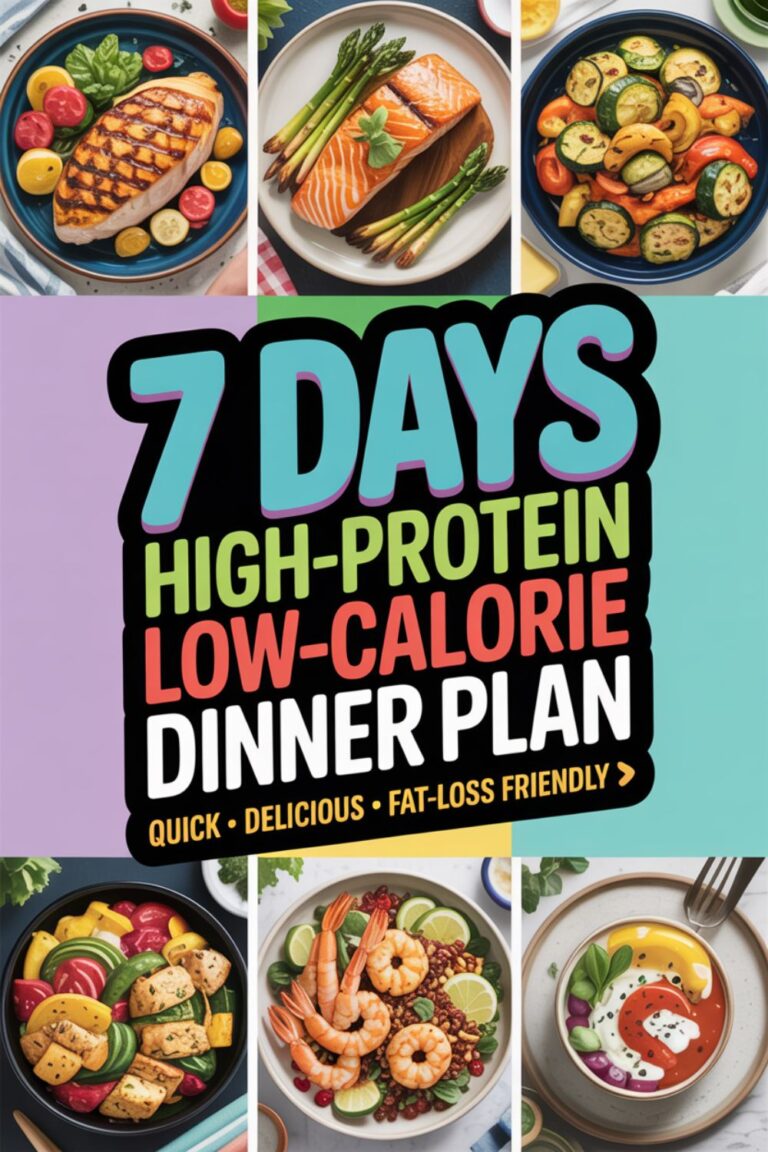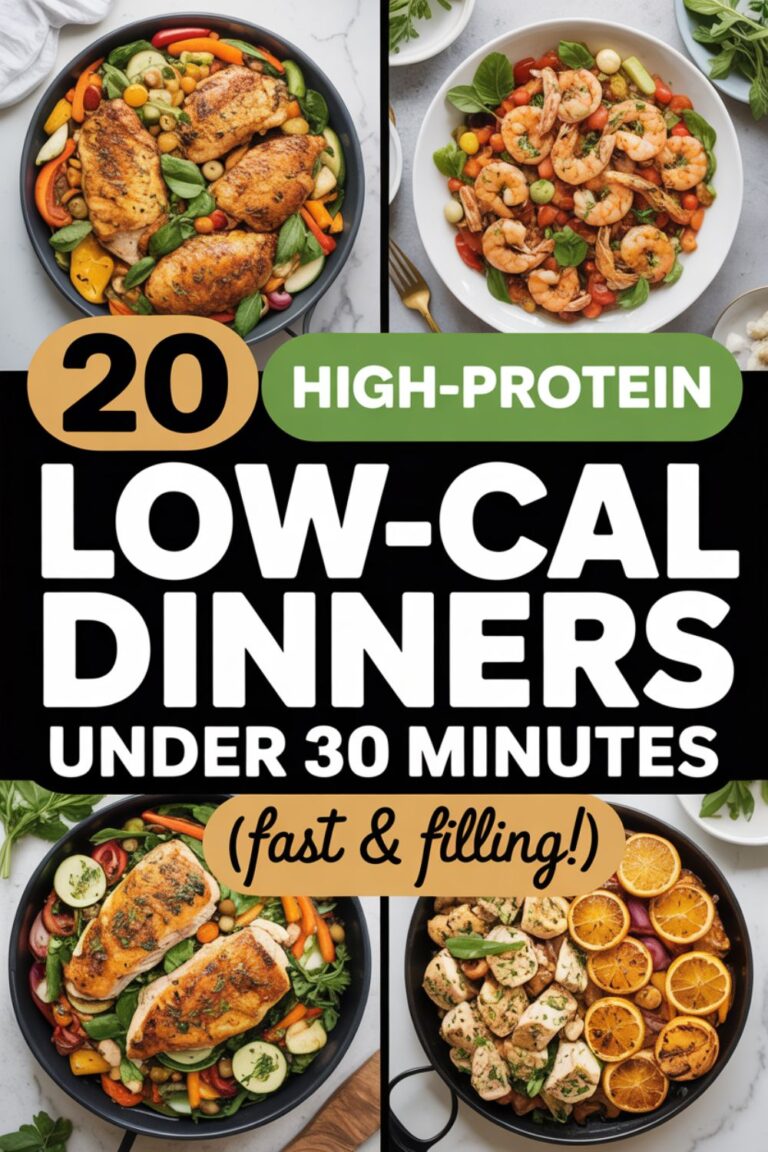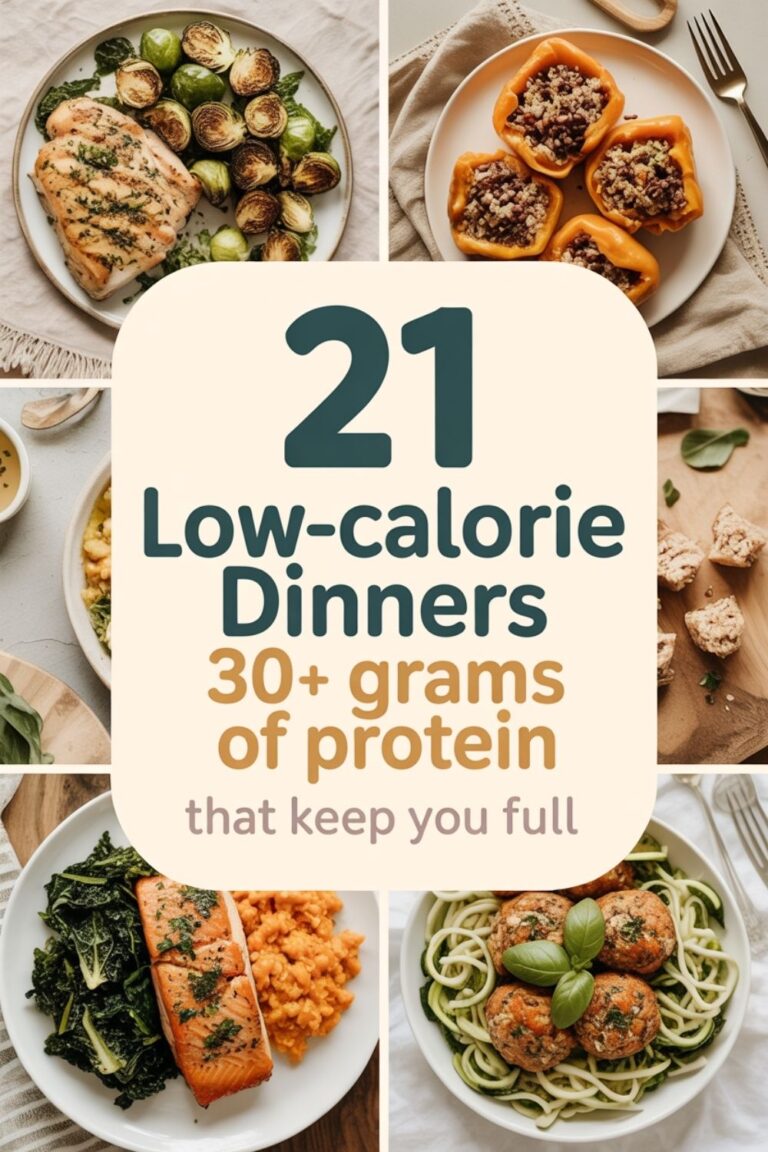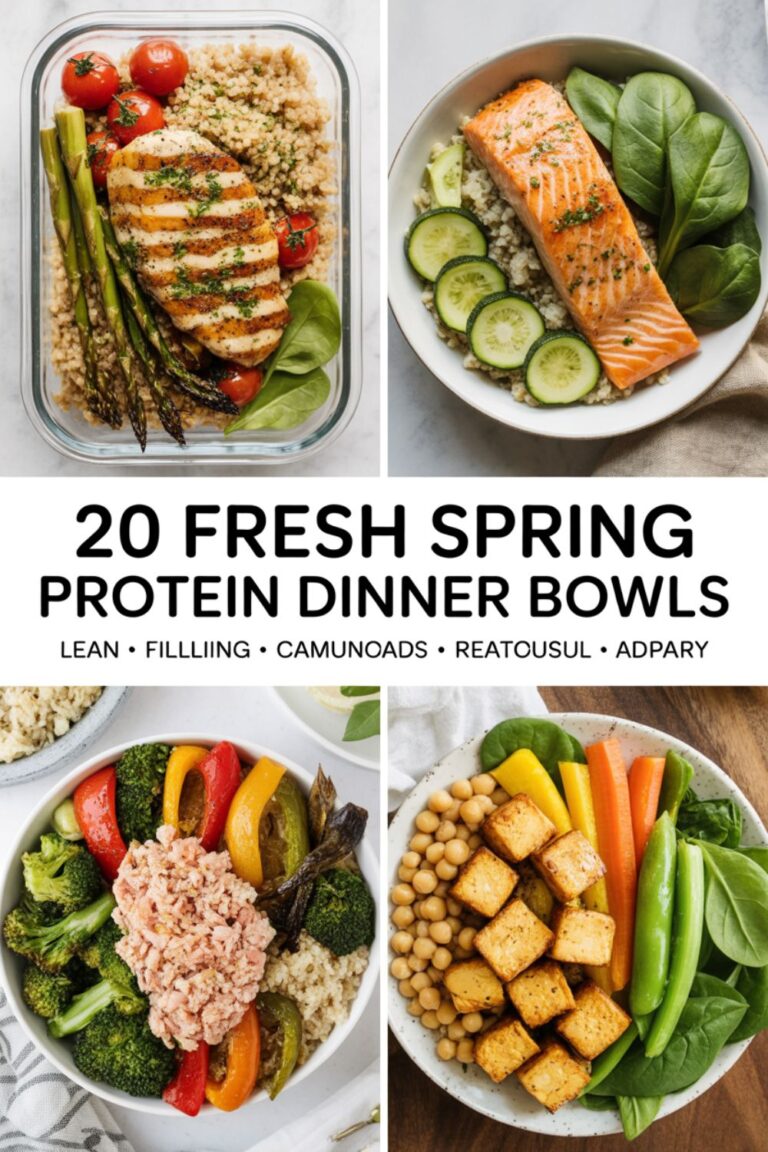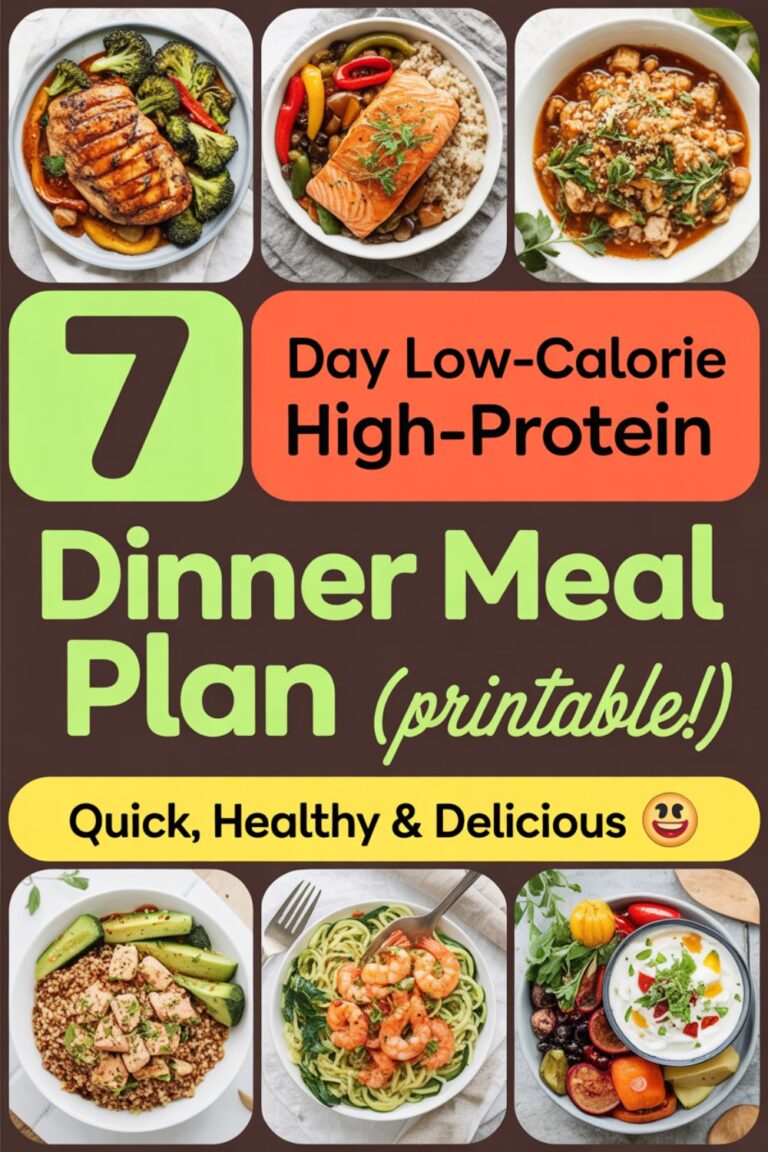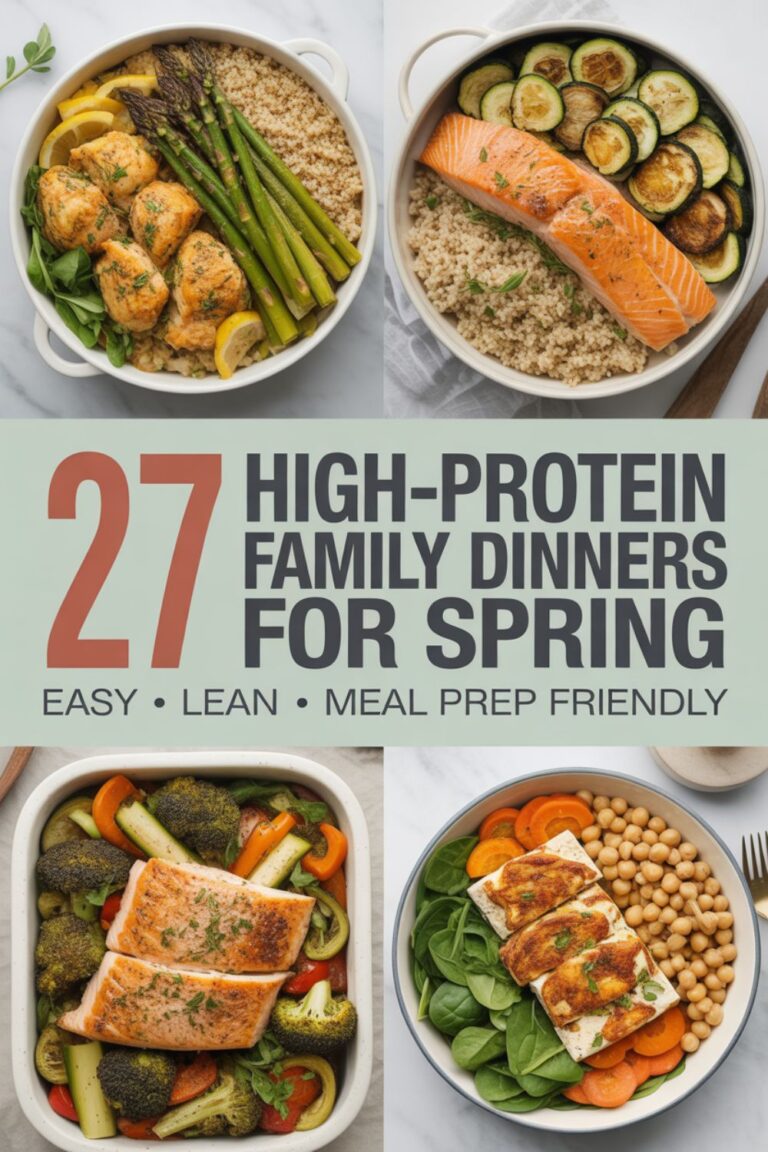
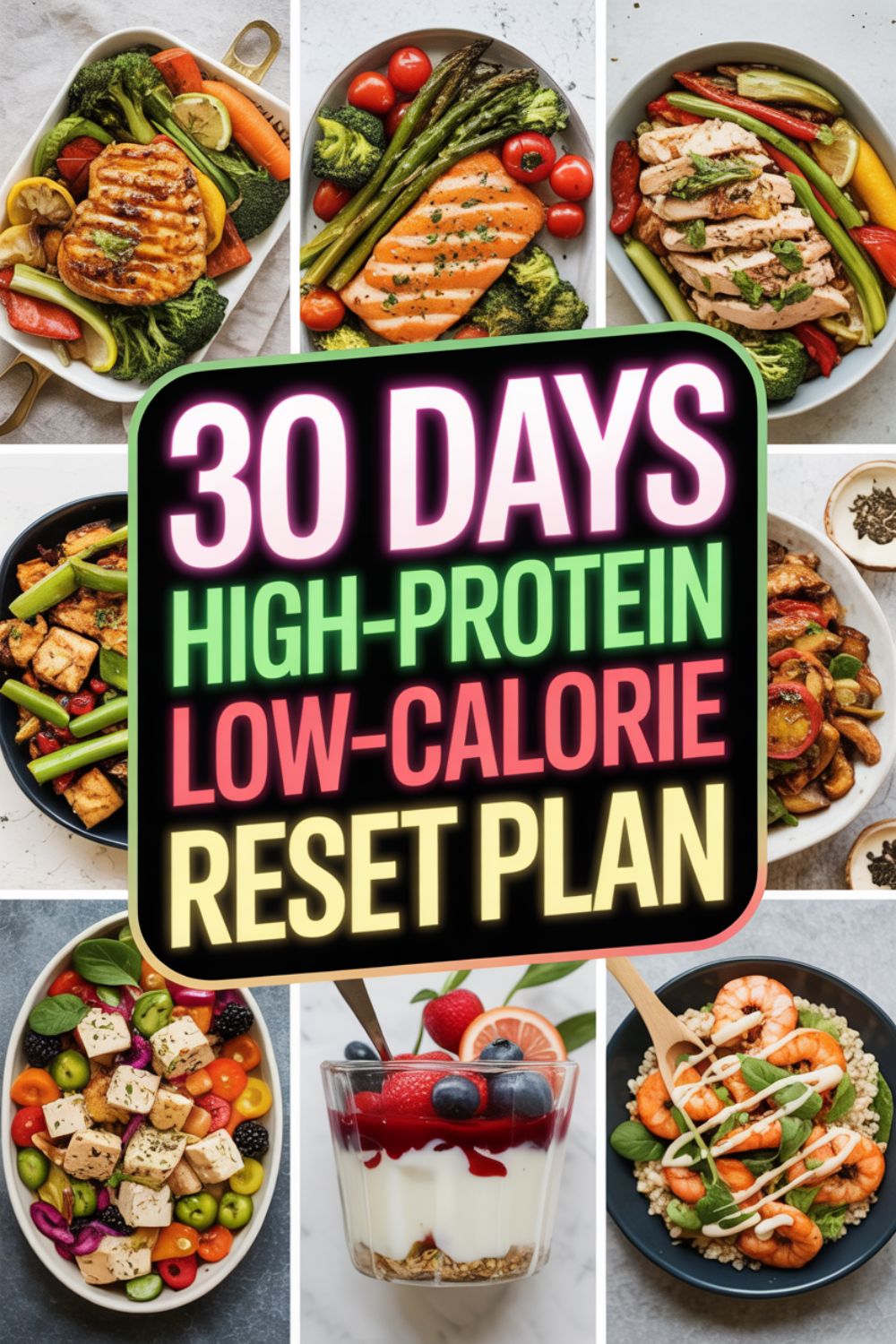
30-Day High-Protein Low-Calorie Reset Plan
Let’s be real—you’ve probably tried a dozen different eating plans, felt great for about five days, then face-planted into a pizza by day six. Been there, done that, have the stretchy pants to prove it. But what if I told you there’s a way to reset your body without feeling like you’re gnawing on cardboard or surviving on sad desk salads?
This 30-day high-protein low-calorie reset isn’t about deprivation or some miracle shake that tastes like chalky sadness. It’s about leveraging what science actually tells us works: eating more protein while keeping calories in check. Your body responds differently to protein than it does to carbs or fats, and that difference matters more than you’d think.
I’ve spent the last year testing different approaches to high-protein eating, and I’m sharing what actually worked—not the Instagram-perfect version, but the real-deal, practical stuff that fits into a life with work deadlines, social commitments, and the occasional need for something that doesn’t come from a meal prep container.
Why Protein Actually Changes Everything
Here’s something most diet plans won’t tell you straight up: protein fundamentally alters how your body processes energy. Research from the National Institutes of Health shows that high-protein diets trigger hormonal changes that naturally reduce appetite while simultaneously increasing the energy your body burns just processing the food itself.
Think about it this way—when you eat 100 calories of protein, your body uses about 25-30 of those calories just to digest and process it. Compare that to carbs (where you burn maybe 5-10 calories) and you start to see why protein is the MVP of weight management. It’s not magic, it’s thermogenesis.
The satiety factor is wild too. Ever notice how a protein-heavy breakfast keeps you full until lunch, while a bagel has you raiding the snack drawer by 10 AM? That’s because protein triggers the release of hormones like GLP-1 and peptide YY that literally tell your brain “hey, we’re good, stop thinking about food.” Meanwhile, it suppresses ghrelin, the hormone that makes you want to eat everything in sight.
Pro Tip: Start your morning with at least 30 grams of protein. Your hunger hormones get set for the entire day based on that first meal, so make it count.
The 30-Day Framework That Actually Works
Let me break down how this month actually flows, because nobody wants some rigid plan that falls apart the second life happens. The beauty of this approach is the flexibility built into the structure.
Week 1: The Foundation Phase
Your first week is all about establishing baseline habits without overwhelming yourself. You’re aiming for roughly 1.0-1.2 grams of protein per pound of your target body weight, spread across four meals. For most people, that translates to about 30-40 grams per meal.
Don’t obsess over hitting exact numbers yet—just focus on making protein the star of every meal. Swap your usual breakfast for something protein-forward. Get Full Recipe for options that won’t have you meal-prepping at 5 AM on a Sunday.
The biggest mistake I see people make? Trying to overhaul everything at once. Your coffee ritual, your lunch spots, your dinner routine—everything. That’s a recipe for burnout by day four. Instead, pick one meal to nail first. Once breakfast becomes automatic, tackle lunch.
Week 2-3: Building Momentum
By week two, you’ve got some rhythm going. This is when you start paying attention to total calorie intake while maintaining that protein target. Most people find success in the 1,400-1,800 calorie range, but your mileage will vary based on activity level and starting point.
Here’s where meal prep becomes your best friend. I’m talking batch-cooking proteins on Sunday and Wednesday nights so you’re never stuck staring into an empty fridge at 7 PM deciding between a sad frozen dinner or ordering takeout.
Speaking of meal prep, you might also love these protein-packed bowls or check out these sheet pan dinners that make the whole process almost stupidly simple.
The middle weeks are when things click. You stop thinking about every food choice and start operating on autopilot—the good kind of autopilot where healthy choices feel natural instead of forced.
Quick Win: Keep three go-to high-protein snacks always stocked. Mine are plain Greek yogurt, hard-boiled eggs, and turkey jerky. Having these ready prevents those desperate hunger moments that lead to poor choices.
Week 4: The Sustainability Test
The final week isn’t about perfection—it’s about proving to yourself this can work long-term. You’ll likely face a social dinner, a work event with questionable buffet options, or just a day when cooking feels impossible. These situations test whether you’ve built actual skills or just followed rules.
This is where having a solid rotation of high-protein dinners in your back pocket matters. You need options for the nights when everything goes sideways but you still want to stick with the plan.
What Actually Goes On Your Plate
Theory is great, but let’s talk real food. The core of this plan revolves around lean proteins paired with vegetables and strategic amounts of complex carbs and healthy fats. Groundbreaking, I know—but the execution makes all the difference.
Protein Sources That Don’t Suck
Chicken breast gets all the glory, but honestly? It’s boring as hell if that’s all you eat. Rotate between chicken thighs (yes, the dark meat is fine), lean ground turkey, fish (both fatty varieties like salmon and leaner options like cod), eggs in every form, and high-quality protein powder for convenience.
Don’t sleep on cottage cheese either. A cup of low-fat cottage cheese packs nearly 30 grams of protein for under 200 calories. Mix it with some berries and you’ve got a snack that’ll hold you over for hours. I use this cottage cheese brand because it doesn’t have that weird grainy texture some versions have.
For plant-based folks, the game gets slightly trickier but totally doable. Focus on tempeh, edamame, lentils, and combining complementary proteins. Check out these vegan high-protein options that prove you don’t need meat to hit your targets.
The Carb Conversation
Carbs aren’t the enemy, but during this reset, you’re keeping them in check. We’re talking roughly 100-150 grams per day, strategically placed around workouts or earlier in the day when you need the energy most.
Sweet potatoes, quinoa, oats, and fruit make the cut. White bread, pastries, and those “healthy” granola bars that are basically candy bars in disguise? Not so much. Save your carb budget for foods that deliver actual nutrients alongside the energy.
Fats: The Misunderstood Macronutrient
Yes, you need fats even on a low-calorie plan. They keep your hormones functioning, help absorb vitamins, and honestly make food taste better. But fats are calorically dense (9 calories per gram versus 4 for protein and carbs), so you’ve got to be intentional.
Think extra virgin olive oil for cooking, avocado in moderation, nuts and seeds measured out instead of grabbed by the handful, and fatty fish a couple times per week. I keep this digital food scale on my counter because eyeballing fat portions is how you accidentally add 300 extra calories to a meal.
Meal Prep Essentials Used in This Plan
Look, you don’t need a kitchen full of fancy gadgets to make this work, but a few key tools make the difference between sustainable meal prep and wanting to quit by week two. Here’s what I actually use:
These changed my entire meal prep game. The three-compartment design keeps proteins separate from veggies, they don’t get weird smells after multiple uses, and they’re microwave-safe so I can reheat without transferring to another dish. Worth every penny.
I resisted buying one of these for way too long because “I can eyeball portions, right?” Wrong. Turns out my “tablespoon” of peanut butter was closer to three tablespoons. This thing keeps me honest and takes literally two seconds to use.
Overcooked chicken is a crime against humanity. This thermometer ensures your proteins come out perfect every single time. No more dry, sad chicken breast that makes you question all your life choices.
I created this template after trying about fifteen different meal planning apps and hating them all. It’s a simple Google Sheets file that helps you map out your week and auto-calculates your macros. No subscription required, just practical planning.
This collection has 100+ recipes specifically designed to hit 30+ grams of protein per serving. Every recipe includes prep time, complete macros, and substitution options because we all have different preferences and dietary needs.
If you’re new to tracking macros, this one-page reference guide breaks down protein, carb, and fat targets for different body weights and goals. Print it out and stick it on your fridge so you always know what you’re aiming for without second-guessing yourself.
Handling the Inevitable Challenges
Let’s address the stuff that trips people up, because pretending this is all smooth sailing would be dishonest. Every single person hits roadblocks during a 30-day reset. The difference between success and failure is how you navigate them.
When Hunger Strikes Hard
Some days you’ll feel genuinely hungry despite eating your planned meals. This happens, especially in the first week as your body adjusts. Before you panic and eat everything in sight, ask yourself: am I actually hungry, or am I bored? Thirsty? Stressed?
Real hunger gets addressed with protein and vegetables. I keep these individual protein packs around for emergencies—they’re pre-portioned so I’m not standing over the container eating with a spoon like some protein-obsessed goblin.
Sometimes you need volume. Make a huge salad with a ton of leafy greens, some grilled chicken, and a measured amount of dressing. The visual of a big bowl of food satisfies something psychological while keeping calories reasonable.
Social Situations Don’t Have to Derail Everything
Your friends will invite you to dinner. Coworkers will bring donuts. Your mom will make her famous lasagna. Life continues during your reset, and that’s actually a feature, not a bug.
Eat a protein-heavy snack before social events so you’re not ravenous. Order strategically at restaurants—grilled protein with double vegetables instead of the pasta special. Have one piece of birthday cake instead of three. You can participate in normal life without throwing away your entire plan.
For more ideas on handling real-world eating situations, these comfort food adaptations show you how to recreate restaurant favorites at home with way better macros.
Pro Tip: After a higher-calorie meal, don’t try to “make up for it” by skipping your next meal. Just get back to your regular eating schedule. One meal doesn’t make or break anything.
Energy Fluctuations Are Normal
During the first week or two, some people experience lower energy as their body adapts to fewer calories. This typically resolves as you become fat-adapted and your system gets more efficient at using stored energy.
If you’re working out intensely, you might need slightly more carbs around training sessions. According to research on protein and muscle recovery, timing your protein intake around workouts helps preserve muscle mass during a calorie deficit.
Listen to your body. If you’re genuinely dragging and can’t think straight, you might need to bump calories up slightly. Better to lose weight a bit slower than to feel like garbage for a month.
Measuring Progress Beyond the Scale
Can we talk about how the scale is kind of a terrible sole indicator of progress? Weight fluctuates based on sodium intake, where you are in your menstrual cycle, whether Mercury is in retrograde—okay, maybe not that last one, but you get my point.
Take measurements with a tape measure. Track how your clothes fit. Notice your energy levels, sleep quality, and how you feel generally. These matter more than whether the number on the scale dropped exactly 2 pounds this week.
Progress photos, as awkward as they feel to take, provide undeniable evidence that things are changing even when the scale is being stubborn. I take mine in the same location, same lighting, same time of day every week.
Some people prefer tracking body composition with tools like DEXA scans or bod pod measurements if those are accessible. They give you actual data on muscle mass versus fat mass, which is ultimately what we care about.
The Mental Game Nobody Talks About
Changing how you eat for 30 days isn’t just physical—it messes with your head in ways you might not expect. Food carries emotional weight. We eat when we’re stressed, celebrate with meals, use snacks as rewards or comfort.
Suddenly removing those coping mechanisms without replacing them with something else leaves a void. This is why so many diets fail. You can’t just subtract behaviors; you need to add new ones.
Find non-food rewards for sticking with your plan. Maybe it’s a new workout shirt, a massage, or just time to yourself doing something you enjoy. Create positive associations with healthy choices instead of viewing this as punishment or deprivation.
Journal about what you’re feeling. It sounds cheesy until you realize that writing “I want chips because I’m stressed about work, not because I’m hungry” actually helps you make better choices. Self-awareness is powerful.
Building Habits That Stick
The goal here isn’t to white-knuckle through 30 days and then revert to old patterns. You want to build systems that become automatic. Small, consistent actions compound into significant results over time.
Start your day with protein. Prep vegetables on Sunday. Keep protein powder at work for emergencies. Pack your lunch the night before. These tiny habits remove friction and make healthy choices the path of least resistance.
If you’re looking for more structured guidance, check out this 14-day meal prep plan or this beginner-friendly 7-day plan that takes all the guesswork out of what to eat each day.
Sample Day to See How This Actually Looks
Theory is great, but let me show you what an actual day of eating looks like on this plan. This isn’t Instagram perfect; it’s real food I actually ate last Tuesday.
Breakfast (7:00 AM): Four-egg scramble with spinach and mushrooms, half a cup of oatmeal with berries. Black coffee. Total: ~450 calories, 35g protein.
Lunch (12:30 PM): Grilled chicken breast over mixed greens with cherry tomatoes, cucumber, and balsamic vinegar. Small sweet potato on the side. Total: ~420 calories, 42g protein. Get Full Recipe for variations that keep lunch from getting boring.
Snack (3:30 PM): Cup of cottage cheese mixed with pineapple chunks. Total: ~180 calories, 28g protein.
Dinner (6:30 PM): Baked salmon with roasted broccoli and cauliflower, small portion of quinoa. Total: ~520 calories, 44g protein. Check out these weeknight dinner ideas when you need something faster.
Evening (8:30 PM): Protein shake made with vanilla protein powder and unsweetened almond milk. Total: ~130 calories, 25g protein.
Daily totals: ~1,700 calories, 174g protein. Plenty of volume, never felt deprived, and hit my targets without obsessing over every gram.
When Plant-Based Meets High-Protein
If you’re eating plant-based, hitting high protein targets requires more intentional planning. You’re working with protein sources that are less concentrated than animal products, so volume and variety become crucial.
Combine different plant proteins throughout the day to get complete amino acid profiles. Pair rice with beans, add hemp seeds to your smoothie, snack on edamame, use tofu and tempeh liberally. Every meal should have a concentrated protein source, not just token amounts.
Protein powder becomes almost essential unless you want to eat enormous quantities of food. Pea protein, hemp protein, or blended plant proteins work well. Mix them into oatmeal, smoothies, or even savory dishes like soups.
These plant-based high-protein meals prove you can absolutely hit 150+ grams of protein daily without animal products, though it takes more planning than the omnivore version.
The Role of Supplements (Or Lack Thereof)
Do you need supplements for this plan? Honestly, probably not if you’re eating a variety of whole foods. But a few can make life easier without being necessary.
Quality protein powder is convenience in a scoop. It’s not magic, just powdered food that makes hitting protein targets easier when you’re busy. I keep both whey and plant-based options around depending on what sounds good.
Creatine helps with performance and muscle retention during a deficit. It’s one of the most researched supplements in existence and costs like five bucks a month. Might as well.
Everything else—fat burners, metabolism boosters, detox teas—is mostly marketing. Save your money and put it toward better food quality instead.
What Happens After 30 Days?
So you made it through the month. You’ve established habits, seen results, and hopefully feel better than when you started. Now what?
This is the critical juncture where most people either cement their progress or backslide into old patterns. The reset period proved you can do this; now you decide whether you want to.
Some people continue with similar macro targets indefinitely. Others transition to a slightly higher calorie intake for slower, more sustainable fat loss. A few decide they’re happy with current results and shift to maintenance calories while keeping protein high.
Whatever you choose, the key is having a plan. “I’ll just wing it and see what happens” rarely works out well. Decide your next step before day 30 ends so you’re not making decisions in a vacuum.
Consider cycling between stricter phases and more relaxed periods. Maybe you do this reset quarterly, or you implement it after vacations or holidays when habits slip. It becomes a tool in your toolkit rather than a one-time thing.
Frequently Asked Questions
Can I do this reset if I work out regularly?
Absolutely, but you might need to adjust your calorie intake slightly higher, especially around workout days. Active individuals typically need more carbs to fuel performance and recovery. Keep protein high to preserve muscle mass, and consider timing your larger carb portions around training sessions. If you’re lifting heavy or doing intense cardio, starting at the higher end of the calorie range (around 1,800-2,000) makes more sense than going super low.
What if I don’t eat meat or dairy?
Plant-based high-protein eating is totally doable but requires more planning. Focus on tempeh, tofu, seitan, legumes, and high-protein grains like quinoa. You’ll likely need to supplement with plant-based protein powder to hit your targets without eating massive volumes of food. Combining different protein sources throughout the day ensures you’re getting all essential amino acids. It’s more work than the omnivore version but definitely possible with the right approach.
How much weight should I expect to lose in 30 days?
Honestly, it varies wildly based on your starting point, activity level, and how strictly you follow the plan. Most people see 4-8 pounds of actual fat loss over the month, plus some initial water weight drop in the first week. Don’t get caught up in specific number targets—focus on feeling better, having more energy, and noticing changes in how clothes fit. The scale is just one data point among many.
Is it safe to eat this much protein long-term?
For healthy individuals with normal kidney function, high protein intake has been extensively studied and shown to be safe. Research consistently shows that protein intake up to 2 grams per kilogram of body weight doesn’t harm kidney function in healthy adults. Stay hydrated, eat plenty of vegetables, and if you have any pre-existing kidney conditions, talk to your doctor before making major dietary changes.
What’s the best way to track my macros without going crazy?
Use an app like MyFitnessPal or Cronometer for the first week or two until you get a feel for portion sizes and protein content in foods. After that, many people can eyeball portions pretty accurately without logging every single bite. The digital food scale helps with calorie-dense foods like nuts and oils where small measurement errors add up quickly. Track religiously at first, then ease up once you’ve built intuition.
Final Thoughts: Make It Work for Your Life
Here’s the thing about any eating plan, including this one: perfection isn’t the goal. Consistency is. Some days you’ll nail your macros down to the gram. Other days you’ll do your best and call it good enough. Both scenarios move you forward.
This 30-day reset gives you a framework, not a prison sentence. Adapt it to your preferences, your schedule, your social life. If you hate salmon, don’t eat salmon. If breakfast foods make you nauseous, have lunch foods in the morning. The principles matter more than rigid rules.
You’re building a relationship with food based on what serves your goals rather than emotional impulses or habits formed over decades. That takes time, practice, and grace when you inevitably stumble. Every meal is a new opportunity to choose differently.
The research backs this approach—studies on high-protein diets consistently show benefits for body composition, metabolic health, and satiety. But research means nothing if you can’t stick with it in real life. So take what works from this plan, ditch what doesn’t, and create something sustainable for your actual life.
Start tomorrow. Or Monday. Or the first of next month. Just start. Thirty days from now, you’ll be glad you did.