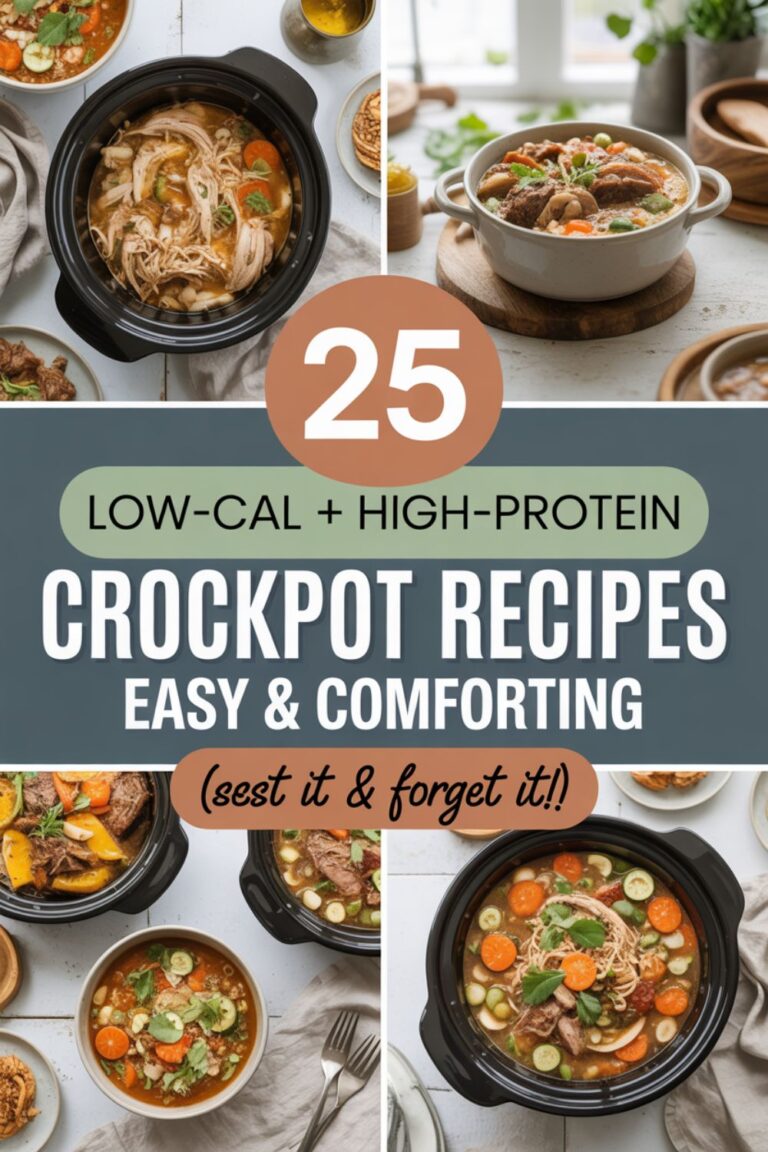
30 High-Protein Low-Calorie Salads for Weight Loss
Look, I’ll be honest with you—salads got a bad rap for a reason. For years, they were the sad desk lunch nobody wanted, the punishment meal you forced down while watching everyone else enjoy actual food. But here’s the thing that changed everything for me: I figured out how to turn salads into genuinely satisfying meals that actually helped me drop weight without feeling like I was on some medieval torture diet.
What’s the secret? Protein. Loads of it. And when you pair high protein with low calories, you get this magical combination that keeps you full, preserves your muscle mass, and torches fat like nobody’s business. Research shows that higher protein intake during weight loss helps preserve lean muscle while reducing fat mass—exactly what you want when you’re trying to look better, not just weigh less.
I’m about to walk you through 30 salads that pack serious protein punch without the calorie overload. These aren’t your grandma’s garden salads. We’re talking grilled chicken, hard-boiled eggs, chickpeas, tuna, and even steak—real food that actually fills you up and tastes incredible.

Why Protein-Packed Salads Actually Work for Weight Loss
Here’s what nobody tells you about protein: it’s basically the cheat code for weight loss. When you eat protein, your body has to work harder to digest it compared to carbs or fats. This is called the thermic effect of food, and it means you’re burning calories just by eating. Pretty wild, right?
But it gets better. Protein keeps you satisfied way longer than that sad bowl of lettuce with fat-free dressing ever could. According to nutrition research, protein affects several weight-regulating hormones, including reducing hunger hormones while increasing satiety hormones. Translation? You’ll stop thinking about food every 20 minutes.
The other massive benefit? Muscle preservation. When you’re cutting calories, your body doesn’t just burn fat—it’ll happily munch on your muscle too if you’re not careful. Adequate protein intake tells your body, “Hey, keep the muscle, burn the fat instead.” That’s why all those crash dieters end up looking skinny-fat instead of fit.
I learned this the hard way during my first attempt at weight loss. I was eating these pathetic 200-calorie salads with barely any protein, then wondering why I was raiding the pantry two hours later. Once I started building salads around protein first, then adding the veggies and healthy fats, everything changed. The weight came off steadily, and I wasn’t miserable.
The Power Players: Best Protein Sources for Salads
Not all protein sources are created equal when it comes to salads. You want options that taste good cold (or room temp), won’t make your salad soggy, and pack enough protein to actually matter. Here are my go-to options that show up in most of these 30 salads.
Grilled Chicken Breast
The classic for a reason. Four ounces gives you about 35 grams of protein for roughly 185 calories. I meal prep a bunch every Sunday using this indoor grill that makes perfect grill marks without heating up my entire kitchen. Season it well—nobody wants bland chicken—and slice it thin so every bite gets some protein.
Hard-Boiled Eggs
Cheap, easy, and ridiculously portable. Two large eggs deliver 12 grams of protein for just 140 calories. Plus they add this creamy richness that makes salads feel more indulgent. I use this egg cooker because I’m too lazy to babysit a pot of boiling water, and it makes perfect eggs every single time.
Canned Tuna or Salmon
When you’re in a rush, canned fish is your friend. One can of tuna packs 20+ grams of protein for under 100 calories. Just go easy on the mayo if you’re watching calories. The wild-caught salmon pouches are even better if you can find them—less mercury, more omega-3s, and they don’t smell up your office.
Chickpeas and Other Legumes
For my plant-based folks, chickpeas are legit. One cup roasted gives you 15 grams of protein plus fiber that’ll keep things moving, if you know what I mean. I toss them with olive oil and spices, then roast them until crispy in this air fryer. Game changer.
If you’re looking for more plant-based protein inspiration, check out these high-protein low-calorie vegan meals that prove you don’t need meat to hit your protein targets.
30 High-Protein Low-Calorie Salad Ideas
Alright, let’s get to the good stuff. I’m breaking these down into categories so you can find exactly what you’re craving. Each one clocks in under 400 calories but packs at least 25 grams of protein. That’s the sweet spot for weight loss without feeling deprived.
Chicken-Based Salads (1-8)
1. Classic Grilled Chicken Caesar – Romaine, grilled chicken, parmesan, and a lightened-up Caesar dressing. Skip the croutons or use just a handful if you miss the crunch. Get Full Recipe
2. Buffalo Chicken Salad – Spicy buffalo chicken strips, mixed greens, celery, carrots, and a drizzle of ranch. The heat speeds up your metabolism slightly, which is a nice bonus.
3. Mediterranean Chicken Bowl – Grilled chicken, cucumber, tomatoes, red onion, kalamata olives, and feta over mixed greens. The feta adds just enough saltiness without going overboard on calories.
4. Asian Chicken Salad – Shredded chicken, cabbage, carrots, edamame, and mandarin oranges with a ginger-sesame dressing. I make the dressing with this sesame oil that’s way better than the grocery store stuff.
5. Southwest Chicken Fiesta – Grilled chicken, black beans, corn, peppers, and a squeeze of lime. Top with a tiny bit of shredded cheese and Greek yogurt instead of sour cream. Get Full Recipe
6. Caprese Chicken Salad – Fresh mozzarella, tomatoes, grilled chicken, and basil with balsamic reduction. It’s like summer in a bowl, and the protein-to-calorie ratio is phenomenal.
7. BBQ Chicken Ranch Salad – BBQ chicken, romaine, corn, black beans, and a light ranch dressing. The sweetness from the BBQ sauce satisfies cravings without derailing your diet.
8. Chicken and Quinoa Power Bowl – Grilled chicken, quinoa, roasted vegetables, and a lemon-tahini dressing. The quinoa adds extra protein on top of the chicken—double win.
For more quick lunch ideas that won’t derail your weight loss, these low-calorie high-protein salad recipes are perfect for meal prep.
Seafood Salads (9-14)
9. Tuna Niçoise – Tuna, hard-boiled eggs, green beans, tomatoes, and olives. Classic French bistro vibes without the French bistro prices.
10. Shrimp and Avocado Salad – Grilled shrimp, avocado, cucumber, and citrus dressing over butter lettuce. Shrimp is crazy high in protein and super low in calories—about 24 grams of protein per 3 ounces for only 84 calories. Get Full Recipe
11. Salmon and Kale Superfood Salad – Baked salmon, massaged kale, pumpkin seeds, and dried cranberries. The salmon’s omega-3s are a bonus for your joints and brain.
12. Spicy Tuna Poke Bowl – Raw tuna, edamame, cucumber, avocado, and spicy mayo over greens. If you’re near a decent fish market, this is worth the splurge.
13. Grilled Shrimp Caesar – Because sometimes you want Caesar but you’re tired of chicken. The shrimp cooks faster too, which is clutch on busy nights.
14. Smoked Salmon and Arugula Salad – Smoked salmon, arugula, capers, red onion, and a light cream cheese dressing. Tastes fancy, takes five minutes to throw together.
Beef and Pork Salads (15-19)
15. Steak and Blue Cheese Salad – Grilled flank steak, blue cheese crumbles, walnuts, and mixed greens. The steak makes it feel like a real meal, not rabbit food.
16. Thai Beef Salad – Sliced beef, mint, cilantro, cucumber, and a spicy lime dressing. The fresh herbs make this incredibly refreshing.
17. Bacon and Egg Breakfast Salad – Yes, salad for breakfast. Turkey bacon, hard-boiled eggs, avocado, and spinach. Sounds weird, tastes amazing. Get Full Recipe
18. Korean Beef Bowl – Bulgogi-style beef, kimchi, cucumber, and sesame seeds over lettuce. The kimchi is probiotic-rich, which is great for gut health.
19. Steak Fajita Salad – Sliced steak, sautéed peppers and onions, salsa, and a bit of shredded cheese. All the fajita flavor, none of the tortilla calories.
Vegetarian and Vegan Options (20-25)
20. Chickpea and Feta Salad – Roasted chickpeas, feta, cucumber, tomatoes, and red onion. The roasted chickpeas add this addictive crunch that regular chickpeas just don’t have.
21. Tofu and Edamame Power Bowl – Baked tofu, edamame, brown rice, and peanut sauce. Press your tofu properly using this tofu press for the best texture.
22. Lentil and Roasted Veggie Salad – Green lentils, roasted vegetables, and a balsamic vinaigrette. Lentils are protein MVPs—18 grams per cup cooked.
23. Quinoa and Black Bean Fiesta – Quinoa, black beans, corn, peppers, and cilantro-lime dressing. This one’s so filling, you’ll forget there’s no meat. Get Full Recipe
24. Mediterranean Chickpea Salad – Chickpeas, cucumber, tomatoes, red onion, kalamata olives, and a lemon-oregano dressing. Makes great leftovers that actually get better overnight.
25. Tempeh and Kale Buddha Bowl – Marinated tempeh, massaged kale, sweet potato, and tahini dressing. Tempeh has this nutty flavor that’s weirdly addictive once you get used to it.
Speaking of plant-based proteins, if you’re trying to build muscle without meat, these low-calorie high-protein recipes for muscle gain show you exactly how to do it.
Egg-Based Salads (26-30)
26. Classic Egg Salad – Hard-boiled eggs, Greek yogurt instead of mayo, celery, and a touch of Dijon. Pile it on a bed of greens instead of bread.
27. Deviled Egg Salad – All the deviled egg flavors—paprika, mustard, pickles—but in salad form over butter lettuce.
28. Cobb Salad – Hard-boiled eggs, turkey, bacon, avocado, and blue cheese. The ultimate protein bomb that still feels indulgent. Get Full Recipe
29. Egg and Avocado Breakfast Bowl – Soft-boiled eggs, avocado, cherry tomatoes, and spinach. The runny yolk acts as a natural dressing.
30. Greek Egg Salad – Hard-boiled eggs, feta, cucumber, tomatoes, and olives with lemon-olive oil dressing. It’s like a Greek salad grew up and got serious about protein.
Kitchen Tools That Make These Salads Ridiculously Easy
Look, you don’t need a ton of fancy equipment, but a few key items will save you so much time and frustration. Here’s what actually gets used in my kitchen every single week:
- Salad spinner – Because soggy lettuce is sad lettuce. This one’s huge and actually dries everything in one go.
- Glass meal prep containers – Keep dressing separate until you’re ready to eat. These don’t stain or hold smells like plastic does.
- Mandoline slicer – For perfectly thin vegetables that actually look professional. Just watch your fingers—these things are scary sharp.
- Macro tracking app subscription – MyFitnessPal Premium or Cronometer. Helps you nail those protein targets without guessing.
- Meal planning template bundle – Pre-made grocery lists and meal plans so you’re not starting from scratch every week.
- Salad dressing e-cookbook – 50+ homemade dressing recipes that blow store-bought versions out of the water. Plus you control the oil and sugar.
Building the Perfect High-Protein Salad Formula
Once you understand the formula, you can literally create unlimited salad variations without ever getting bored. It’s not rocket science, but there’s definitely a method to the madness. Here’s how I build every single salad to maximize protein while keeping calories in check.
Start with leafy greens – These are your base. Spinach, kale, arugula, romaine, or mixed greens. Dark leafy greens offer impressive nutritional benefits, including vitamins, minerals, and fiber with almost no calories. The darker the better for nutrient density.
Add your protein anchor – This is non-negotiable. At least one palm-sized serving of chicken, fish, eggs, tofu, or legumes. This is what transforms your salad from a side dish into an actual meal.
Include volumizing vegetables – Cucumber, tomatoes, peppers, carrots, radishes—whatever you’ve got. These add bulk and nutrients without many calories. I use this vegetable chopper to make prep work stupid-fast.
Throw in a healthy fat – Small amounts of avocado, nuts, seeds, or cheese. This helps with satiety and lets you absorb fat-soluble vitamins from the greens. But watch portions—fats are calorie-dense.
Dress it wisely – Homemade vinaigrettes are your friend. Two parts oil to one part acid (vinegar or citrus), plus seasonings. Store-bought dressings are sugar bombs in disguise. Making your own takes three minutes and saves you hundreds of calories over time.
Need help planning out a week of these salads? This weekly high-protein low-calorie meal prep guide walks you through the entire process step-by-step.
Common Mistakes That Sabotage Your Salad Game
I’ve made every salad mistake in the book, so let me save you some trouble. These are the things that’ll tank your weight loss efforts if you’re not careful.
Going Crazy with Dressing
This is the number one salad killer. Restaurant salads often come with 500+ calories worth of dressing. Even “healthy” options like olive oil pack 120 calories per tablespoon. Measure your dressing, at least at first, until you develop portion awareness. Or do what I do—put dressing on the side and dip your fork in it before each bite. You use way less and still get flavor in every mouthful.
Forgetting About Toppings
Candied nuts, dried fruit, crispy wontons, tortilla strips—these innocent-looking additions can easily add 200-300 calories. They’re delicious, sure, but they’re not doing your weight loss any favors. If you absolutely need crunch, go with roasted chickpeas or a small handful of raw pumpkin seeds instead.
Not Enough Protein
A salad with two tablespoons of chicken isn’t a protein-packed meal—it’s a garnished pile of lettuce. You need that palm-sized portion, minimum. Don’t be shy with the protein. It’s literally the point of these salads.
Making Them Too Complicated
Listen, if your salad requires 15 ingredients and an hour of prep, you’re not going to stick with it. Some of my best salads have maybe six components total. Simple doesn’t mean boring if you nail the seasoning and pick quality ingredients.
For super simple approaches, check out these low-calorie high-protein meals with 5 ingredients or less. Sometimes less really is more.
Meal Prep Strategy for Maximum Efficiency
Real talk—meal prep is what separates people who actually succeed at eating healthy from people who just talk about it. You need a system, otherwise you’ll end up ordering takeout on Tuesday because you’re too tired to cook. Here’s my foolproof approach that takes maybe 90 minutes on Sunday.
Step 1: Cook all proteins at once. Grill four chicken breasts, hard-boil a dozen eggs, and roast a batch of chickpeas. Everything goes in the oven or on the grill at the same time. Use this sheet pan set so you can cook multiple proteins without cross-contamination.
Step 2: Wash and dry ALL your greens. Seriously, do the whole bag. A salad spinner is mandatory here. Store them in containers lined with paper towels to absorb excess moisture.
Step 3: Chop vegetables. Cucumber, peppers, carrots, tomatoes—whatever you’re using for the week. Store each vegetable separately in containers so you can mix and match.
Step 4: Make two or three dressings. Store them in small mason jars. They’ll keep for a week, easy. I usually do a balsamic vinaigrette, a lemon-tahini, and a ginger-sesame.
Step 5: Assemble each morning or the night before. Greens and veggies in the main container, protein on top, dressing in a separate small container. Pack and go.
This system means you have zero excuses during the week. Everything’s ready. You just grab and go. For more meal prep strategies that actually work, these low-calorie high-protein meals perfect for meal prep will set you up for success.
Dressing Recipes That Won’t Destroy Your Calorie Budget
Store-bought dressings are a trap. They’re loaded with sugar, cheap oils, and preservatives. Making your own takes minutes and tastes infinitely better. Here are my three go-to recipes that I rotate constantly.
Balsamic Vinaigrette
Mix three tablespoons balsamic vinegar, two tablespoons olive oil, one teaspoon Dijon mustard, minced garlic, salt, and pepper. Shake it up in a jar. Done. About 80 calories per serving, and it makes salads taste like they came from a nice restaurant.
Lemon-Tahini Dressing
Blend two tablespoons tahini, juice of one lemon, one clove garlic, a splash of water to thin it out, salt, and cumin. This one’s about 70 calories per serving and adds this creamy, nutty richness that’s addictive. Works great on Mediterranean and Middle Eastern-style salads.
Ginger-Sesame Dressing
Whisk together two tablespoons rice vinegar, one tablespoon sesame oil, one tablespoon low-sodium soy sauce, grated fresh ginger, and a tiny drizzle of honey. This clocks in around 75 calories per serving and makes Asian-inspired salads absolutely sing.
The key with all of these? Store them in these small mason jars and shake before each use. Oil and vinegar separate naturally, and that’s totally fine.
Why These Salads Beat Traditional Diet Foods
Let’s talk about why protein-packed salads are actually superior to most traditional diet foods. You know the ones I’m talking about—100-calorie snack packs, rice cakes, low-fat everything. Here’s the problem with that approach: it doesn’t work long-term.
Those ultra-processed diet foods might be low in calories, but they’re also low in actual nutrition. They don’t satisfy you, so you end up eating more later. They’re often loaded with additives to make them palatable despite removing all the fat. And they condition you to eat tiny, unsatisfying portions instead of learning how to build proper meals.
These high-protein salads, on the other hand, are built around real food. Chicken, fish, eggs, vegetables—stuff your great-grandmother would recognize as food. The protein keeps you full. The vegetables provide fiber, vitamins, and minerals. The healthy fats help with hormone production and nutrient absorption. You’re actually nourishing your body, not just restricting calories.
Plus, you’re learning a skill—how to build balanced, satisfying meals—instead of just following some company’s pre-packaged portion sizes. That’s the difference between short-term weight loss and long-term lifestyle change.
If you’re just starting out and feeling overwhelmed, these high-protein low-calorie meal ideas for weight loss beginners will help you build confidence in the kitchen.
Adjusting Portions Based on Your Goals
Not everyone needs the same amount of food. A 6’2″ guy trying to lose weight while lifting heavy needs way more calories than a 5’2″ woman with a desk job. But the beauty of these salads is that they’re easy to scale.
If you need more calories—maybe you’re highly active or have a lot of muscle mass—add more protein and healthy fats. Double the chicken, add more avocado, throw in some nuts. Keep the greens and non-starchy vegetables the same, since those are low-calorie anyway.
If you need fewer calories—maybe you’re petite or very sedentary—stick to a smaller protein portion and go light on the fats. But don’t skimp on the vegetables. The fiber and volume help keep you satisfied even on lower calories.
The protein amount should generally stay in the 25-35 gram range per meal for weight loss, regardless of your total calorie target. That’s what drives satiety and preserves muscle mass. Everything else can flex up or down based on your needs.
And honestly? FYI, using a food scale for a few weeks teaches you what proper portions actually look like. Once you’ve weighed chicken breasts and measured nuts a bunch of times, you develop pretty good eyeball accuracy.
Making Salads Work Year-Round
One complaint I hear constantly: “But I don’t want cold salads in winter!” Fair enough. Here’s the thing—nothing says salads have to be cold. Some of my favorite winter salads feature warm proteins and roasted vegetables over greens.
Try this: Make a bed of greens, then top with warm grilled chicken just off the grill, roasted Brussels sprouts, butternut squash, and a warm bacon vinaigrette. The heat from the toppings slightly wilts the greens, and it’s crazy satisfying on a cold day.
Or do a steak and roasted vegetable salad where everything except the greens is warm. The temperature contrast is actually really interesting, and it feels way more substantial than a traditional cold salad.
Summer’s the opposite problem—you want something light and refreshing. That’s when cold shrimp, canned tuna, or leftover rotisserie chicken shine. Add cucumber, tomatoes, and citrus-based dressings. Everything’s light and crisp and perfect for hot weather.
The point is, salads aren’t seasonal. You just adjust the components based on what sounds good and what produce is fresh. Winter greens like kale and radicchio are heartier. Summer greens like butter lettuce and arugula are more delicate. Match your ingredients to the season, and you’ll never get bored.
For inspiration on rotating through different meal types throughout the week, this weekly low-calorie high-protein meal plan for weight loss shows you how to keep things interesting.
Frequently Asked Questions
How much protein should a weight loss salad have?
Aim for at least 25-30 grams of protein per salad to promote satiety and preserve muscle mass during weight loss. This usually equals one palm-sized portion of chicken, fish, or tofu, or two to three eggs. Protein keeps you fuller longer and has a higher thermic effect than carbs or fats, meaning your body burns more calories digesting it.
Can I eat salads every day and still lose weight?
Absolutely, as long as your salads are properly balanced with adequate protein, healthy fats, and vegetables. The key is variety—rotate your proteins, greens, and toppings so you don’t get bored. Also watch your dressings and high-calorie toppings, as these can easily push a healthy salad into calorie-bomb territory. Consistency beats perfection every time.
What’s the best dressing for weight loss salads?
Homemade vinaigrettes are your best bet. They’re simple (oil, vinegar, seasonings), have no added sugars or preservatives, and you control the portions. A basic ratio is two parts oil to one part acid, which gives you about 80-100 calories per two-tablespoon serving. Store-bought “light” dressings often add sugar to compensate for removed fat, which doesn’t help your weight loss goals.
Should I meal prep my salads or make them fresh daily?
Prep your components separately on Sunday, then assemble daily for best results. Cook proteins, wash and dry greens, chop vegetables, and make dressings all at once. Store everything separately, then throw together a salad each morning in under five minutes. This prevents soggy, sad salads while still giving you the convenience of meal prep.
Are plant-based protein salads as effective for weight loss as meat-based ones?
Yes, as long as you’re hitting your protein targets. Legumes, tofu, tempeh, and quinoa can all provide substantial protein. The main difference is that plant proteins are less concentrated, so you might need larger portions. For example, one cup of chickpeas has about 15 grams of protein versus 35 grams in four ounces of chicken. Mix plant proteins (like beans with quinoa) to get complete amino acid profiles.
Final Thoughts
Here’s what I wish someone had told me years ago: weight loss doesn’t have to be miserable. You don’t have to eat tiny portions of cardboard-flavored diet food. You just need to understand the fundamentals—prioritize protein, load up on vegetables, control your fats and dressings, and actually enjoy what you’re eating.
These 30 salads aren’t some magic solution. They’re just a framework for building satisfying, nutrient-dense meals that happen to support weight loss. The magic happens when you stick with it long enough to see results, then realize this is actually sustainable.
Start with three or four salads from this list that sound good to you. Make them this week. See how you feel. Adjust based on your preferences. Maybe you hate chickpeas but love hard-boiled eggs. Cool, swap them out. Maybe you need more volume, so double the vegetables. That works too.
The goal isn’t perfection. It’s finding what works for YOUR life, YOUR taste preferences, YOUR schedule. These salads are tools. Use them however makes sense for you. And if you stick with it? You’ll be shocked how quickly the weight comes off when you’re actually feeding your body properly instead of just restricting calories.
Now stop reading and go make one of these salads. Your future, lighter self will thank you.
Similar Posts
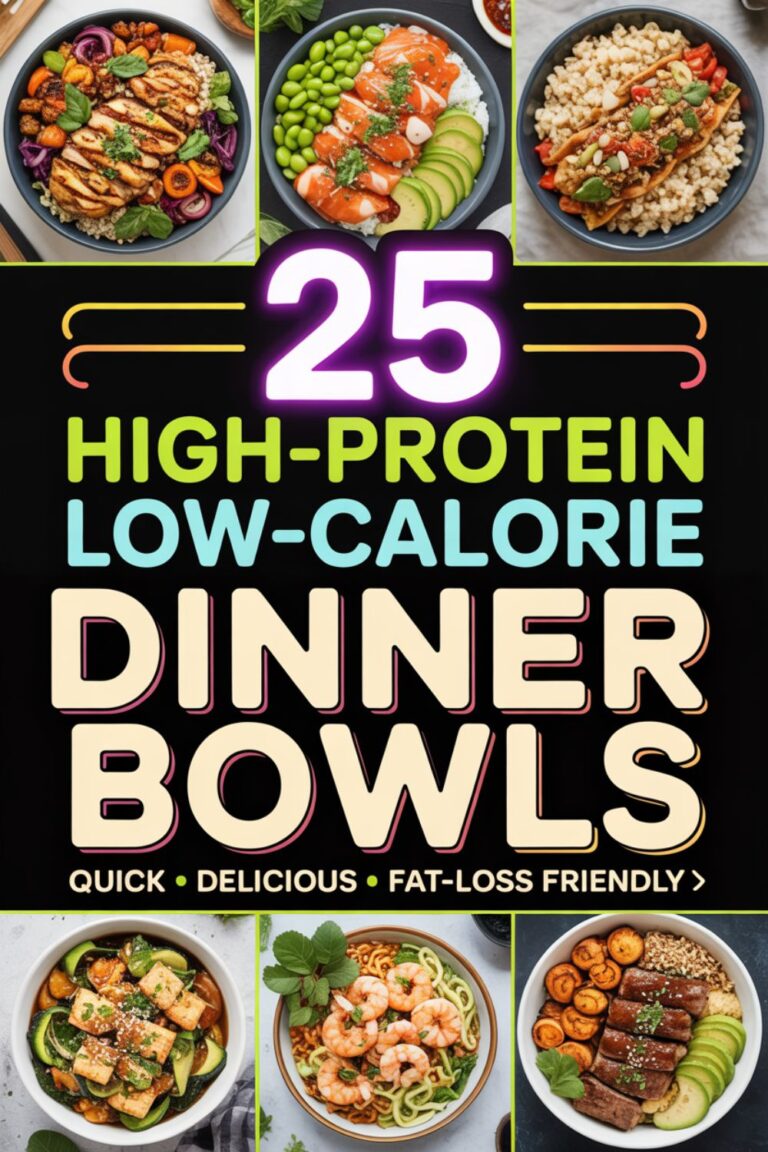
25 High-Protein Low-Calorie Dinner Bowls
25 High-Protein Low-Calorie Dinner Bowls 25 High-Protein Low-Calorie Dinner Bowls You know that feeling when you’re ravenous after a long day, but you also don’t want to derail your fitness goals with a heavy dinner? Yeah, I’ve been there more times than I can count. The problem with most “healthy” dinners is they either leave…
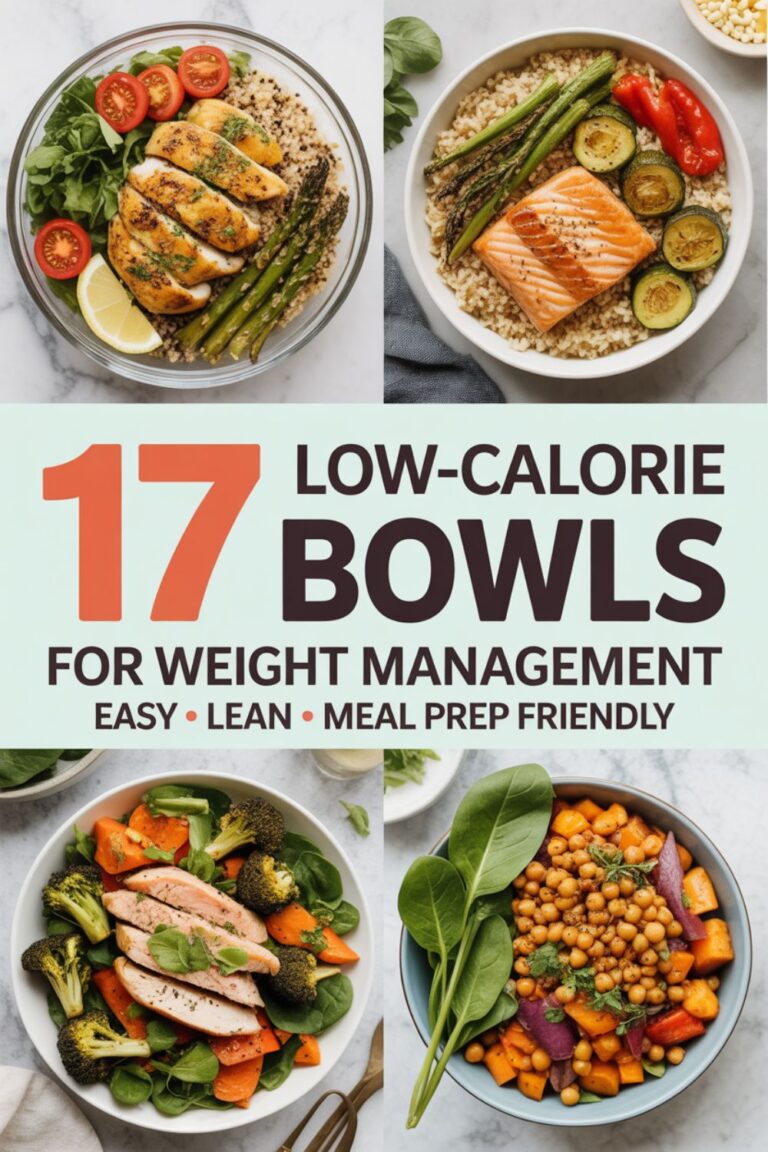
17 Low-Calorie Bowls for Weight Management
17 Low-Calorie Bowls for Weight Management | FullTaste Co FullTaste Co Meal Prep & Weight Management 17 Low-Calorie Bowls for Weight Management Filling, flavorful, and actually worth looking forward to — every single one of them. 17 recipes Under 450 cal each Meal-prep friendly 5-min read Let me tell you something nobody says enough about…
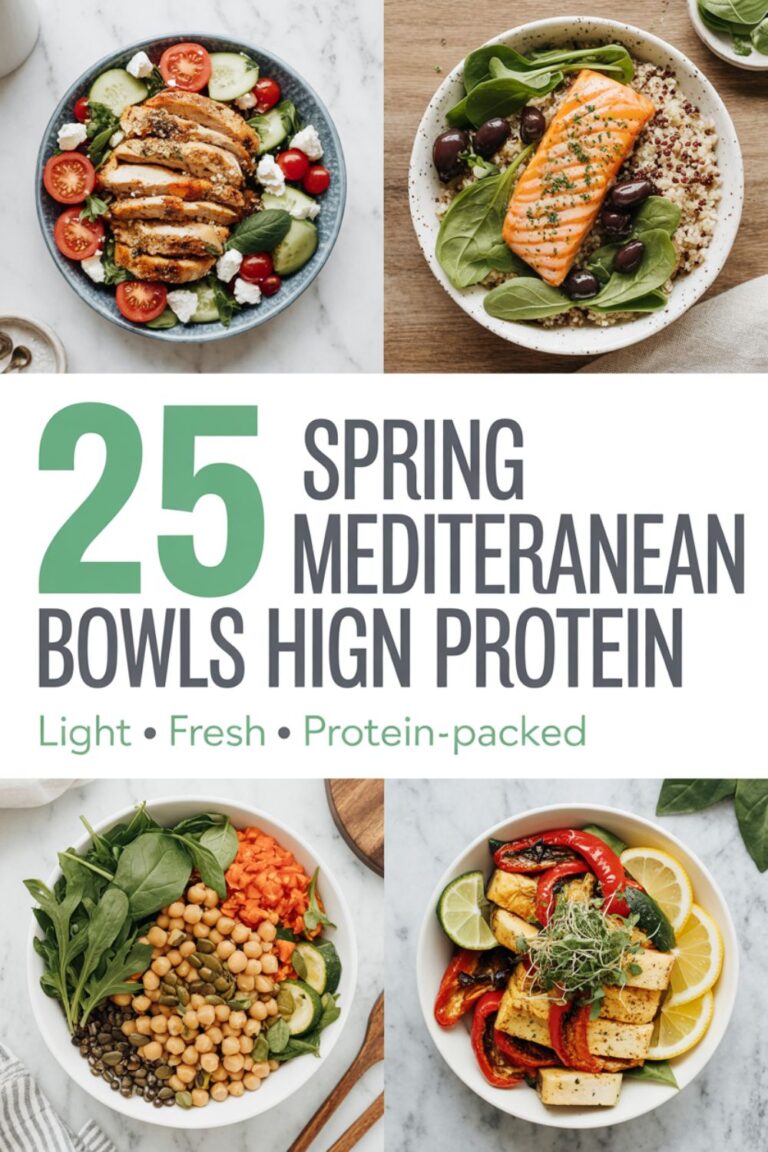
25 Spring Mediterranean Bowls High in Protein
25 Spring Mediterranean Bowls High in Protein 25 Spring Mediterranean Bowls High in Protein Spring just hits different when you’ve got a bowl full of bright veggies, fresh herbs, and enough protein to actually keep you full past 10 AM. I’m talking about Mediterranean bowls that don’t skimp on the good stuff—chickpeas, grilled chicken, feta,…
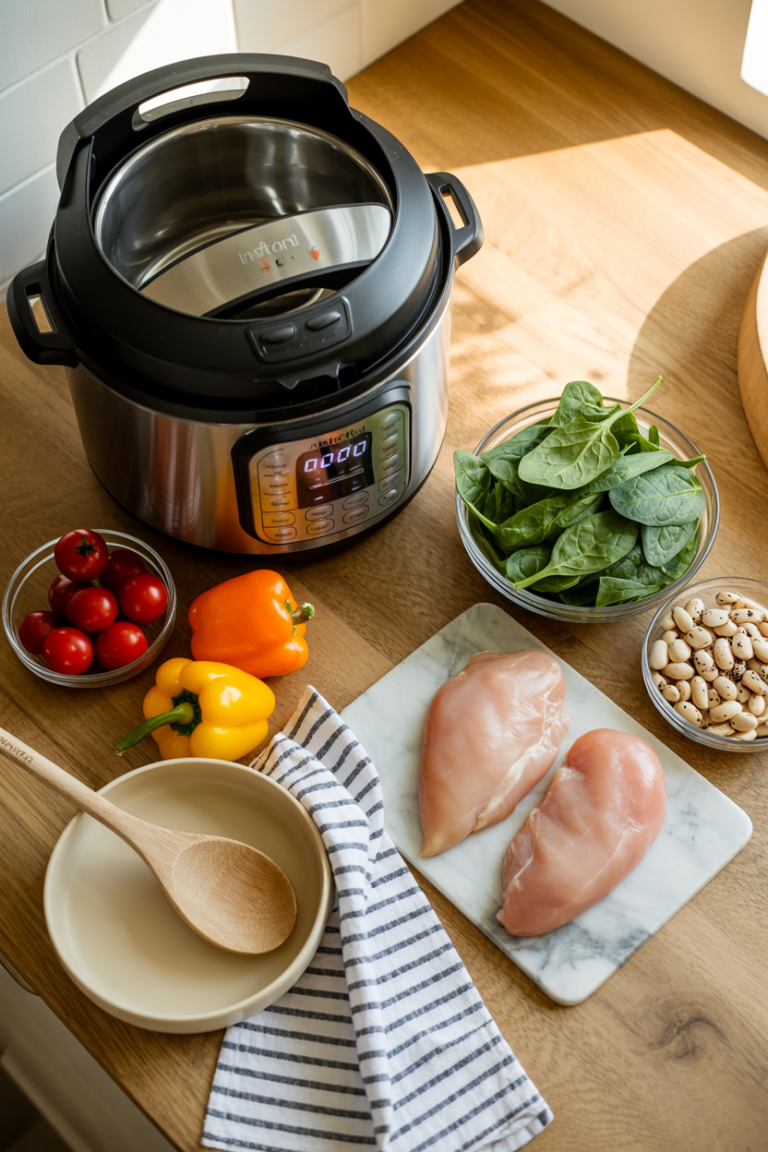
25 Low-Calorie High-Protein Instant Pot Recipes for Busy Days
25 Low-Calorie High-Protein Instant Pot Recipes for Busy Days Look, I get it. You’re running late, the kids are screaming, and the last thing you want to hear is “What’s for dinner?” But you also don’t want to sacrifice your fitness goals for another drive-thru meal. That’s where your Instant Pot becomes your absolute MVP….
25 Easy Low-Calorie High-Protein Crockpot Recipes
25 Easy Low-Calorie High-Protein Crockpot Recipes 25 Easy Low-Calorie High-Protein Crockpot Recipes Look, I’m not going to pretend I’m some meal prep wizard who has it all figured out. Most weeks, I’m scrambling at 6 PM wondering what to make for dinner, and the last thing I want is something complicated. That’s where my crockpot…